02/02/2025

Padel is a rapidly growing global phenomenon that has captured the attention of sports enthusiasts, club owners, and hotel investors worldwide. Both fun and highly social, it is played enthusiastically by millions. But to truly understand the game’s unique dynamics, one must look at its infrastructure. Padel courts are specialized sports facilities inspired by traditional tennis and squash, engineered for fast-paced rallies. In this comprehensive guide, you will find detailed information about what a padel court is, its official dimensions, technical features, and construction standards.
Table of Contents
What is Padel Sport?
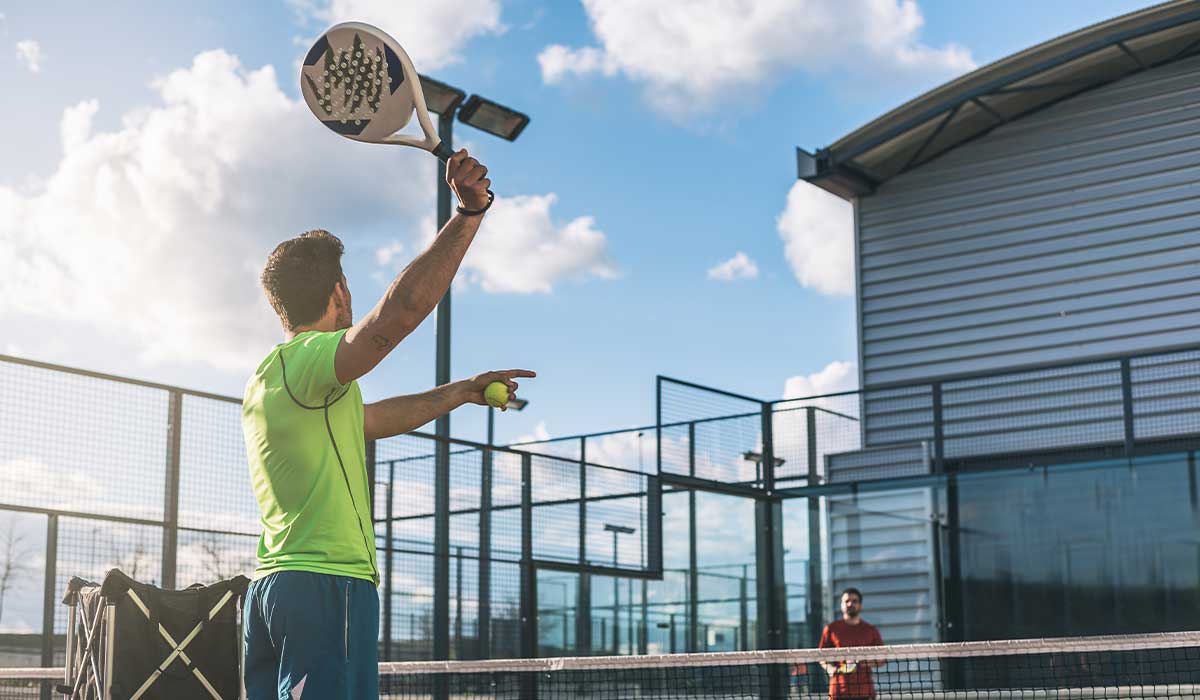
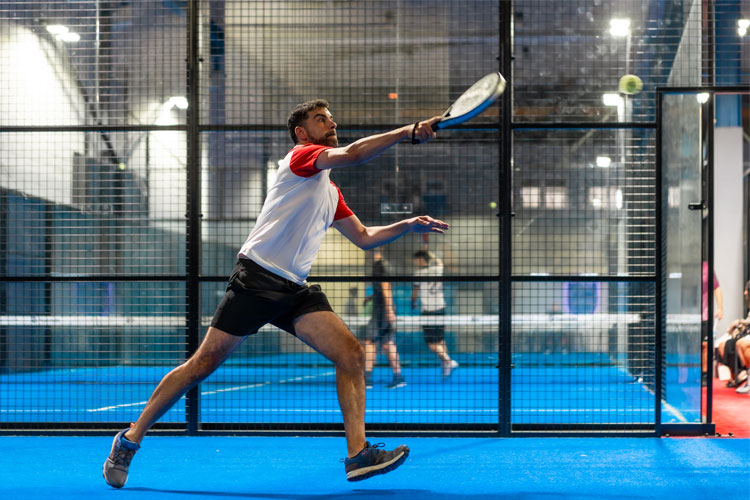
Padel can be defined as a brilliant combination of traditional racket sports like tennis and squash. This sport, which originated in Mexico in 1969, has gained monumental popularity, particularly in Europe, Latin America, the Middle East, and the USA. Padel is typically played in doubles (2v2 setups). The core objective involves sending the ball over the net to the opposing team's side in a fast-paced, high-adrenaline manner.
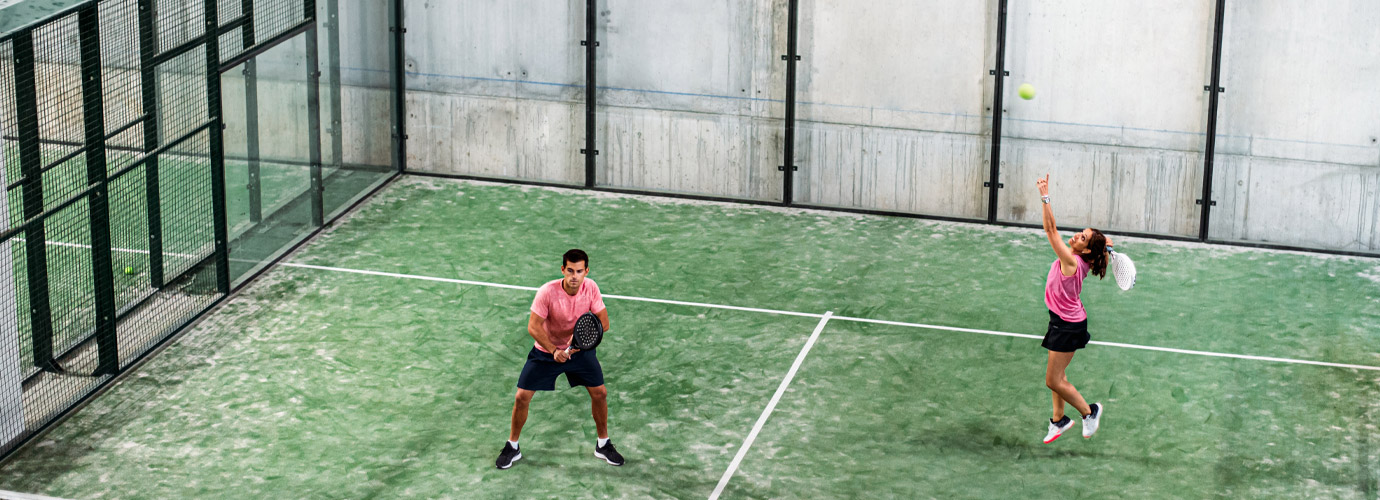
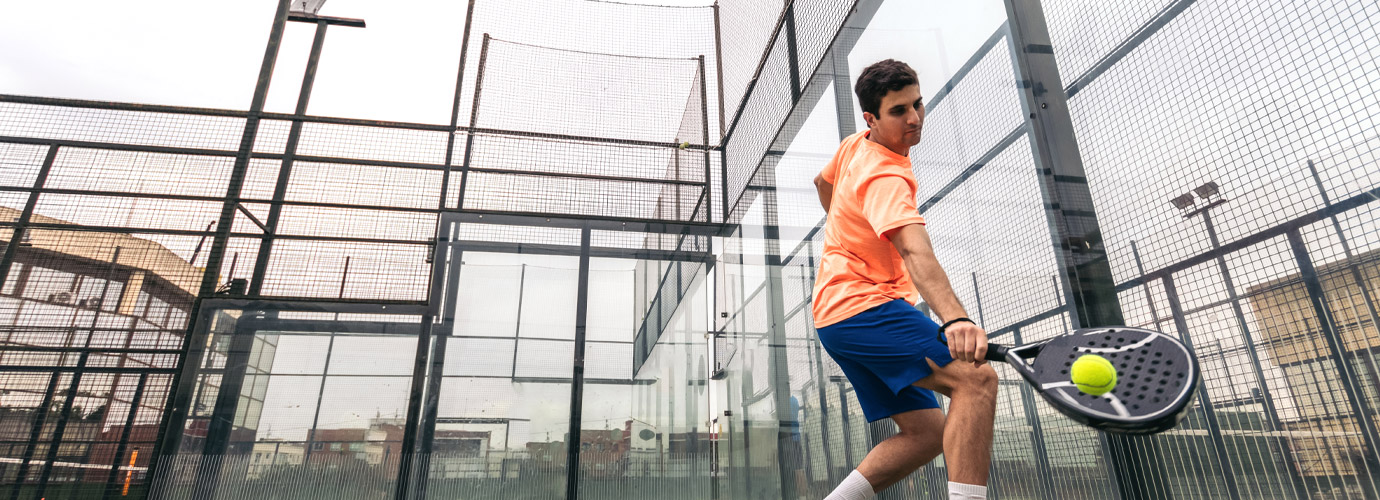
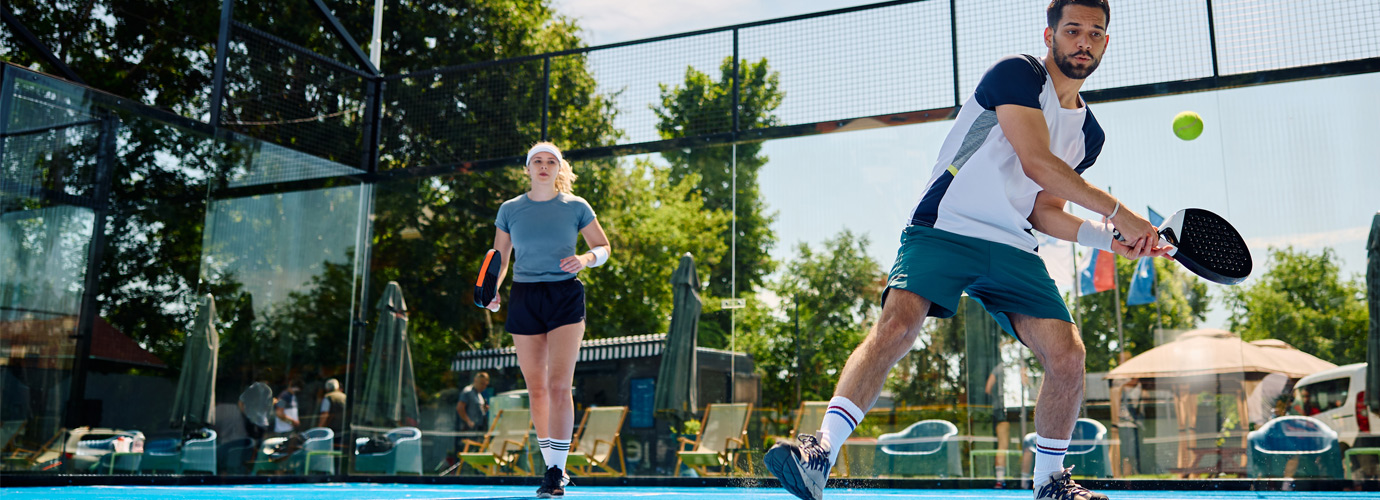
While padel shares scoring rules with tennis, it is played on a significantly smaller court surrounded by glass walls. This architectural feature is the most distinguishing difference that separates padel from other racket sports. The walls of the padel courts provide continuous strategic opportunities, as players can allow the ball to bounce off the glass and return it over the net.
What is a Padel Court?
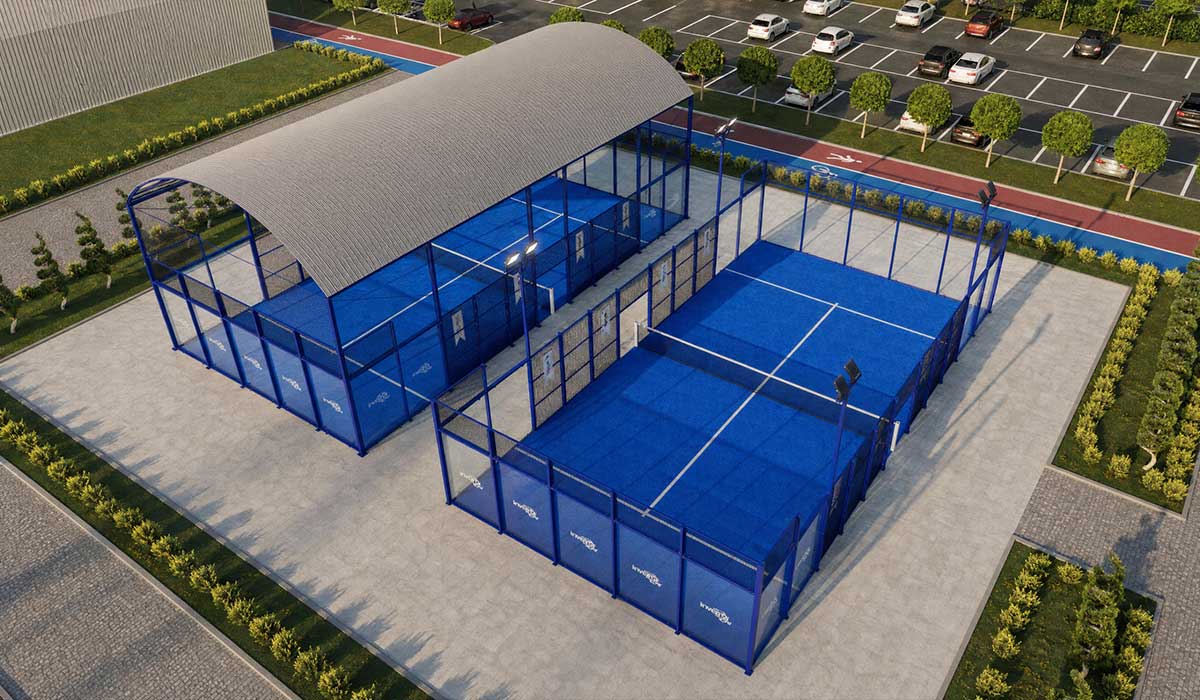
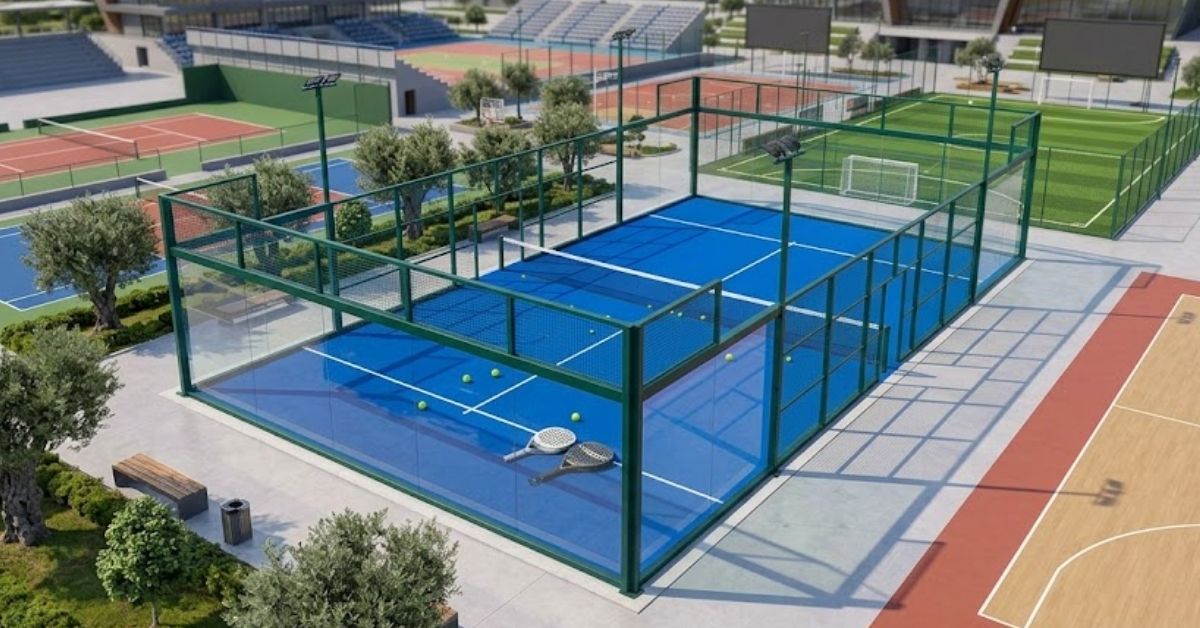
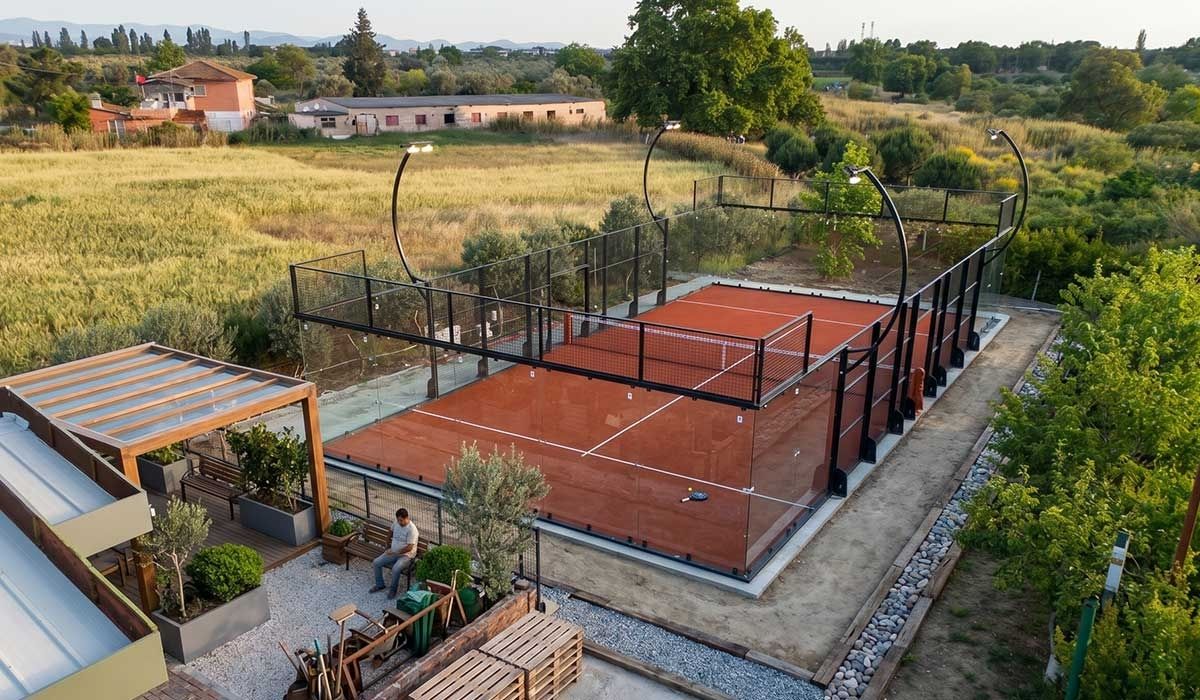
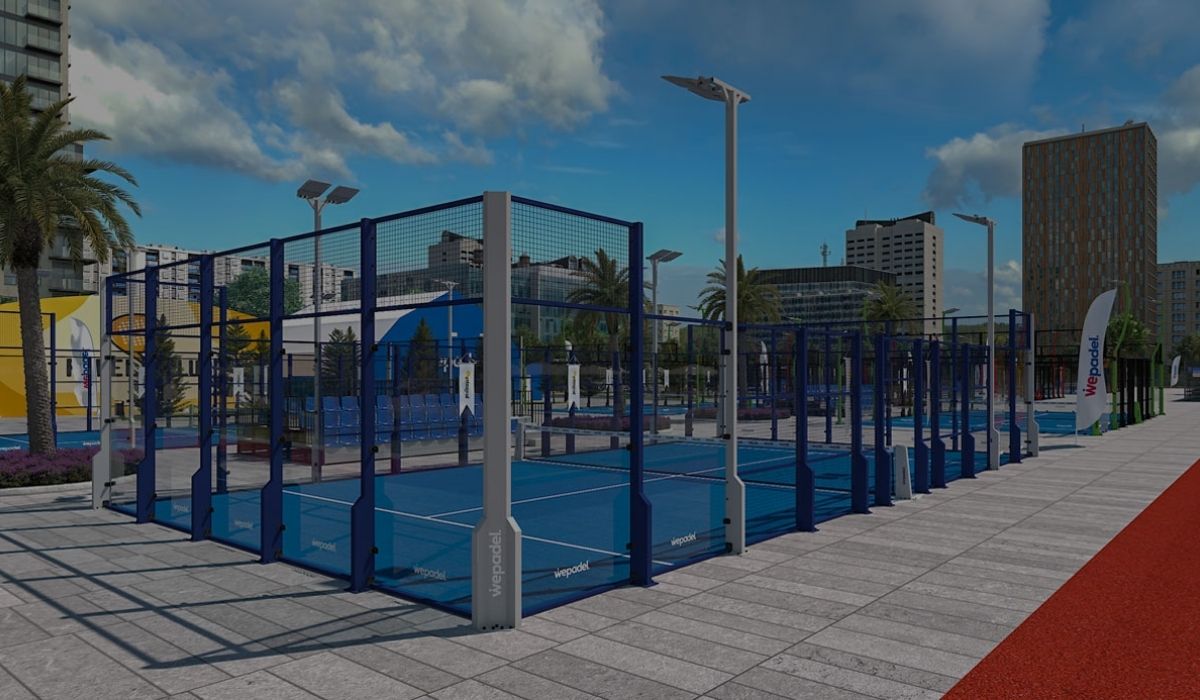
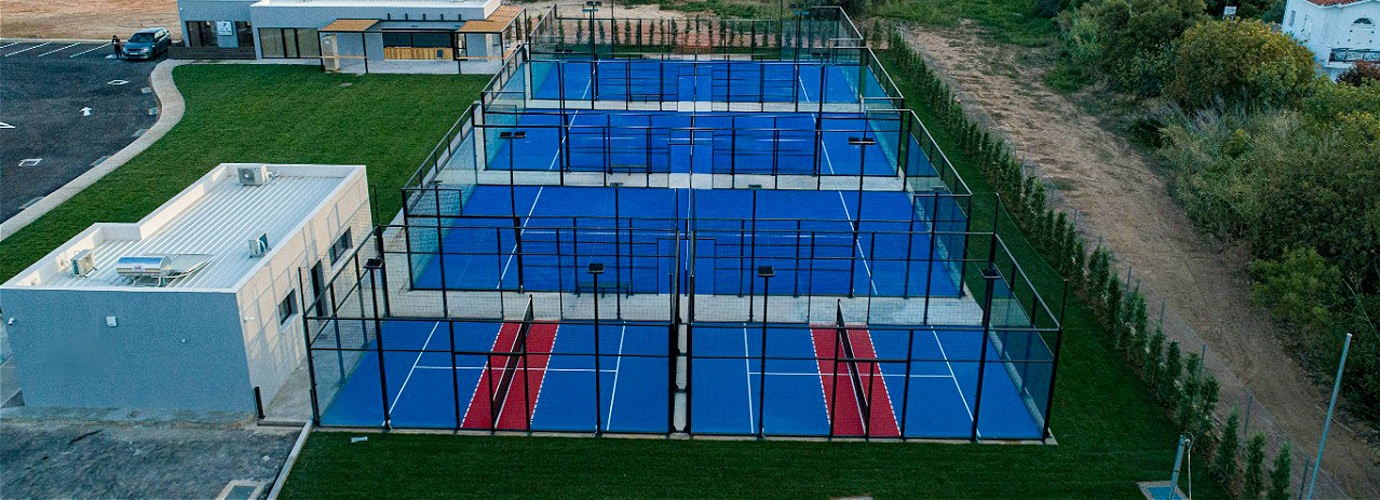
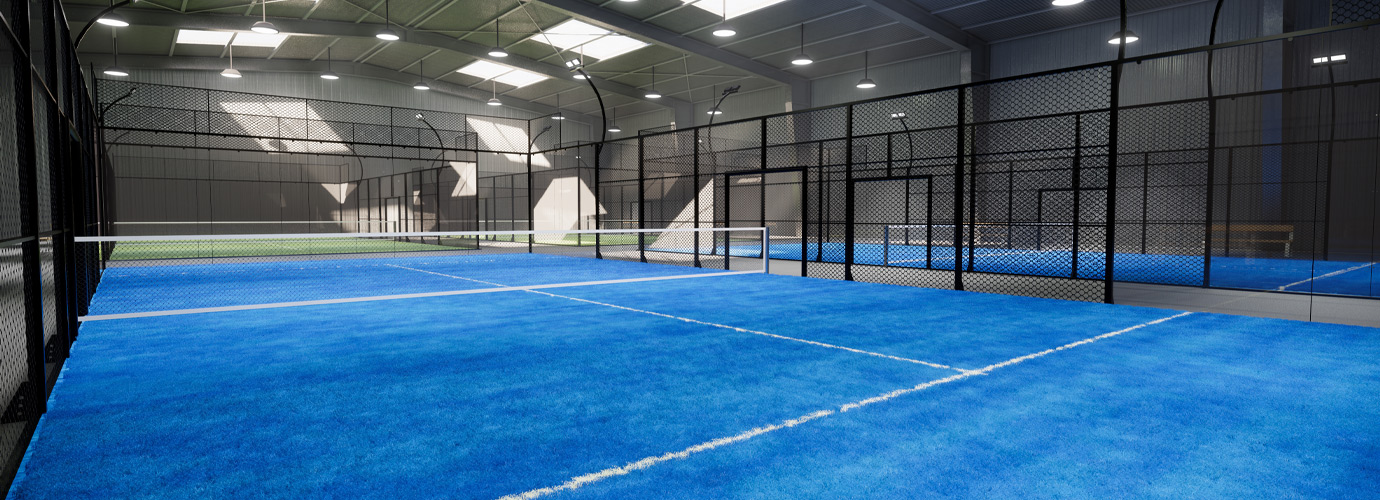
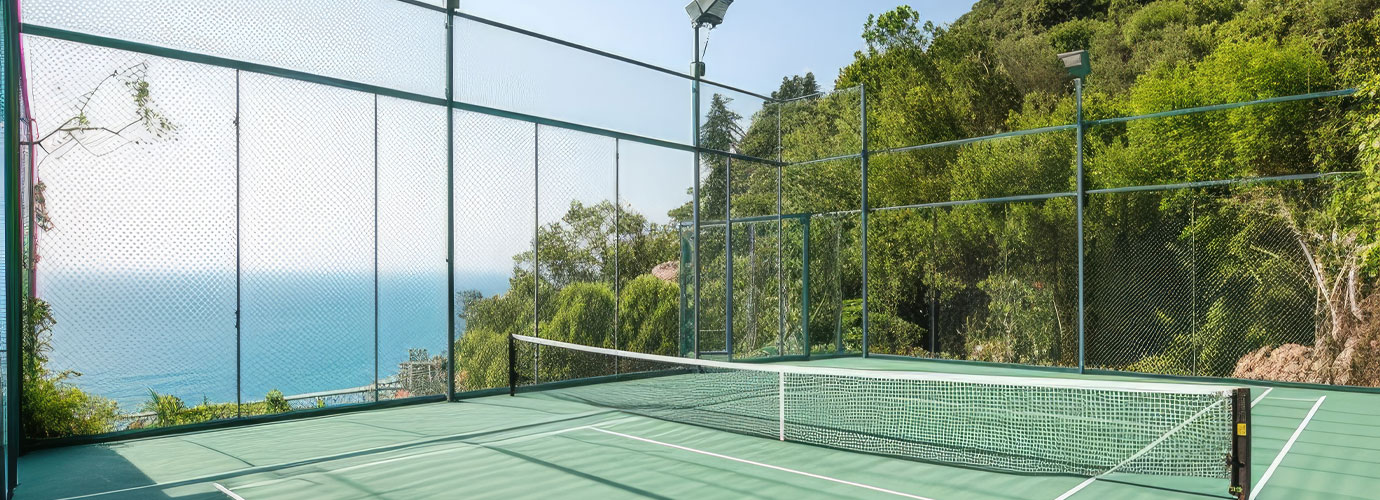
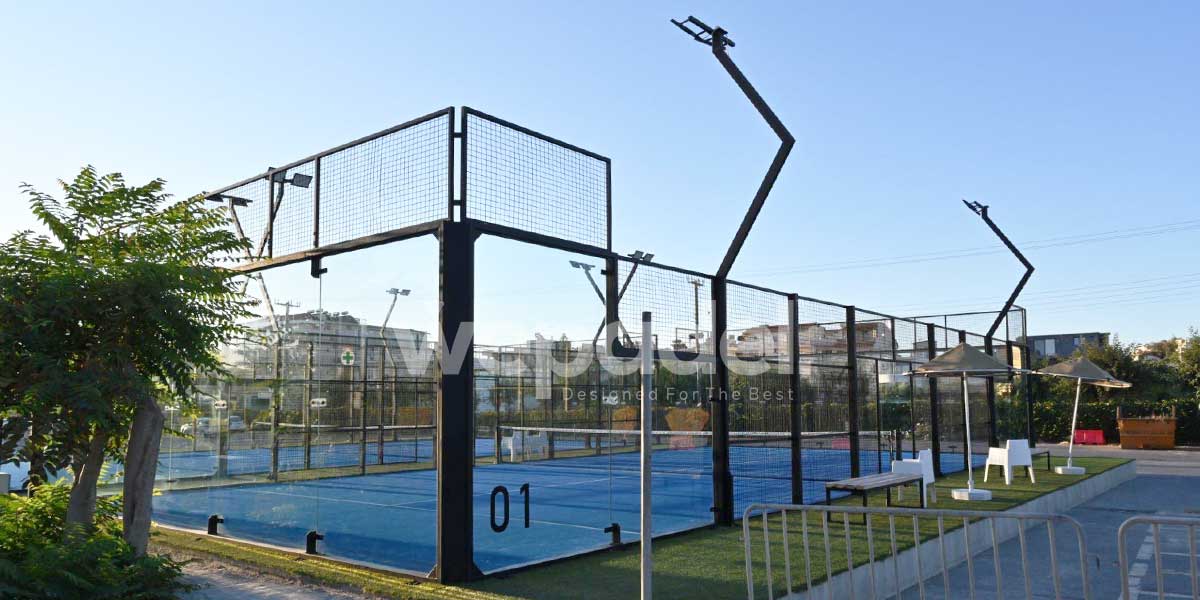
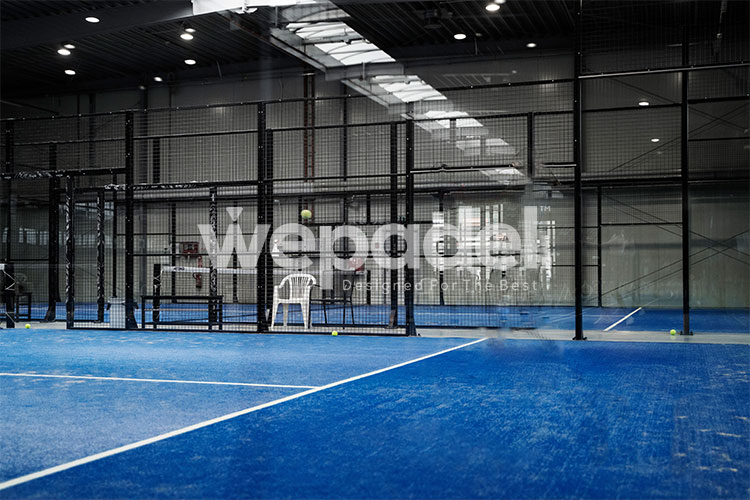
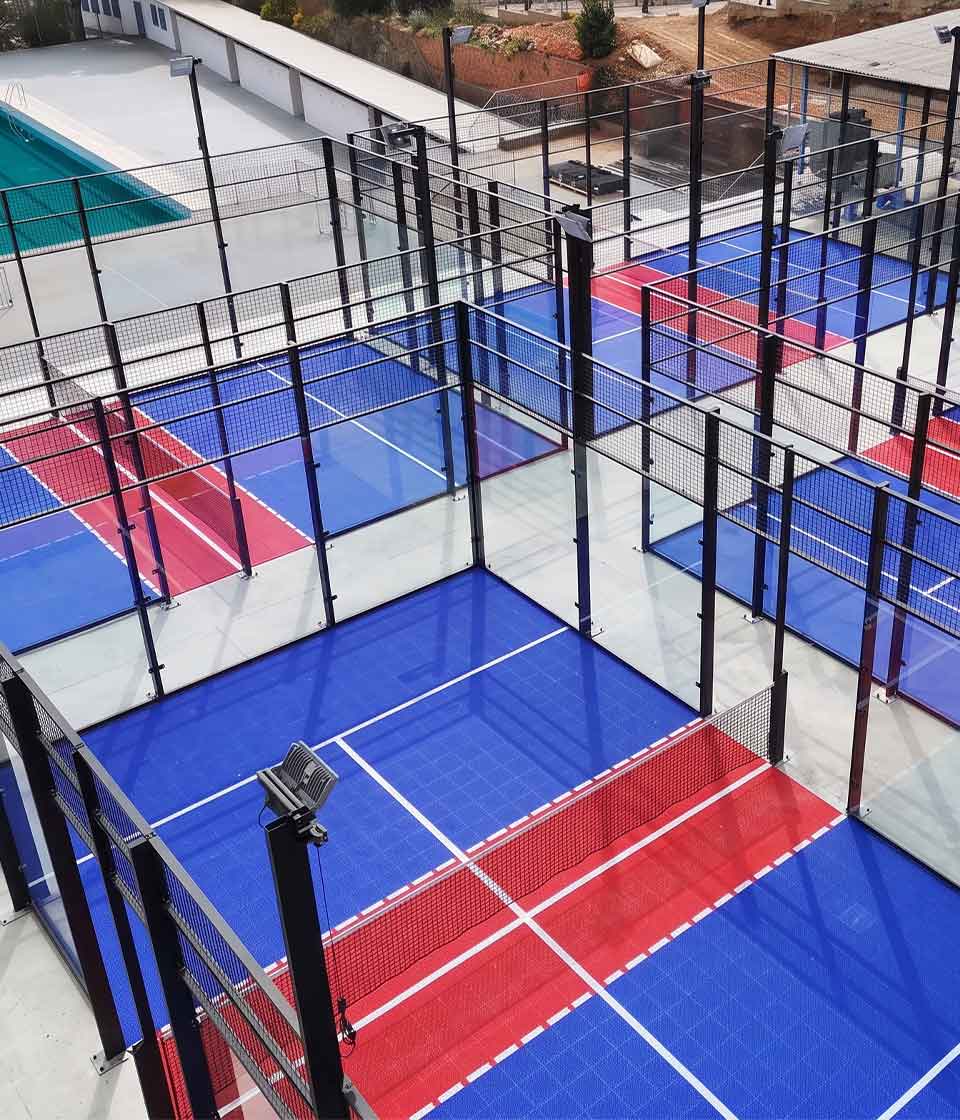
A padel court is a highly specialized, enclosed sports area specifically engineered for padel matches. While a traditional padel court installation requires a dedicated concrete subbase just like a standard tennis court, its superstructure is vastly different. It is compact, requires a professional artificial turf surface, and must feature heavy-duty tempered glass and mesh fencing designed to handle constant ball impacts.
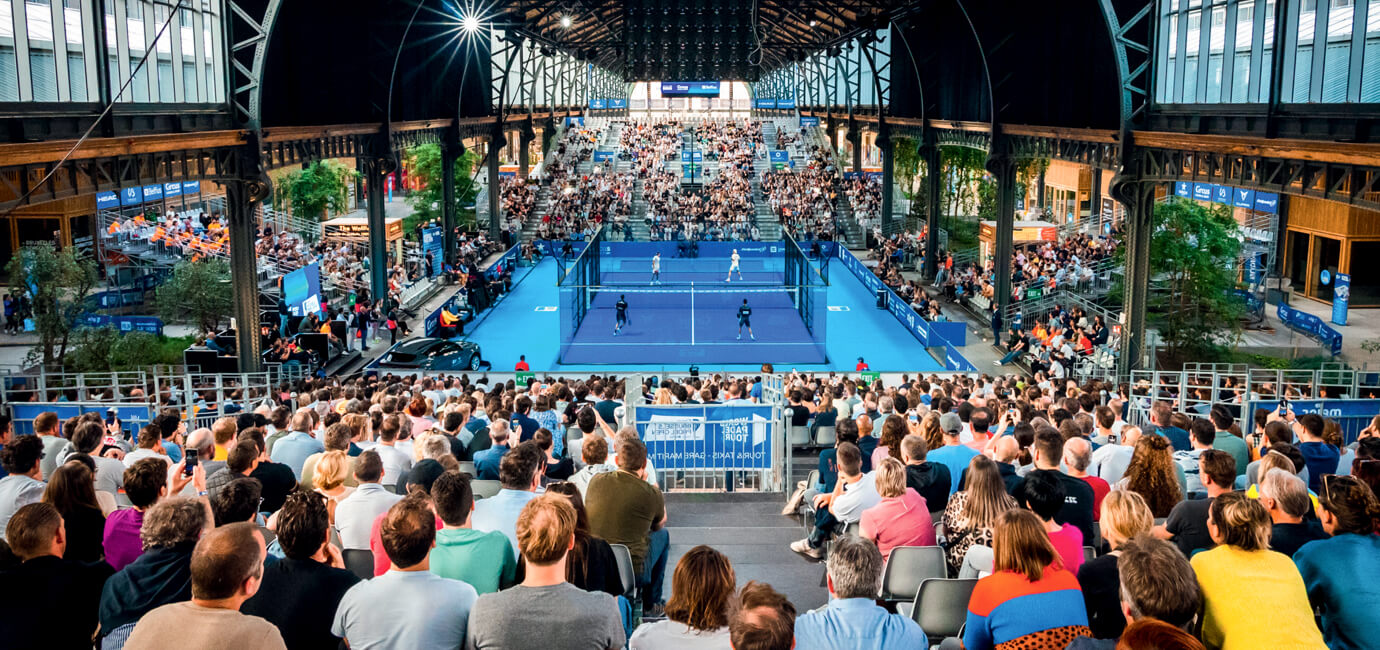
A professionally designed padel court can be customized to host local club matches or official international padel tournaments under the FIP (International Padel Federation) guidelines. The precision of the court's design is the single most important factor affecting ball bounce, player safety, and the overall game tempo.
Official Features & Specifications of a Padel Court
Padel courts are designed to optimize space and enhance the player experience. Whether building an indoor or outdoor facility, checking structural specifications is mandatory for structural longevity.
Official Dimensions and Structure
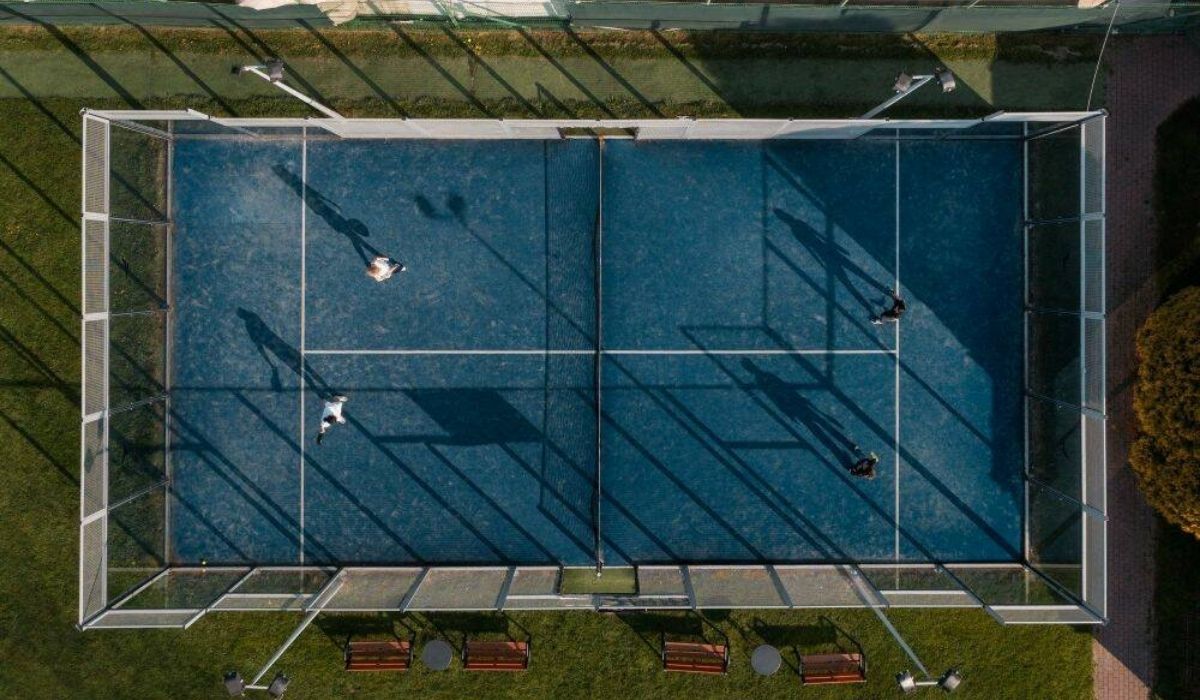
According to international standards, every standard court must adhere to the following precise measurements:
| Structural Feature | Official FIP Standards & Details |
|---|---|
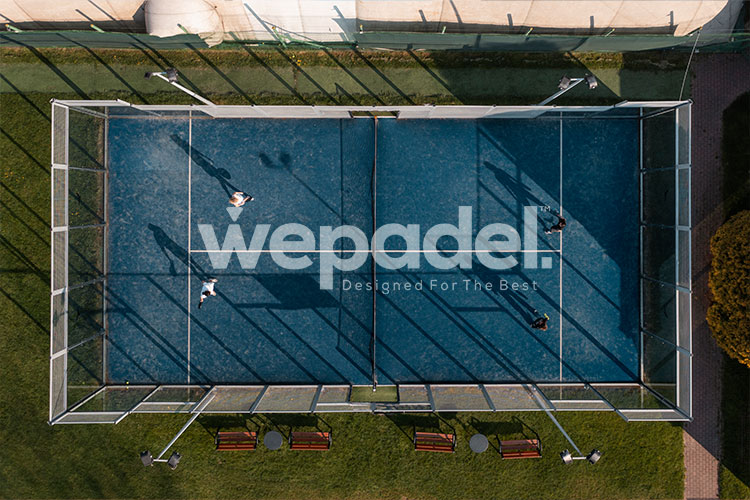
| Court Dimensions | 20 meters in length, 10 meters in width (Clear internal playing area) |
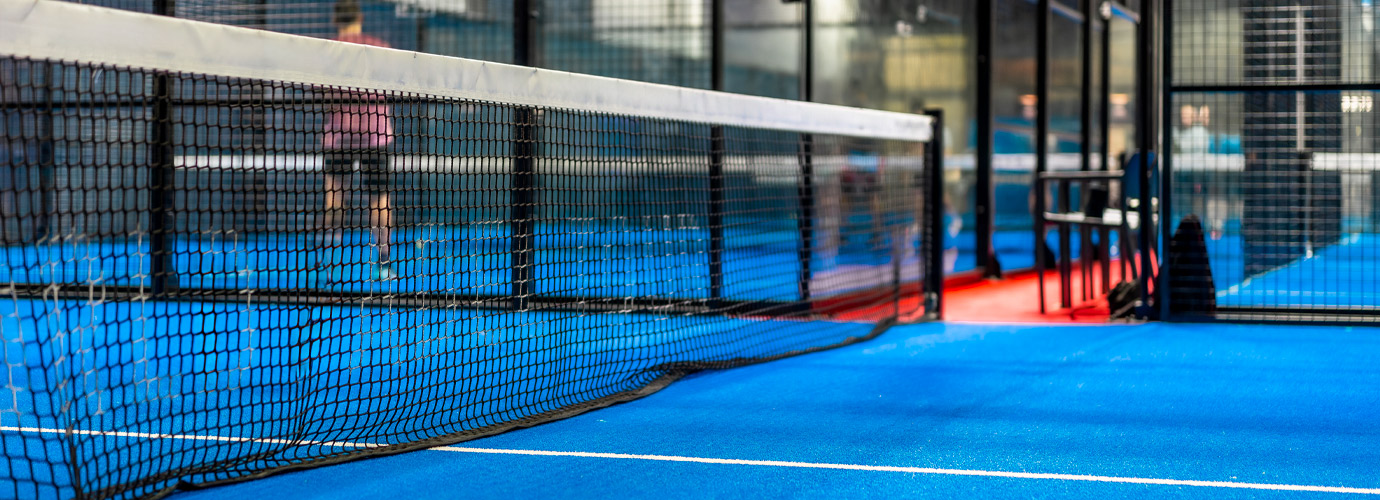
| Net Height | 88 cm at the center, rising to a maximum of 92 cm at the posts |
| Wall Height | Back glass walls: 4 meters; Side walls (combination of glass & mesh): 3 meters |
| Glass Specifications | 10mm or 12mm thick tempered safety glass (Panoramic options available) |
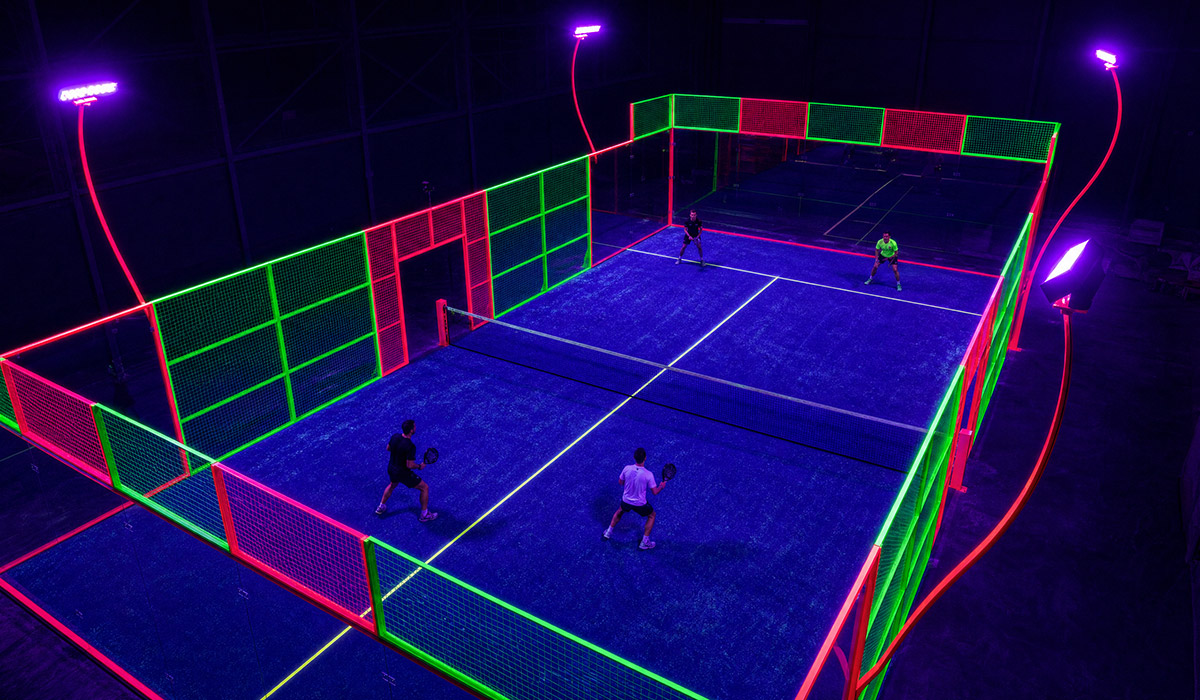
| Lighting Requirement | LED floodlights (4 or 8 posts) providing a minimum of 400-500 lux |
Your browser does not support the video tag.
Professional Surface Types
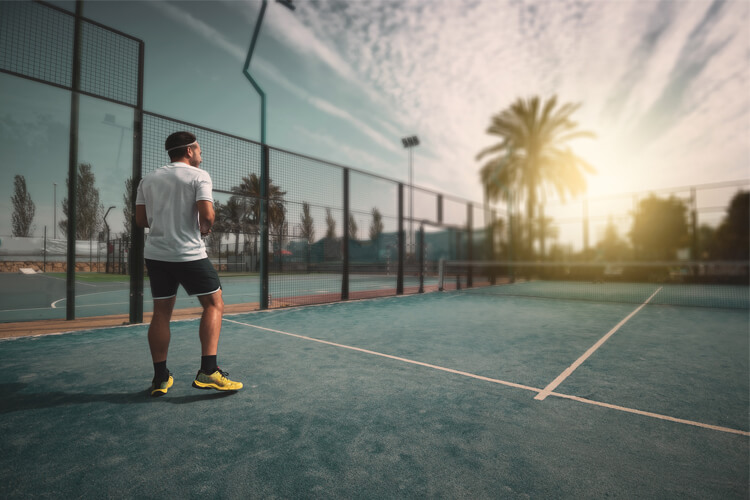
The playing surface directly dictates how the ball slides, twists, and bounces. Unlike traditional tennis, players never play directly on hard concrete. Instead, a specialized coating is applied over the foundation:
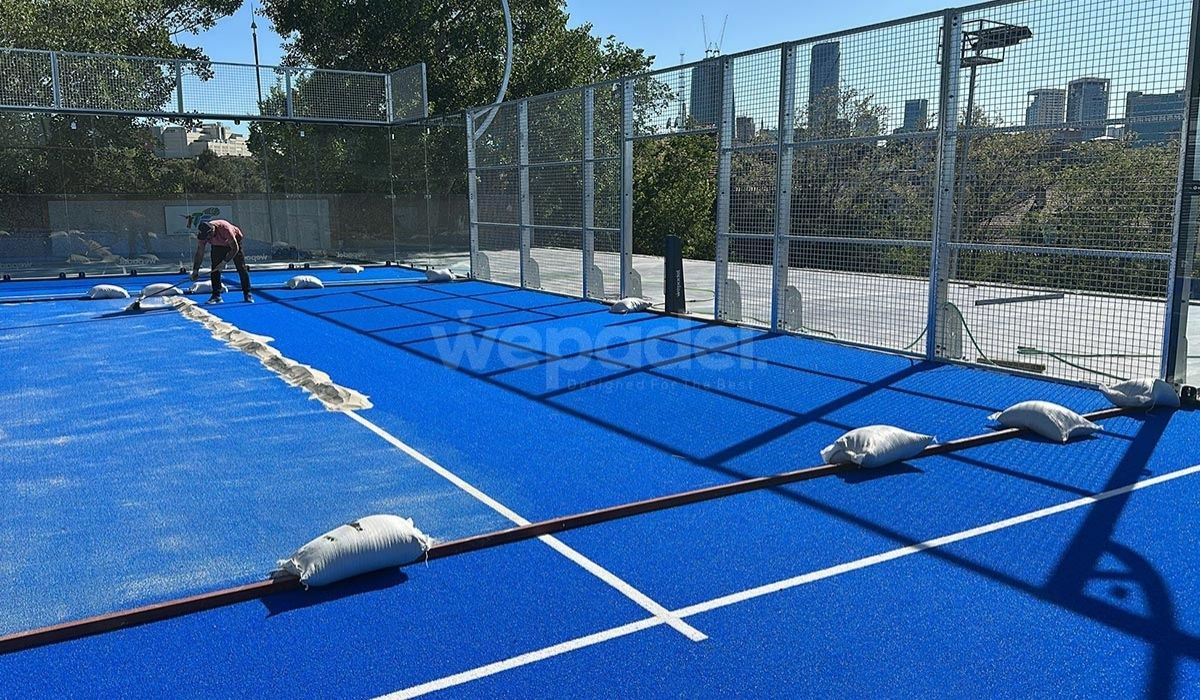
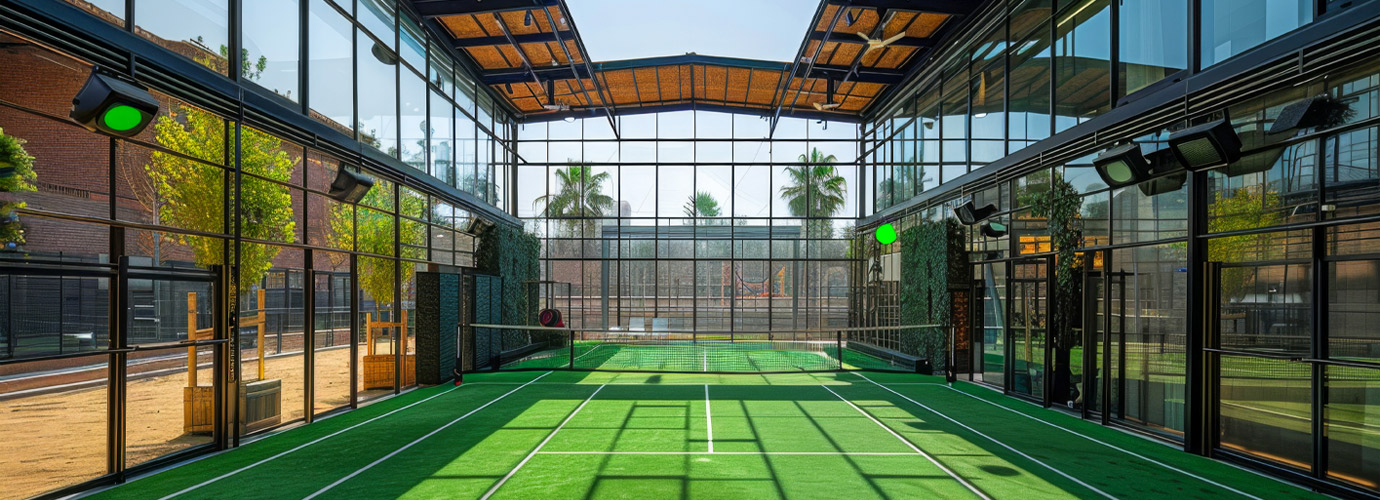
- Monofilament Synthetic Grass (Artificial Turf): This is the gold standard for modern padel courts. Filled with specific silica sand, synthetic grass offers premium shock absorption, prevents player injuries, and delivers a consistent, medium-speed ball bounce. It is perfect for both indoor structures and outdoor clubs.
- Textured/Fibrillated Artificial Turf: Widely used in elite World Padel Tour tournaments, textured turf fibers hold the sand better, require less maintenance, and offer exceptional grip for professional-level spin shots.
- Acrylic/Poliurethane Resin Coatings: Mostly preferred in specific indoor multi-sports halls. It offers a much faster game tempo compared to turf but provides less cushioning for the players' joints.
The Strategic Role of Glass Walls
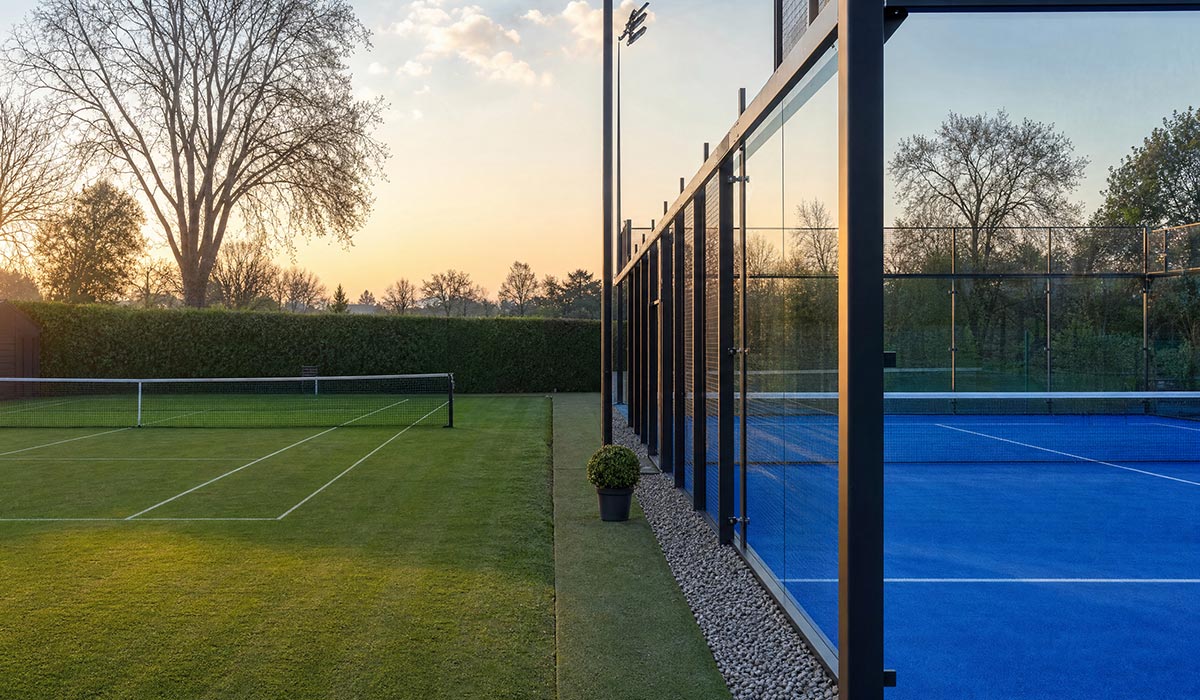
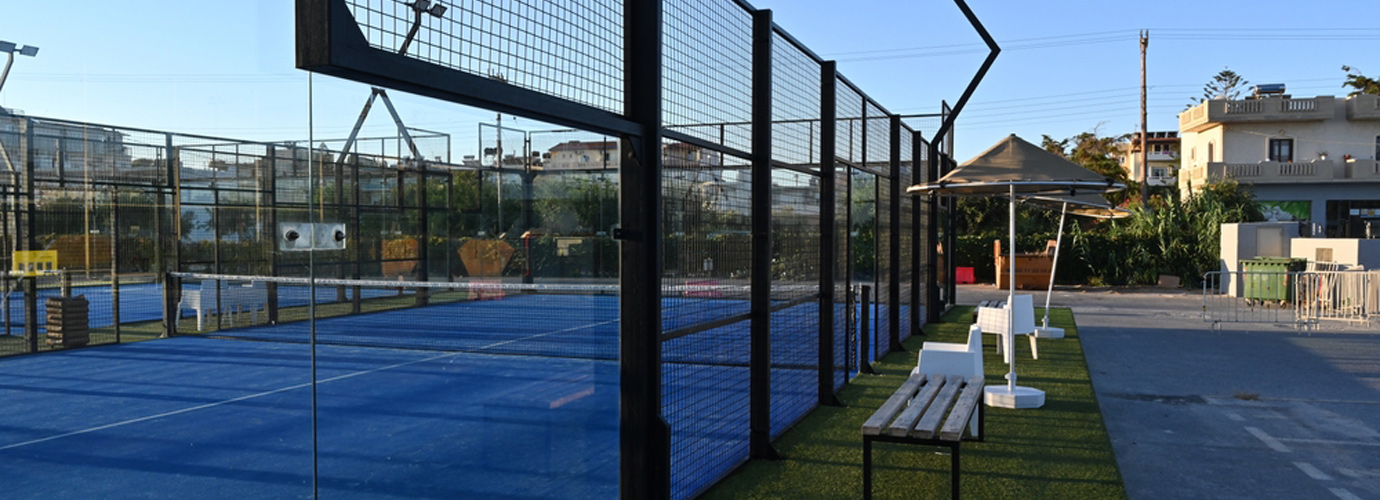
The surrounding walls are not just boundaries; they are active gameplay elements. The back wall stands at 4 meters high, built from heavy-duty tempered glass to ensure spectator visibility and safety. The sides combine 3 meters of glass with steel wire mesh. Understanding how the ball reacts after striking the glass versus striking the metallic mesh is what separates beginner players from masters of padel strategy.
Key Factors in Designing a Padel Court
If you are planning a commercial court project, a flawless engineering blueprint is necessary to ensure long-term profitability and safety:
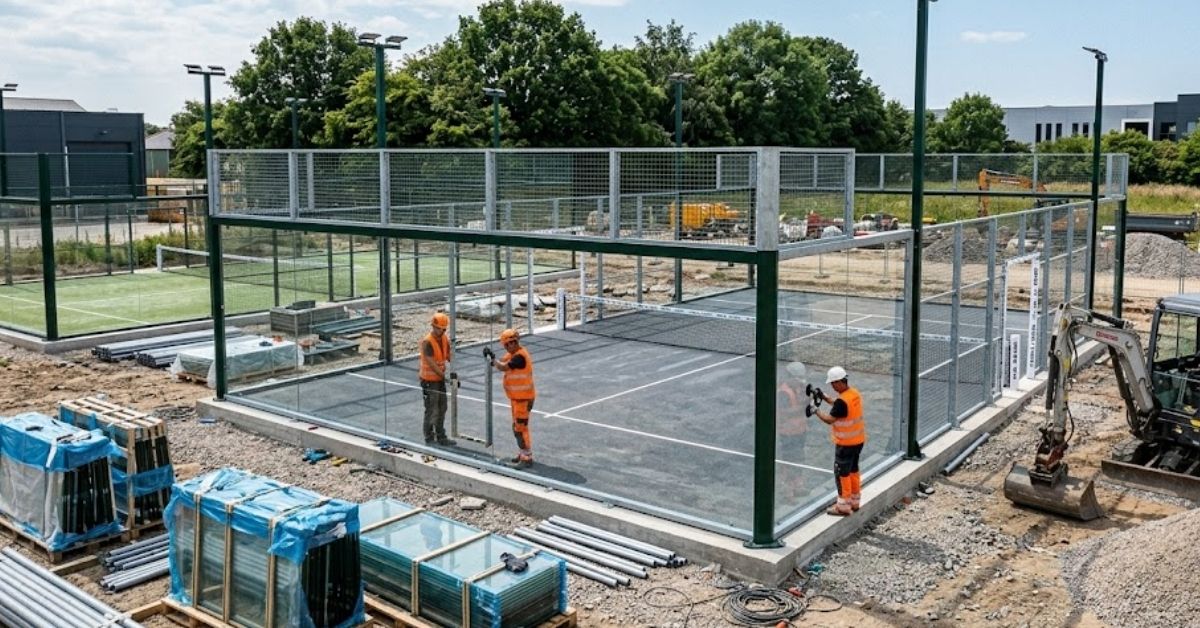
- Subbase Foundation Engineering: A perfectly leveled concrete or asphalt base with integrated drainage channels is mandatory for outdoor courts to prevent water pooling after rainfall.
- Structural Steel Framework: The steel pillars holding the glass must be treated with anti-corrosion powder coating, especially in coastal or high-humidity regions.
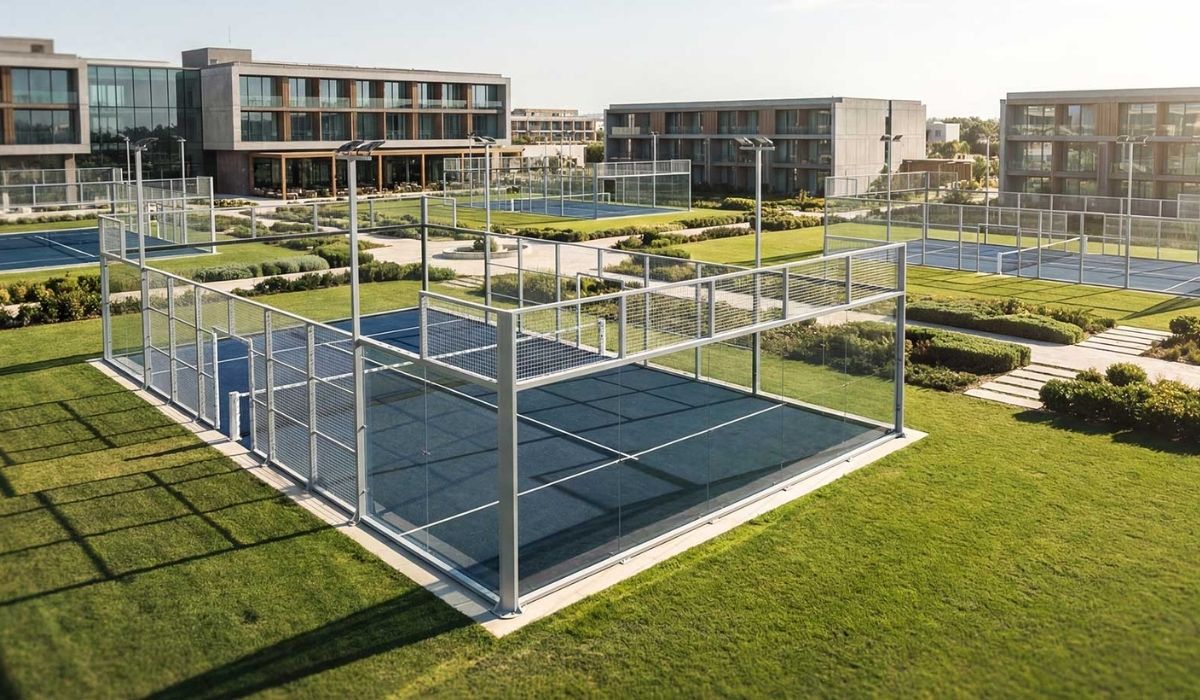
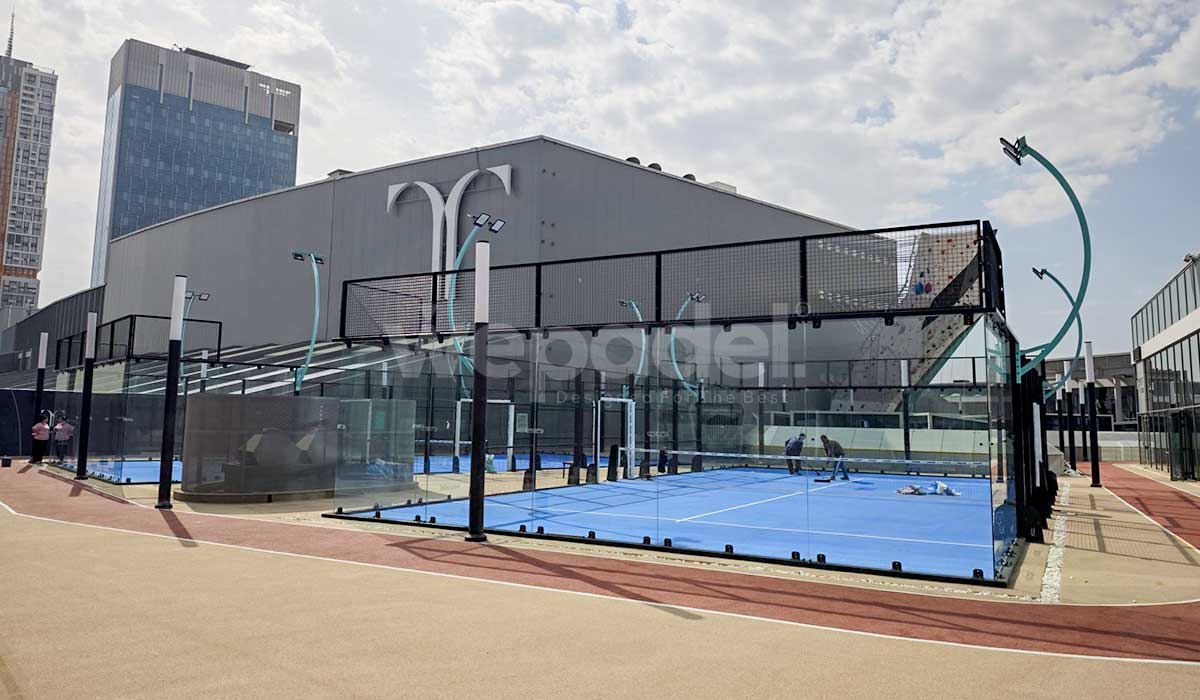
- Panoramic vs. Standard Design: Panoramic padel courts replace corner steel pillars with structural glass fixings, offering premium, unobstructed views for spectators and TV broadcasts—ideal for center courts at premium clubs.
- Professional LED Lighting: Proper illumination without shadows or glare is essential. Anti-glare LED sports lighting systems allow comfortable gameplay during night hours, significantly increasing booking revenues.
Where Are Padel Courts Installed? (Commercial & Private Use)
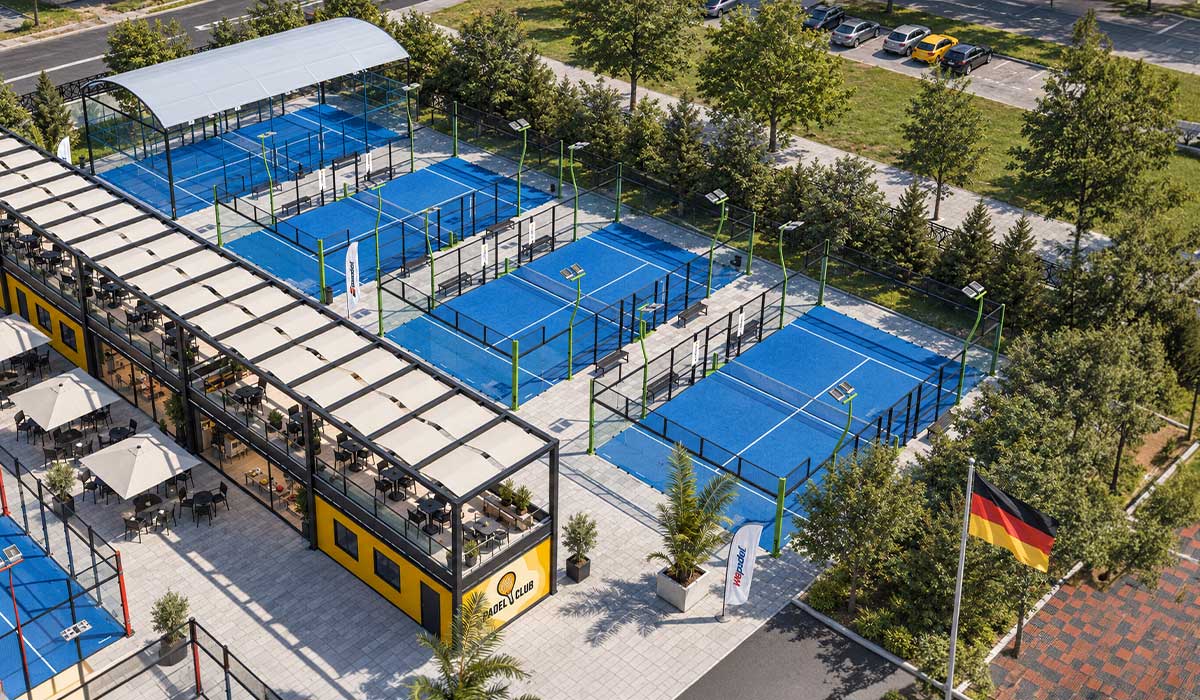
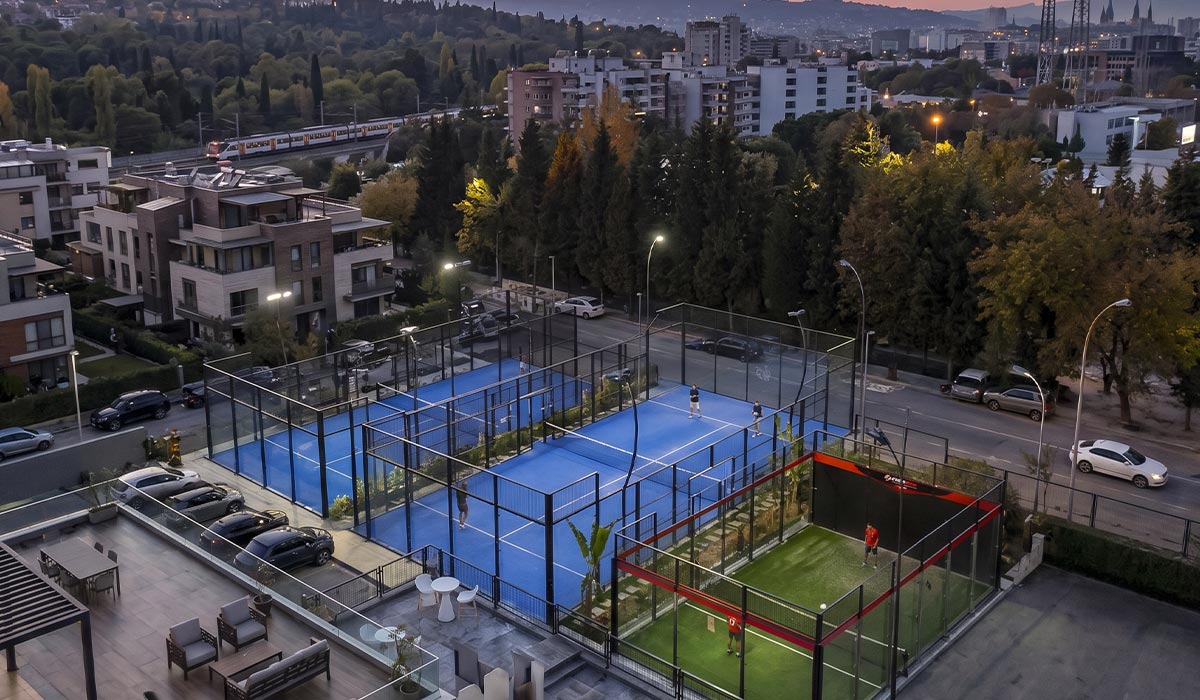
Because of their compact size (you can easily fit two padel courts into the space of one traditional tennis court), they offer a massive Return on Investment (ROI) for facility owners. Common installation areas include:
- Commercial Sports Clubs: Adding padel courts maximizes court booking revenues and attracts a highly active community of players.
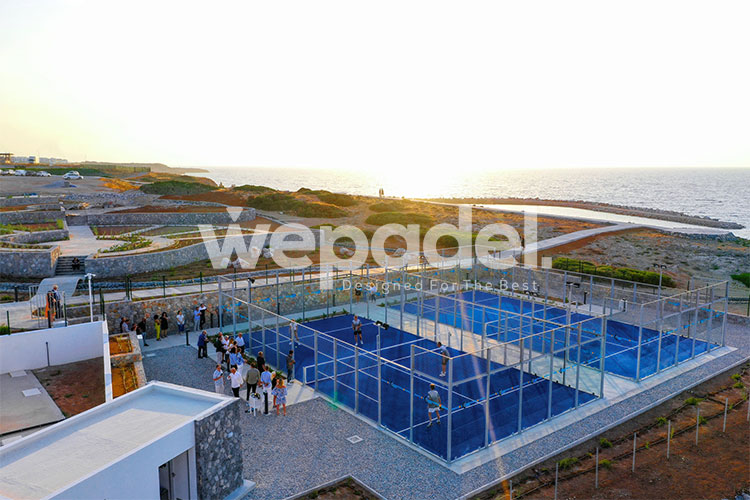
- Hotels and Luxury Resorts: Premium resorts install padel courts to boost guest satisfaction and offer high-end, trendy activities that set them apart from competitors.
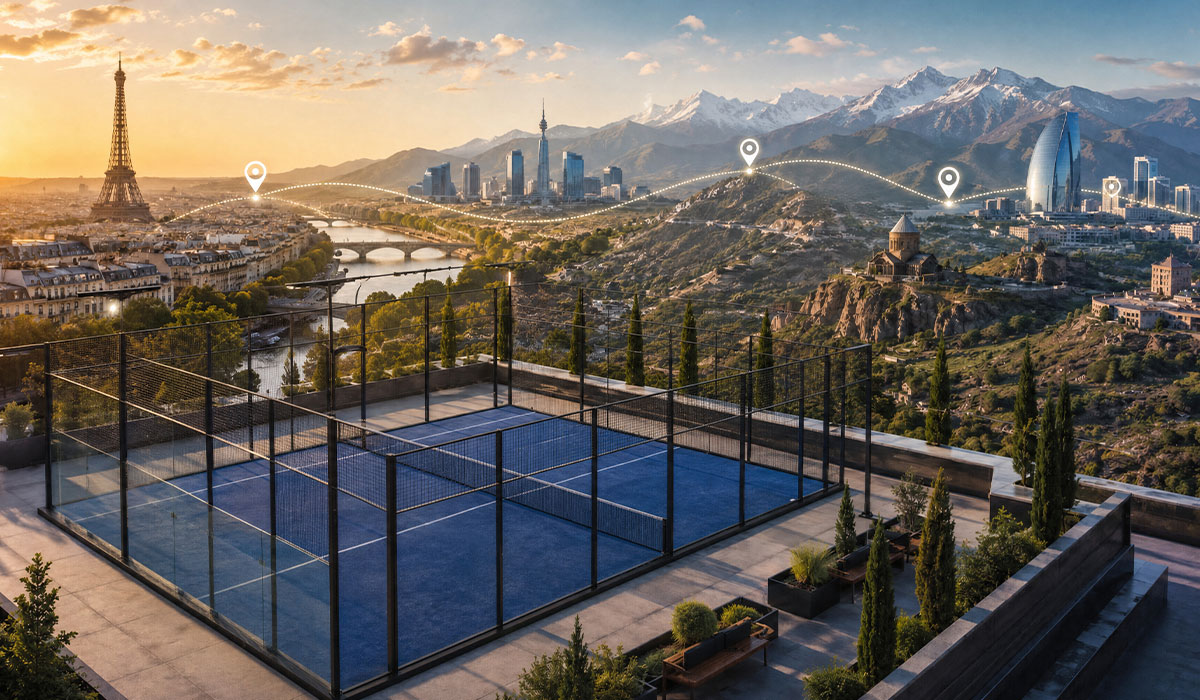
- Residential Complexes & Private Villas: Homeowners and real estate developers are increasingly integrating private padel courts as a luxury wellness amenity.
- Schools and Universities: Educational institutions construct them to modernize their sports infrastructure with a low-injury, highly inclusive sport.
Conclusion & ROI Value
A padel court is far more than a miniature tennis court; it is an engineered ecosystem combining advanced glass technology, specific artificial turf, and strategic wall parameters. Whether you are an athlete looking to enjoy a dynamic game or an entrepreneur aiming to invest in a lucrative sports business, focusing on premium court components is the key to success.
Investing in a high-quality court ensures minimal maintenance costs, maximum player safety, and excellent facility prestige. As the global demand for padel continues to surge, establishing top-tier court infrastructure is a highly profitable step forward.
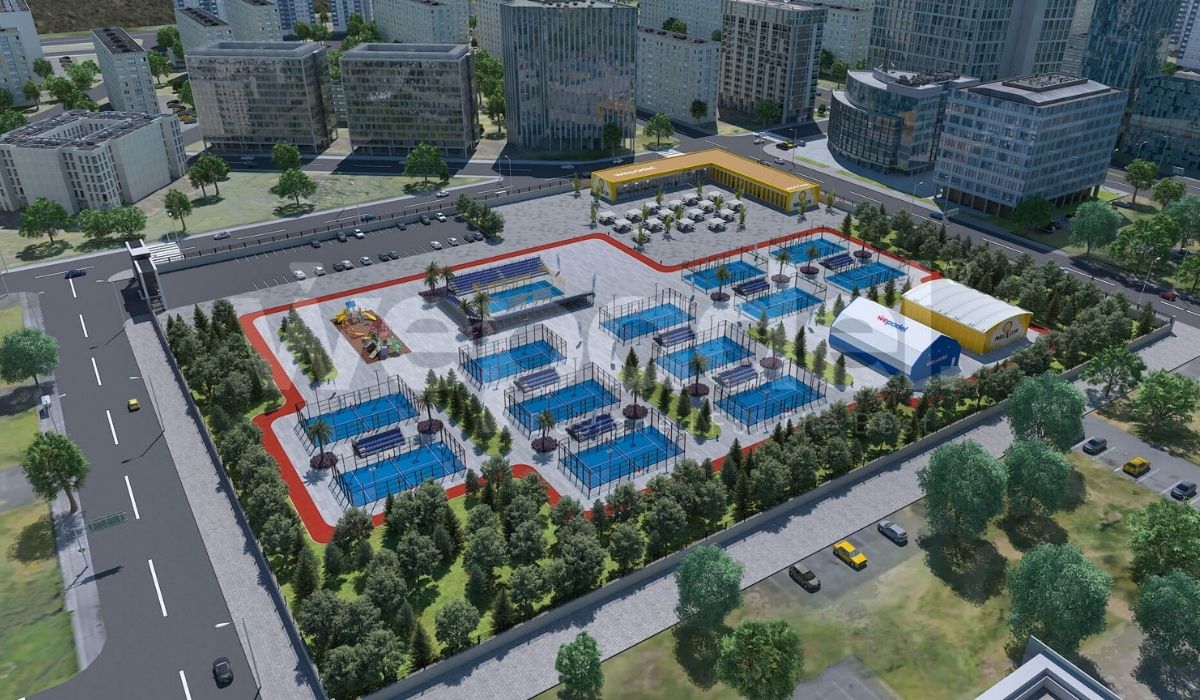
At WePadel, we build high-performance, FIP-certified padel courts utilizing premium structural steel, elite tempered glass, and world-class artificial turf. Whether you need a single panoramic court for a private villa or a 10-court indoor commercial center, our engineering team handles everything from foundation to illumination. Contact WePadel today for a tailored project layout and a free cost estimate, or speak directly with our experts at +90 (212) 678 13 13.