17/09/2023

Padel is an exceptionally dynamic racquet sport that brilliantly combines the tactical elements of tennis and squash. While padel courts are the specific engineering structures required for this exciting global trend, the terms "Padel Court" and "Paddle Court" are occasionally used interchangeably by investors and players. In this comprehensive guide, we will break down the essential technical differences between modern Padel and traditional American Paddle sports, focusing on court specifications, gear, and facility layouts.
Table of Contents
What is Padel Sport?
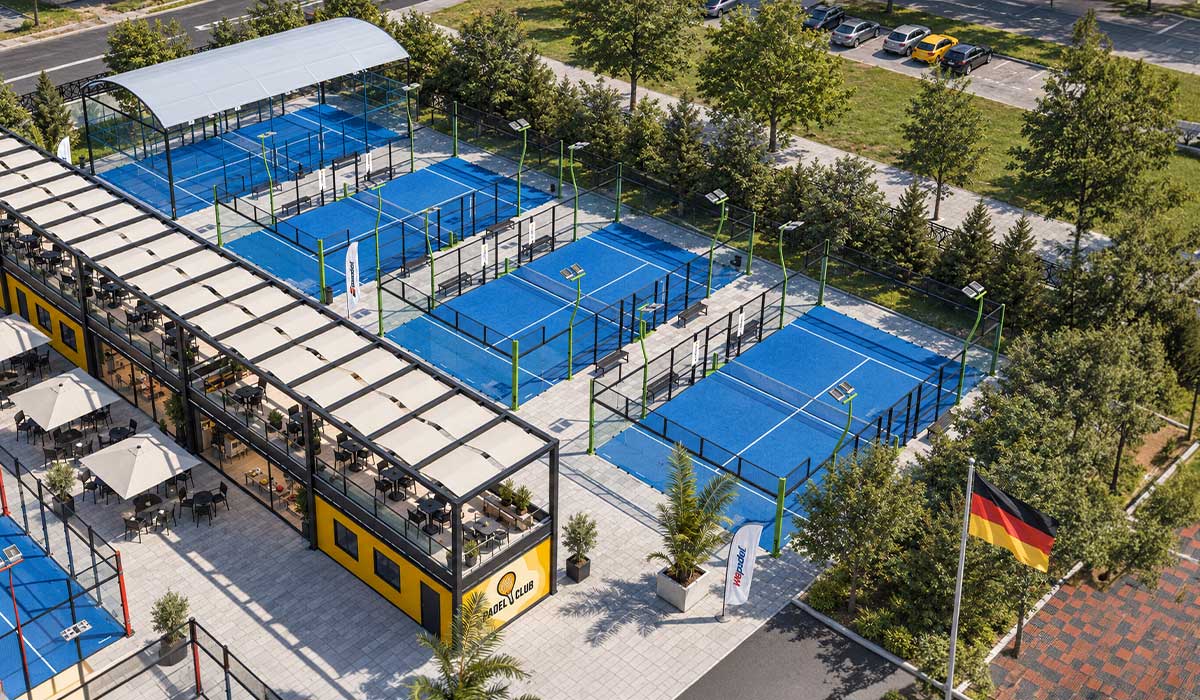
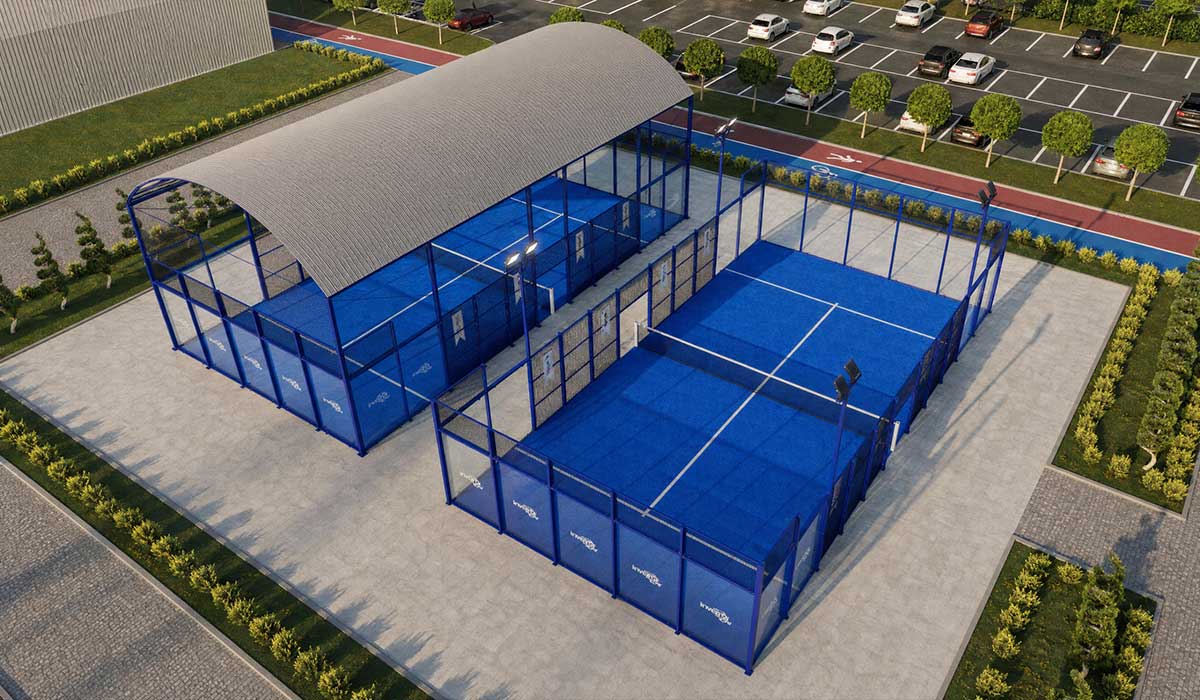
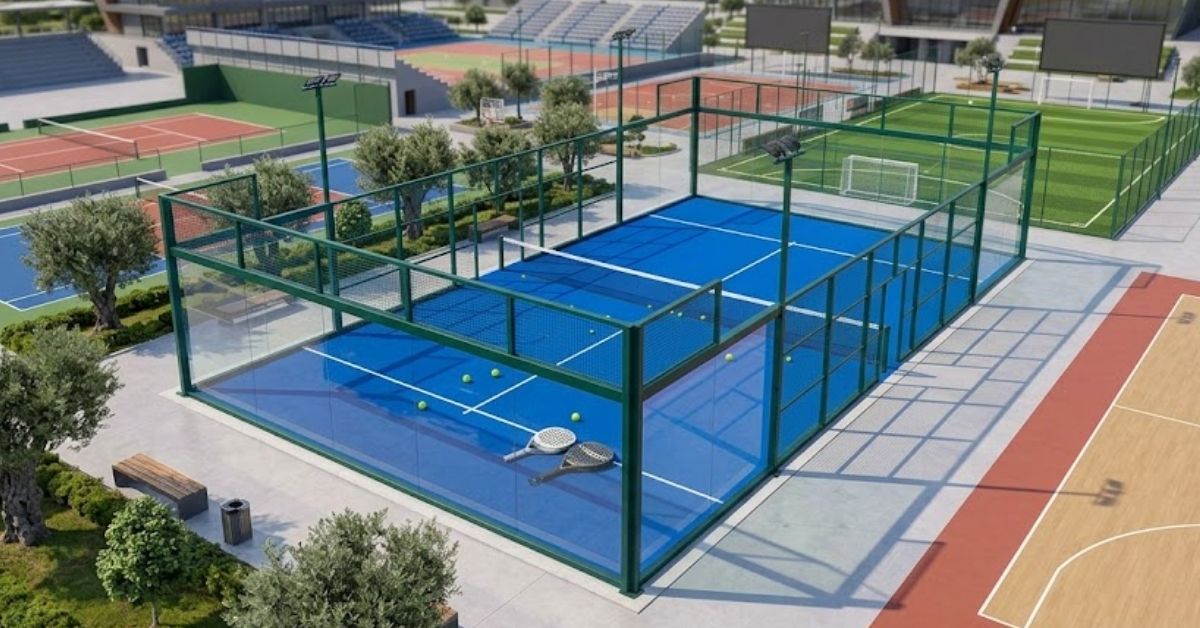
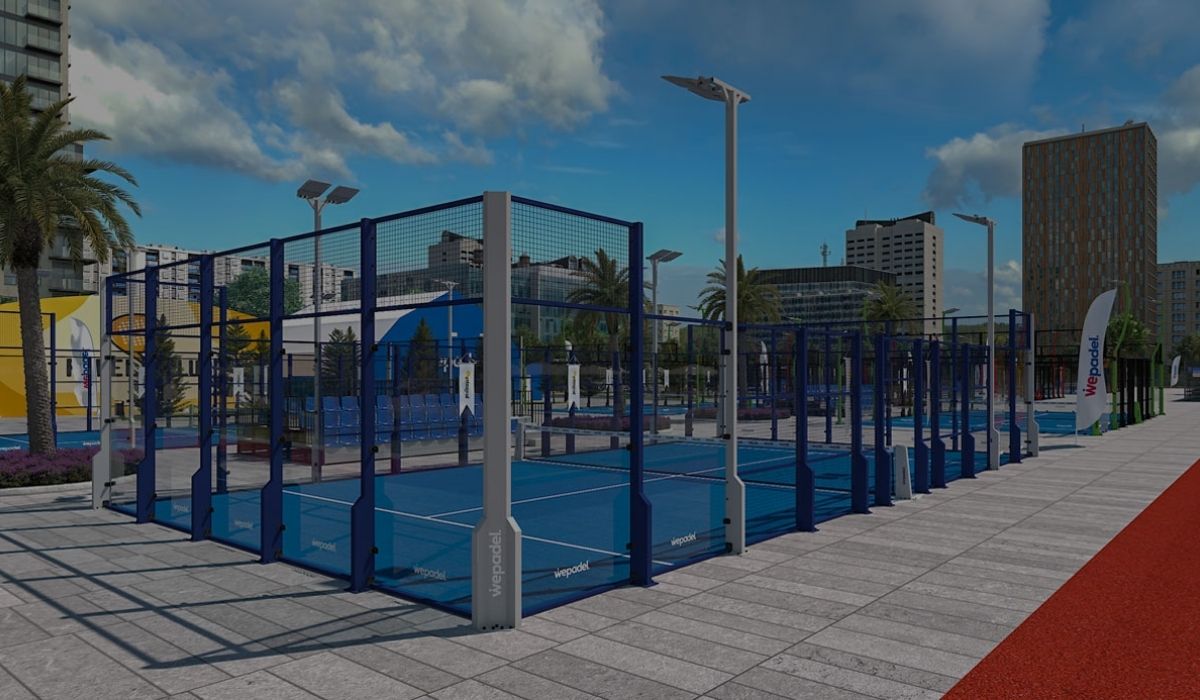
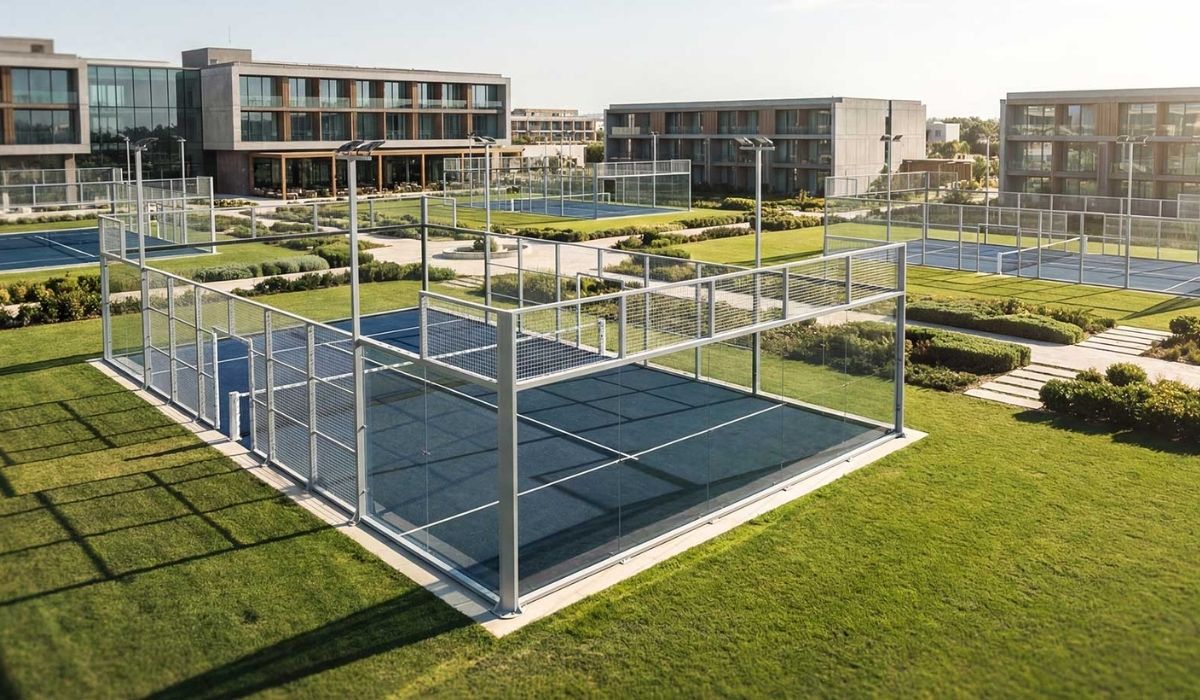
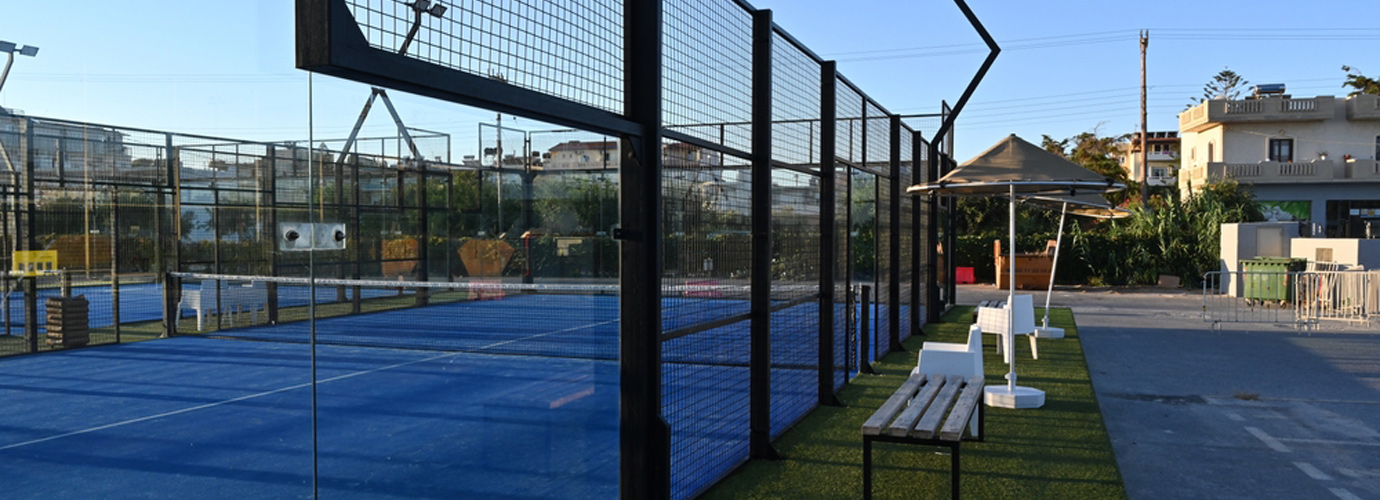
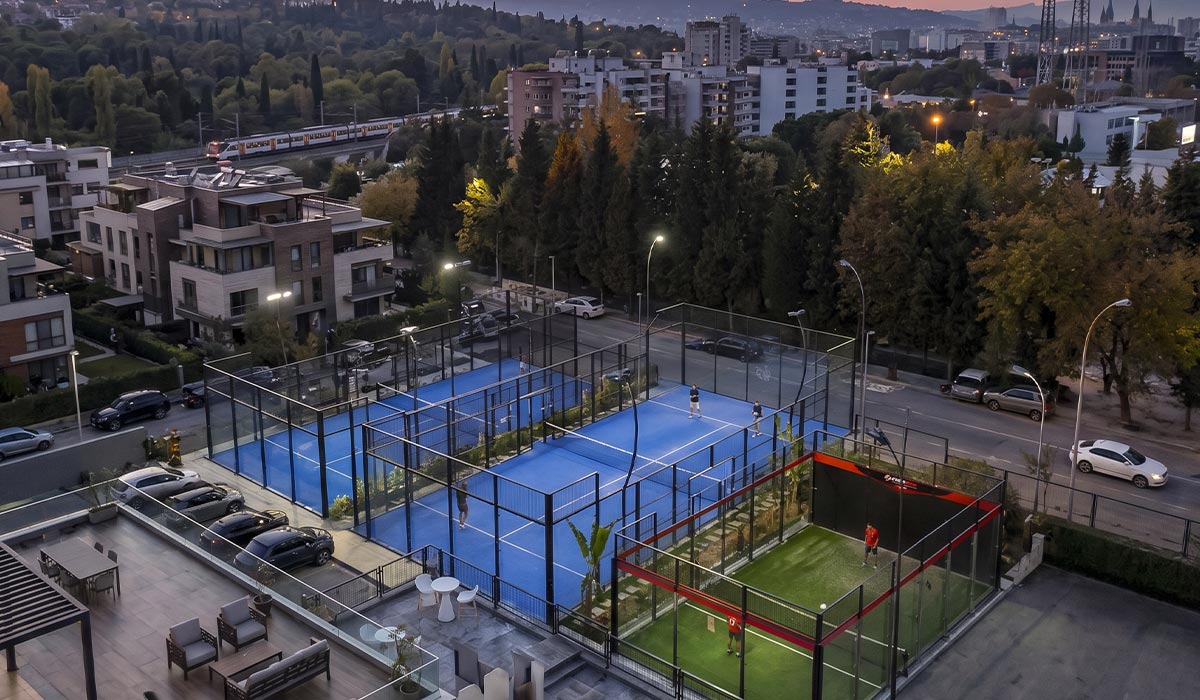
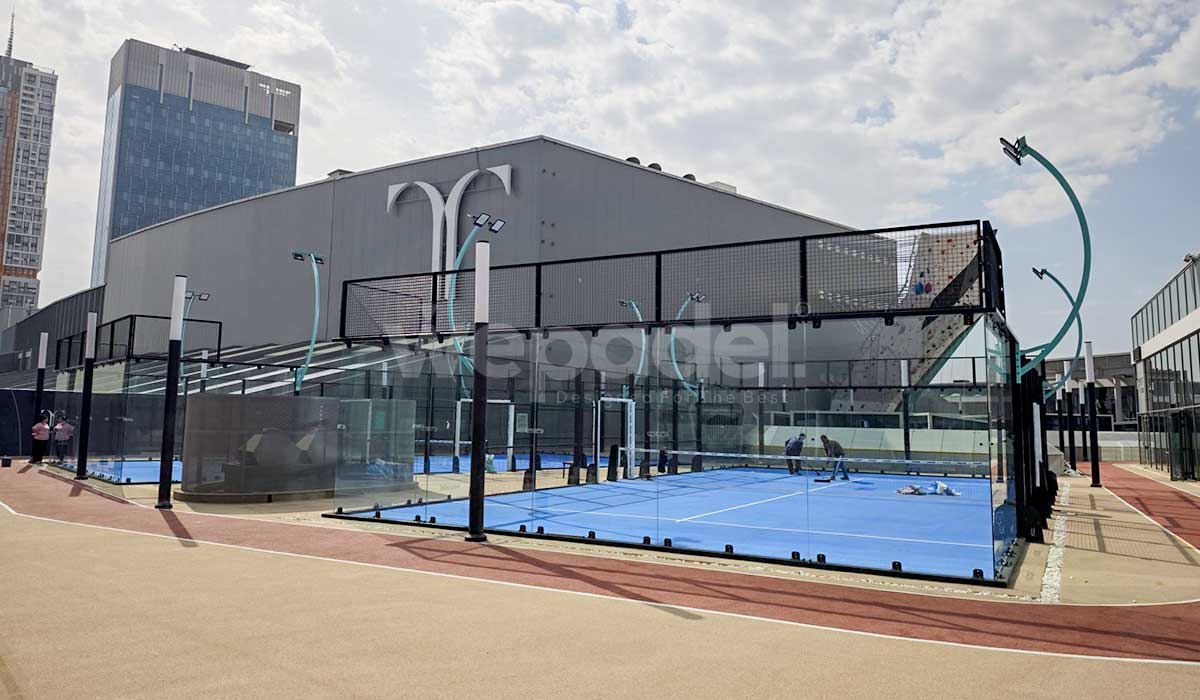
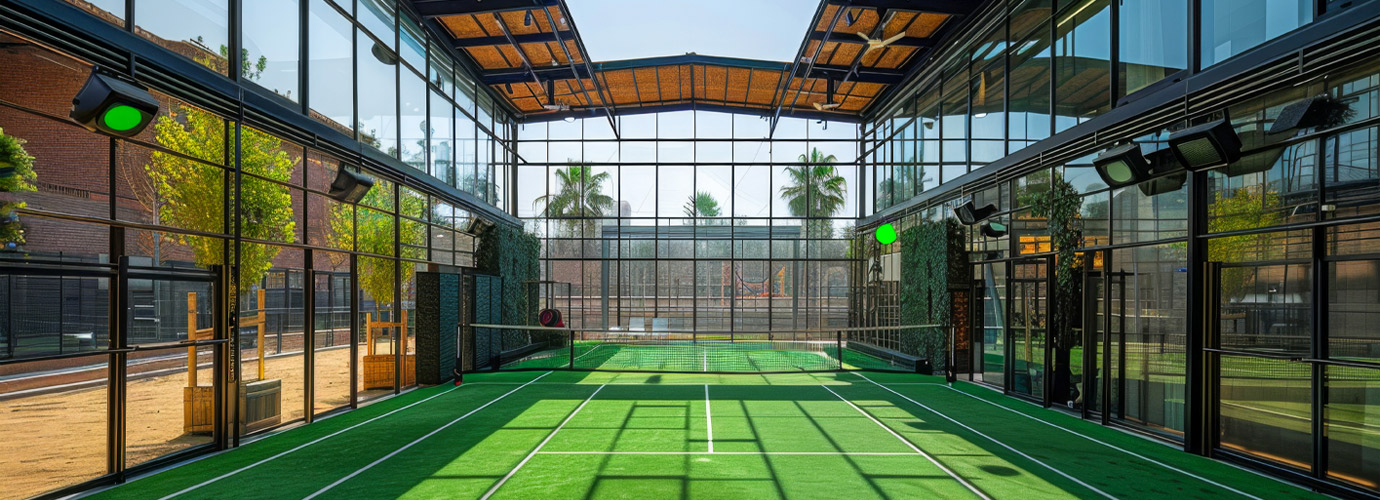
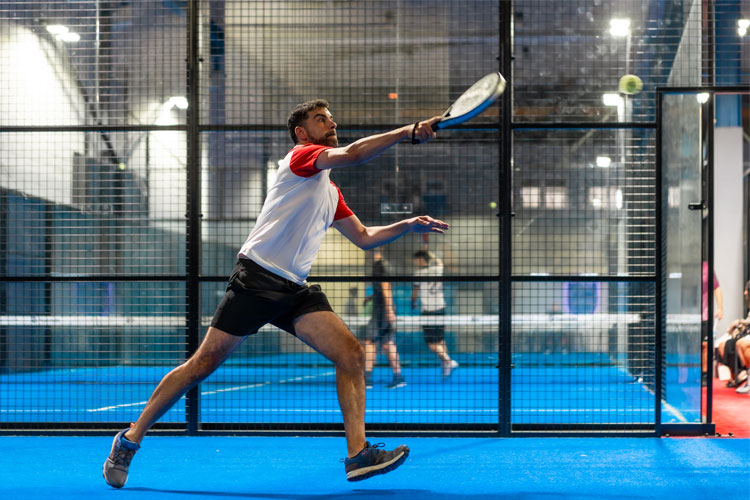
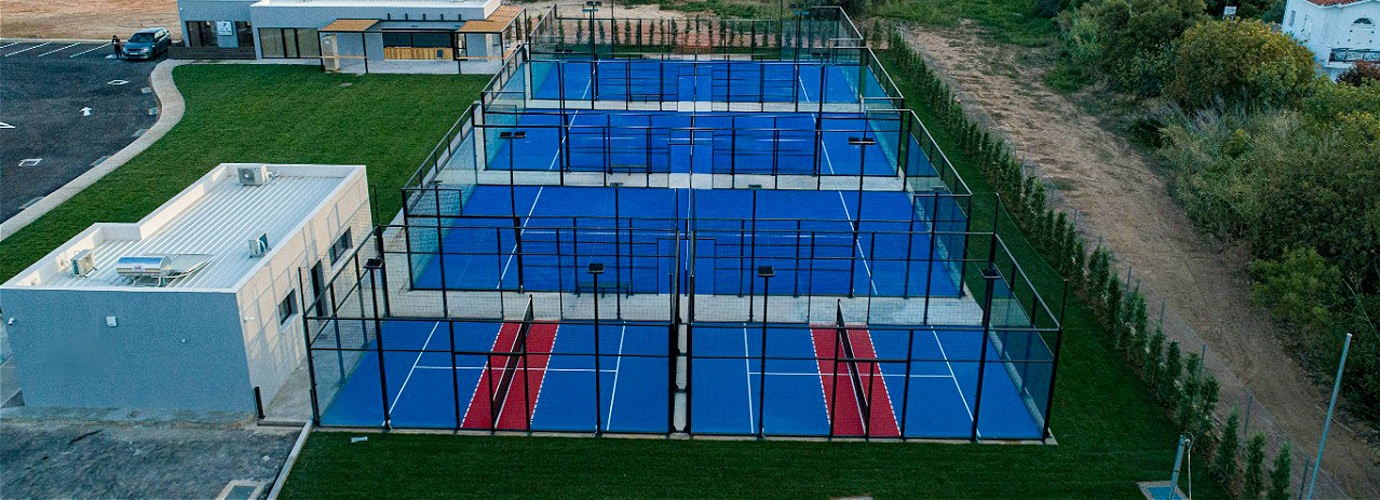
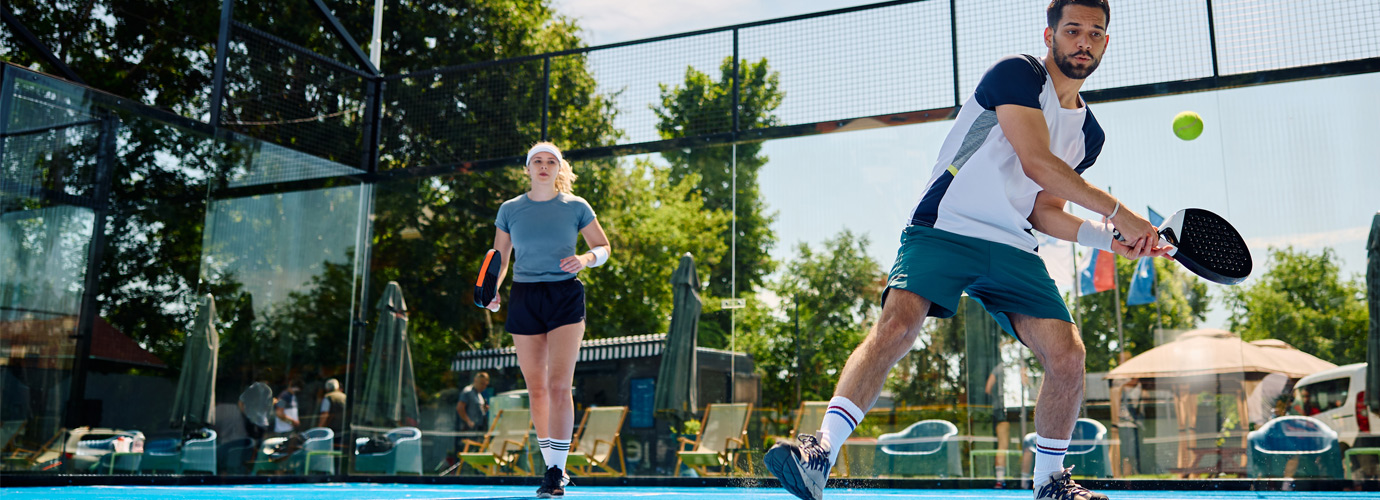
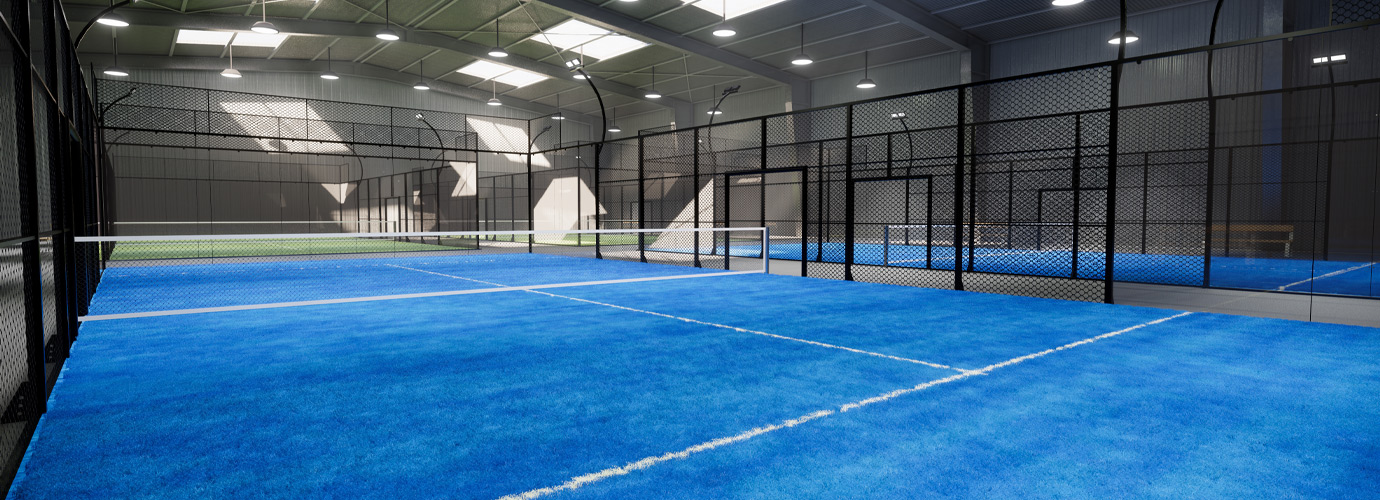
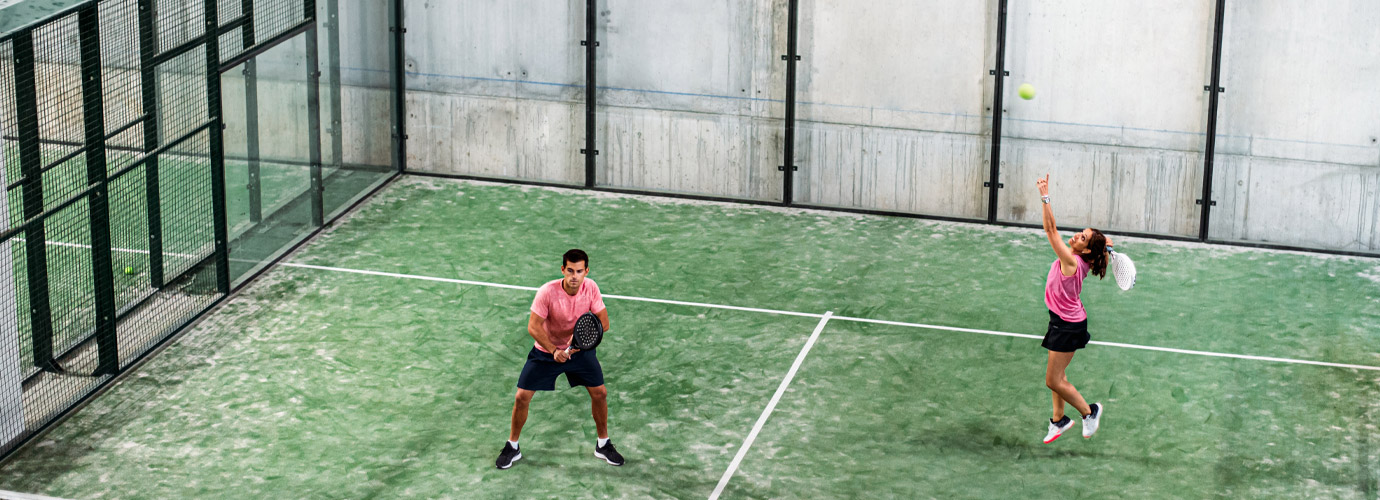
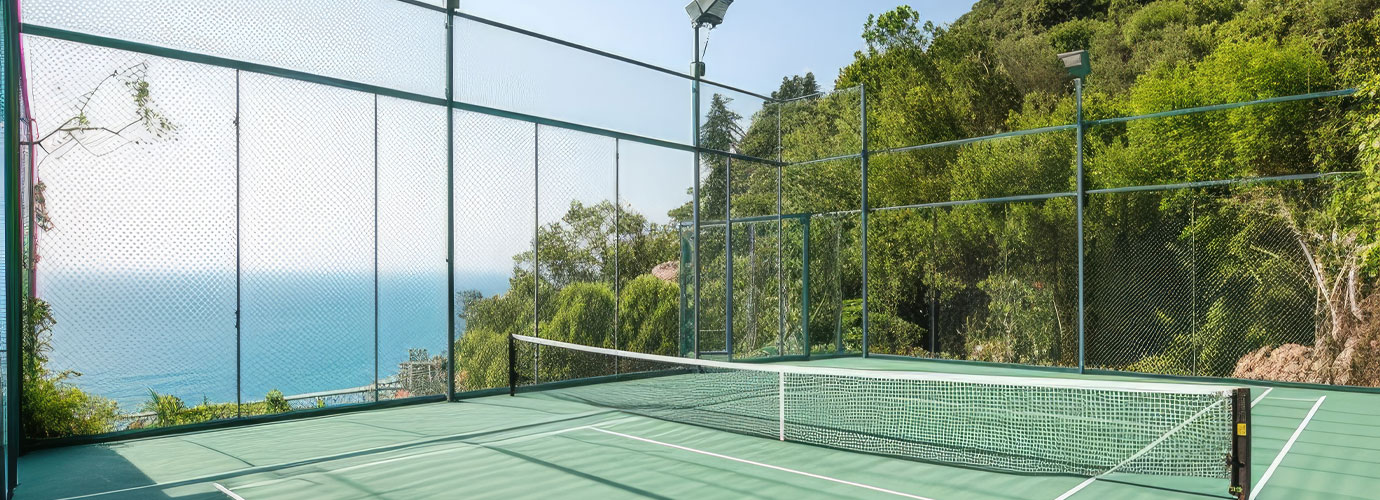
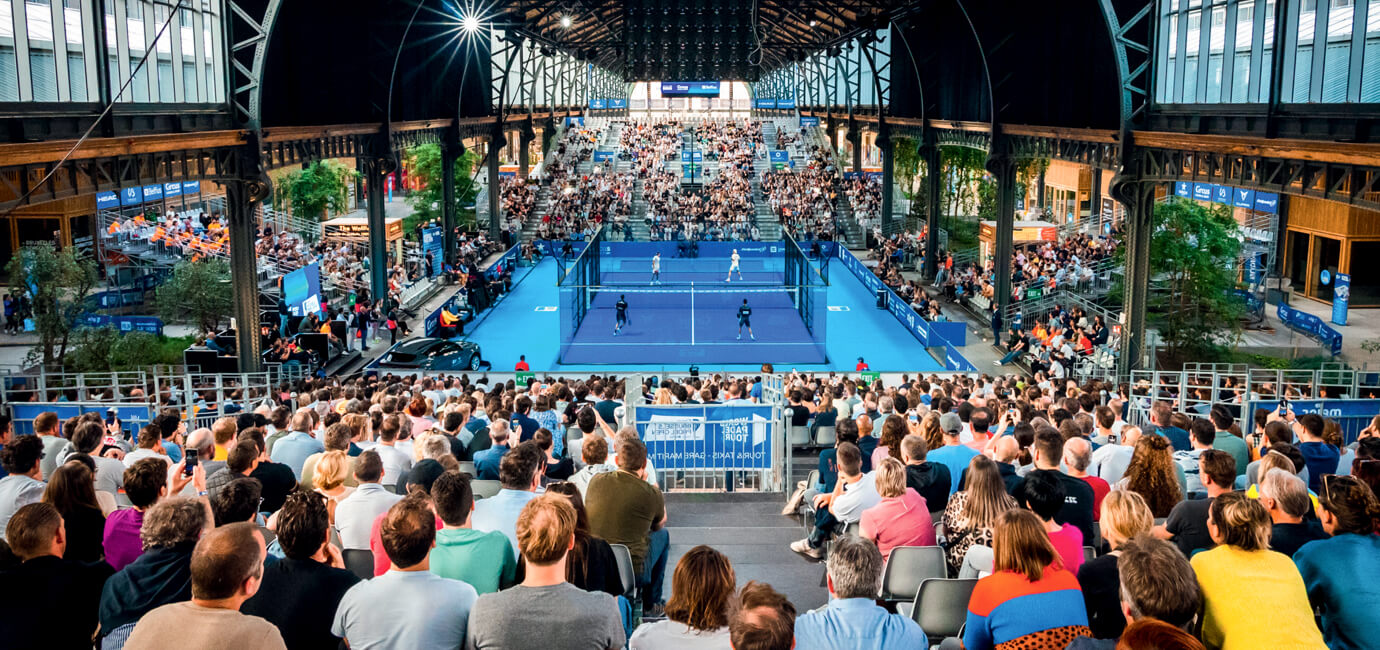
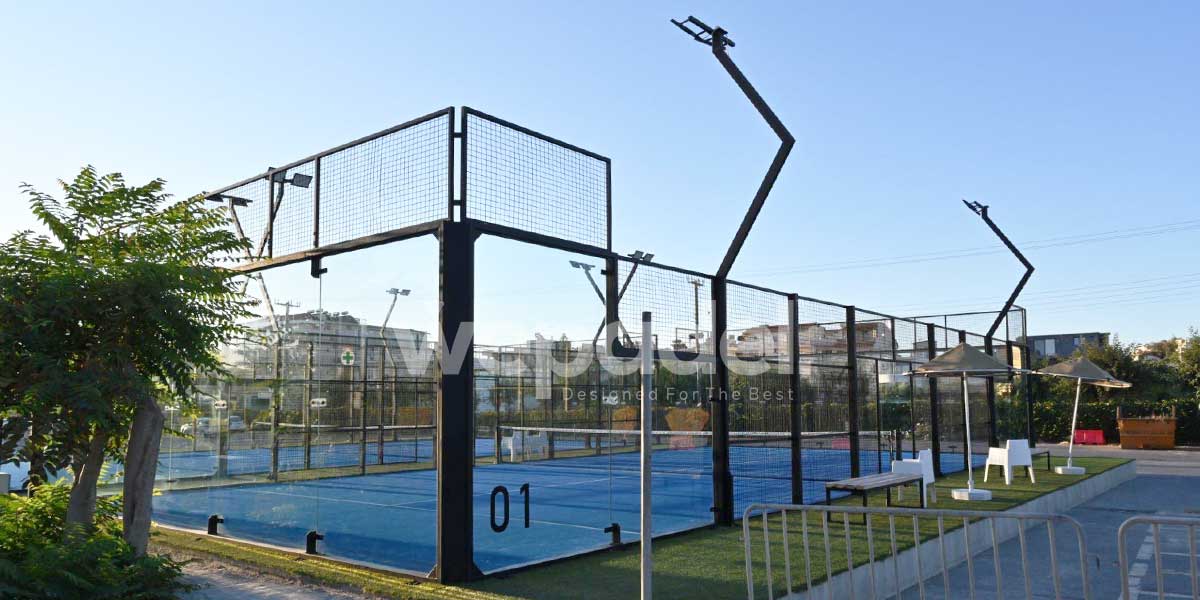
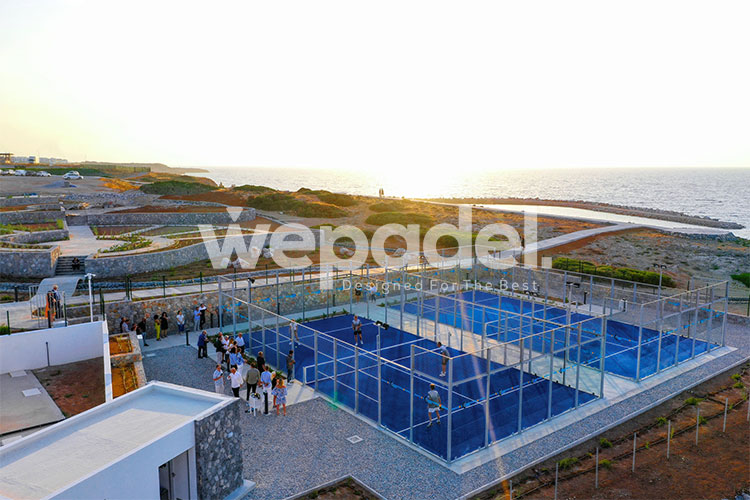
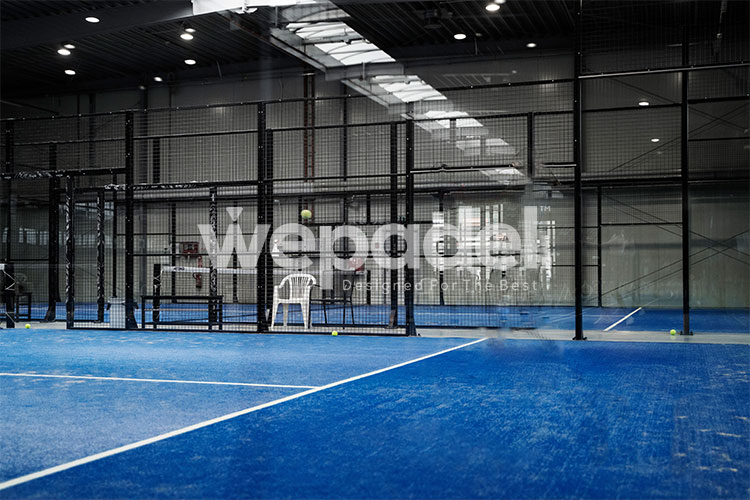
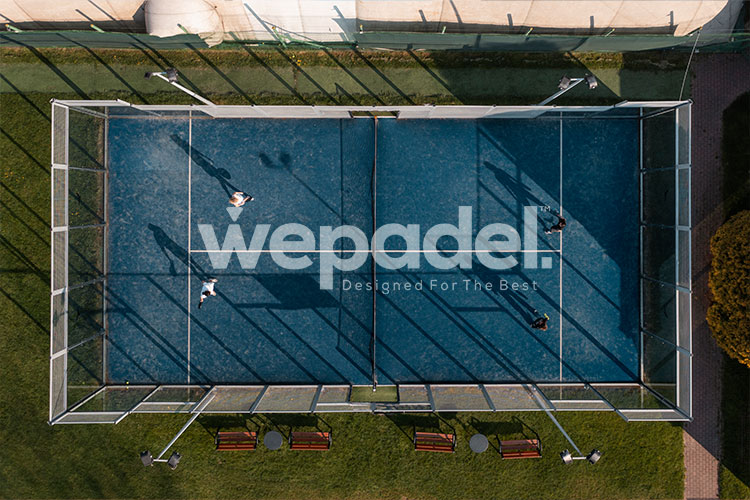
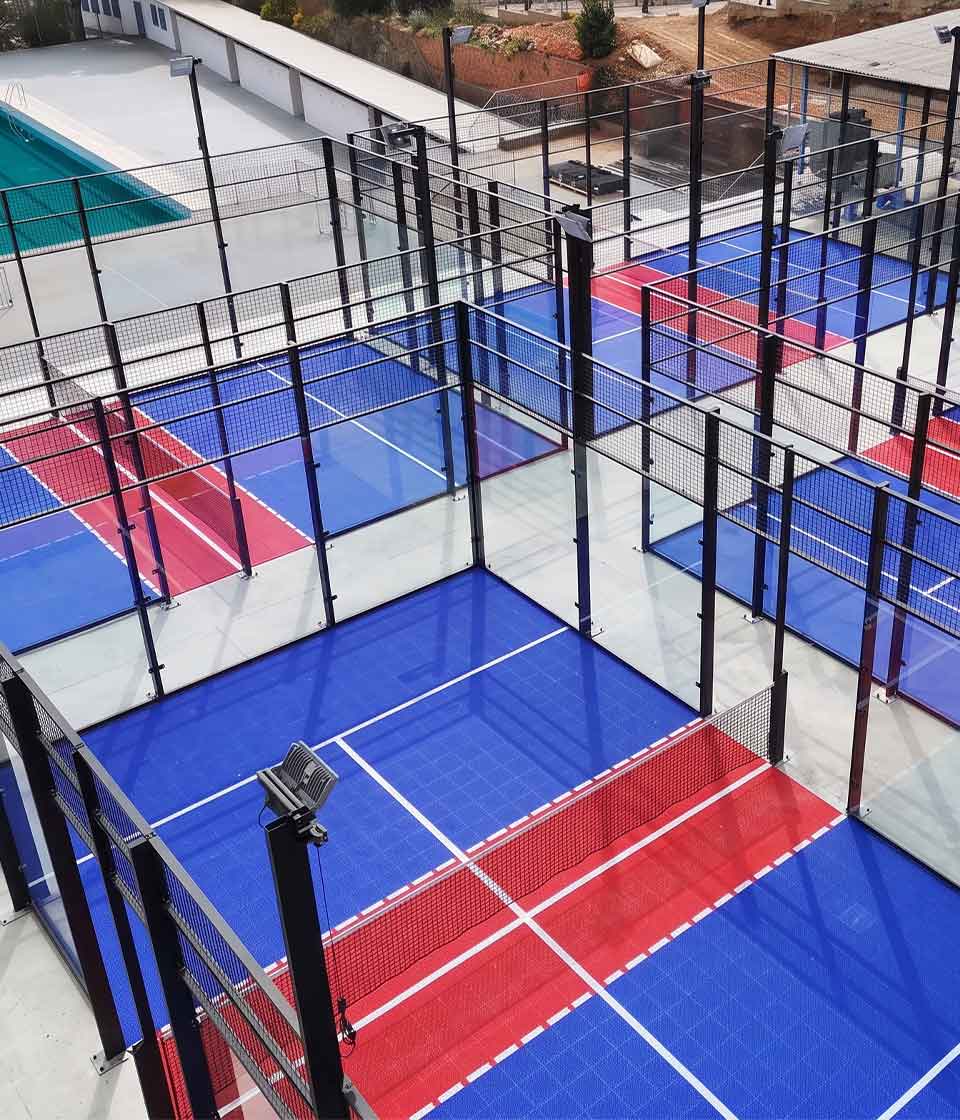
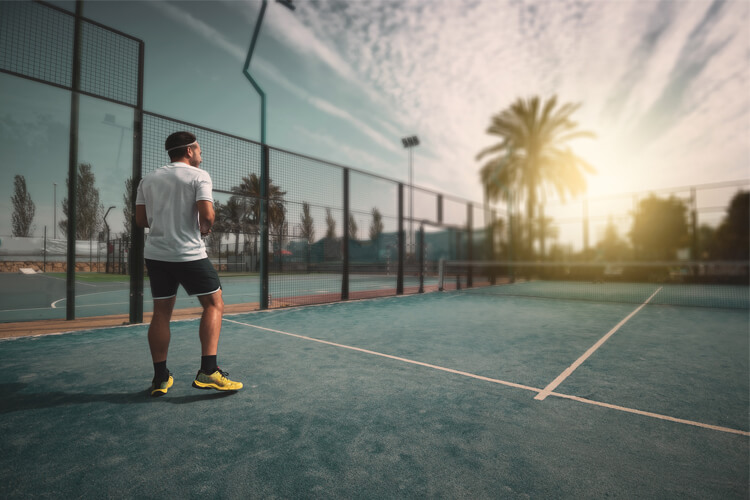
Padel (often colloquially called padel tennis) is a modern racquet sport that originated in Mexico in 1969 and has now achieved monumental global acclaim. It blends the fast reflexes of squash with the scoring structure of tennis. Played on a compact court completely enclosed by heavy-duty tempered glass walls and structural steel mesh, it is almost exclusively enjoyed in a doubles (2v2) format.
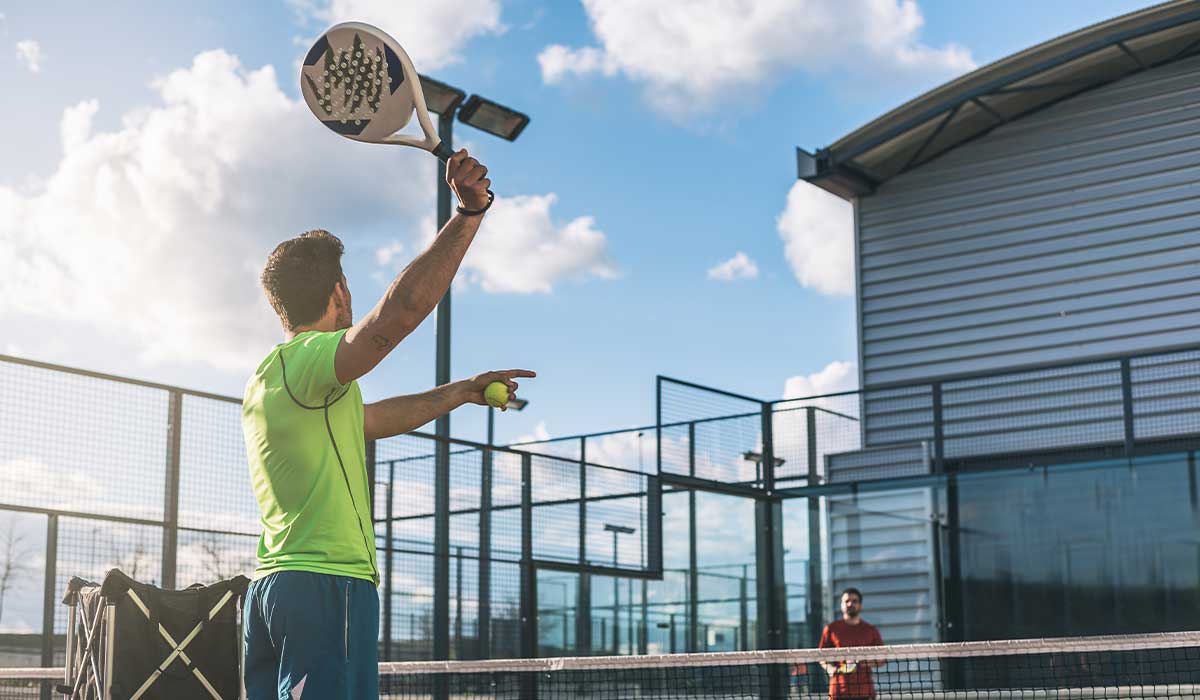
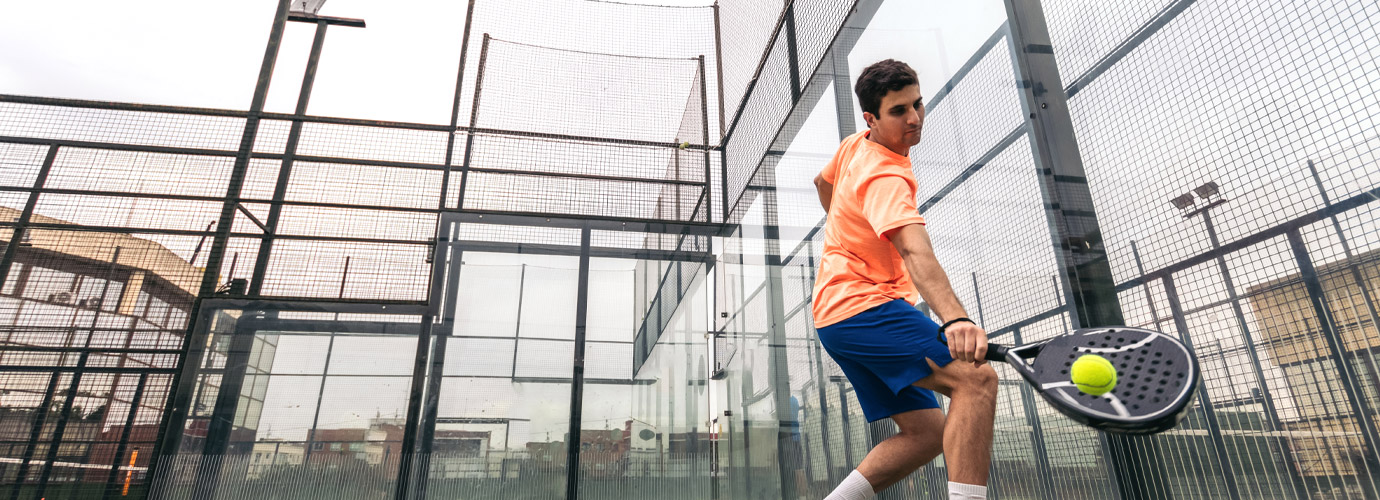
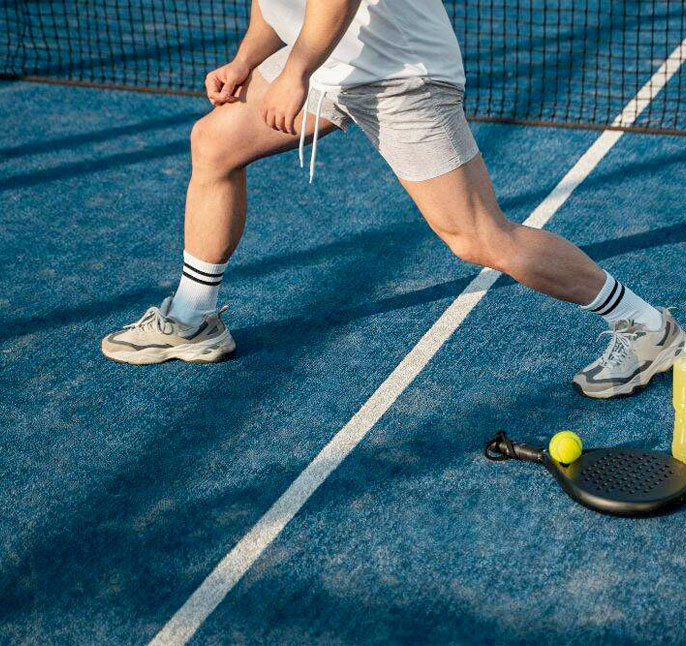
Players in Padel utilize low-compression, depressurized tennis balls. The ability to let the ball strike the back glass walls and remain in play adds a profound tactical element to the game. Because it prioritizes strategy, placement, and rapid positioning over raw physical power, Padel is highly accessible, inclusive, and fun for players of all ages and athletic levels.
What is Paddle (Platform Tennis)?
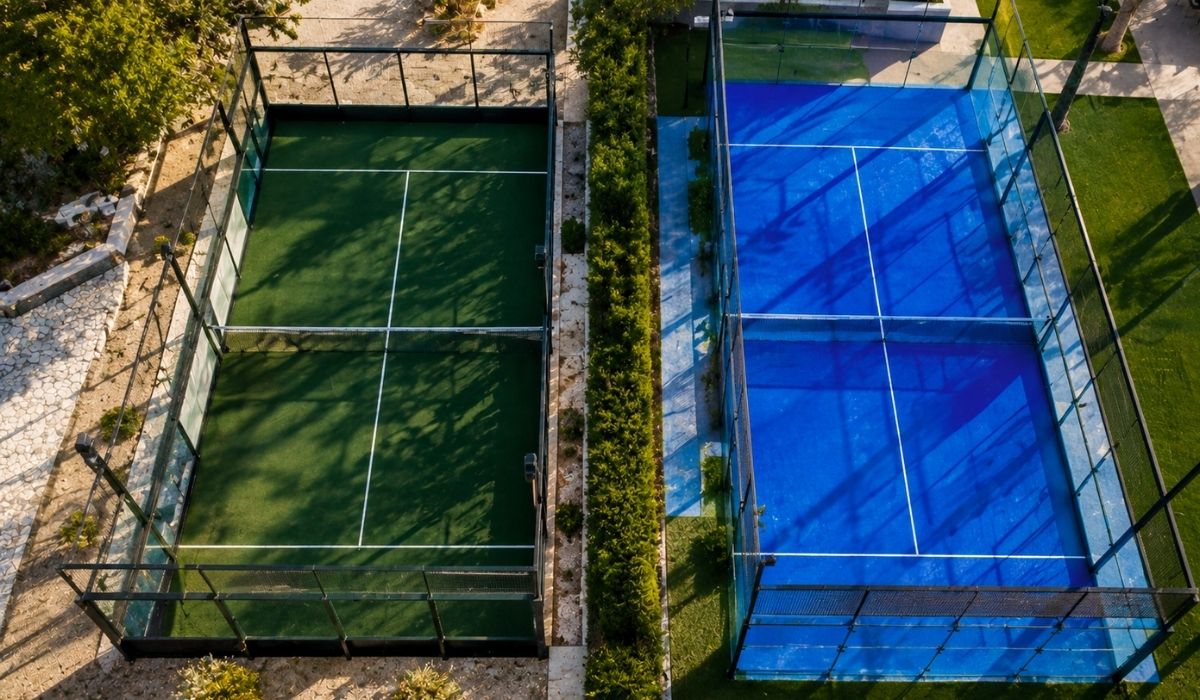
While "Padel" refers to a specific internationally regulated sport, "Paddle" is a broader, historically American term that encompasses variants like Platform Tennis or Pop Tennis, predominantly played in North America. Platform tennis is played on a raised deck (often heated from underneath for winter play) and is heavily surrounded by tightly tensioned chicken-wire fencing rather than glass panels.
The ball used in traditional paddle tennis is made of solid rubber, and the game can be played in both singles and doubles configurations. While it also utilizes the surrounding fences for rebounds, the pacing, ball physics, and court constraints differ significantly from the European and Latin American Padel phenomenon.
Core Differences Between Padel and Paddle
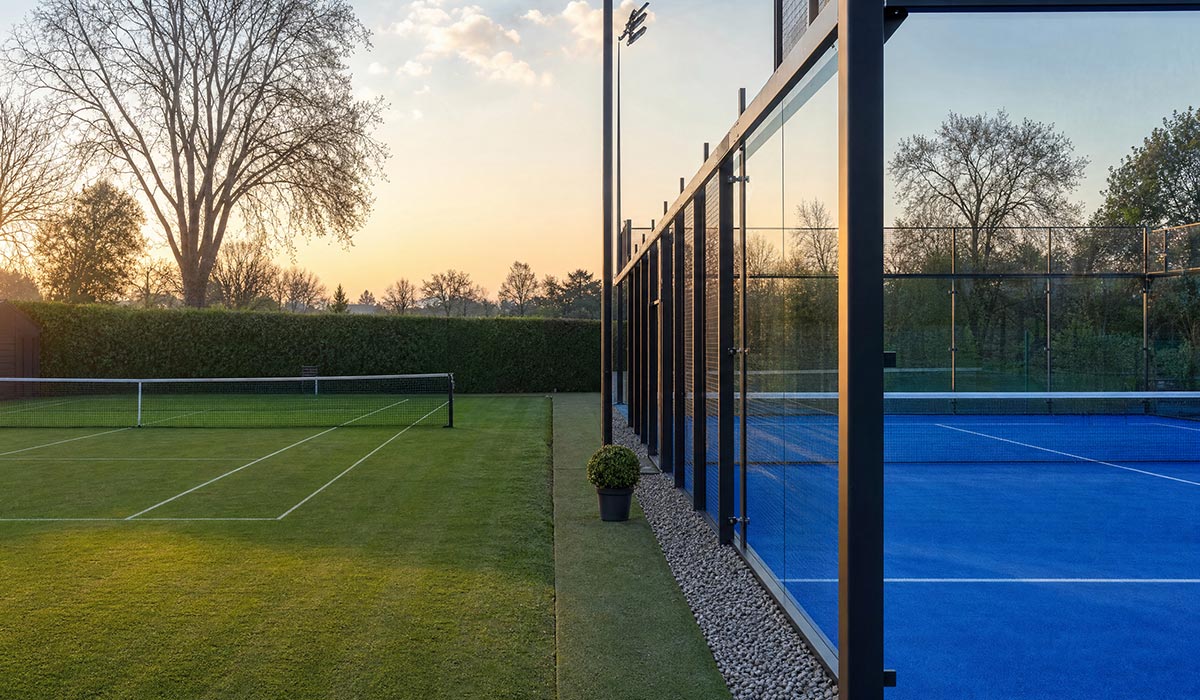
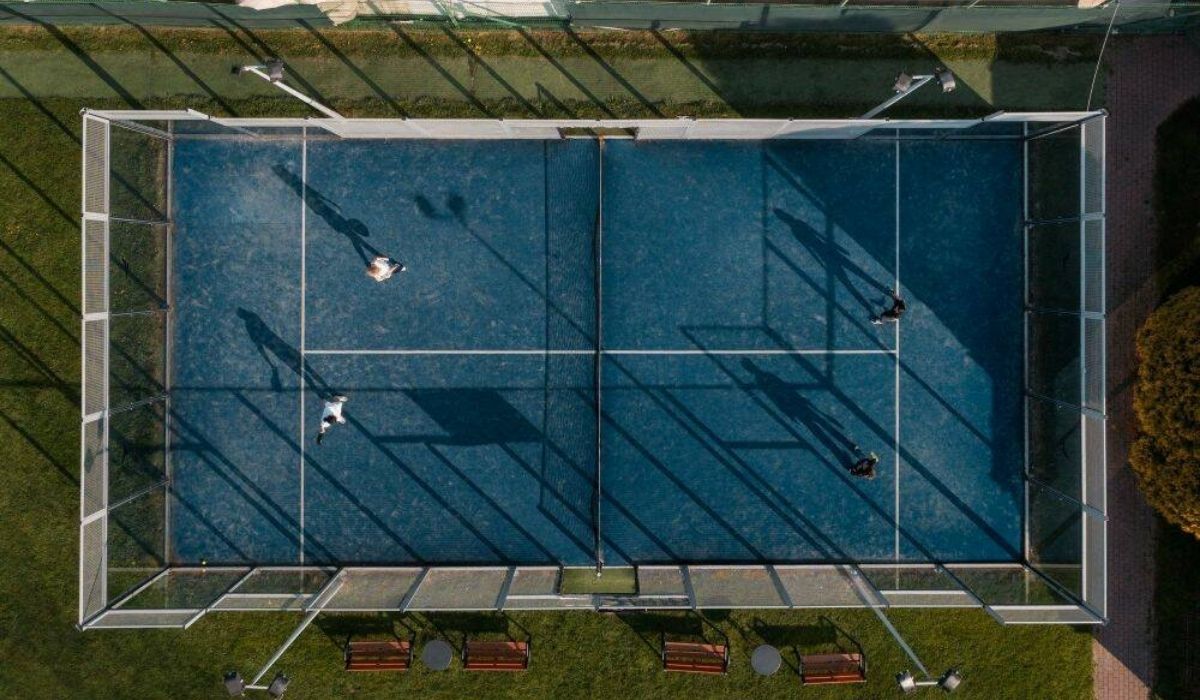
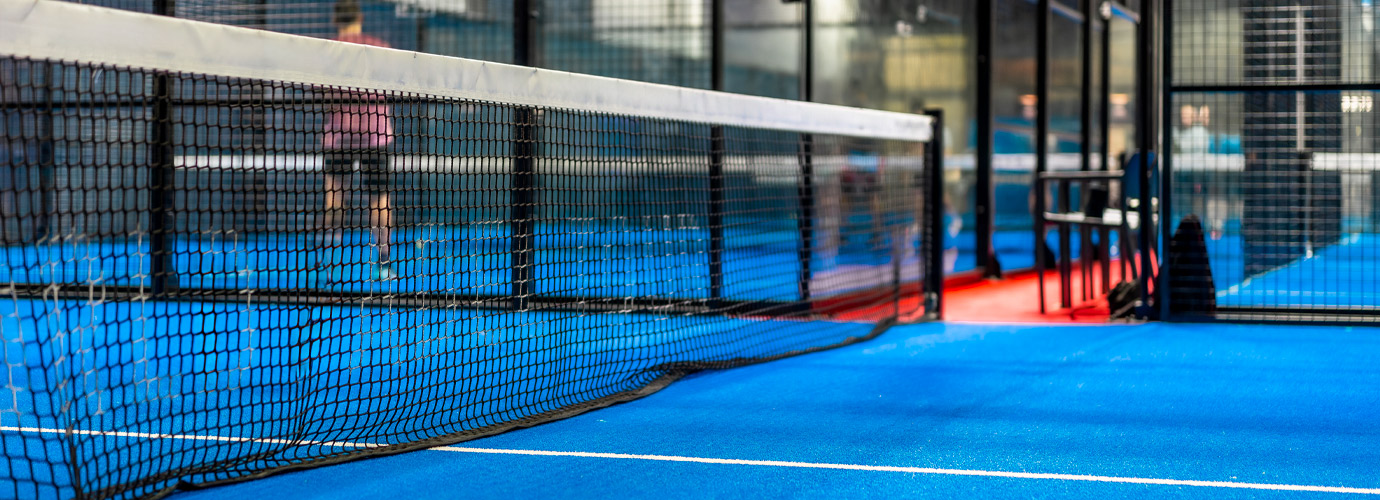
To put it simply, Padel is an international, FIP-standardized sport played inside a 20x10m glass cage on artificial turf. Paddle (Platform Tennis) is a regional American sport played on a smaller, elevated aluminum platform surrounded by wire mesh screens. Mixing up these two terms during a commercial facility design phase can lead to major structural planning errors.
Technical Differences: Padel Court vs. Paddle Court
For club developers, sports facility investors, and architects, understanding the exact blueprint layout differences is mandatory:
Official Court Dimensions
The court footprint is the most critical variation. A standard Padel court measures exactly 20 meters long by 10 meters wide (internal playing area). Conversely, a traditional American Paddle court is significantly smaller, measuring roughly 13.41 meters long by 6.10 meters wide. This means a Padel court requires a larger total construction footprint but accommodates more extensive lateral player movement.
Professional Flooring & Surfaces
- Padel Court Surfaces: Officially coated with high-density monofilament or textured artificial grass (turf) filled with fine silica sand to facilitate controlled sliding and optimal joint protection.
- Paddle Court Surfaces: Constructed on an elevated aluminum or wooden deck coated with special non-slip gritty paint mixed with sand to provide traction during ice or rainy weather conditions.
Standard Net Height Metrics
Net heights drastically change court physics and smashing angles. On a professional Padel court, the net stands at 88 cm at the center and reaches a maximum of 92 cm at the posts. On a traditional Paddle court, the net is noticeably lower, standing at 78.7 cm (31 inches), allowing for flatter, low-clearance driving shots.
Racket and Paddle Engineering
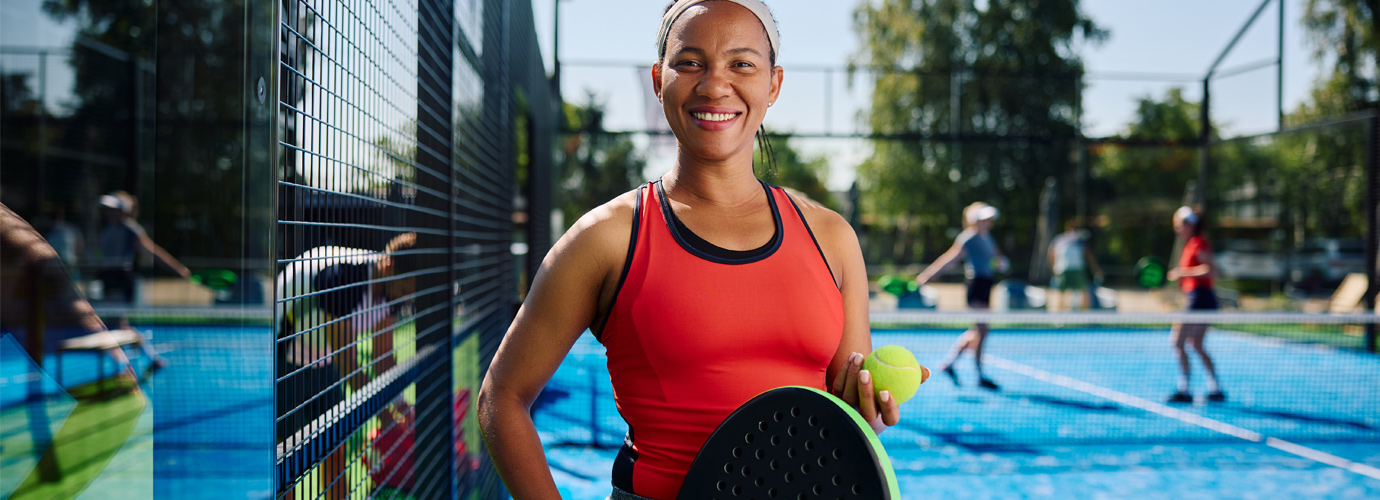
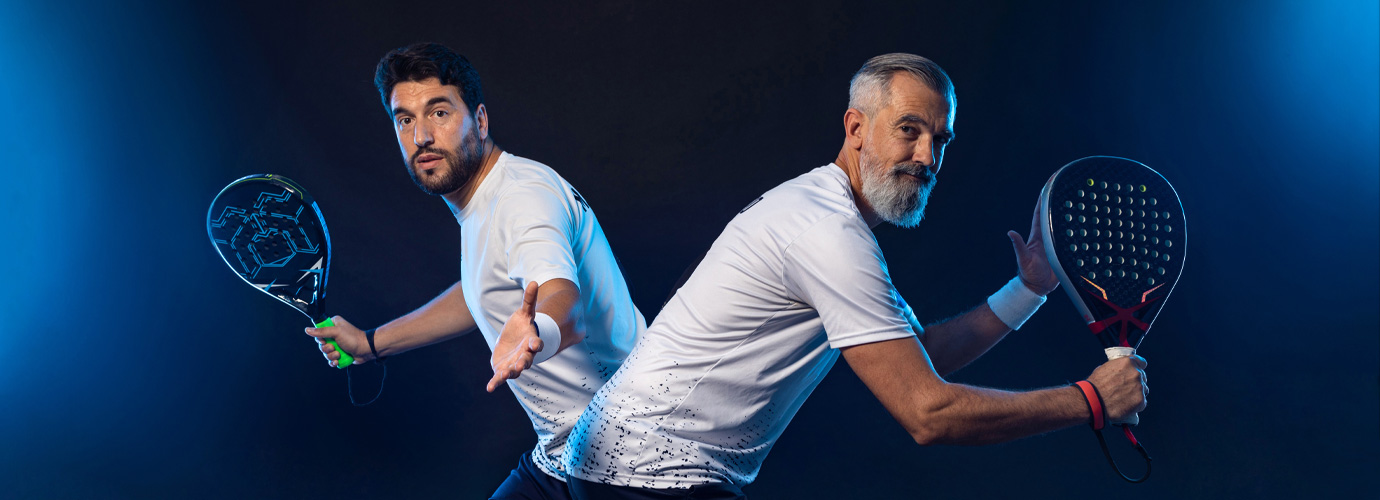
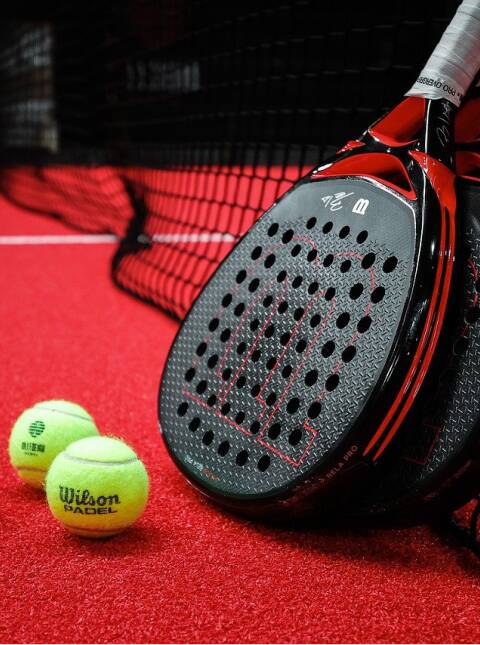
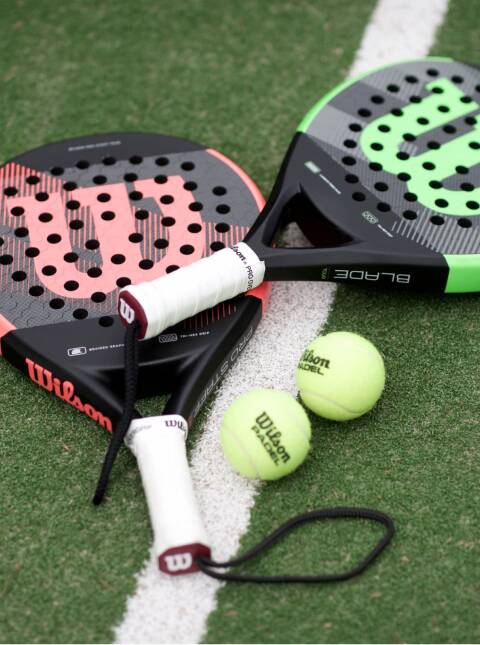
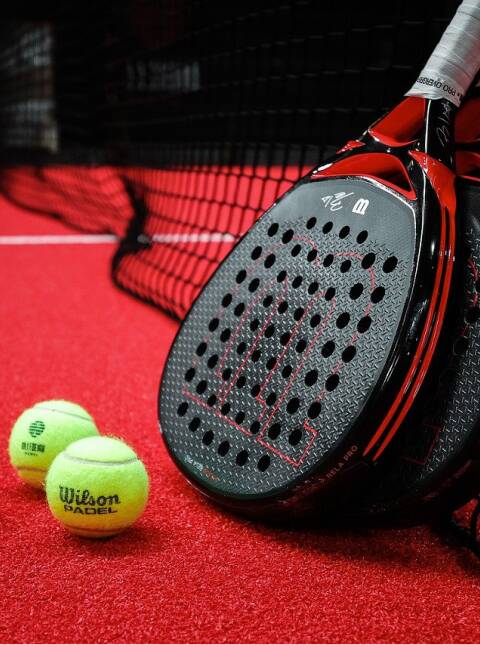
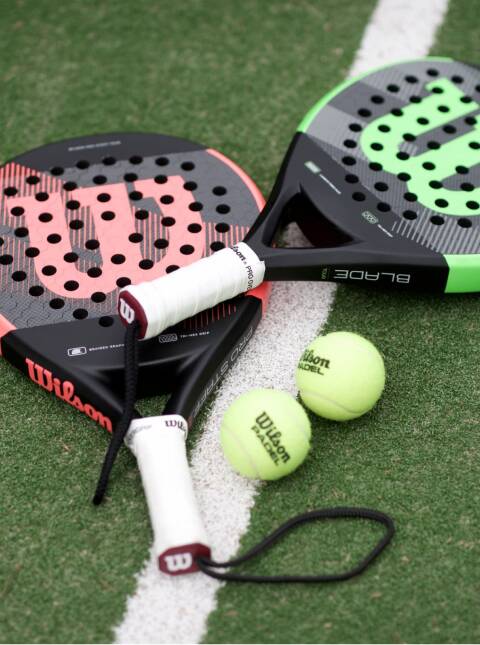
- Padel Rackets: Feature a thick (usually 38mm) composite body made of carbon fiber or fiberglass with a foam core and a completely perforated surface (holes) for aerodynamic efficiency.
- Paddle Rackets: Generally thinner, made of rigid composite materials with fewer holes, a smaller surface area, and sometimes a rough textured skin to grip the solid rubber ball.
Turnkey Padel Court Construction Cost by Wepadel

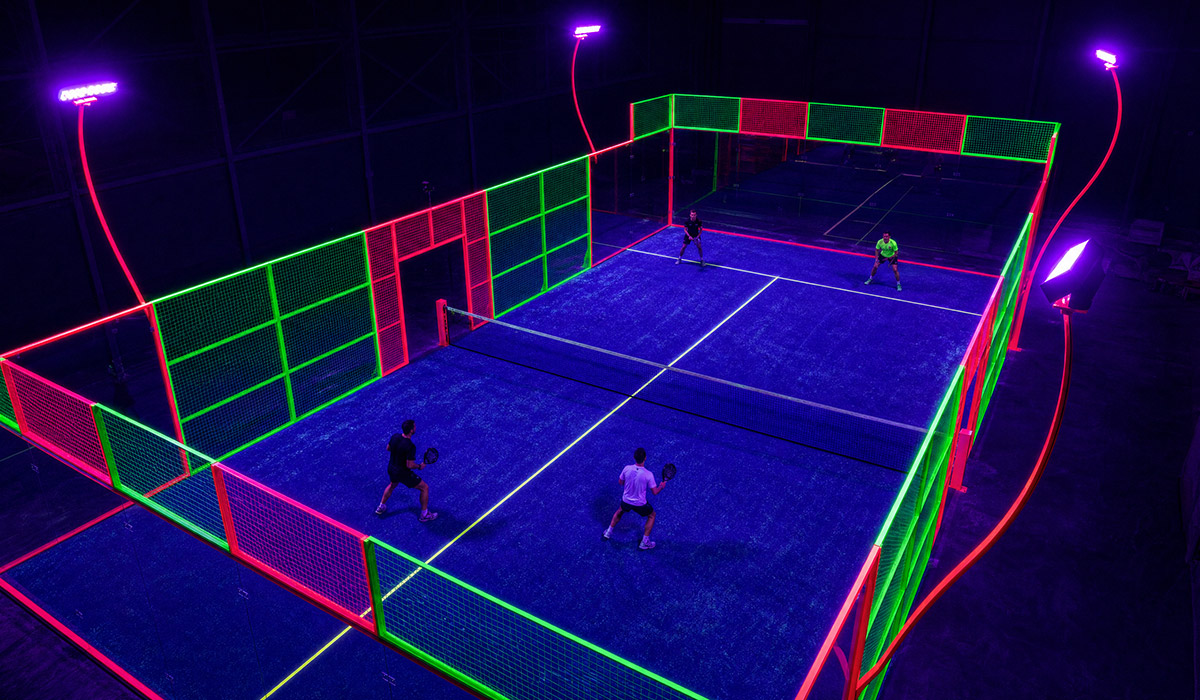
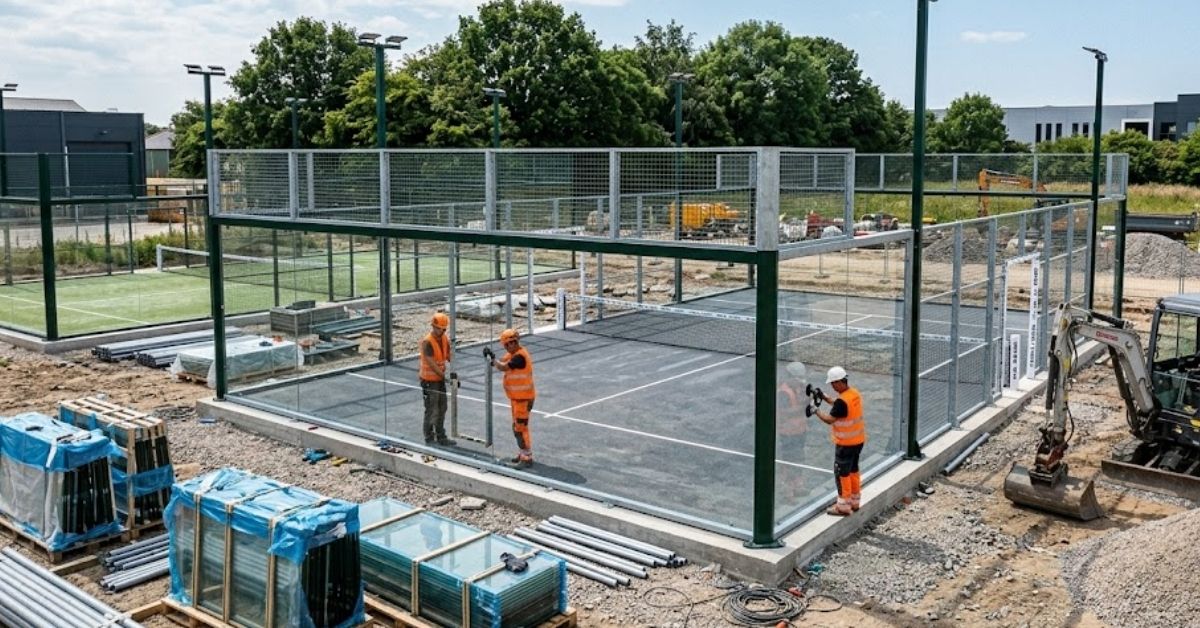
The total investment cost for court installation varies based on structural customizations. Key pricing variables include framework steel galvanization quality, glass thickness (10mm vs 12mm panoramic safety glass), and LED lighting lux power. At Wepadel, we manufacture premium, FIP-certified court models engineered to withstand high wind loads and heavy commercial usage.
Our dedicated engineering team provides comprehensive support—including subbase drainage consultation, steel fabrication, turf weaving, and global logistics management—to ensure you get direct factory prices without middleman markups.
Ready to add high-ROI padel courts to your hotel, sports club, or private estate? Contact Wepadel today to receive a detailed cost estimate and free project layout blueprint, or call our international help desk at +90 (212) 678 13 13.