02/03/2023

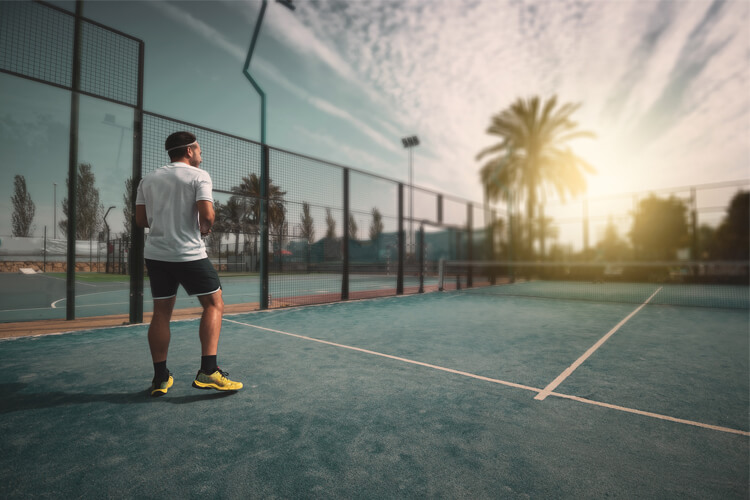
Padel tennis courts can be customized and manufactured in various sizes to suit amateur requirements, although professional international competitions strictly mandate fixed standard dimensions. Companies recognized as leading global padel court manufacturers leverage advanced engineering and international expertise to offer comprehensive turn-key services. Working with an experienced manufacturer ensures you are fully informed about every stage of the padel tennis court construction process, from excavation to the final structural safety checks.
Table of Contents
- How is a Padel Tennis Court Constructed? Step-by-Step Engineering
- What is the Importance of Flooring & Sub-Base in Padel Court Construction?
- Which Artificial Grass Specifications Must Be Used for Padel Tennis Courts?
- How to Find the Best Padel Court Manufacturer? Key Criteria
- WePadel and High-End Padel Court Construction Services
How is a Padel Tennis Court Constructed? Step-by-Step Engineering
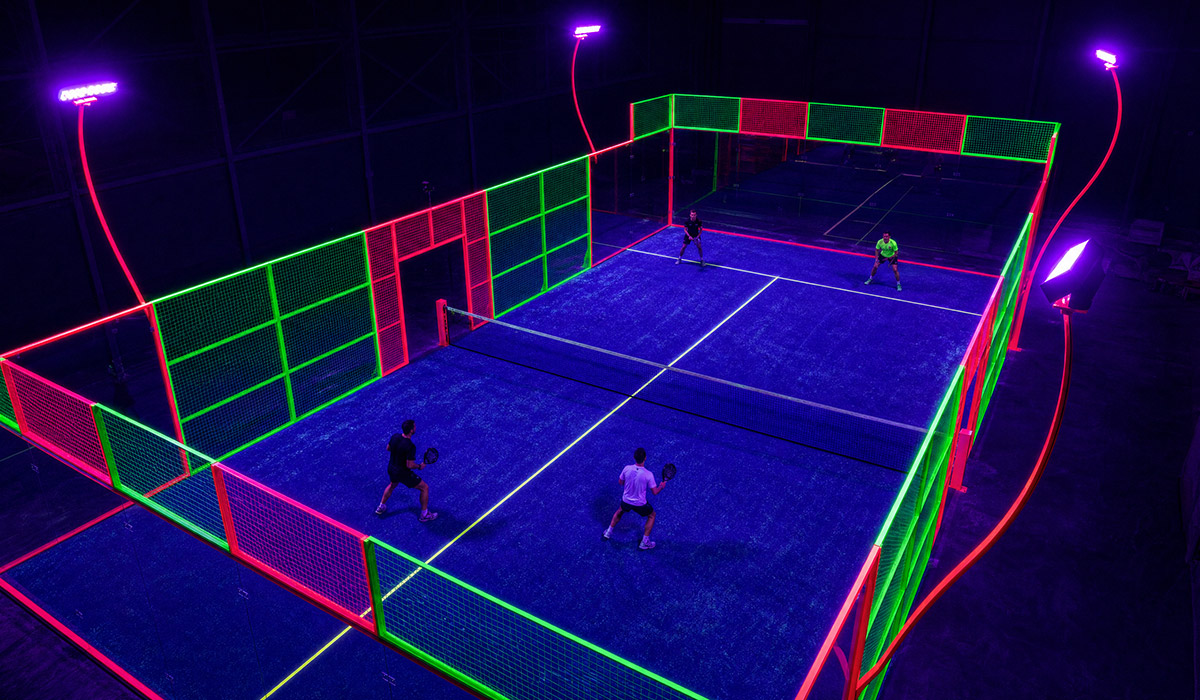
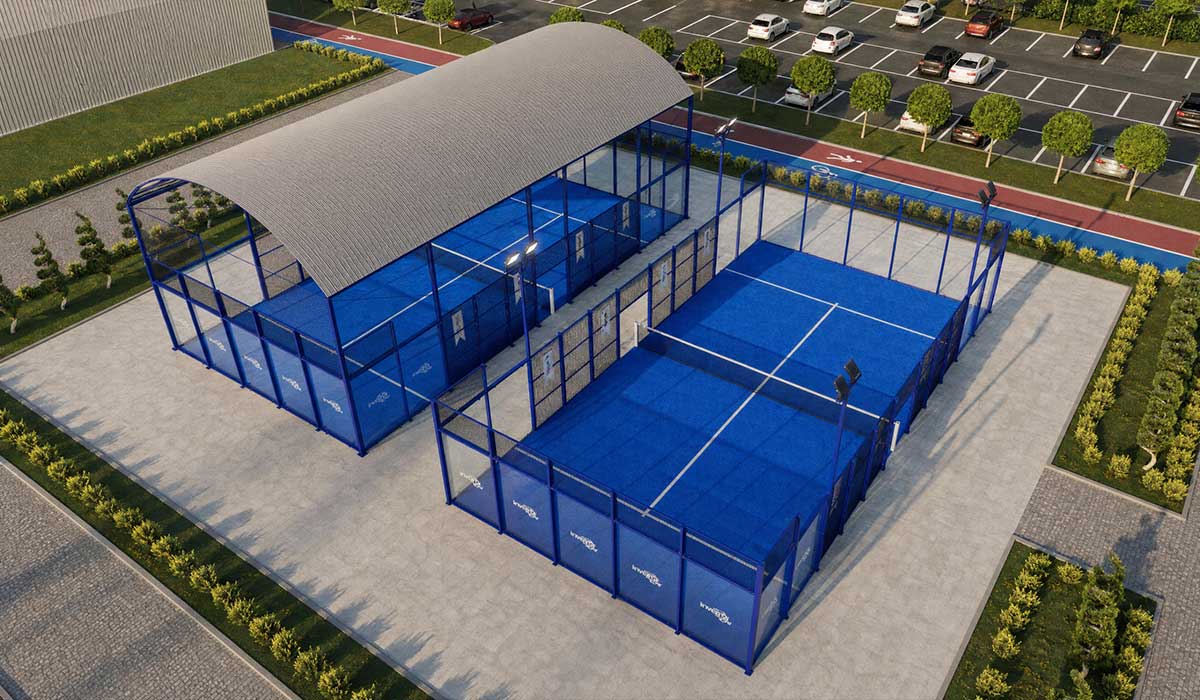
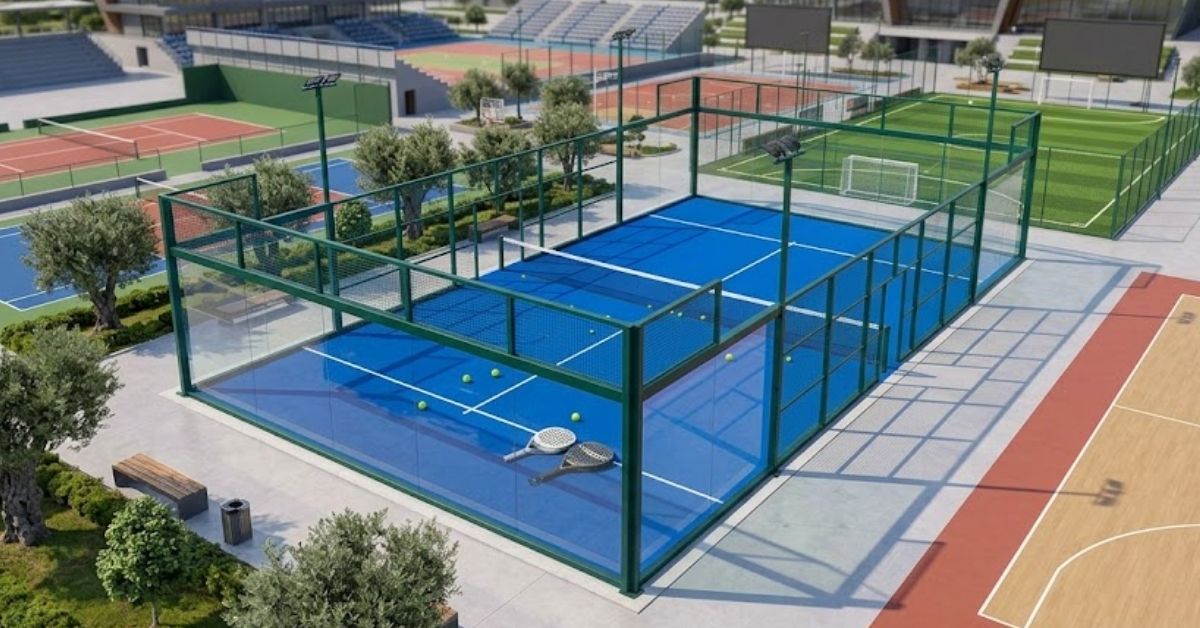
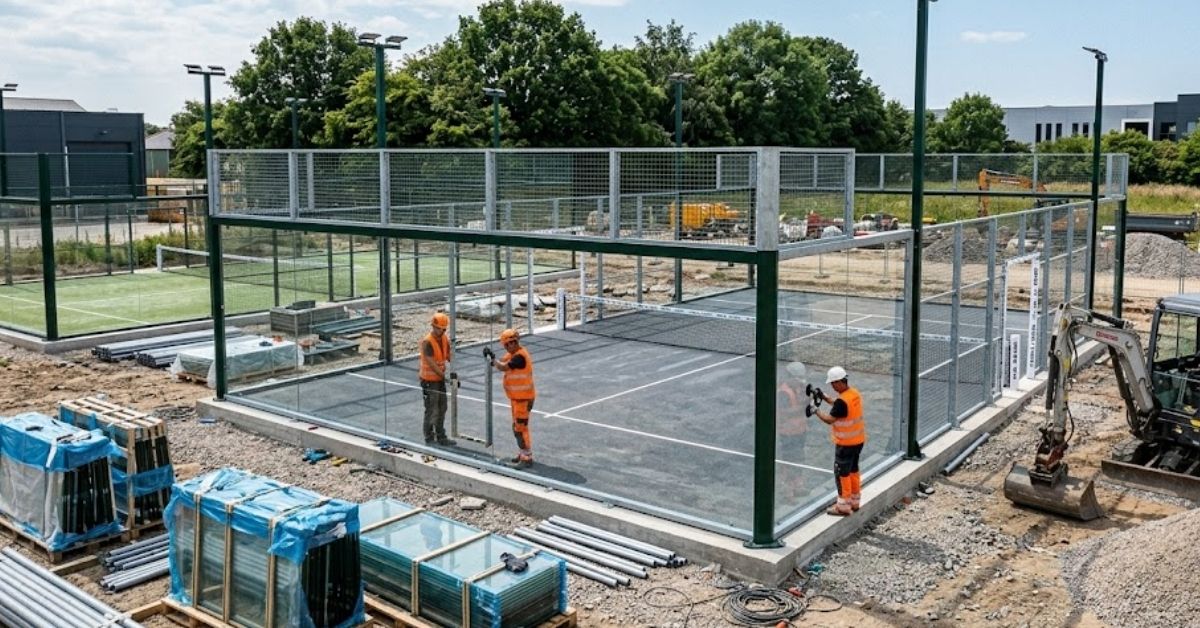
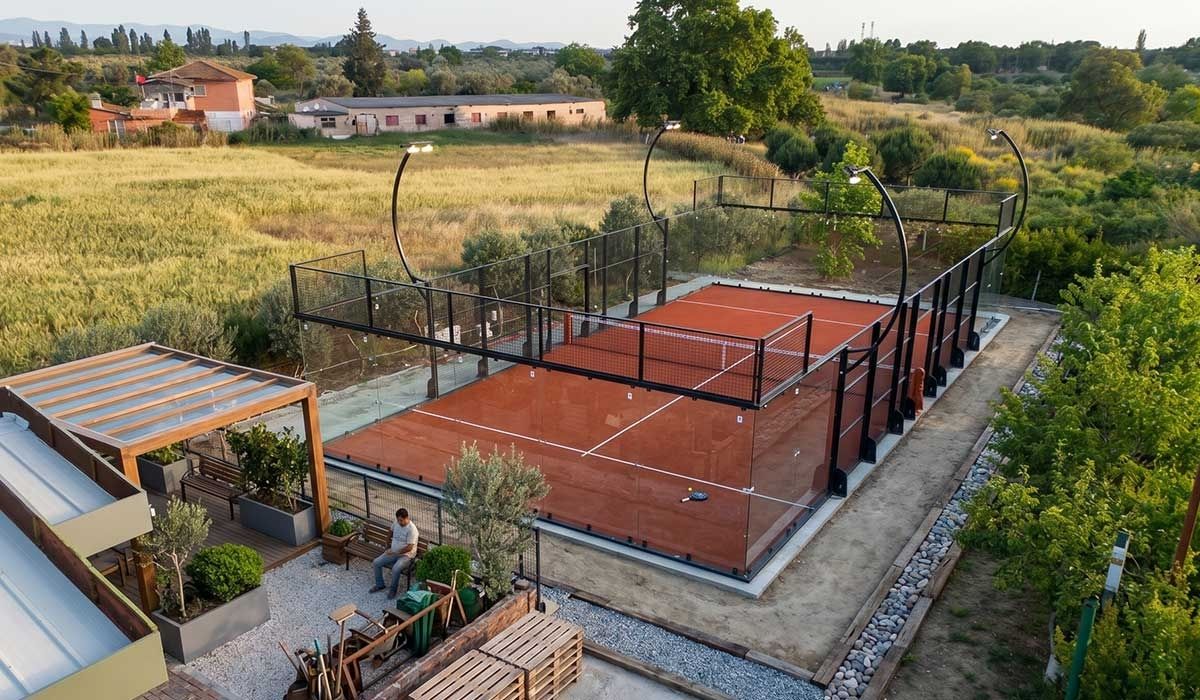
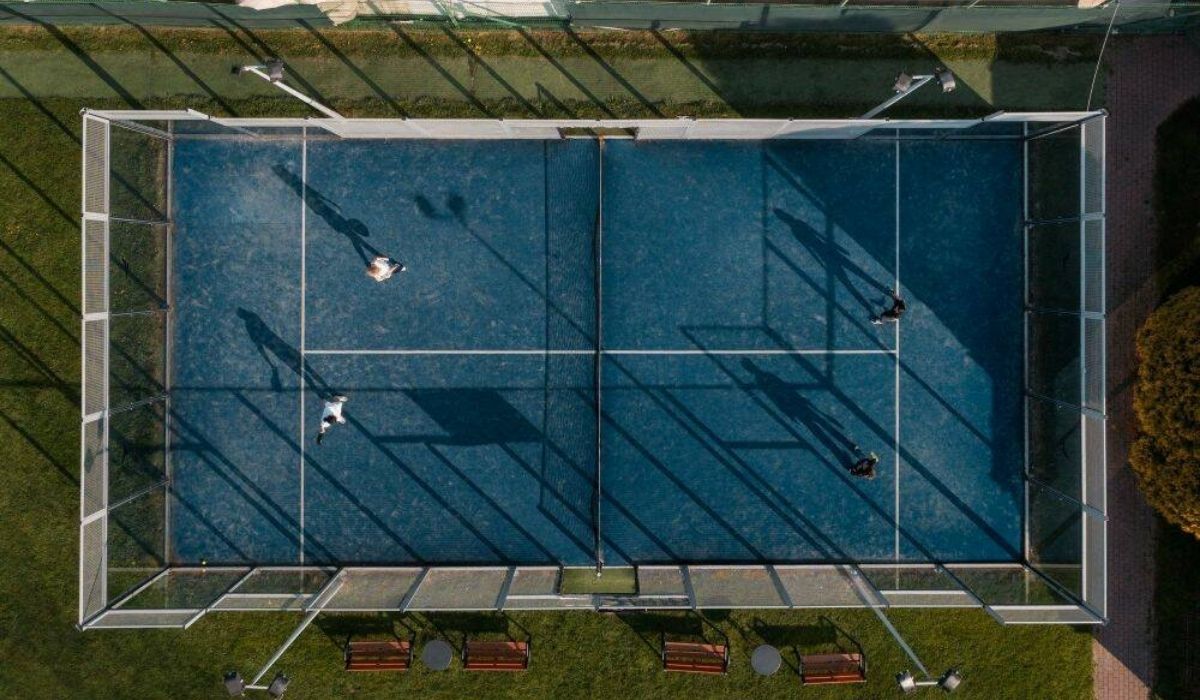
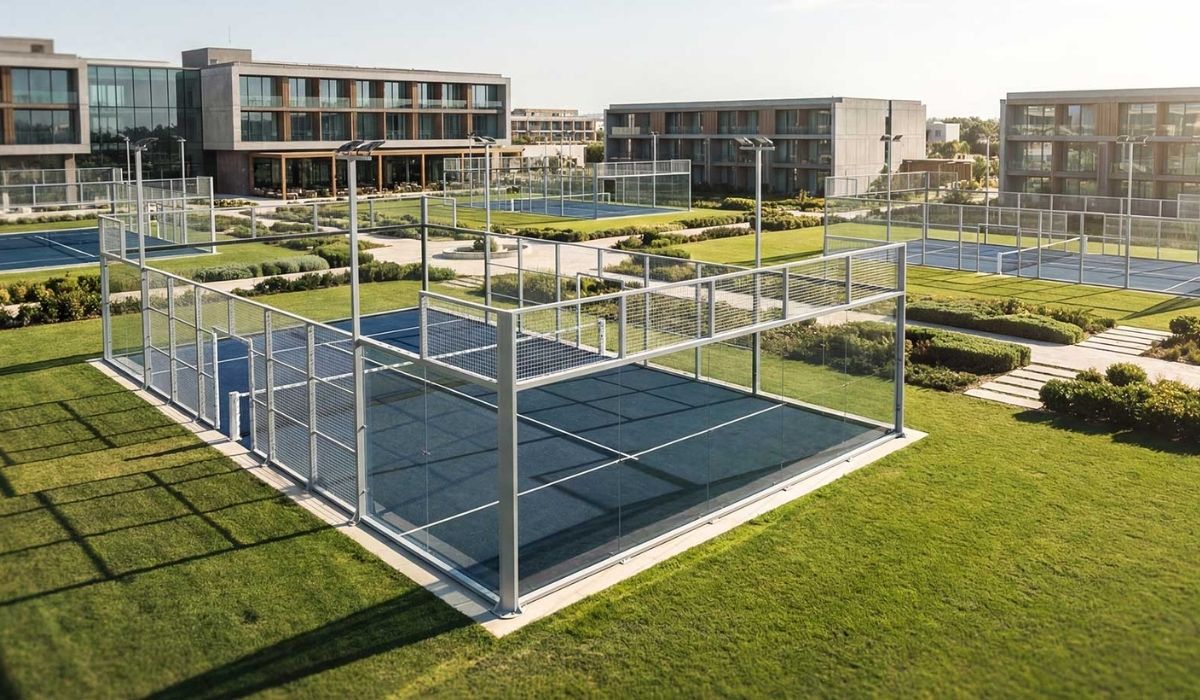
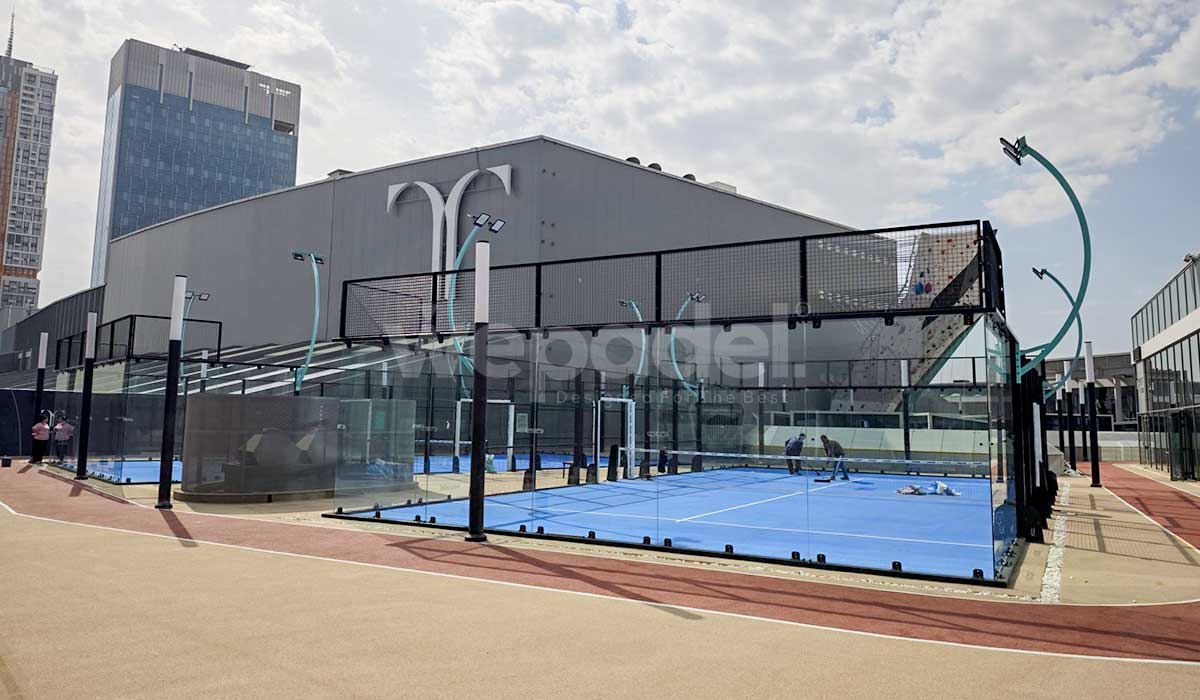
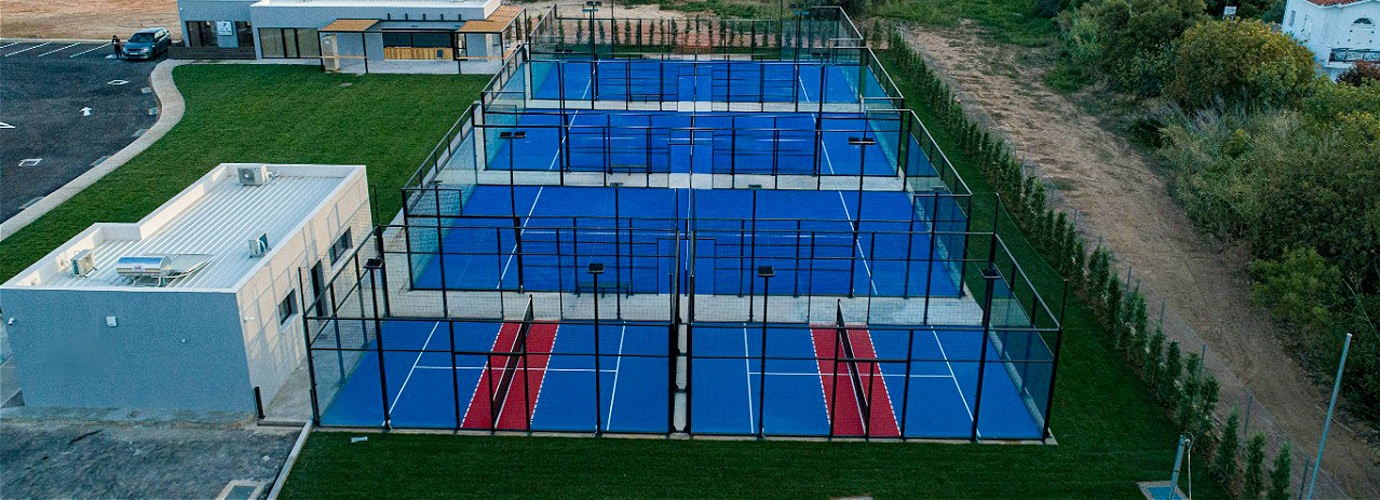
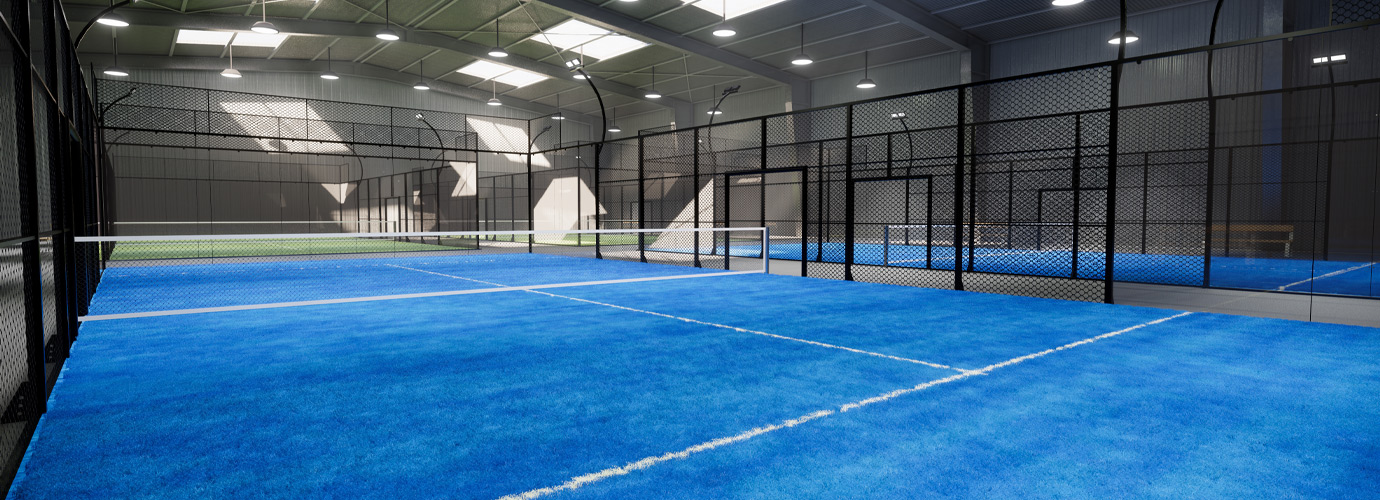
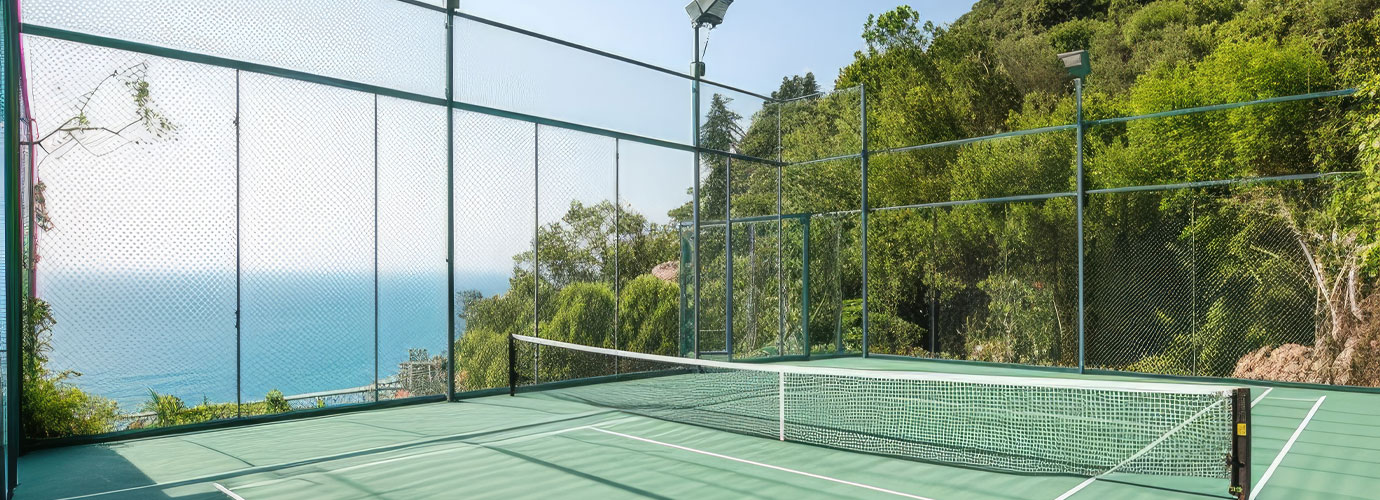
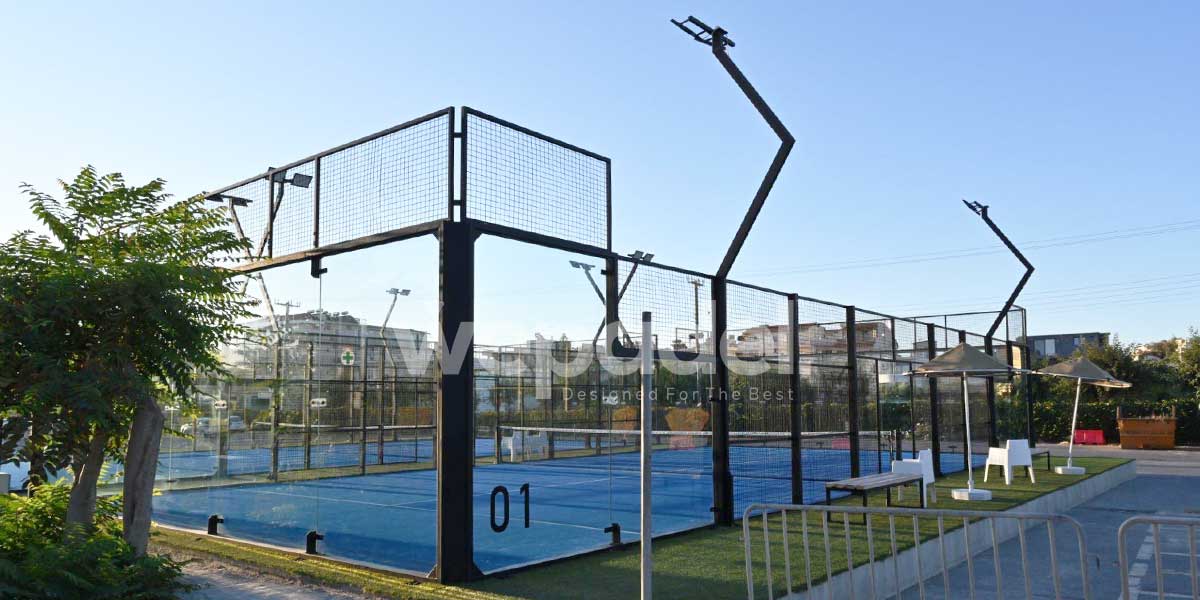
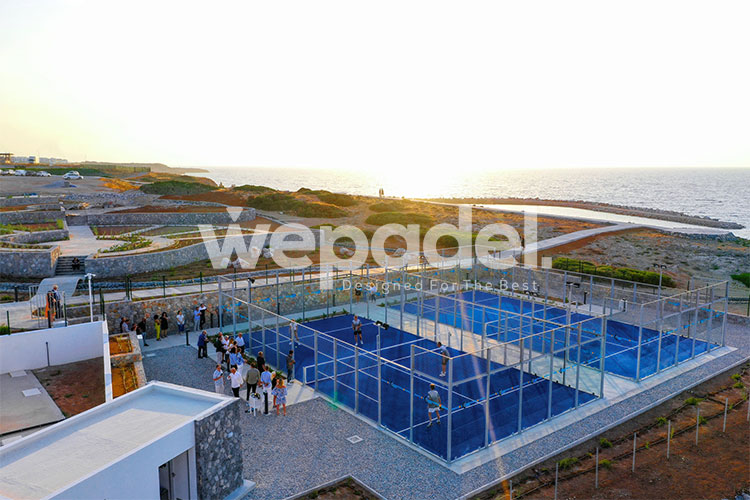
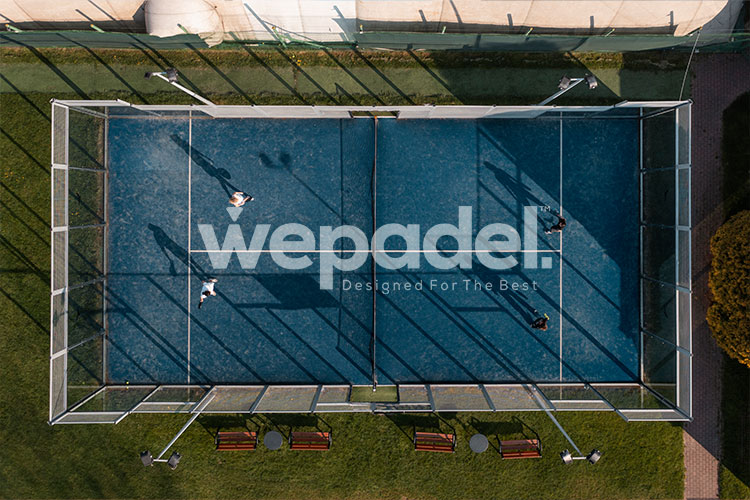
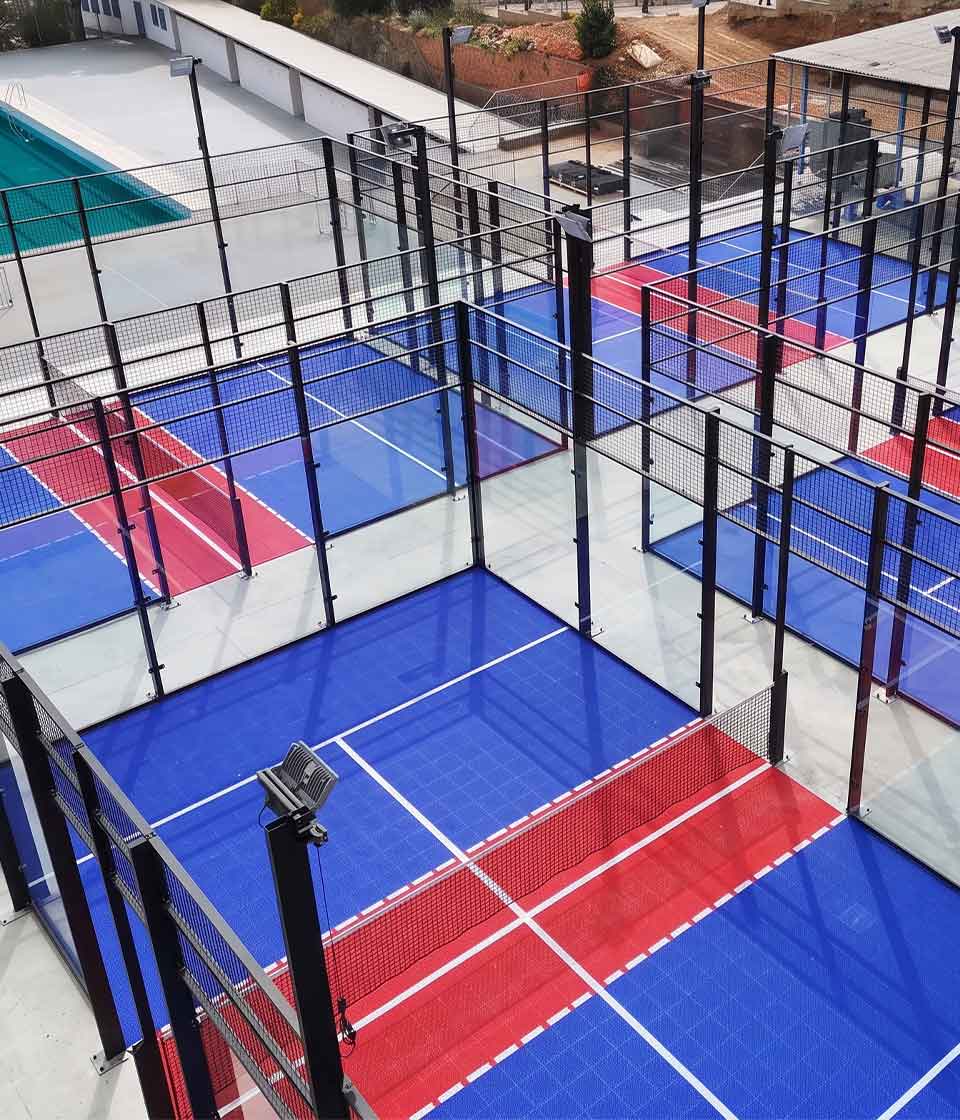
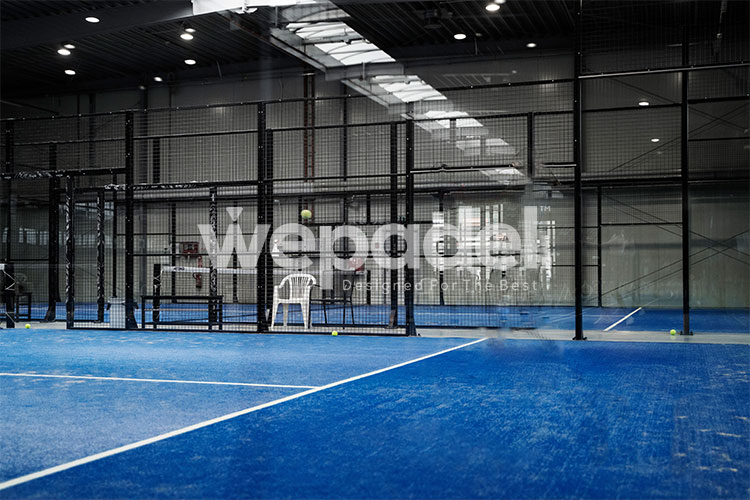
The construction of a professional padel tennis court requires precise architectural planning, rigorous civil engineering, and high-quality materials. Unlike standard tennis courts, padel courts rely heavily on a combination of heavy-duty steel structures, thick tempered glass panels, and specialized mesh fencing to facilitate the continuous, fast-paced rebound gameplay. The construction workflow is divided into five core phases: perimeter foundation casting, steel infrastructure installation, glass and mesh integration, synthetic turf laying, and professional LED lighting setup.
1. Infrastructure and Concrete Base Preparation
The process begins with precise site excavation. A perimeter beam formwork is constructed around the layout area—which standardly measures 10 meters in width by 20 meters in length. A robust steel cage reinforcement mesh is fabricated inside the beam using 8mm and 12mm iron rebars to guarantee structural integrity against wind loads and glass weight. Before pouring the concrete, heavy-duty anchor plates or anchor pipes are mathematically aligned and placed inside the perimeter beam at precise intervals. These anchors act as the foundation roots for the heavy steel columns that will support the entire court superstructure.
2. Advanced Drainage Systems
Simultaneously, specialized drainage channels are integrated to ensure rapid water evacuation. A slope of 0.5% to 1% is calculated for the concrete surface to direct water toward the drainage network. Once the drainage piping and porous gravel sub-base layers are tightly compacted, a final layer of ready-mixed concrete (typically C25/30 grade or asphalt) is poured, leveled flawlessly, and finished to a smooth, zero-error surface that aligns perfectly with the ground level.
3. Steel Structure, Metallic Mesh, and Glass Installation
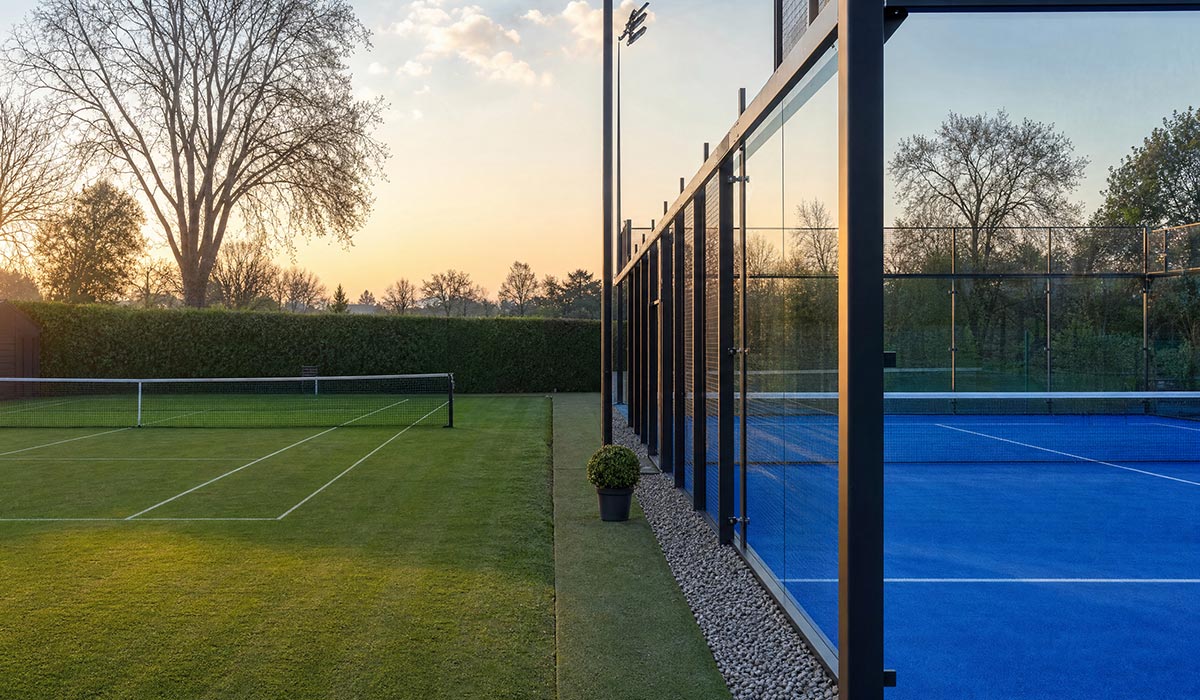
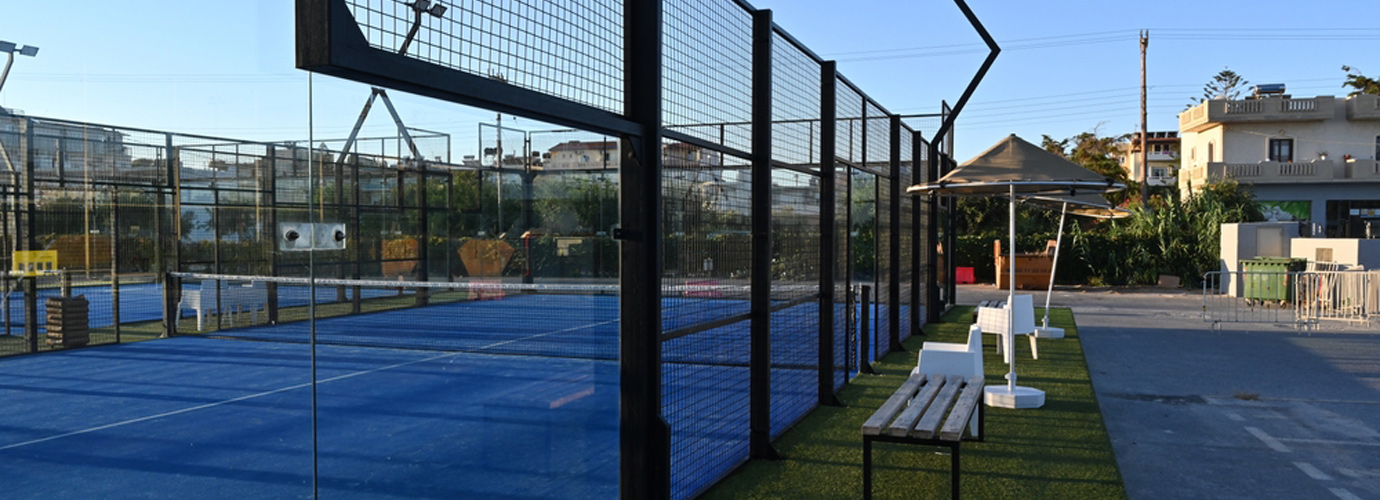
Once the concrete foundation achieves its full curing strength, the mechanical installation begins. Electrostatic powder-coated or galvanized steel pillars are securely bolted or welded vertically onto the pre-installed anchor plates. Diagonal reinforcement pipes are added to the four corners to maximize resistance against high impacts. Following the framework, electro-welded wire mesh panels (typically 50x50x4mm) and certified 10mm or 12mm tempered safety glass panels are carefully mounted. The glass panels must be installed using premium EPDM rubber gaskets to absorb vibrations and prevent shattering during intensive gameplay.
What is the Importance of Flooring & Sub-Base in Padel Court Construction?
The flooring system of a padel court is the most crucial component dictating ball bounce predictability, player safety, and overall game quality. A poorly constructed floor leads to uneven ball rebounds, premature turf wear, and increased risk of joint injuries for players. Therefore, the interaction between the sub-base, the synthetic turf fiber, and the infill material must be flawlessly balanced.
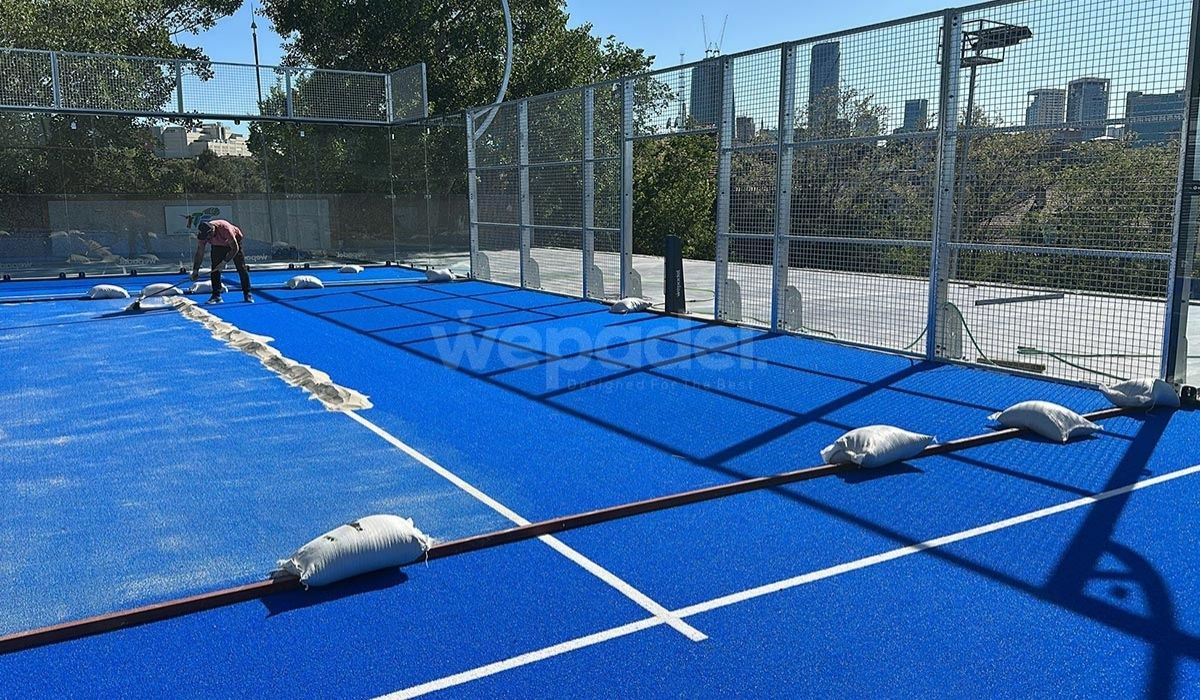
To optimize the flooring system, a highly specialized, kiln-dried silica sand infill (usually with a grain size of 0.2mm to 0.6mm) is evenly distributed across the synthetic carpet. Using a mechanized, industrial brushing machine, the sand is deeply embedded into the artificial grass fibers. This process serves multiple critical functions:
Looking for a Complete Installation Guide?
Building a professional padel court requires precise engineering, from ground preparation to the final net assembly. If you want to learn every step of the professional setup process, safety standards, and turnkey solutions, check out our comprehensive guide.
Read Padel Court Installation Guide →- Fiber Stabilization: It keeps the artificial turf fibers perfectly upright, preventing matting and ensuring long-term wear resistance.
- Uniform Ball Bounce: It guarantees consistent ball behavior and speed across every square inch of the court.
- Player Traction & Safety: The combination of advanced synthetic grass and silica sand offers optimal slide-and-grip performance, reducing stress on players' knees and ankles while protecting skin health during accidental falls.
Which Artificial Grass Specifications Must Be Used for Padel Tennis Courts?
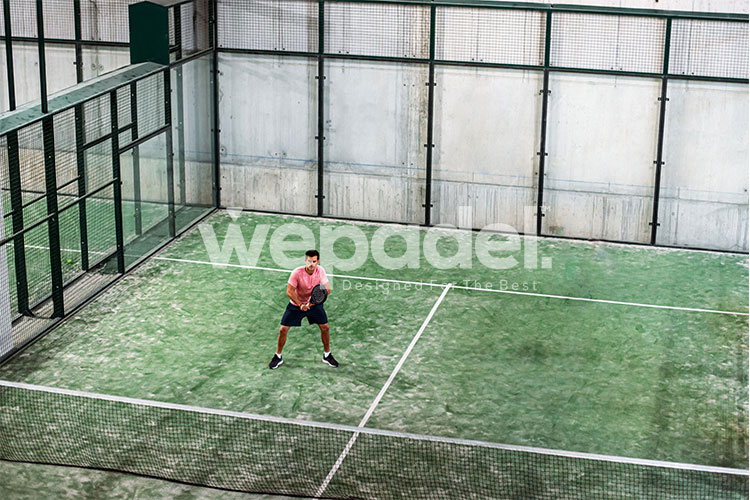
While padel turf shares similarities with standard tennis grass, it is specifically engineered to handle more intense, multidirectional footwork within a confined space. Using generic artificial grass will cause rapid degradation. For high-performance padel courts, manufacturers utilize two primary types of synthetic turf: Monofilament and Fibrillated grass made from high-density polyethylene (PE) polymers.
| Turf Parameter | Recommended Specification for Padel Courts |
|---|---|
| Fiber Type | Texturized Monofilament (Highly recommended for professional bounce) |
| Pile Height | 10 mm to 12 mm |
| Dtex Range | 8,000 Dtex - 10,000 Dtex (High density for maximum durability) |
| Infill Material | 99% Pure Silica Sand (approx. 8-10 kg per square meter) |
| UV Resistance | Certified UV-Stabilized (Prevents color fading and brittleness) |
Premium padel synthetic turf features built-in shock-absorbing properties that cushion joint impacts, drastically minimizing athletic injuries. Furthermore, advanced backing materials with perforated drainage holes allow rainwater to pass through effortlessly. This means that even immediately after heavy rainfall, the court dries rapidly without waterlogging, allowing clubs to maximize court booking hours year-round without risking player slippage or material deformation.
How to Find the Best Padel Court Manufacturer? Key Criteria
Investing in a padel court is a long-term capital venture. To secure the highest return on investment (ROI), choosing an elite, certified manufacturer is paramount. Splurging on cheap alternatives often results in warped steel structures, misaligned glass panels, or sinking foundations within just a few years. When scouting the market, look for the following industry gold standards:
- International Certifications: Ensure the manufacturer complies with the International Padel Federation (FIP) standards and possesses ISO 9001 and CE certifications.
- Structural Engineering Expertise: The manufacturer should provide wind load calculations specific to your geographic location, ensuring the glass and steel components can withstand local weather extremes.
- Portfolio & Proven Track Record: Review their international case studies, check online corporate reviews, and if possible, directly contact sports club owners who have previously purchased their court packages.
- End-to-End Turnkey Solutions: The best companies do not just ship materials; they manage everything from architectural design and logistics to ground installation and post-purchase maintenance.
WePadel and High-End Padel Court Construction Services
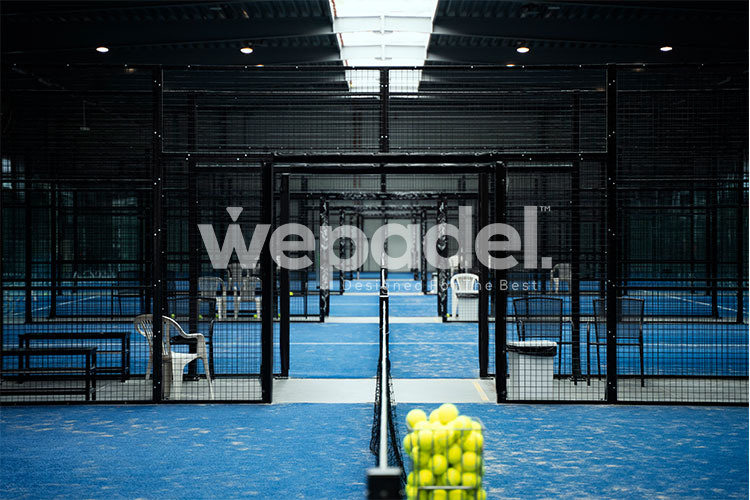
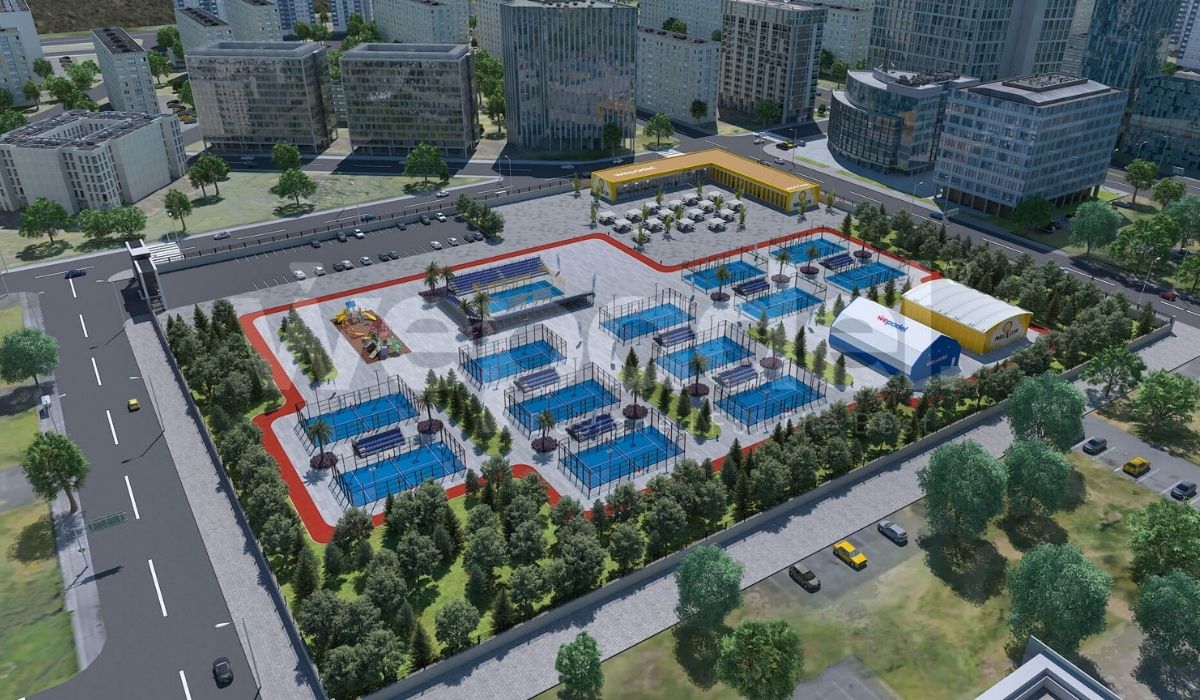
If you are looking to build a world-class padel facility, WePadel stands out as an industry-leading, specialized padel tennis court manufacturer operating on a global scale. By combining premium European-grade materials with cutting-edge manufacturing technologies, we deliver courts that are not only architecturally striking but engineered to last for decades. Partnering with WePadel means minimizing your maintenance costs while offering your players an elite-level club experience.
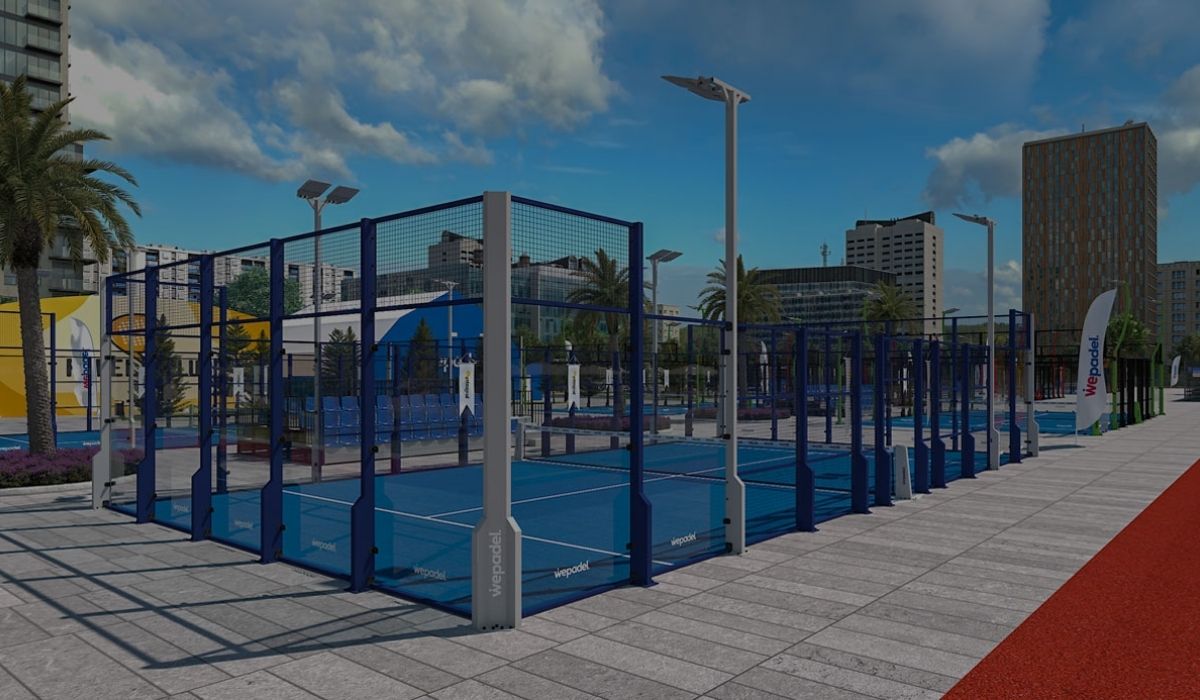
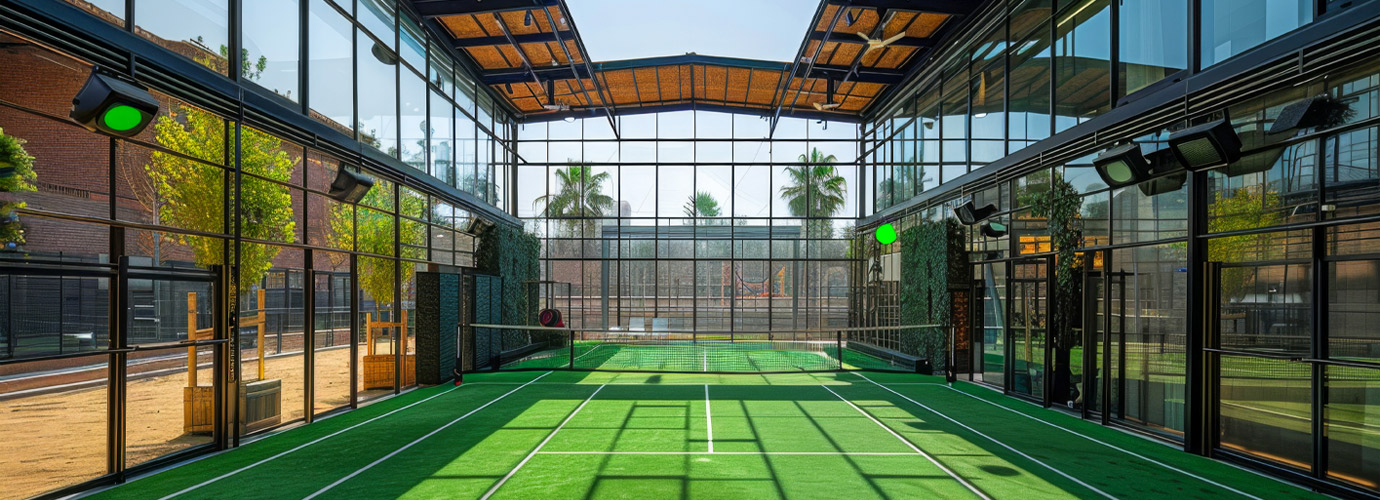
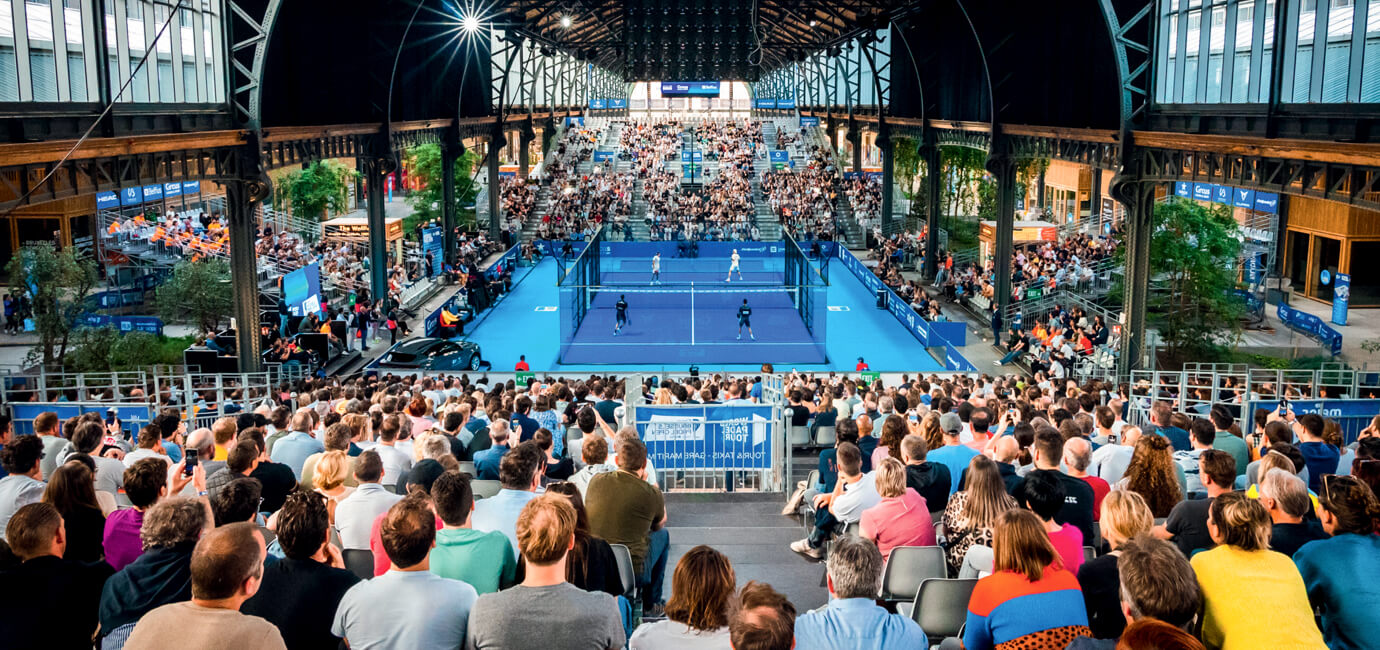
Navigating the technicalities of court installation can be complex, but our expert engineering team streamlines the entire journey. We assist you in selecting the ideal court models—whether you need standard robust pillars or fully transparent, high-visibility Panoramic Padel Courts optimized for television broadcasting. By filling out our streamlined contact form on our website, you can request a customized architectural consultation and an accurate cost estimation tailored specifically to your project's geography.
Backed by years of international experience, a dedicated workforce, and precision engineering protocols, WePadel guarantees rapid, flawless, and structurally secure padel court installations. Our commitment to your project doesn't end when the final bolt is tightened; we provide comprehensive long-term after-sales support, technical inspections, and turf maintenance advice. Trust WePadel to transform your vision into a highly profitable, premium sports landmark.
Contact our experts today to bring your professional padel project to life!