25/09/2026

Opening a padel club in Germany involves more than simply installing a few courts. You need to choose the right location, set an investment budget and create a facility that players will want to return to. At WePadel, we develop projects by considering court design, layout, social areas and installation processes together. We also shape your investment in Germany around your available space, target audience and growth plan.
What Is the State of the German Padel Market?
According to PadelCompass’s independent facility inventory dated 1 July 2026, Germany has a total of 1,910 padel courts across 599 facilities. Padel infrastructure extends across 403 cities and localities, and 57.4% of courts are indoors. These figures are the source’s own research, not an official national census.
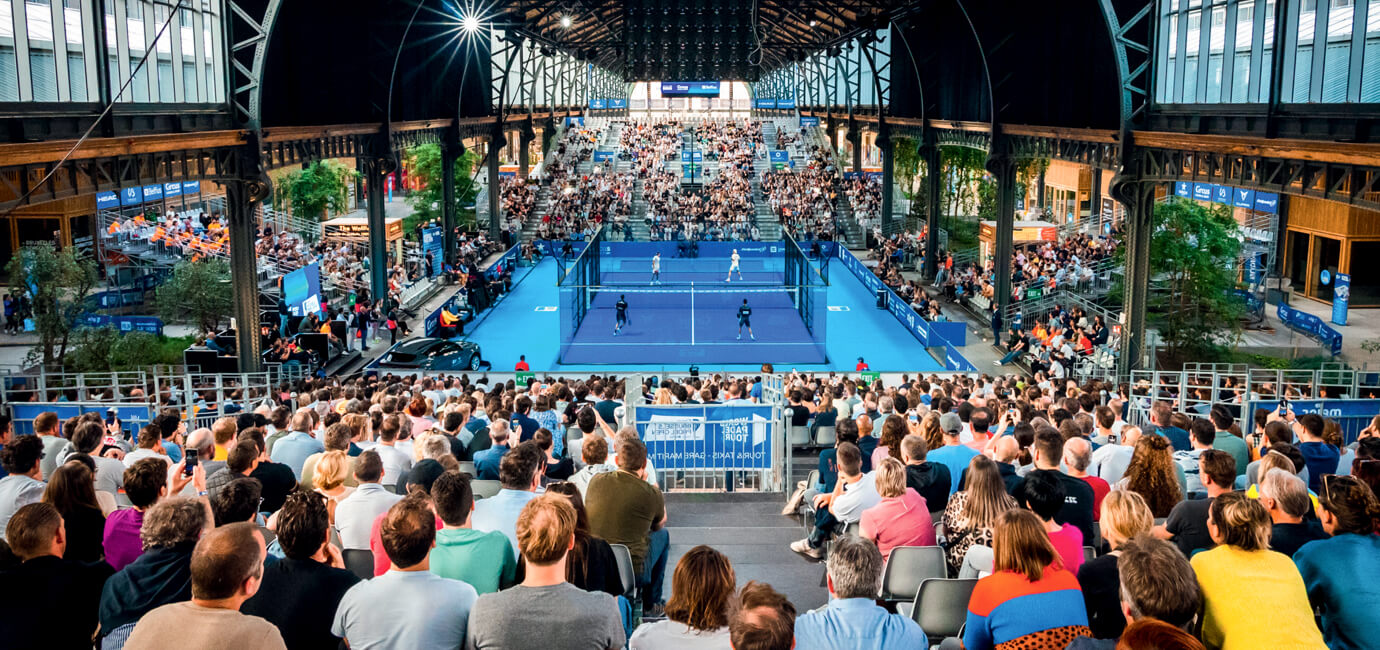
The inclusion of the Germany P2 Tournament in the FIP calendar for 5–11 October 2026 is also an example of the country’s visibility in international padel events. When making an investment decision, we recommend assessing these indicators alongside player demand in the area where your project is located.
Advantages of Germany’s Growing Padel Market
We consider padel investments in Germany not only as a way to establish a new club, but also to improve existing facilities and reach different groups of players.
- An opportunity to establish a presence in a growing market: According to the Bavarian Tennis Association’s statement dated 21 September 2026, approximately 1,000 new padel courts have been installed in Germany over the past 12 months. This development shows that investment in facilities is continuing. When assessing the growth opportunity, we recommend including increasing competition in your location analysis as well.
- Making use of existing sports facilities: The German Tennis Federation supports adding padel to tennis clubs. We recommend considering shared use of reception areas, parking and changing rooms at suitable facilities to create an alternative investment model to building a club from scratch.
- Potential for year-round use: The German Tennis Federation considers indoor or roofed courts an advantage for year-round use. When assessing this potential, we recommend planning roof protection, indoor conditions and operating expenses together.
- Reaching new groups of players: The federation highlights padel’s accessibility for beginners and people returning to sport as a way of attracting members. We recommend including introductory lessons and taster events in your club’s opening programme.
- Diversifying revenue sources: In addition to court rental, lessons, tournaments, sponsorships and advertising spaces can also be considered. We recommend calculating the revenue from each service together with staffing and organisational costs.
- Developing training and competition infrastructure: The German Tennis Federation states that it is strengthening its organisation in 2026, focusing on facility development, tournaments, leagues and coach training. We see these developments as important when planning your club as a sports centre offering regular training and events.
These advantages alone do not guarantee occupancy or profitability. For a successful investment, you should assess local demand, your budget and your operating model together.
In Which City and Location Should You Open a Club?
You can consider Berlin, Hamburg, Munich, Frankfurt, Cologne or Düsseldorf. However, we do not recommend making a decision based solely on the city’s name. When comparing locations, we focus on the following questions:
- Can your target players reach the facility easily?
- What are the prices and booking levels at nearby courts?
- Are parking and public transport options sufficient?
- Do the lease terms and the space available for expansion support the investment plan?
Before opening, we recommend speaking with local players, gauging interest in preregistration and defining your club’s target audience. We do not consider the needs of a training-focused academy and a club centred on social events to be the same.
How Much Space Does a Padel Club Need?
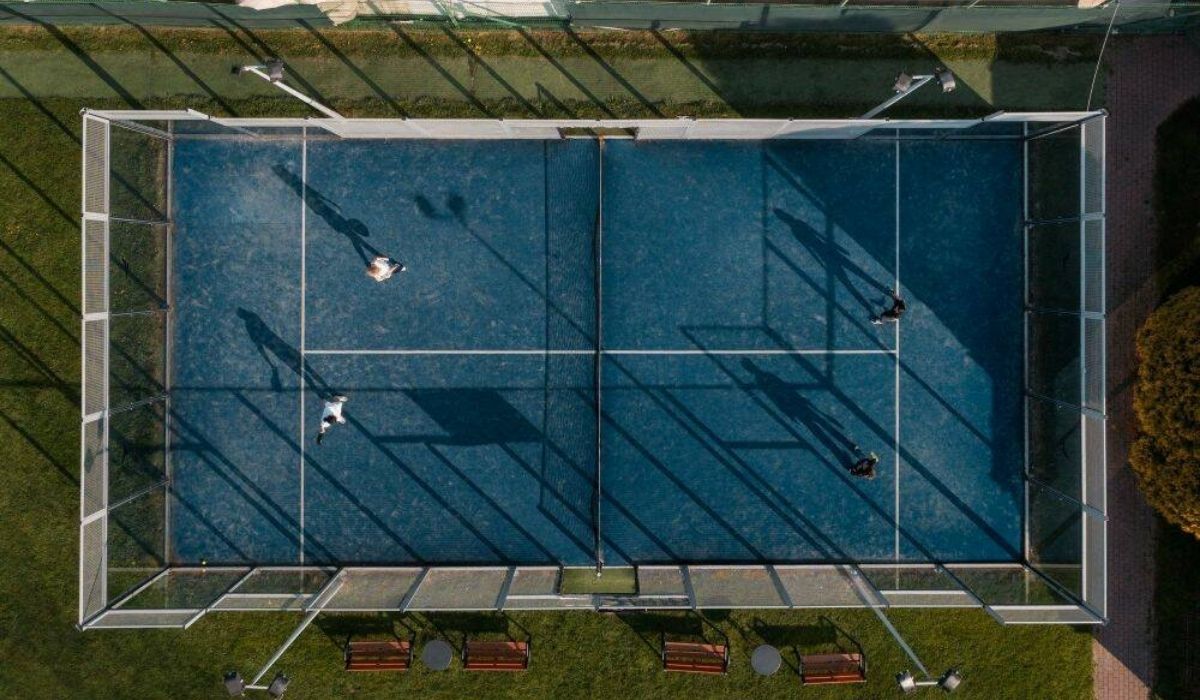
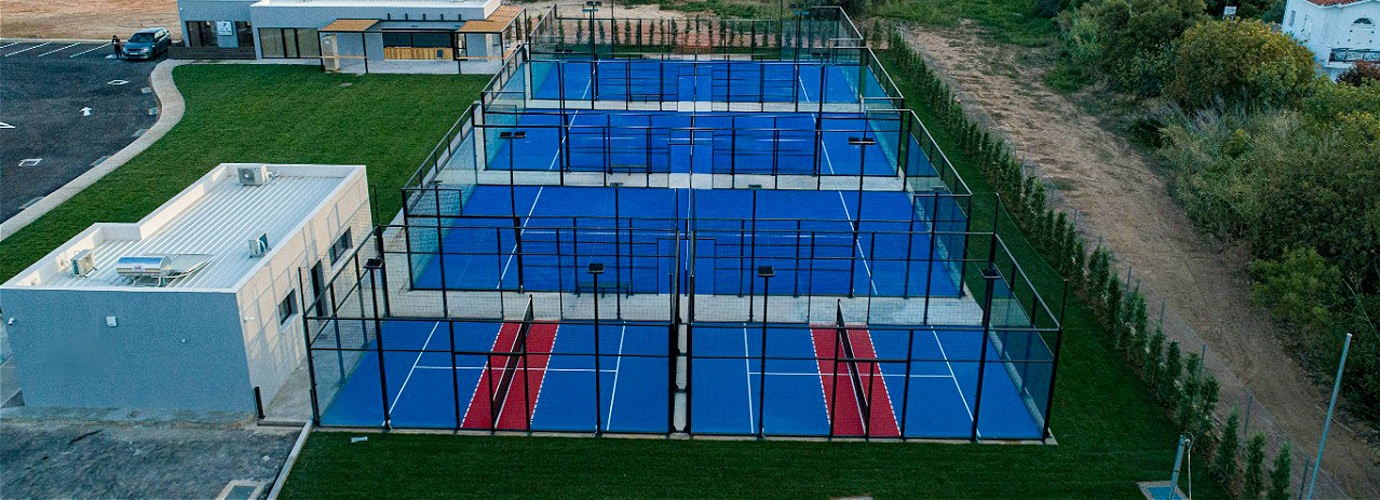
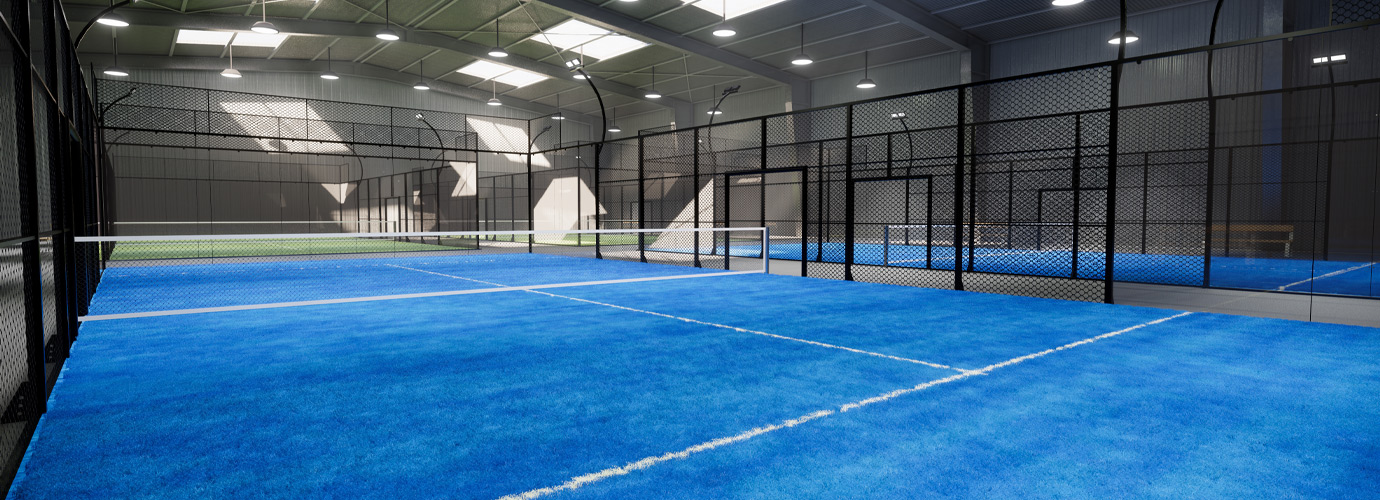
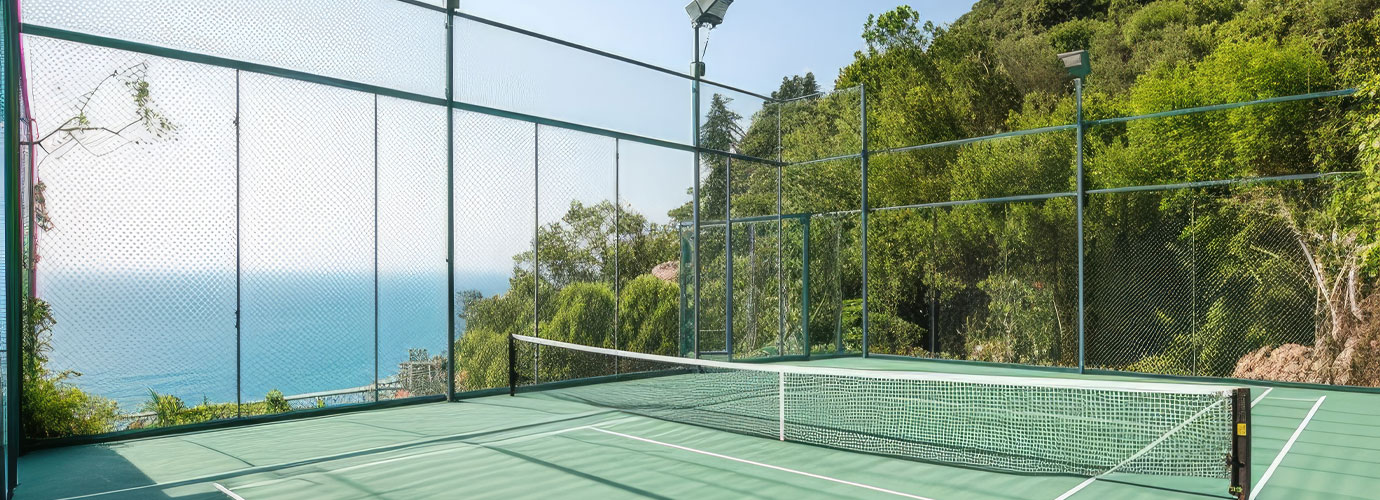
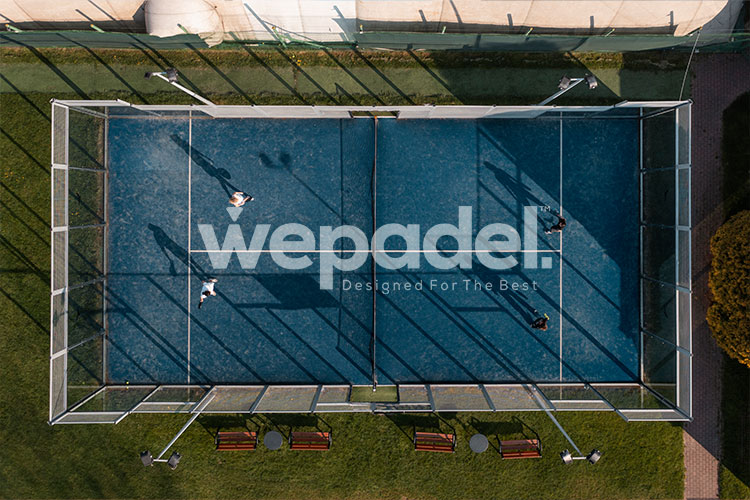
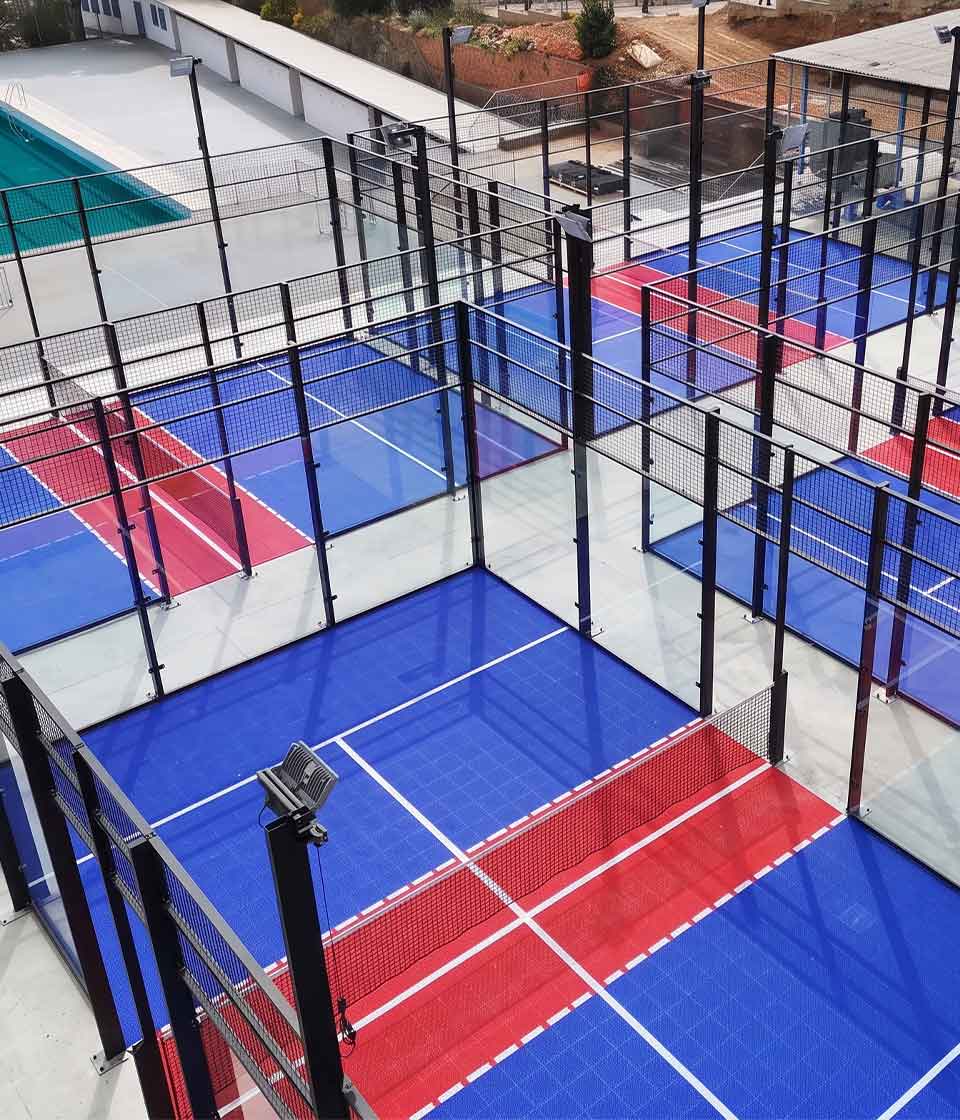
According to FIP rules, the internal dimensions of a standard doubles court are 20 × 10 metres. The playing area alone is 200 square metres. The unobstructed height throughout the court must be at least 6 metres; 8 metres is recommended for new facilities.
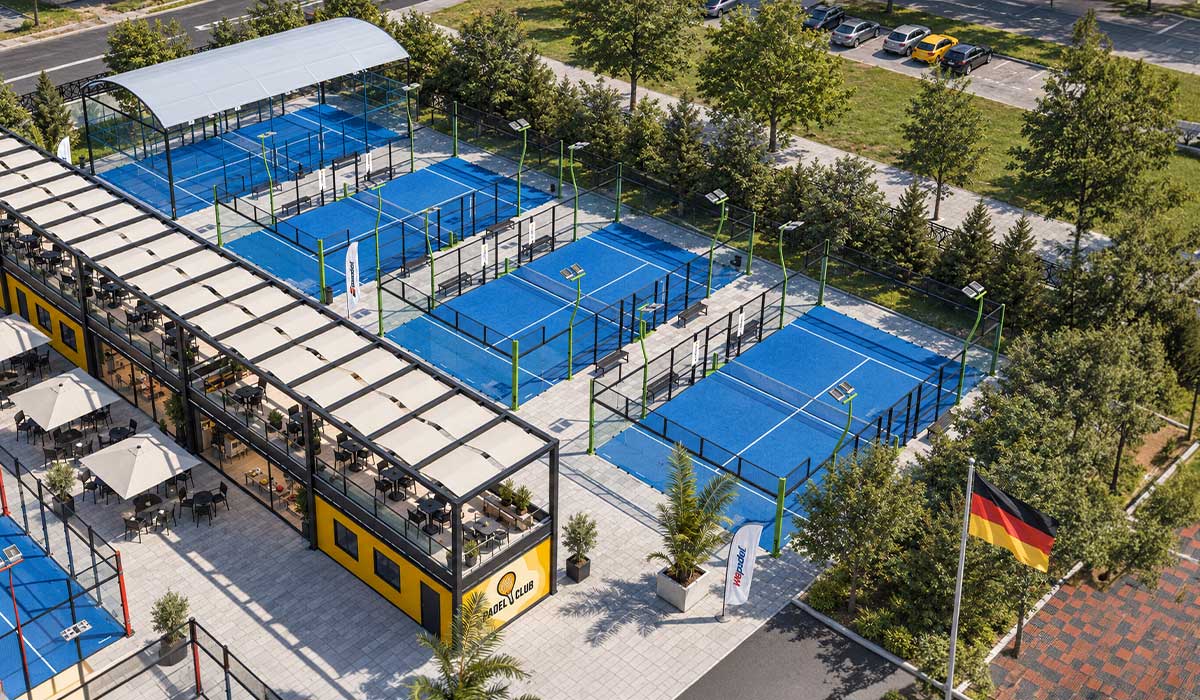
We do not consider the 800 square metres calculated for four courts to be the total space required for the facility. We plan separately for the structure, walkways, reception, changing rooms and social areas. When converting a warehouse, we also recommend assessing the positioning of columns and beams.
For investors who want to start with two courts and expand, we recommend setting aside space for future courts at the outset.
An Outdoor, Roofed or Fully Indoor Padel Club
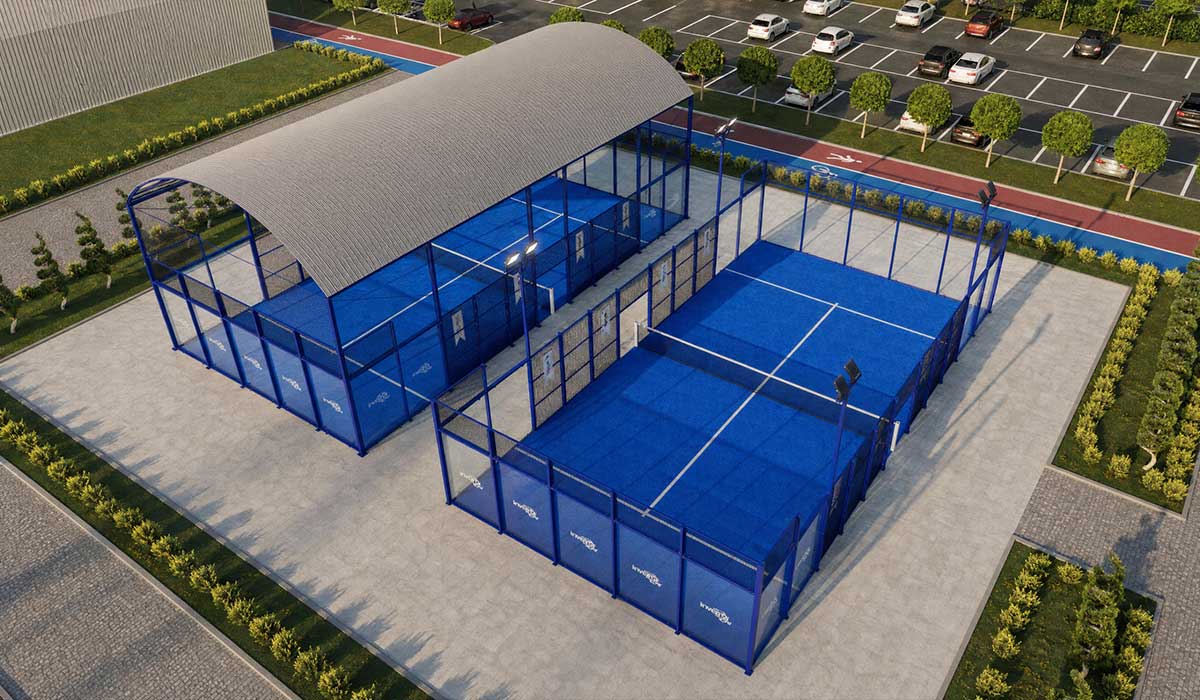
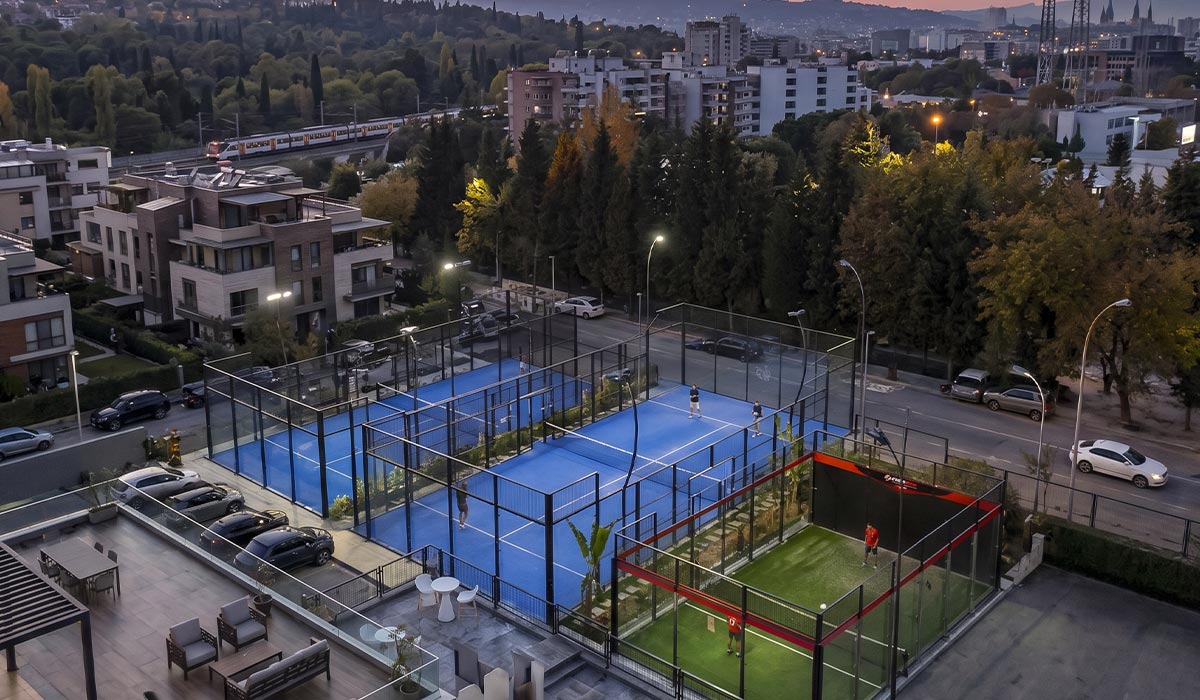
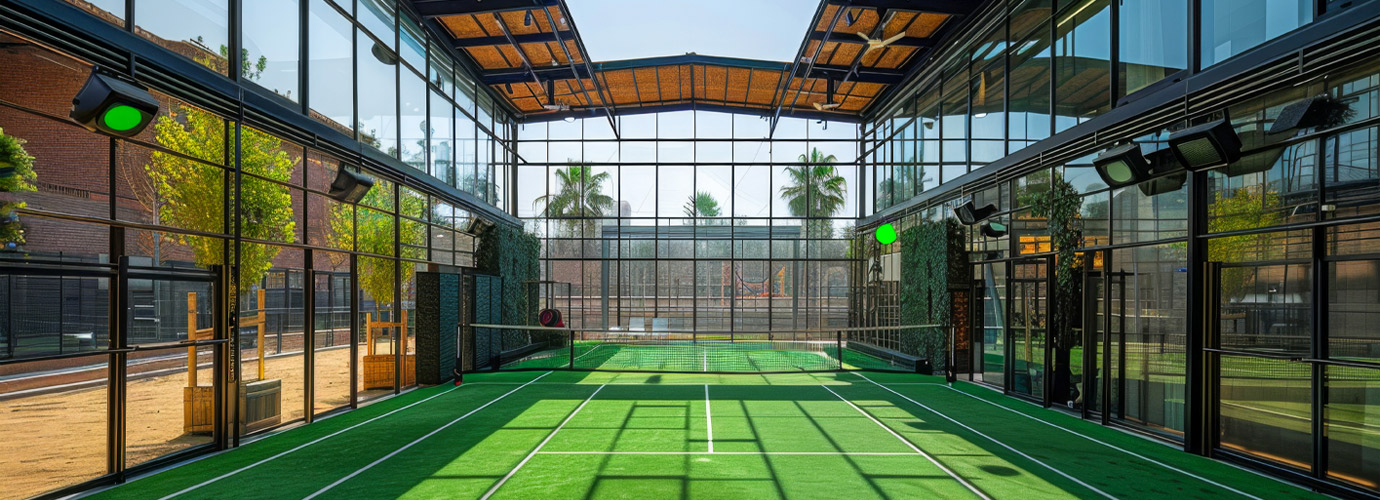
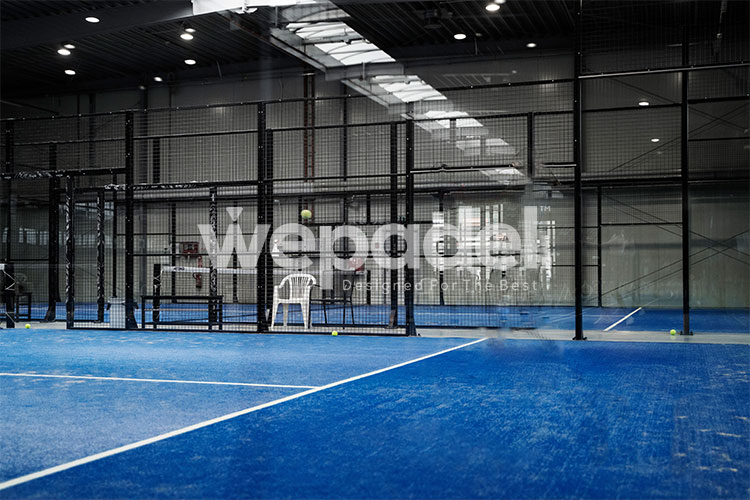
We do not select the facility type based solely on the initial cost. We recommend assessing drainage and weather conditions for outdoor courts; exposure from the sides for roofed courts; and ventilation, lighting and energy costs for indoor halls together.
We do not present a roof covering as the same solution as a climate-controlled indoor hall. You should make your choice in line with your intended period of use, the player experience and your operating budget.
The Permitting and Technical Compliance Process in Germany
You should clarify the building permit requirements and whether the existing building can be used as a sports facility with the relevant local authority. Bavaria’s official portal states that work on projects requiring a permit must not begin before approval is obtained; conditions in other federal states must be verified separately.
For warehouse conversions, we recommend assessing change of use, fire safety, escape routes and accessibility with local specialists. Under Germany’s 18. BImSchV regulation, the noise impact and operating hours of sports facilities are also important.
We recommend completing compliance checks before deciding to lease or purchase. This guide does not replace project-specific legal and technical advice.
The Cost of Opening a Padel Club in Germany
The price of a court and the club’s total investment cost are not the same. We recommend creating separate budget items for court systems, infrastructure, transport, installation, any roofing solution, building or land expenses, and social areas.
In your operating budget, you should calculate rent, staffing, energy, cleaning, insurance, the booking system and maintenance together. When comparing quotations, we consider it important to clarify the work included and excluded.
Do not assume that you will immediately reach your target occupancy in the first few months. We recommend allocating a separate budget for opening marketing, unforeseen expenses and working capital.
How Is a Padel Club’s Revenue Calculated?
In PadelCompass’s sample of 143 facilities that publish prices, the median peak-time rental rate is €32. This figure is a comparison indicator from July 2026, not an average for all of Germany.
Let us make an entirely hypothetical calculation: assume that four courts are open 12 hours a day, 30 days a month; average occupancy is 40%, and the hourly rate excluding VAT is €30.
4 × 12 × 30 × 40% × 30 = €17,280 in monthly court rental revenue.
This amount is not profit; operating and financing expenses have not been deducted. The rate and occupancy level used are not verified German averages.
We recommend calculating low, medium and high occupancy scenarios separately, and not counting the same hour twice in lesson revenue and court rental.
Plan a Club That Keeps Players Coming Back
We recommend planning the opening as the beginning of your player community. Create regular programmes for introductory lessons, matching players by level, club activities and corporate events.
Include easy booking, clear pricing and maintenance in your operating plan. Monitor daytime and evening occupancy separately. Base investment in additional courts not only on initial interest at the opening, but also on repeat bookings and actual usage data.
Bring Your Project in Germany to Life with WePadel!
At WePadel, we consider club design, planning and installation processes together. With our Essential, Impact and Extreme club models, we offer options for different capacity and usage goals.
For your project, we recommend first clarifying requirements and layout, followed by the technical scope, budget and implementation schedule. You should draw up your opening plan around production lead times, local permits and site preparation.
If you are planning to open a padel club in Germany, share your city, site dimensions, target number of courts and opening date with us. Let us assess court and club options suited to your investment together and prepare a quotation with a defined scope for your project.
Reference Sources
- PadelCompass — Padel Report Germany, First Half of 2026: Inventory of facilities, courts and prices. PadelCompass
- Bavarian Tennis Association — New MyPadel Booklet and Free Online Consultation: Growth statement dated 21 September 2026. BTV News
- German Tennis Federation: Padel in clubs and organisational work in 2026. vereine
- International Padel Federation: Court rules and the Germany P2 calendar. Padel FIP
- BayernPortal and Germany’s Federal Legislation Portal: Building permit information and sports facility noise regulation.