11/09/2024

Padel is a racket sport that has gained rapid popularity worldwide in recent years, standing out for its fun, social, and strategic aspects. However, many people think that the terms "padel" and "padel tennis" refer to entirely different sports, or they mix them up with traditional tennis. In fact, while the terms are often used interchangeably, there are crucial nuances regarding court designs, equipment, and rules that every player and club investor should know.
Table of Contents
- What Are Padel and Padel Tennis?
- Quick Comparison: Padel vs. Padel Tennis
- 1. Court Dimensions and Wall Design
- 2. Differences in Rackets and Equipment
- 3. Game Rules and Scoring System
- 4. Playing Style and Strategies
- 5. Physical Challenges and Player Profile
- 6. Number of Players and Social Interaction
- Frequently Asked Questions (FAQ)
What Are Padel and Padel Tennis? Clarifying the Confusion
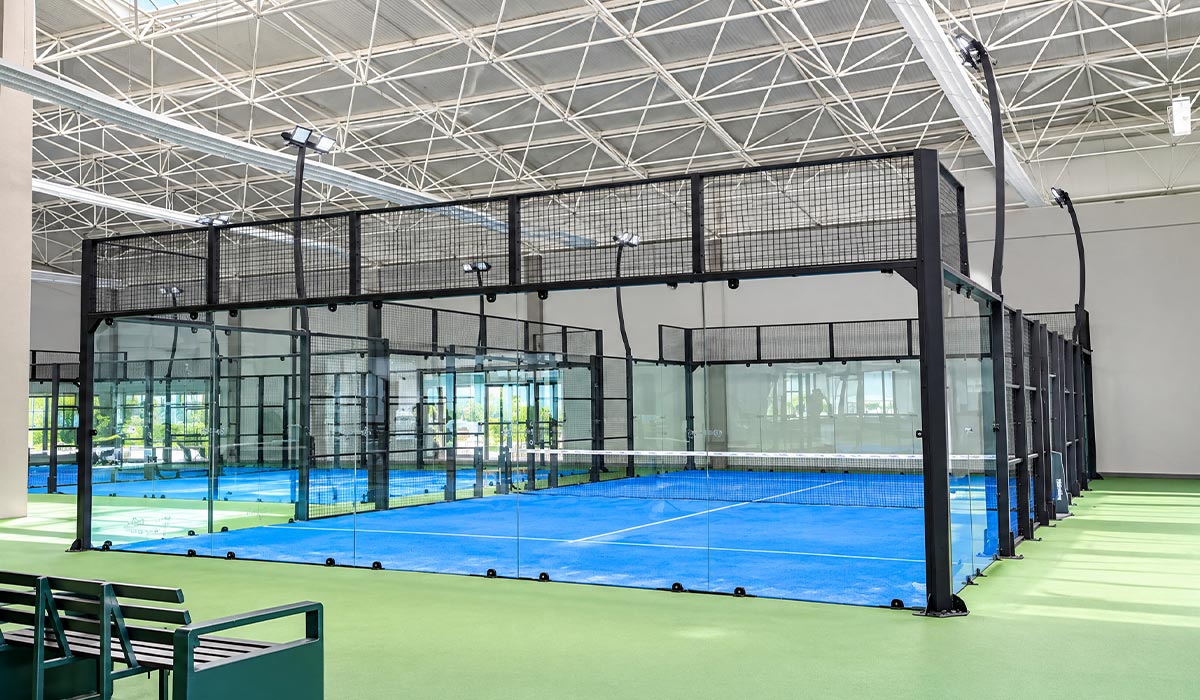
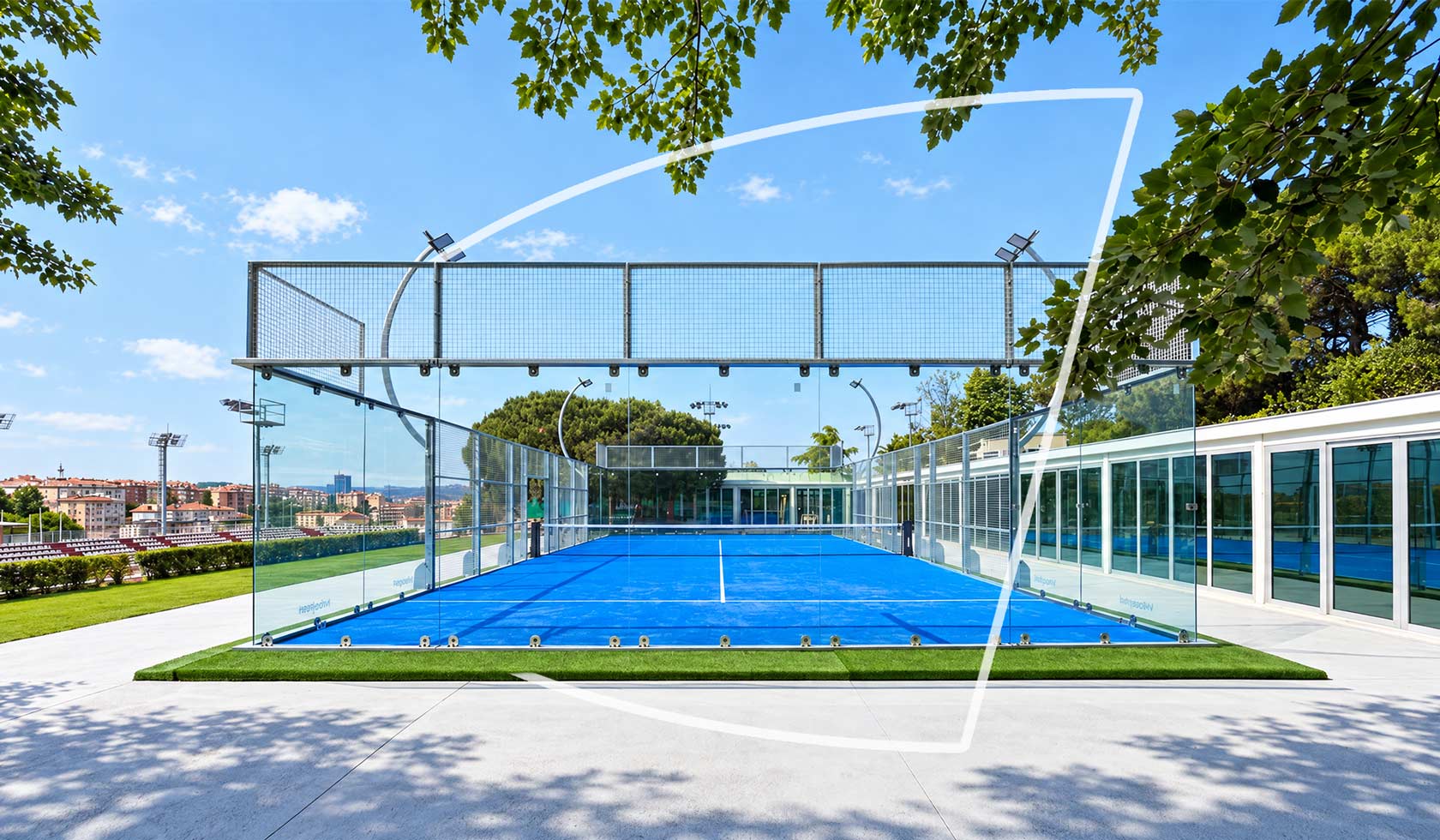
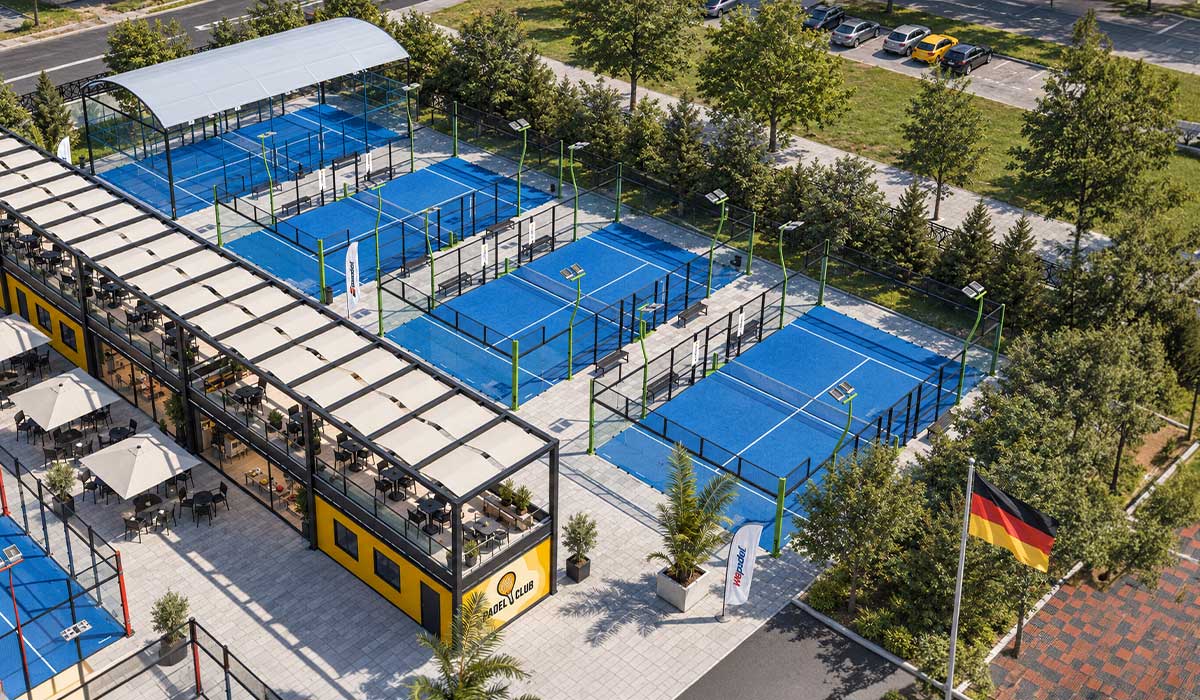
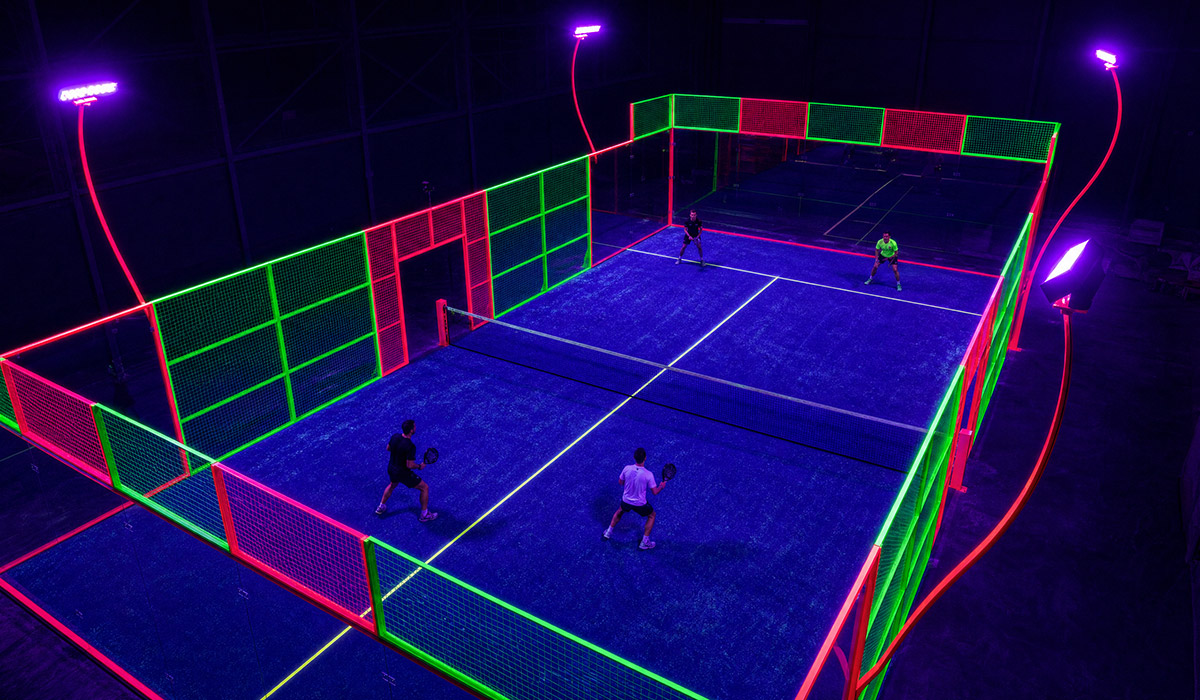
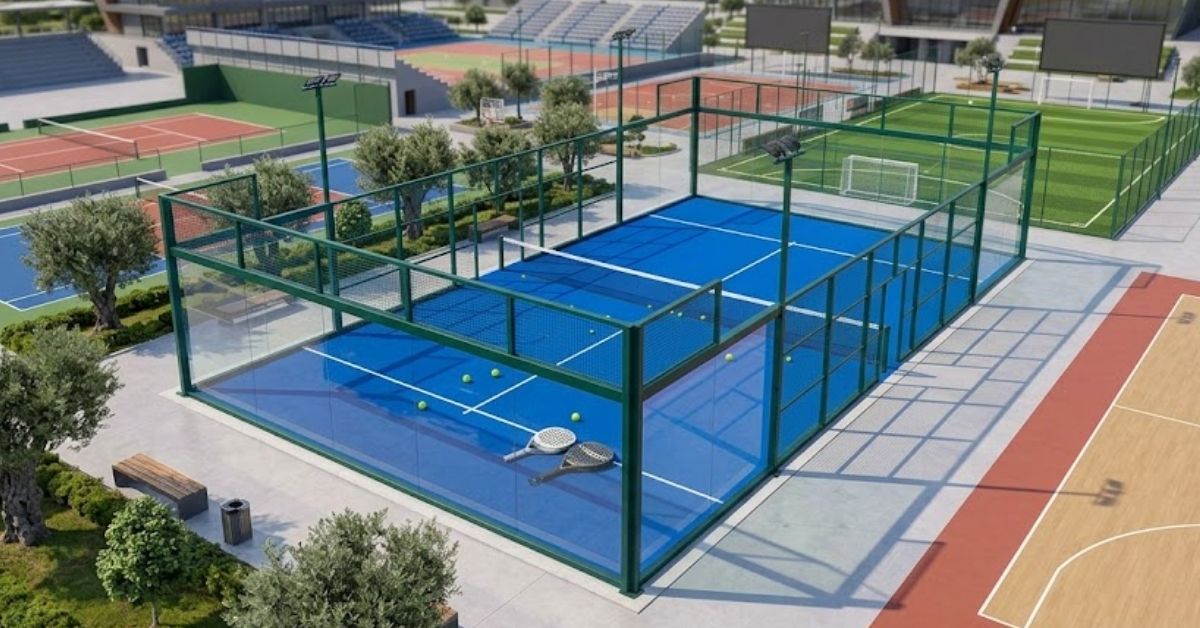
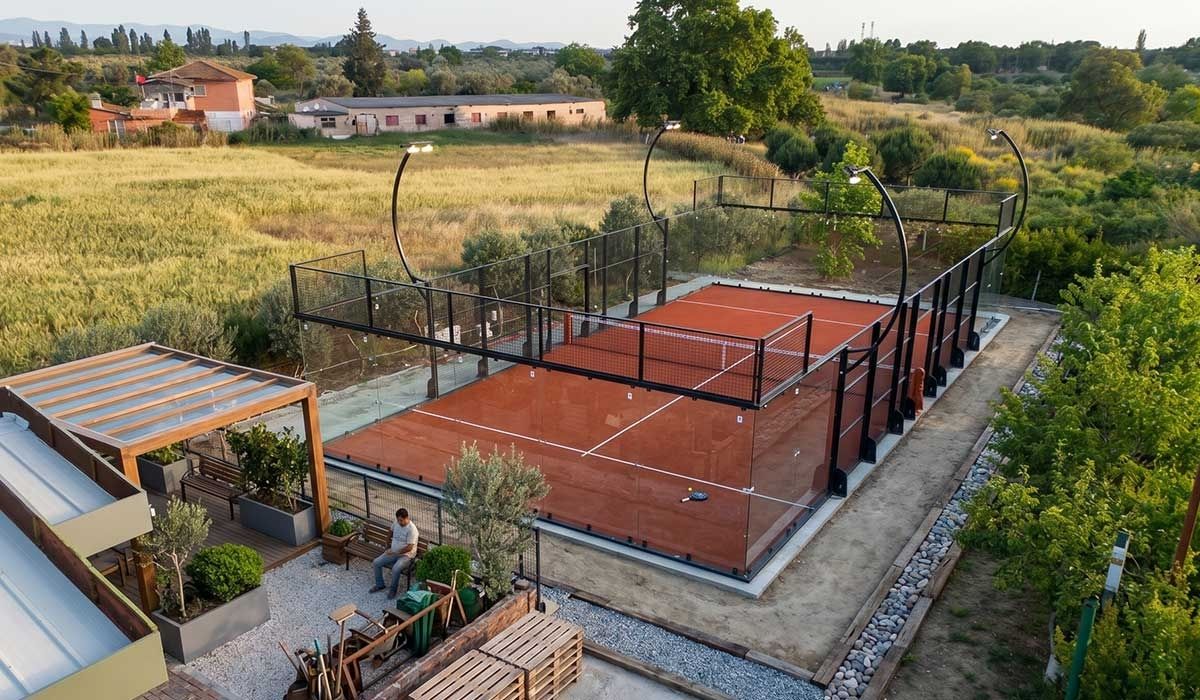
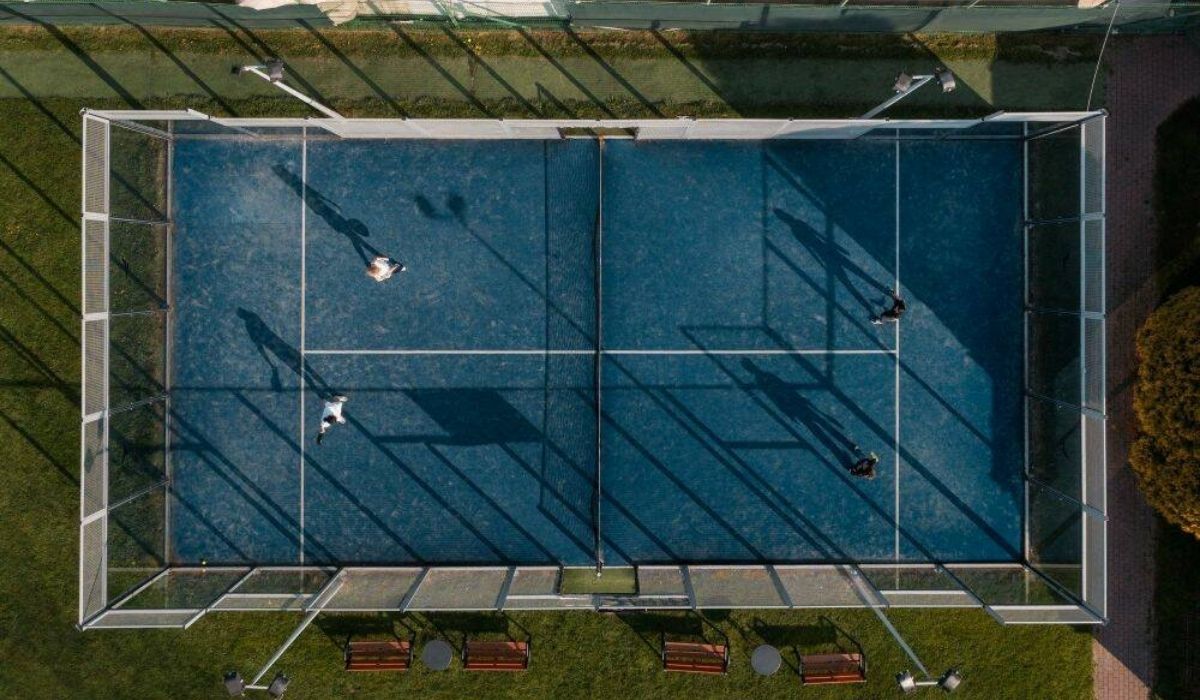
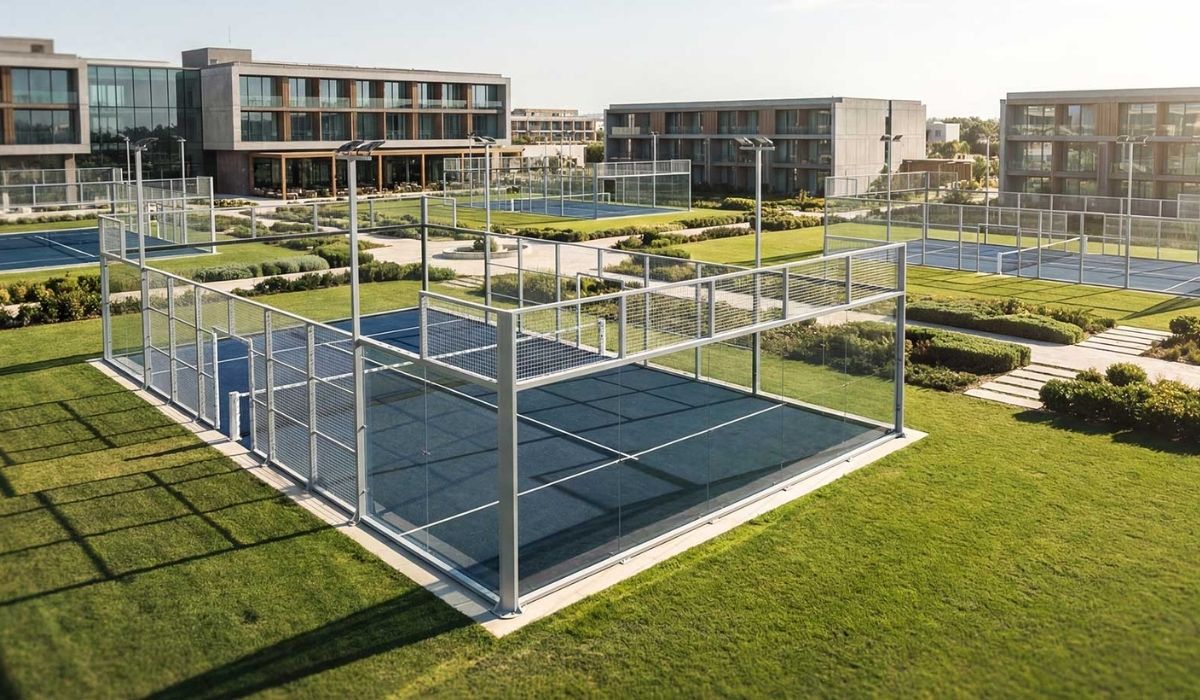
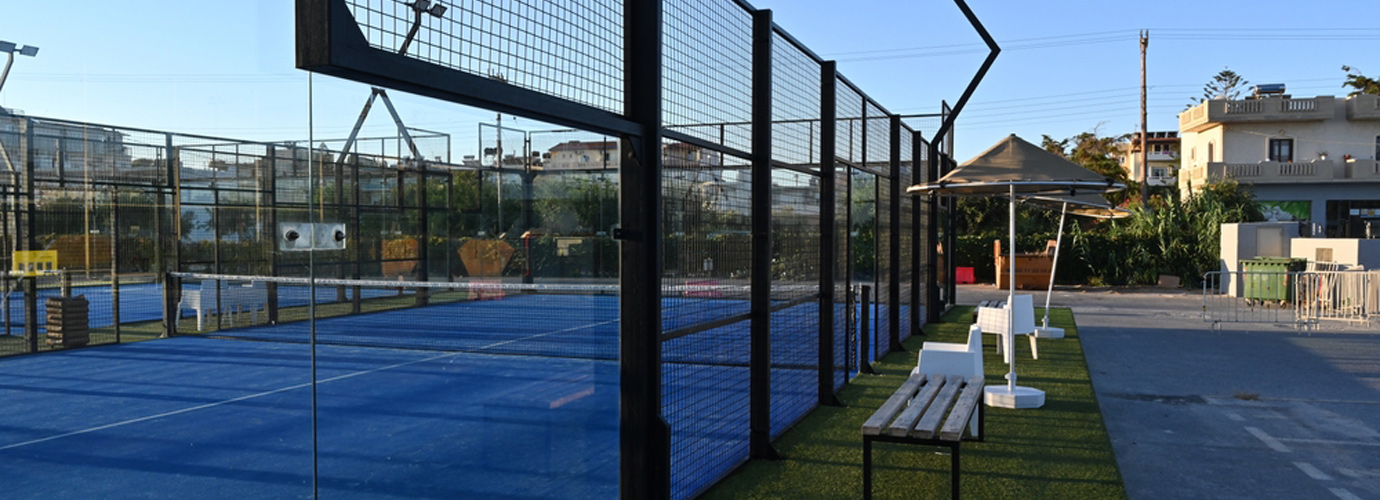
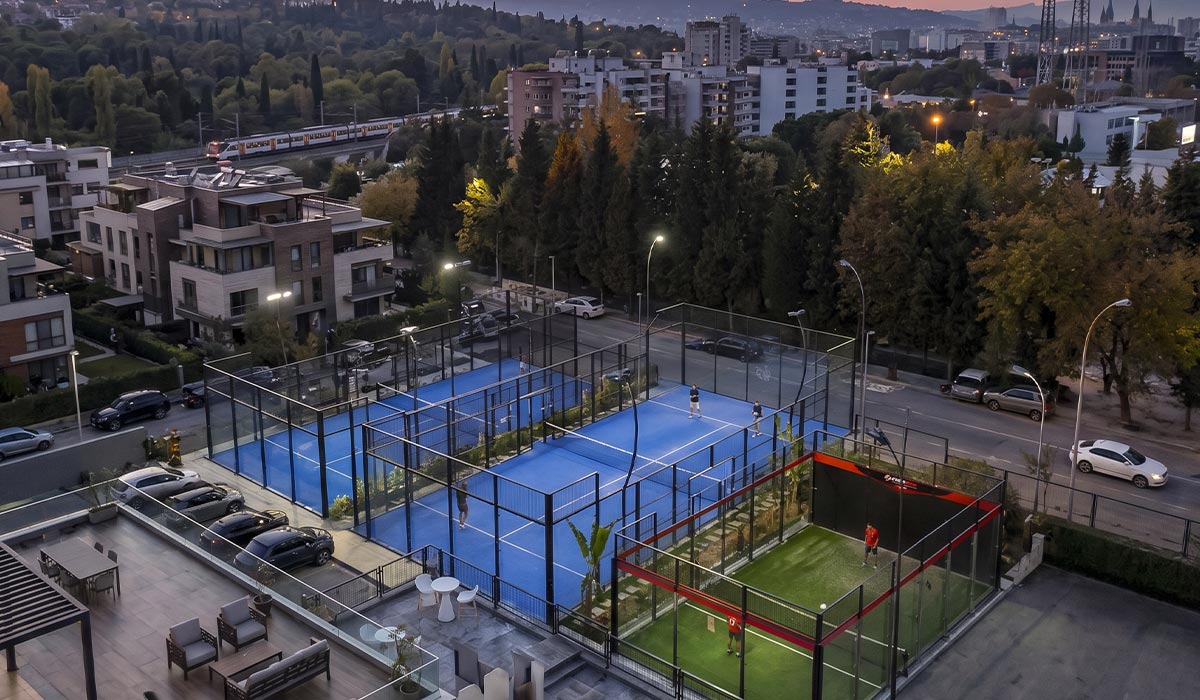
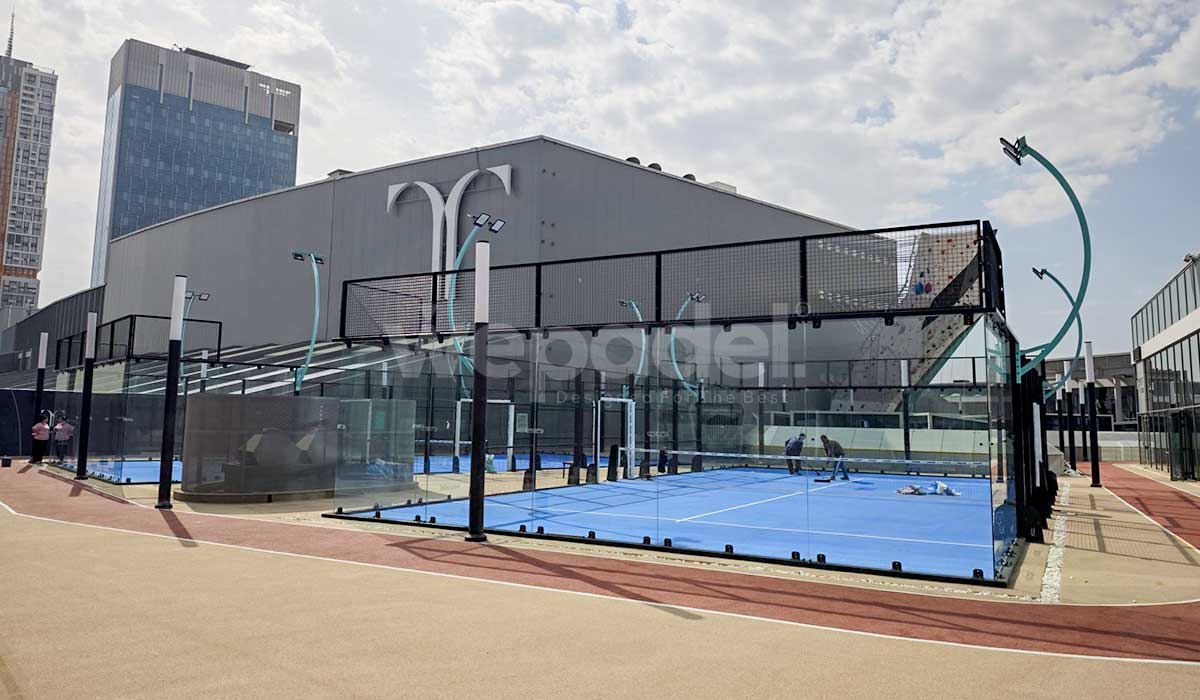
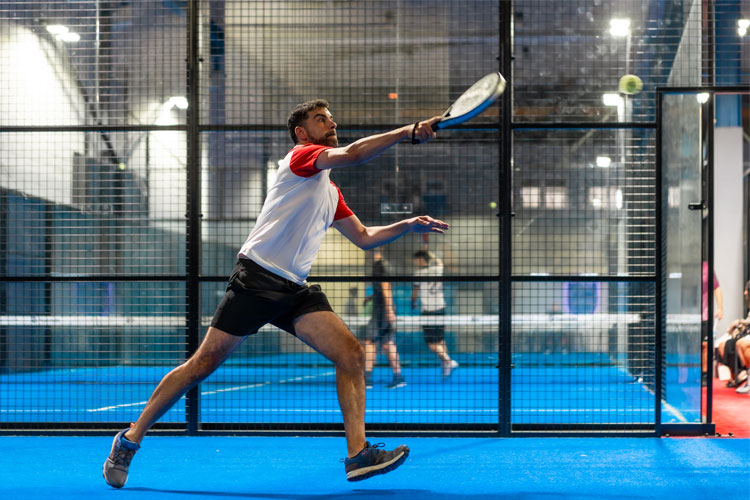
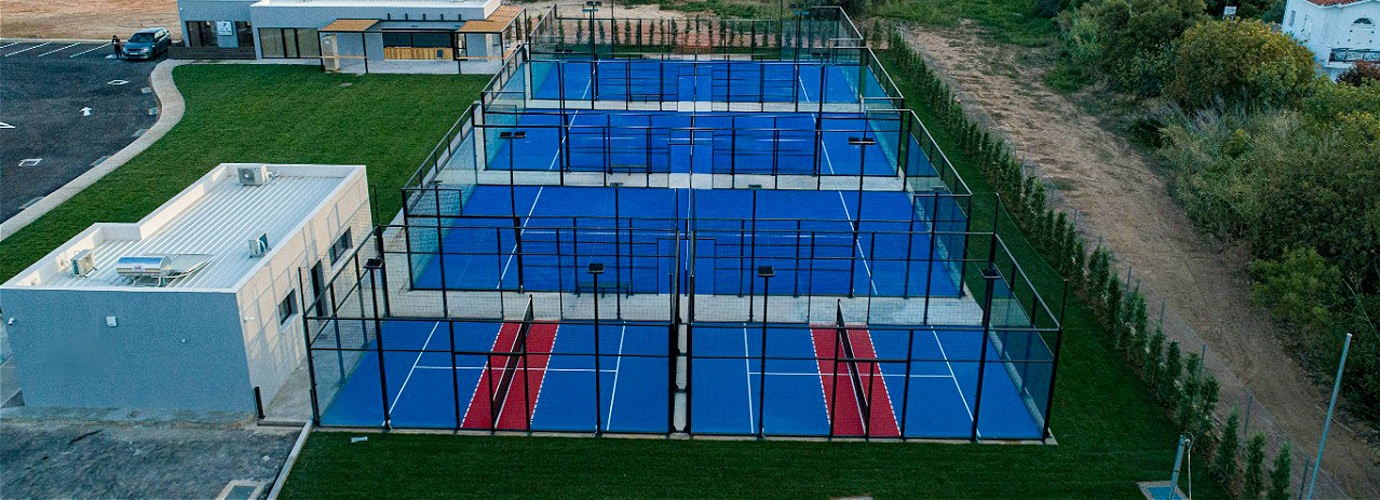
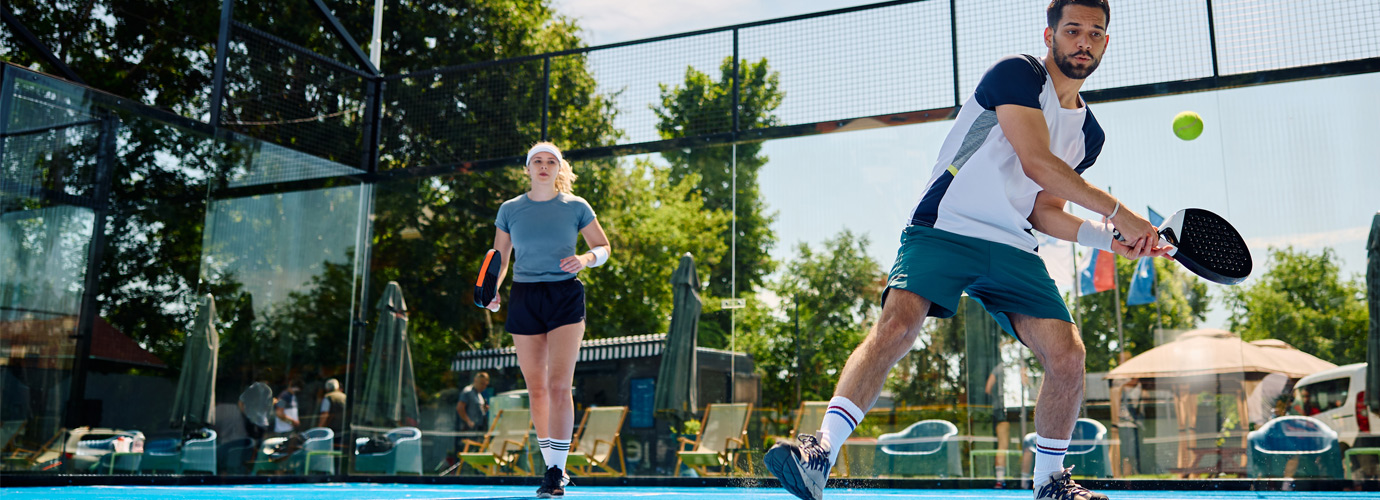
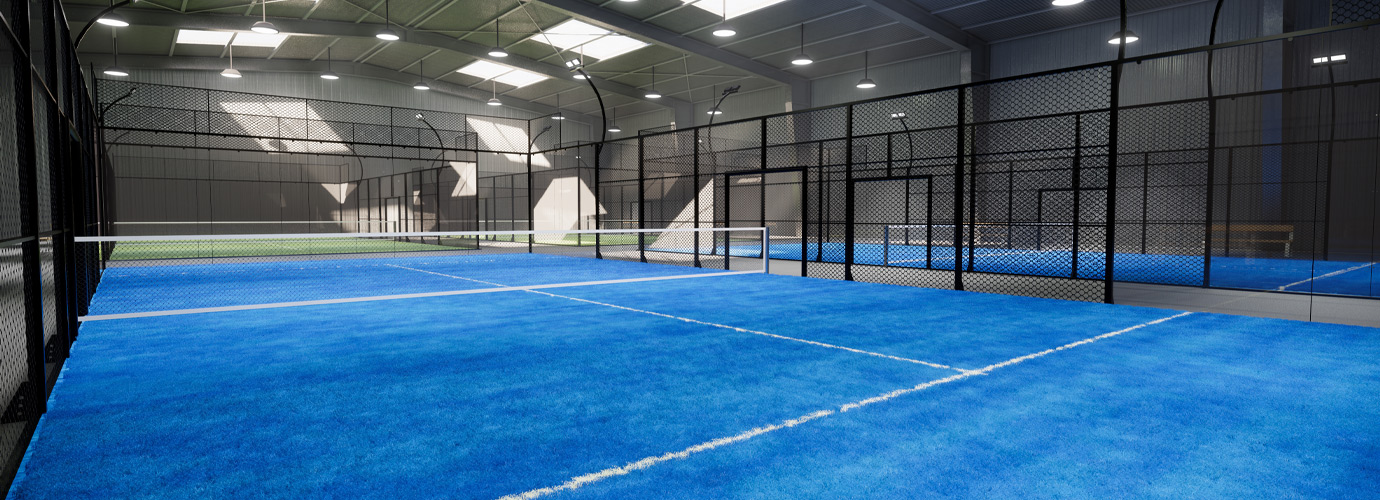
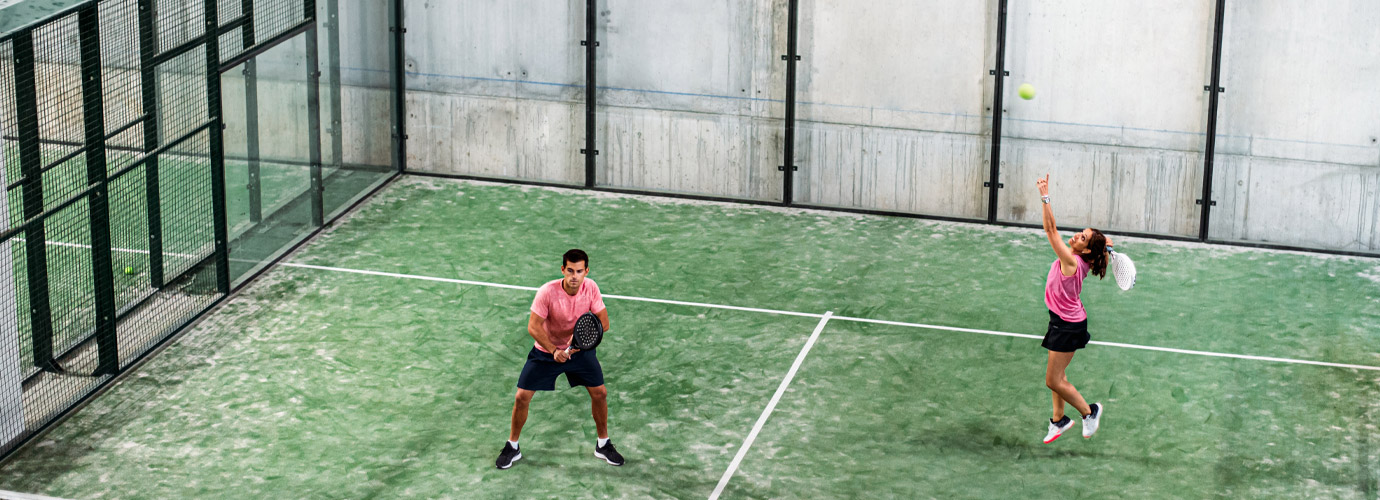
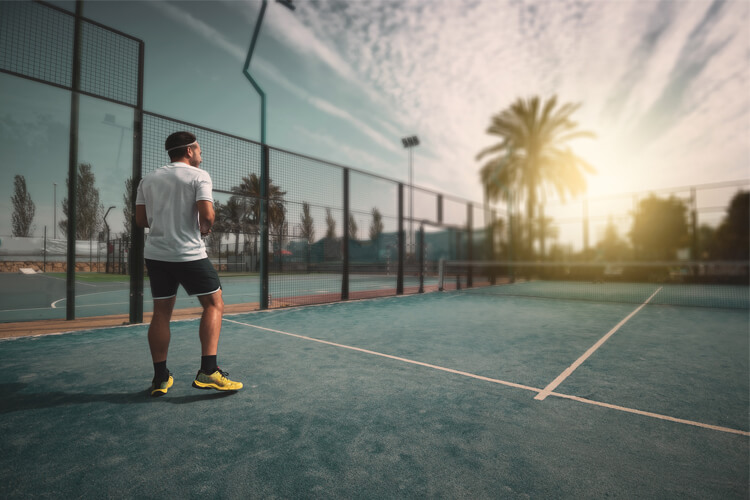
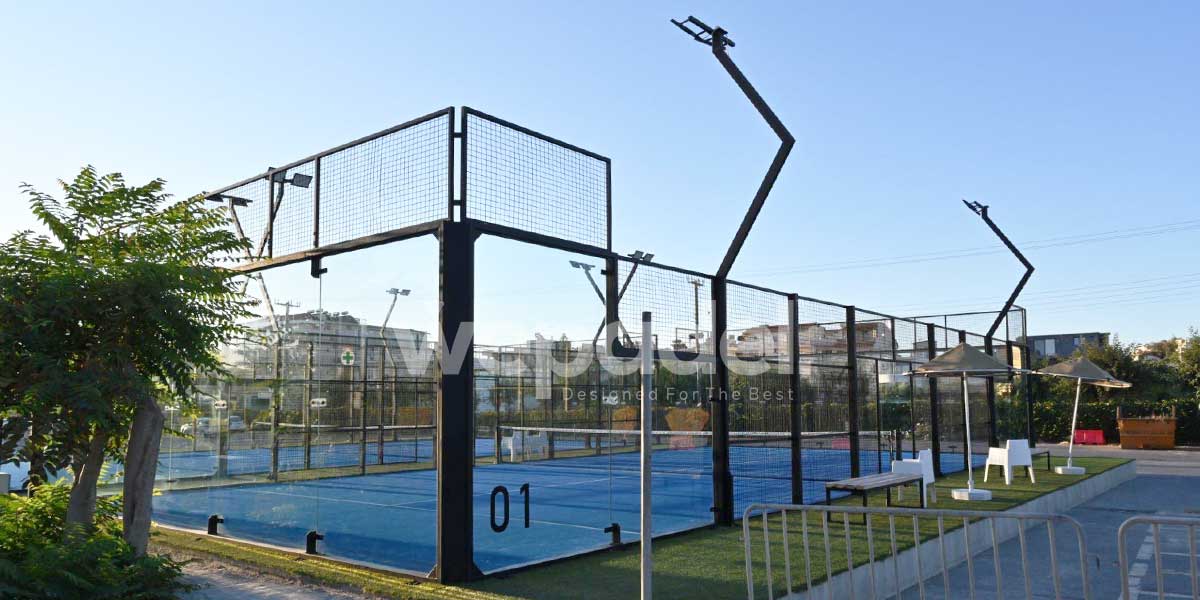
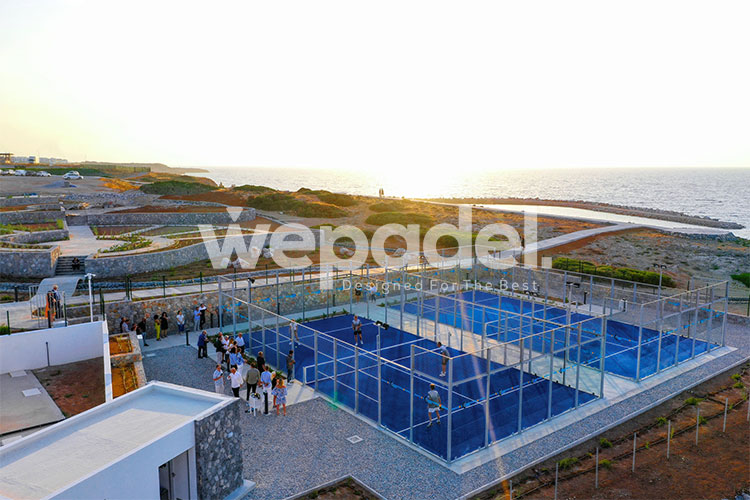
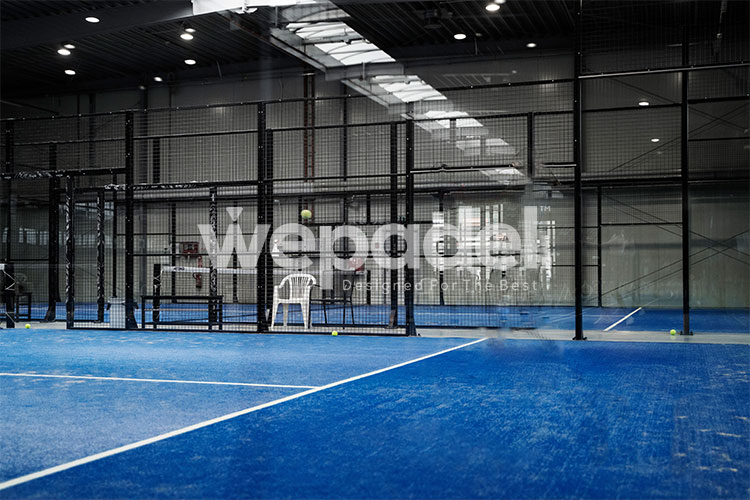
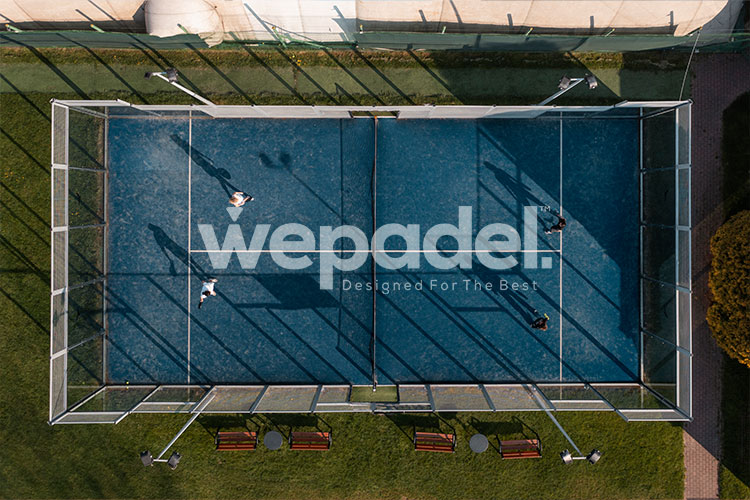
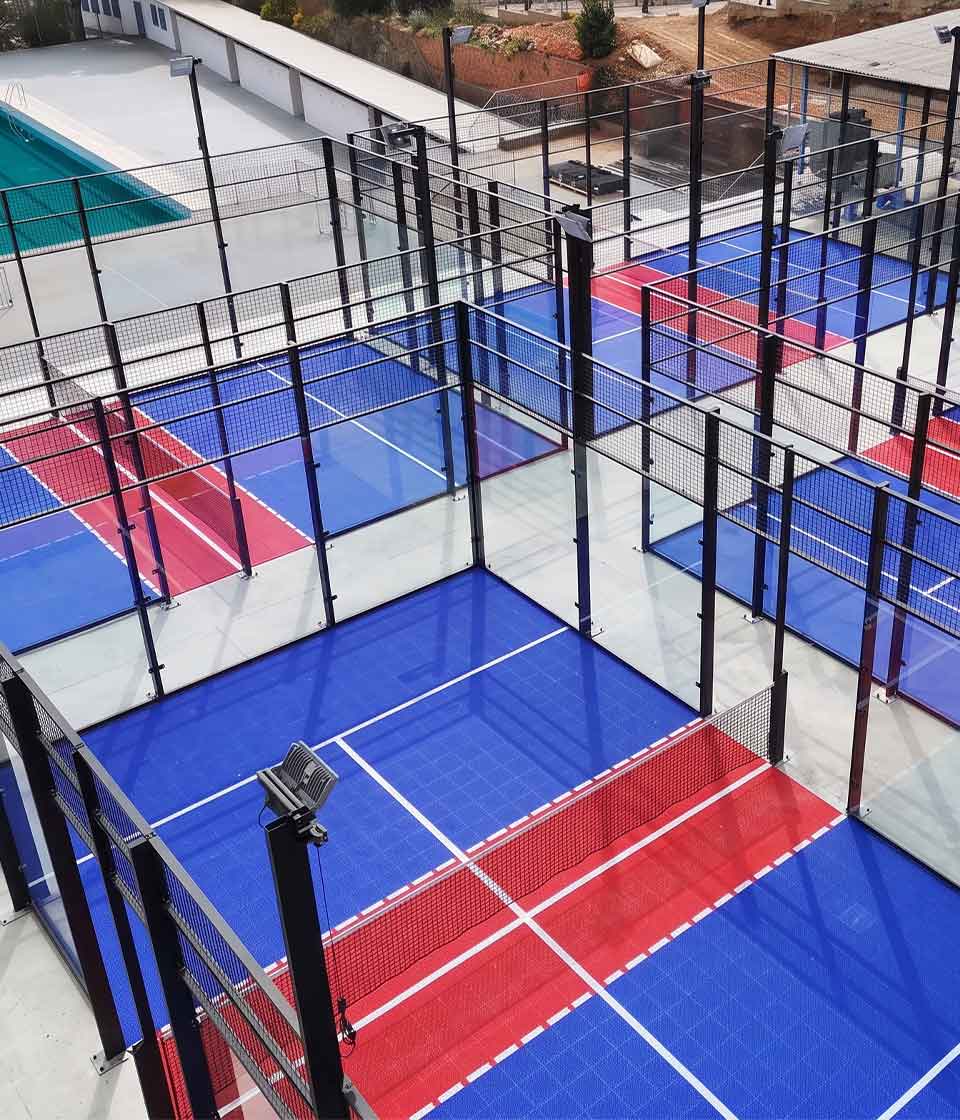
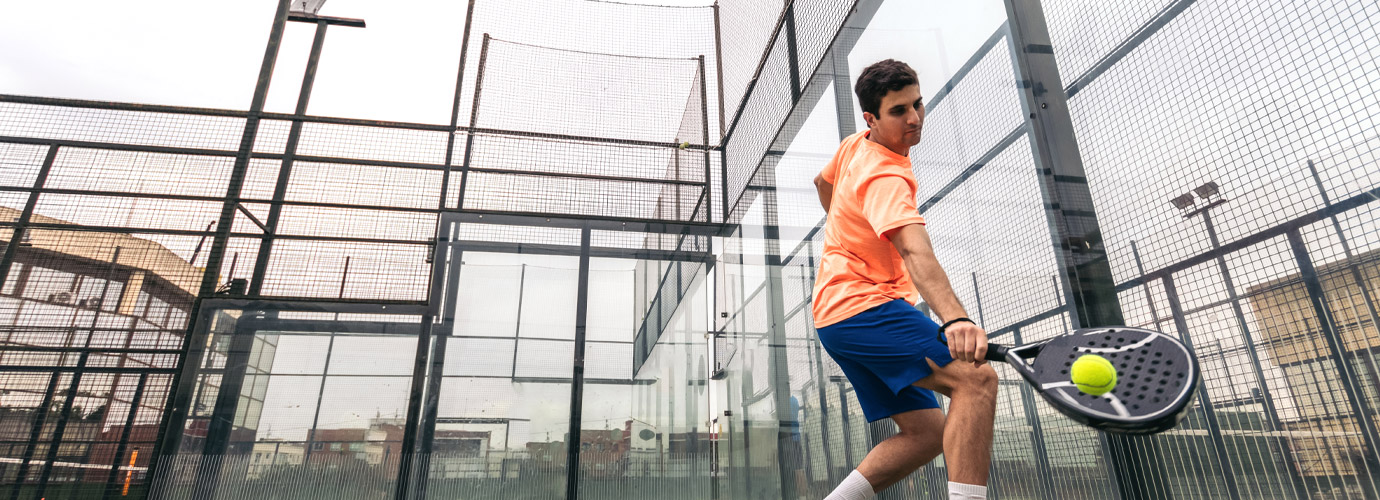
Padel: Often described as a mix of tennis and squash, padel is a fast-paced racket sport. It is typically played in doubles (four players) on an enclosed 20x10 meter court surrounded by glass walls and wire mesh. The ability to play the ball off the walls adds an exciting tactical dimension to the game.
Padel Tennis (Paddle Tennis): In modern terminology, most people use "padel" and "padel tennis" to describe the exact same sport. However, historically and technically, Paddle Tennis (now often called Pop Tennis) is an older American sport played on a smaller court without glass walls, using a deflated tennis ball. When people look for a padel court construction today, they almost always mean the glass-enclosed Spanish style Padel.
Quick Comparison: Padel vs. Padel Tennis / Traditional Tennis
To help you understand the core differences at a glance, here is a detailed comparison table:
| Feature | Padel (Modern Padel Tennis) | Traditional Tennis / Paddle Tennis |
|---|---|---|
| Court Size | 20x10 meters (Compact) | 23.77x10.97 meters (Larger) |
| Surrounding Walls | Yes (Glass & Mesh used in play) | No (Open court lines) |
| Racket Type | Solid, perforated composite (No strings) | Strung rackets (Traditional) |
| Service Style | Underhand (Below waist level) | Overhead / Underhand allowed |
| Primary Setup | Strictly Doubles (2v2) | Singles (1v1) & Doubles (2v2) |
1. Court Dimensions and Wall Design
One of the most notable differences between padel and traditional tennis variants is the structural design of the court.
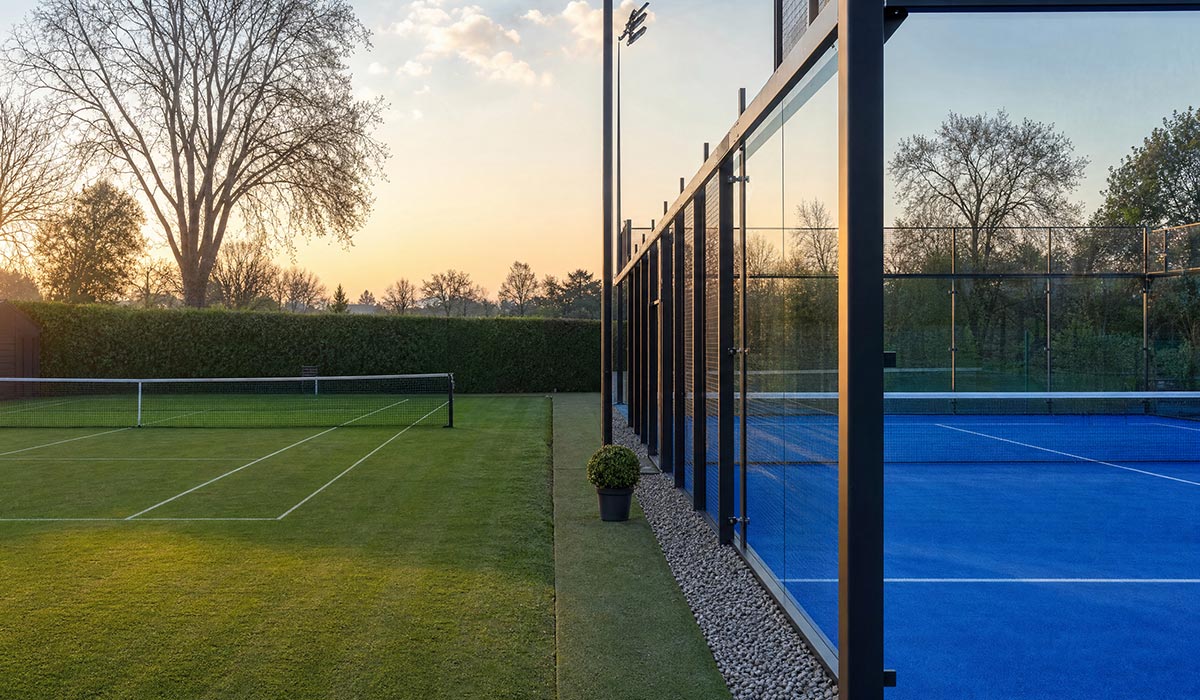
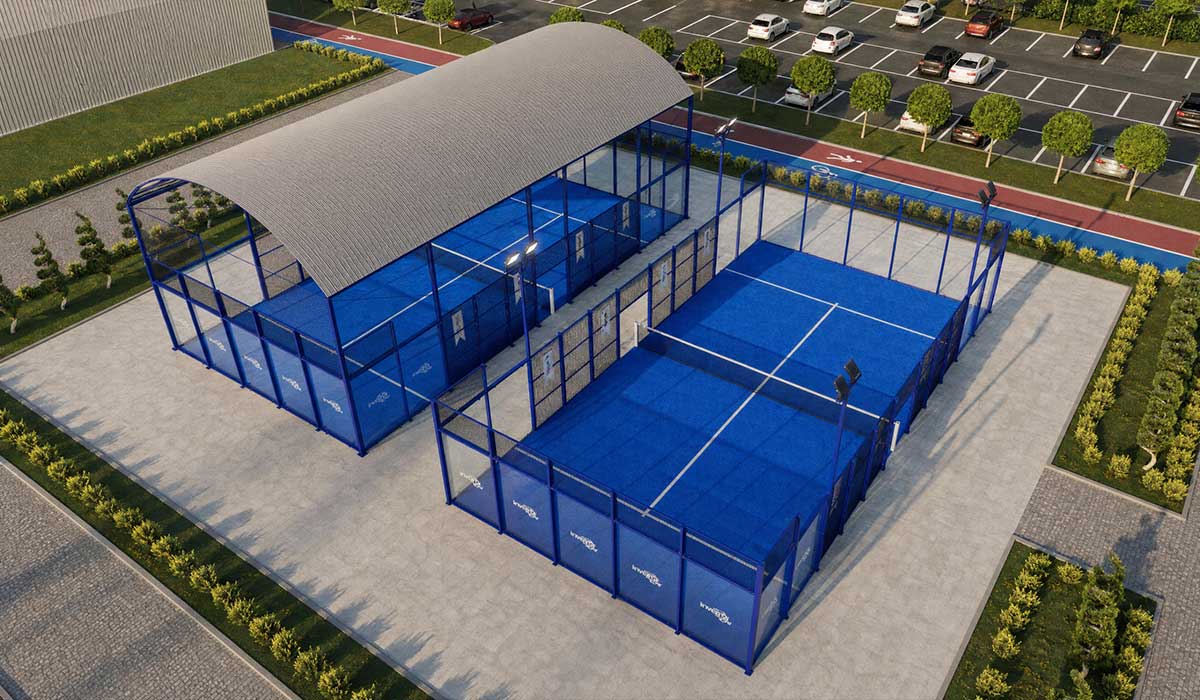
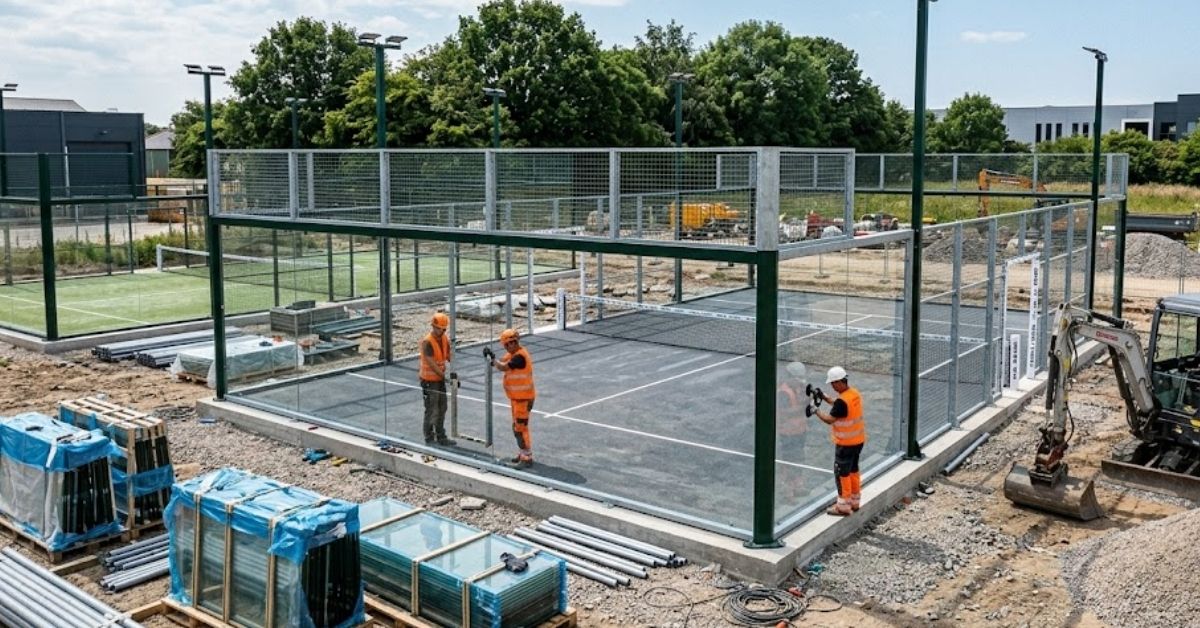
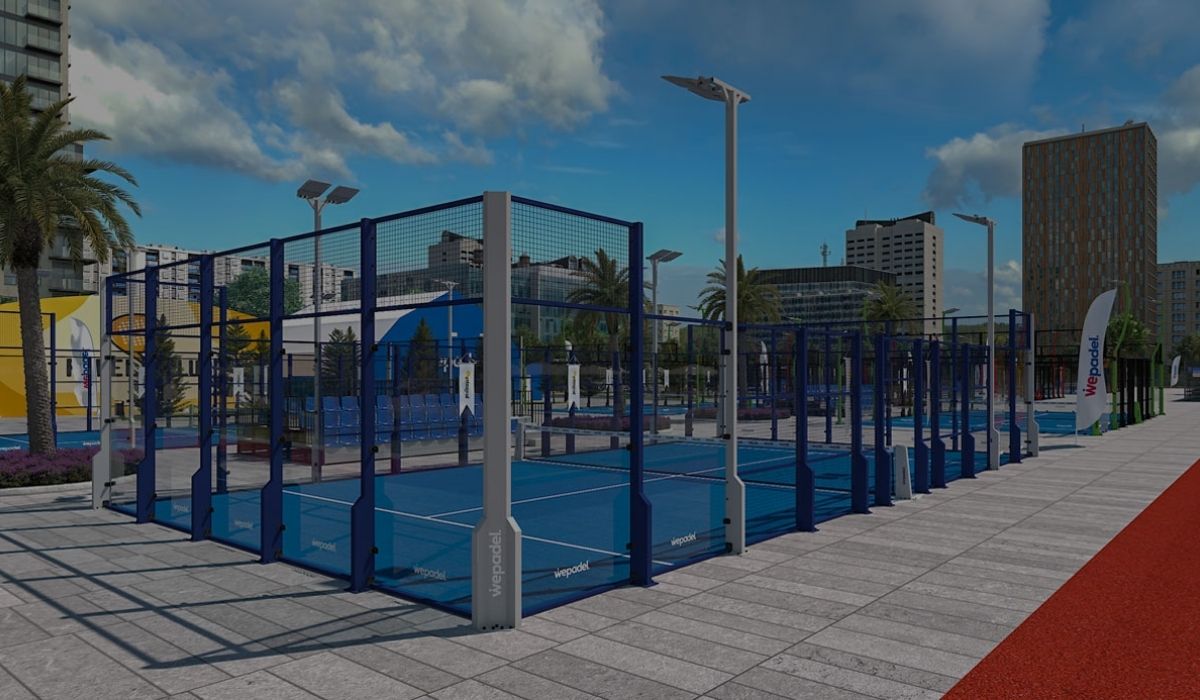
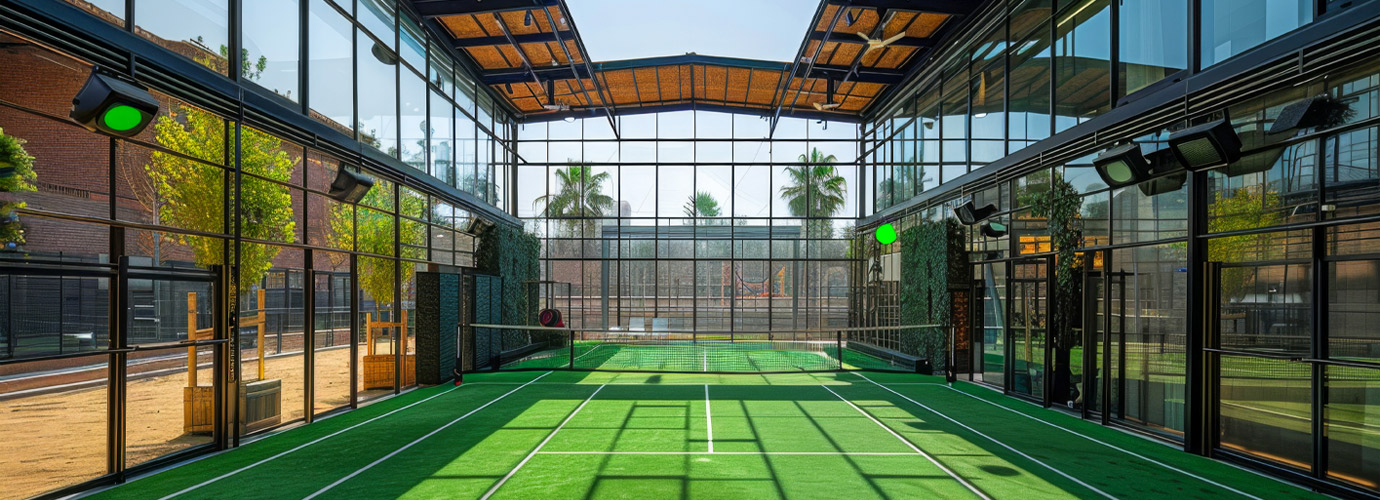
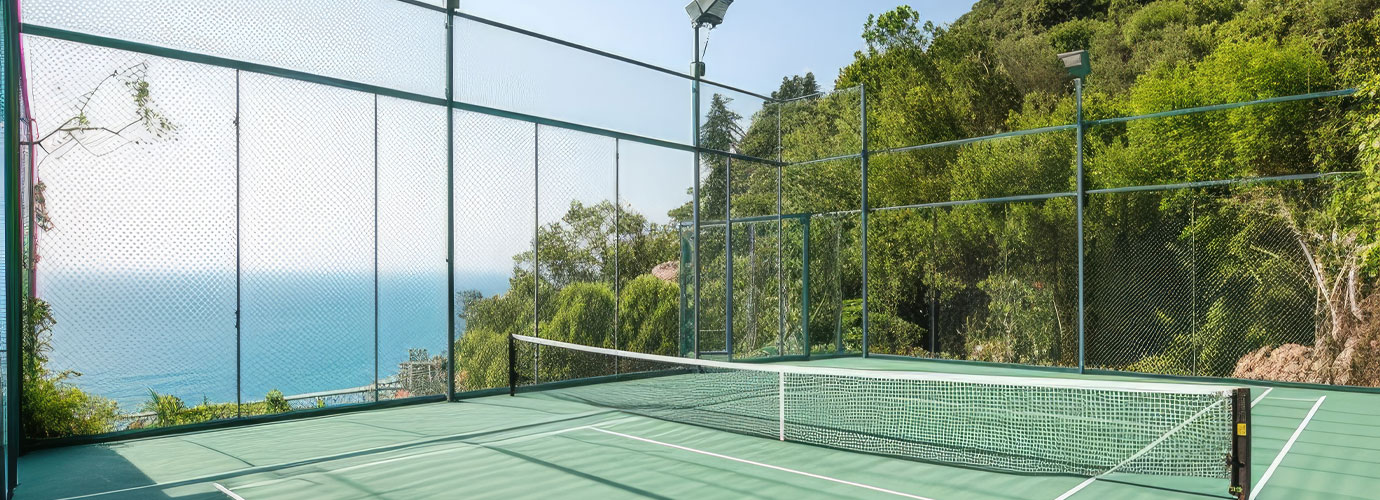
- Padel Court Dimensions: A standard padel court measures 20x10 meters, making it roughly 25% smaller than a tennis court. It is completely enclosed by reinforced glass and steel mesh. The walls are an active part of the game; players can let the ball hit the glass and return it, keeping the rallies incredibly dynamic.
- Padel Tennis / Classic Tennis Court Dimensions: Traditional tennis courts are much larger (23.77 meters long) and entirely open. There are no walls to rebound the ball. If the ball travels past the boundary lines, it is considered out of play, requiring horizontal coverage rather than rebound calculations.
2. Differences in Rackets and Equipment
The gear used in these sports drastically changes how the ball behaves upon impact.
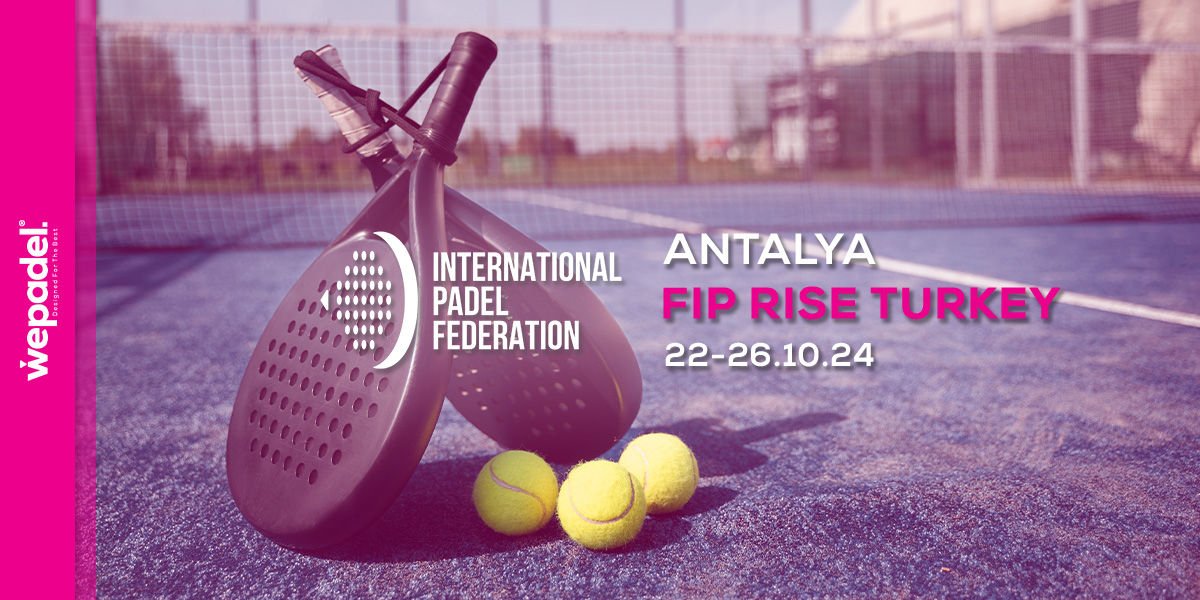
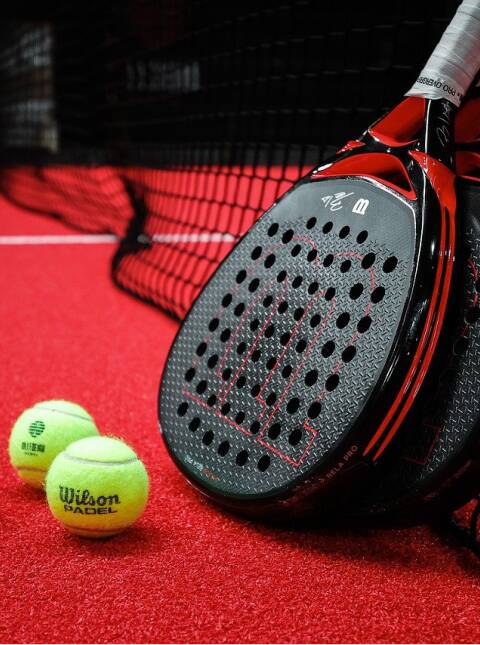
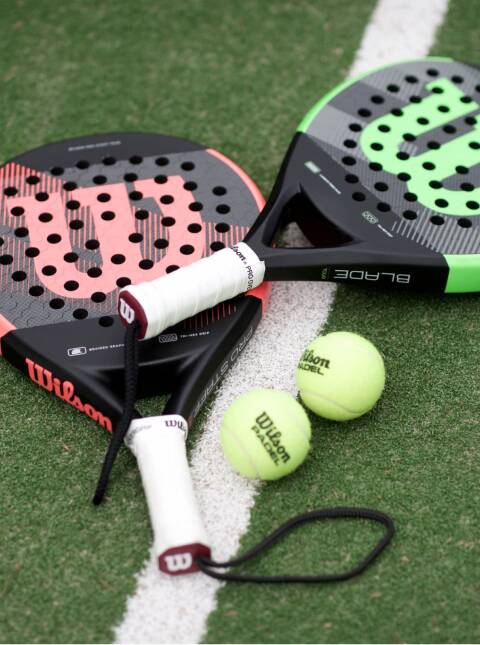
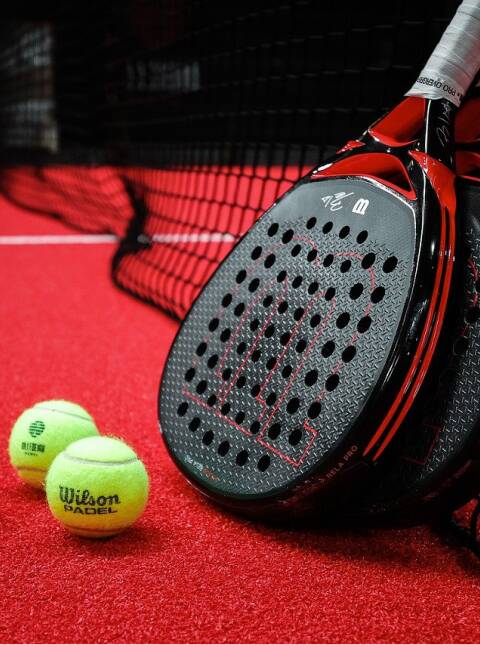
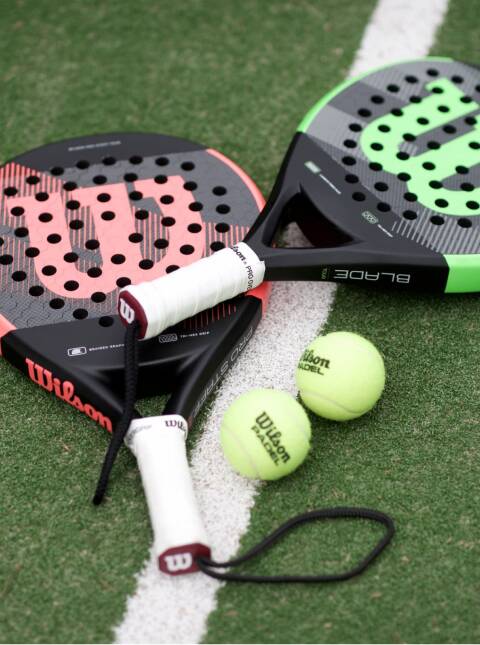
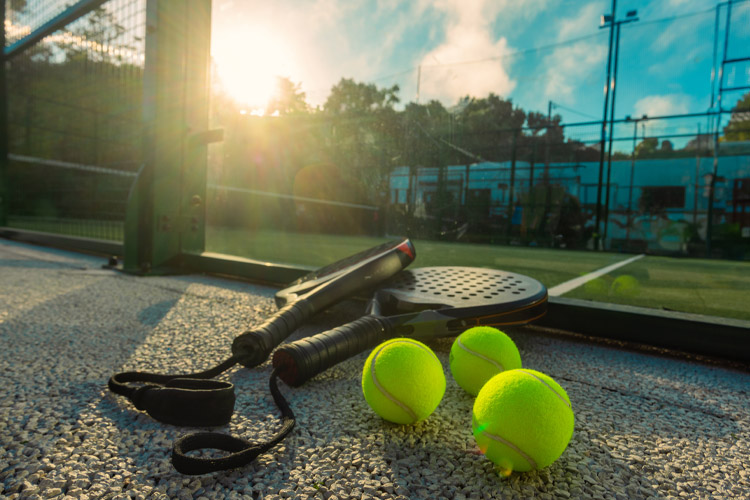
- Padel Rackets: Padel utilizes a solid, stringless racket made of composite materials (like carbon fiber or fiberglass) with a perforated surface (holes). These holes reduce air resistance, making the racket highly maneuverable in tight spaces. Padel balls are also slightly smaller and have less pressure than standard tennis balls, ensuring better control.
- Tennis / Traditional Rackets: Classic tennis rackets feature a much larger head with a tensioned string grid and a longer handle. This design maximizes elastic energy, allowing players to hit powerful, high-velocity shots over long distances.
3. Game Rules and Scoring System
While both sports share the traditional 15, 30, 40, and "Deuce" scoring system, the mechanics of serving and boundary management differ fundamentally.
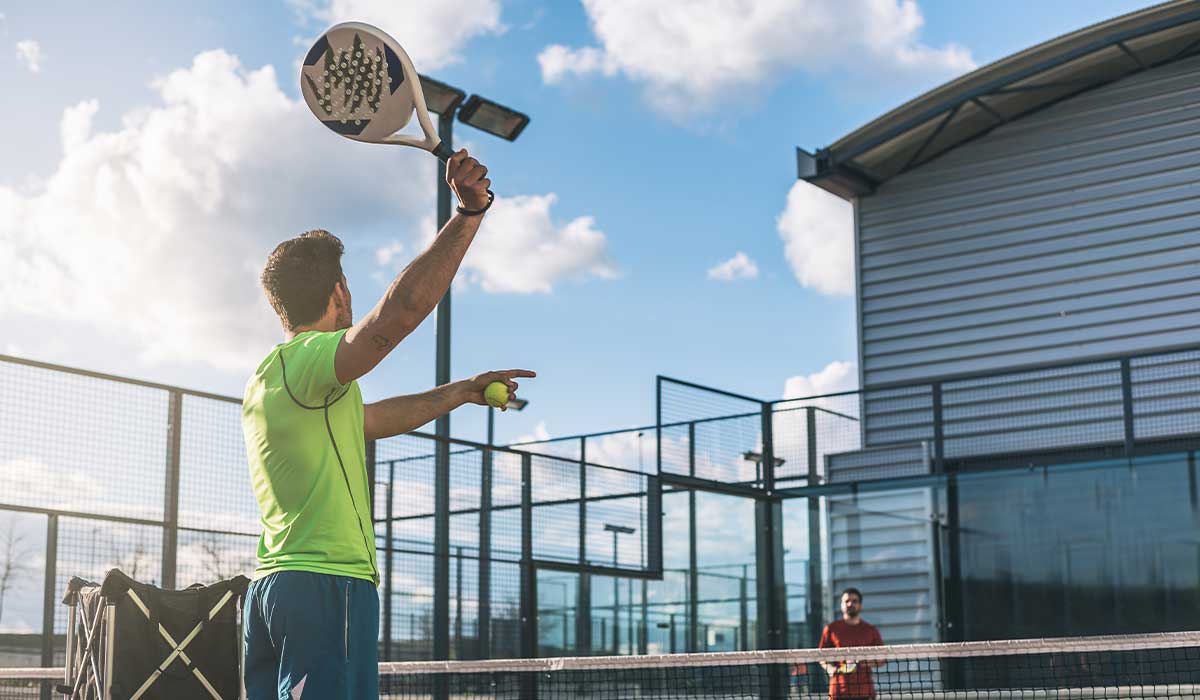
- Padel Rules: Padel must be played in pairs (doubles). The service must always be performed underhand (at or below waist level) after bouncing the ball once behind the service line. A ball hitting the glass wall directly is "out," but if it bounces on the turf first and then hits the wall, it remains live.
- Padel Tennis / Tennis Rules: Can be played as singles or doubles. The service is typically delivered overhead with high power. There are no second-chance wall rebounds; once the ball clears the opponent's side and bounces twice or hits an outside fixture, the point ends.
4. Playing Style and Strategies
Court size and structural elements dictate entirely different tactical approaches.
- Padel Tactical Style: Padel is a game of patience, positioning, and quick reflexes. Because the walls bring the ball back into play, smashing the ball with raw power can often backfire, giving opponents an easy rebound shot. Instead, players utilize angles, soft lobs, and chiquitas to force errors.
- Tennis / Padel Tennis Tactical Style: This style relies heavily on raw power, topspin, and court coverage. Dominating the baseline with heavy groundstrokes or rushing the net to volley are the primary ways to win points.
5. Physical Challenges and Player Profile
Both sports offer a phenomenal cardiovascular workout, but they stress the body differently.
- Padel: Because the court is smaller and always played in doubles, it requires less long-distance sprinting. However, it demands intense agility, explosive short-distance shifts, and rapid hand-eye coordination. It is highly accessible for all age groups and fitness levels.
- Traditional Tennis: Covering a massive open court solo demands extreme stamina, explosive linear speed, and significant upper-body strength to swing the heavier, longer rackets over multi-hour matches.
6. Number of Players and Social Interaction
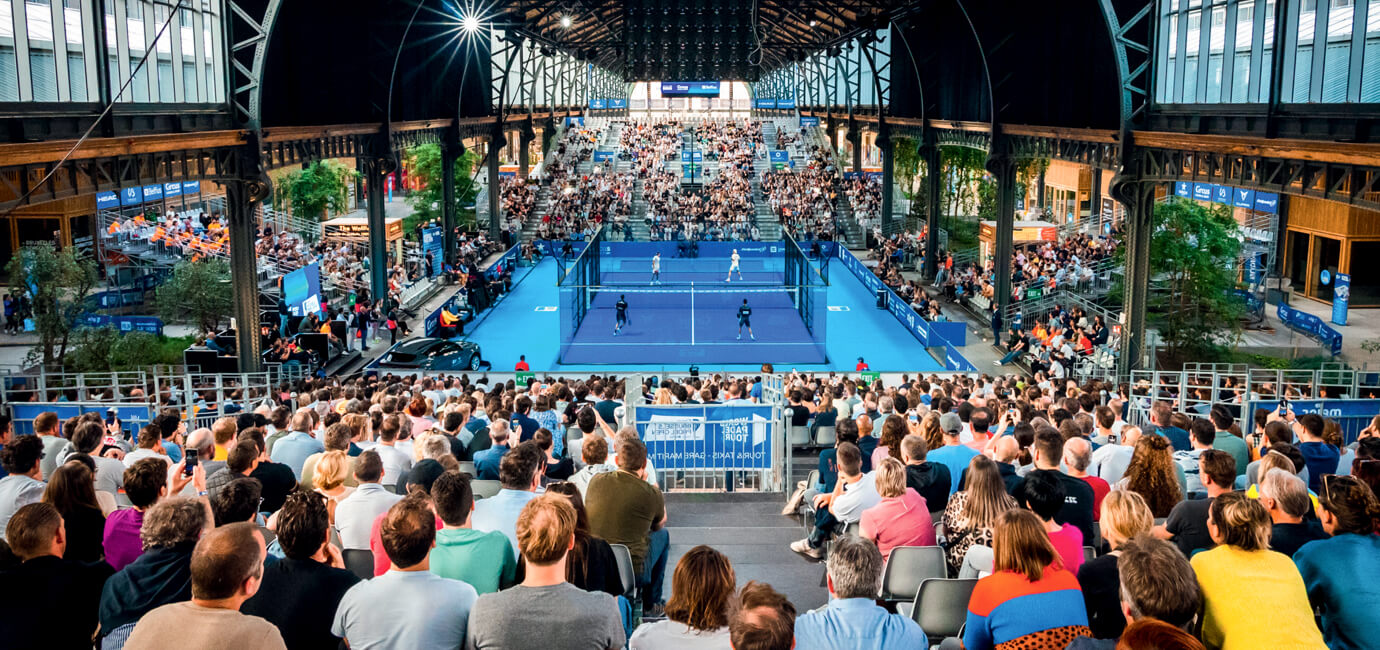
- Padel: Padel is inherently a social sport. Since you are locked in a 20x10 meter glass cage with three other players, constant verbal communication, teamwork, and high-energy camaraderie are inevitable. This social aspect is the number one driver behind the global padel boom.
- Padel Tennis / Tennis: Often shines as an individual sport (singles). It focuses on intense mental isolation, self-reliance, and individual athletic prowess.
In summary, while they share historical roots, padel stands out as a highly social, tactical, and wall-interactive sport, whereas traditional tennis variants emphasize court coverage and power. When investing in a sports facility or choosing a new hobby, understanding these distinctions ensures you build the right infrastructure and choose the right gear.
Frequently Asked Questions About Padel & Padel Tennis
Is padel easier than tennis?
Yes, padel generally has a much shorter learning curve. Because the rackets are shorter and the service is underhand, beginners can enjoy long rallies during their very first match, whereas tennis requires months of practice to master the strokes.
Why is it called padel tennis?
"Padel" is the official international name recognized by the FIP (International Padel Federation). The term "padel tennis" arose colloquially as people added "tennis" to explain what type of sport it was to outsiders.
Can you build a padel court on a tennis court?
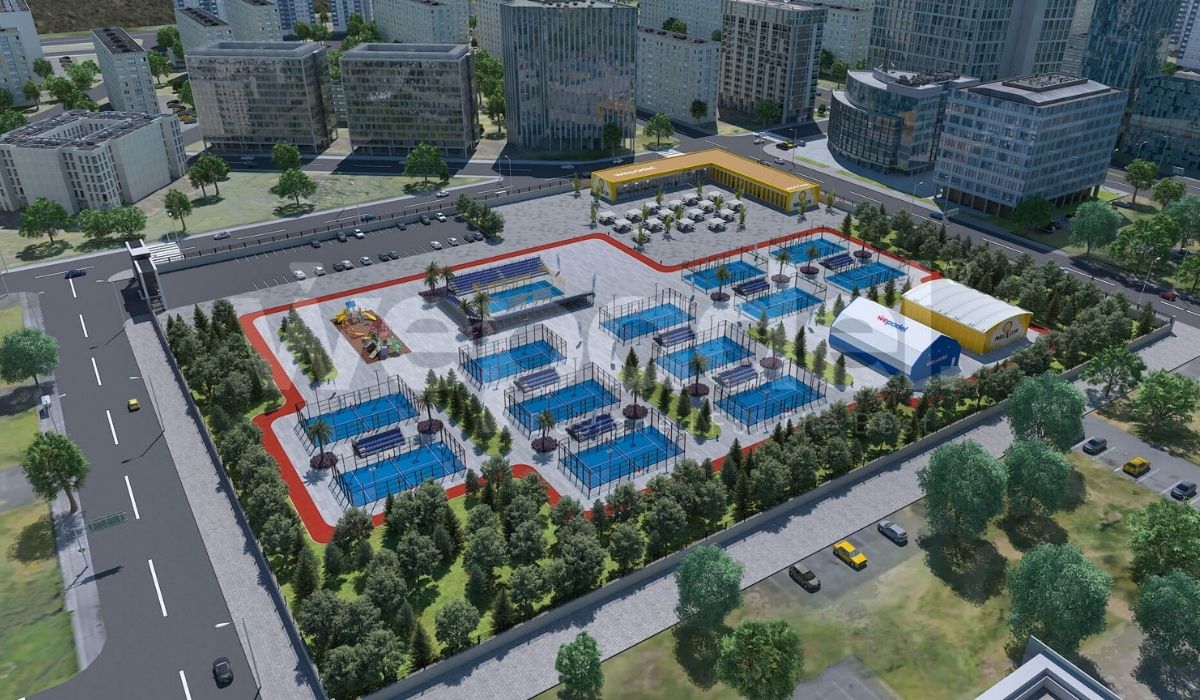
Absolutely. Due to the smaller dimensions of a padel court (20x10m), you can comfortably fit two standard padel courts inside the footprint of a single traditional tennis court, doubling your club's player capacity and revenue potential.
At Wepadel, we specialize in premium, turnkey padel court design and construction tailored to international tournament standards. Ready to kickstart your commercial or private project? Contact our expert team today for a free consultation and quote by calling +90 (212) 678 13 13 or filling out our online form.