

25/08/2026

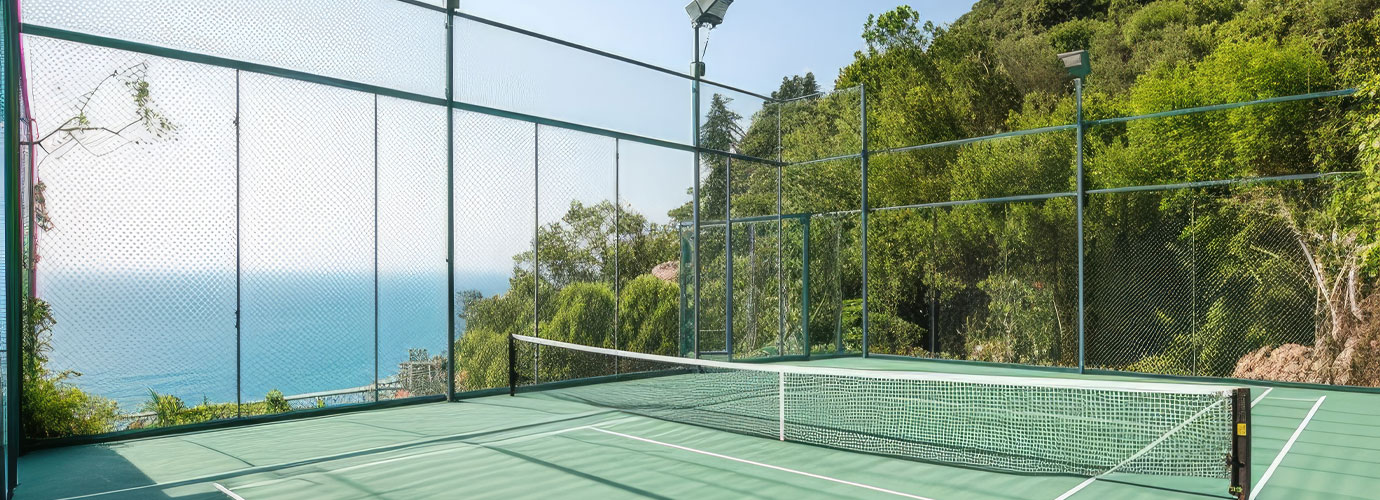
Converting an existing tennis court into a padel court can be an effective investment model for investors who want to create a new sports area by making use of existing infrastructure. Especially for tennis clubs, hotels, resort projects, sports complexes, municipalities, and private sports facilities, converting a tennis court into a padel court enables unused or low-utilization tennis areas to be repurposed.
As Wepadel, we do not merely adapt existing tennis courts to a new sport. We evaluate the physical conditions of the site, the existing surface, the drainage system, the infrastructure, the lighting, and the investor's operating model together, then develop project-specific padel court solutions.
Why Should You Convert a Tennis Court into a Padel Court?
Because padel courts are more compact than tennis courts, existing sports areas can be used more efficiently.
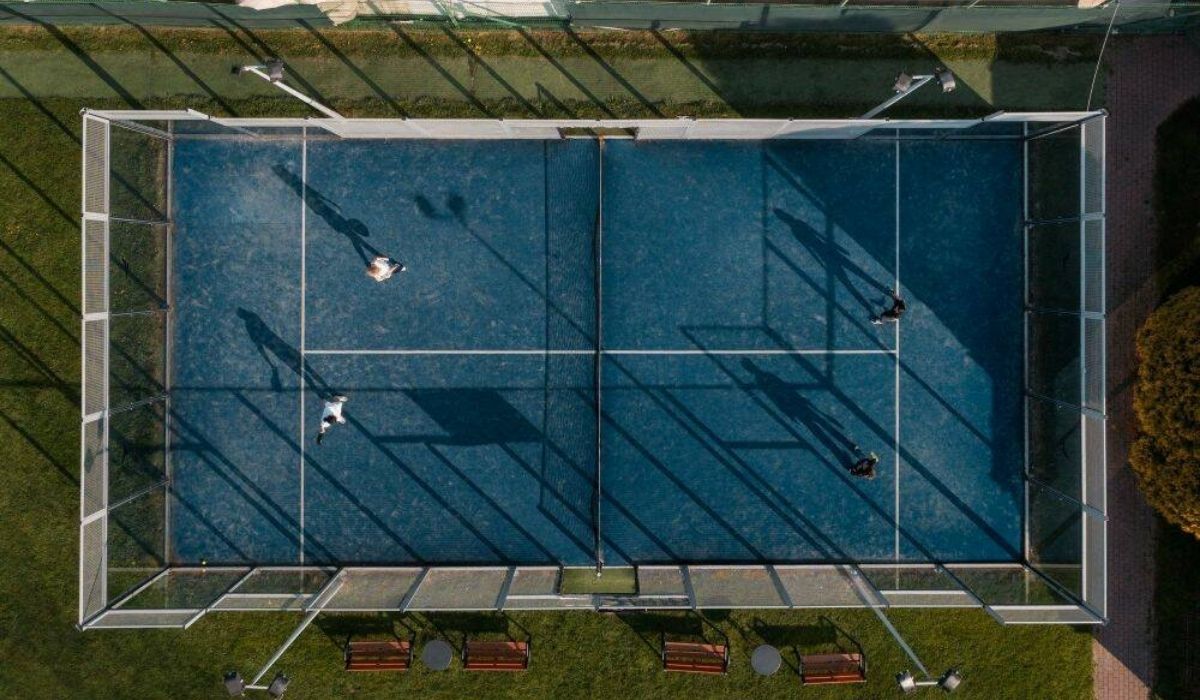
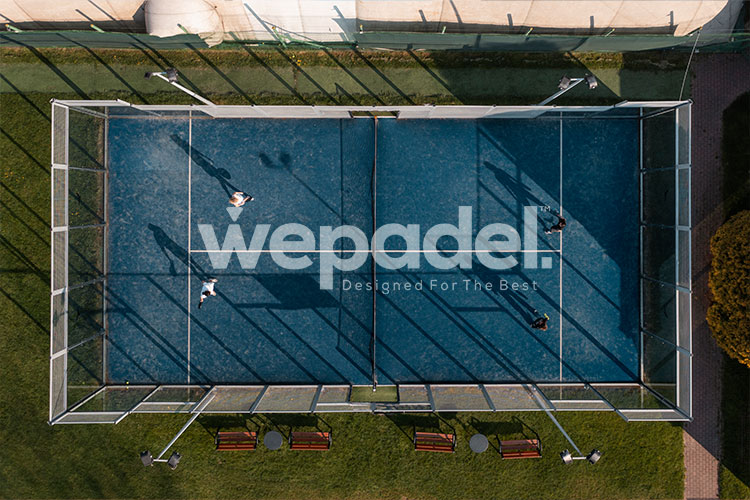
The playing area of a standard doubles tennis court is 23.77 meters long and 10.97 meters wide. The standard playing area of a padel court is 20 x 10 meters.
However, it is not correct to look only at the dimensions of the playing lines. The safety areas around the courts, structural foundations, circulation distances, entrance areas, and existing facility infrastructure must also be considered during project planning.
For this reason, we evaluate on a project basis how many padel courts can be created within the area where a tennis court is located.
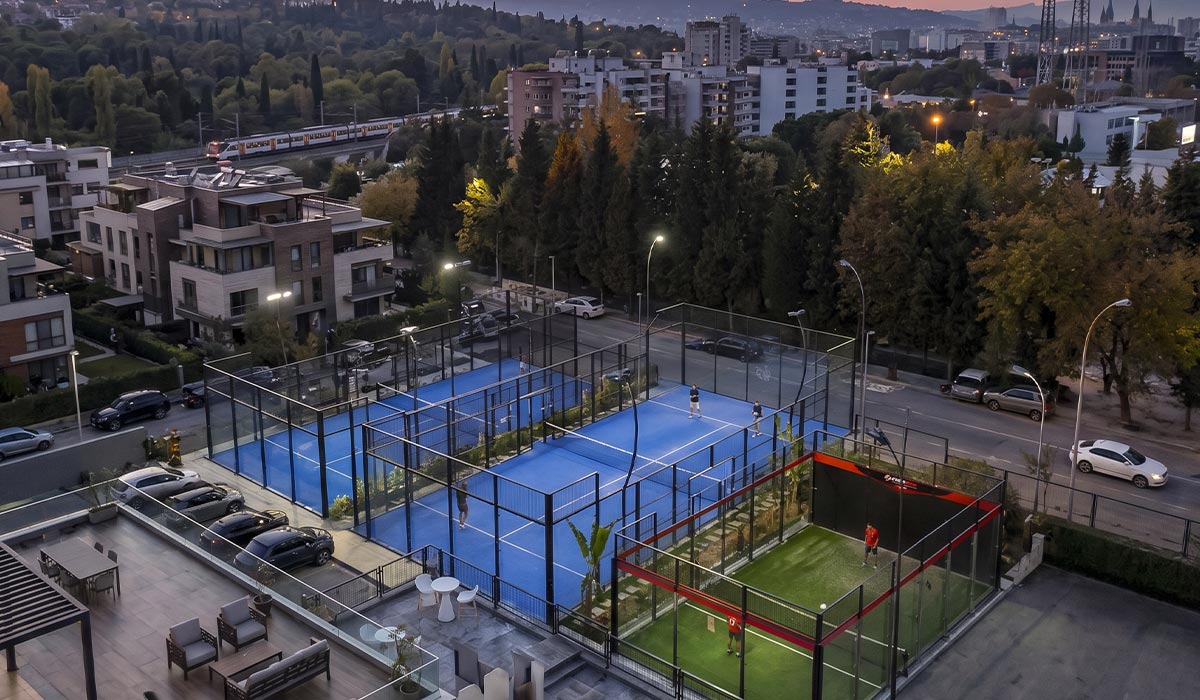
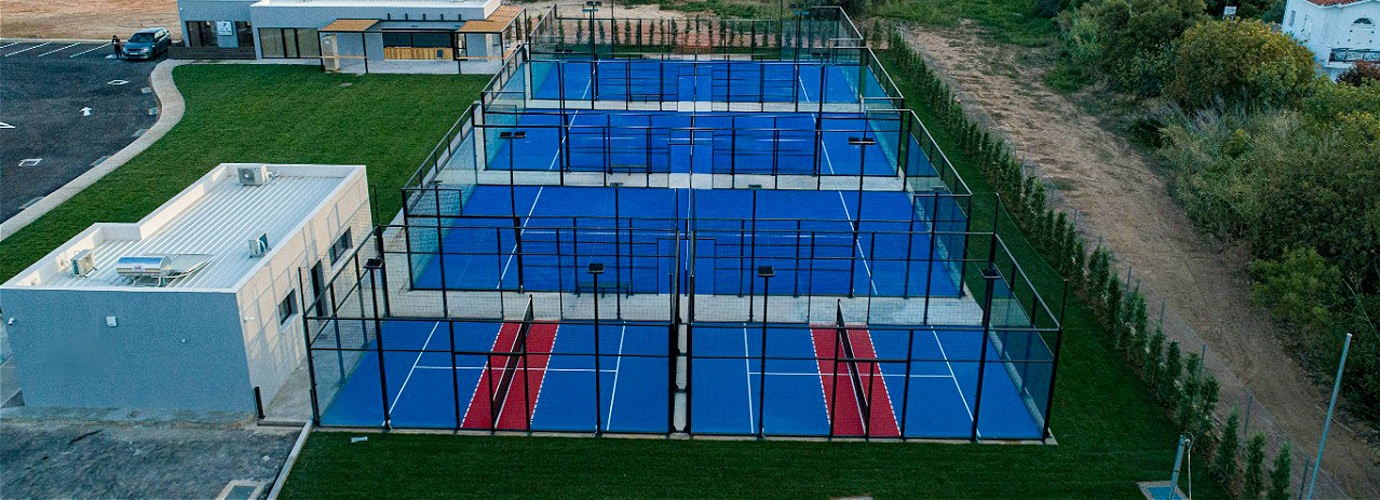
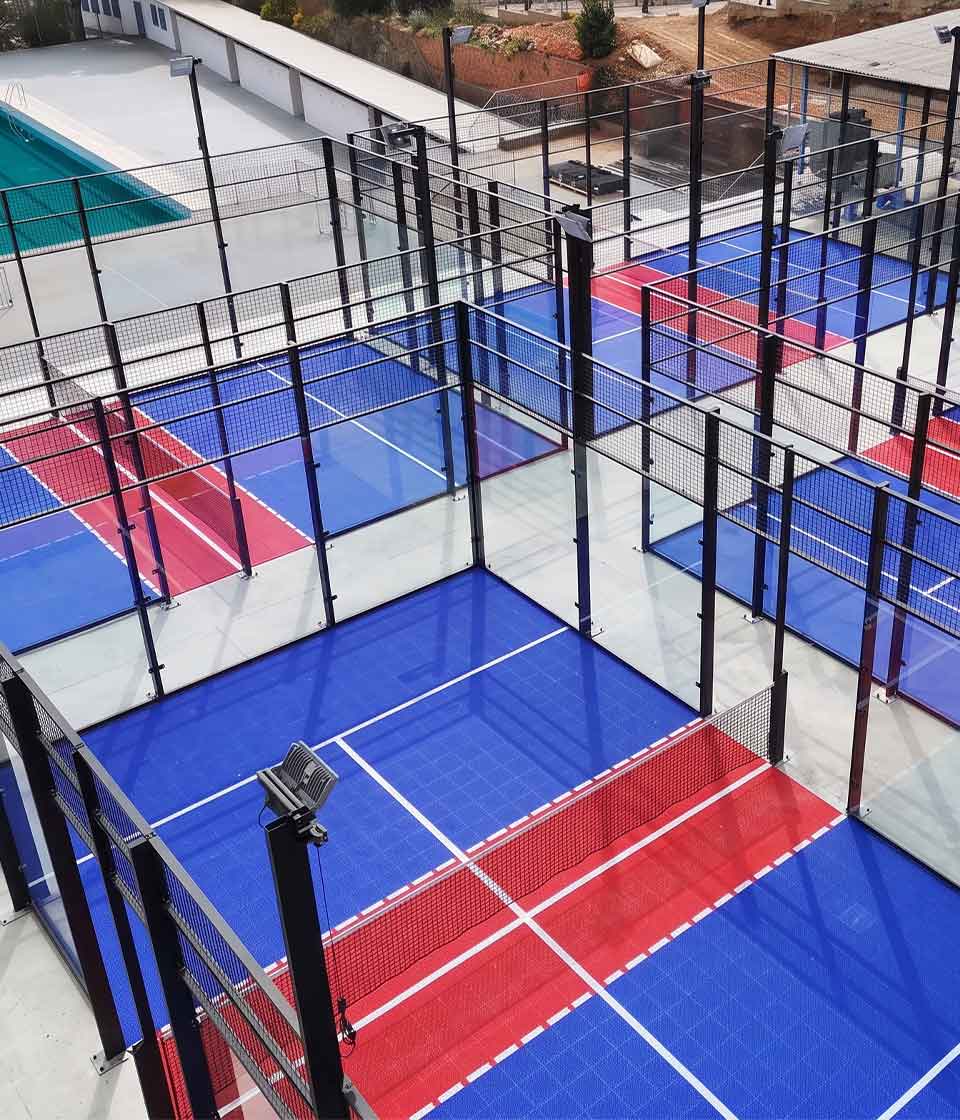
In some facilities with sufficient total area, it may be possible to place two padel courts within the total area occupied by one tennis court. For example, the LTA technical guide states that the minimum external area for two outdoor padel courts side by side is approximately 20.80 x 22.30 meters.
This can create a major advantage, especially for existing sports facilities: more courts, more players, and higher reservation capacity can be achieved on the same land.
How Is a Tennis Court to Padel Court Conversion Carried Out?
Not every existing tennis court may be suitable for direct conversion into a padel court. Therefore, we begin the project with a technical survey and site analysis.
1. Analysis of the Existing Tennis Court
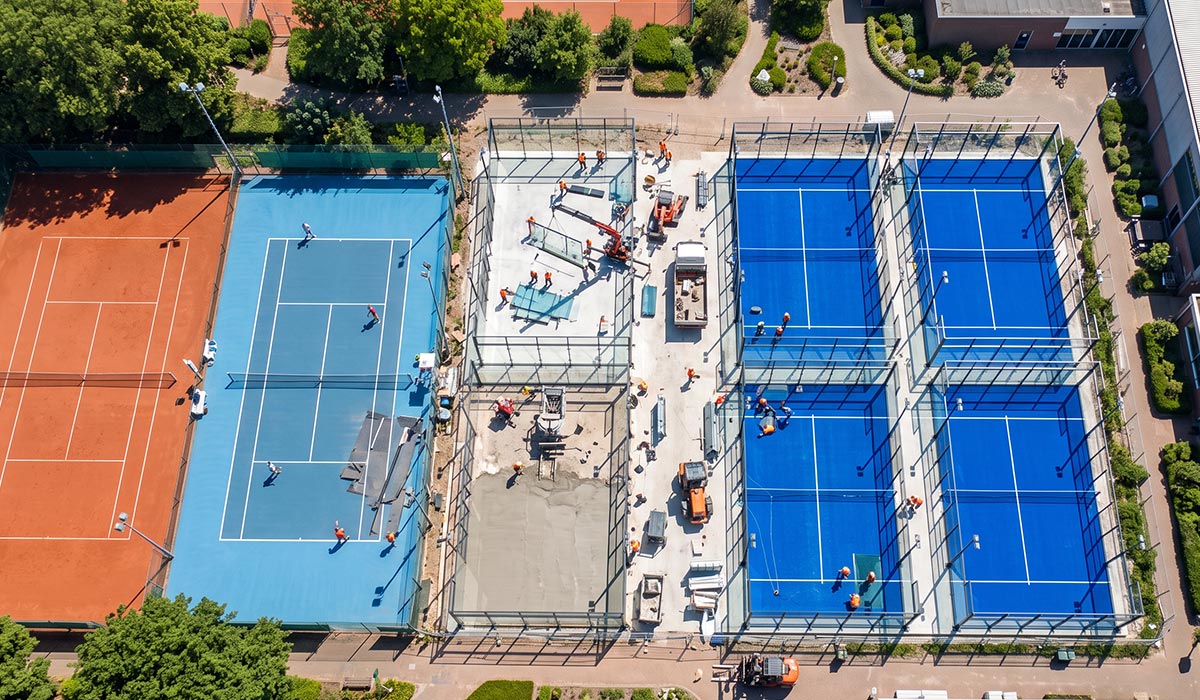
In the first stage, we examine the dimensions and physical condition of the existing area.
During this process, we particularly assess the following points:
- The total usable area of the court
- Existing concrete or asphalt infrastructure
- The slope and levelness of the surface
- Drainage infrastructure
- Electrical installation
- Existing lighting system
- Distances around the court
- Access for vehicles and installation equipment
- Wind and climate conditions
- Indoor or outdoor usage plan
As a result of this analysis, we determine how much of the existing infrastructure can be used and which parts need to be renewed.
2. Planning the Padel Court Layout
One of the most important stages in converting a tennis court into a padel facility is the layout plan.
The standard padel playing area measures 20 x 10 meters. However, due to the court structure, entrances, and surrounding areas, the actual project area should not be considered only as 200 m2. In the LTA guide, the minimum area for a single outdoor padel court, including the external court structure, is shown as 20.80 x 10.80 meters.
As Wepadel, according to the geometry of the existing tennis area, we evaluate the following alternatives:
- A single padel court,
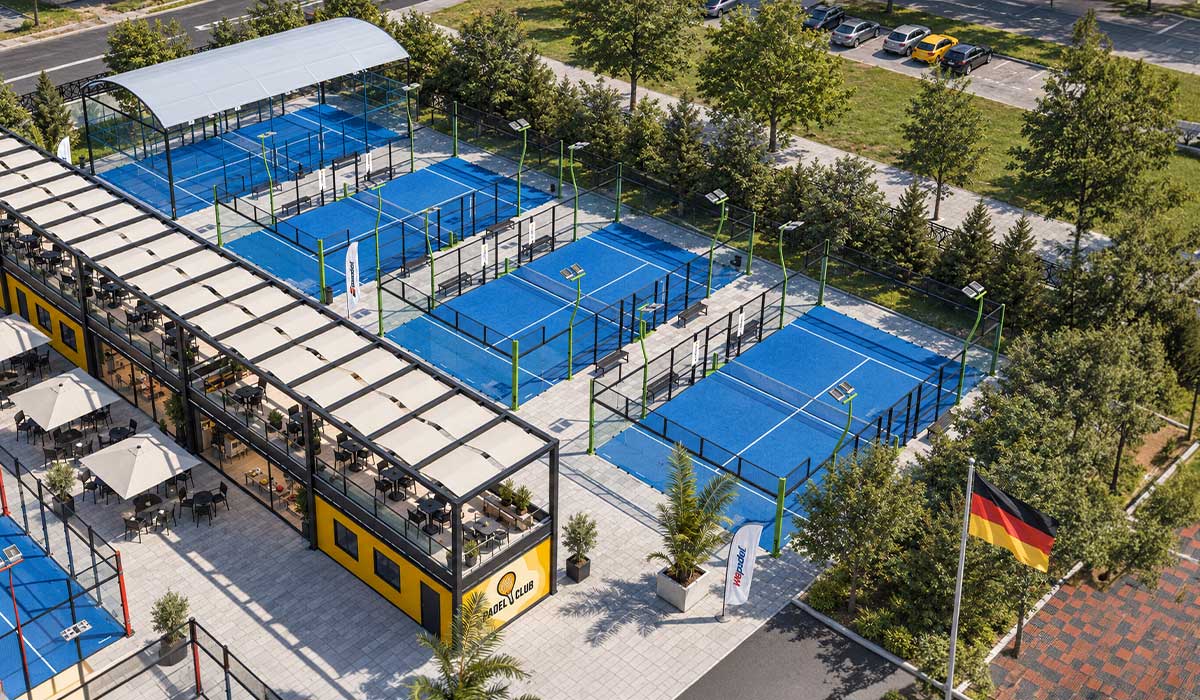
- Two padel courts side by side,
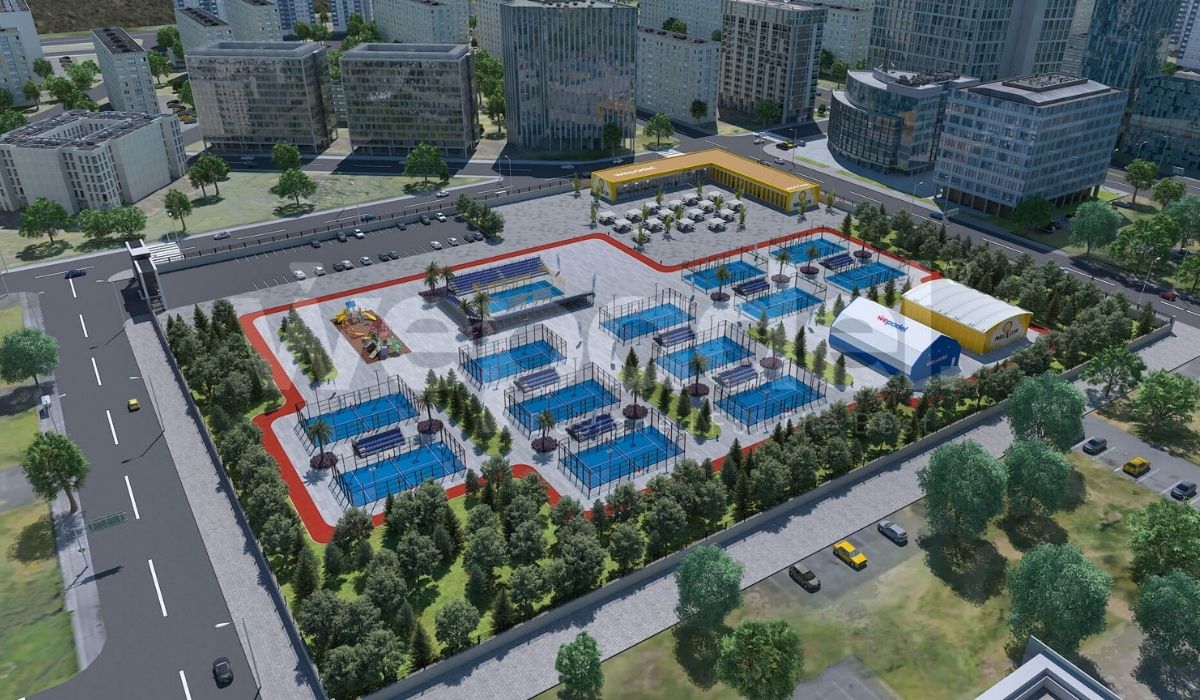
- A multi-court padel complex,
- An indoor padel court,
- An outdoor padel court
In this way, we create not only a court installation plan but also facility planning that enables the investor to obtain maximum efficiency from the existing area.
3. Checking the Existing Surface and Infrastructure
Even if the existing surface of the tennis court is in good condition, placing a padel court directly on it is not always the right solution.
The steel structure and glass systems of a padel court transfer loads to the ground at specific points. Therefore, the foundation system must be evaluated from a technical perspective.
Suitable reinforced concrete foundations or perimeter foundation solutions may be required to fix the load-bearing structure of padel courts. In addition, a drainage system that prevents rainwater from accumulating on the court is also important. The LTA guide also states that the ring beam, court infrastructure, and drainage design should be engineered specifically according to site conditions.
As Wepadel, in conversion projects we analyze the existing infrastructure, preserve the parts that can be used, and include new infrastructure applications in the project where necessary.
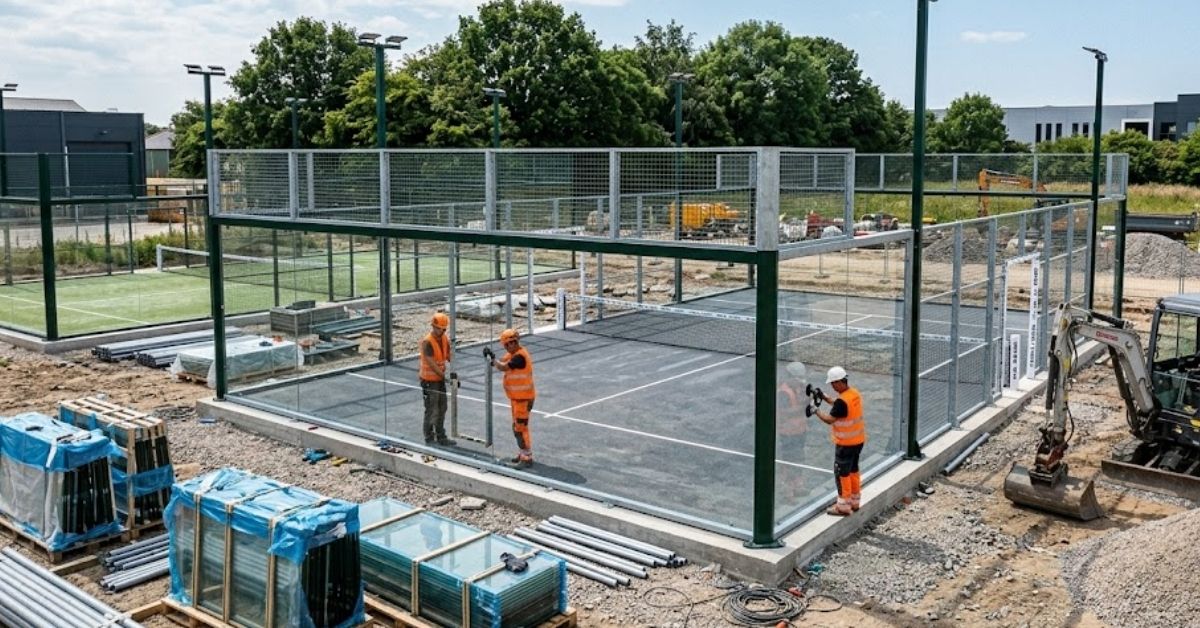
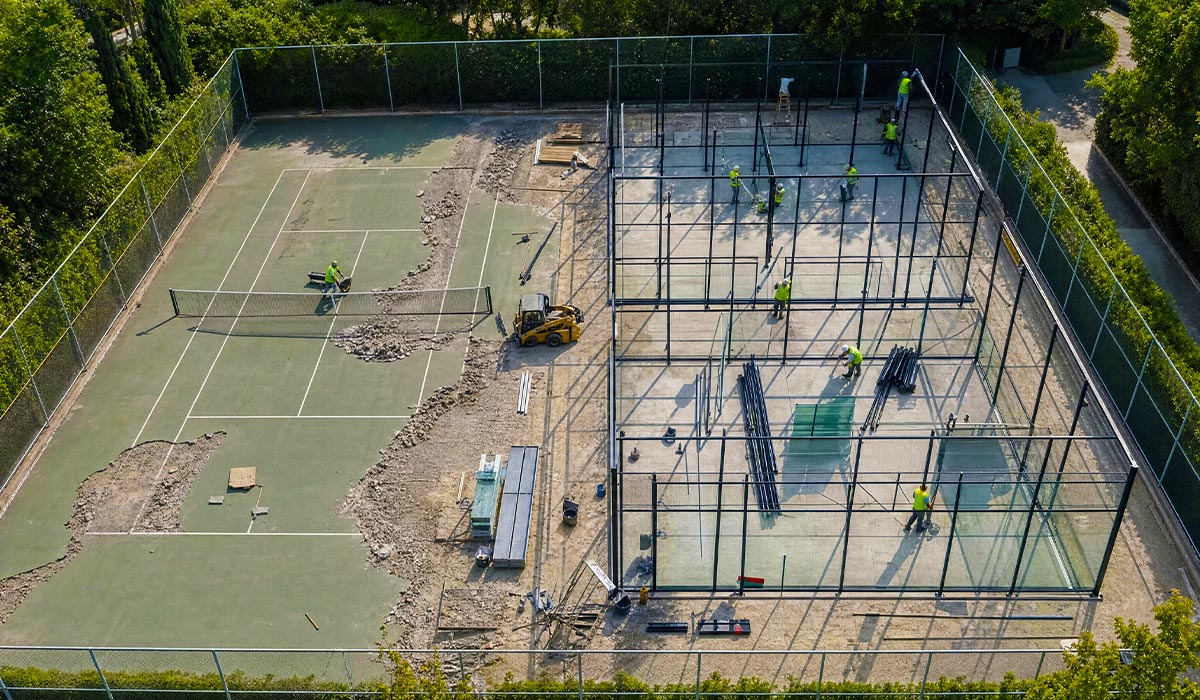
4. Installation of the Steel Structure and Glass Panels
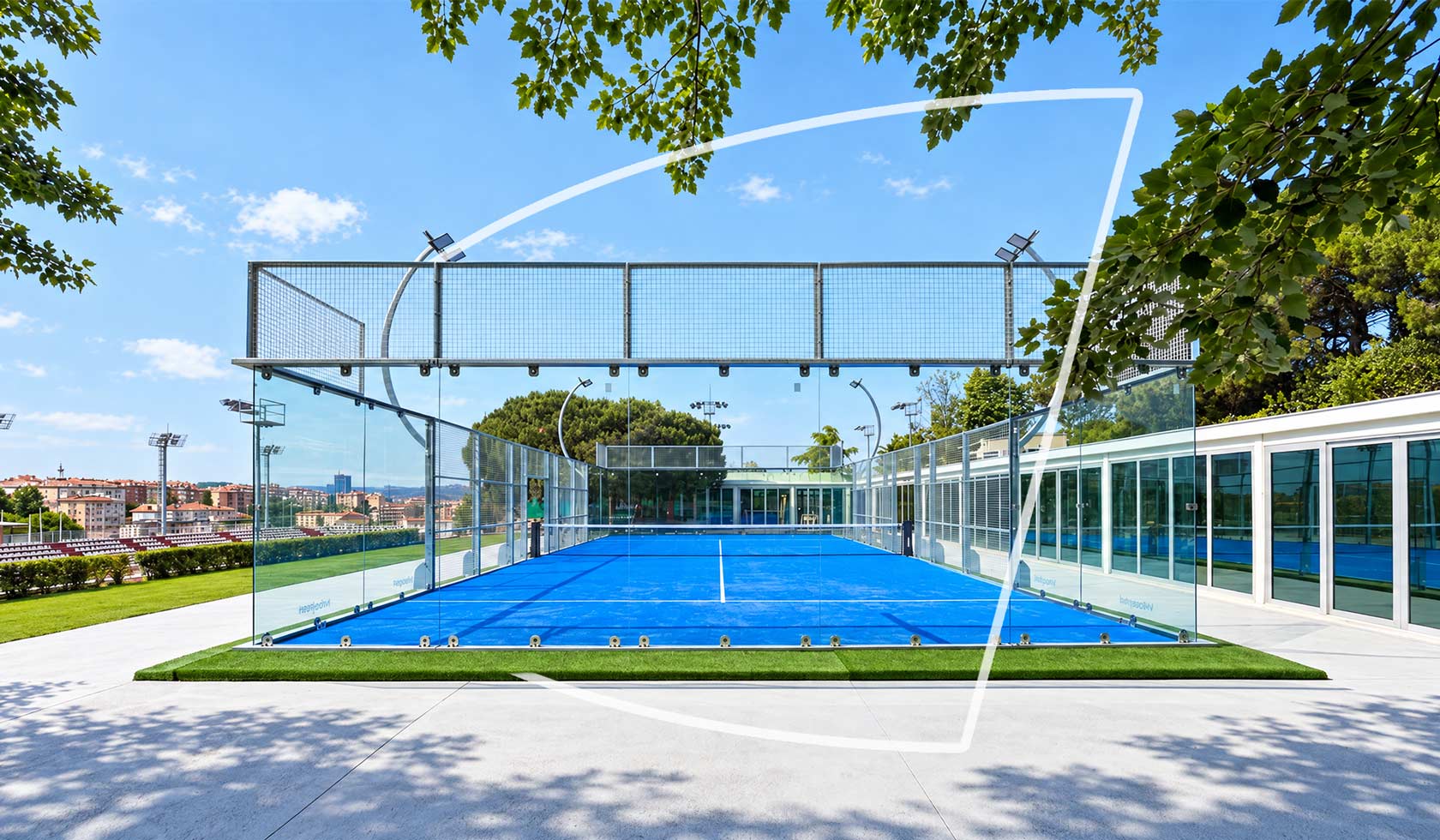
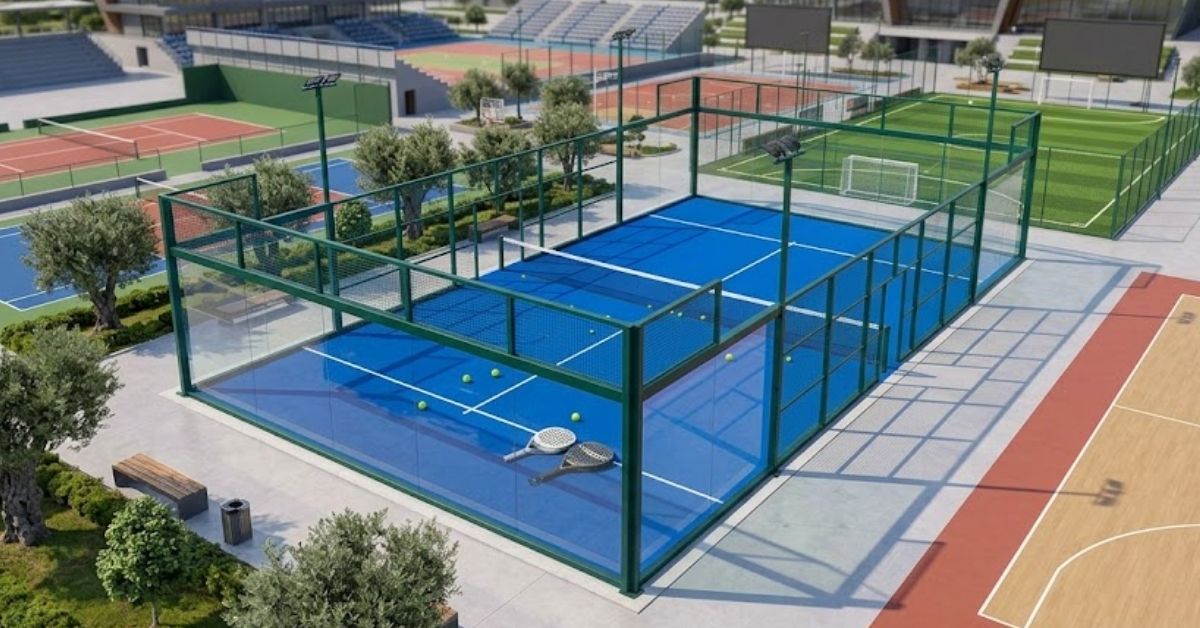
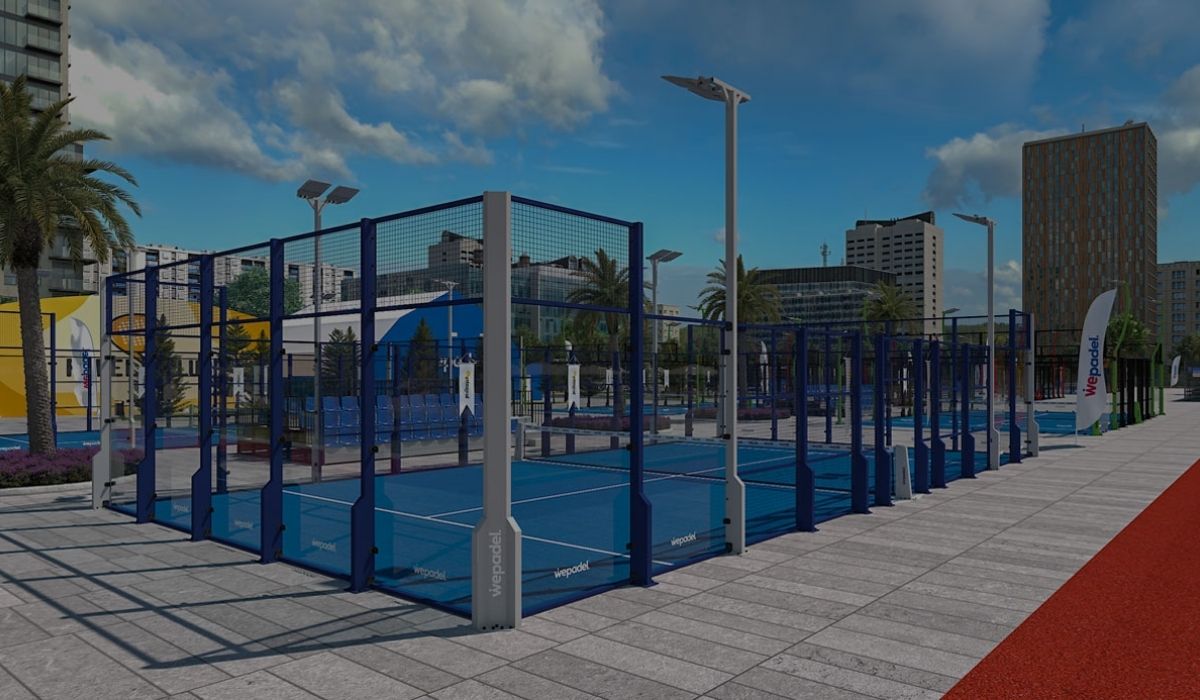
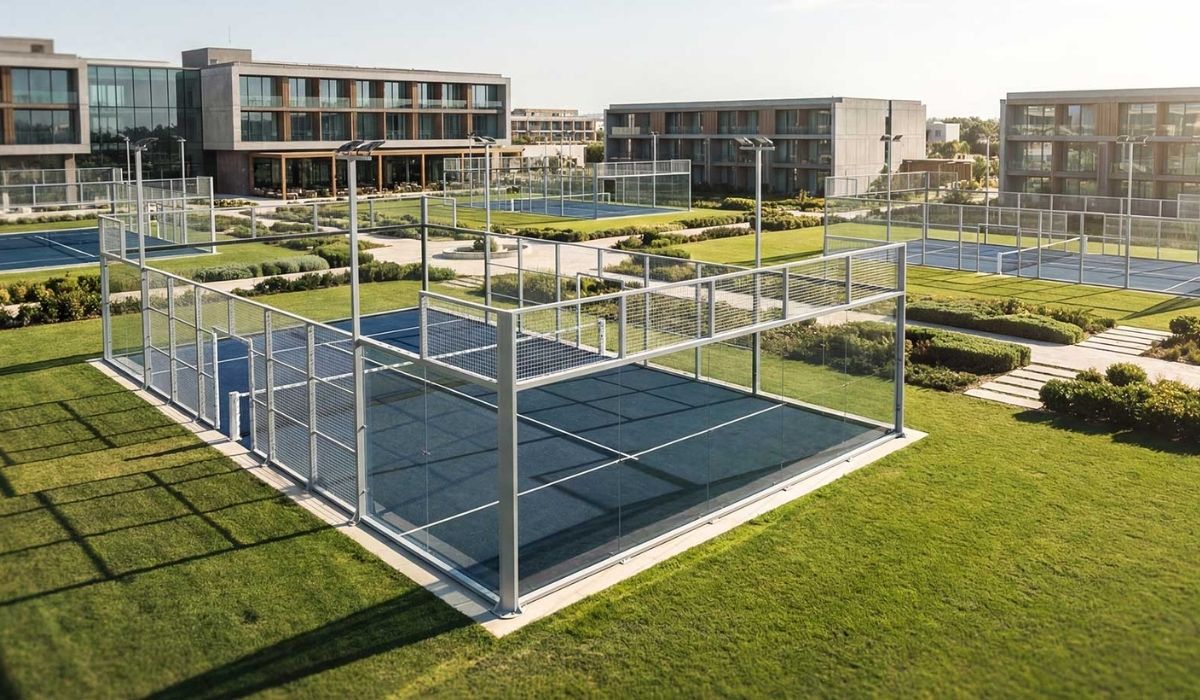
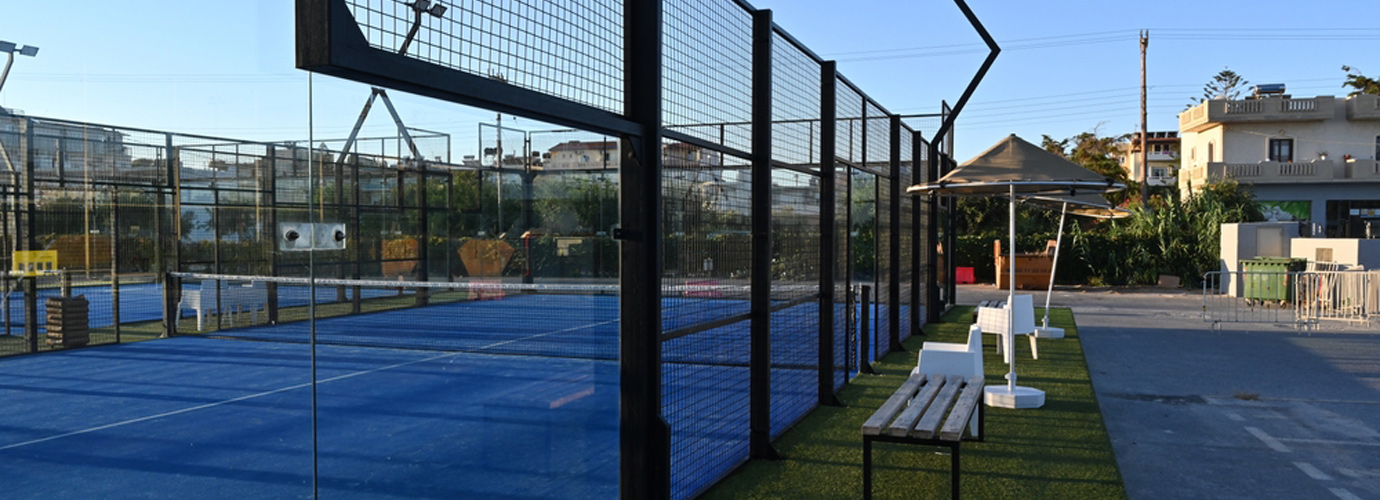
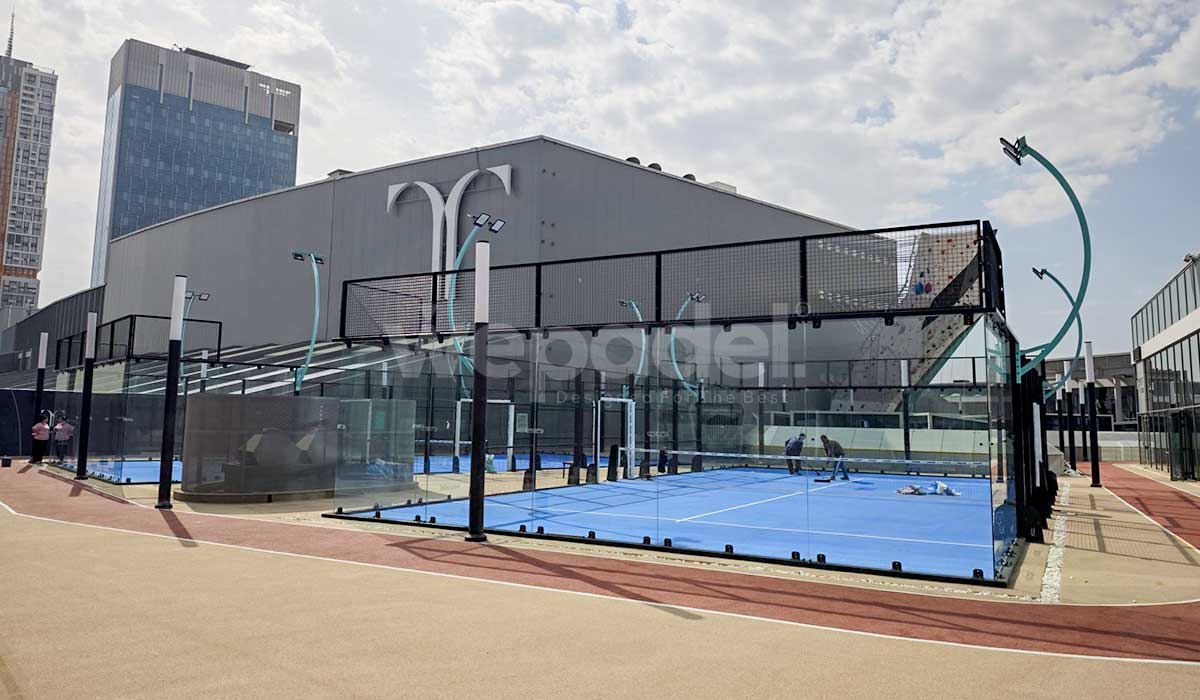
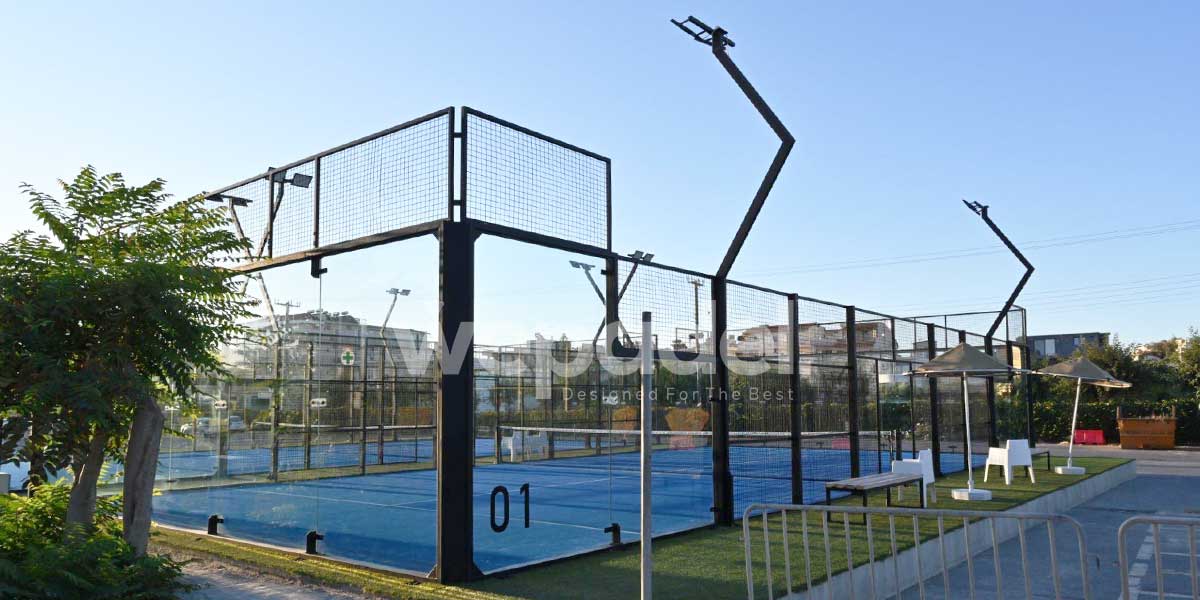
One of the most important structural features that distinguishes a padel court from a tennis court is the glass and steel system surrounding it.
In padel, glass is not merely a material that surrounds the court; it is an active part of the game. Therefore, the glass panels, steel structure, and connection points must be designed according to correct engineering criteria.
In the rear sections of padel courts, the surrounding height formed by glass and steel mesh systems can reach up to 4 meters.
In Wepadel courts, we use project-appropriate steel structures and tempered glass systems for durability, player safety, and long service life.
Especially in outdoor projects:
- Wind loads,
- Corrosion risk,
- Regional climate conditions,
- Connection systems
are important parts of the design process.
5. Applying the Padel Court Surface
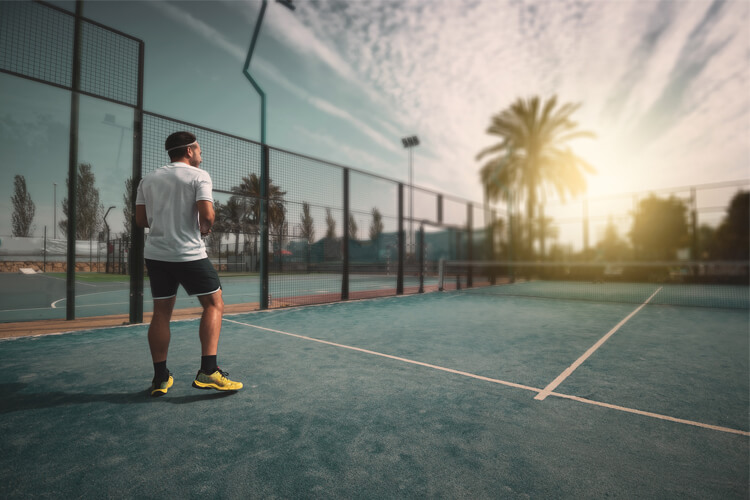
Tennis courts may have acrylic, artificial turf, or different surface systems. However, padel requires a special sports surface suitable for the playing characteristics of the game.
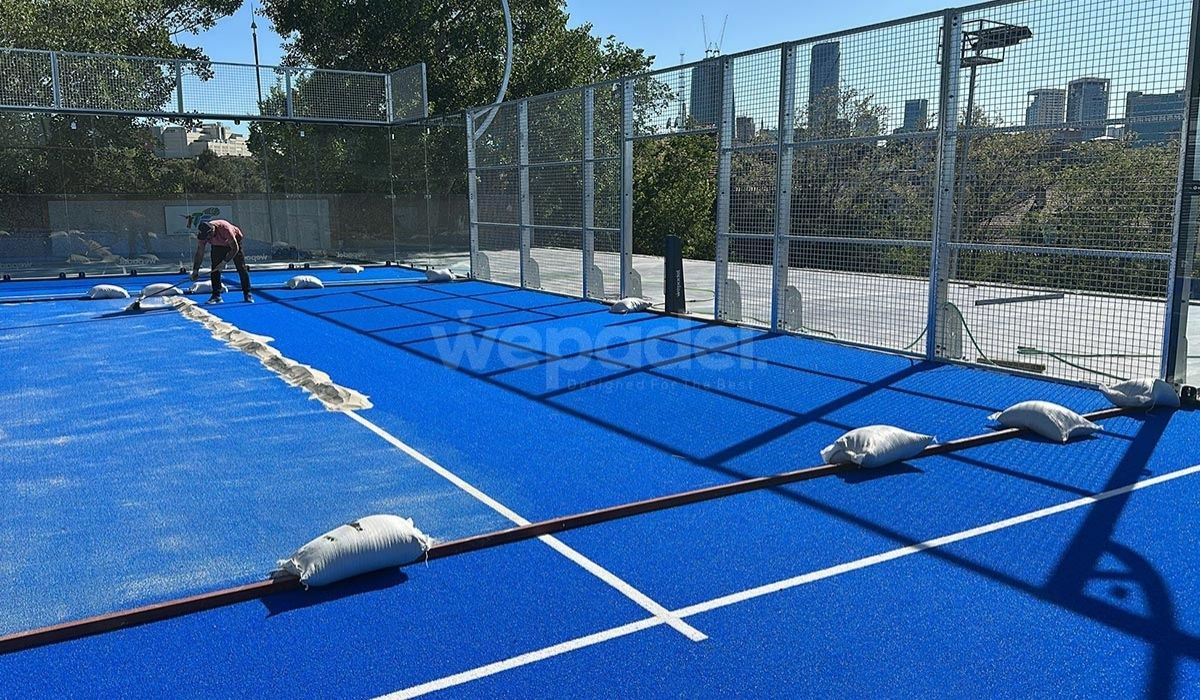
During the conversion, we check the condition of the existing surface and, after the necessary correction works, apply an artificial turf system suitable for a padel court.
The right padel surface directly affects:
- Ball bounce,
- Player movement,
- Sliding performance,
- Game speed,
- Court usage comfort
For this reason, in a tennis court to padel court conversion project, we focus not only on the structure but also on the performance of the playing surface.
6. Renewing the Padel Court Lighting
The existing lighting poles of a tennis court may not always be suitable for the new padel layout.
Because padel courts are surrounded by glass and steel structures, the light distribution angle and fixture positioning must be replanned.
As a reference, the LTA guide specifies 300 lux for recreational and regional use, and 500 lux for national and international competitions.
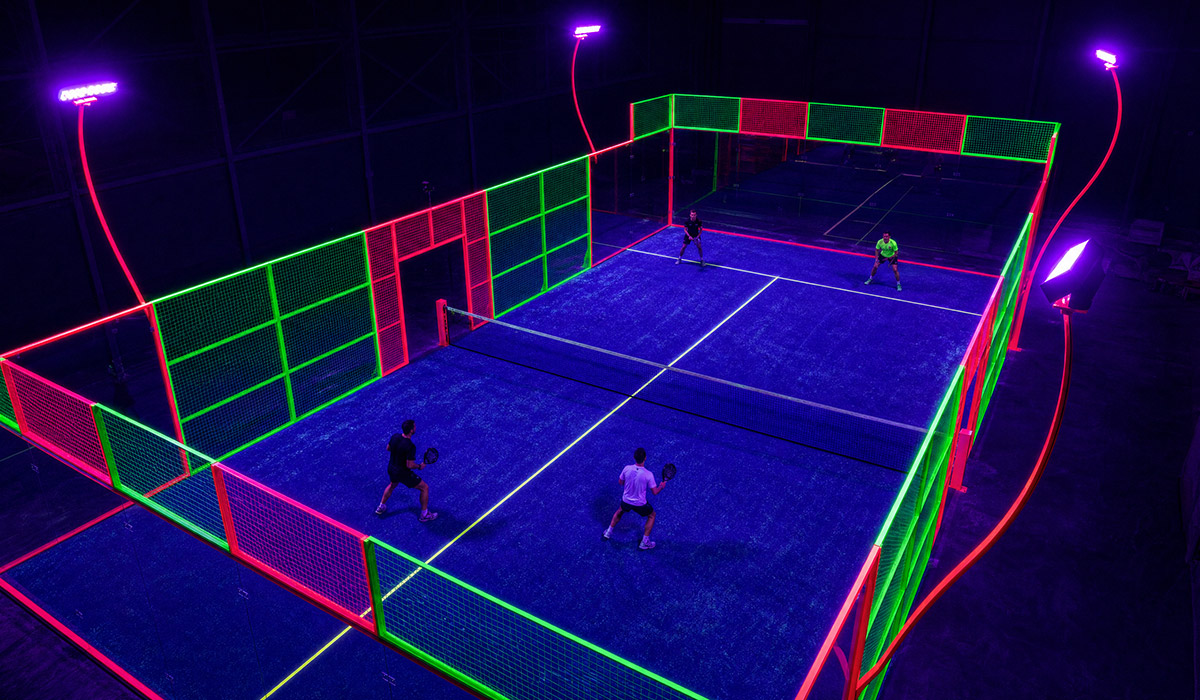
As Wepadel, we aim to create a comfortable playing environment, especially in the evening hours, by designing LED lighting systems according to the court model and intended use.
Converting a Tennis Court into an Indoor Padel Court
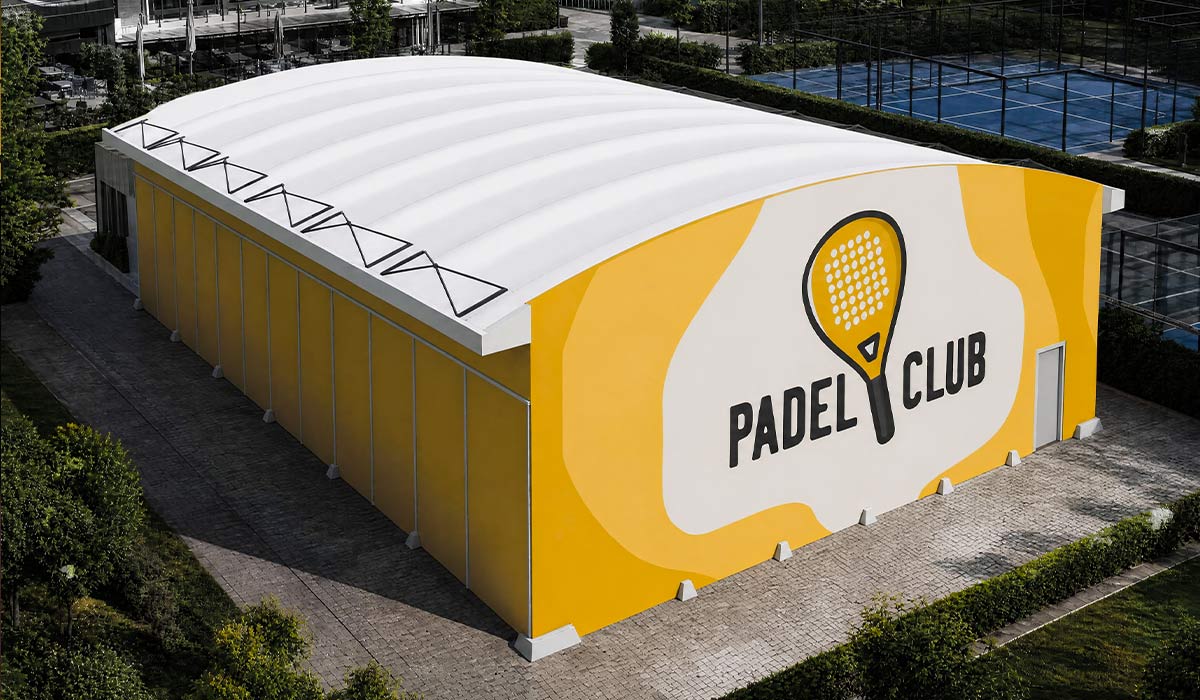
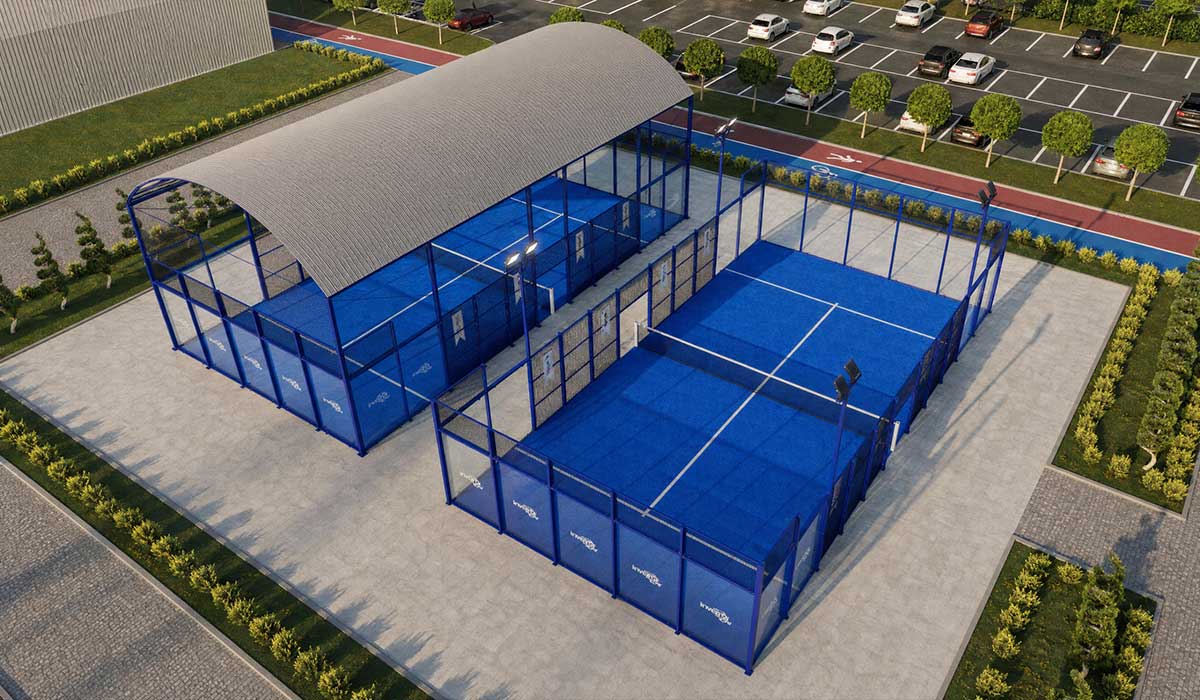
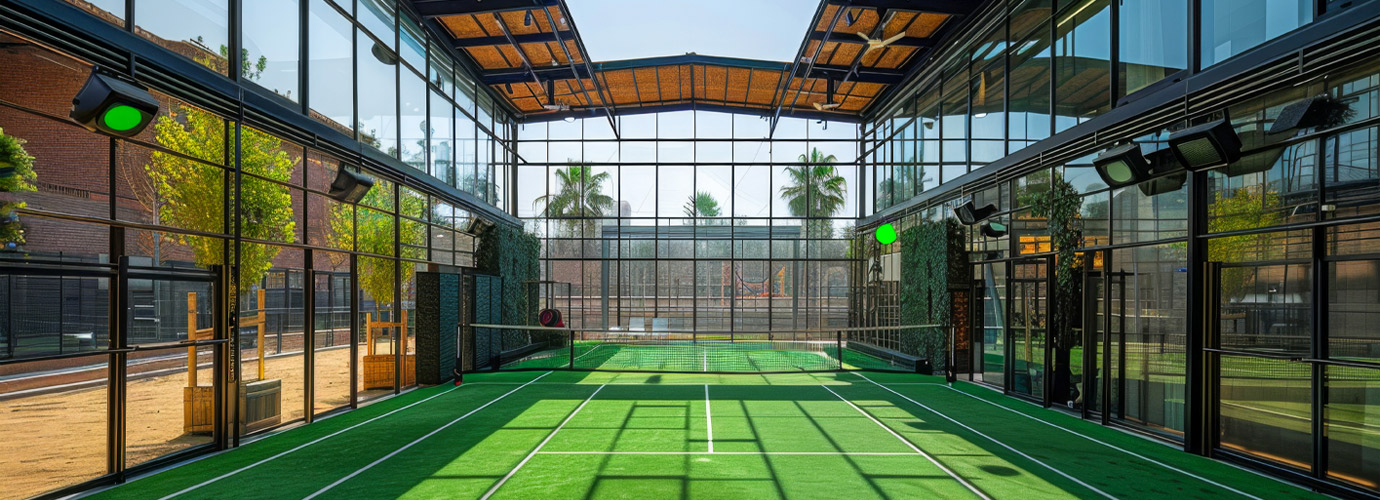
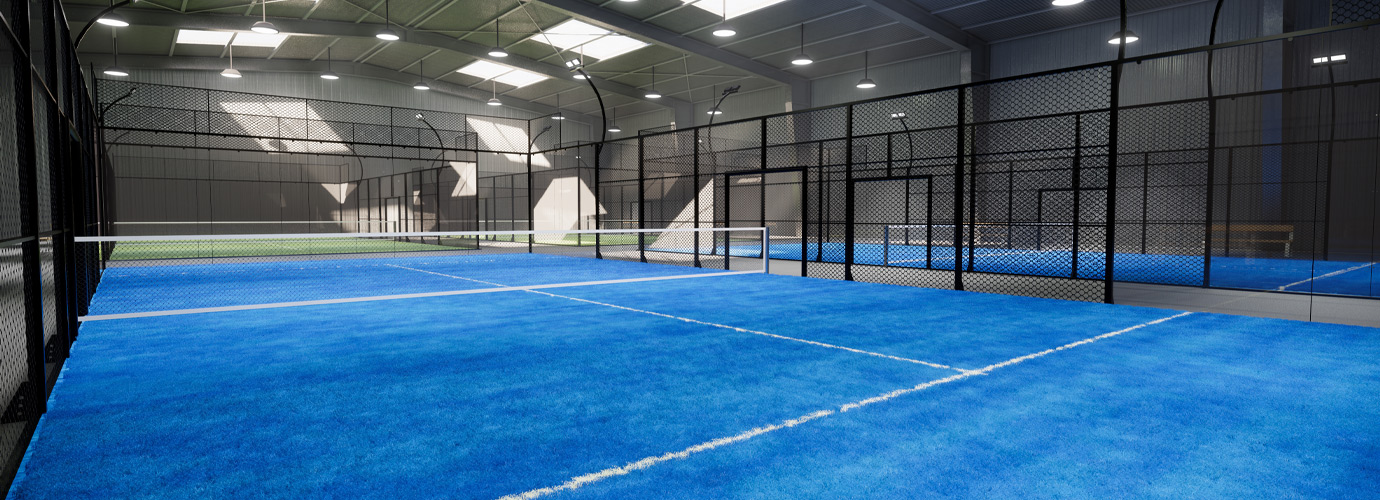
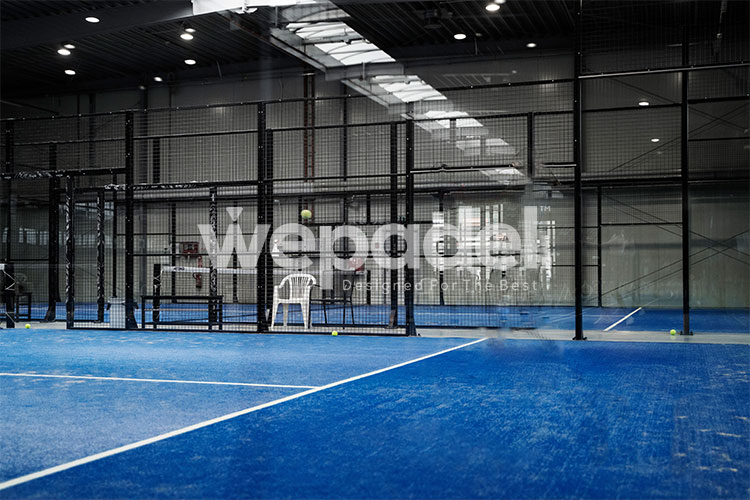
An existing tennis court area can be converted not only into an outdoor padel court but also, where suitable conditions exist, into a covered or indoor padel court system.
Especially in regions with rainy, cold, or variable climate conditions, roof systems can provide significant advantages for investors.
Covered or indoor padel courts can provide:
- Longer usage time throughout the year,
- Less reservation loss due to rain and snow,
- Protection against sun and weather conditions,
- A more controlled player experience,
- Higher facility usage capacity
In roof design, the clear height above the court must not affect playing performance. For example, the LTA guide recommends a minimum clear height of 6 meters at the court edges and 8 meters above the net line for some indoor padel structures.
As Wepadel, we can plan the appropriate model for outdoor, indoor, and custom-designed padel court projects according to the region where the facility is located.
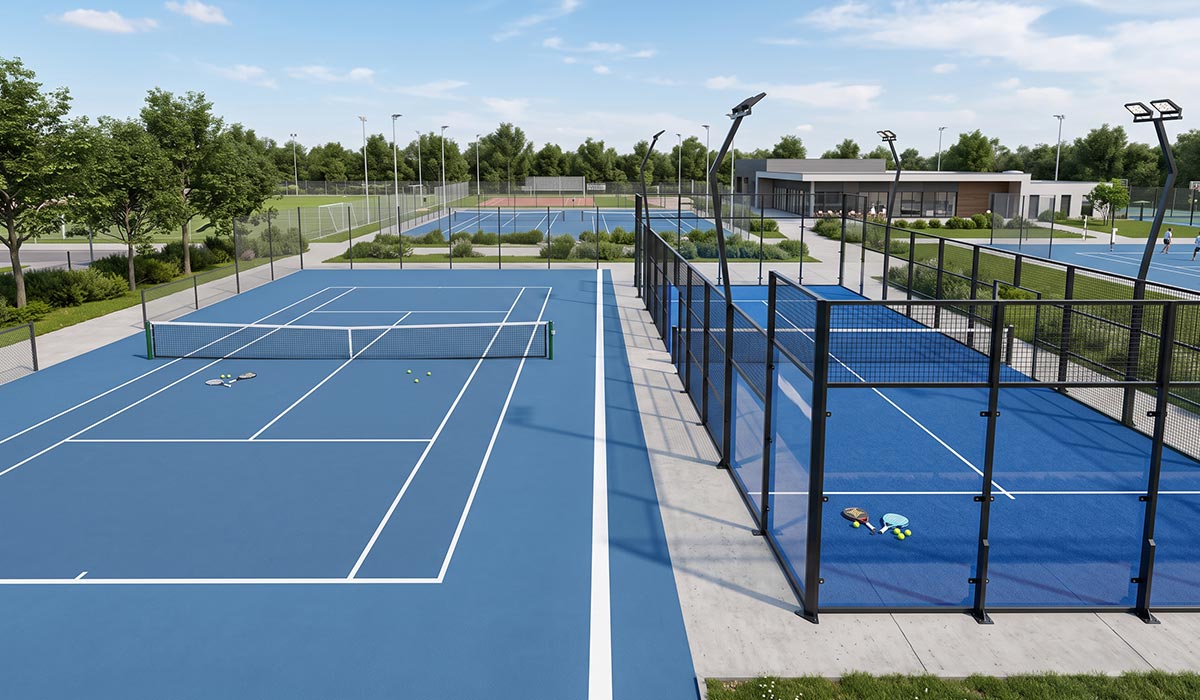
Advantages of Converting an Existing Tennis Court
Using existing tennis infrastructure instead of developing a new and independent sports facility can create significant investment advantages in some projects.
The Existing Area Can Be Used More Efficiently
Replanning large areas allocated for tennis with padel courts can increase the facility's usage capacity per square meter.
More Players Can Use the Facility at the Same Time
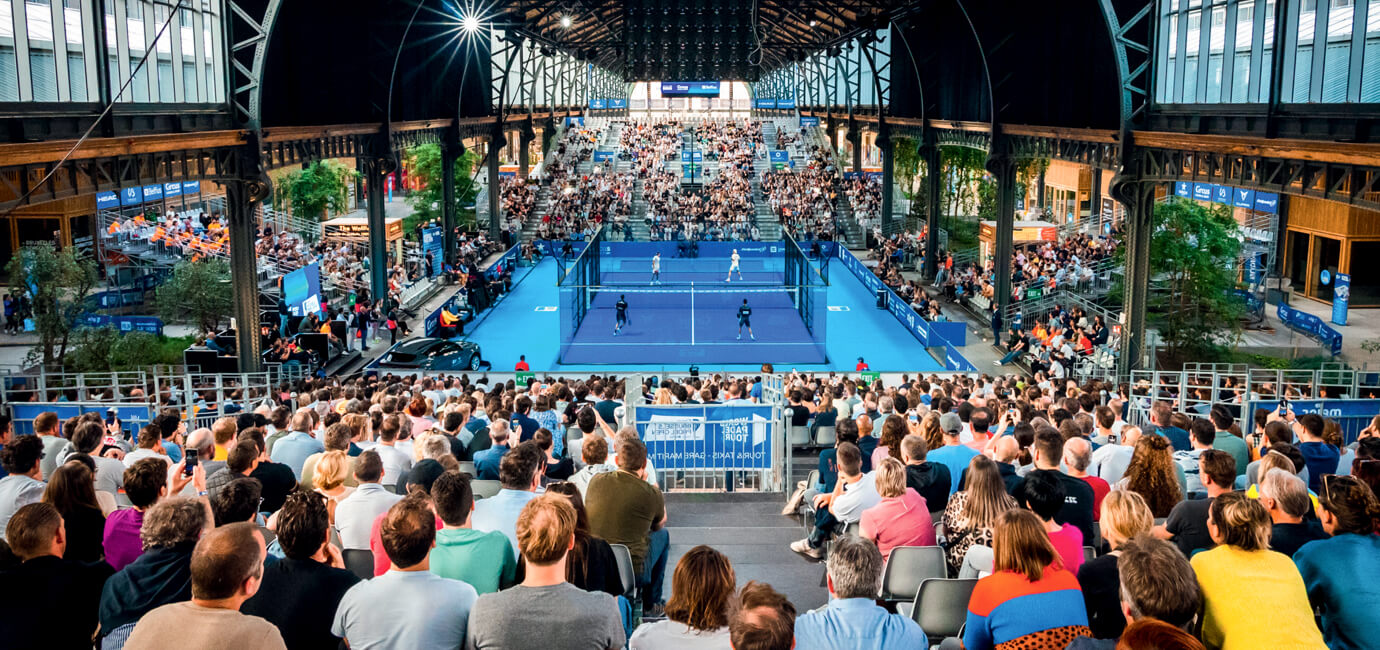
Padel is mostly played with four players. If multiple courts are positioned in the same area, the facility can serve more users at the same time.
The Existing Sports Facility Can Open Up to a New User Group
Tennis clubs can offer a new sports alternative to their existing members while also attracting padel players to the facility.
New Revenue Models Can Be Created
In padel facilities, additional revenue models can be created not only through court reservations but also through:
- Padel academies,
- Private lessons,
- Tournaments,
- Corporate events,
- League organizations,
- Equipment rental,
- Sponsorships,
- Food and beverage services
Can Every Tennis Court Be Converted into a Padel Court?
Technically, it is not correct to answer this directly as "yes" without carrying out an assessment.
It is not only the dimensions of the existing court that must be evaluated; the ground load-bearing capacity, foundation system, drainage, level differences, electrical infrastructure, surrounding structures, access conditions, and local permit processes must all be assessed together.
For this reason, as Wepadel, we do not start our projects only with the question "how many courts can fit?"
Our real question is:
How can this area be converted into a sustainable, safe, and commercially efficient padel facility?
Wepadel x Tennis Court to Padel Court Conversion
As Wepadel, we also bring the production, engineering, and installation experience we have gained in international projects to tennis court to padel court conversion projects.
Depending on the needs of the project, we can plan the following processes within a single project scope:
- Site analysis,
- Layout planning,
- Determining the padel court model,
- Infrastructure preparation,
- Steel structure,
- Tempered glass systems,
- Padel artificial turf,
- LED lighting,
- Roof and enclosure systems,
- Production,
- Logistics,
- Installation
Whether you want to add your first padel court to an existing tennis club or convert unused tennis courts into a multi-court padel facility, we can develop a solution tailored to your area.
Contact the Wepadel team to learn how many padel courts your existing tennis court can be converted into. Let us analyze your area and plan the padel court project suitable for your investment together.
Frequently Asked Questions
1. How many padel courts can fit on one tennis court?
This number depends on the total area of the tennis facility and the surrounding clearance spaces. In some tennis court areas with sufficient width, two padel courts can be positioned. However, measurement and technical layout work must be carried out before the project.
2. What is the standard size of a padel court?
The standard padel playing area is 20 meters long and 10 meters wide.
3. Can the existing tennis court surface infrastructure be used?
In some projects, certain parts of the existing infrastructure can be used. However, it should not be assumed that the existing surface can be used directly without checking the structural foundations, drainage, surface levelness, and load-bearing capacity.
4. Can an outdoor tennis court be converted into an indoor padel court?
If suitable area, foundation, and permit conditions are available, a covered or indoor padel court system can be applied to an outdoor tennis court area.
5. How long does a tennis court to padel court conversion take?
The duration varies depending on the number of courts, the condition of the existing infrastructure, the foundation works to be carried out, the court model, and whether there is a roof system. After the technical survey, we create a project-specific production and installation schedule.
6. How much does a tennis court to padel court conversion cost?
The conversion cost is determined according to many variables, such as the condition of the existing surface, the number of courts, the selected padel court model, foundation and drainage needs, lighting, logistics, and roof system. Therefore, the most accurate pricing can be made after site and project analysis.