06/08/2026

Why Is Padel Investment on the Rise?
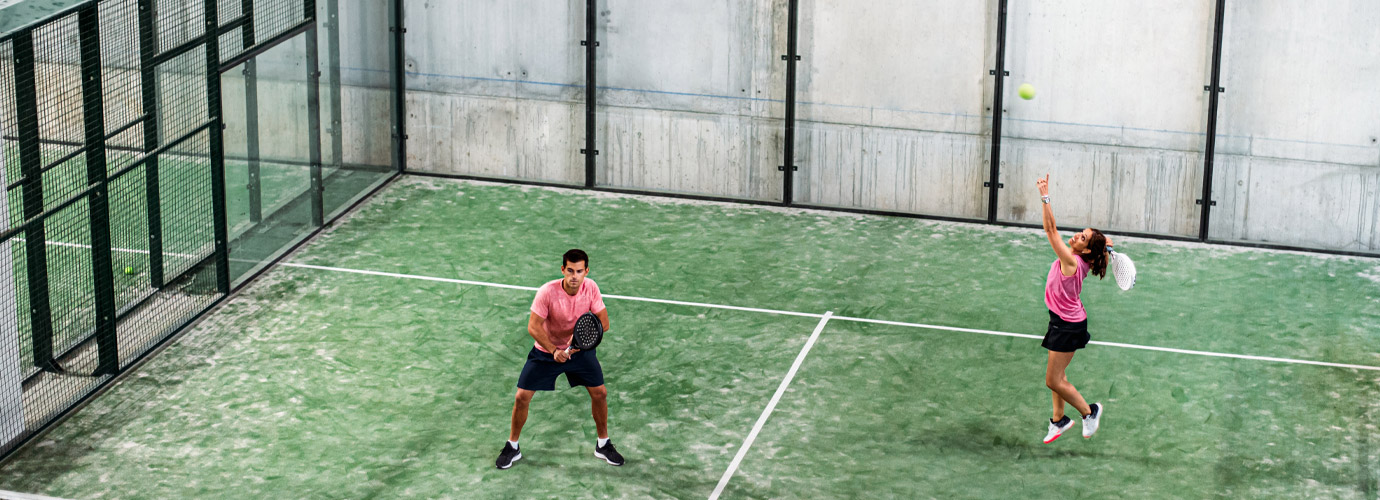
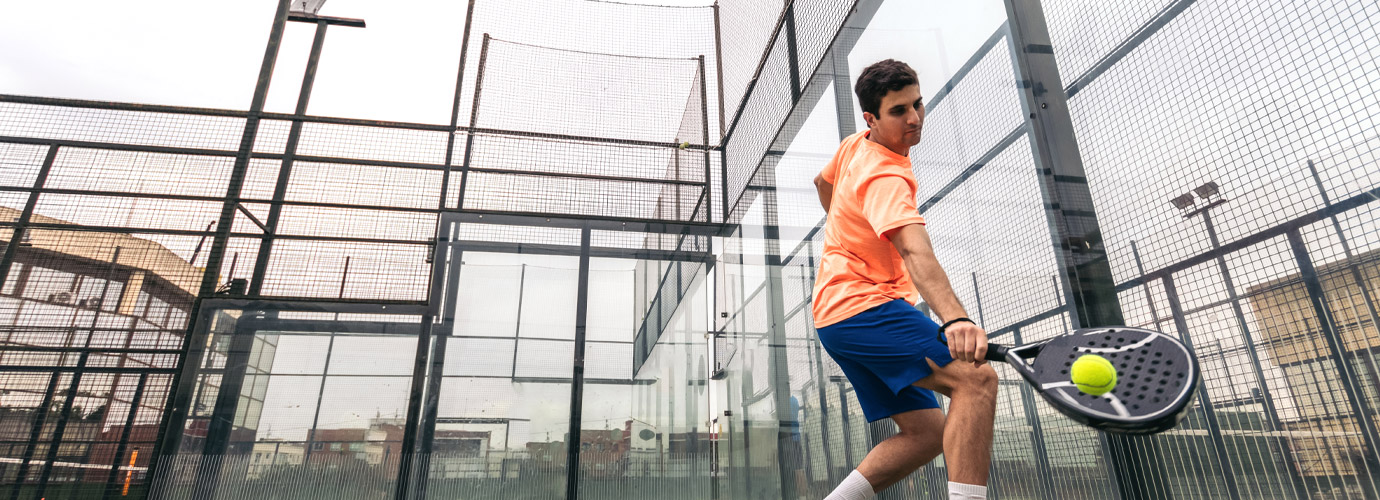
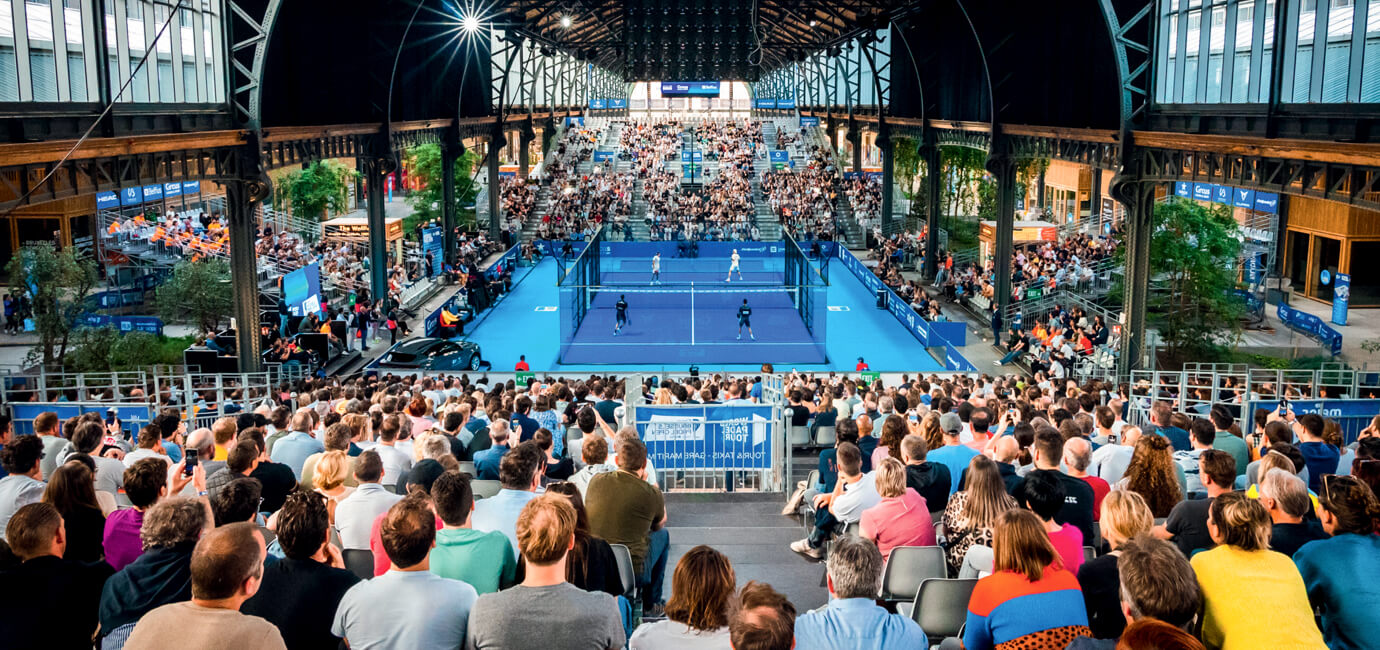
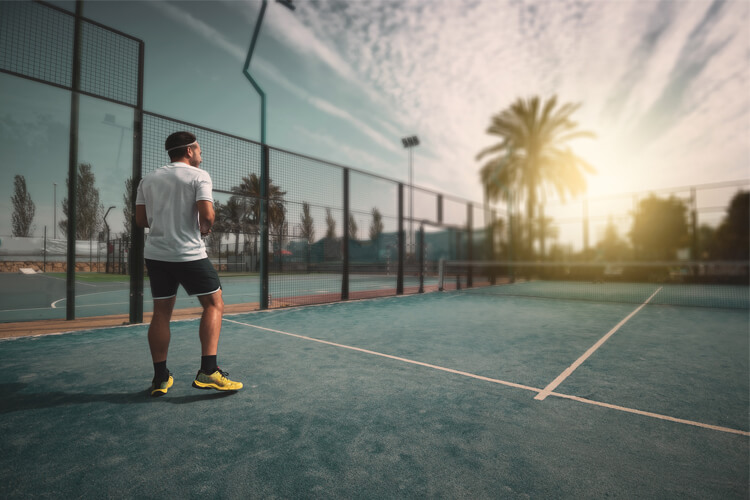
Padel is not merely a rapidly expanding racket sport; with the right location, the right court model and a professional operating plan, it is a new-generation club concept that can develop into a strong investment in sport, social interaction and entertainment. According to 2026 assessments based on data from the International Padel Federation, padel has reached approximately 38 million players, 85,000 courts and 27,000 clubs worldwide. This growth demonstrates that a wide range of investor profiles—from hotels and residential developments to independent sports clubs and municipal facilities—are turning to padel infrastructure.
One of padel's most important advantages for investors is that the game is generally played by four people. Because the hourly court fee can be shared among players, the cost per user remains accessible, while the operator serves four customers with a single booking. Moreover, the revenue model does not have to rely solely on court rental. Private and group lessons, children's academies, memberships, level-based leagues, tournaments, corporate events, equipment rental and sales, sponsorships, and food and beverage services can create separate revenue streams.
However, a successful investment is not built solely on “buying a padel court.” The target audience’s purchasing power, ease of access, competing facilities, suitability of the land or building, permit process, infrastructure, drainage, electrical capacity, social areas and working capital should be evaluated together. Confusing the court price with the total investment cost is one of the most common planning mistakes that negatively affects the payback period.
The Opportunity in France and Target Asian Markets
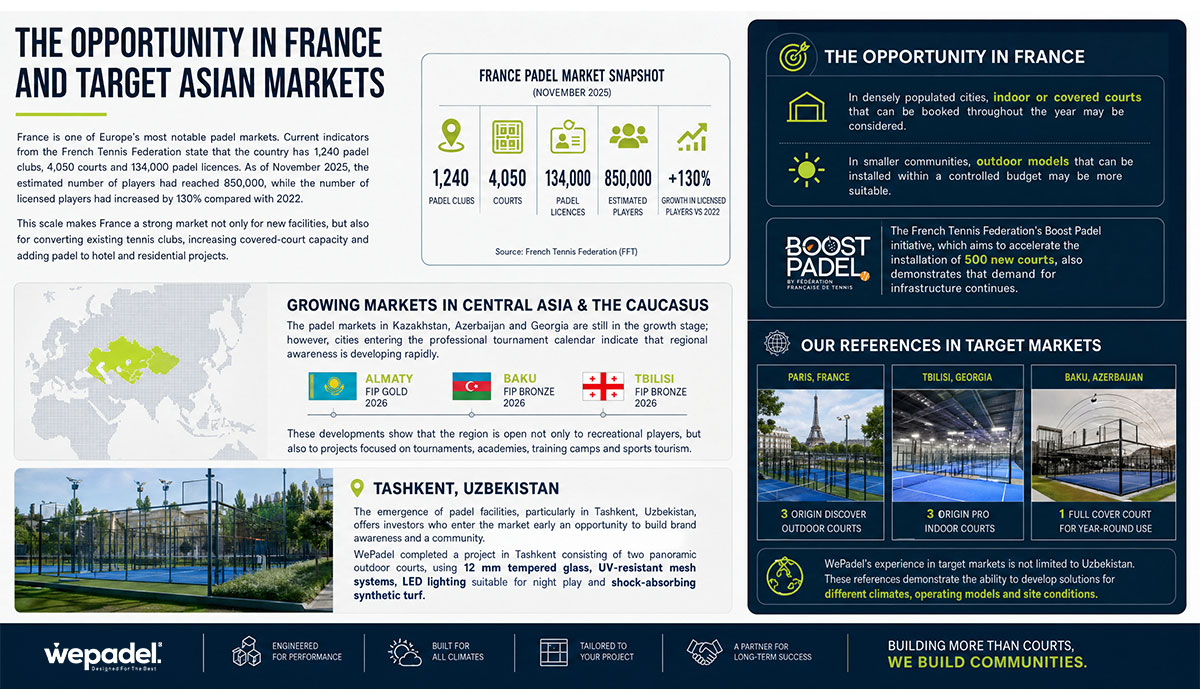
France is one of Europe’s most notable padel markets. Current indicators from the French Tennis Federation state that the country has 1,240 padel clubs, 4,050 courts and 134,000 padel licences. As of November 2025, the estimated number of players had reached 850,000, while the number of licensed players had increased by 130% compared with 2022. This scale makes France a strong market not only for new facilities, but also for converting existing tennis clubs, increasing covered-court capacity and adding padel to hotel and residential projects.
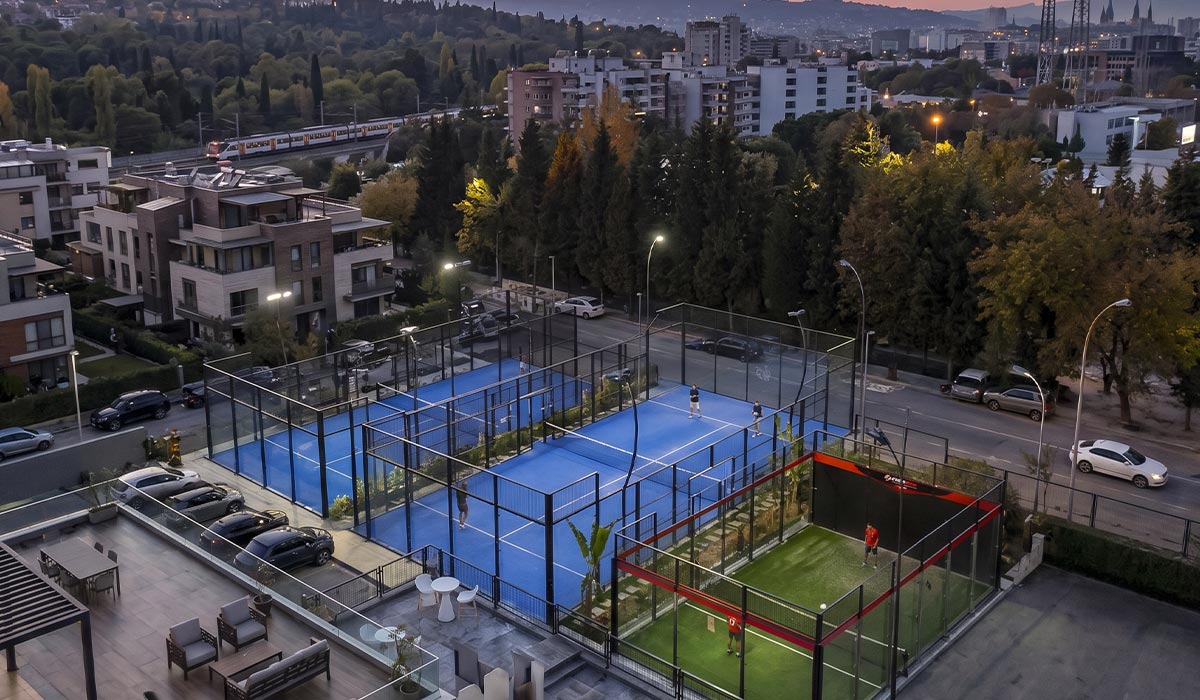
A significant part of the opportunity in France is no longer simply “installing the first court,” but creating higher-quality facilities that improve the user experience. In densely populated cities, indoor or covered courts that can be booked throughout the year may be considered; in smaller communities, outdoor models that can be installed within a controlled budget may be more suitable. The French Tennis Federation’s Boost Padel initiative, which aims to accelerate the installation of 500 new courts, also demonstrates that demand for infrastructure continues.
Alongside France, the padel markets in Kazakhstan, Azerbaijan and Georgia are still in the growth stage; however, cities entering the professional tournament calendar indicate that regional awareness is developing rapidly. The FIP’s 2026 calendar included an FIP Gold event in Almaty, an FIP Bronze event in Baku and an FIP Bronze event in Tbilisi. These developments show that the region is open not only to recreational players, but also to projects focused on tournaments, academies, training camps and sports tourism.
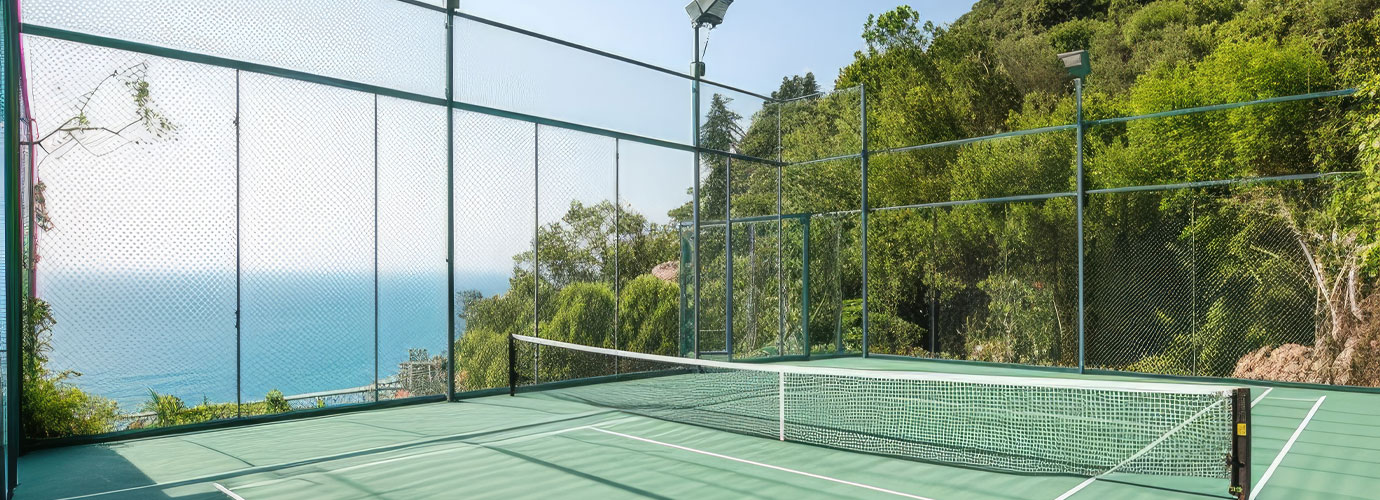
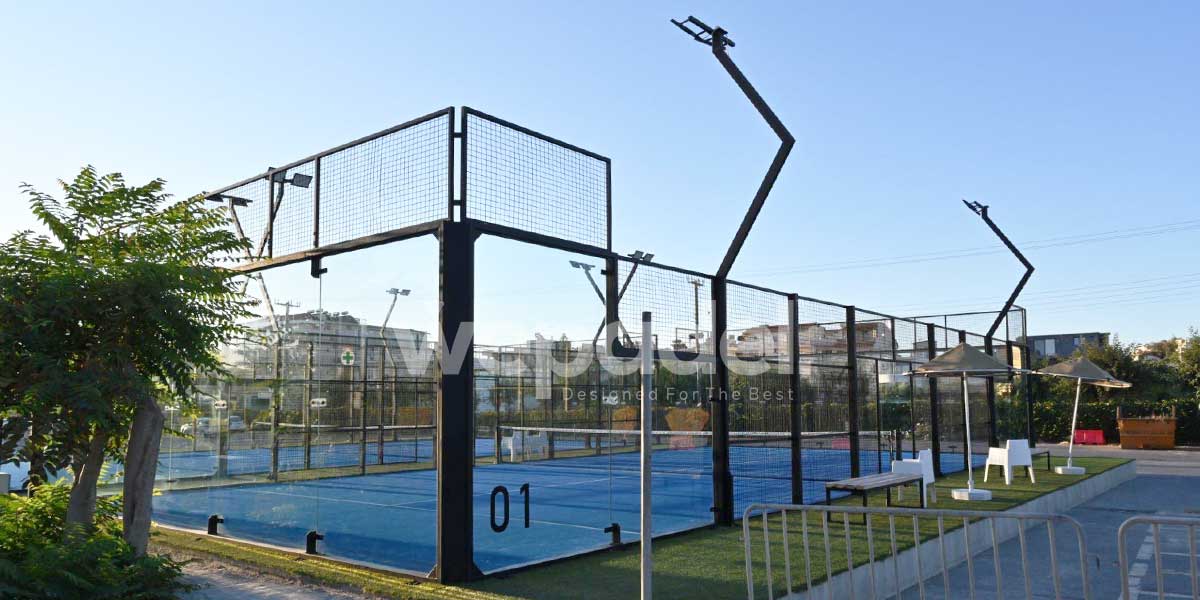
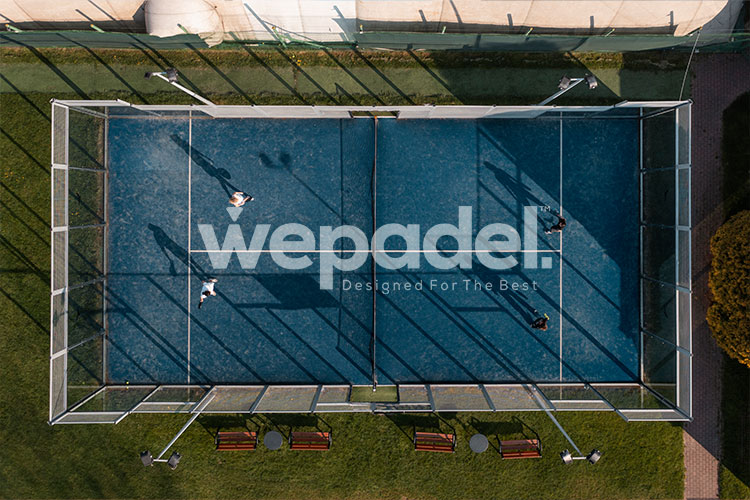
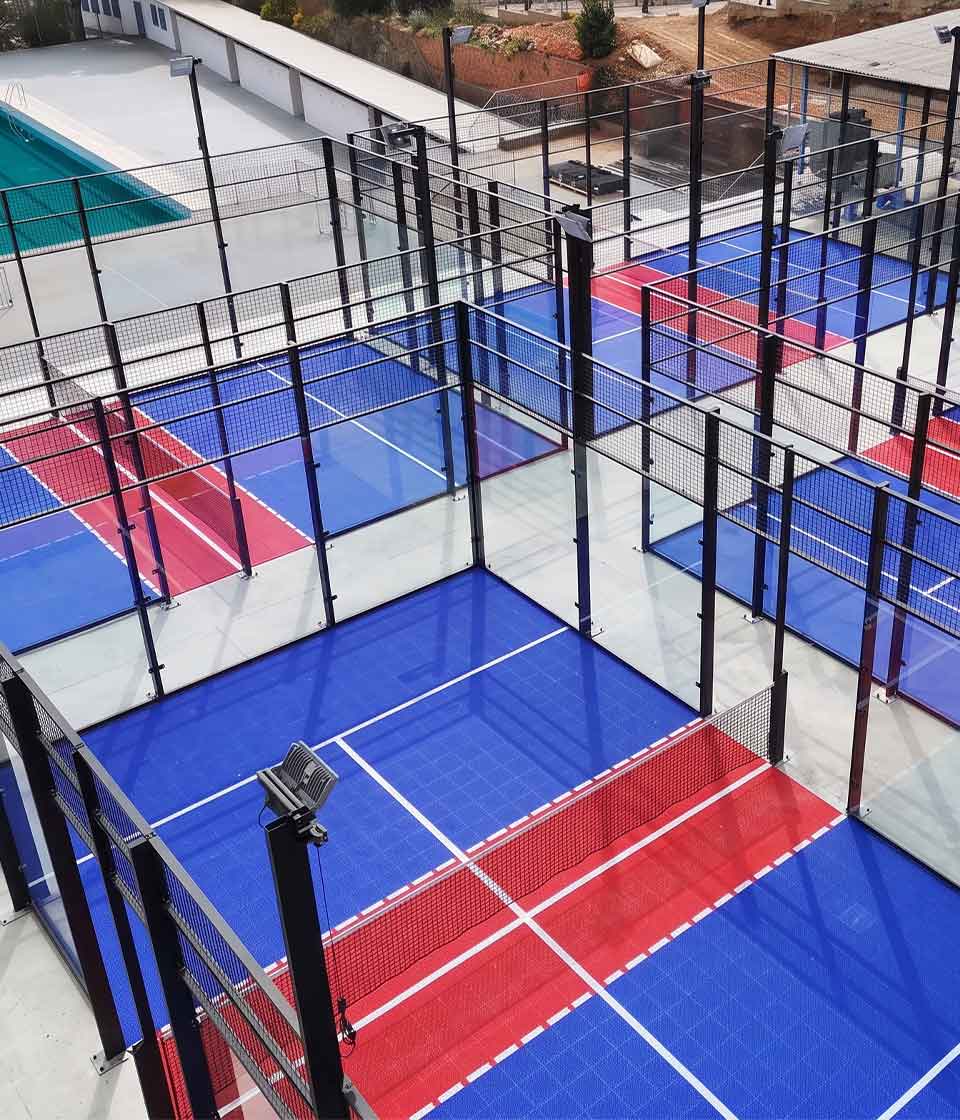
The emergence of padel facilities, particularly in Tashkent, Uzbekistan, offers investors who enter the market early an opportunity to build brand awareness and a community. WePadel completed a project in Tashkent consisting of two panoramic outdoor courts, using 12 mm tempered glass, UV-resistant mesh systems, LED lighting suitable for night play and shock-absorbing synthetic turf.
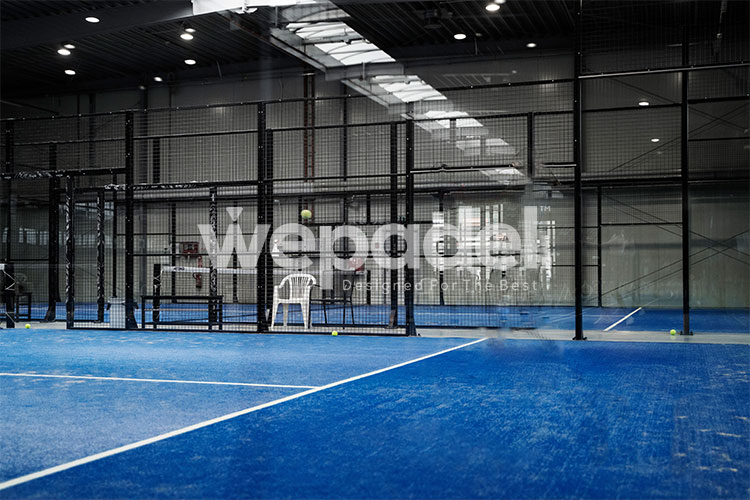
WePadel’s experience in target markets is not limited to Uzbekistan. The production and installation of three Origin Discover courts in Paris have been completed, three Origin Pro courts have been installed indoors in Georgia, and a Full Cover court project designed for year-round use has been completed in Baku. These references demonstrate the ability to develop solutions for different climates, operating models and site conditions.
WePadel Is More Than a Seller: A Direct Manufacturer and Project Partner
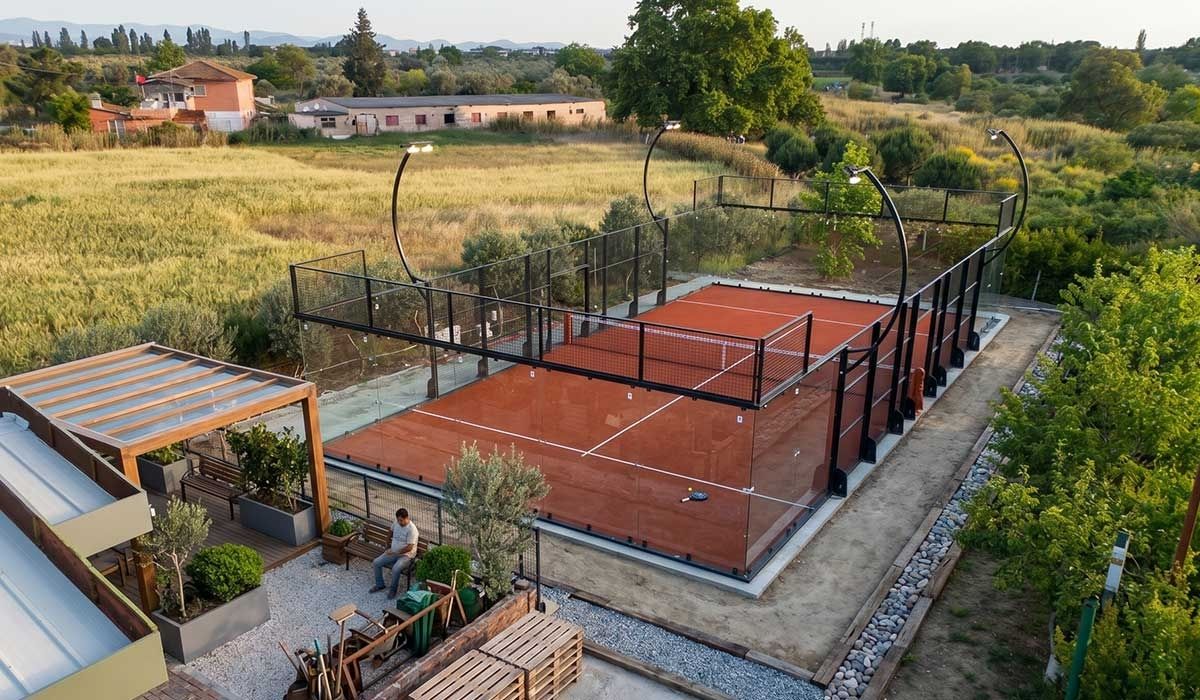
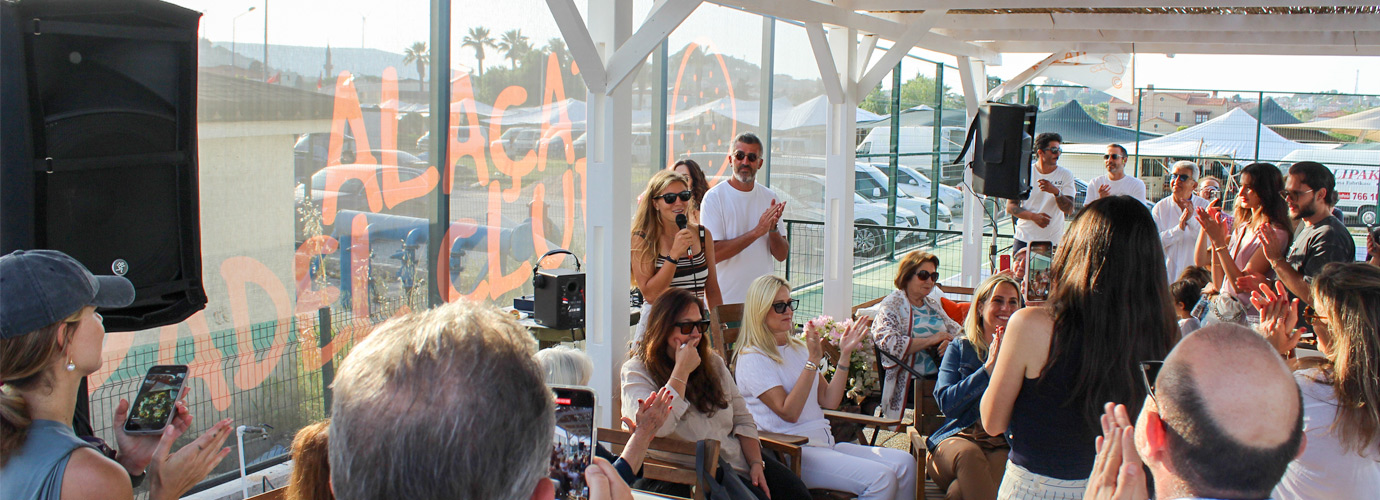
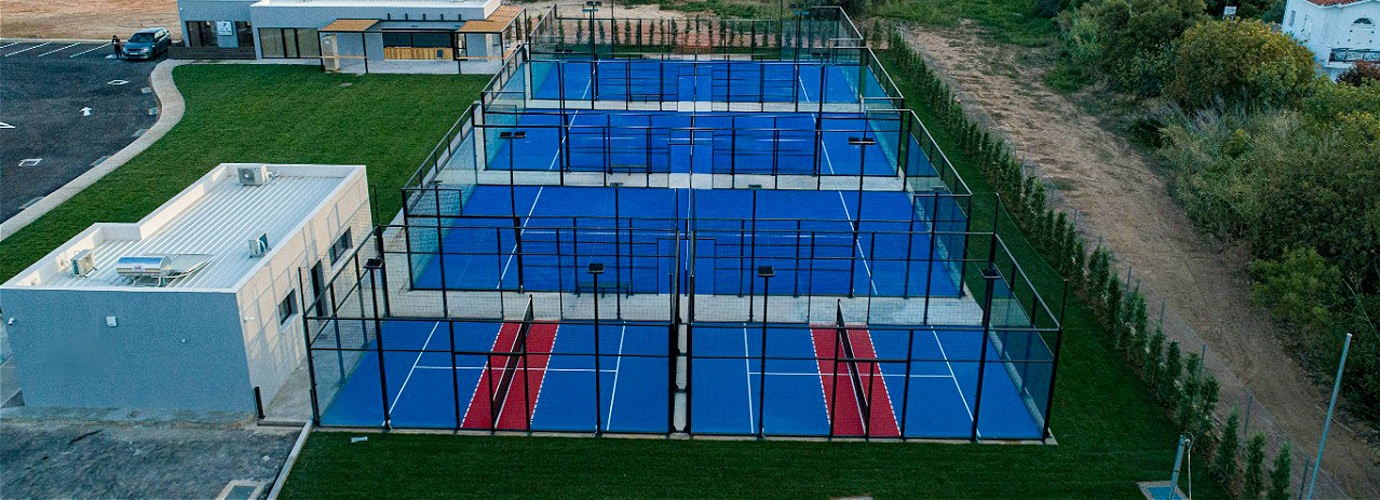
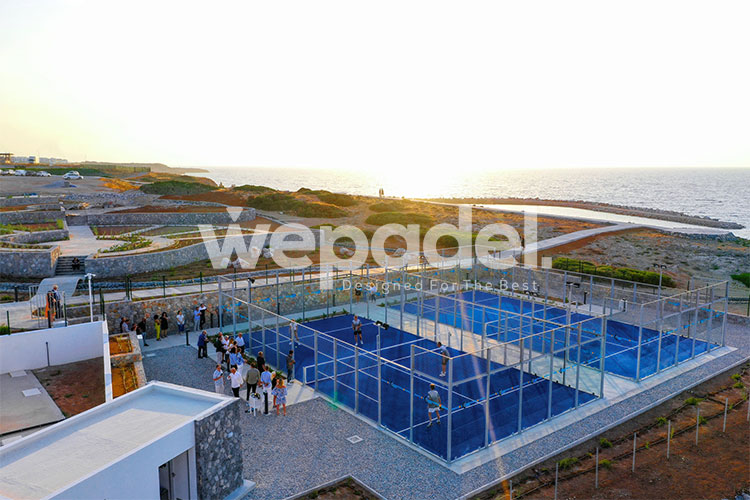
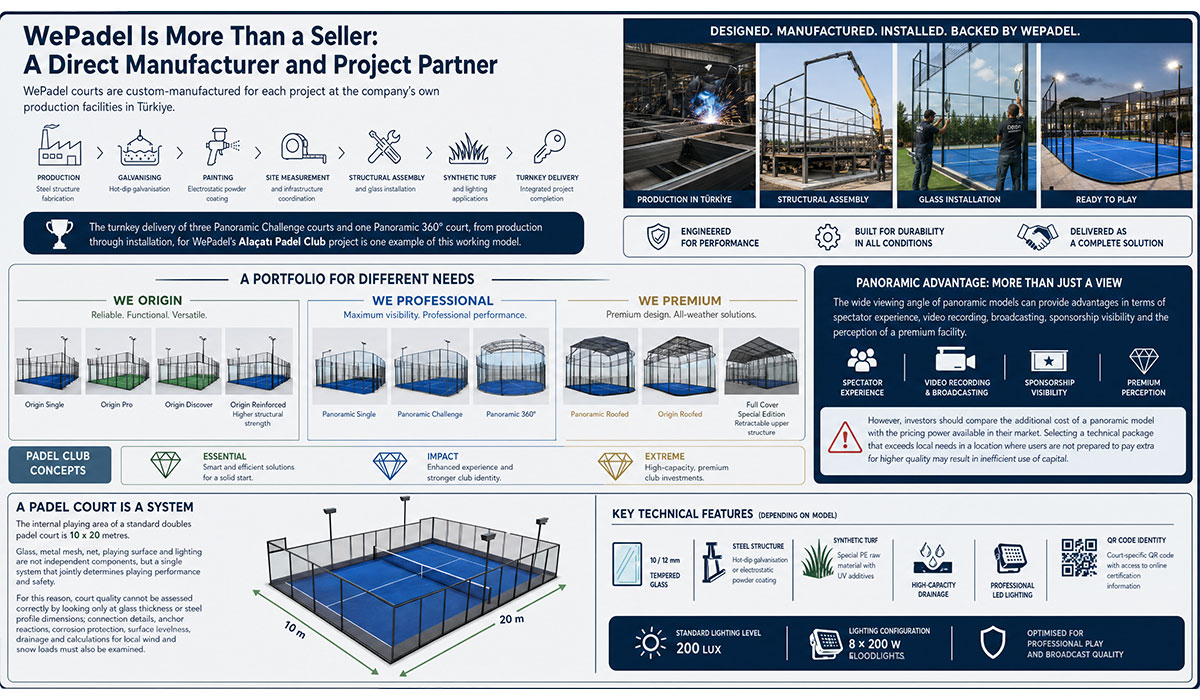
WePadel courts are custom-manufactured for each project at the company’s own production facilities in Türkiye. While steel structure fabrication, galvanising and painting are carried out at the factory, site measurement, infrastructure coordination, structural assembly, glass installation, synthetic turf and lighting applications are managed as an integrated project process. The turnkey delivery of three Panoramic Challenge courts and one Panoramic 360° court, from production through installation, for WePadel’s Alaçatı Padel Club project is one example of this working model.
The product portfolio is based on the fact that not every investor needs the same court. We Origin category includes the Origin Single, Origin Pro, Origin Discover and Origin Reinforced models, the latter designed for higher structural strength. We Professional category focuses on visibility, spectator experience and professional event requirements with its Panoramic Single, Panoramic Challenge and Panoramic 360° models. We Premium family includes the Panoramic Roofed, Origin Roofed, Full Cover and Special Edition solutions featuring a retractable upper structure. Essential, Impact and Extreme padel club concepts are also offered for comprehensive club investments.
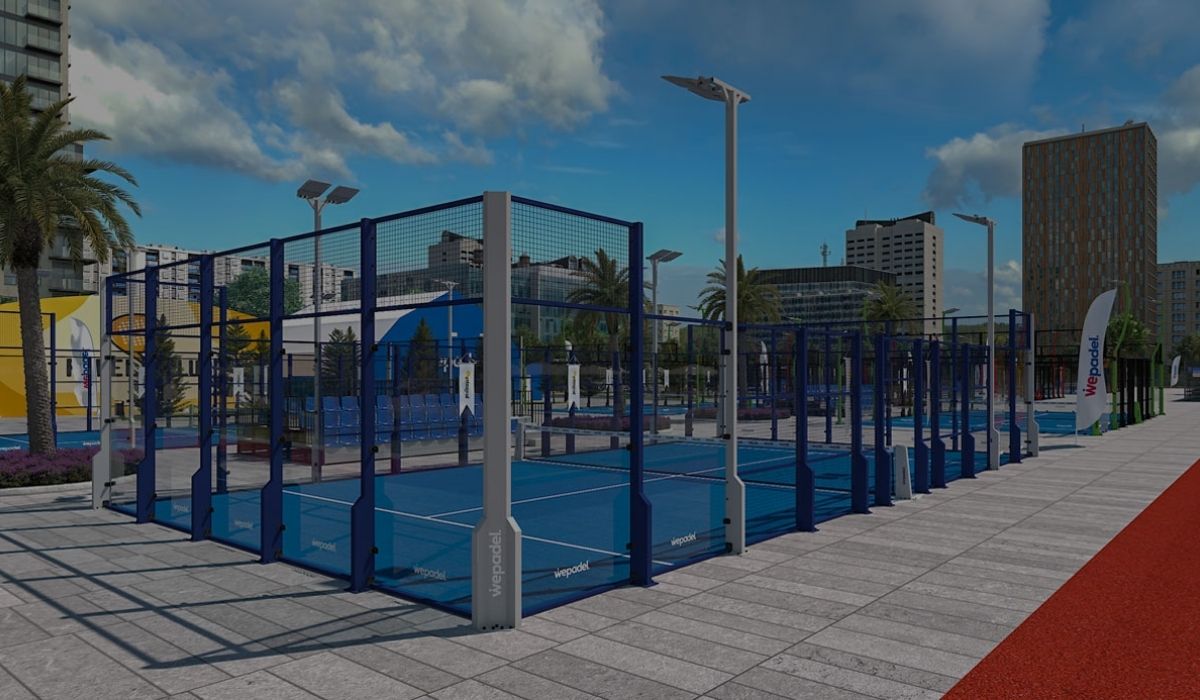
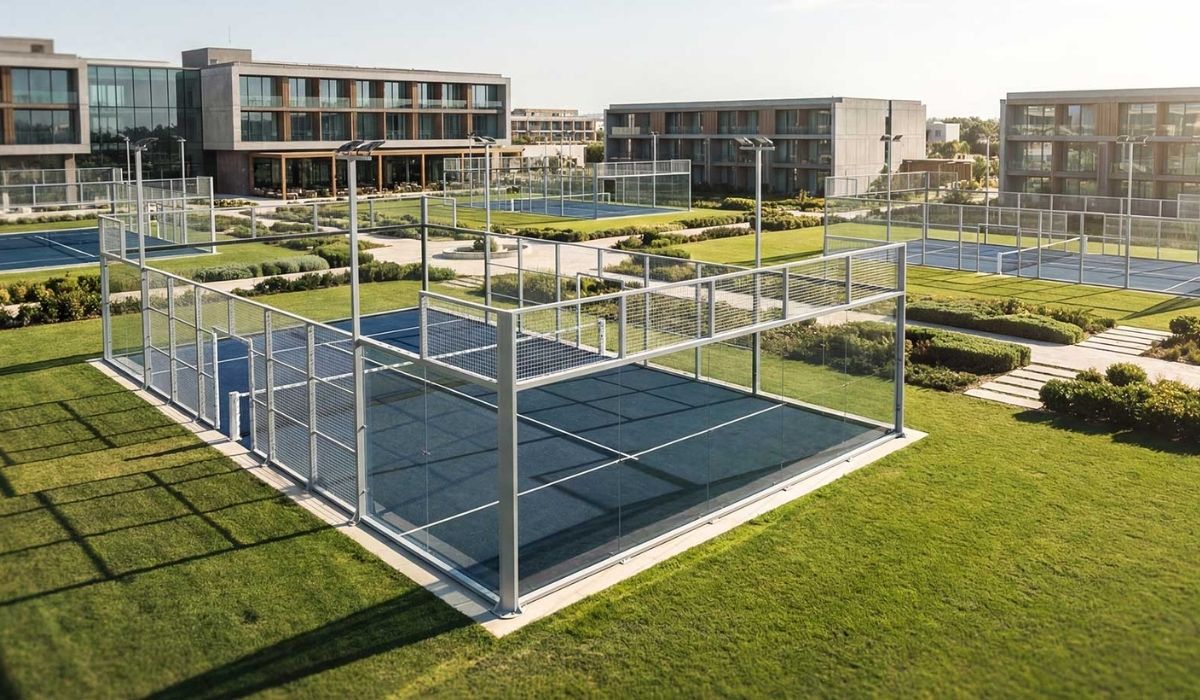
The wide viewing angle of panoramic models can provide advantages in terms of spectator experience, video recording, broadcasting, sponsorship visibility and the perception of a premium facility. However, investors should compare the additional cost of a panoramic model with the pricing power available in their market. Selecting a technical package that exceeds local needs in a location where users are not prepared to pay extra for higher quality may result in inefficient use of capital.
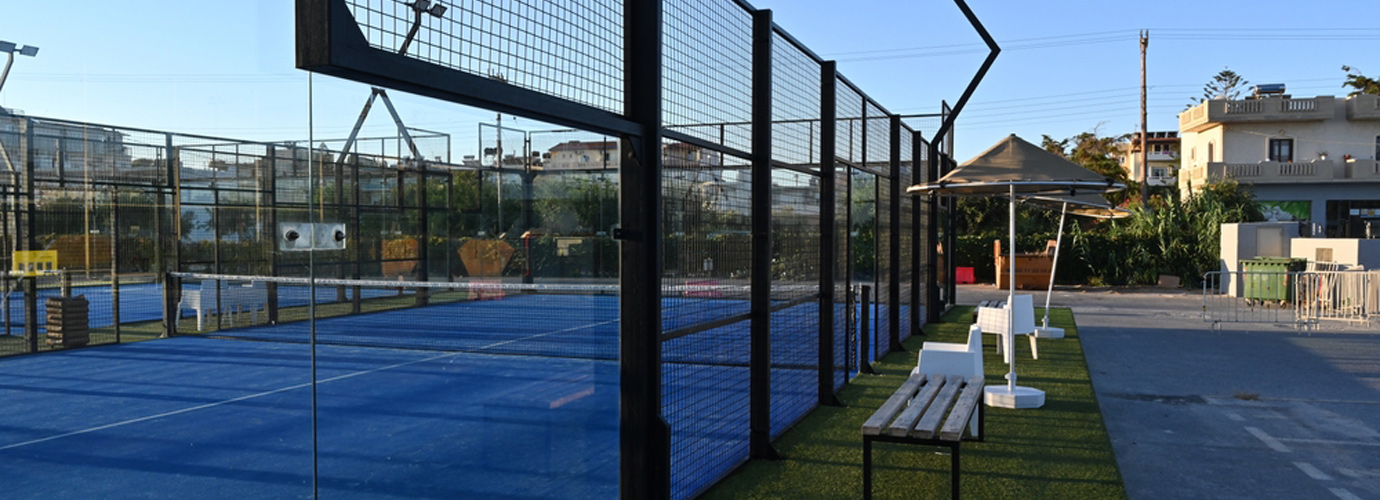
Depending on the model, the key technical features of WePadel courts include 10 or 12 mm tempered glass; a steel structure protected by hot-dip galvanisation or electrostatic oven-cured powder coating applied after surface preparation; synthetic turf made from special PE raw material with UV additives; high-capacity drainage; professional LED lighting; and a court-specific QR code identity that provides access to online certification information. WePadel product pages specify a standard lighting level of 200 lux and eight 200 W floodlights for many models.
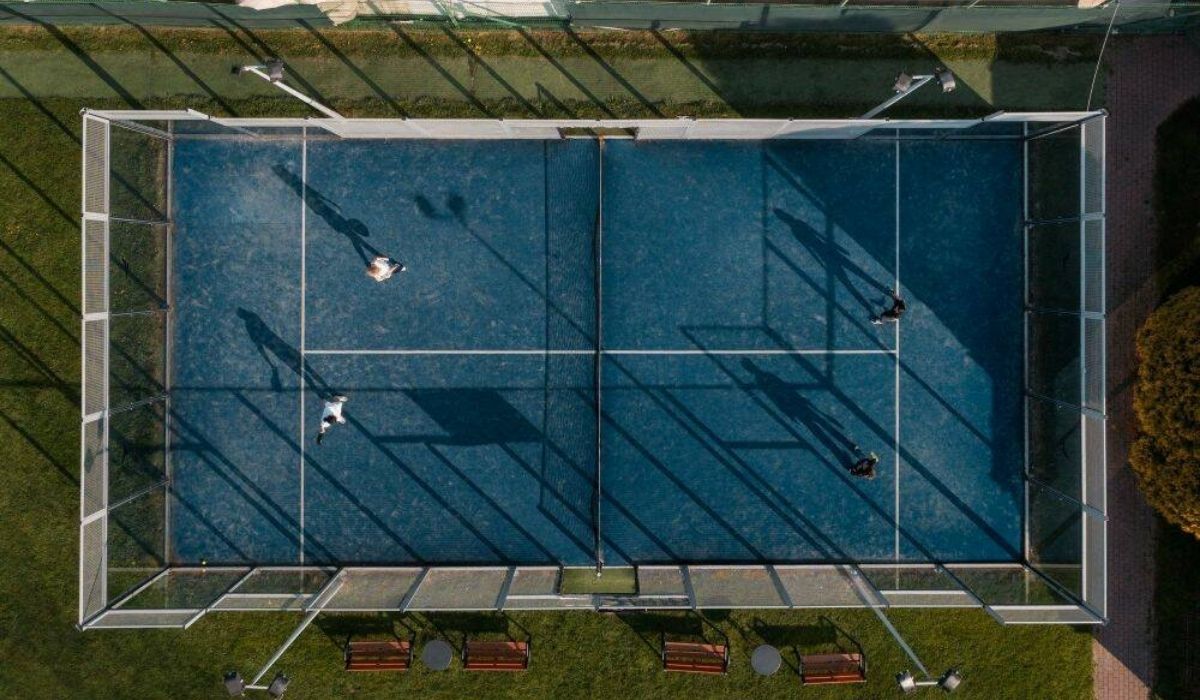
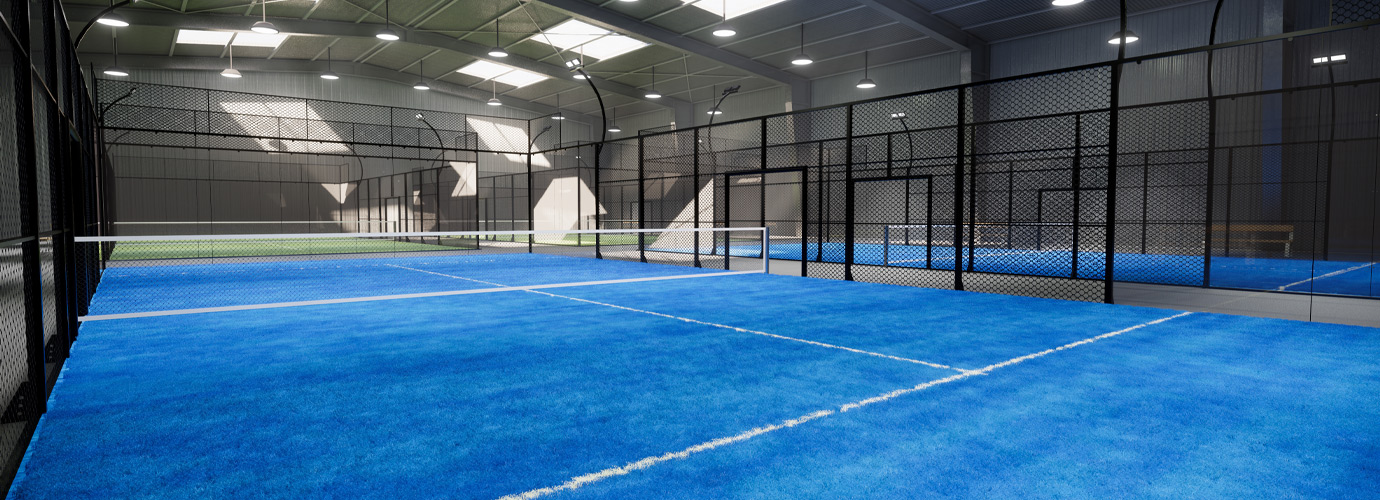
The internal playing area of a standard doubles padel court is 10 x 20 metres. Glass, metal mesh, net, playing surface and lighting are not independent components, but a single system that jointly determines playing performance and safety. For this reason, court quality cannot be assessed correctly by looking only at glass thickness or steel profile dimensions; connection details, anchor reactions, corrosion protection, surface levelness, drainage and calculations for local wind and snow loads must also be examined.
Roofed Padel Courts and Padel Court Covering Systems
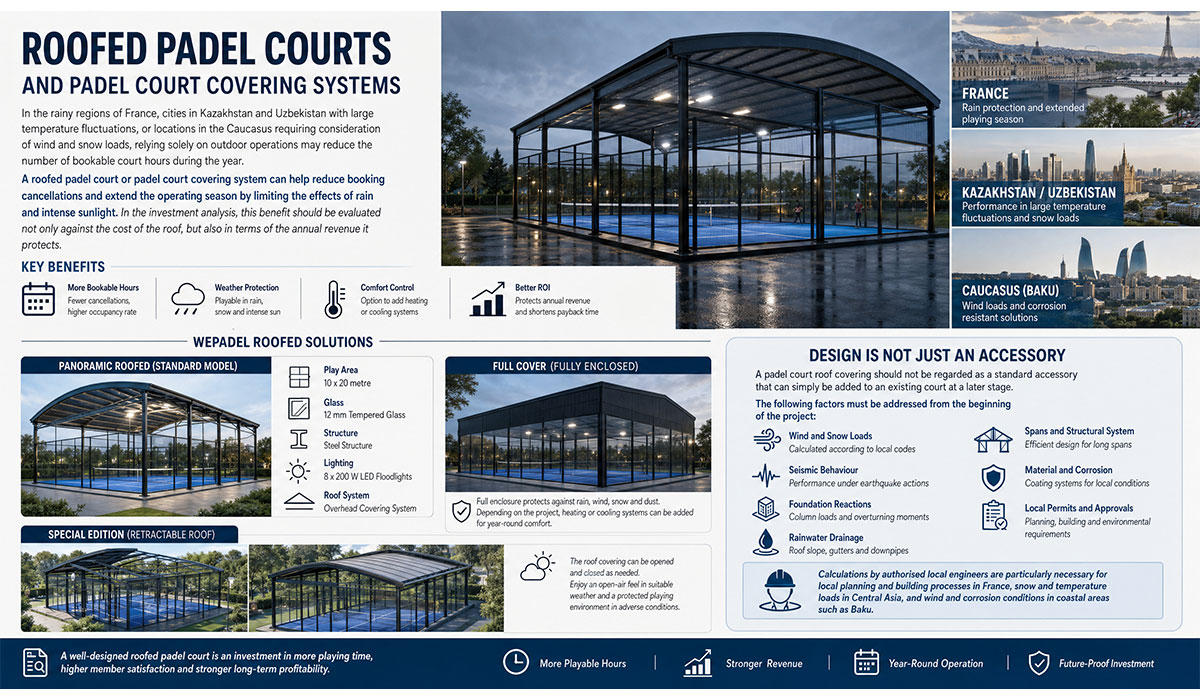
In the rainy regions of France, cities in Kazakhstan and Uzbekistan with large temperature fluctuations, or locations in the Caucasus requiring consideration of wind and snow loads, relying solely on outdoor operations may reduce the number of bookable court hours during the year. A roofed padel court or padel court covering system can help reduce booking cancellations and extend the operating season by limiting the effects of rain and intense sunlight. In the investment analysis, this benefit should be evaluated not only against the cost of the roof, but also in terms of the annual revenue it protects.
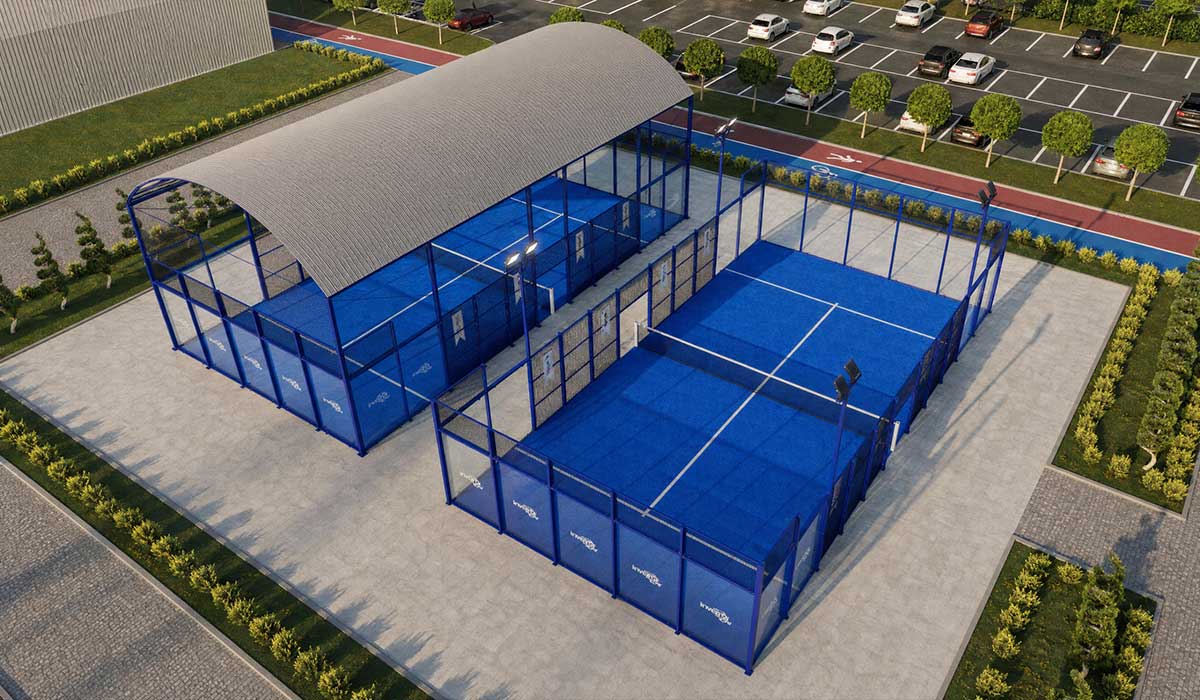
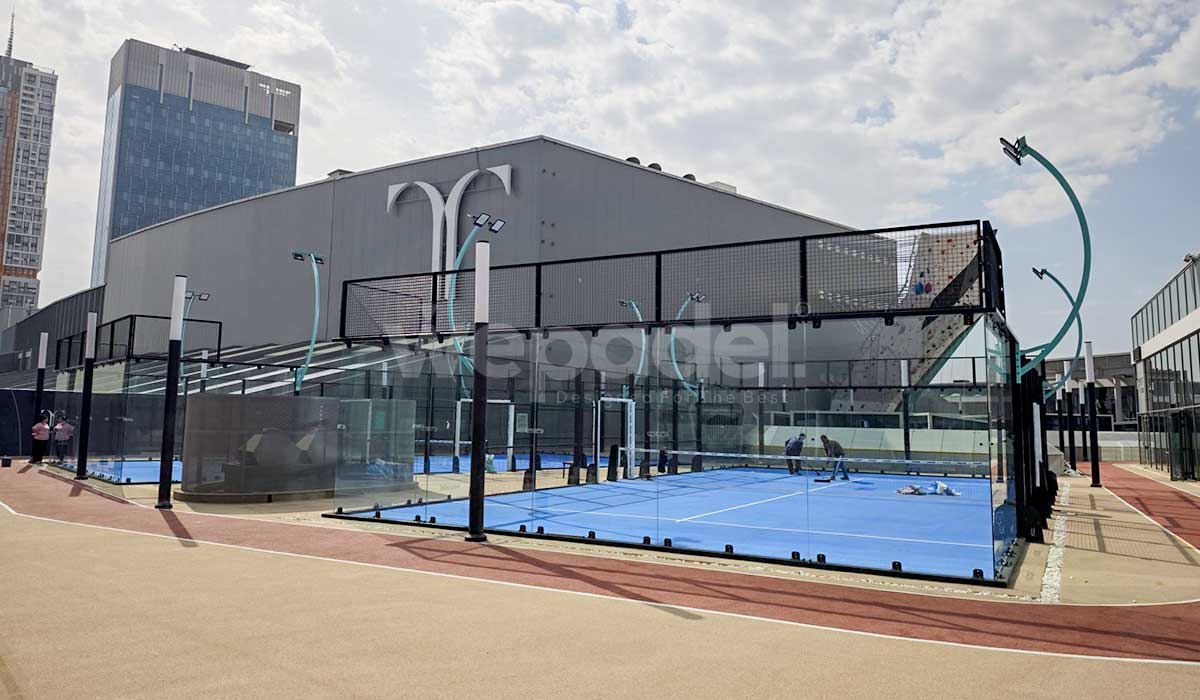
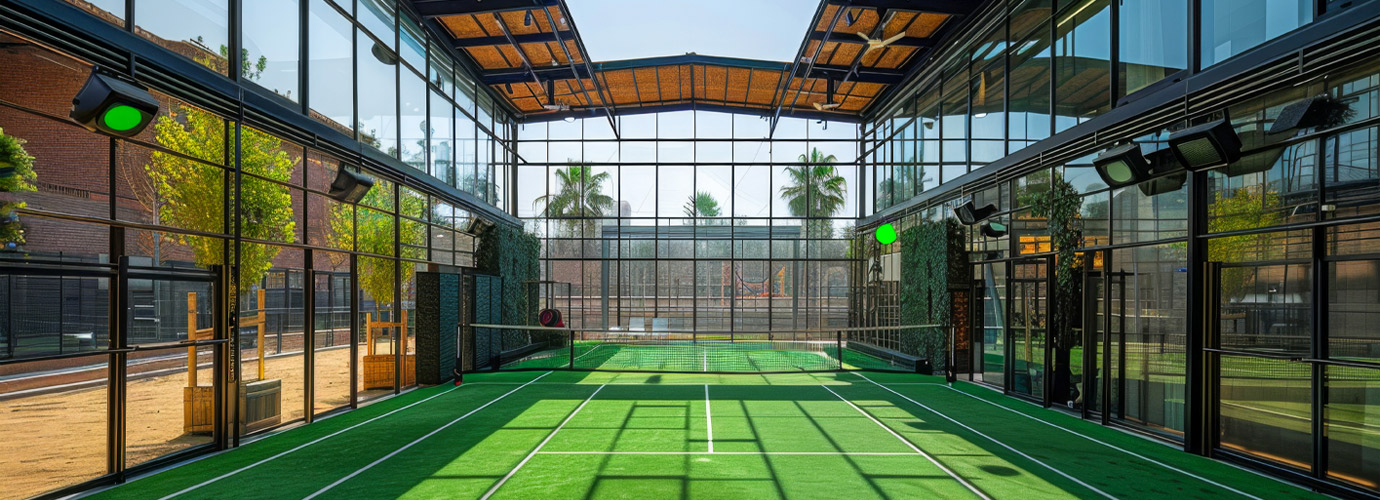
WePadel’s Panoramic Roofed model is designed with a 10 x 20 metre playing area, 12 mm tempered glass, a steel structure, eight 200 W floodlights and an overhead covering system. With the Full Cover solution, the court can be fully enclosed and, depending on the project, a heating or cooling system can be added. In the Special Edition model, the roof covering can be opened and closed, providing an open-air feel in suitable weather and a protected playing environment in adverse conditions.
However, a padel court roof covering should not be regarded as a standard accessory that can simply be added to an existing court at a later stage. Wind and snow loads, seismic behaviour, foundation reactions, rainwater drainage, spans, material corrosion and local permits must be addressed at the beginning of the project. Calculations by authorised local engineers are particularly necessary for local planning and building processes in France, snow and temperature loads in Central Asia, and wind and corrosion conditions in coastal areas such as Baku.
How Much Does Padel Court Construction Cost in 2026?
According to the reference budgets in WePadel’s 2026 investment guide, the estimated starting level is approximately €36,000 for a standard padel court, approximately €70,000 for a standard roofed padel court, and approximately €120,000 for an enclosed court requiring special engineering and design. These figures are not binding quotations, but approximate budget values that can be used in preliminary investment feasibility studies.
|
Investment type |
Reference starting budget |
|
Standard outdoor padel court |
Approximately €36,000 |
|
Standard roofed padel court |
Approximately €70,000 |
|
Custom enclosed court |
Approximately €120,000 |
*Final cost: The amount varies depending on the selected court model, steel and glass system, corrosion protection, synthetic turf, lighting, canopy or building solution, transport, customs, crane requirements, installation, local labour and ground infrastructure. When evaluating a quotation, it should be clearly stated whether VAT, foundation and concrete works, drainage, electrical supply, permits, professional services, social areas and start-up capital are included in the price.
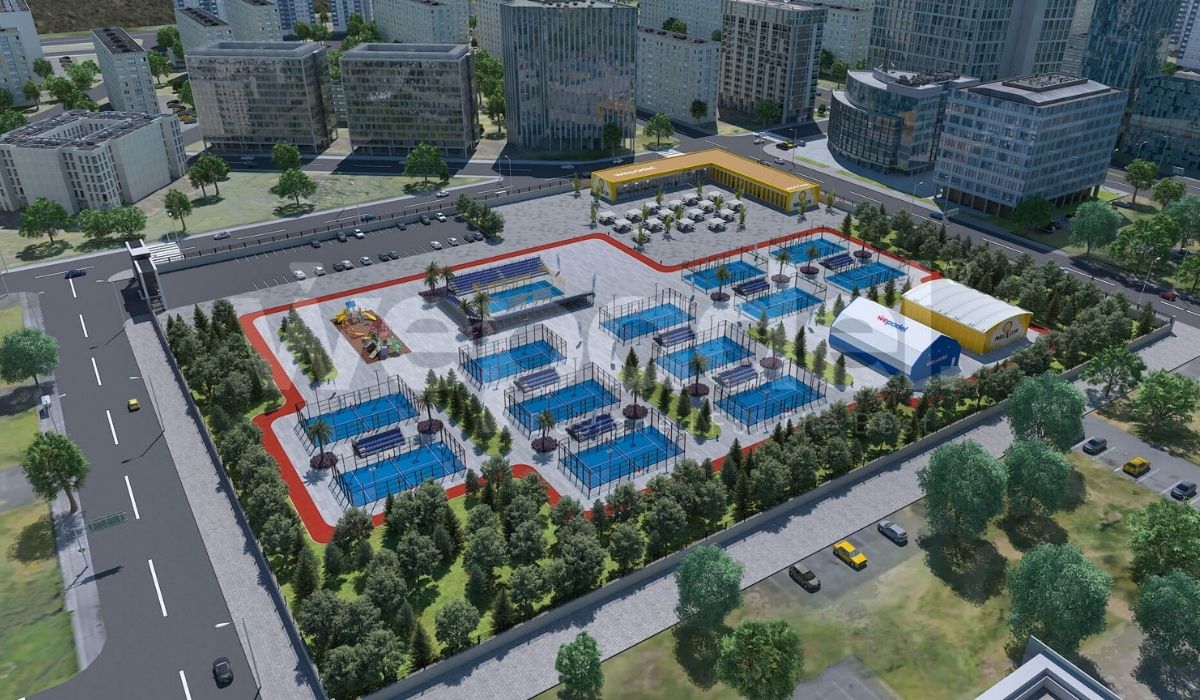
For example, in a four-court club, it is not enough to calculate only the reference total of the court packages. Reception, changing areas, showers, café, storage, parking, landscaping, booking software, furniture, staff training and launch marketing should be budgeted separately. From an investor’s perspective, the right question is not “How many euros does one court cost?” but “What are the total cost and scope required to open the facility ready to generate revenue?”
Padel Court Installation Process and Construction Timeline
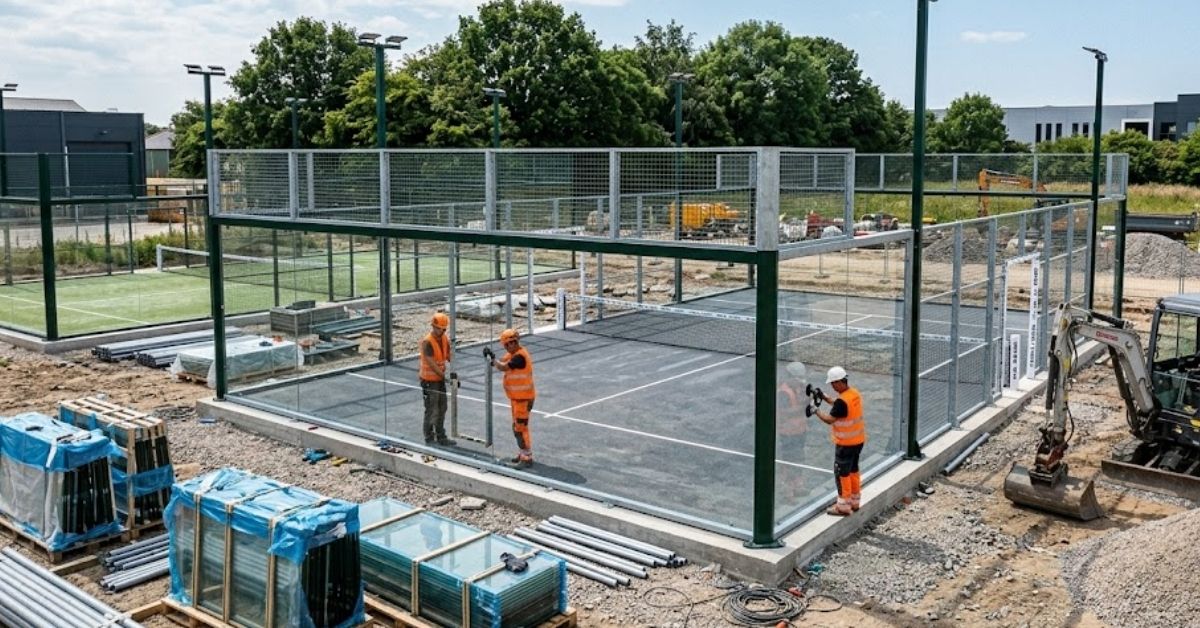
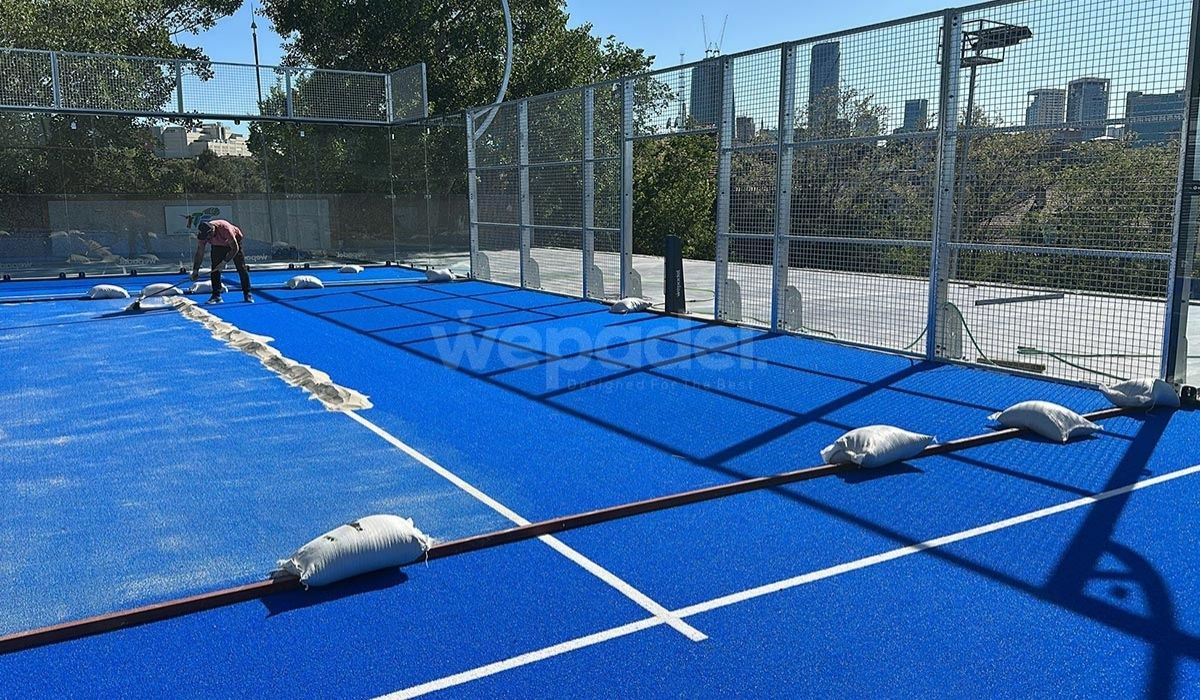
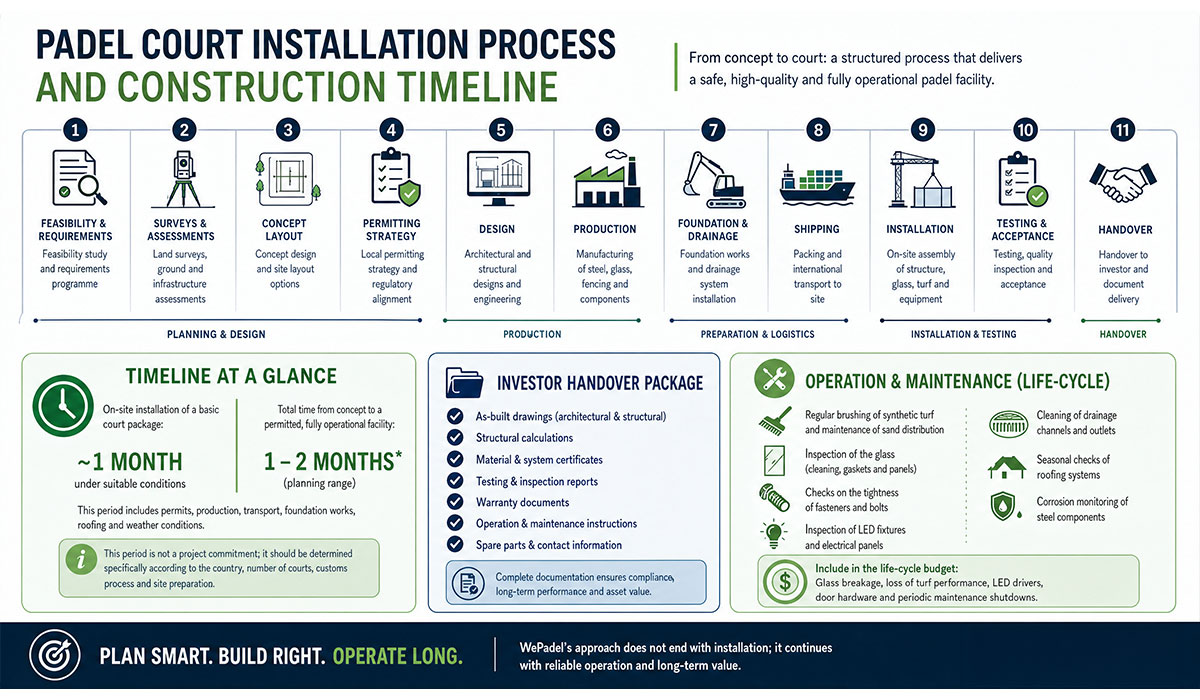
A professional project begins with the preparation of a feasibility study and a requirements programme. This is followed by land surveys, ground and infrastructure assessments, concept layout, local permitting strategy, architectural and structural designs, production, foundation and drainage works, shipping, installation, testing and acceptance. At handover, drawings, calculations, certificates, warranty documents and maintenance instructions should be provided to the investor.
Although the on-site installation of a basic court package can be completed in approximately one month under suitable conditions, the period investors should consider is the total time from the initial concept to a permitted, fully operational facility ready to open. WePadel’s investment guide recommends using a planning range of 1 to 2 months during the early feasibility stage, including permits, production, transport, foundation works, roofing and weather conditions. This period is not a project commitment; it should be determined specifically according to the country, number of courts, customs process and site preparation.
In WePadel’s approach, the process does not end with installation. After court delivery, plans should be made for regular brushing of the synthetic turf and maintenance of sand distribution, inspection of the glass, checks on the tightness of fasteners, inspection of LED fixtures and electrical panels, cleaning of drainage channels, seasonal checks of roofing systems and corrosion monitoring. Glass breakage, loss of turf performance, LED drivers, door hardware and periodic maintenance shutdowns should be included in the life-cycle budget.
A Profitable Padel Club Is Built on Community, Not Courts
A high-quality court brings customers to the facility; a well-managed community keeps them coming back. Building a coaching team before opening, matching players according to their levels, organising trial days, establishing agreements with companies and preparing the booking system can help occupancy rates grow more quickly. WePadel’s investment guide also identifies postponing the community, coaching and booking plan until after opening as a major investment mistake.
France has a rapidly growing customer base with rising quality expectations, while Kazakhstan, Uzbekistan, Georgia and Azerbaijan are early-stage markets where brand loyalty is still forming. Therefore, the opportunity for investors is not limited to court rental income. It is possible to establish the region’s benchmark padel club, build the first strong academy, host national and international tournaments, and combine sport and social life within the same facility. The high numbers of players and courts in France, together with Almaty, Baku and Tbilisi appearing on the FIP tournament calendar, point to two different but complementary investment scenarios: premium positioning in a developed market and early positioning in a developing market.
Under a single manufacturer, WePadel offers outdoor, panoramic, roofed and fully enclosed court options, canopy solutions engineered according to local climate and engineering conditions, and comprehensive club concepts. Projects completed in Paris, Tashkent, Tbilisi and Baku demonstrate the brand’s international implementation experience across Europe, Central Asia and the Caucasus, from manufacturing through installation. With the right feasibility study, the right product and a strong operating plan, a padel investment can become not merely a new sports facility, but the centre of a continuously growing community.