

20/07/2026

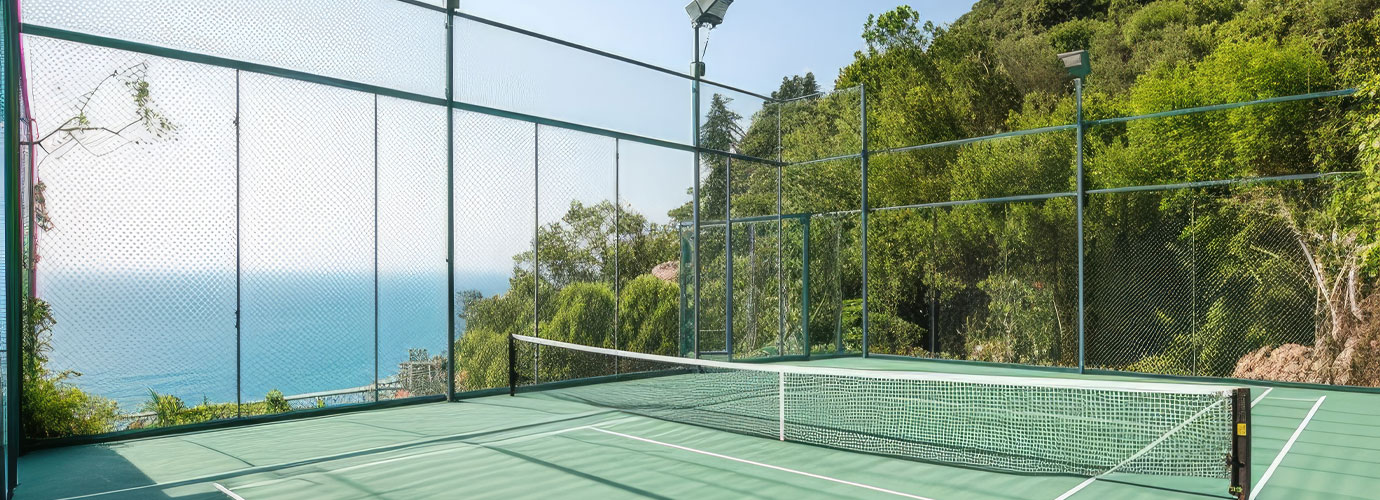
For entrepreneurs starting a padel club construction project, the very first step is finding the right land and analyzing its physical conditions. The compact structure of padel courts offers the advantage of generating much higher revenue per square meter compared to traditional tennis courts. However, the soil characteristics, environmental factors, and structural requirements of the installation area directly determine the overall padel court cost.
In this guide, we examine all the technical details you need to know, from land selection to infrastructure engineering, to build a professional-grade court from scratch.
Standard Padel Dimensions and Crucial Space Margins
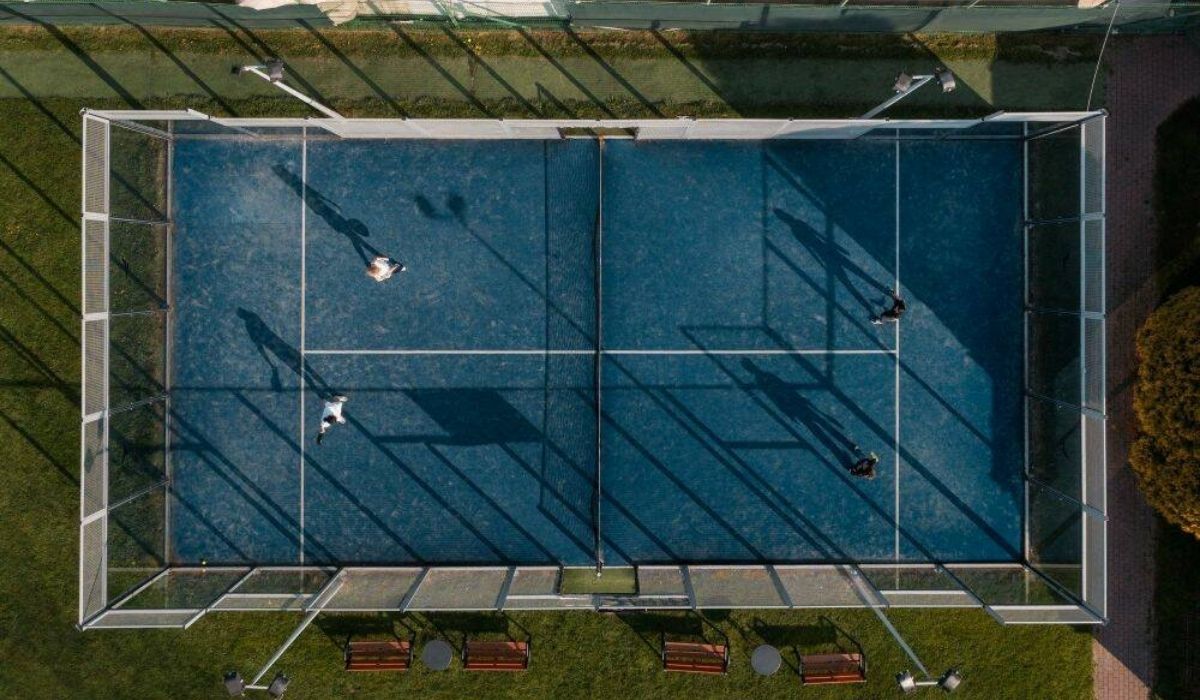
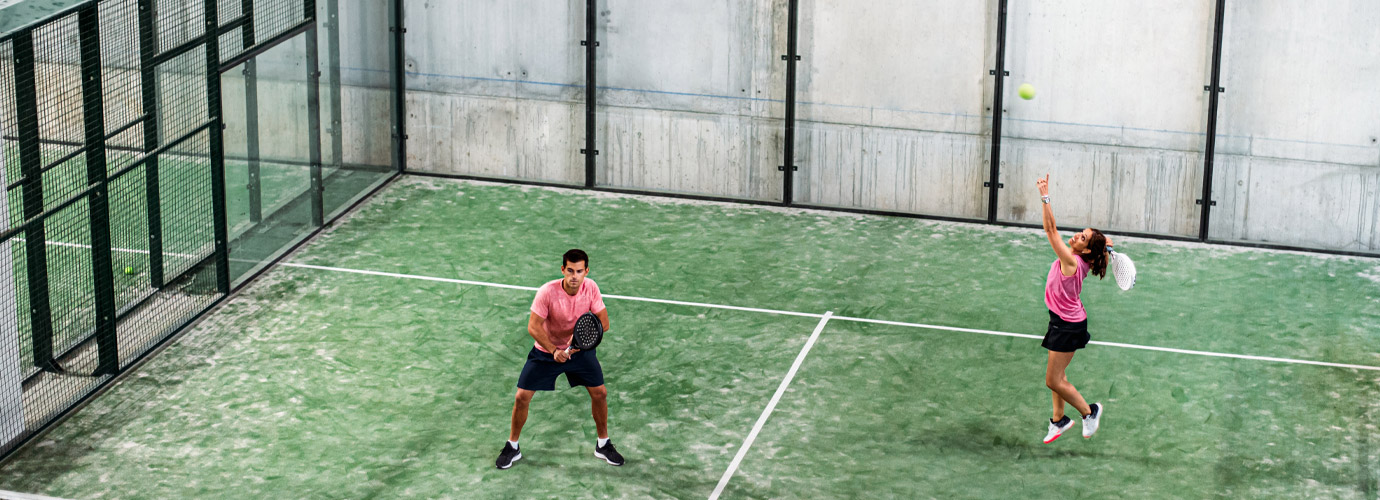
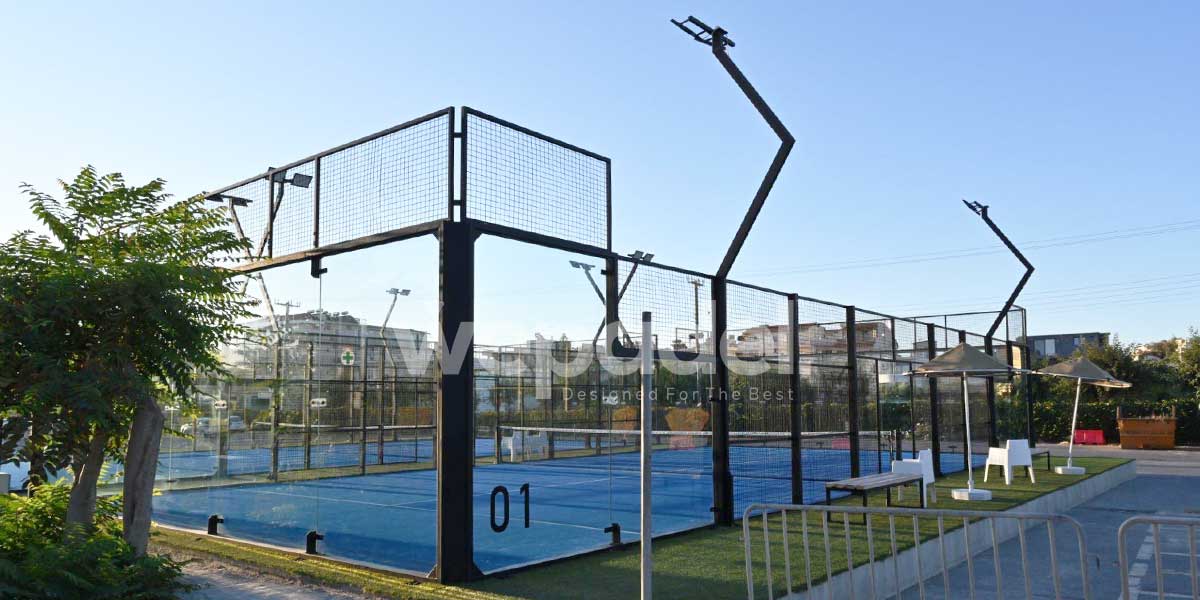
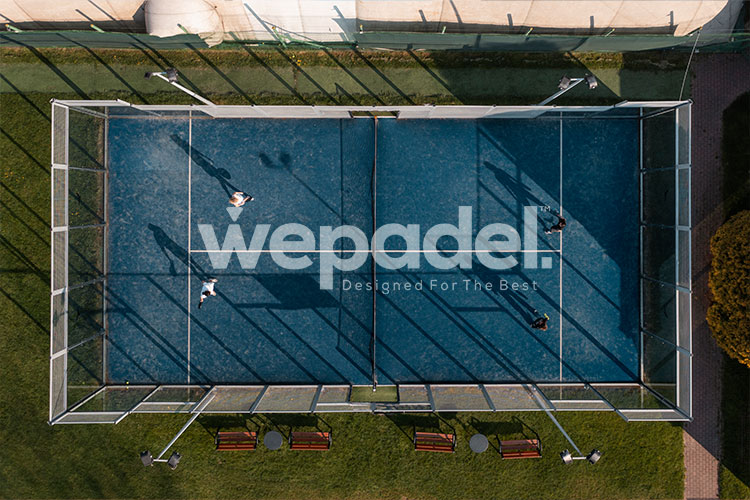
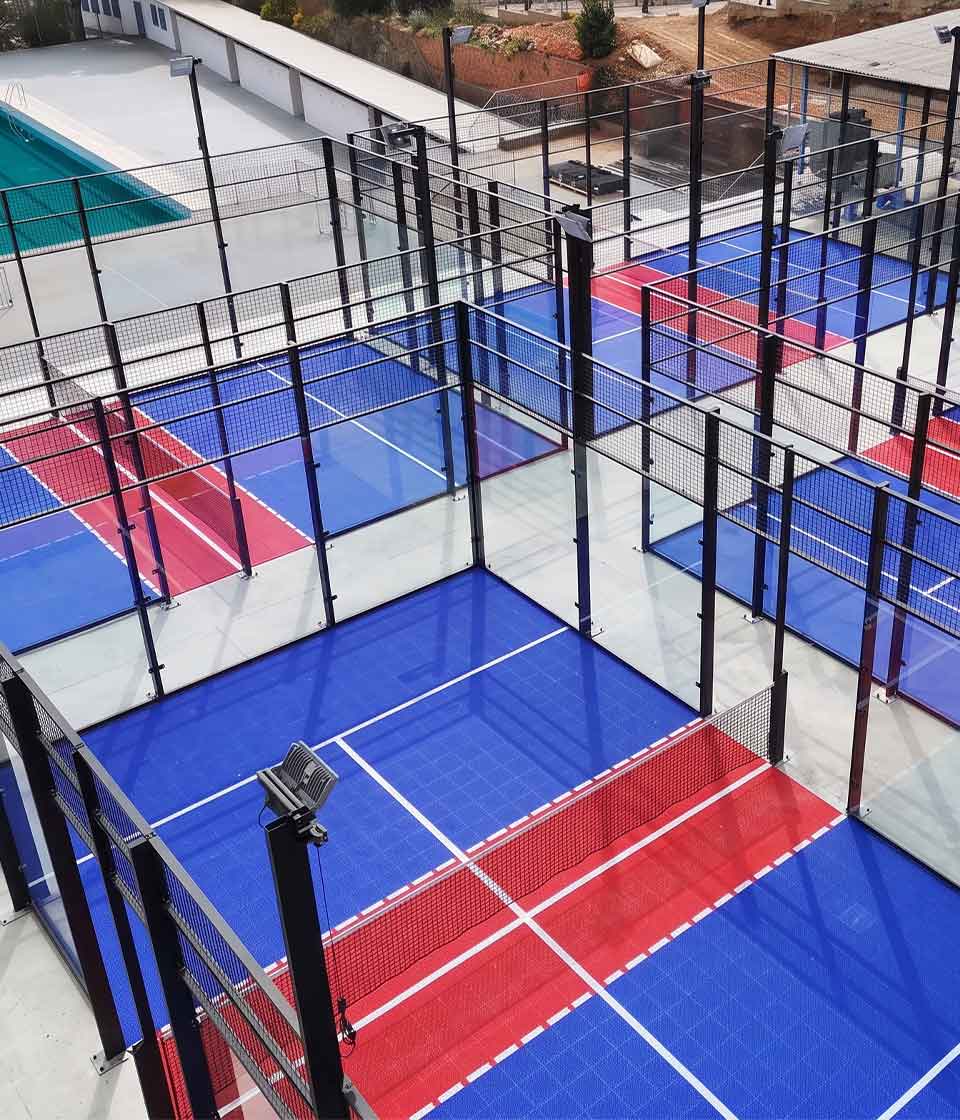
According to International Padel Federation (FIP) standards, the playing area of a professional padel court is exactly 10x20 meters. However, planning land allocation based solely on this measurement is a major engineering mistake.
-
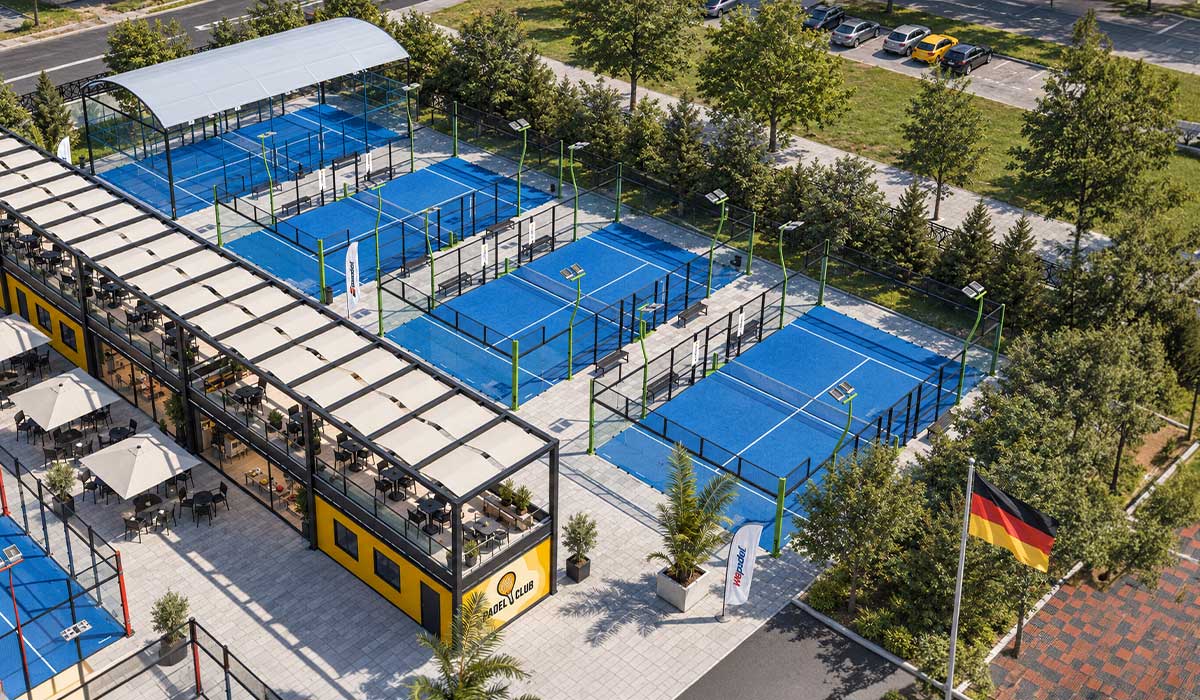
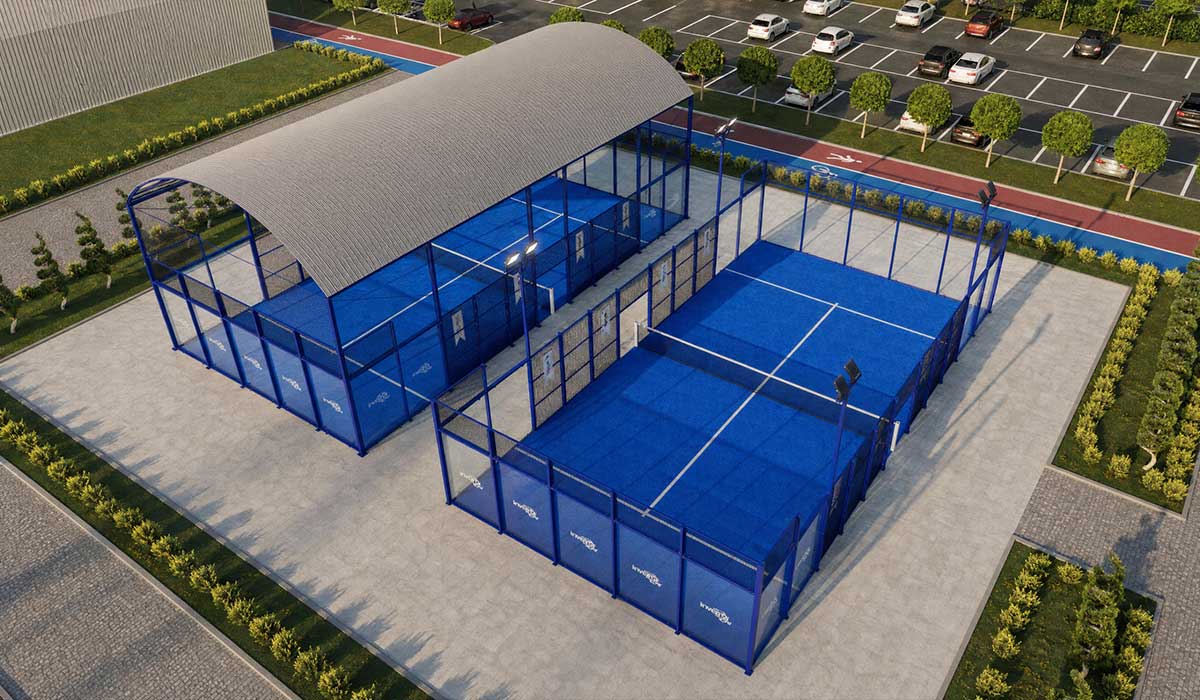
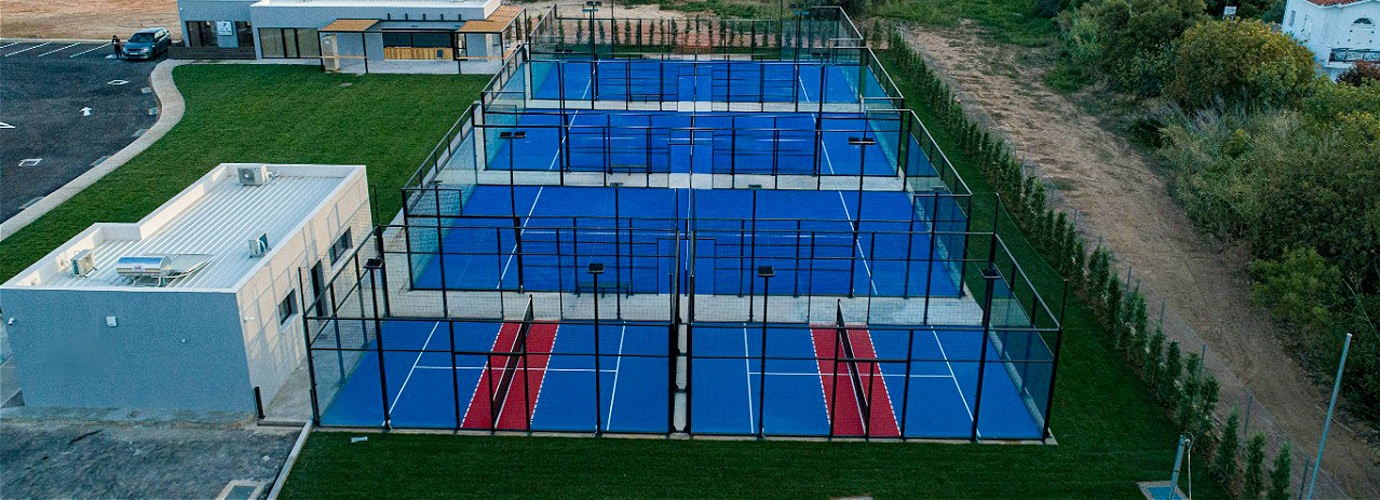
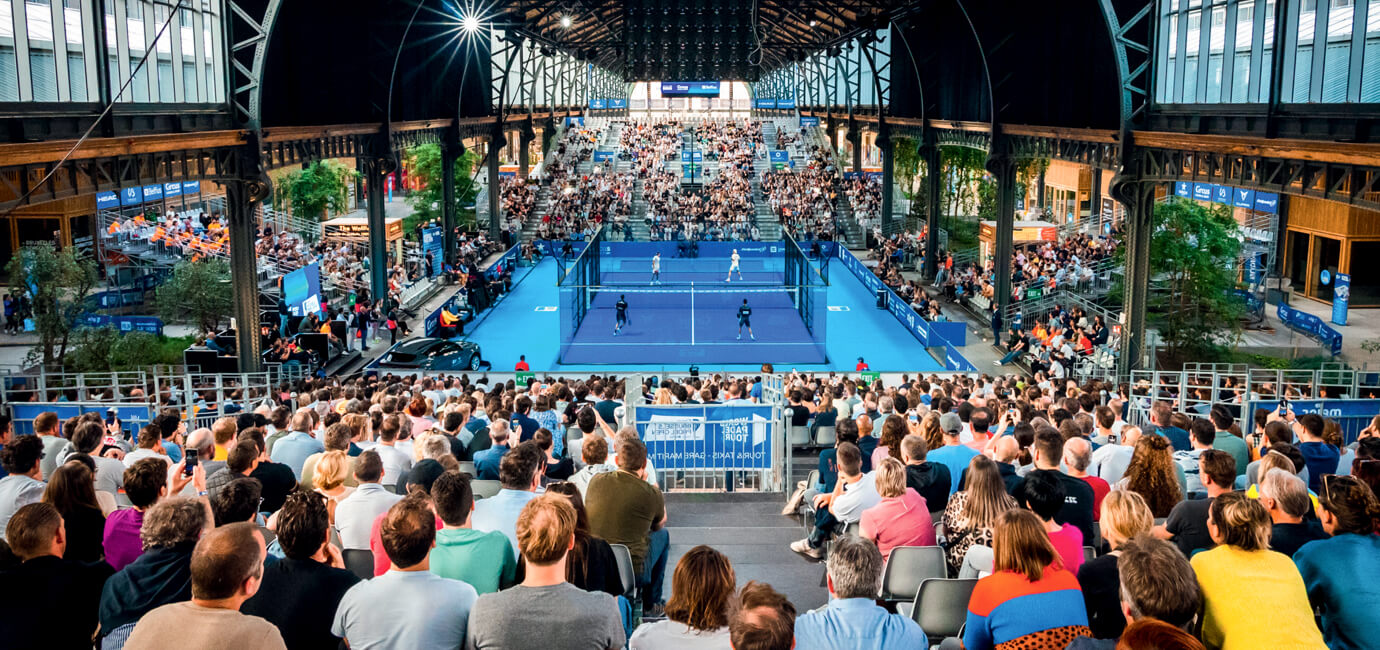
Safety and Out-of-Court Play Margins: In professional tournaments, players must be able to run outside the glass door to keep the ball in play. Therefore, a safety margin of at least 2 meters on the sides and 1.5 meters at the back must be left around each court. When installing two courts side by side, leaving at least 2.5 - 3 meters of space between them is essential for both player safety and spectator corridors.
-
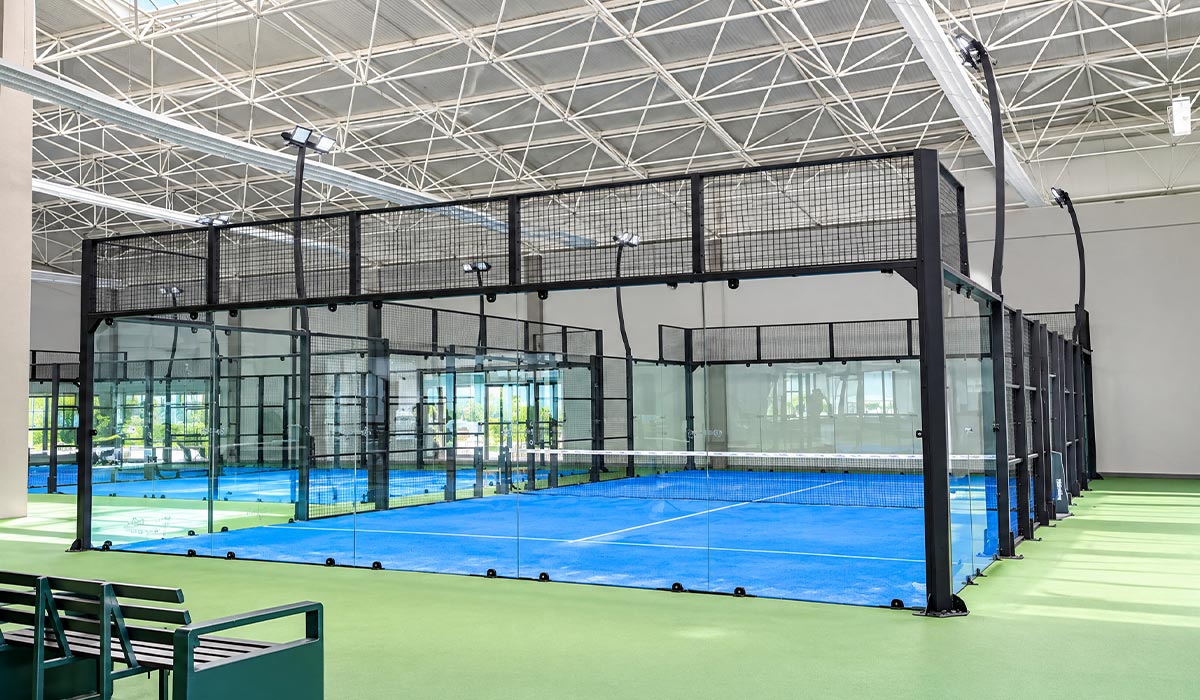
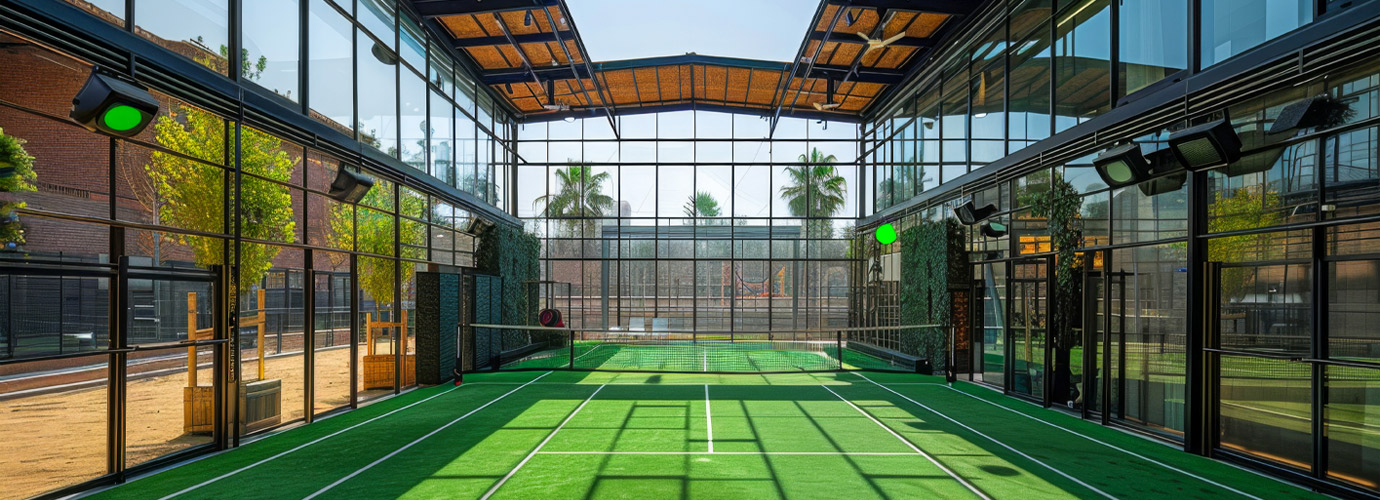
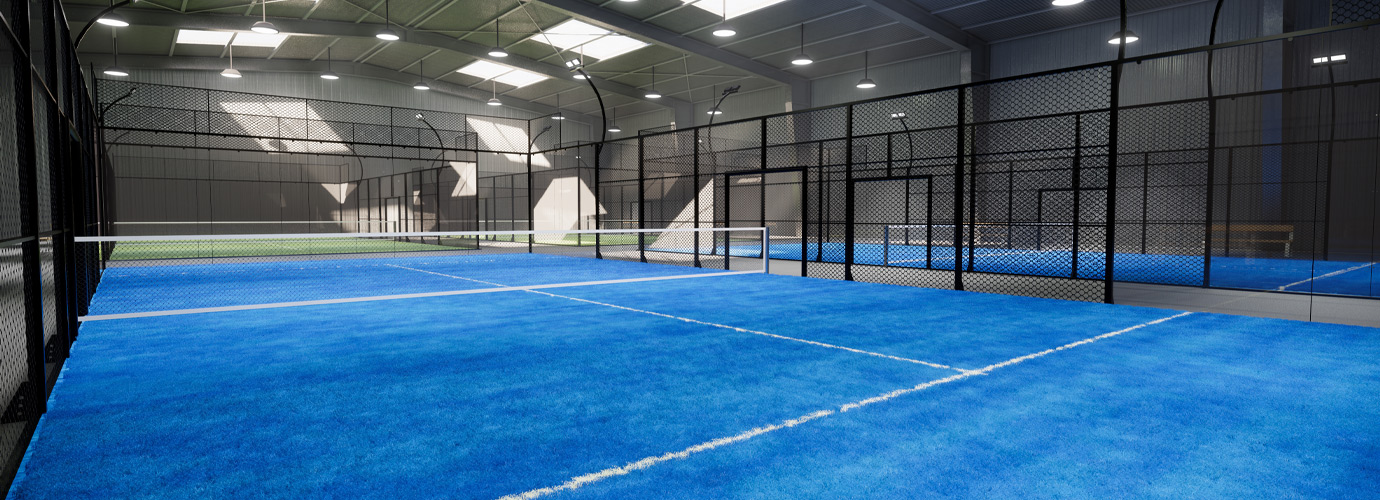
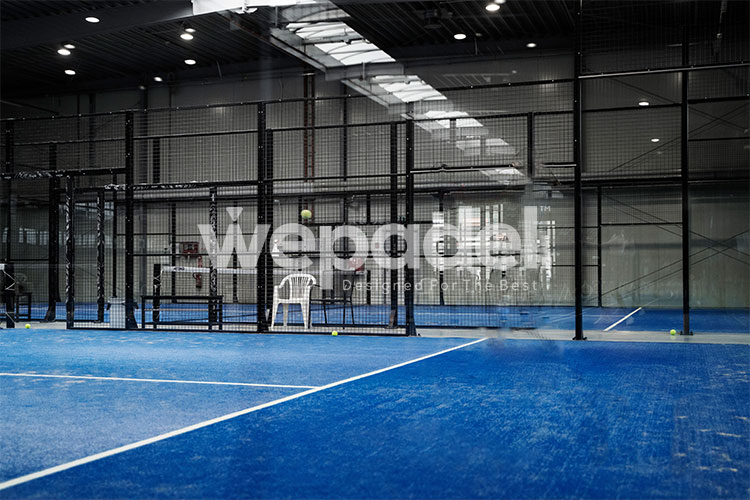
Height Criterion: If you are planning an indoor padel court project or if a steel structure roof will be built over the court, the ceiling height must be a vertical minimum of 6 meters (ideally 8 meters for international tournaments) across the entire playing area.
Critical Engineering Criteria in Land Selection
When choosing land, you should look not only at the commercial appeal of the location but also at its engineering suitability. Before sitting down with a padel court manufacturer, you must analyze these three technical criteria:
Wind Resistance and Structural Calculations
On open land, wind is the biggest threat to court glass. During the padel court construction process, the wind map of the region where the structure will be installed must be drawn. Structural calculations should design steel profiles resistant to wind speeds of at least 120 km/h and flexible connection apparatuses (neoprene gaskets) to absorb the wind load.
Sun Angle and Orientation
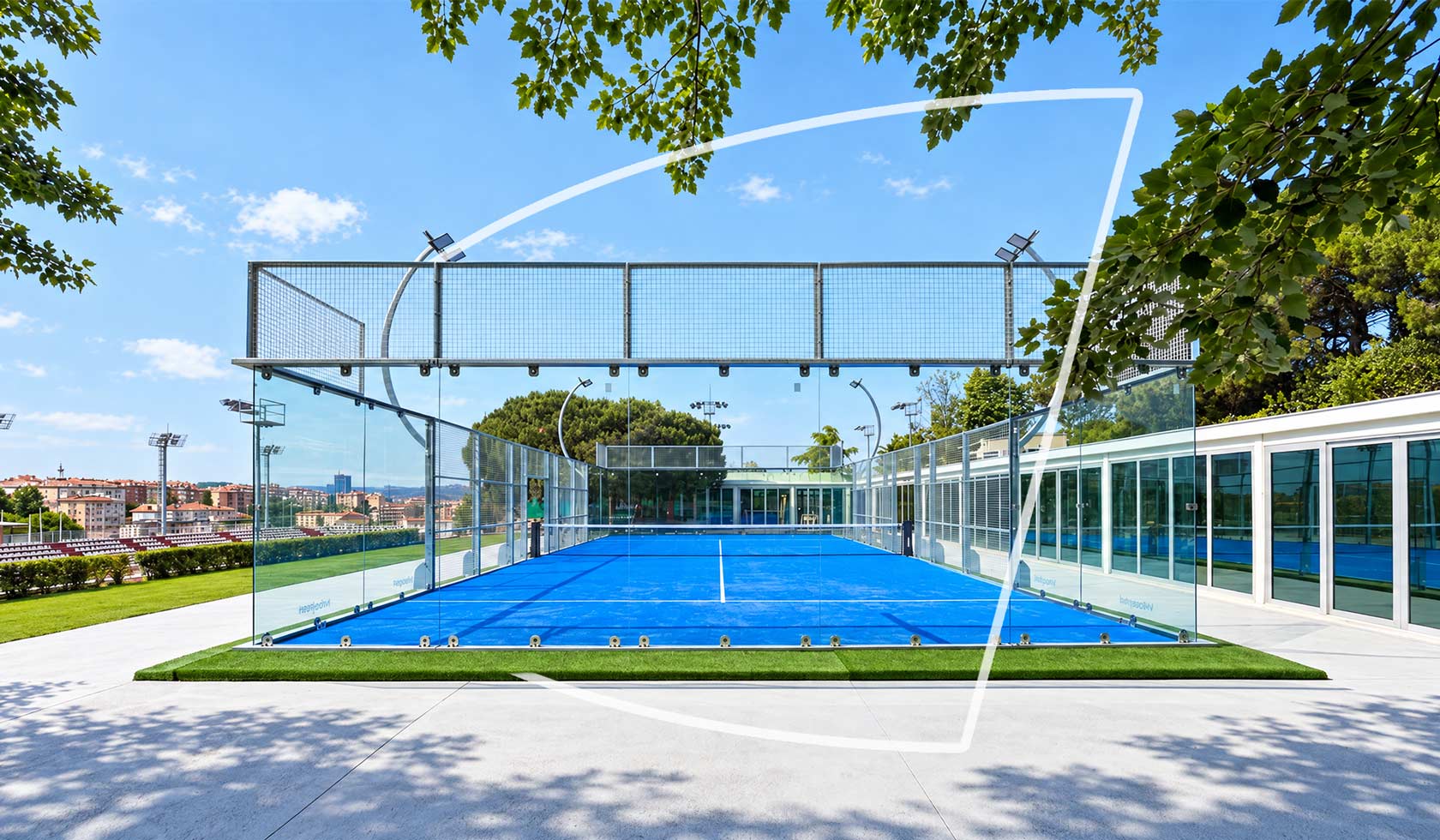
Orientation is of vital importance in outdoor padel court projects. To prevent players from experiencing blind spots due to direct sunlight at sunrise or sunset, the long axis of the courts must be positioned in a North-South direction.
How to Prepare a Flawless Padel Infrastructure
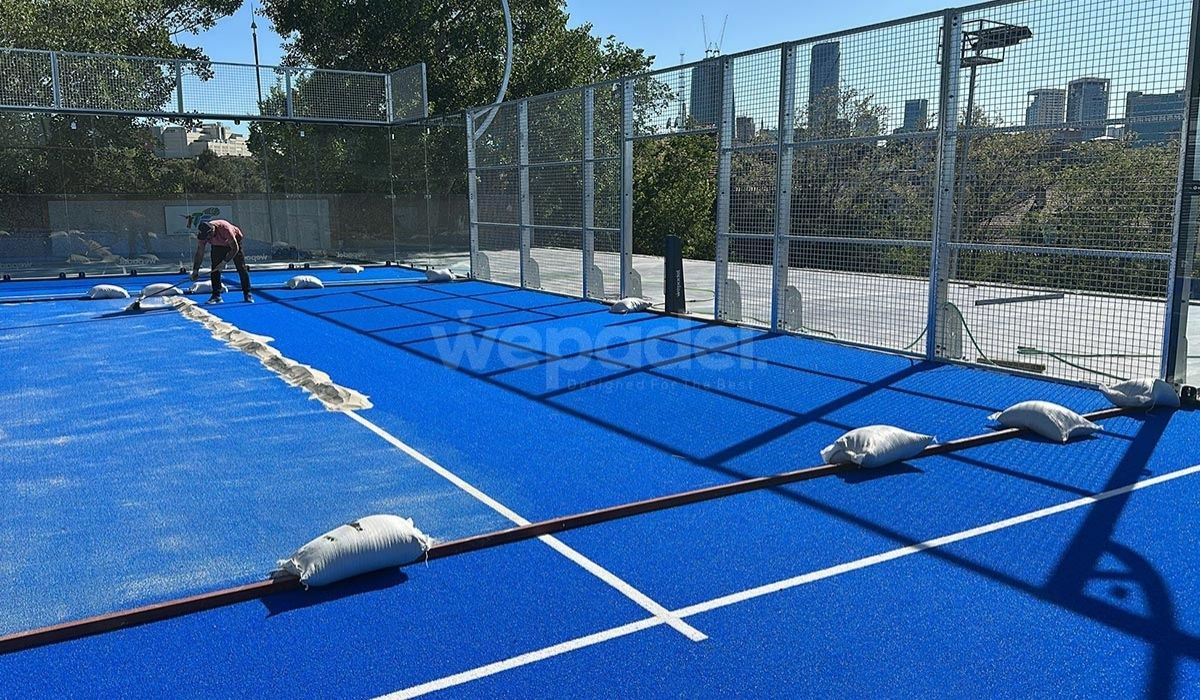
The most important factor determining the lifespan and play quality of a padel court is the infrastructure beneath the ground. The zero-slope rule applies to padel courts. Two main methods are used to achieve this flatness and durability:
-
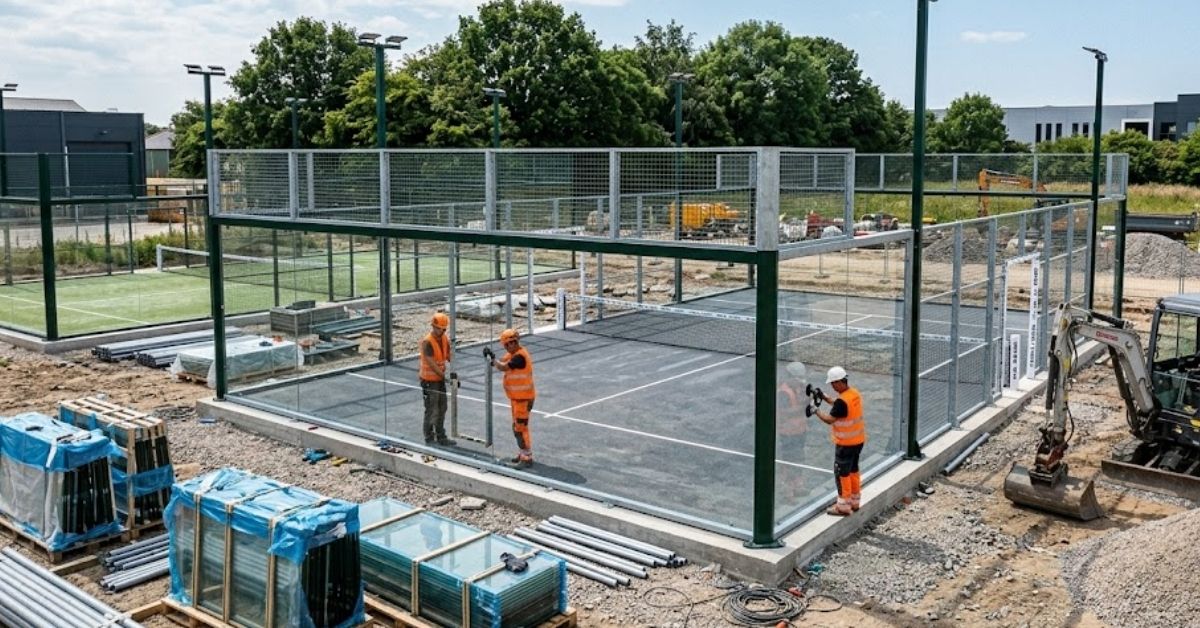
Steel Reinforced Concrete Ground (Recommended): After the soil ground is compacted, mesh steel reinforced concrete of class C25/30 with a minimum thickness of 15 cm is poured. The surface of the concrete is smoothed using the helicopter trowel method so as not to clog the drainage pores under the artificial turf. At this stage, milimetric leveling of the concrete molds is vital, as even the slightest ripple on the surface will cause the ball to bounce irregularly after the turf is laid.
-
Asphalt Application: It is quite comfortable for player joints due to its flexible structure, but a milimetric herringbone slope (0.5%) must be given to ensure drainage, and water evacuation to the side channels must be planned. Heavy construction equipment must fully compact the ground while asphalt is being laid; otherwise, depressions may occur over time with temperature changes.
In a professional padel court building project, even a 2 mm deviation in the infrastructure can cause the glass to warp or water puddles to form on the court over time. For this reason, infrastructure workmanship is the part of the total padel court construction cost budget that should be least compromised. A correct infrastructure planning will extend the lifespan of your investment while eliminating your maintenance costs during the operation process.