26/07/2026

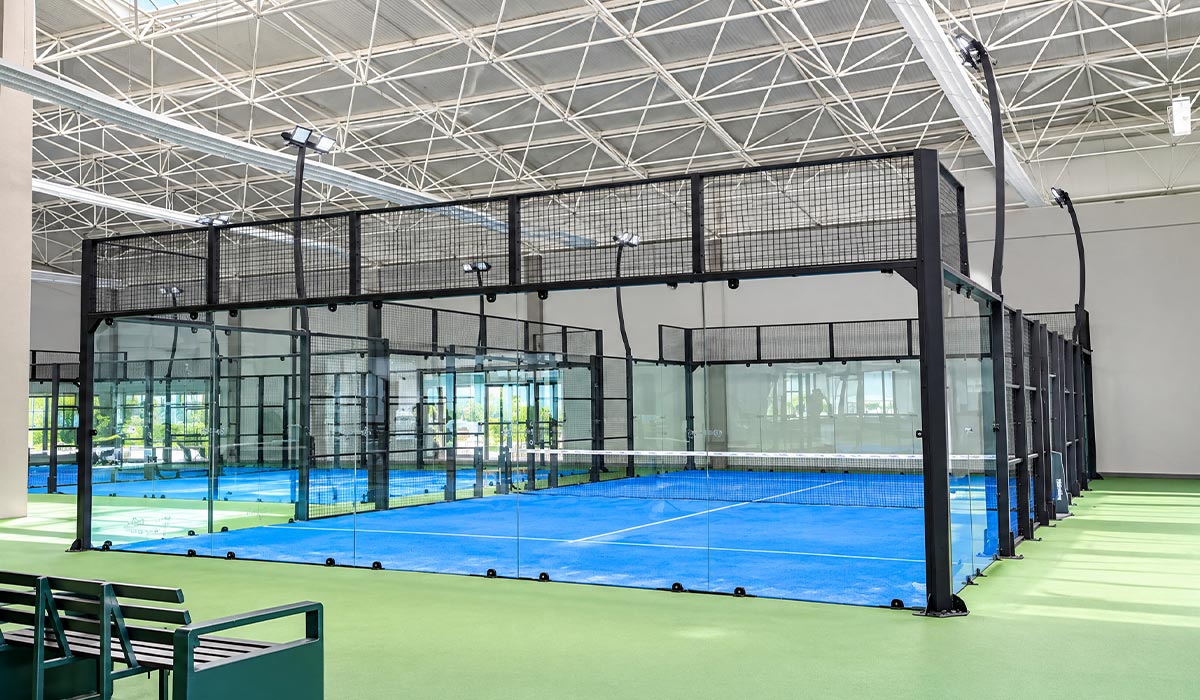
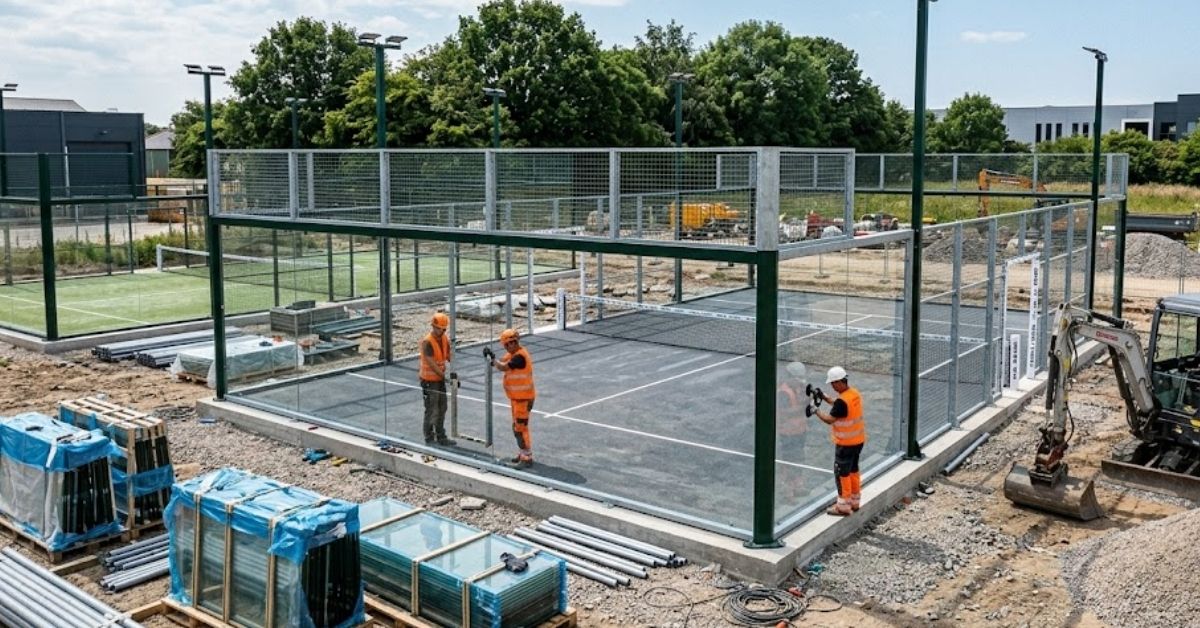
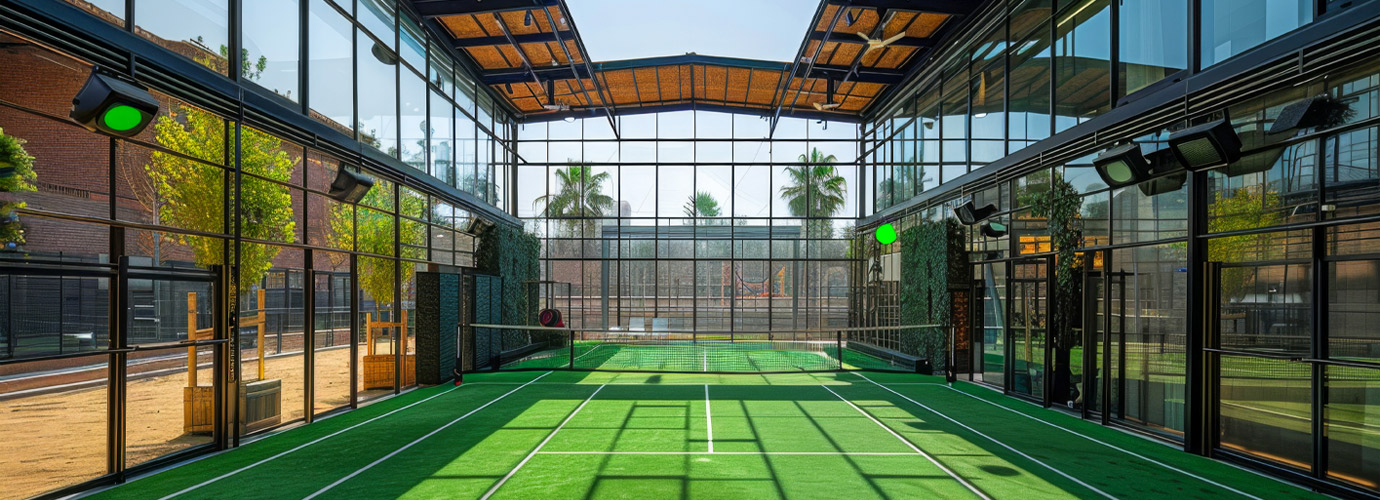
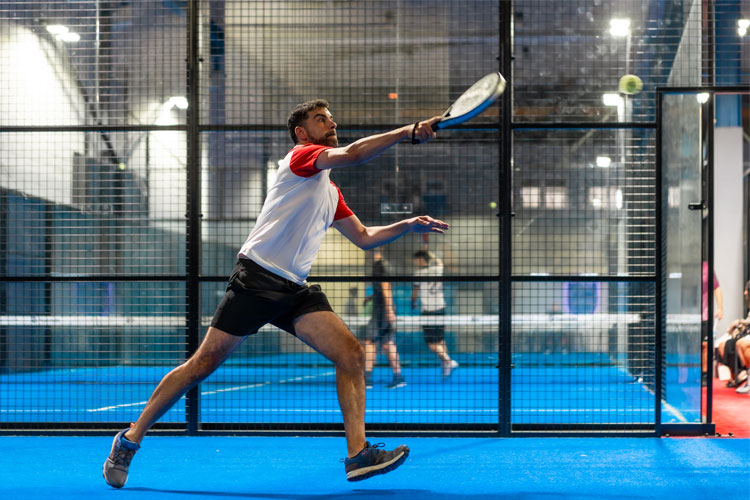
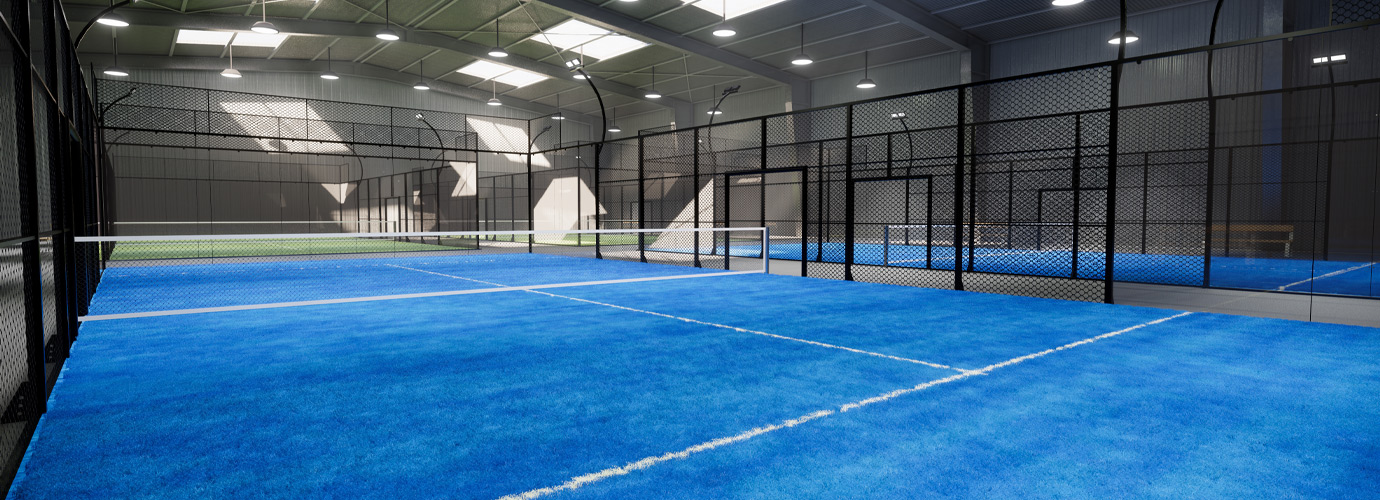
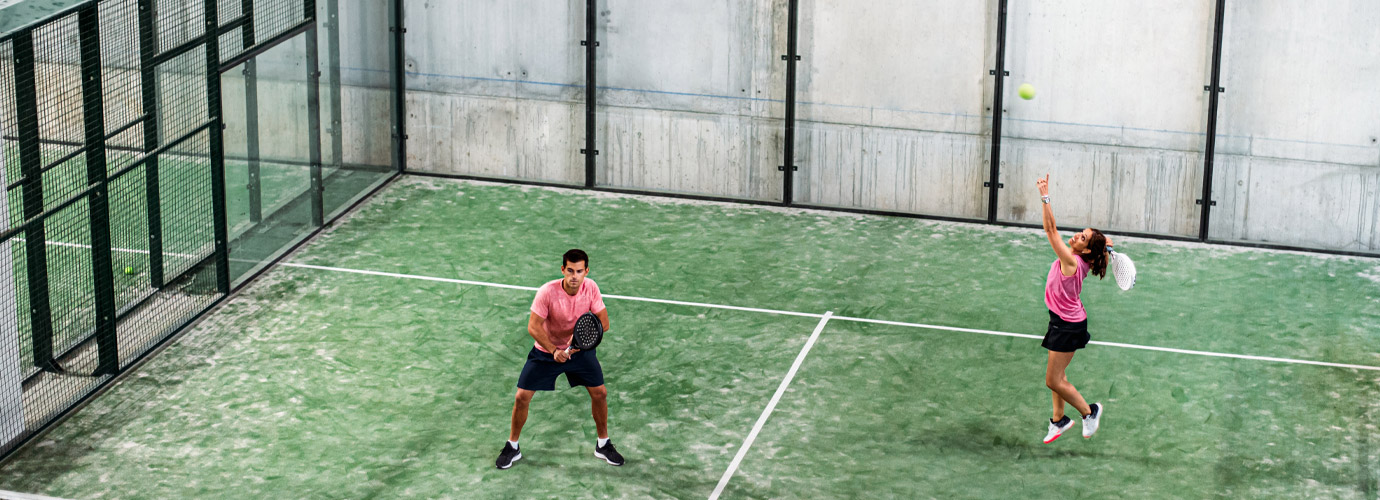
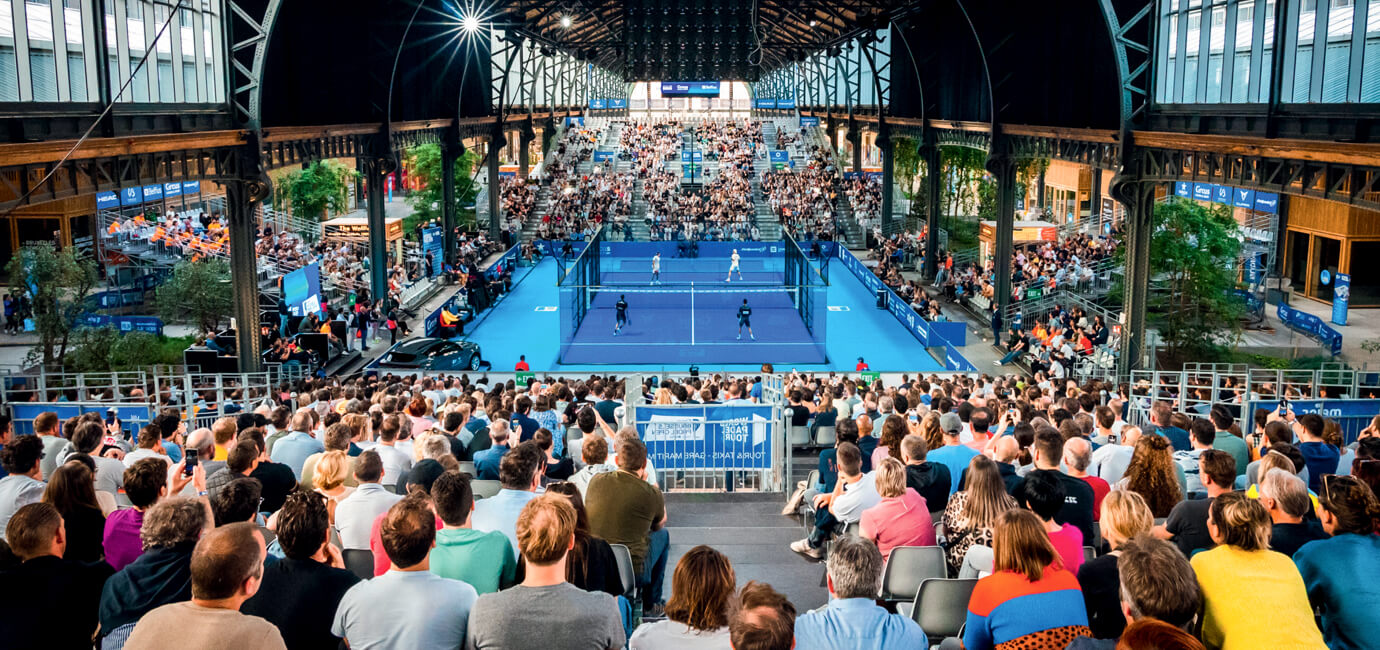
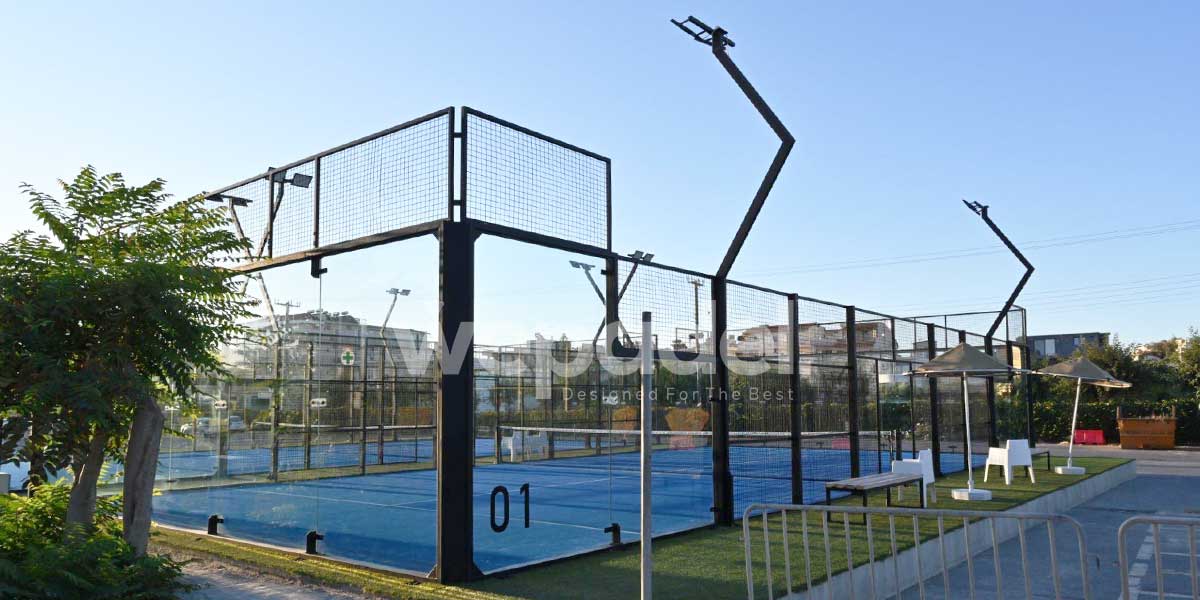
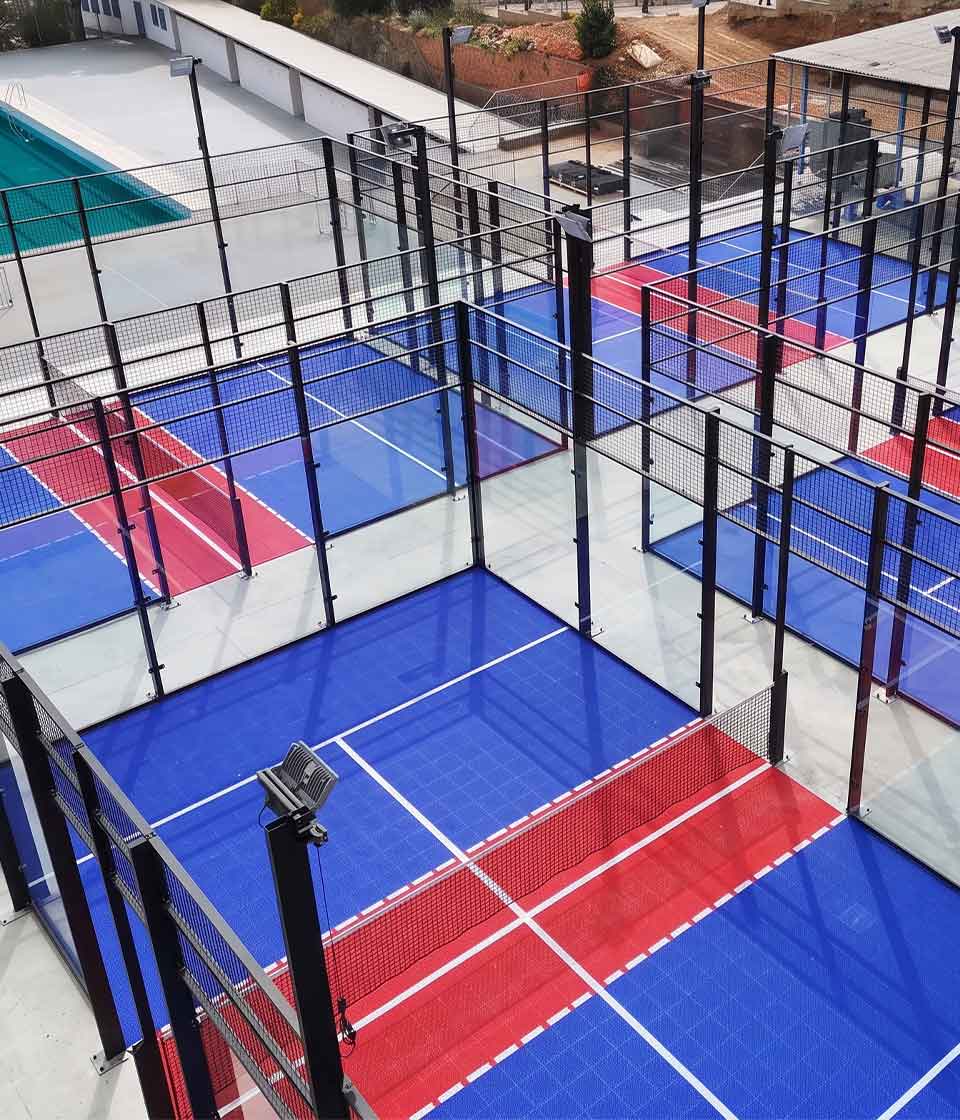
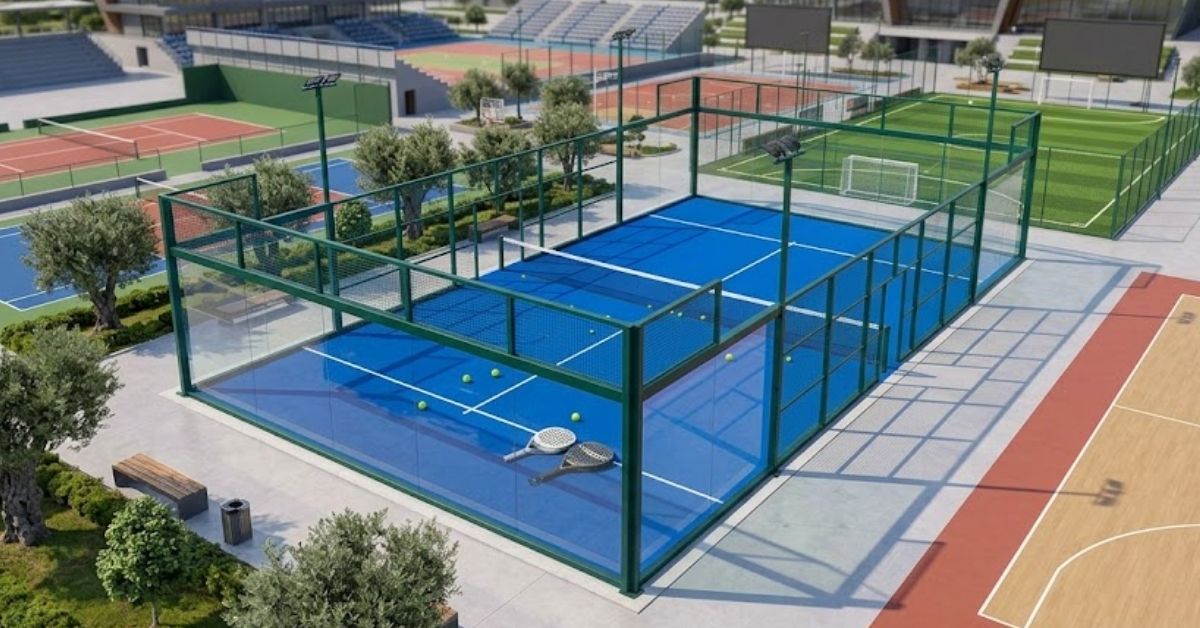
Padel is a sport where speed, aesthetics, and physical contact are at the highest level. The most fundamental difference that distinguishes this sport from tennis and squash is that the glass walls forming the surrounding perimeter are directly involved in the play. Therefore, during a padel court installation, player safety, ball bounce homogeneity, and material durability must be prioritized over aesthetic concerns.
In this guide, we detail the tempered glass technologies and ground surfacing standards that determine the quality of a professional court.
Tempered Glass Selection: 10 mm or 12 mm?
The glass used in padel courts is not ordinary construction glass. Tempered safety glass, which can flex against high-impact risks and breaks into small, non-sharp pieces when shattered, must be preferred.
-
10 mm Tempered Glass: Generally used in indoor padel court projects within fully enclosed facilities where there is no risk of wind load. It provides budget optimization as an economical alternative.
-
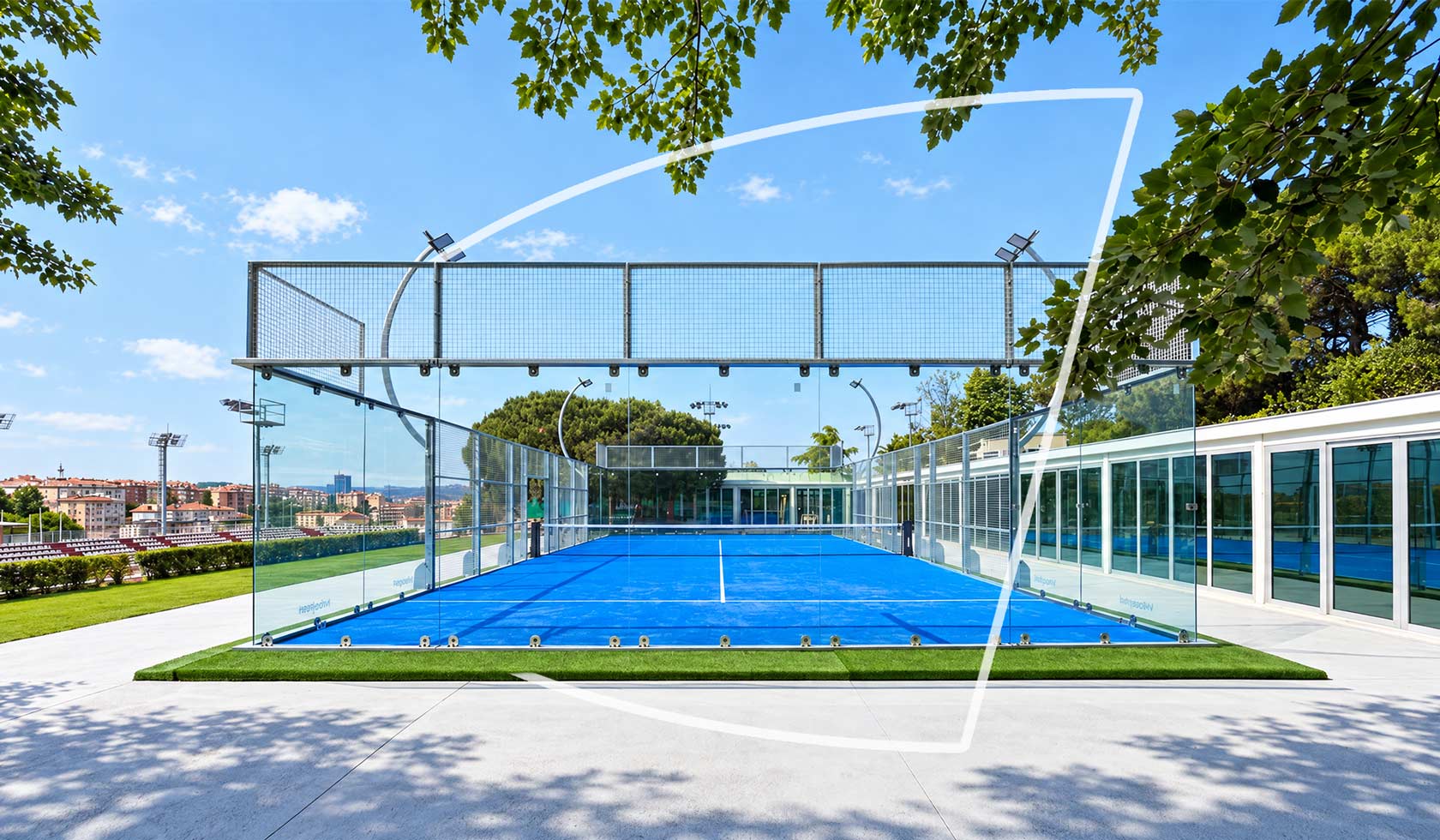
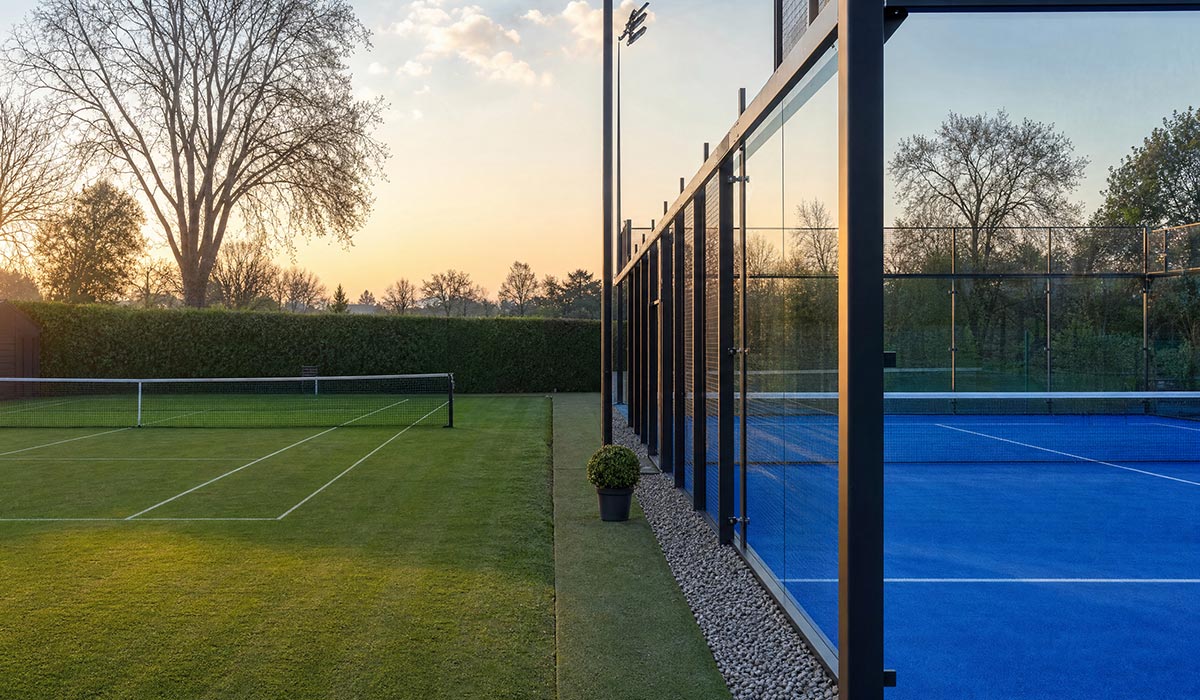
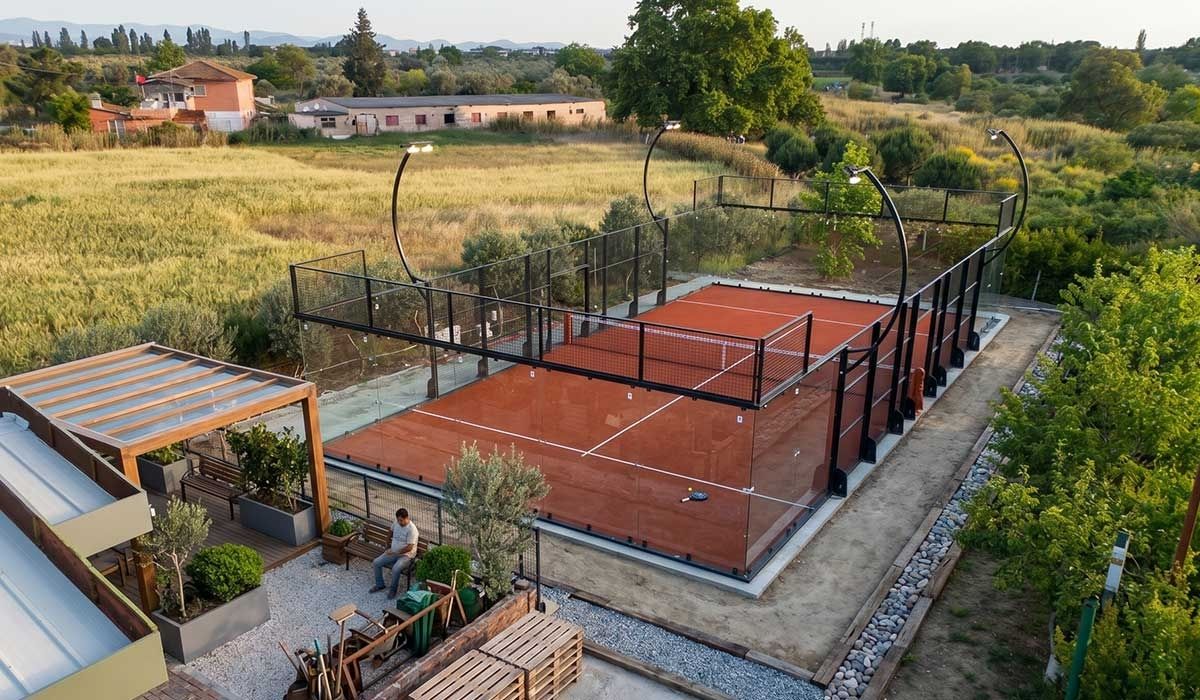
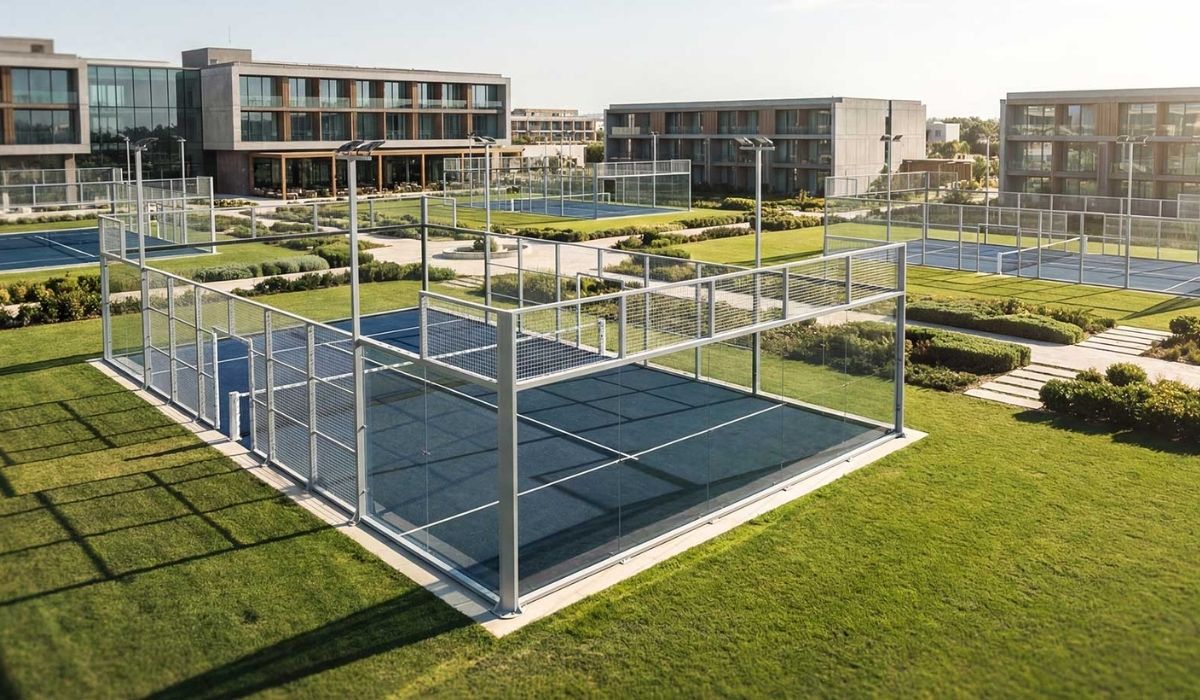
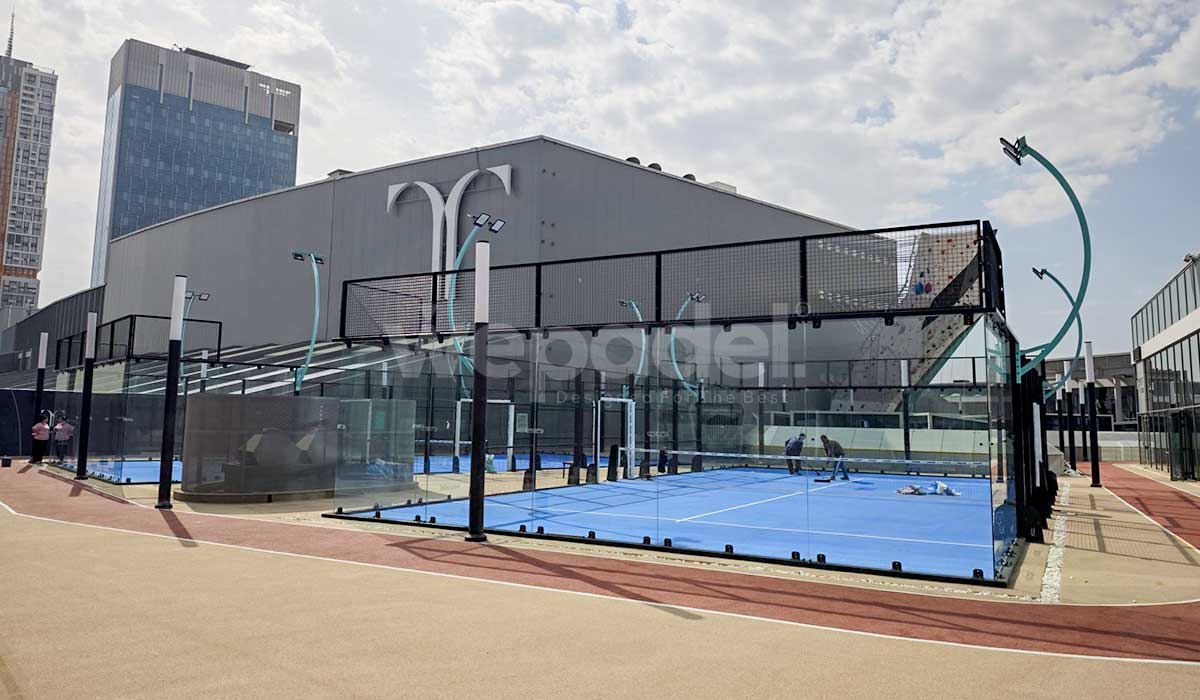
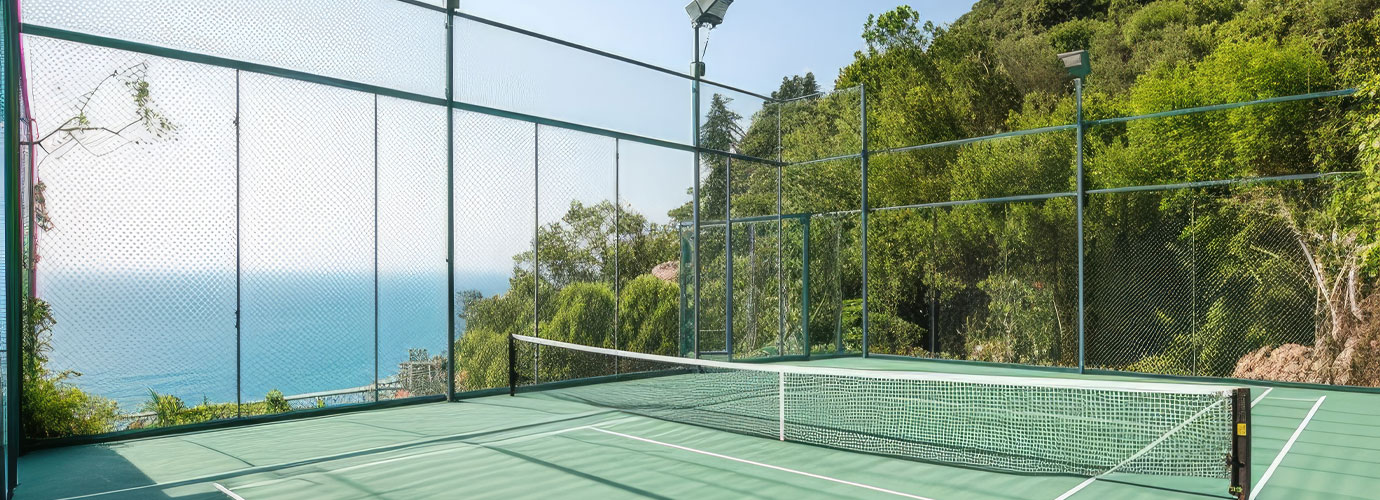
12 mm Tempered Glass: It is mandatory for panoramic court designs, professional tournament courts, and outdoor padel court projects exposed to heavy winds. 12 mm glasses keep the ball bounce quality (rebound) from the glass at the maximum level and give the player the most natural game feel.
Vital Detail in Glass Assembly: Neoprene Gaskets
Glasses are not bolted directly to the steel construction. High-quality neoprene gaskets that absorb vibration must be used at the points where steel and glass contact. Otherwise, the shock wave resulting from players crashing is transmitted directly to the glass and causes it to shatter. Furthermore, these gaskets being resistant to UV rays prevents them from drying out and crumbling over time.
Artificial Turf Technologies: Performance and Fiber Structure
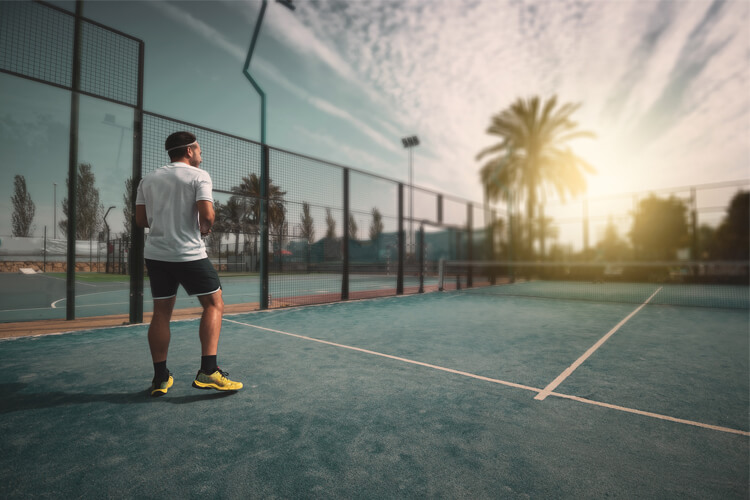
The type of artificial turf used on the ground does not only determine the speed of the ball; it also directly affects the ankle, knee, and meniscus health of the players. There are two main turf types complying with FIP standards:
Monofilament Artificial Turf
It has a thick fiber structure produced individually. Its wear resistance is extremely high. It is the most ideal option for commercial clubs with intensive use. In outdoor projects, polyethylene monofilament turfs with high UV resistance should be preferred against the wearing effect of sunlight. This turf type maintains its upright posture for long years, preserving the performance of the court like the first day.
Texturized (Curly) Artificial Turf
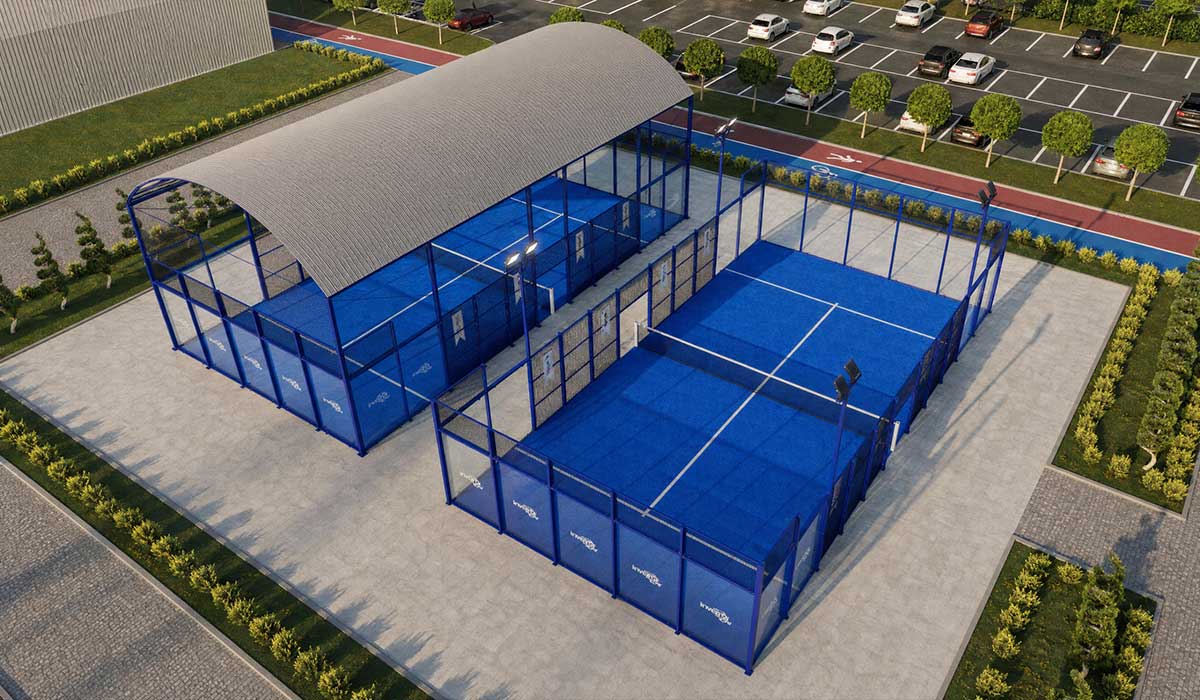
Its fibers have a curly structure. This special texture ensures that the silica sand spread on the court is trapped between the fibers, preventing the sand from shifting left and right on the court surface. It offers an excellent ground grip to the player and stands out as a premium option, especially in roofed padel court projects due to its minimum maintenance requirement. Curly turf technology reduces sand movements by 70%, ensuring that the court always looks green and clean from an aesthetic perspective.
Silica Sand Application and Maintenance Standards
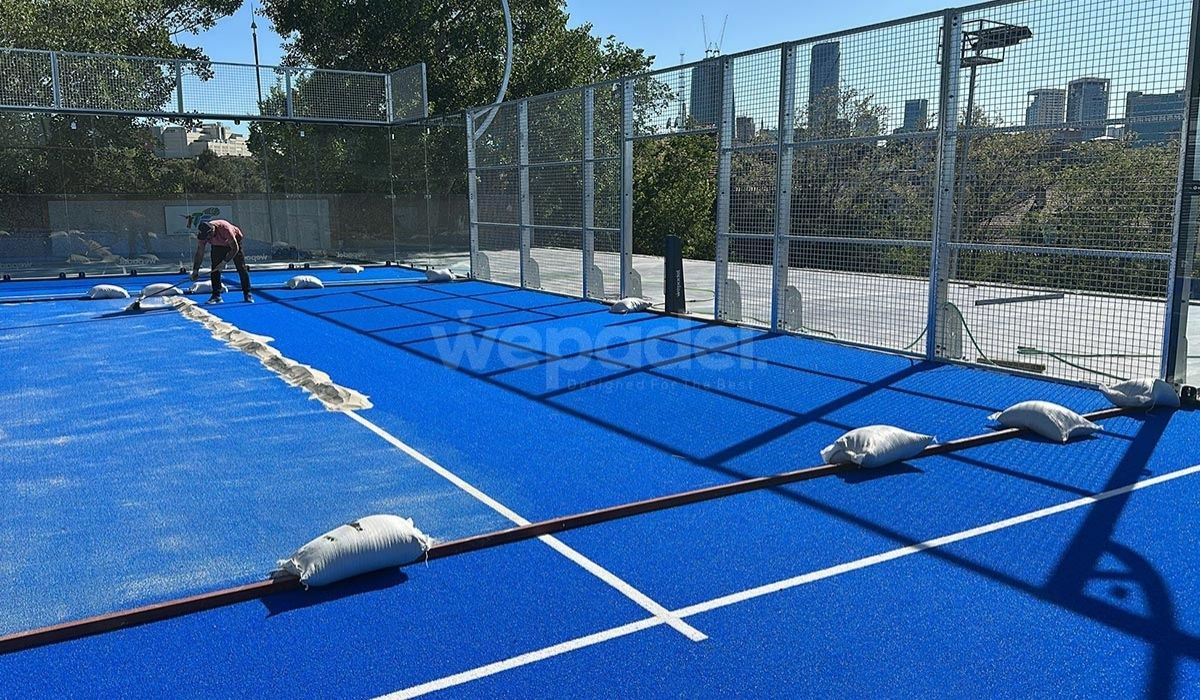
After the artificial turf is laid, special oven-dried, washed, and rounded silica sand must be spread on it for the court to gain performance.
-
The Role of Sand: The sand does not only ensure that the turf carpet sits on the ground with its weight. It also allows players to slide in a controlled manner, preventing their feet from getting caught during sudden direction changes.
-
Standards: The sand used must strictly be in the micron range of 0.2 - 0.6 mm or 0.4 - 0.8 mm. Angular sands cut the turf fibers, shortening the lifespan of the court. An average of 8 - 10 kg of sand per square meter should be spread and distributed homogeneously on the court with special brushing machines. If the sand is not distributed homogeneously, players may experience serious injuries due to the ground resistance difference during sliding.
Choosing the right raw materials and certified products in the initial investment phase might seem to increase the overall padel court construction cost budget at first, but it provides great savings in the medium term. Right material selection and milimetric workmanship prevent chronic problems such as glass breakage, turf wear, or corrosion that may occur in the following years, saving your business from a heavy financial burden.