12/06/2026

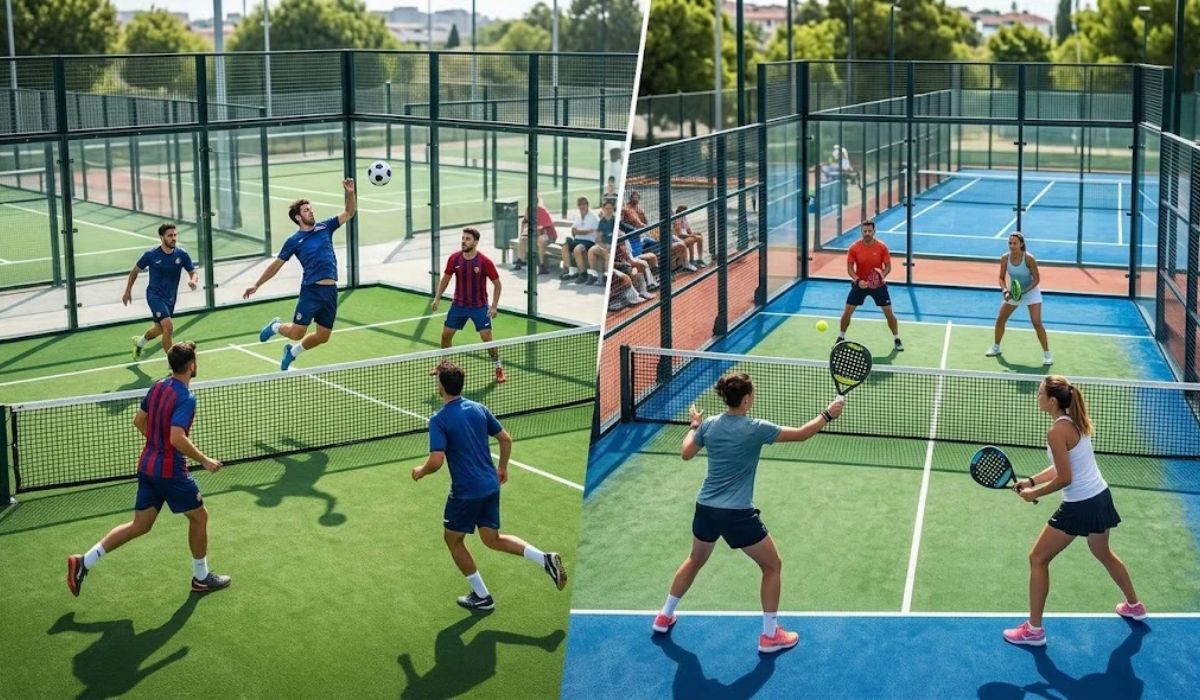
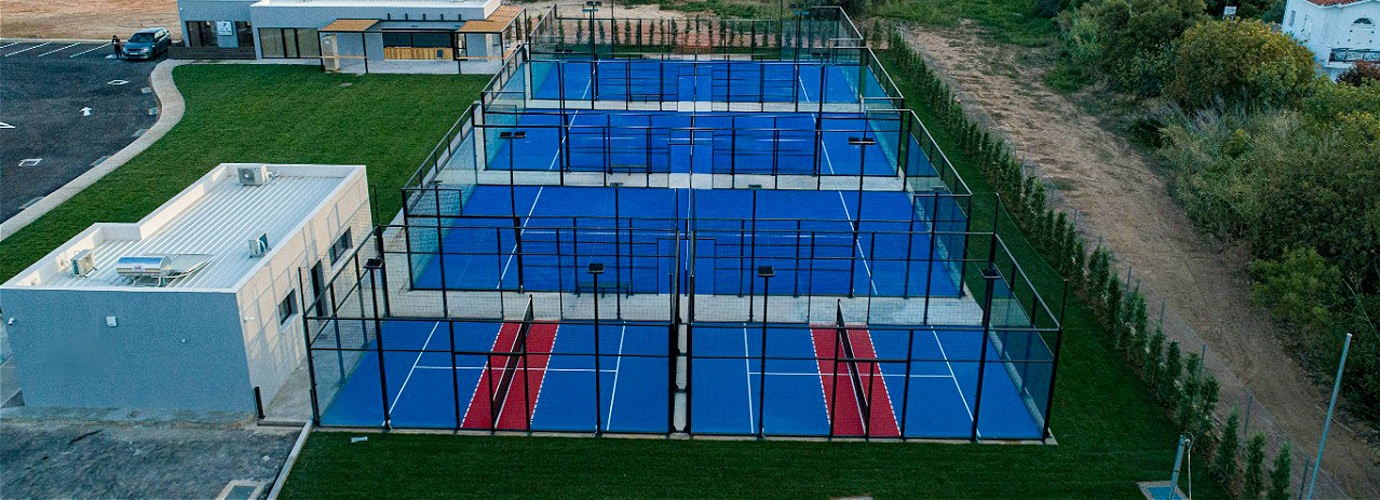
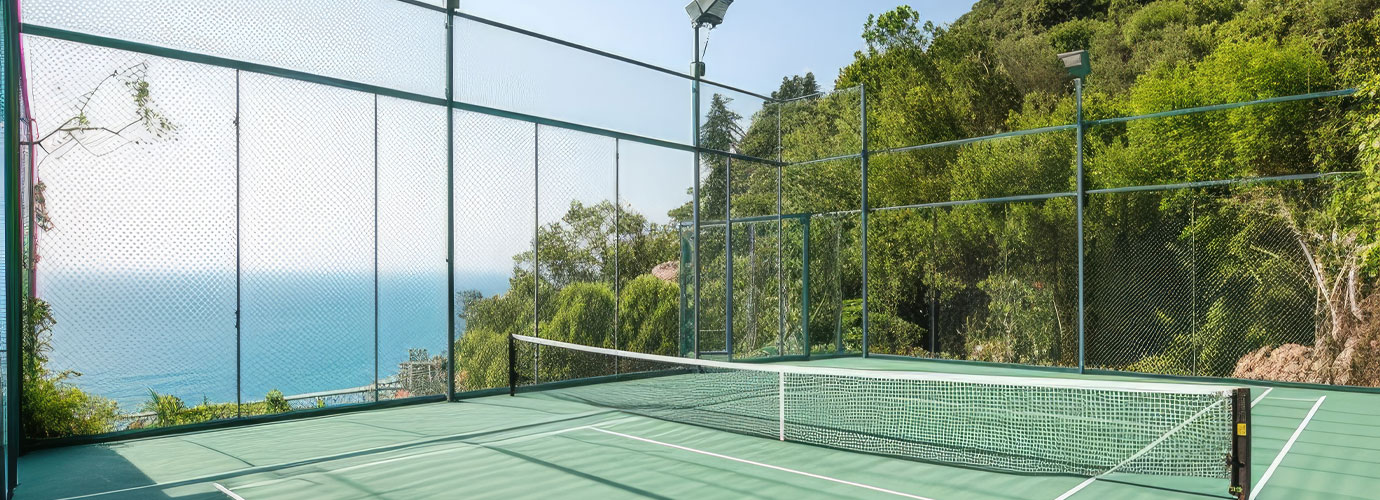
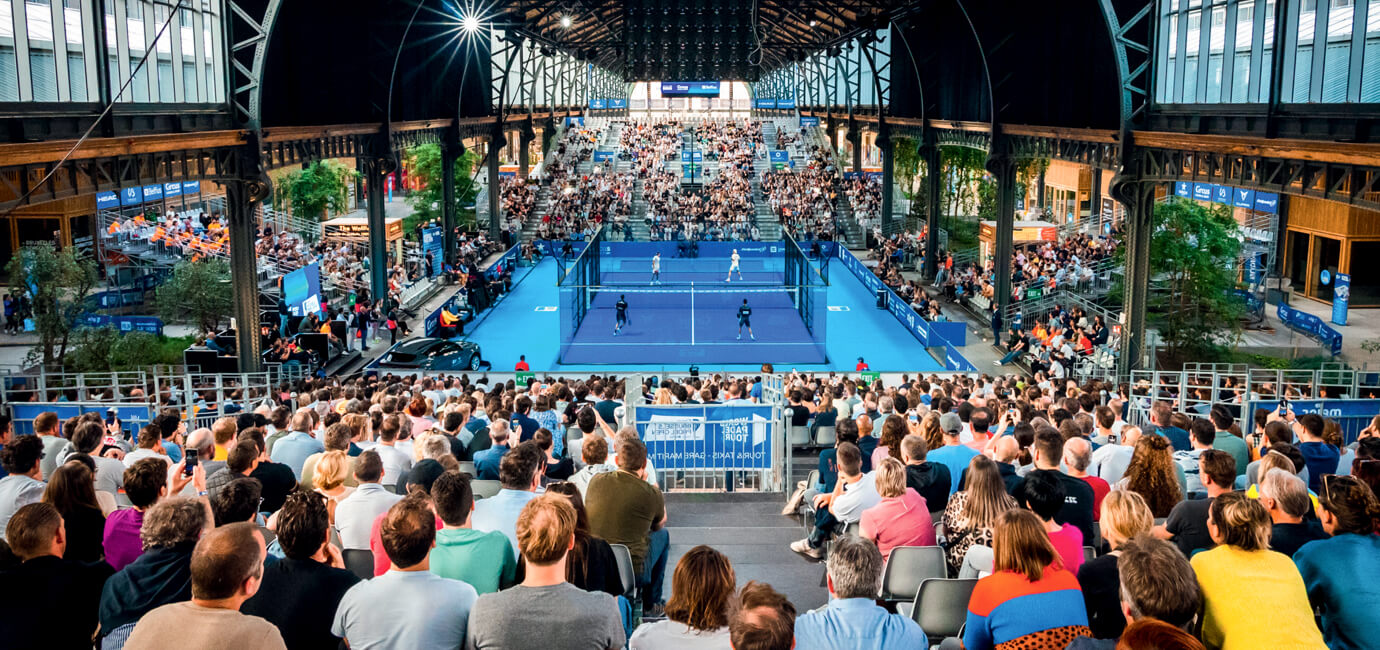
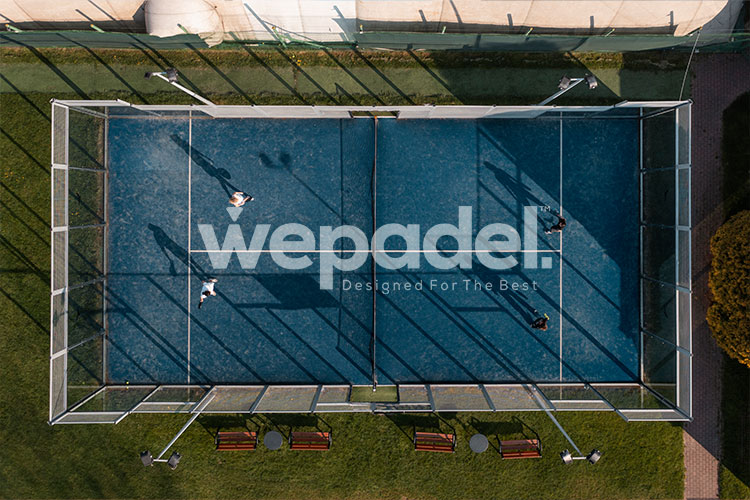
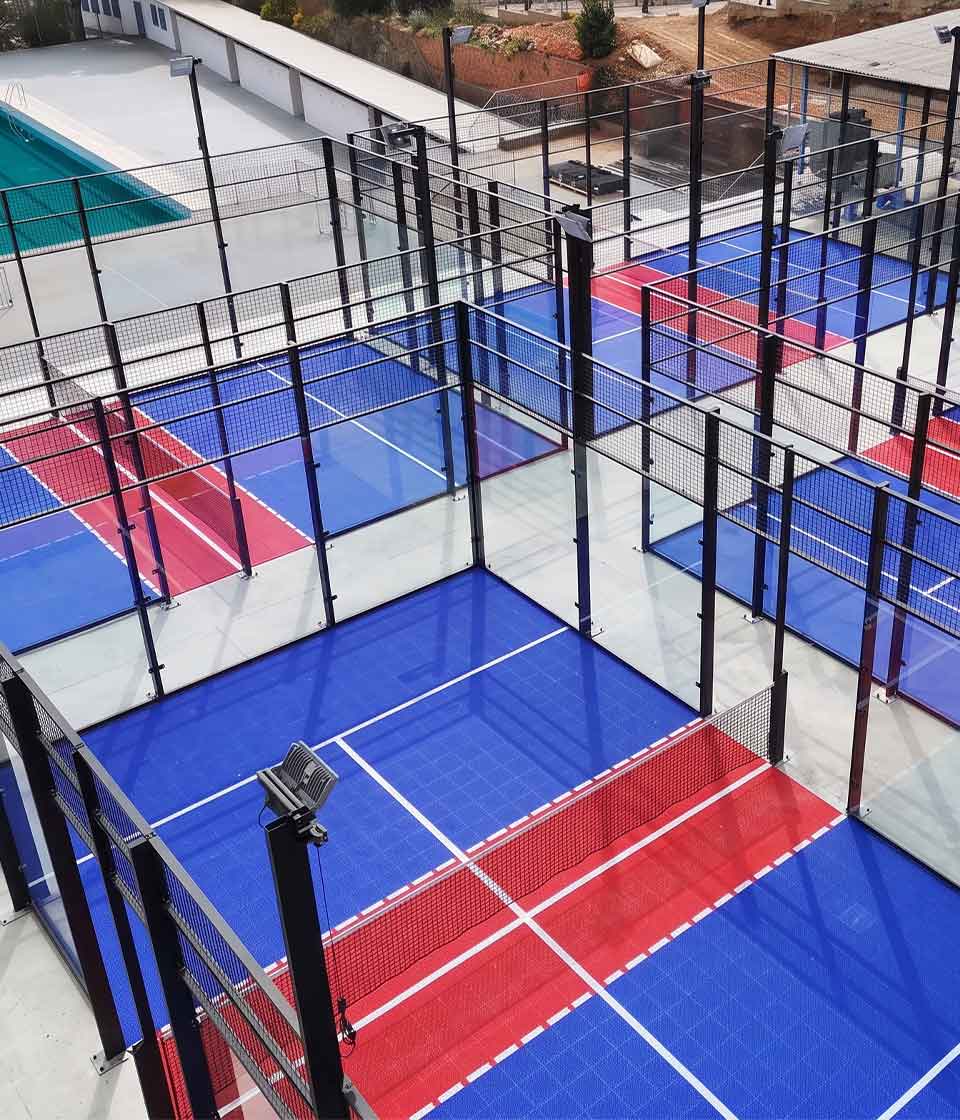
In recent years, the most dynamic and fastest-growing sports investment sector on a global scale is Recurrently padel. Compared to traditional tennis courts, its ability to appeal to more players within a much smaller footprint (200 m²) optimizes the commercial return on investment (ROI) periods. This efficiency makes a commercial padel club construction project highly attractive for hotel chains, sports complexes, and real estate developers.
However, bringing a successful, prestigious, and international-standard club to life-aligned with FIP (International Padel Federation) criteria-requires a professional process management extending from architectural layout design to sub-base engineering and sequential assembly.
Building Blocks of a Successful Padel Club Project
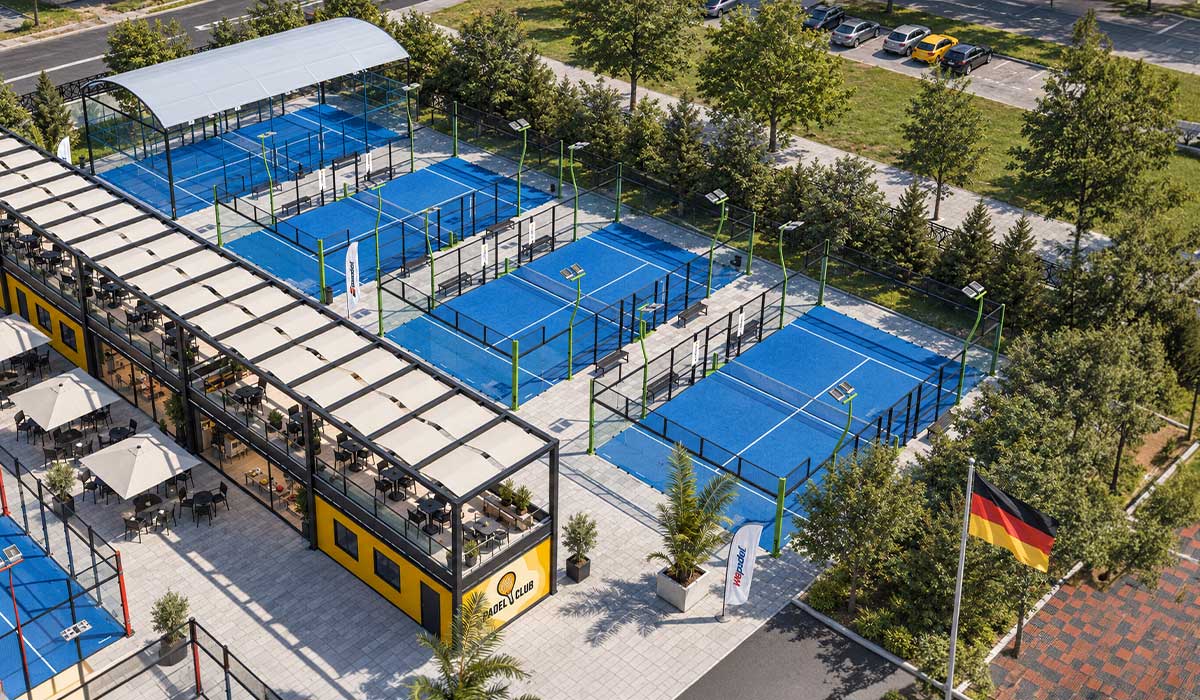
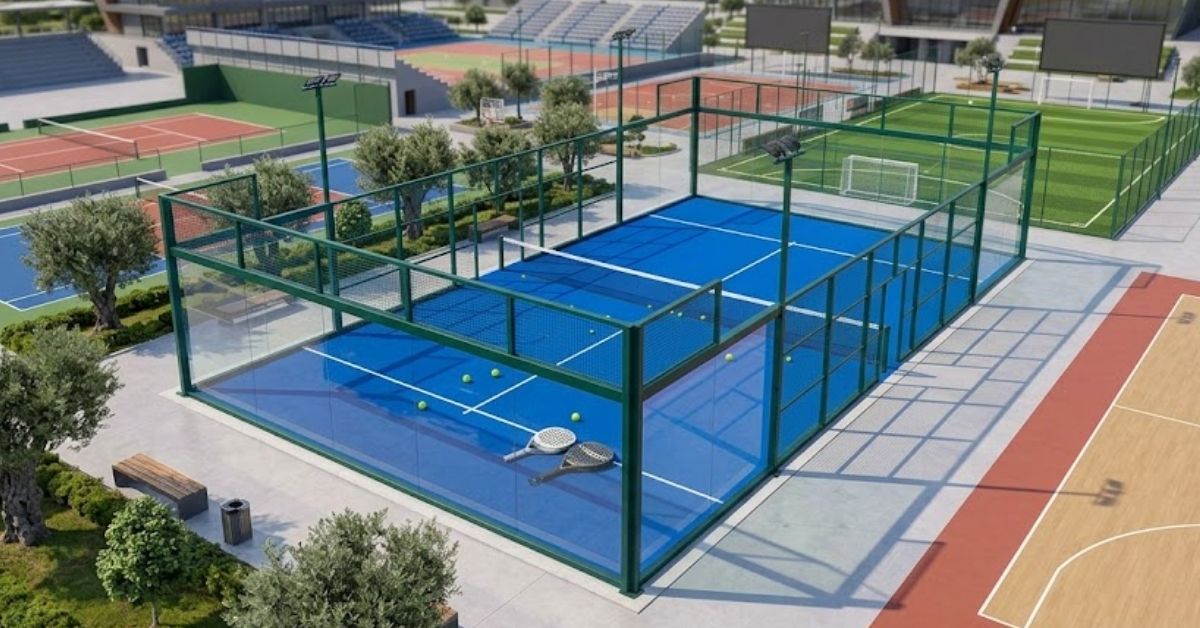
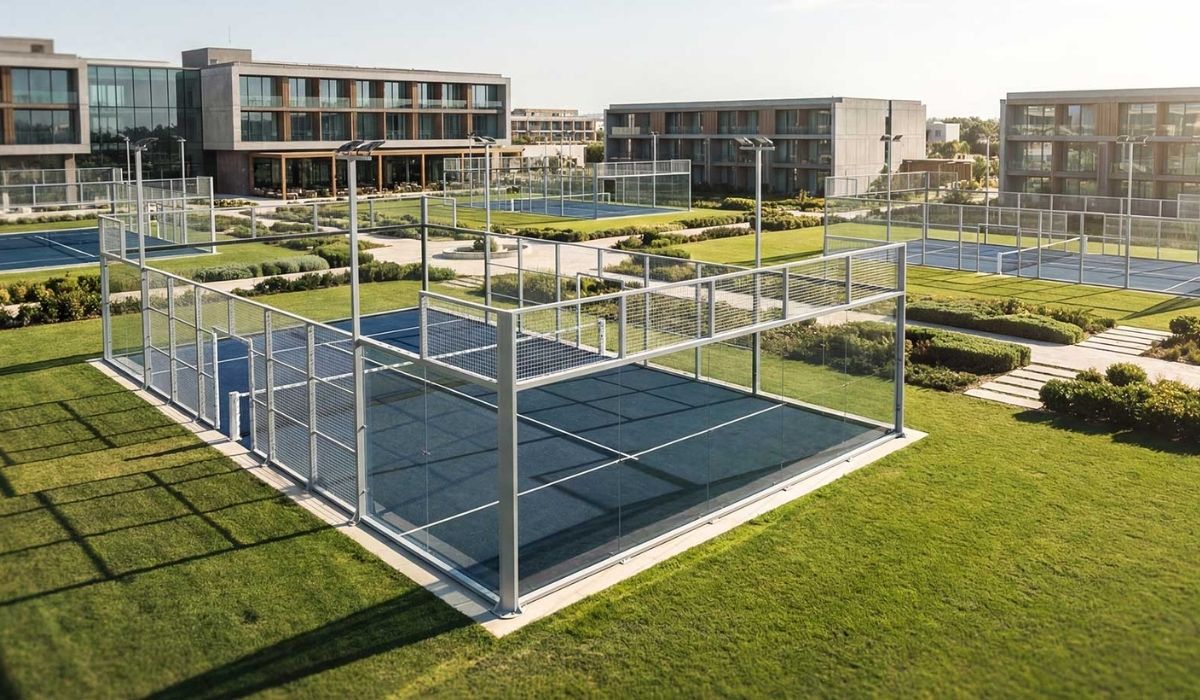
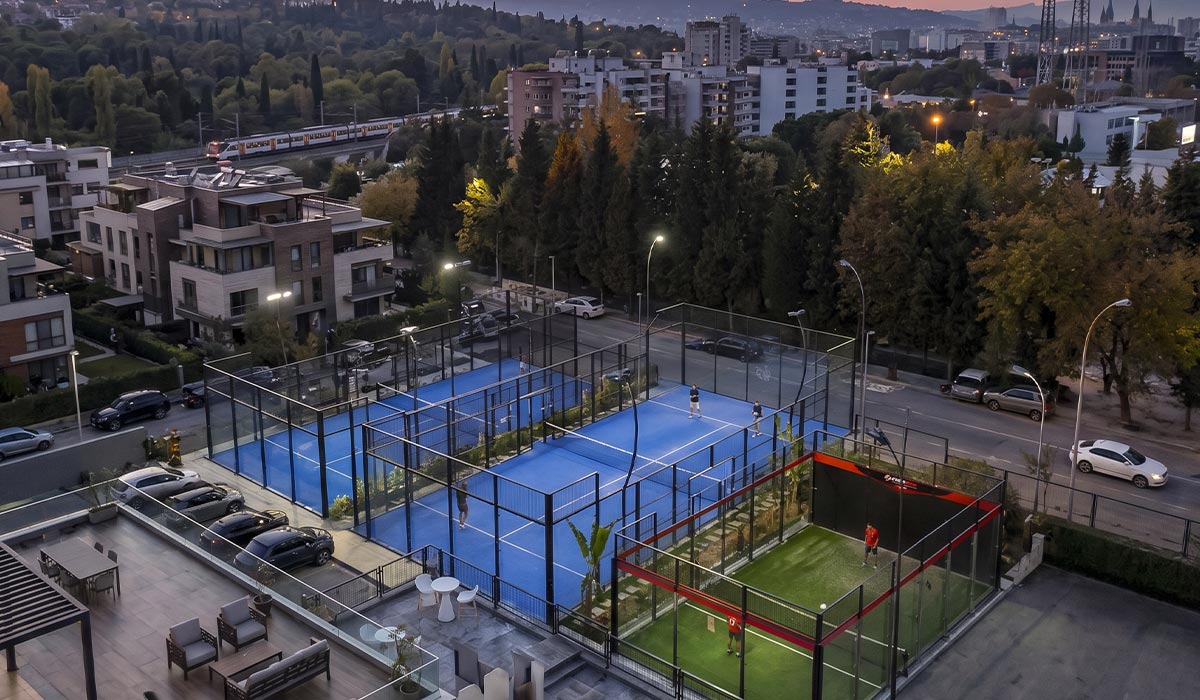
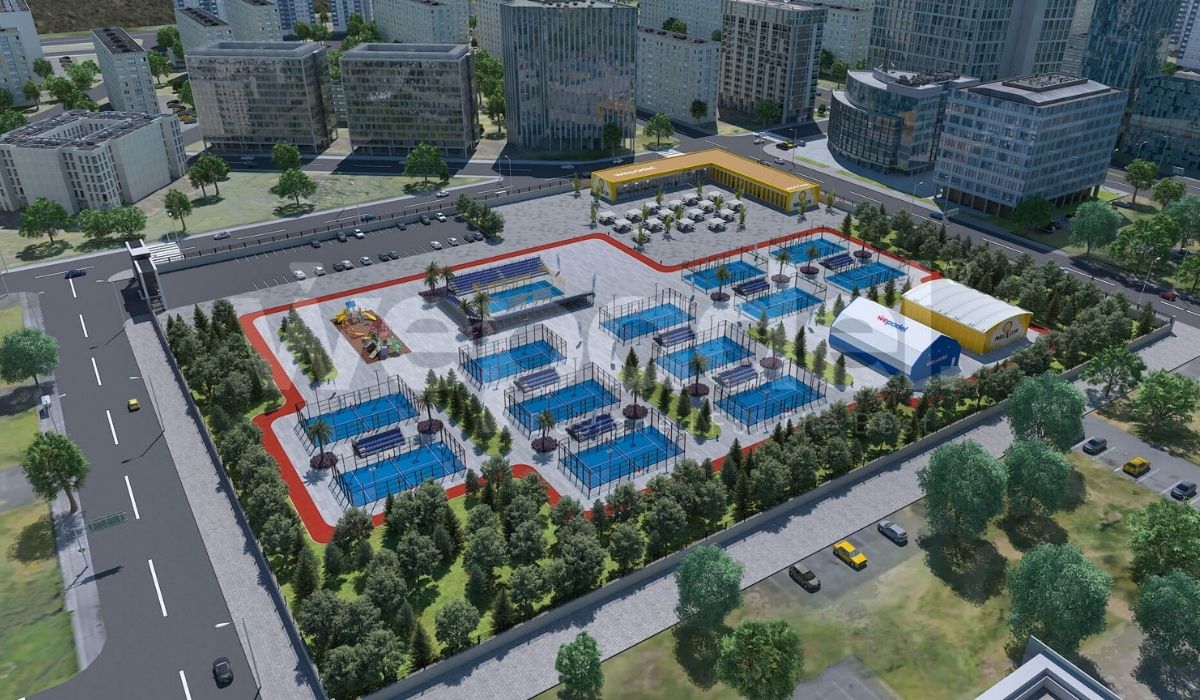
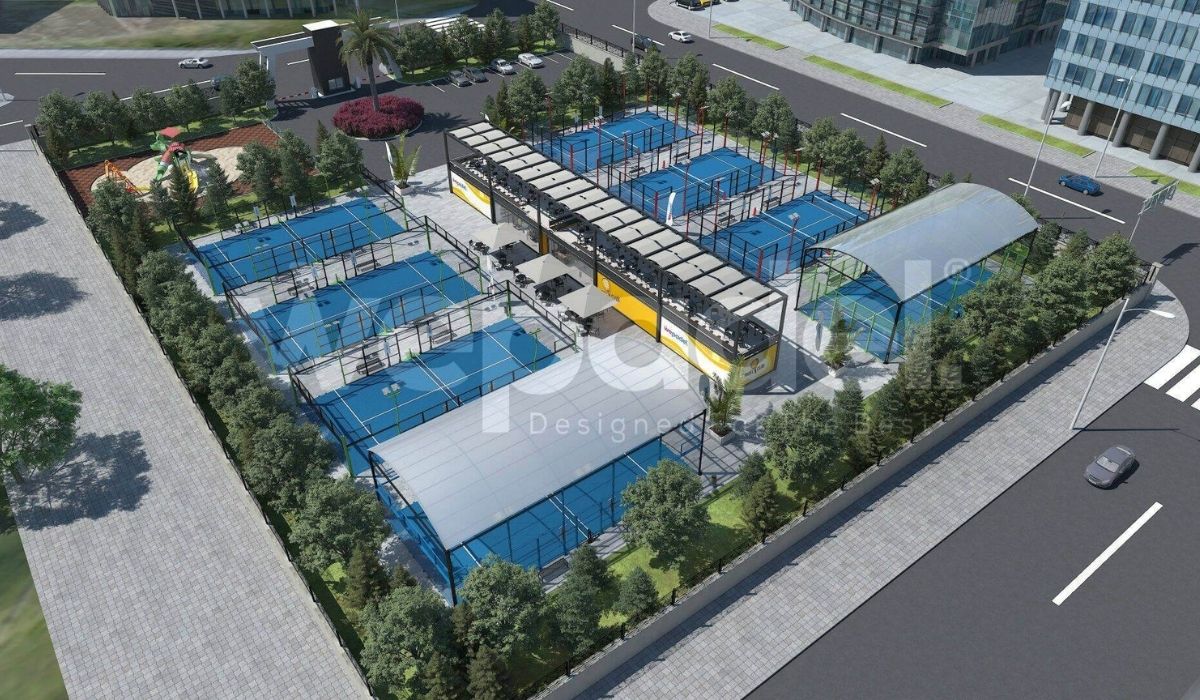
When initiating a padel club construction process from scratch, it is crucial to remember that the project comprises far more than mere court layout. For the investment to transform into a sustainable commercial ecosystem, the following areas must be accurately designed within the master plan:
-
Social Areas and Clubhouse: Modern cafe/restaurant zones where players can socialize between tournament matches, pro shops for equipment retail, and premium locker rooms.
-
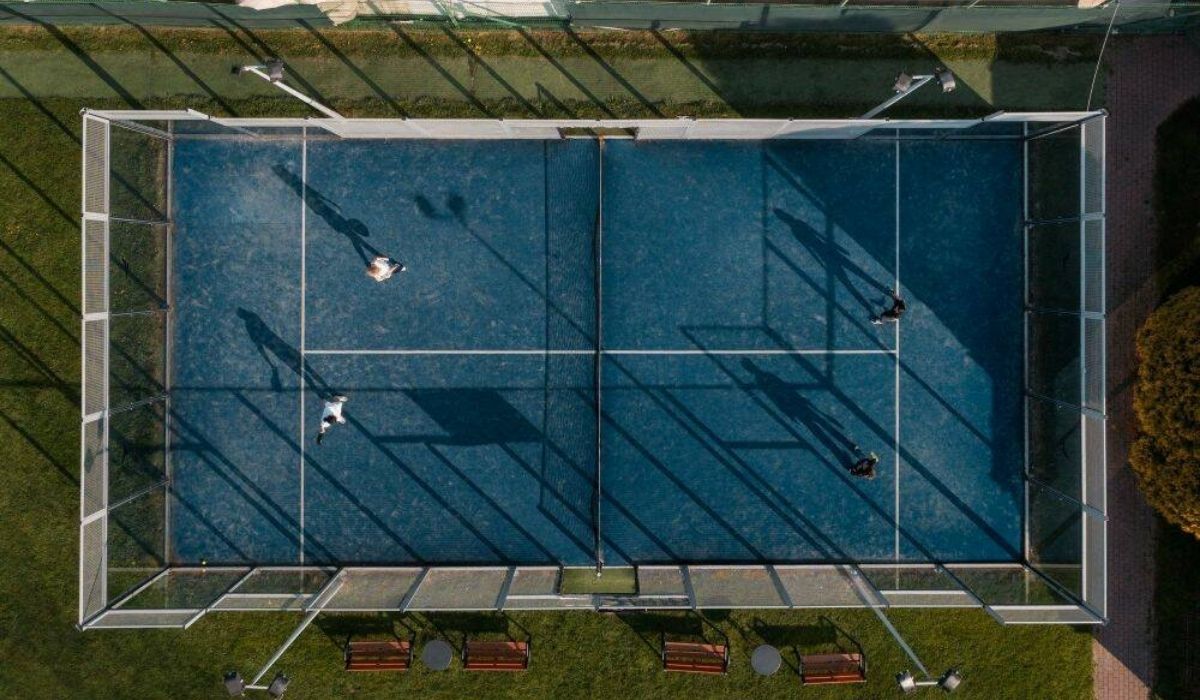
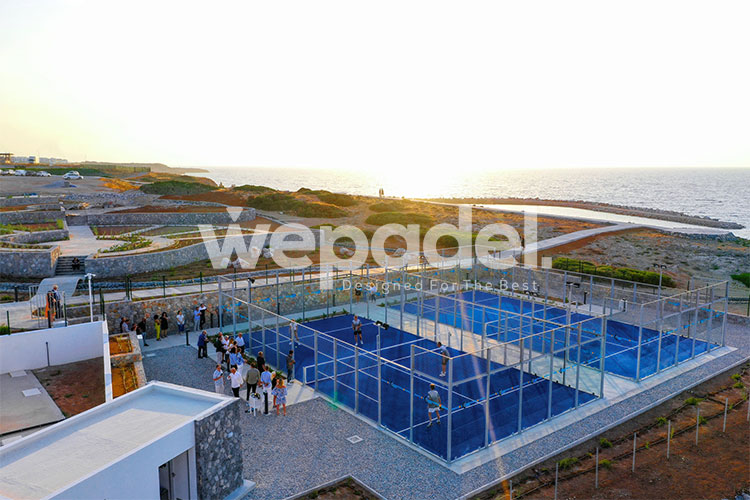
Accurate Architectural Orientation: Positioning the courts according to the solar angle (north-south axis) and designing comfortable spectator viewing zones.
-
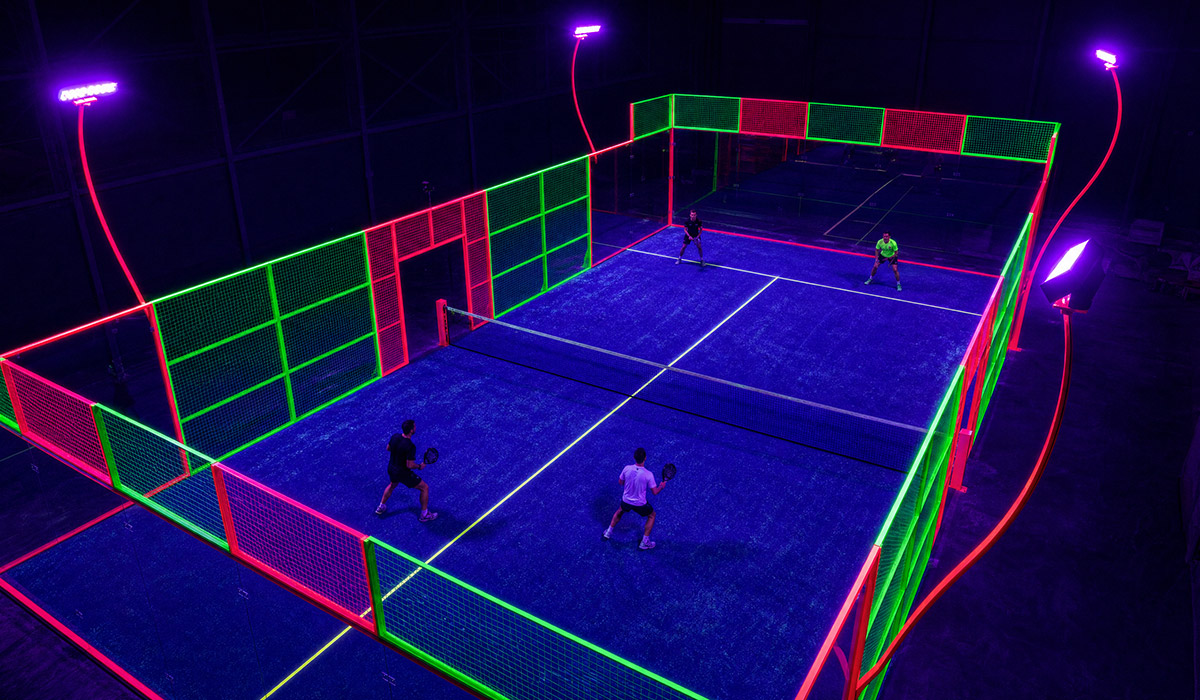
Smart Reservation and Lighting Integration: Ensuring energy efficiency when courts are not in use, with automated LED lighting activating precisely at the reserved hours.
Step-by-Step Professional Padel Court Installation Processes
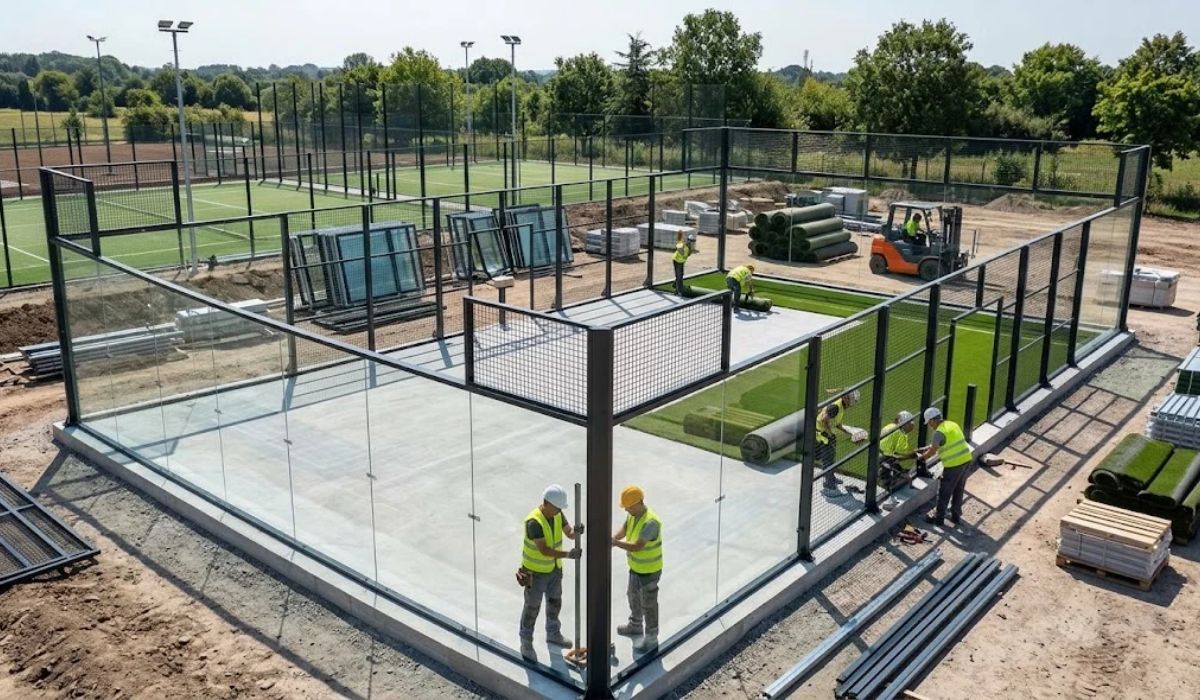
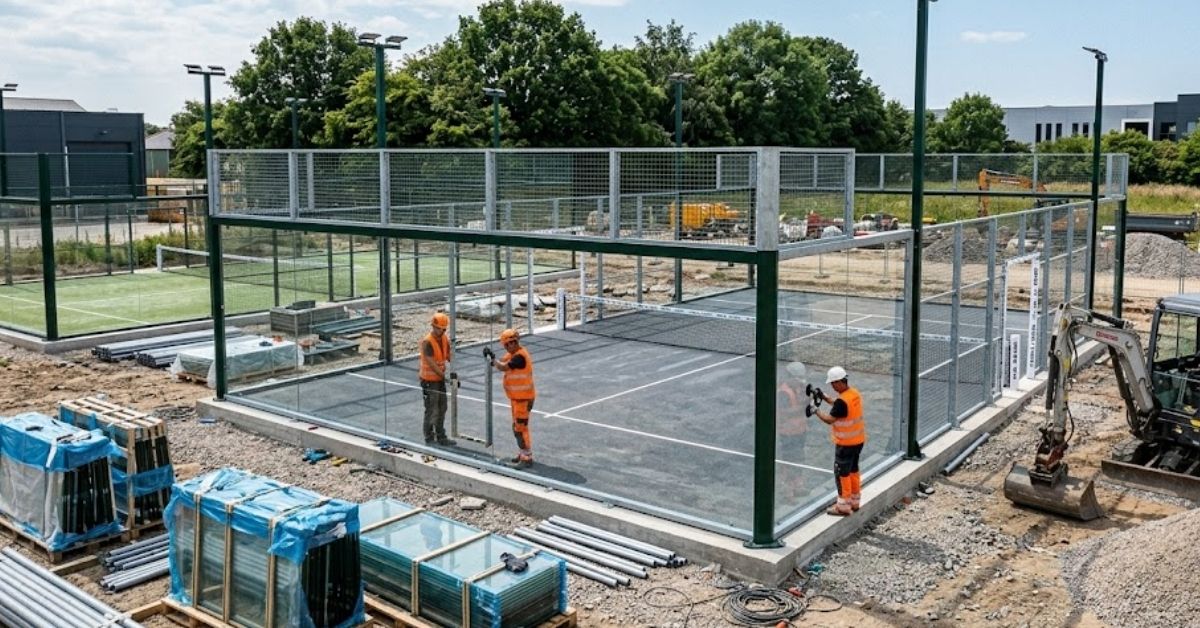
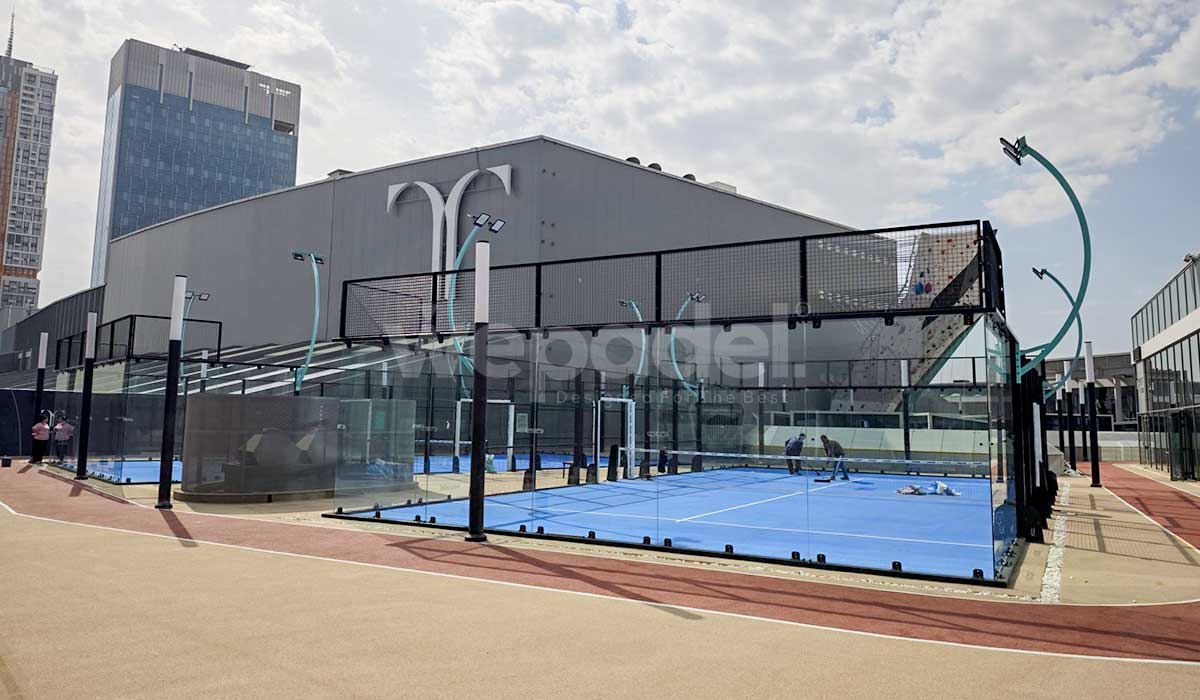
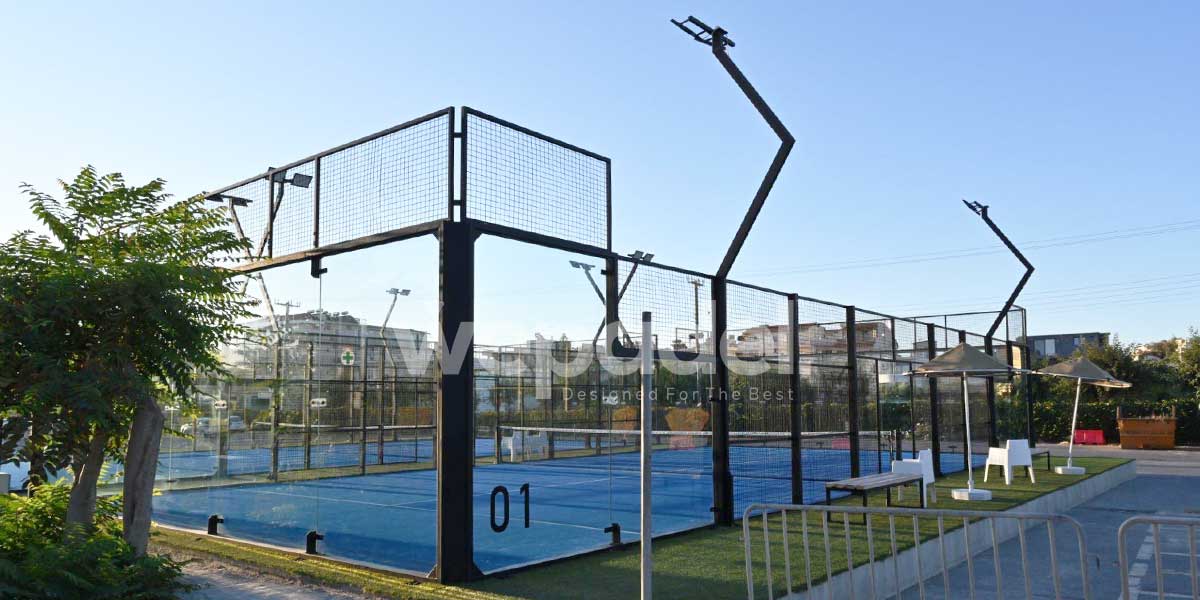
The ultimate element determining a club's prestige is the precision of the assembly executed on-site. An international-standard padel court installation process requires specific technical phases to be applied sequentially and with millimetric accuracy:
1. Sub-Base Infrastructure and Ring Beam Concrete Preparation
The ground where the court will be established is first leveled and graded. Subsequently, a ring beam concrete structure is poured with millimetric precision over the area where the steel construction will be anchored. To prevent water accumulation on the field after heavy rainfalls, a laser-guided helicopter-finished concrete sub-base and dedicated drainage channels are constructed.
2. Steel Construction Anchoring and Structural Setup
The electrostatic powder-coated modular steel chassis are fixed to the concrete ground using specialized anchoring systems, fully compliant with structural load calculations against wind loads and impacts. Partnering with a reliable padel court manufacturer guarantees this structural safety right from the fabrication phase.
3. High-Strength Tempered Glass Installation
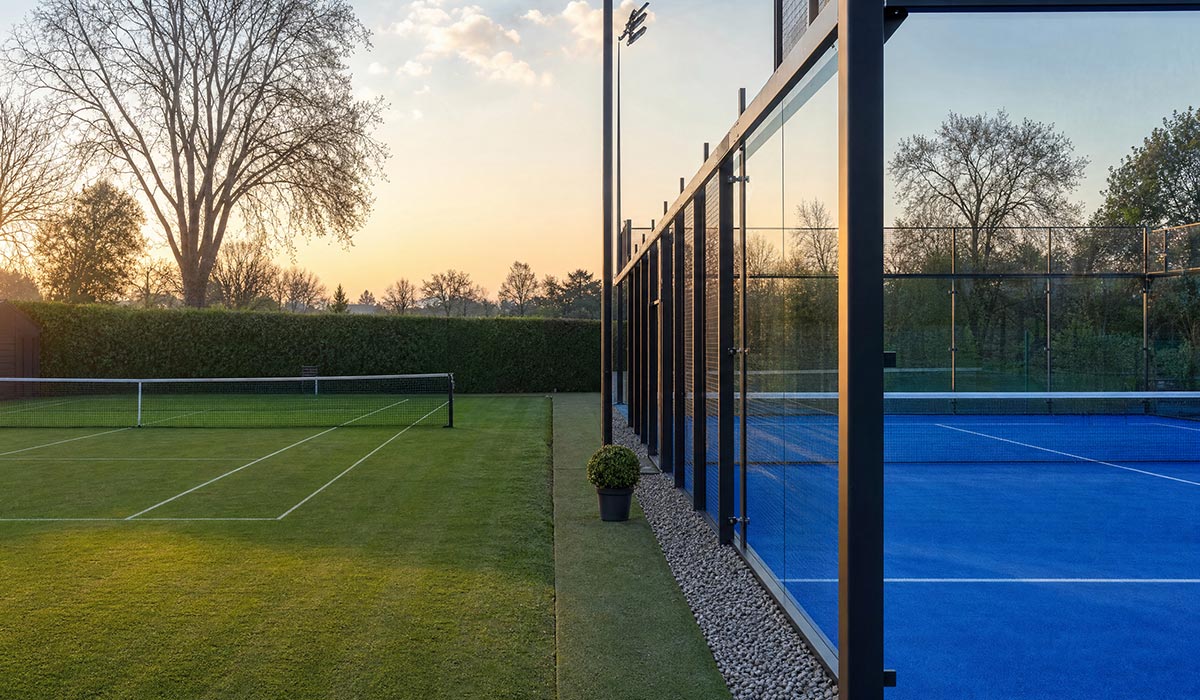
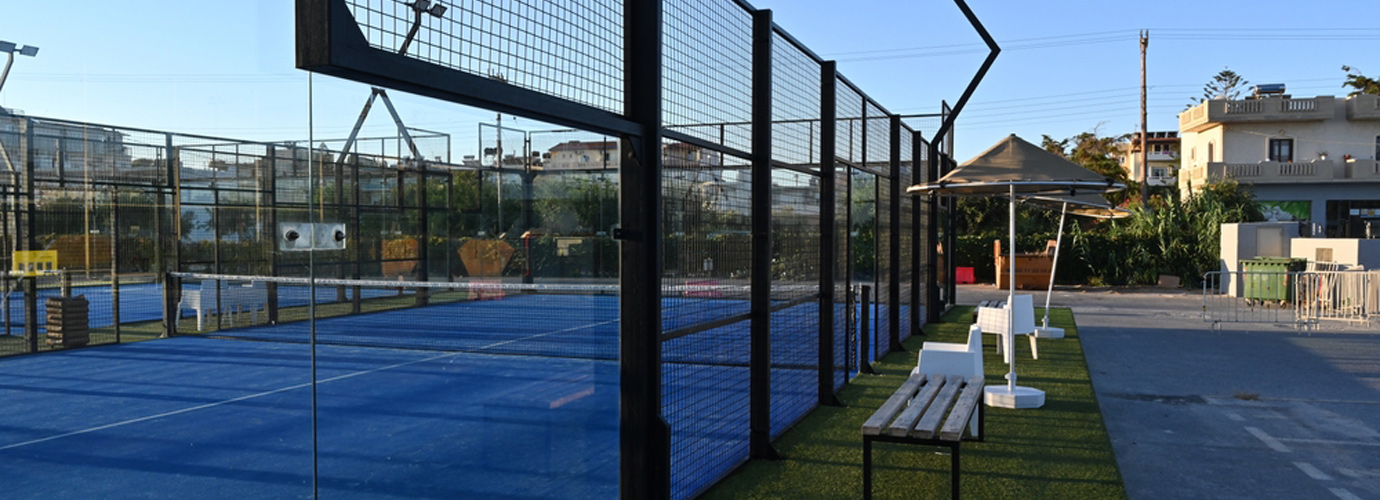
Due to the core characteristics of padel gameplay, the ball continuously rebounds off the back and side walls. According to safety and performance standards, tempered glass panels with a minimum thickness of 10 mm or 12 mm are meticulously mounted to the steel frame using special shock-absorbing bushings and heavy-duty screws.
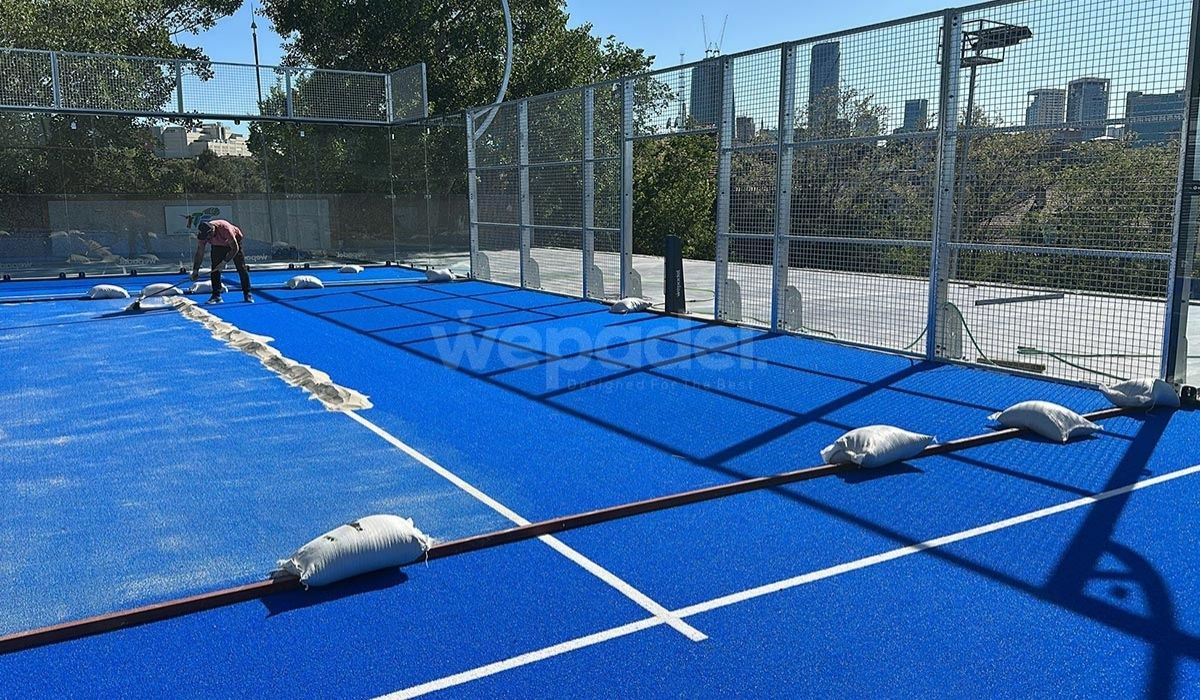
4. Synthetic Turf Laying and Micronized Silica Sand Application
The critical factor directly influencing athlete joint safety, ball slide, and bounce physics on the court floor is the quality of the synthetic turf. Textured/monofilament synthetic turf carpets specifically manufactured for padel are rolled out, their seams are securely bonded, and a micronized silica sand infill (which prevents sand compaction) is homogeneously spread and brushed over the surface.
5. Lighting and Net System Integration
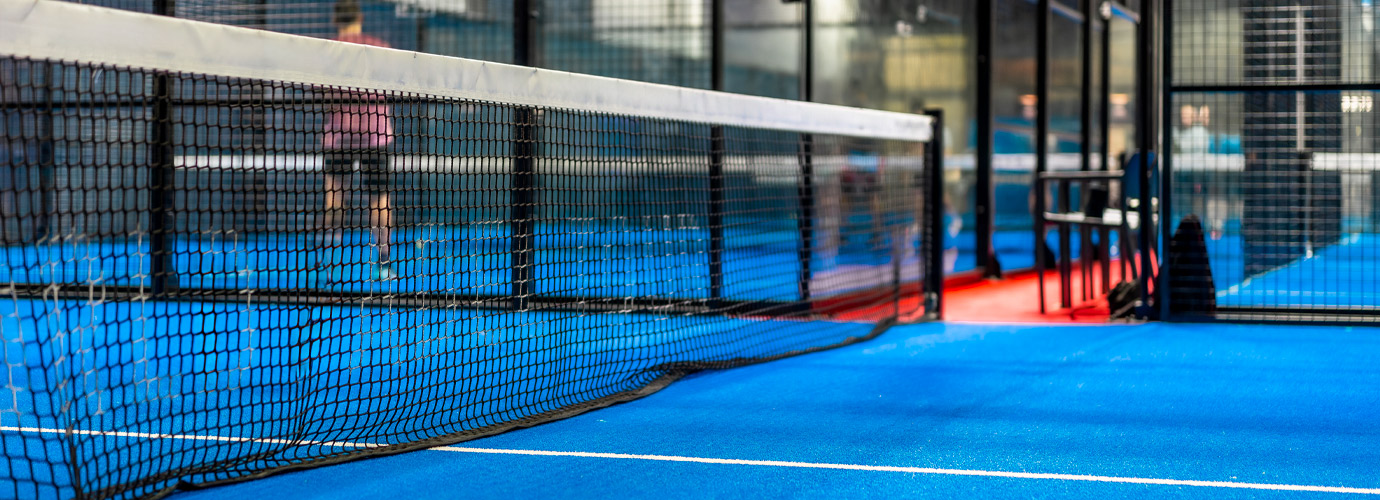
In the final phase, anti-glare, asymmetric LED lighting fixtures compliant with TV broadcasting standards that do not blind the players are integrated seamlessly into the court chassis. The court is made ready for gameplay by tensioning the net system in full compliance with FIP standards.
Padel Court Construction Cost Analysis from an Investor's Perspective
Corporate firms planning a padel investment place the heaviest emphasis on padel court cost parameters. Every single padel court or padel club project we undertake is priced individually based on location, project scope, technical requirements, and custom client demands.
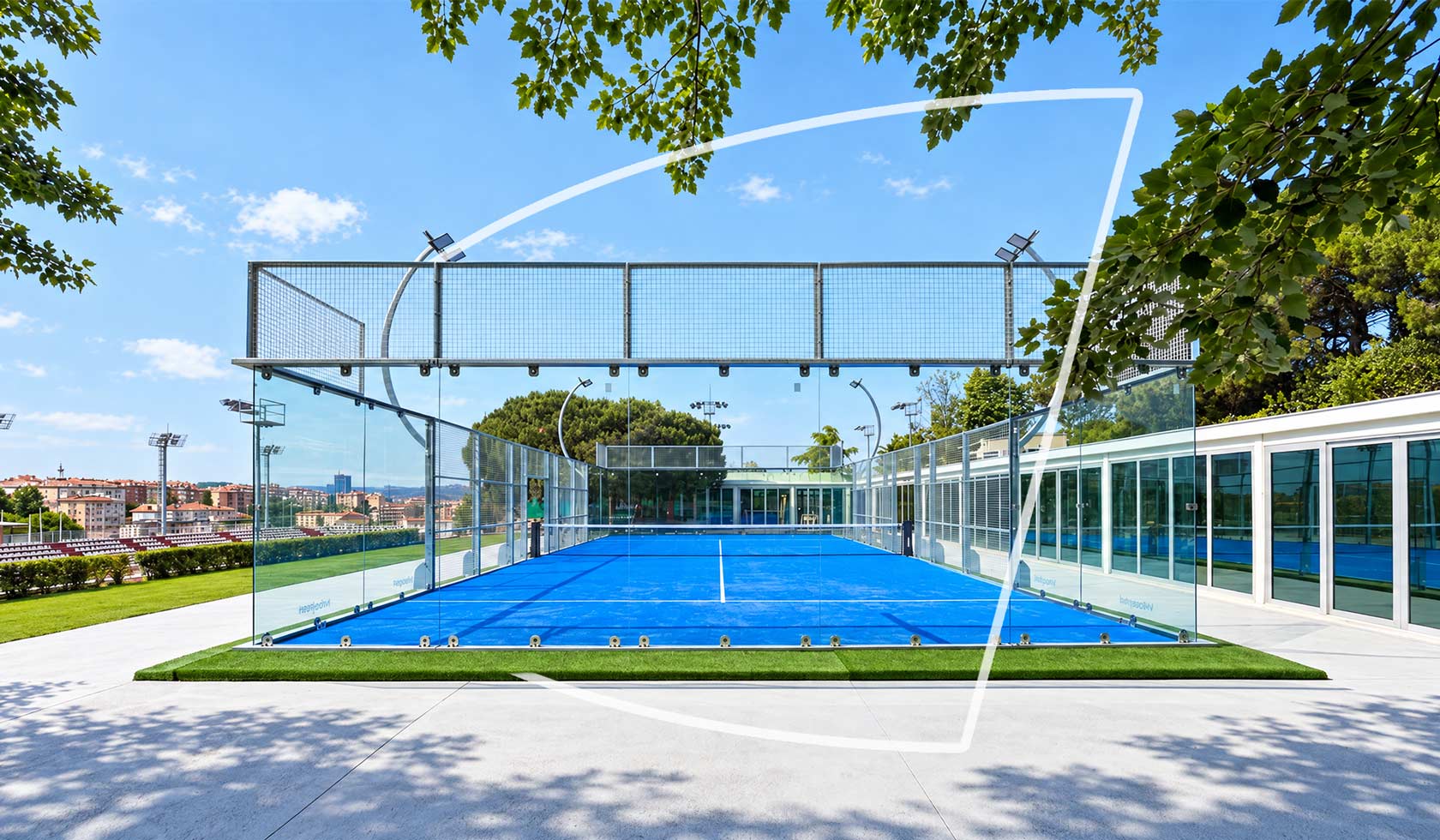
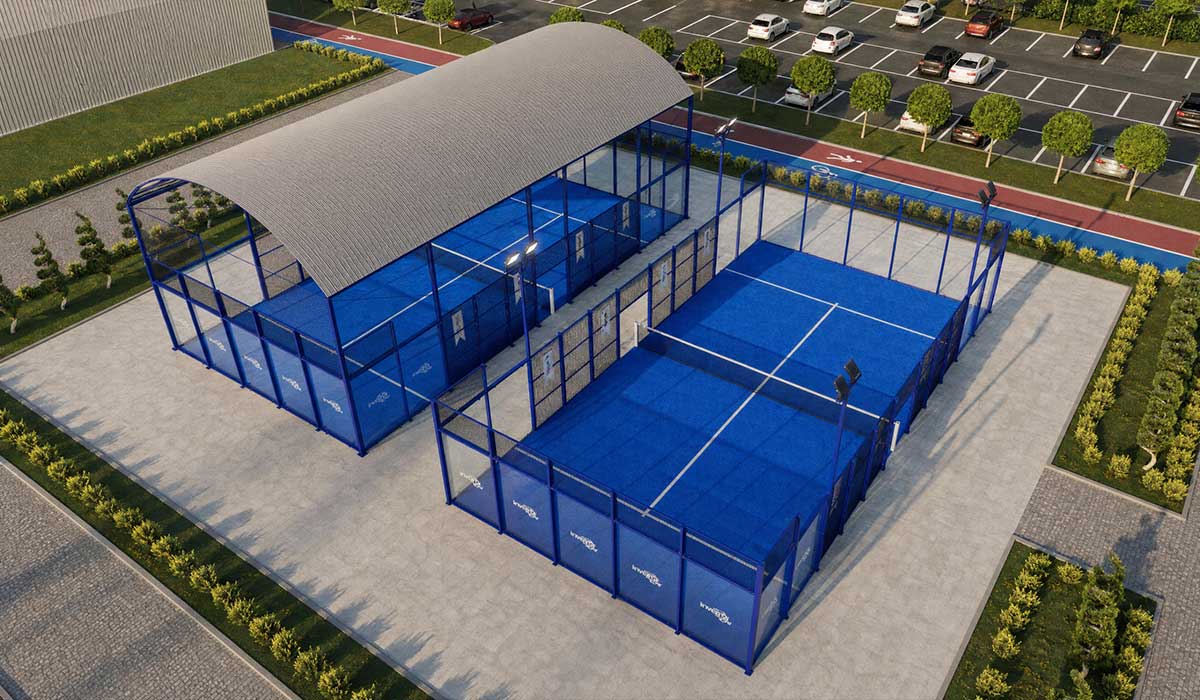
For reference, the approximate padel court construction cost table for different court types is as follows:
|
Court Type / Concept |
Approximate Cost (EUR) |
|
Standard Padel Court |
~ €36,000 |
|
Standard Roofed Padel Court |
~ €70,000 |
|
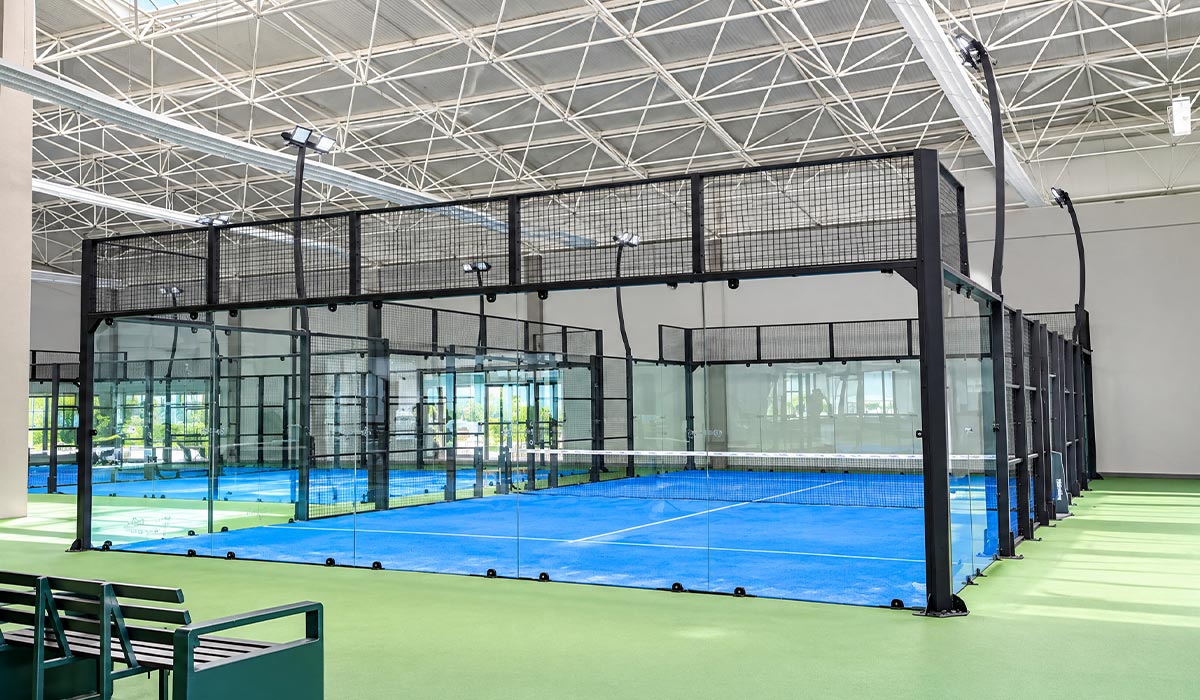
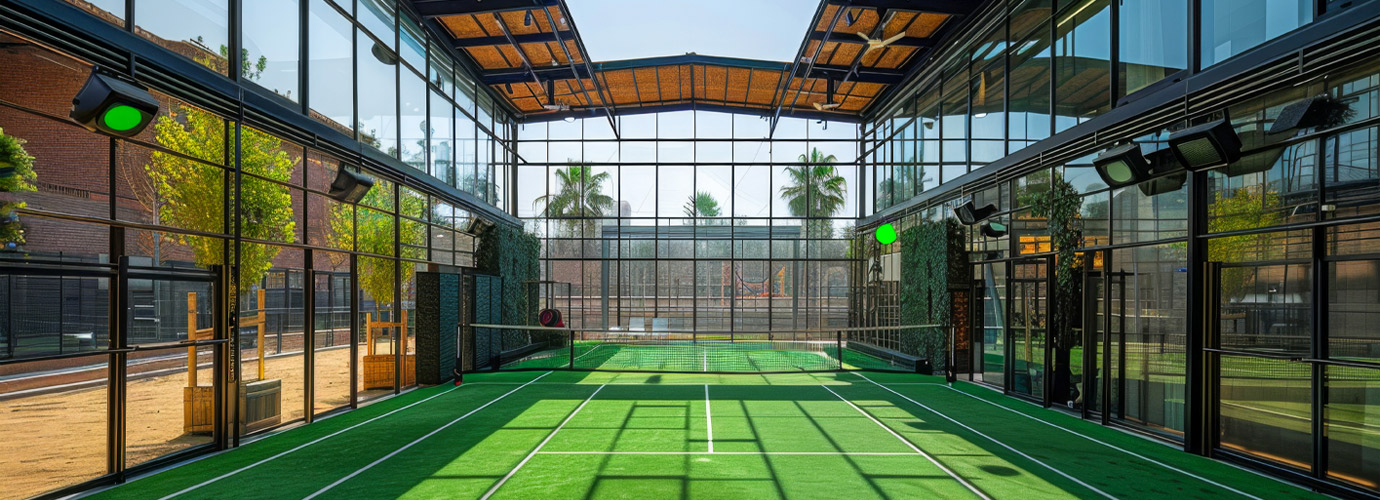
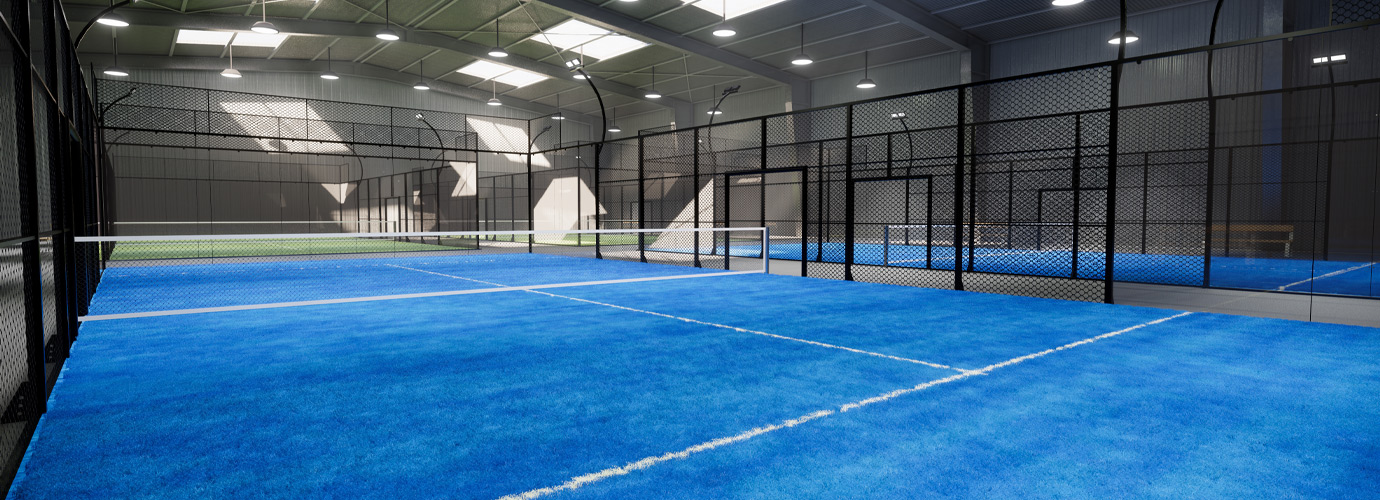
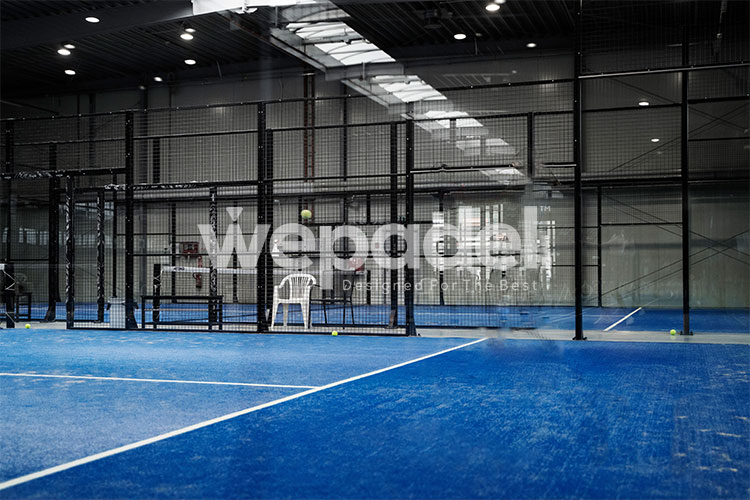
Indoor Padel Courts (Requiring custom engineering and structural project design) |
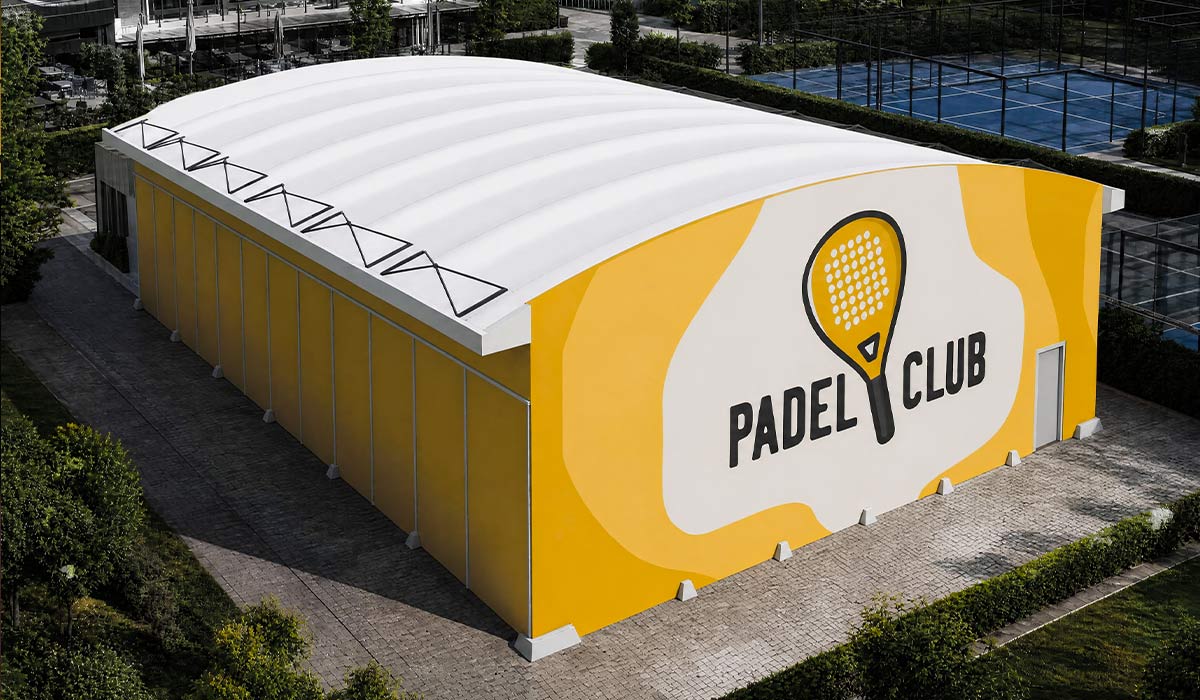
~ €120,000 |
Final pricing varies depending on court specifications, sub-base infrastructure, shipping, customs, installation, and project location. Therefore, you need to request a custom proposal tailored to your specific project for precise pricing. As Wepadel, with FIP-approved courts manufactured in our high-tech production facilities, we offer long-lasting, low-maintenance, and high-profit turnkey solutions to investors with the most optimized budgets.