

25/10/2026

How long it takes to build a padel court depends not only on the assembly itself but also on the preparations at the start. The condition of the site, the court type you choose, material supply and weather all affect the schedule directly. For that reason, answering the question "how many days will it take" with a single number would be misleading.
What Determines How Long a Padel Court Takes to Build?
The main factors are groundwork, the number of courts, whether the court is outdoor or covered, and material supply. Even two courts of the same size can be finished in different timeframes because of these factors.
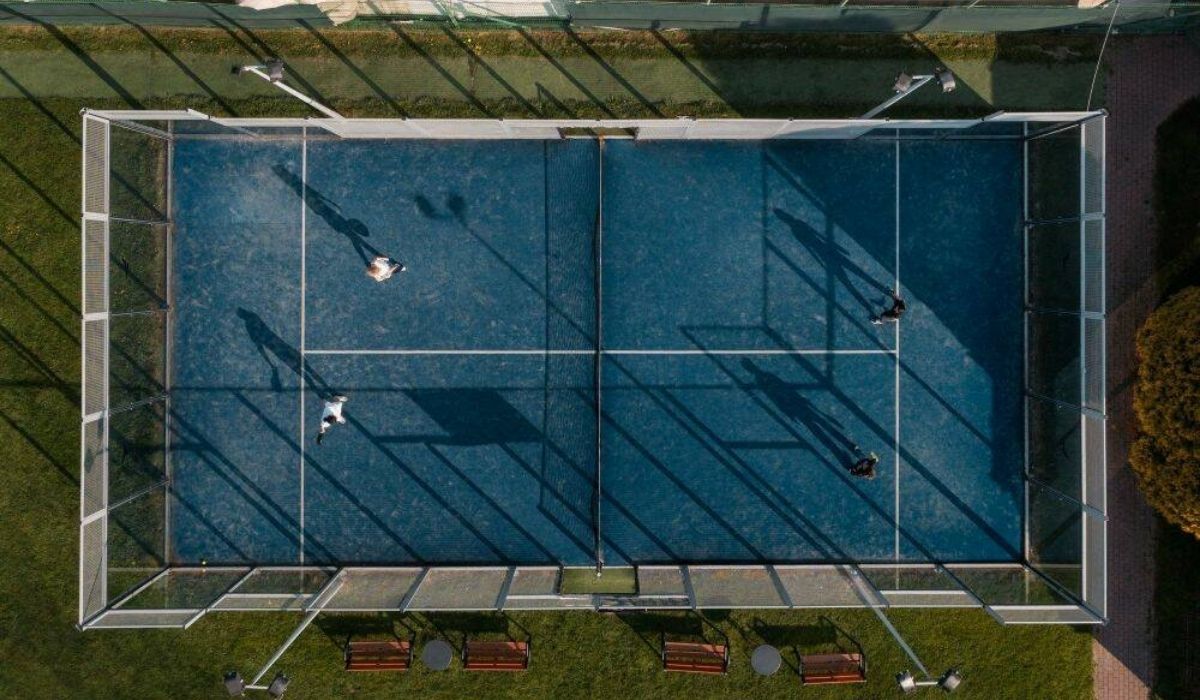
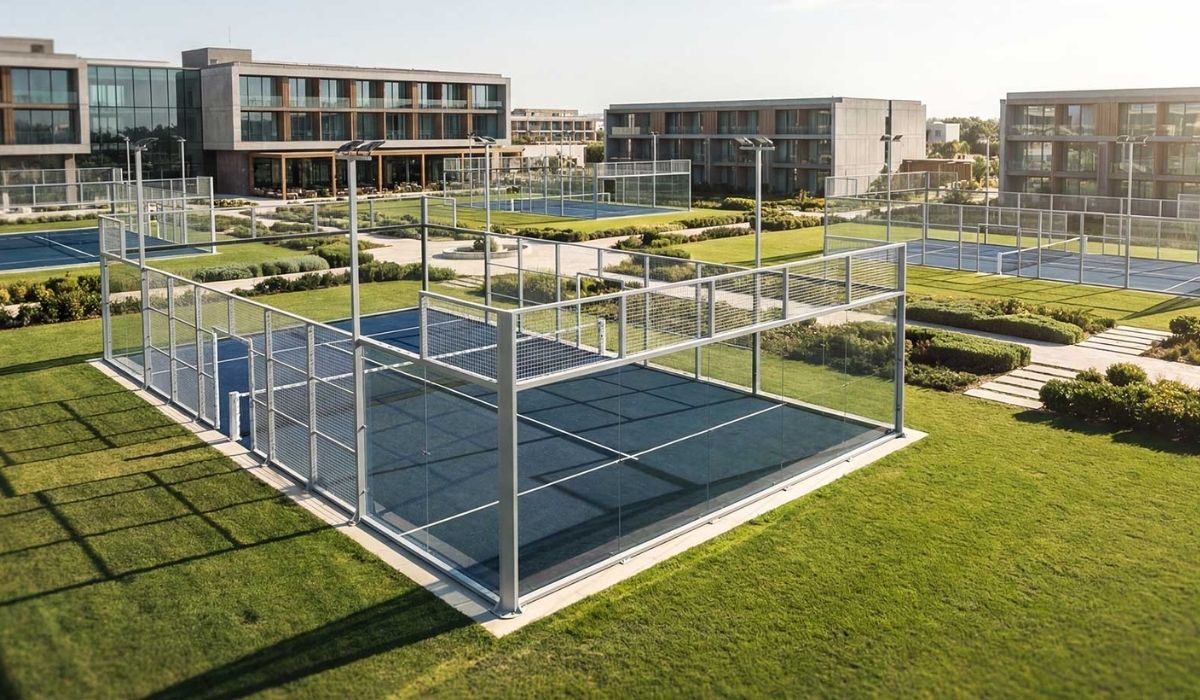
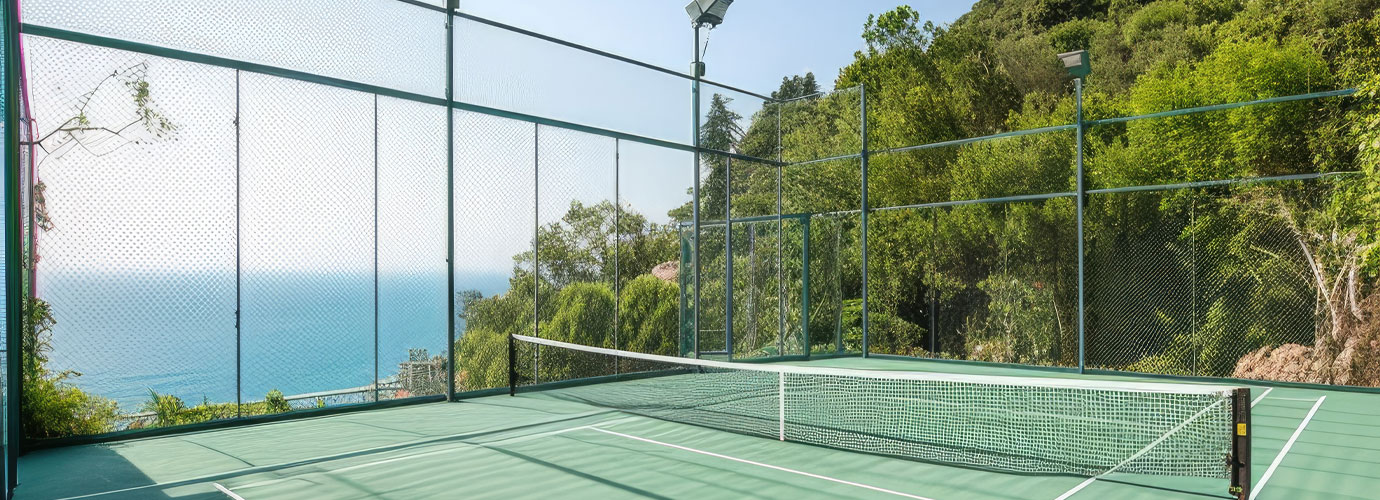
A standard padel court measures 10 x 20 meters, but the safety clearance around it, the entrance area and the infrastructure needs vary from project to project. Work moves quickly on a site where the existing ground is flat and solid, while the schedule stretches on land that needs excavation or drainage.
What Stages Does Padel Court Construction Involve?
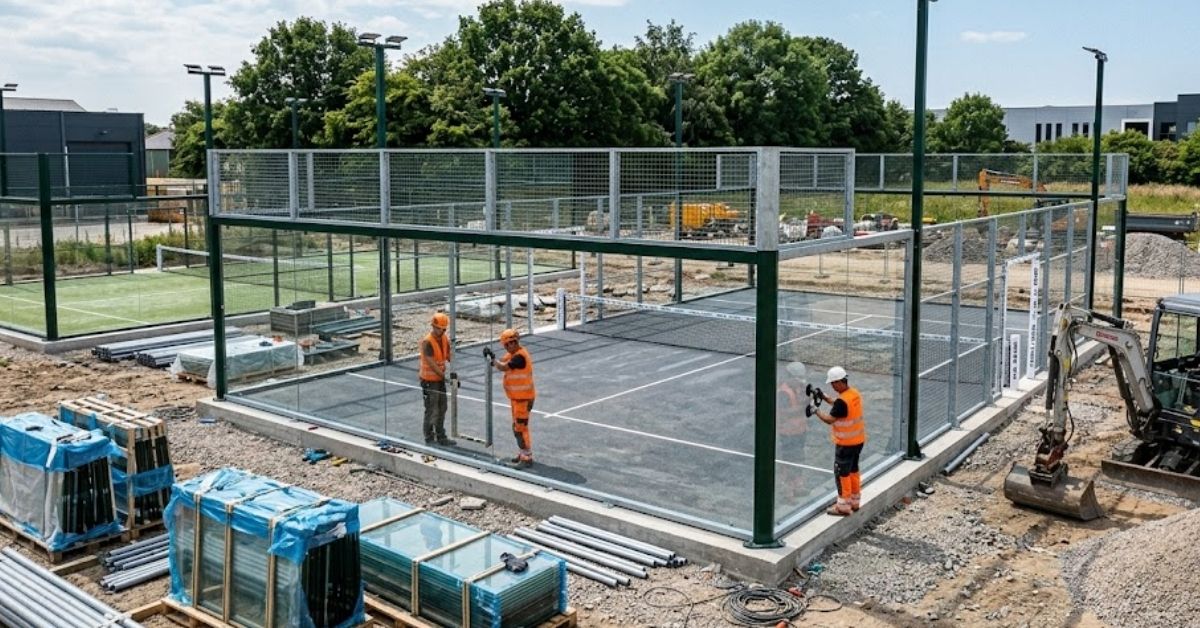
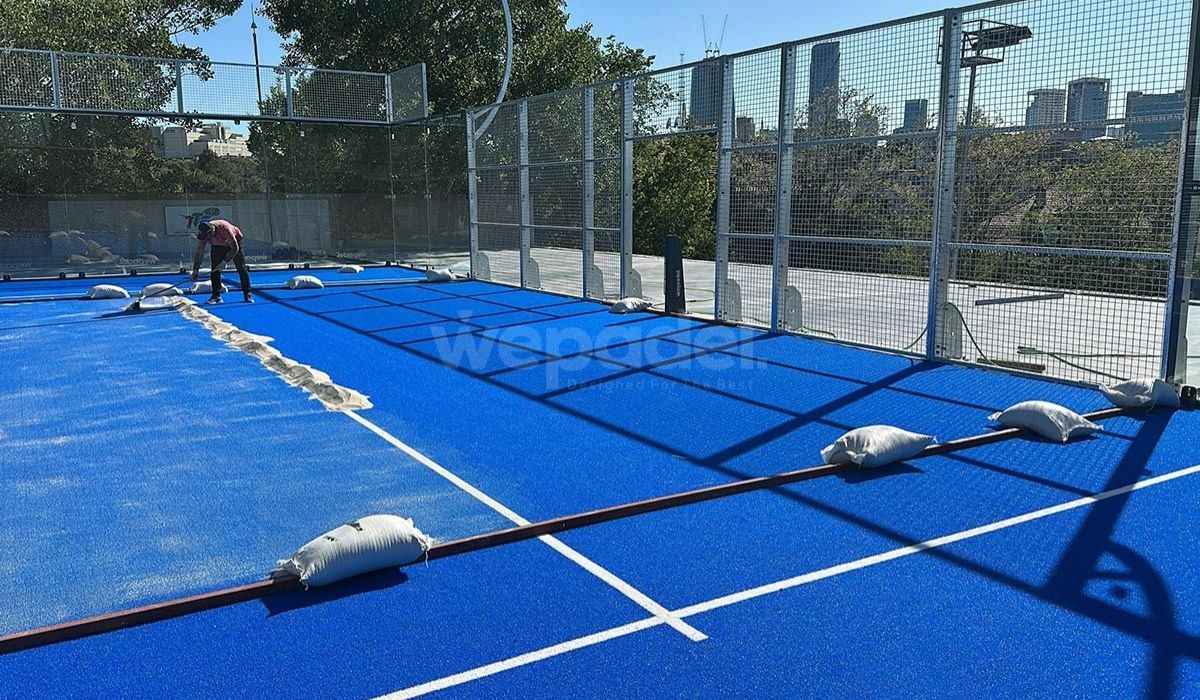
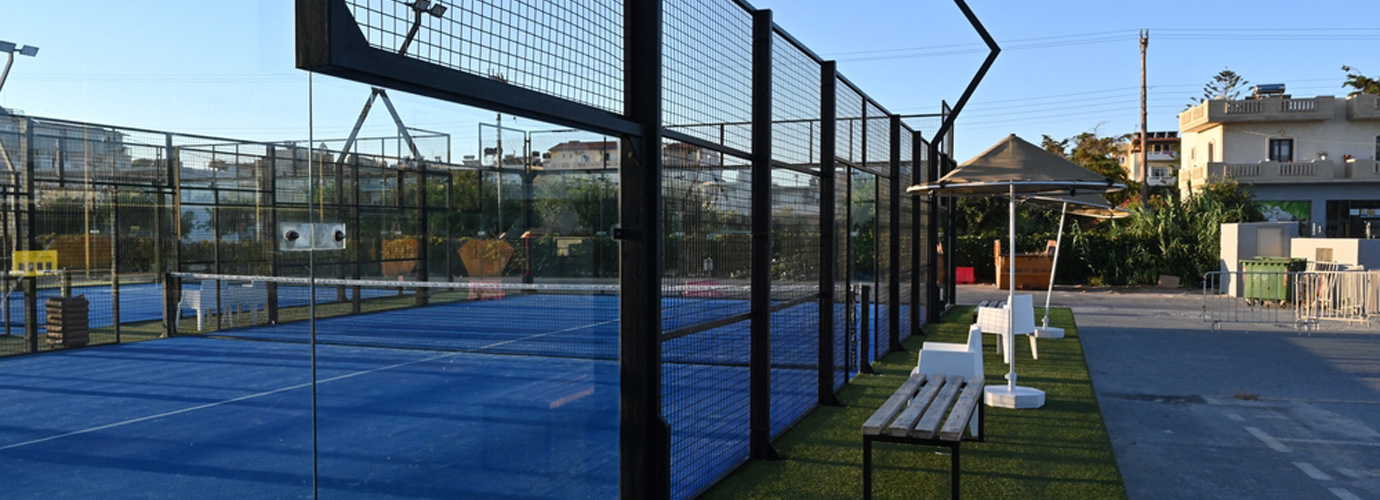
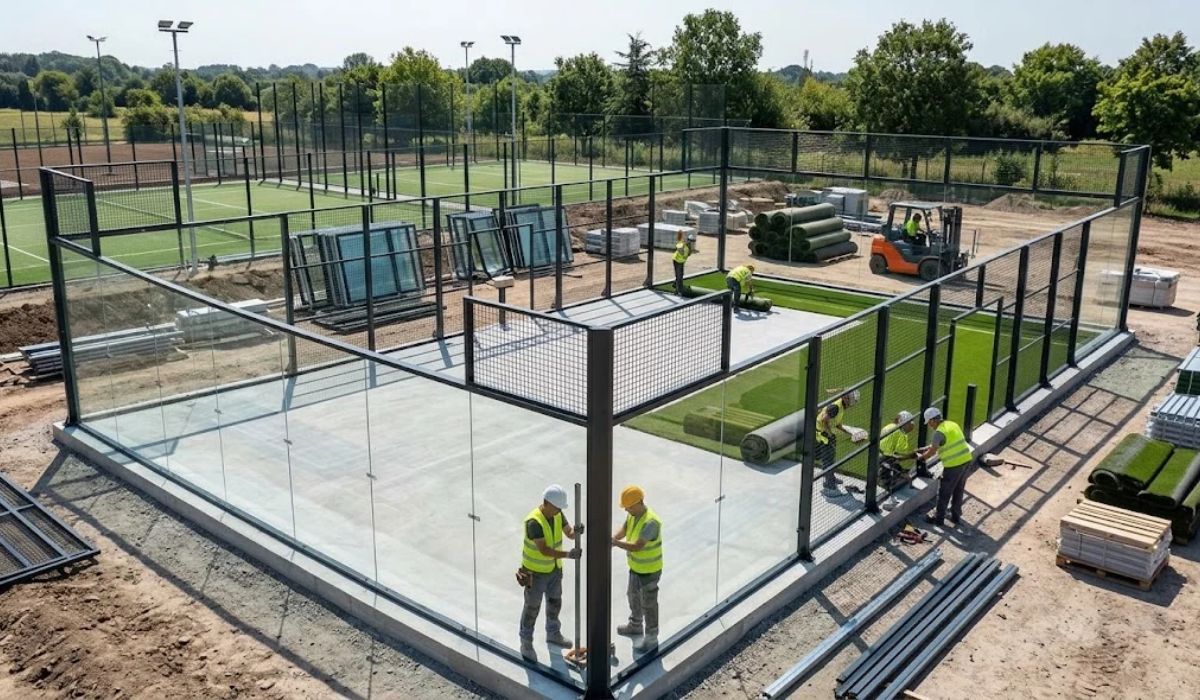
Construction moves through six main stages: survey and design, groundwork, structural frame, glass and mesh installation, turf laying, and lighting. Each stage waits for the previous one to finish, so the durations add up. For a detailed walkthrough, you can look at the padel court installation guide.
|
Stage |
Work carried out |
What affects the duration |
|
Survey and design |
Measuring the site, court layout, model selection |
Decision time, permit requirements |
|
Groundwork |
Leveling, concrete or asphalt base, drainage |
Terrain, concrete curing, weather |
|
Structural frame |
Erecting the steel frame |
Production and shipping time |
|
Glass and mesh |
Installing tempered glass walls and panels |
Glass supply, installation precision |
|
Turf laying |
Padel turf surface, sand infill |
Ground being dry and level |
|
Lighting |
Installing the LED lighting system |
Electrical infrastructure |
Technical values such as concrete curing time vary with the material and the application, so you should follow the time specified by the contractor and the civil engineer.
Does Installation Time Differ for Outdoor and Covered Padel Courts?
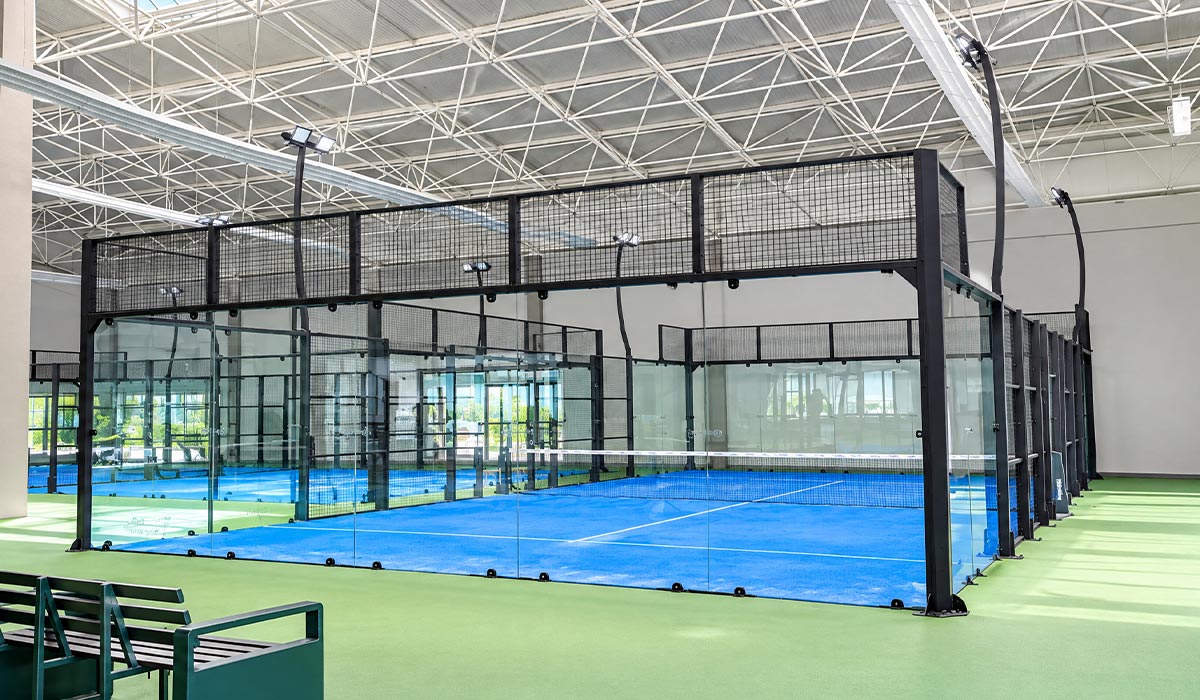
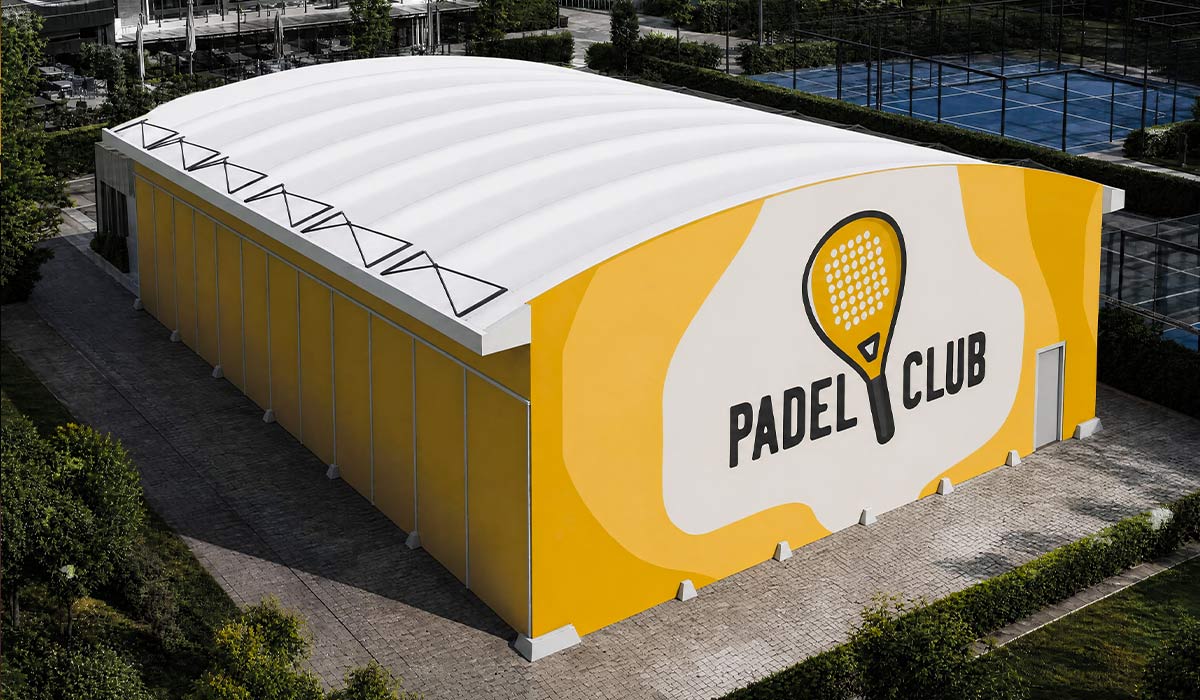
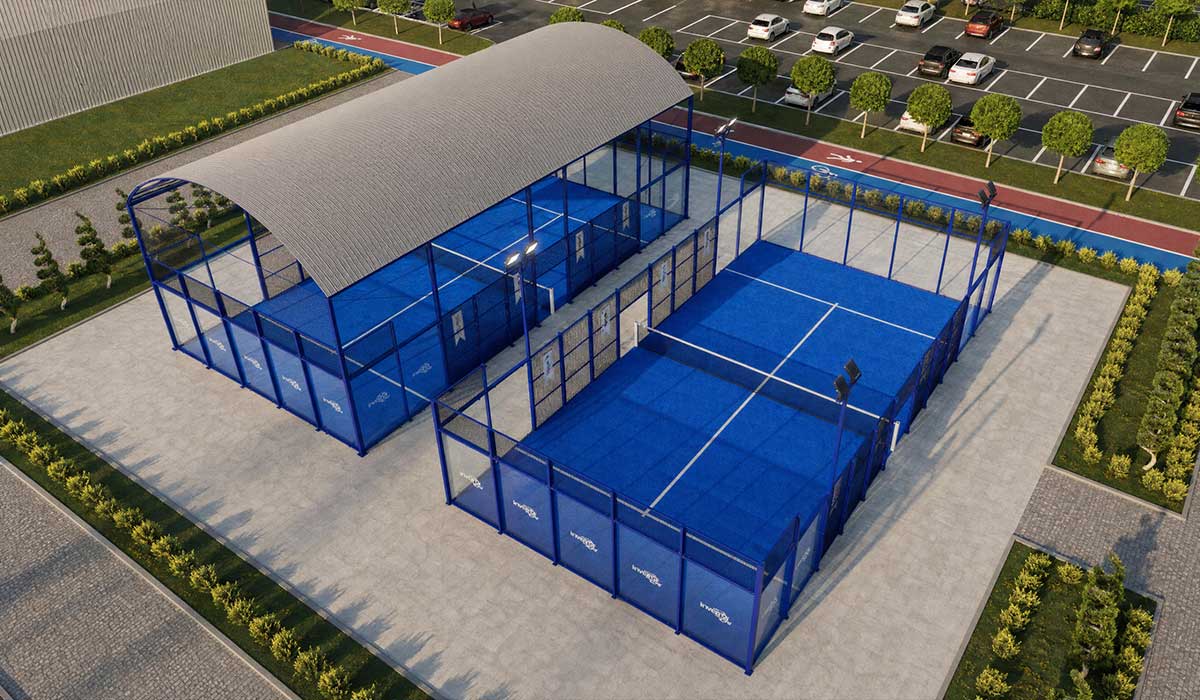
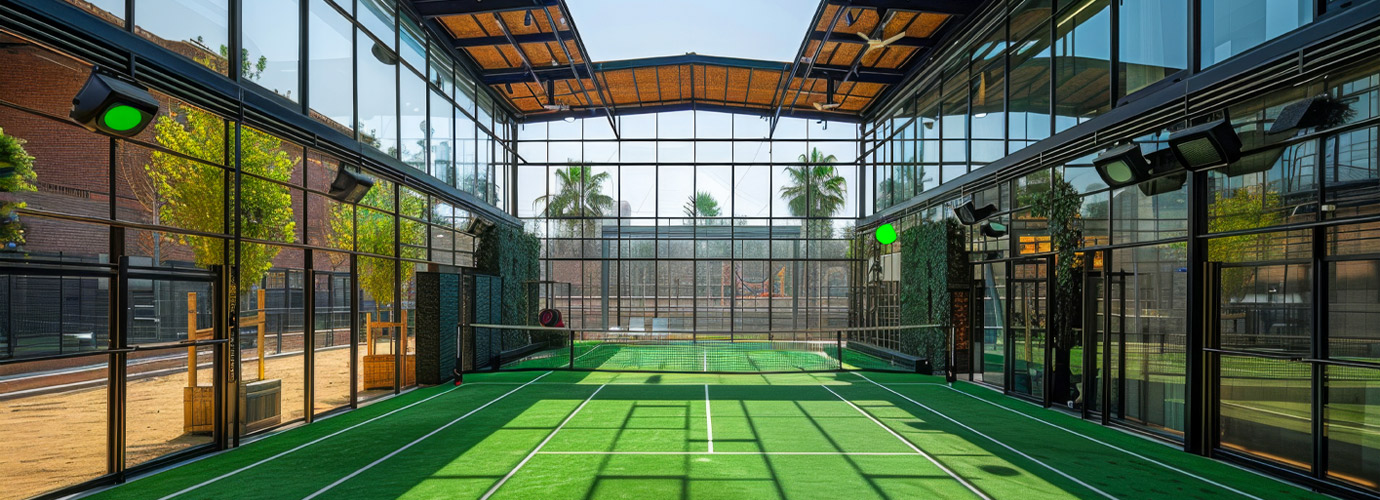
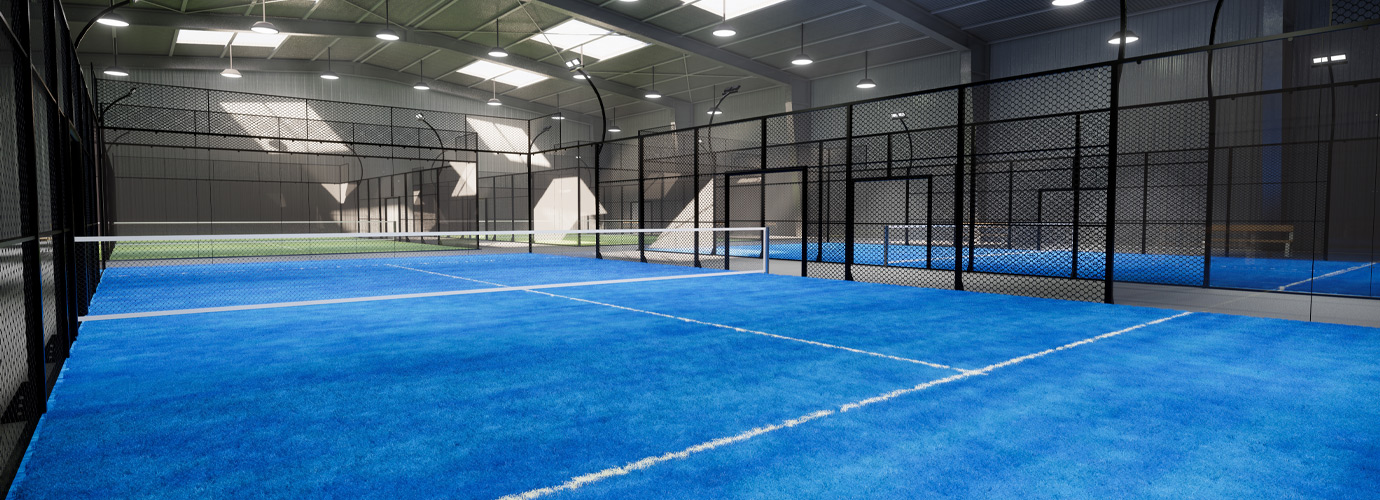
Yes, installation usually takes longer for indoor and covered courts. The roof system, load-bearing columns and building permits add extra steps to the process.
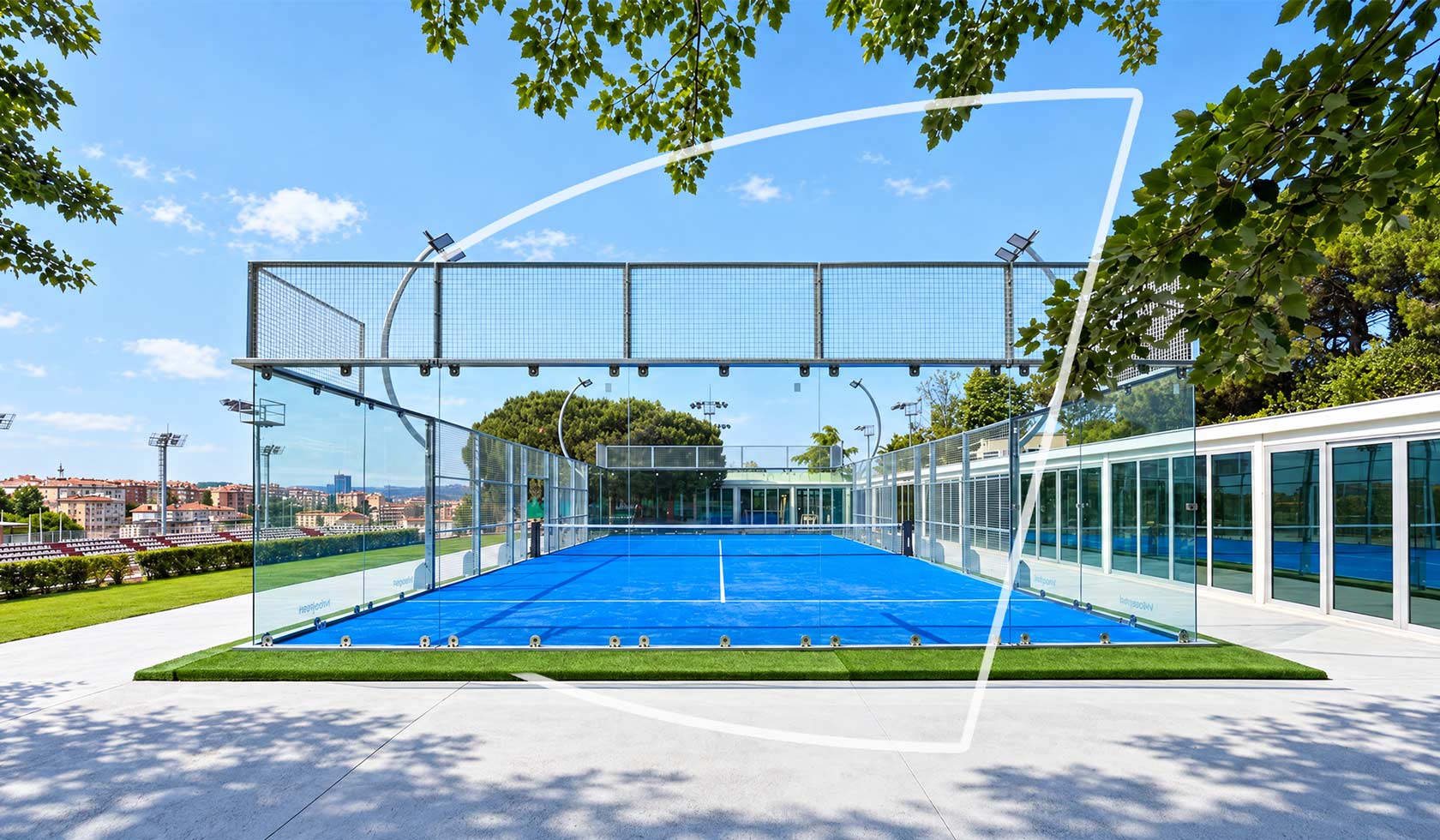
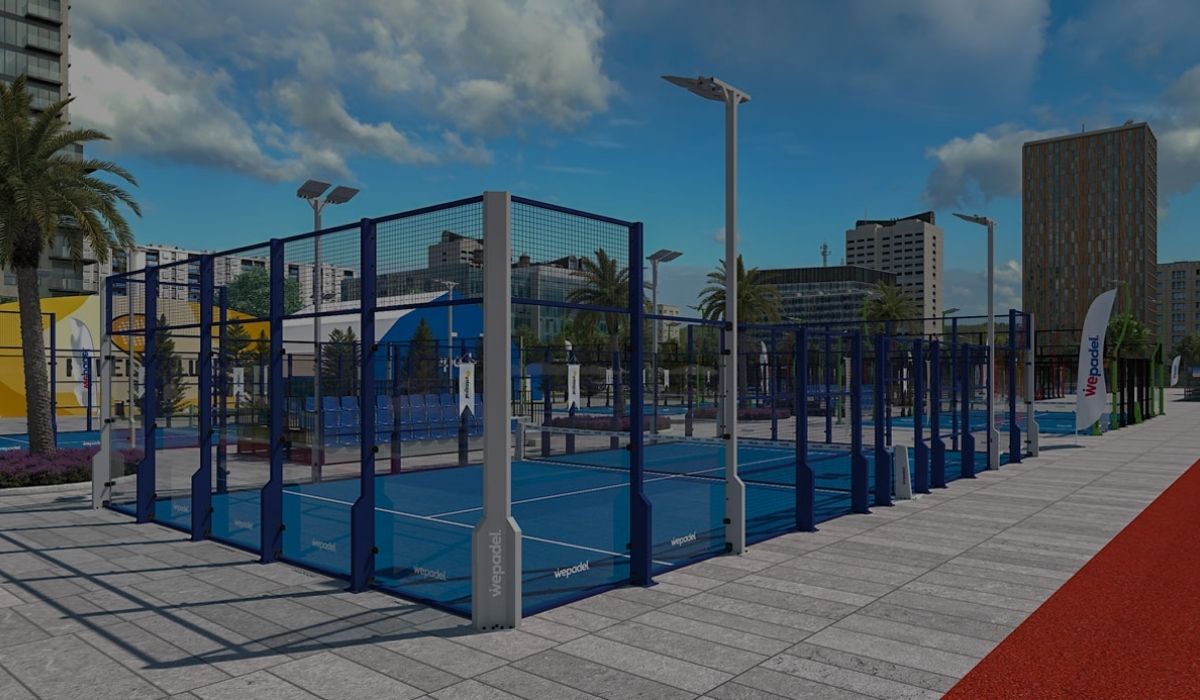
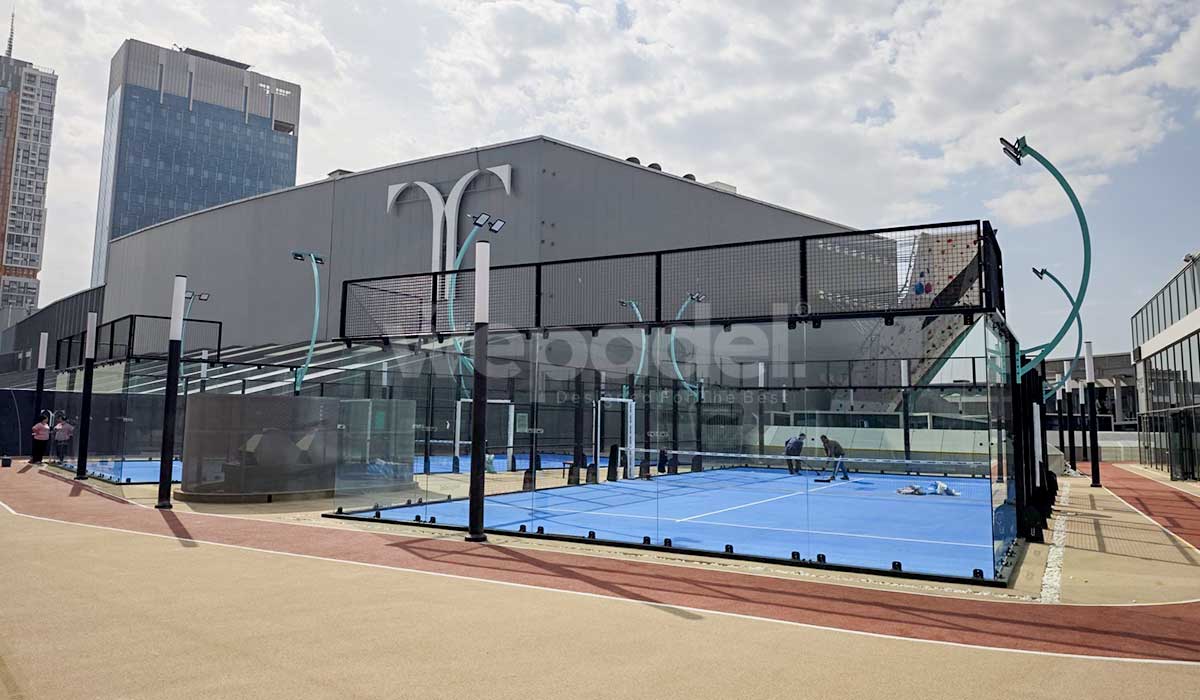
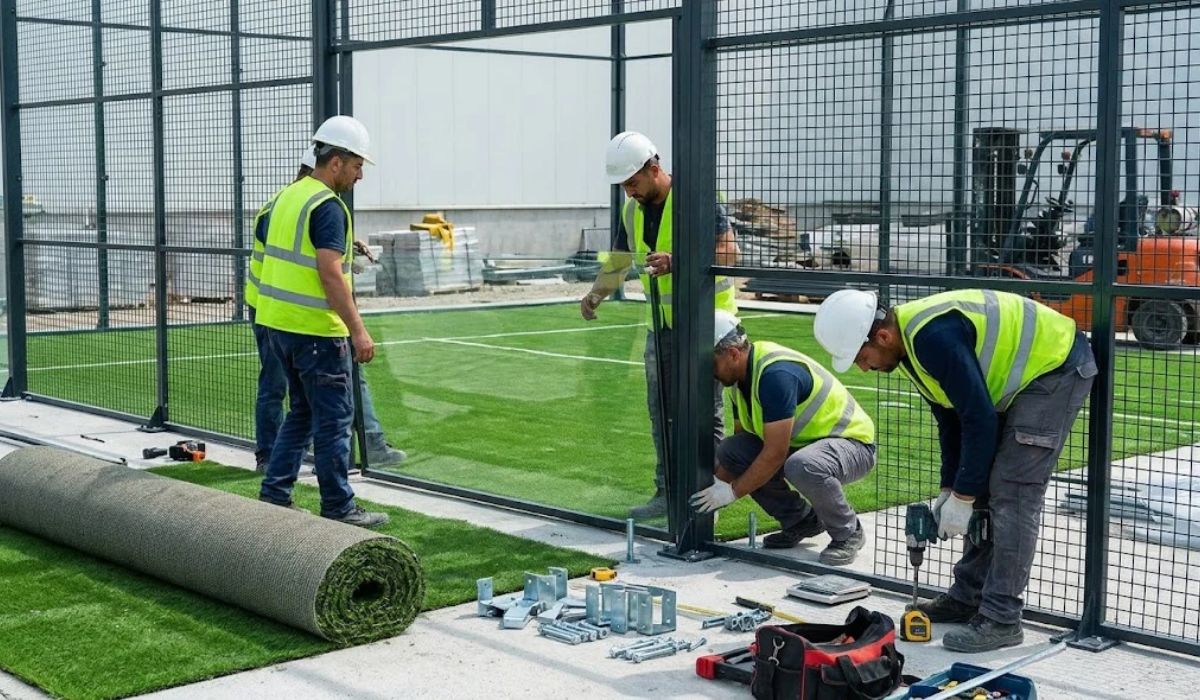
On an outdoor court, the main job is the court body. A covered padel court, on the other hand, needs a larger project, structural calculations and more assembly work, because the steel structure has to carry a wider roof. On panoramic models the amount of glass surface increases, so glass supply also becomes a deciding factor in the schedule.
What Factors Extend the Installation Process?
The most common causes of delay are permit and approval delays, bad weather, late material deliveries and design changes made later. Most of these can be anticipated before work begins.
-
Permits: The approvals required depend on the municipality, zoning status and local regulations; you should get information from the relevant office before applying.
-
Weather: Rain and low temperatures can delay concrete pouring and turf laying.
-
Electrical infrastructure: Running a line or adding a panel for the lighting may be a separate work item.
-
Site access: If heavy materials are hard to bring onto the site, transport and assembly slow down.
-
Plan changes: Changing the dimensions or model after production has started affects the whole schedule.
How Long Does a Turnkey Facility Take to Build?
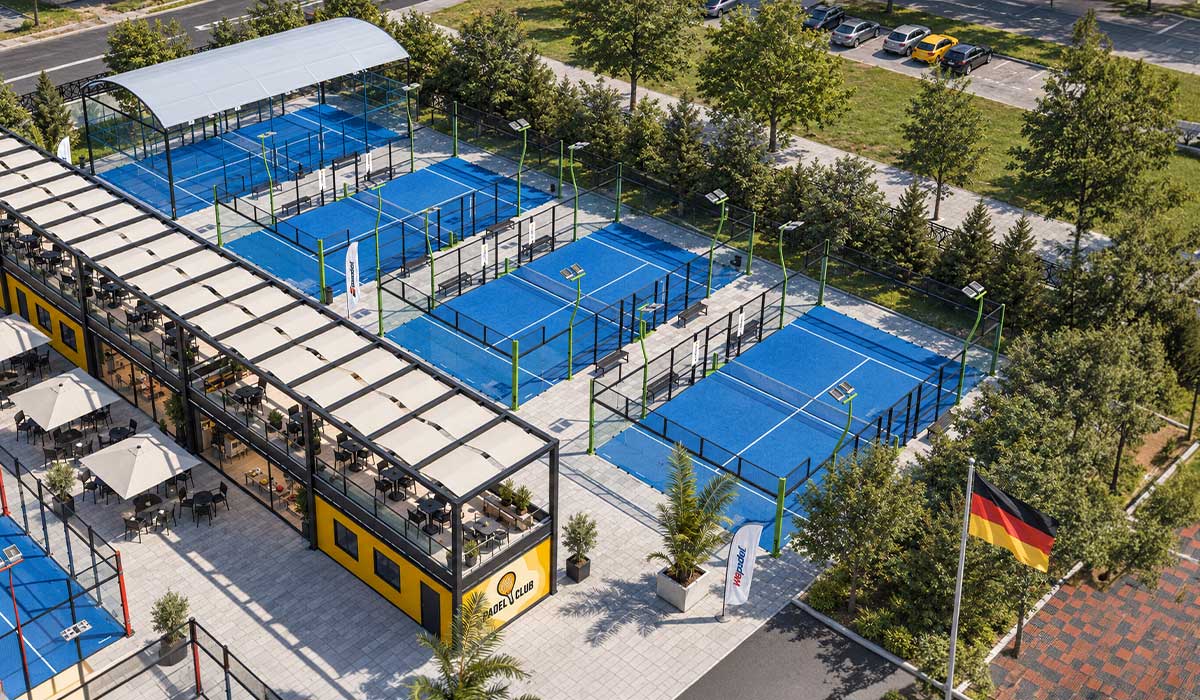
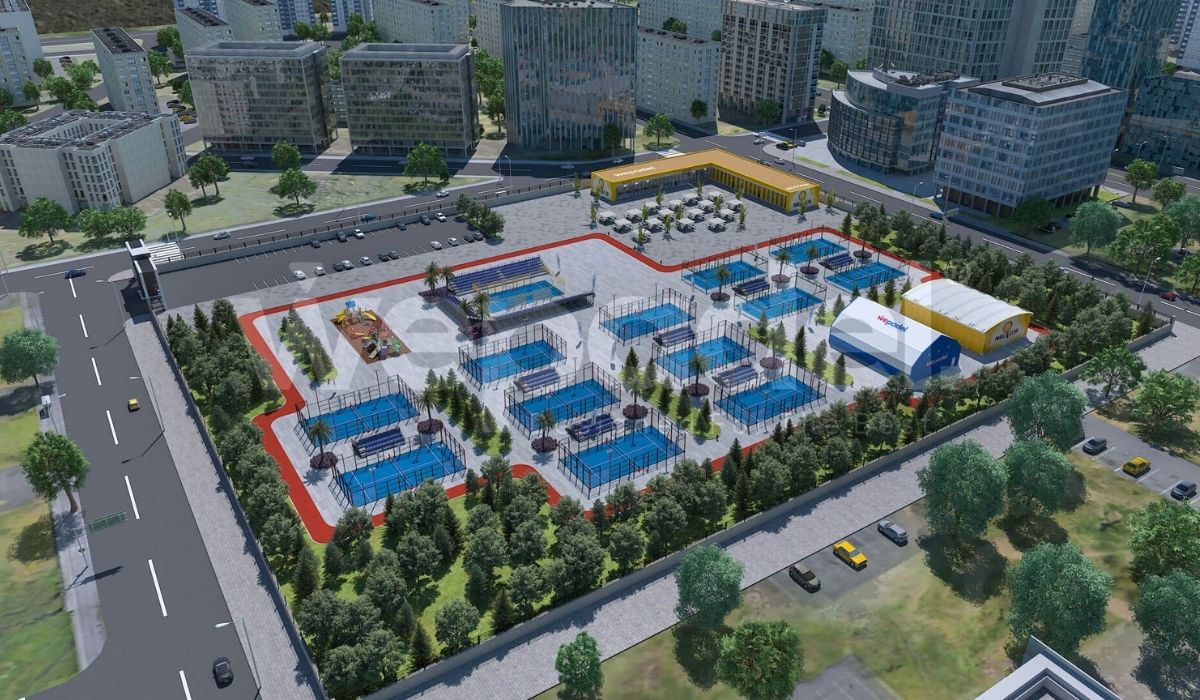
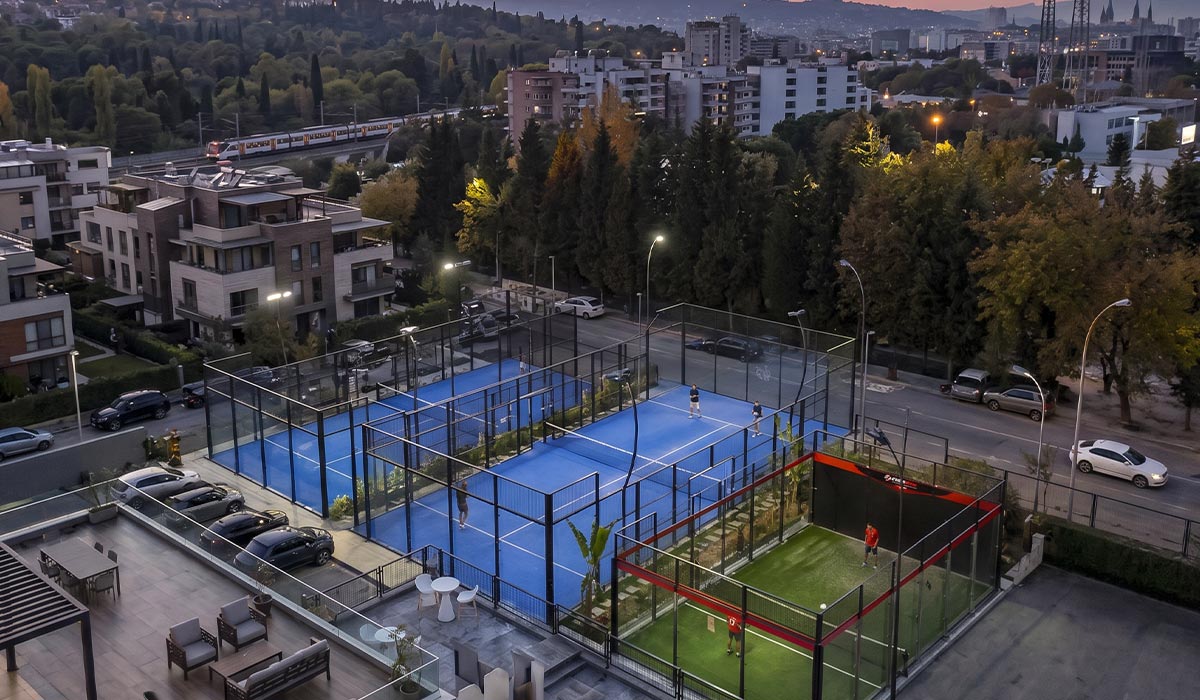
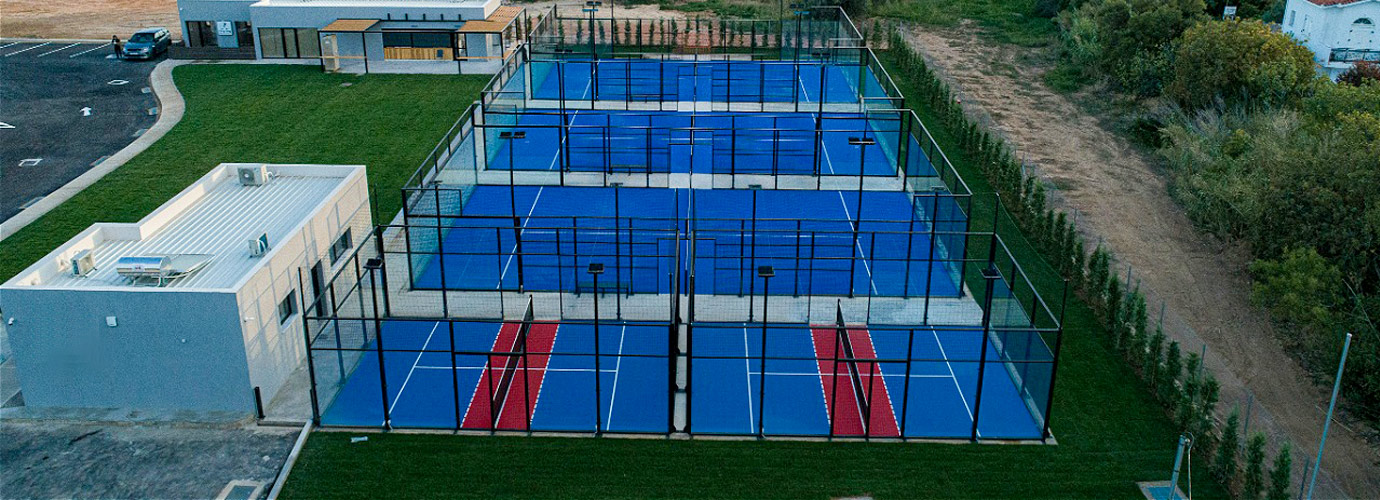
A facility with multiple courts or social areas takes noticeably longer than assembling a single court. Besides the courts, groundwork, changing rooms, lighting and landscaping all have to be managed.
Companies that offer turnkey service plan these jobs under one roof, which reduces coordination losses. Even so, the total time varies with the number of courts, the scope of the building and the permit process. To see how projects of a similar scale progressed, you can review completed projects.
What Should You Pay Attention to in Order to Speed Up Installation?
The way to shorten the timeline is less about working fast and more about being fully prepared before work starts. If decisions and permits are settled in advance, the work on site moves without interruption.
-
Have the site and ground conditions measured in detail during the survey stage.
-
Finalize the model and dimensions before production; compare the differences between padel court models from the start.
-
Plan permit and electrical infrastructure work to run in parallel with the installation.
-
Ask the company for a written work schedule and ask what condition each stage depends on.
-
Try to schedule weather-sensitive work (concrete, turf laying) for a suitable season.
A written work schedule both clarifies expectations and lets you see the reason when a delay occurs.
Conclusion
How long it takes to build a padel court varies with factors such as the site, court type, permits and material supply, and it cannot be expressed as a single fixed duration. Groundwork and approval processes often matter more than the assembly itself. A clear work schedule and early preparation make the timeline predictable.