

13/05/2024

Padel is a fast-growing, popular racket sport of Mexican origin. To ensure players’ enjoyment, safety, and fair play, it is crucial for a padel court to have the exact correct dimensions. The official dimensions of a padel court are strictly determined by the International Padel Federation (FIP). Adhering to these international measurements provides a comfortable and standard-compliant playing experience for players of all levels.
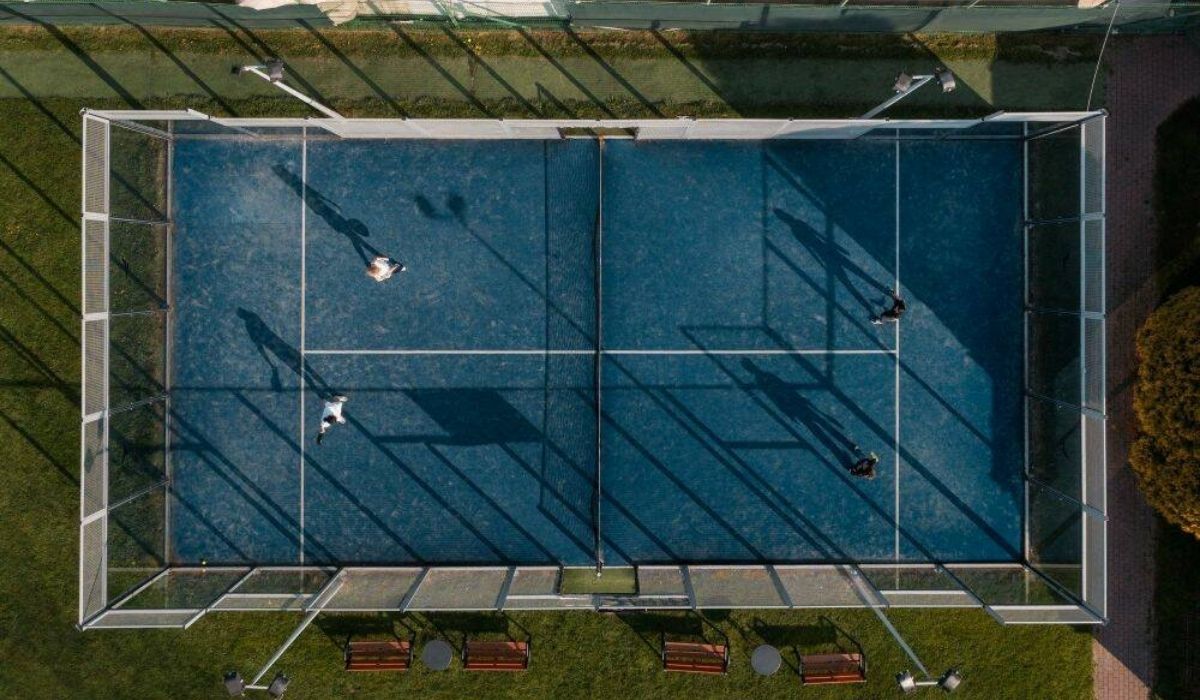
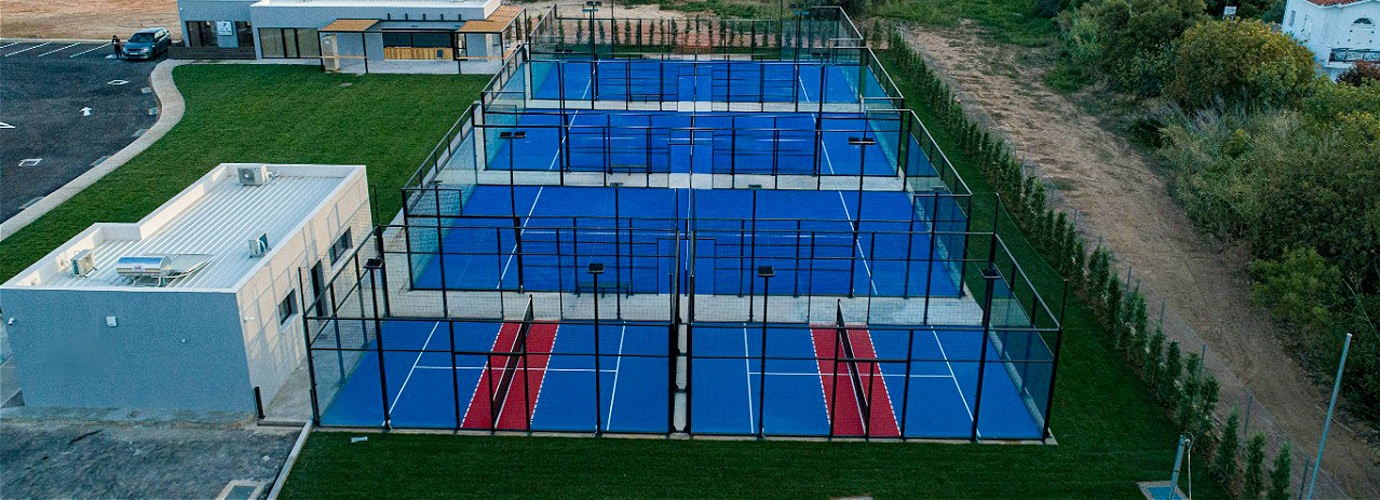
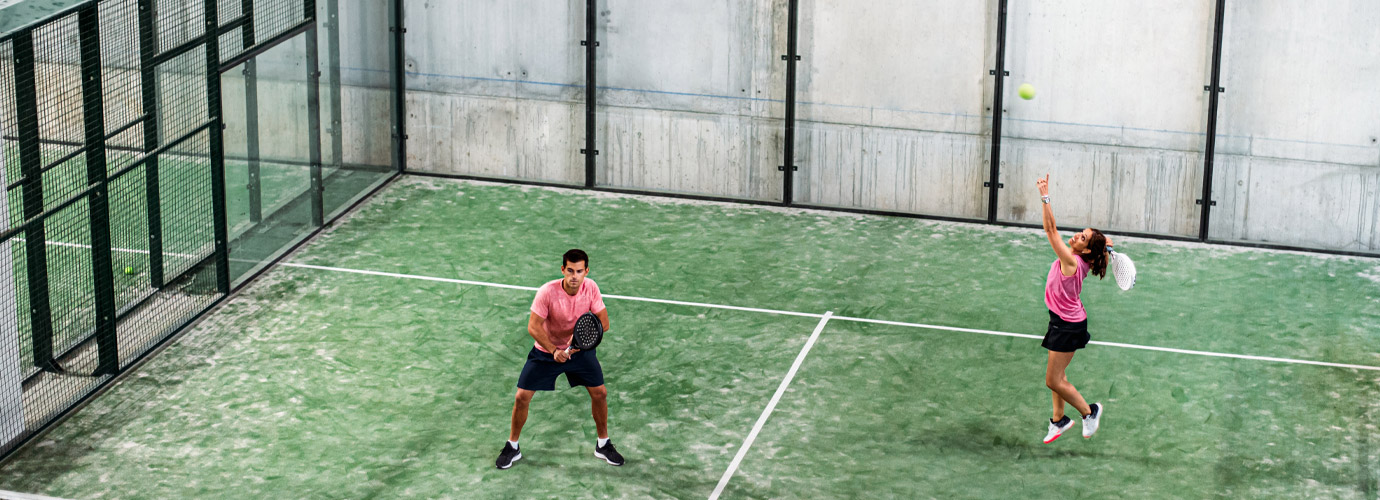
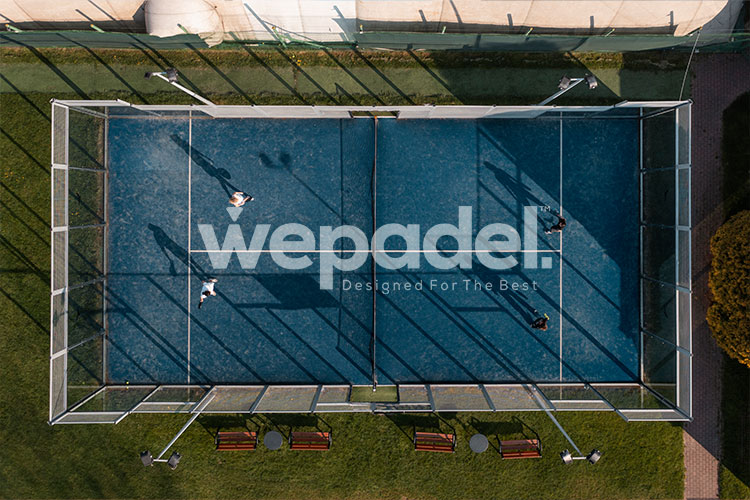
The standard dimensions of a padel court are 20 meters long by 10 meters wide. However, these dimensions can sometimes vary depending on the court’s characteristics and other facility factors, especially for amateur players or private residential facilities. Nevertheless, for all professional competitions and official tournaments, it is mandatory to use the standard dimensions set by the FIP.
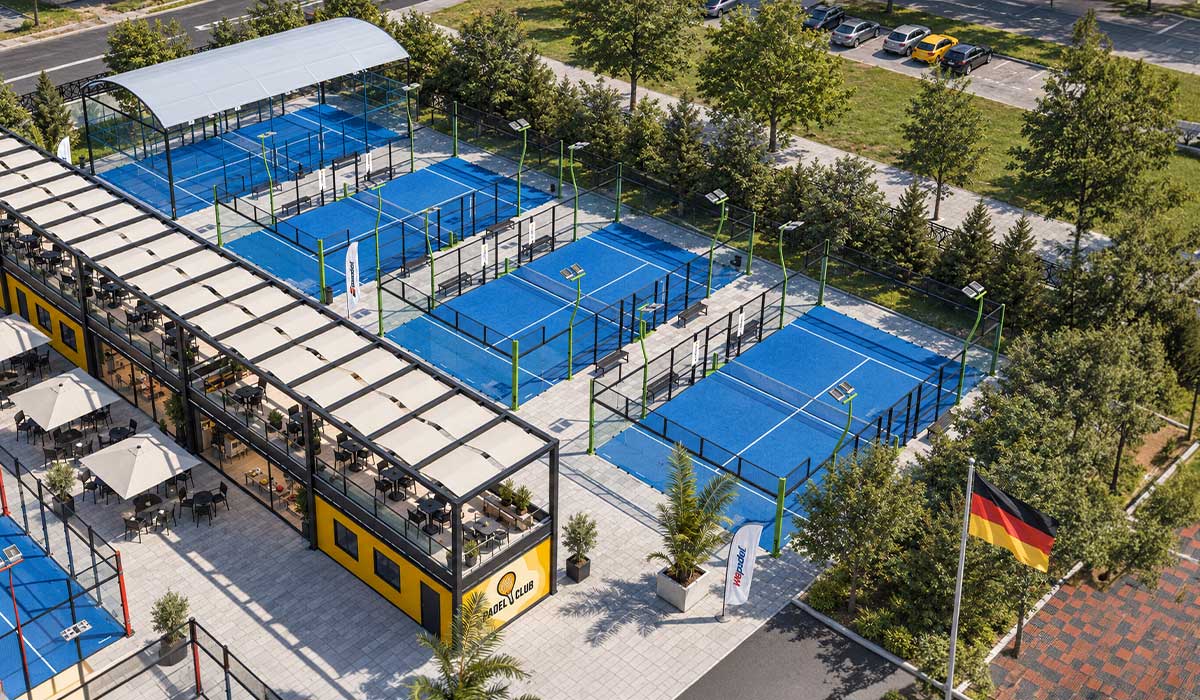
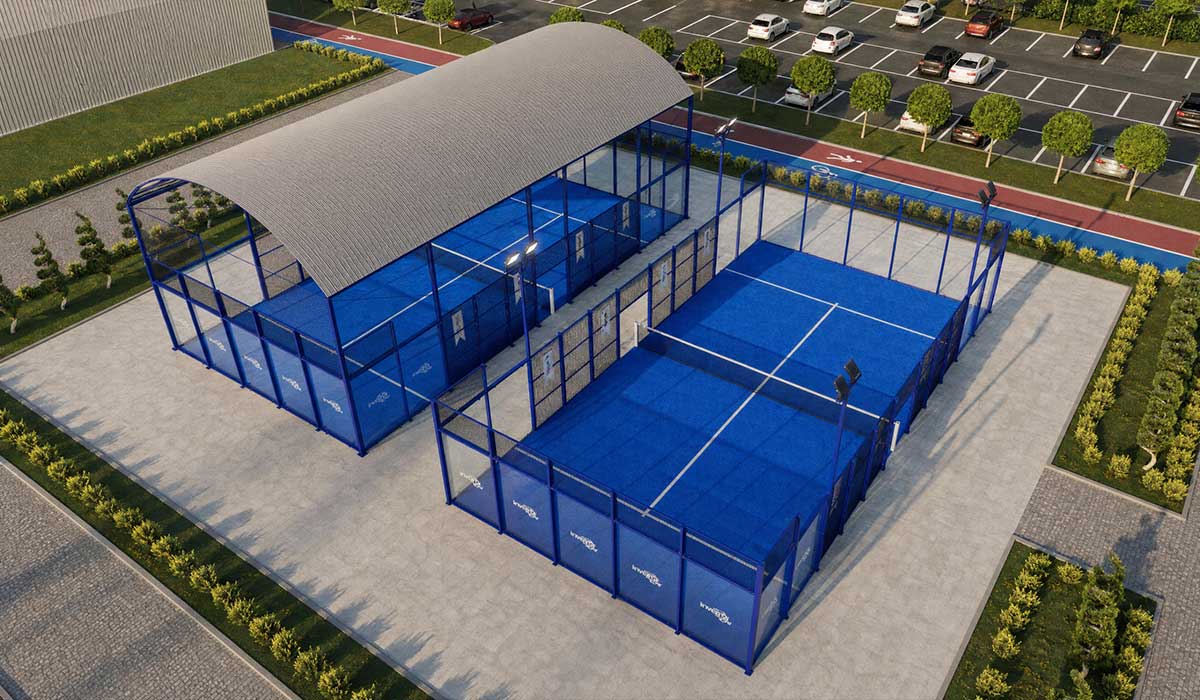
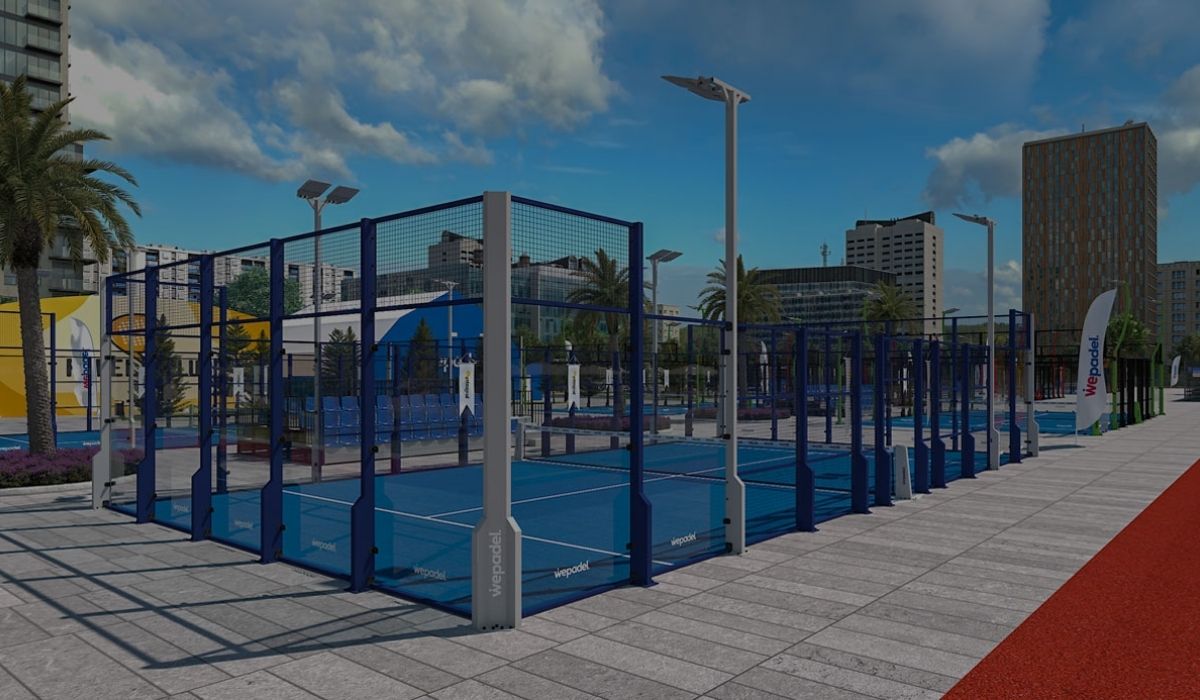
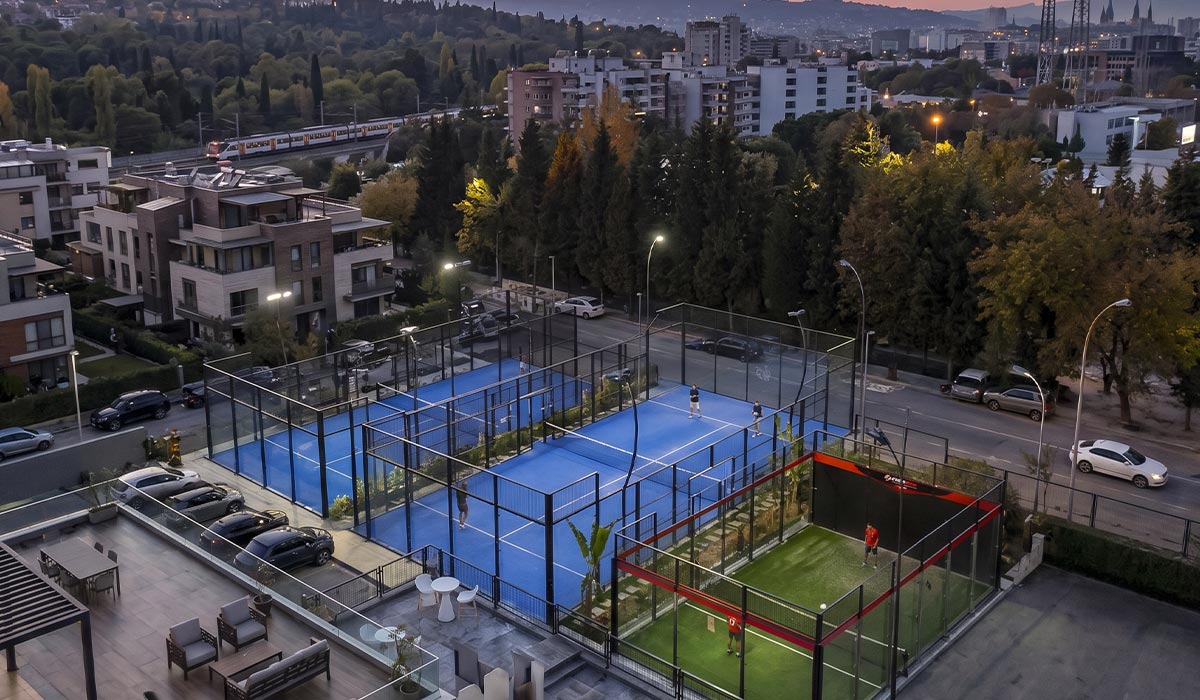
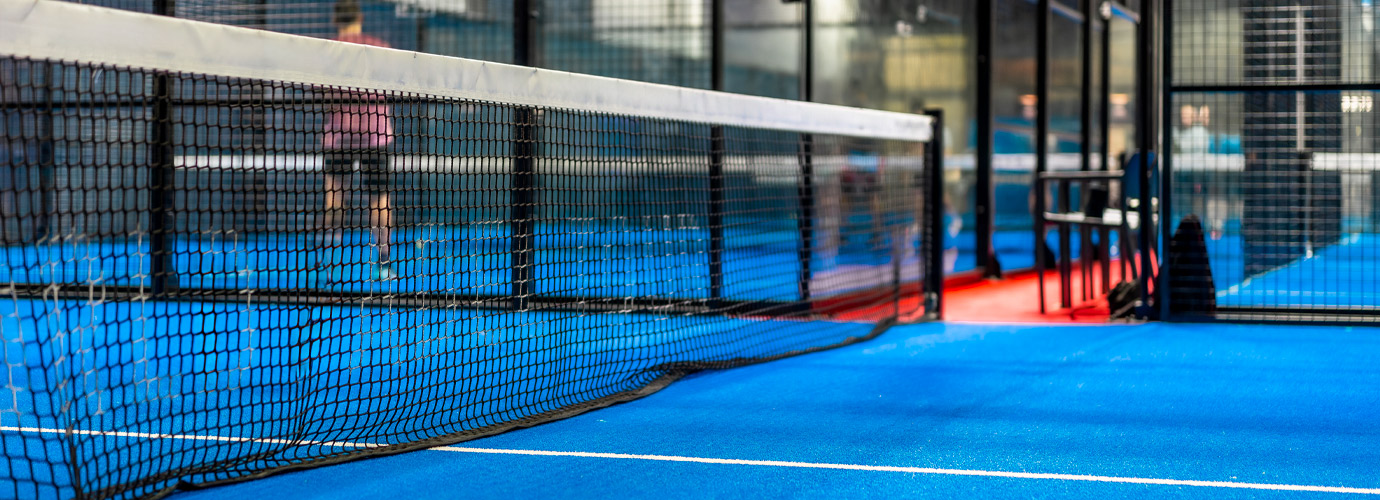
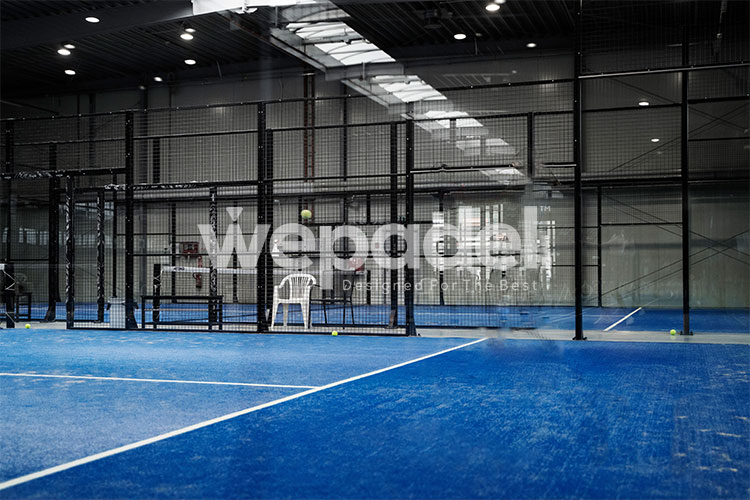
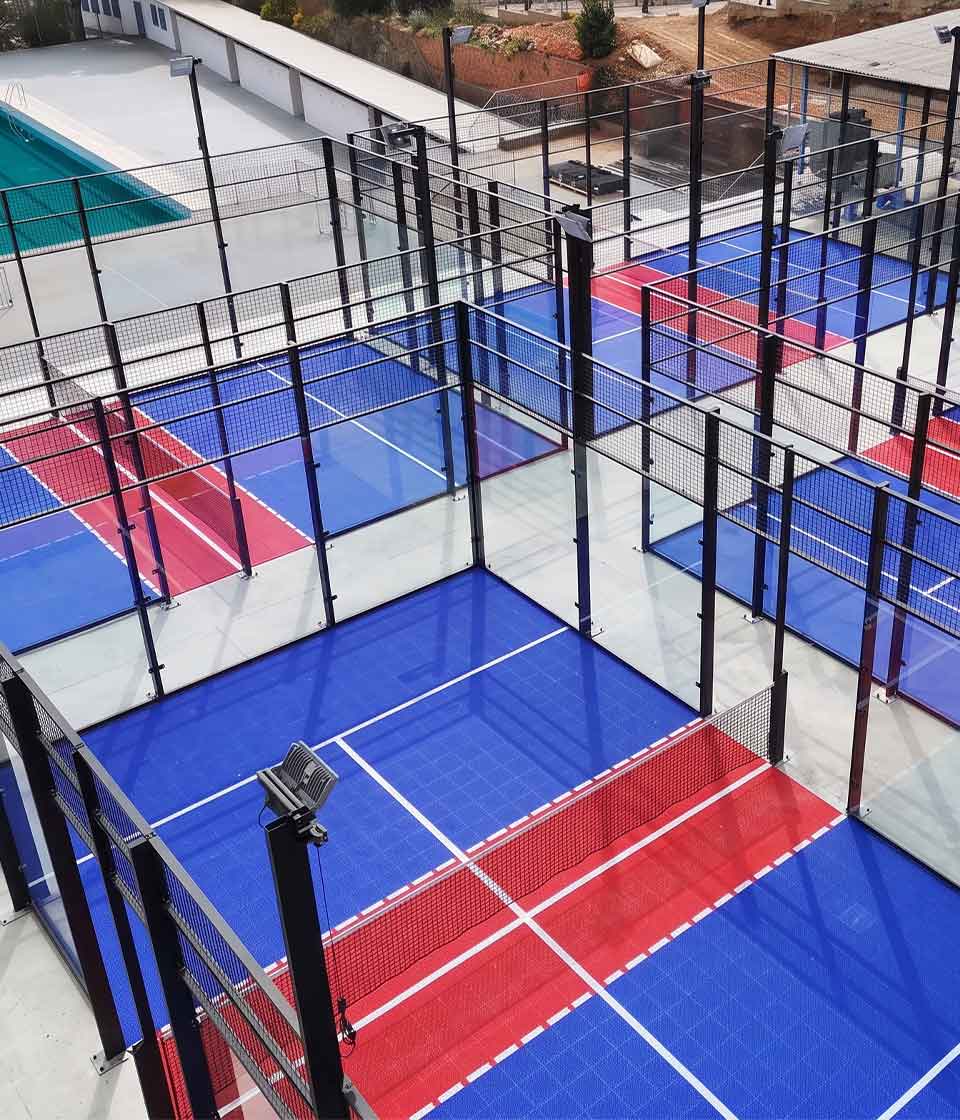
The total length of the court is 20 meters, and the width is 10 meters. Padel courts are typically enclosed with glass or walls, forming a perfect rectangle with a tolerance of 0.5% as per the official padel rules. All Padel Courts produced by Wepadel for doubles strictly adhere to FIP standards with dimensions of 10x20 meters, making them ideal for professional doubles matches.
Singles Padel Court Dimensions
For singles matches, the size of the court varies. A standard singles padel court typically has a length of 20 meters and a narrower width of 6 meters. For example, Wepadel’s specially designed Origin Single Padel Court features dimensions of 6x20 meters, offering the perfect dynamic for one-on-one games. The 20-meter length allows players to move freely and enables quick, strategic shots, while the width is optimized for single-player coverage.
How to Make a Padel Court Floor & Ground Construction?
Padel courts typically use reinforced concrete or asphalt surfaces for their foundation. A solid foundation is crucial because these surfaces facilitate the ball’s proper bounce, acceleration, and ease the players' quick movement mechanisms. Additionally, applying a non-slip finish is vital for player safety and preventing injuries during intense rallies.
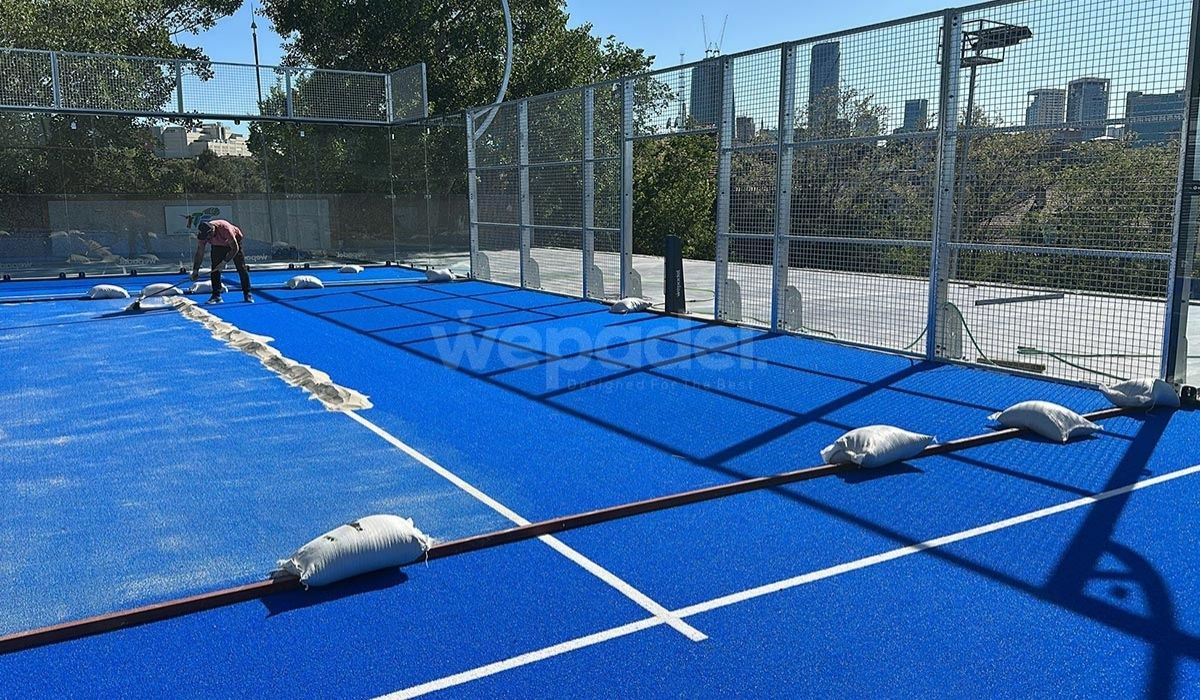
On top of the concrete base, high-quality artificial turf (synthetic grass) is installed. This turf is integrated with special silica sand infill, which ensures consistent ball bounce, optimal traction, and allows players to slide safely. Proper drainage systems are also integrated during the flooring process for outdoor courts to prevent water accumulation.

What is Used Around the Padel Court? (Walls & Fencing)
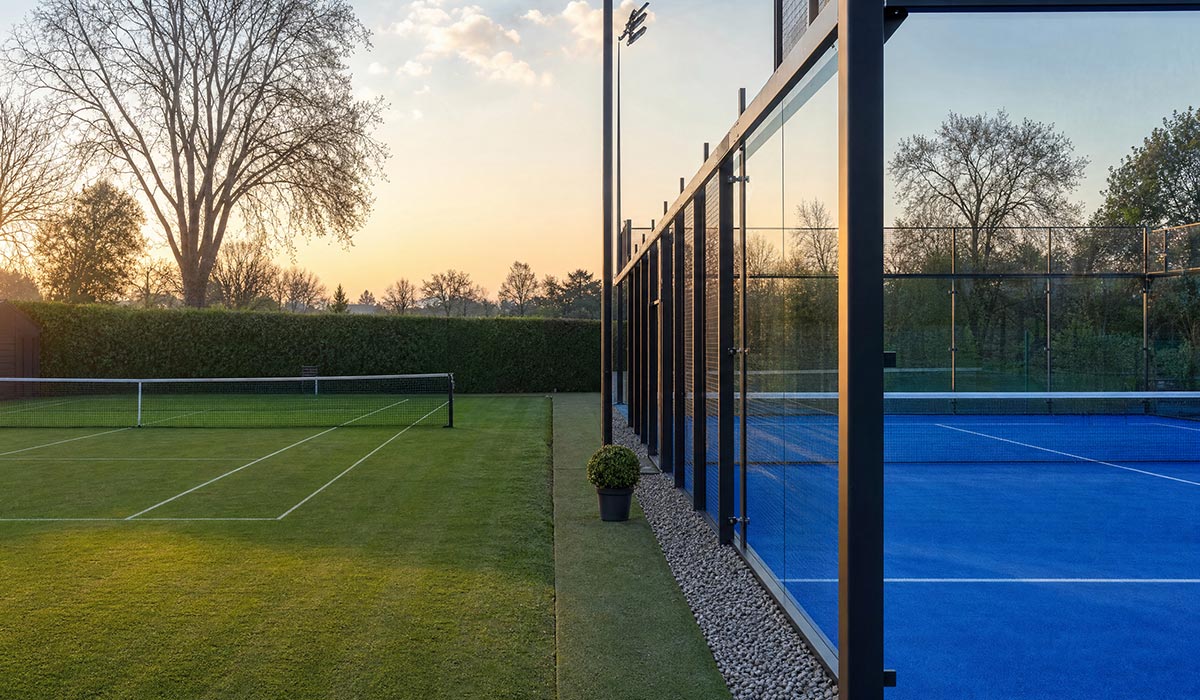
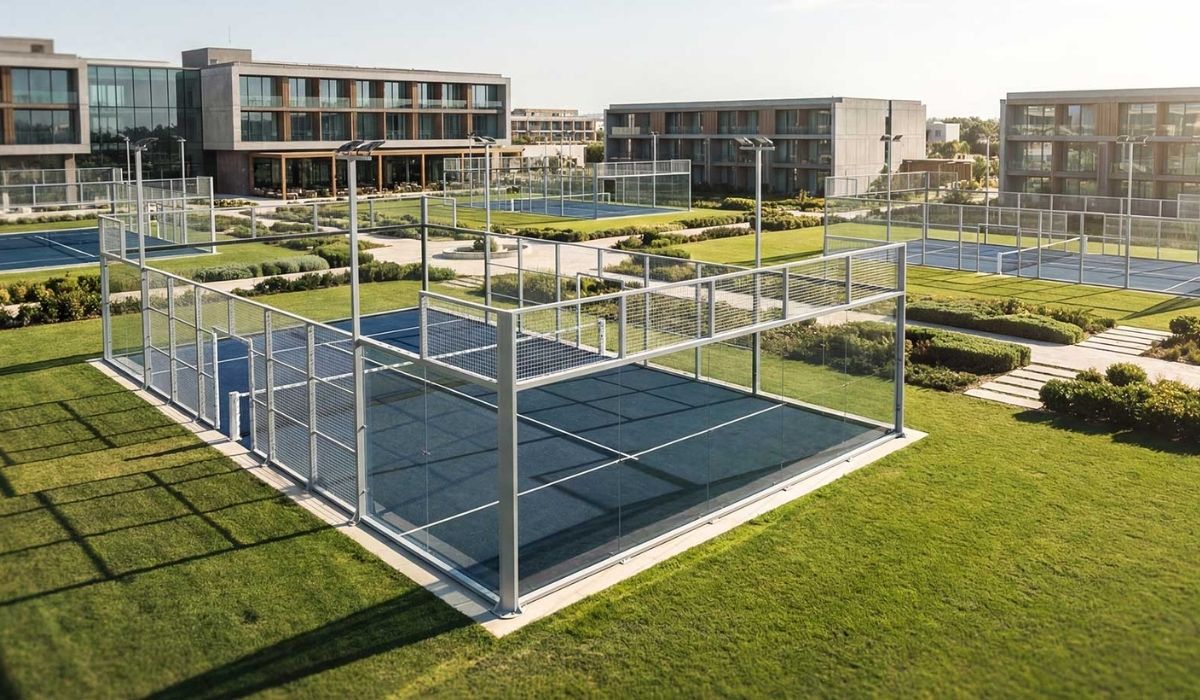
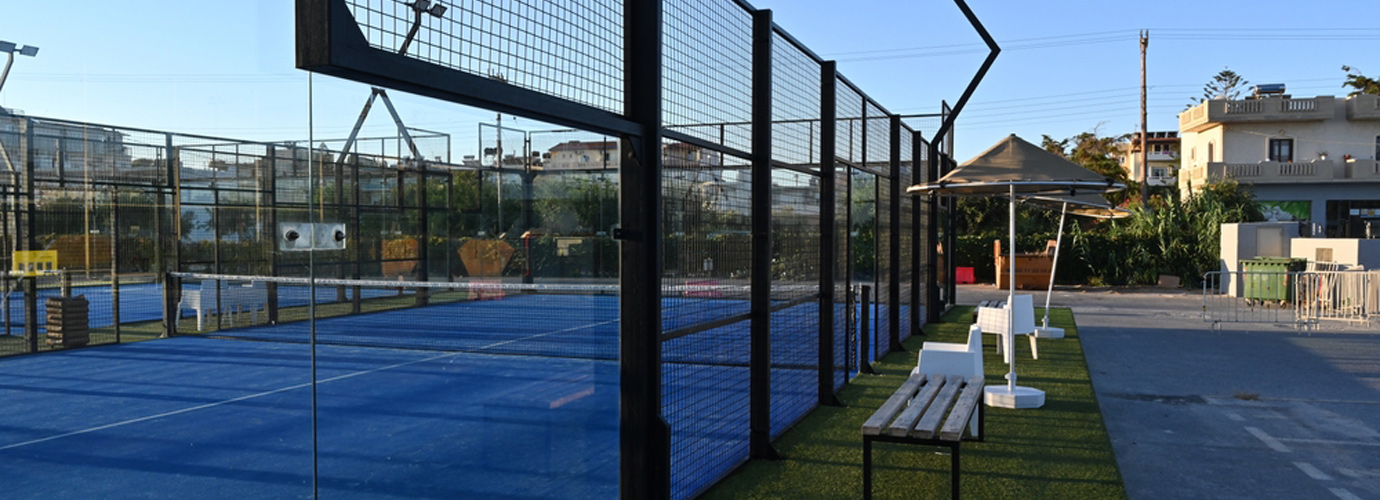
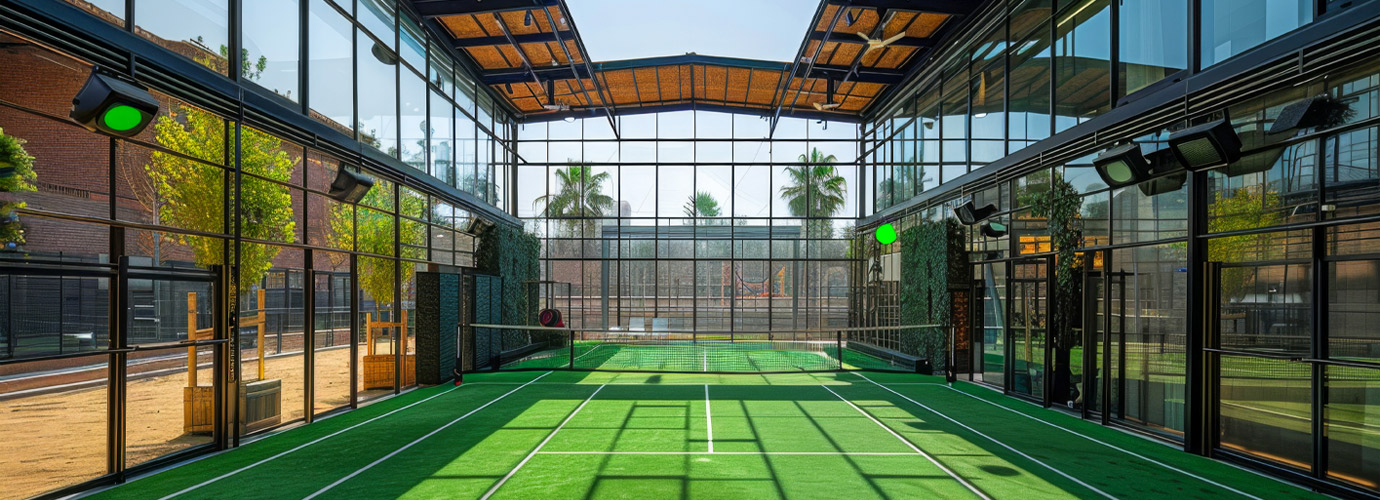
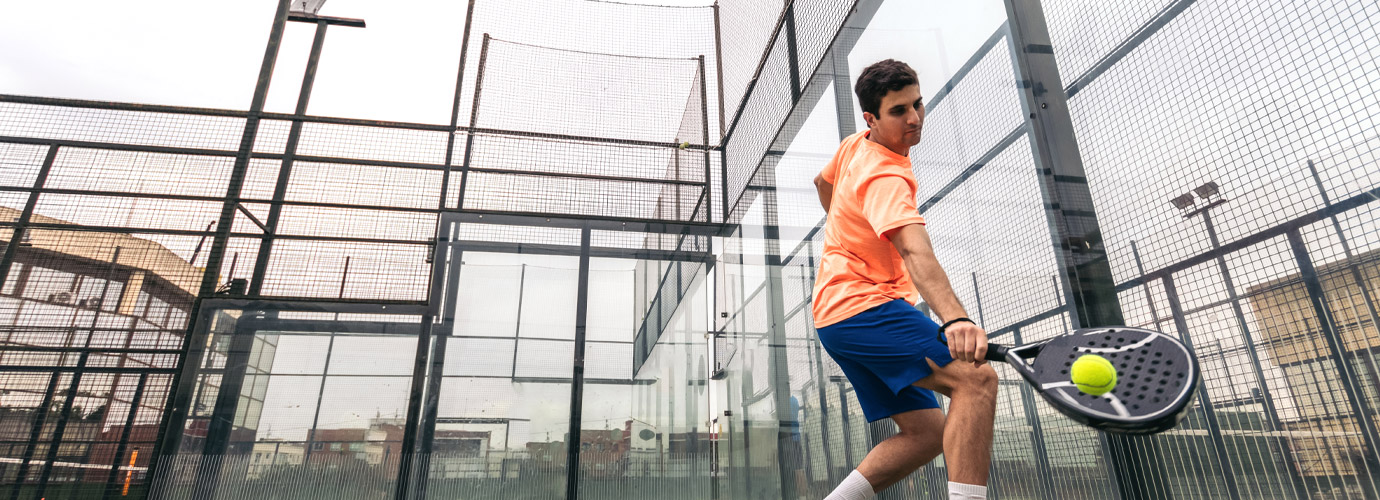
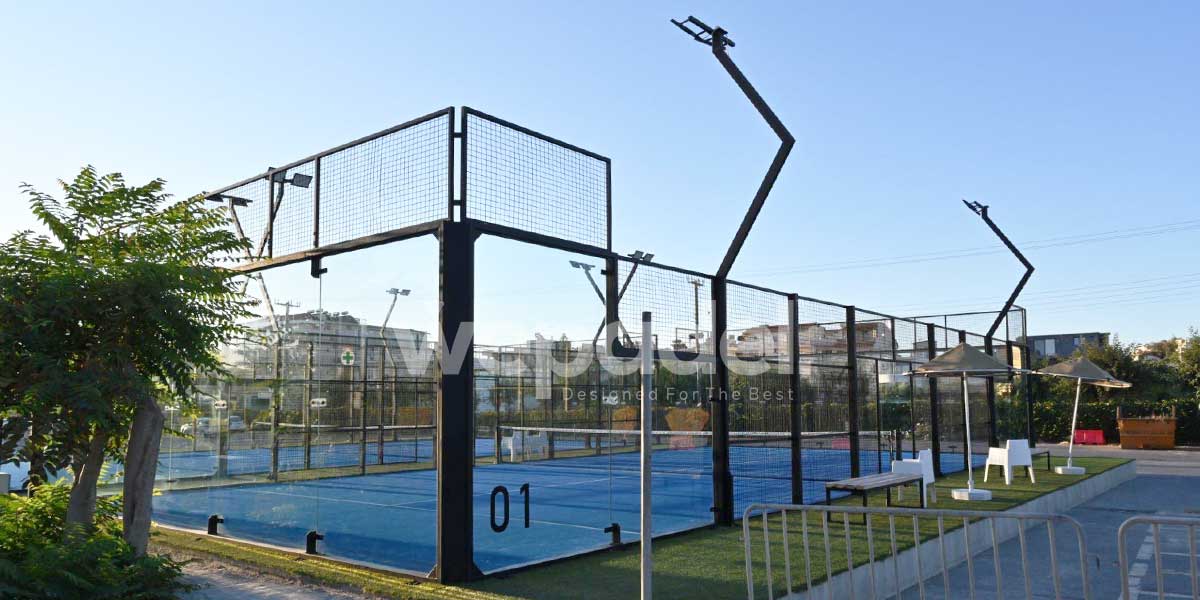
The glass panels or walls surrounding the court are the most crucial elements of padel infrastructure. Padel courts are commonly enclosed with special tempered glass, usually 10mm to 12mm thick. It is vital for these glass panels to be of sufficient height, premium durability, and perfectly aligned, since players actively utilize them to bounce the ball and strategize their defense shots.
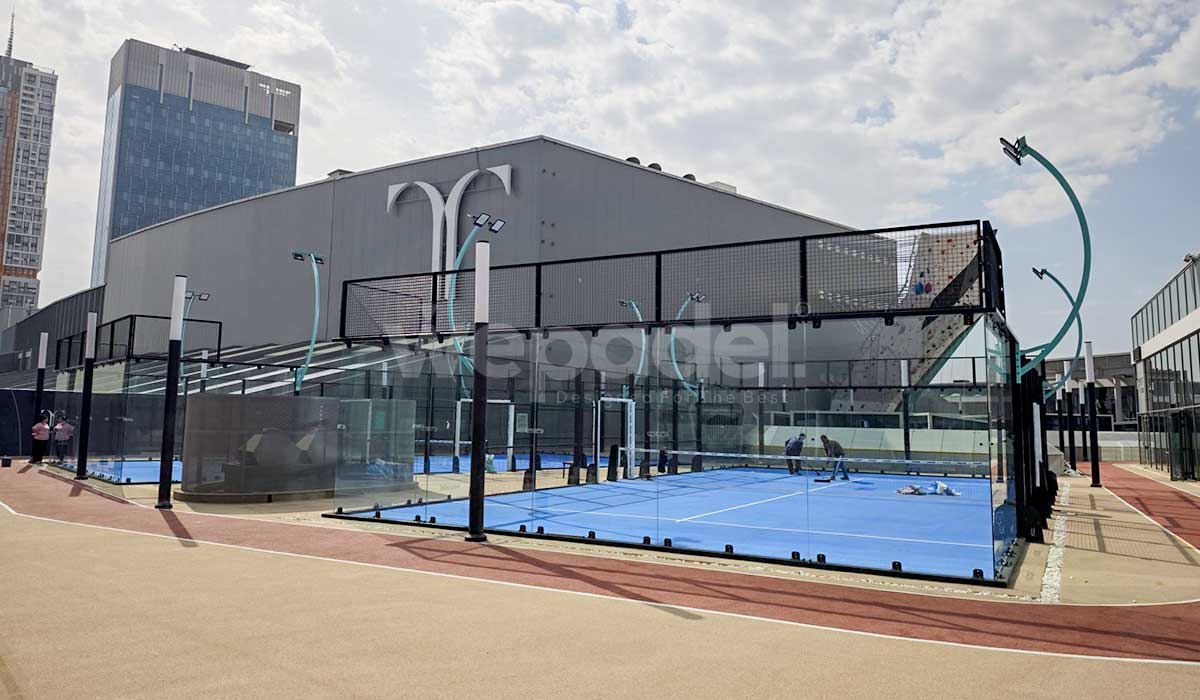
The steel construction of the posts holding the glass and forming the court’s superstructure ensures its overall durability against wind loads and high-impact player collisions. All courts produced by Wepadel are constructed with electrostatic powder-coated steel frames and surrounded by certified tempered safety glass and electro-welded mesh panels.
What is the Importance of Lighting in Padel Court Construction?
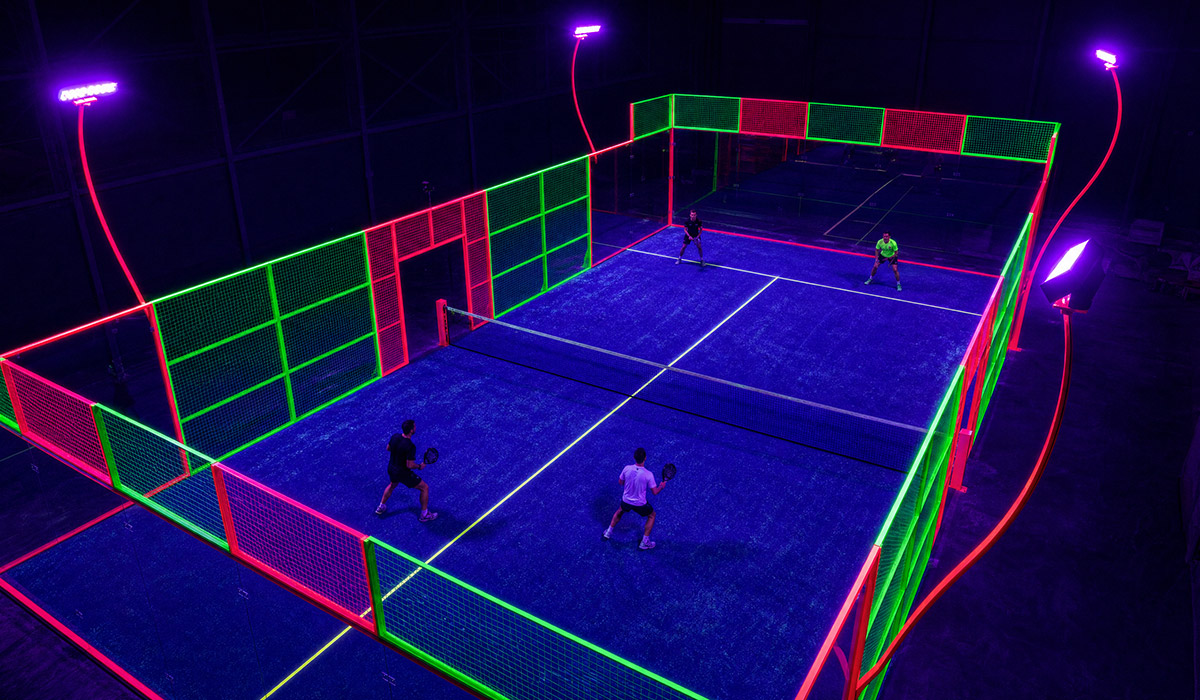
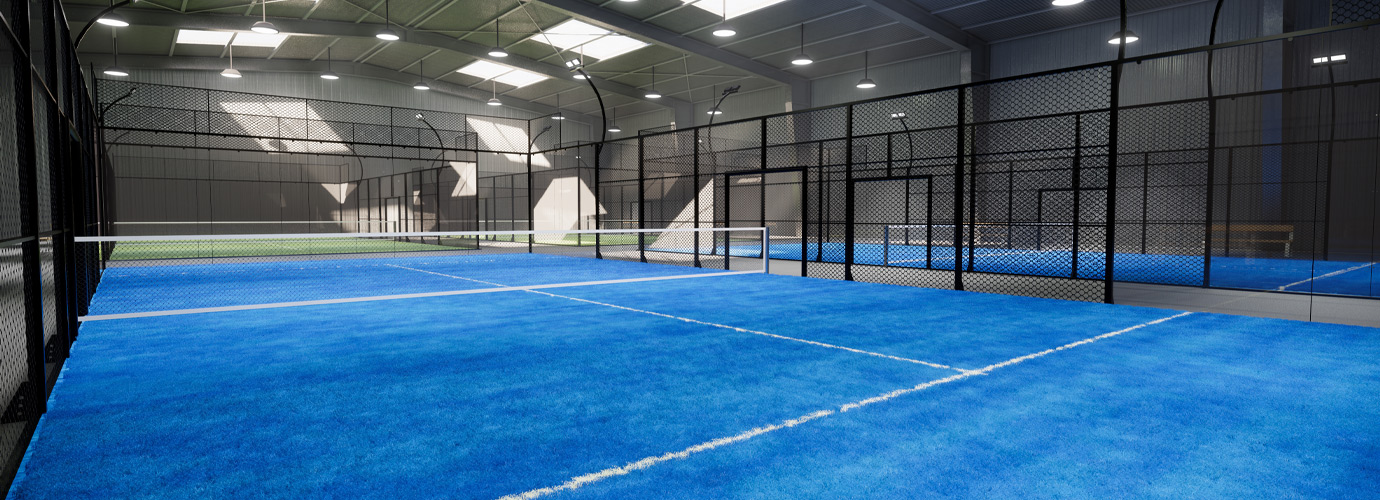
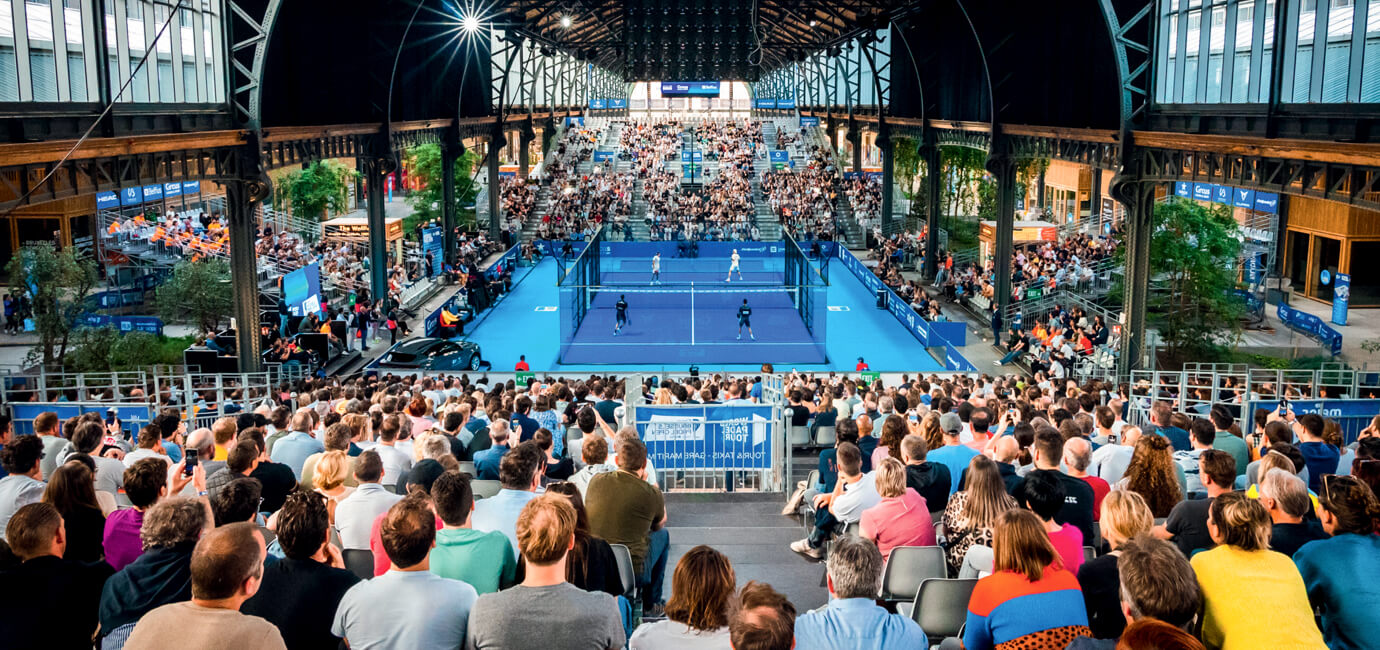
Proper lighting is an essential yet often overlooked factor in padel court construction. Professional matches often take place in the evening, and the popularity of indoor padel clubs is rapidly growing worldwide. Therefore, optimal illumination is necessary to ensure players can track the fast-moving ball clearly, react instantly, and play effectively without any glare.
According to FIP standards, professional outdoor and indoor padel courts should use LED floodlights (usually 4 or 8 LED lamps per court) providing at least 400 to 500 lux of uniform light intensity. Proper lighting design not only enhances the gaming experience but also ensures high-quality broadcasting and video recording for tournaments.
Turnkey Padel Court Production and Custom Padel Court Design
Having the correct dimensions for a padel court directly enhances players’ performance, increases gameplay enjoyment, and significantly reduces the risk of injury. A padel court built to standard dimensions provides an ideal playing environment for both amateur enthusiasts and seasoned professional players.
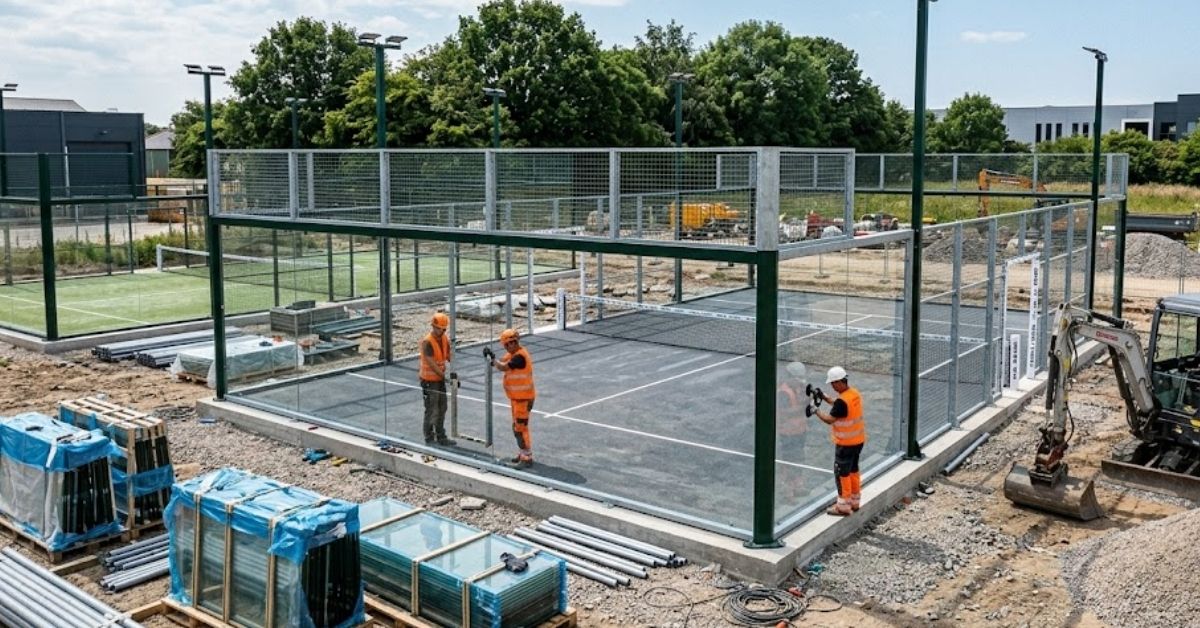
Wepadel offers turnkey padel court projects with its expert and experienced engineering team. We manage the entire process from A to Z, including infrastructure excavation, ironwork, wire mesh fencing, professional LED lighting systems, premium artificial turf installation, and tennis/padel net assembly.
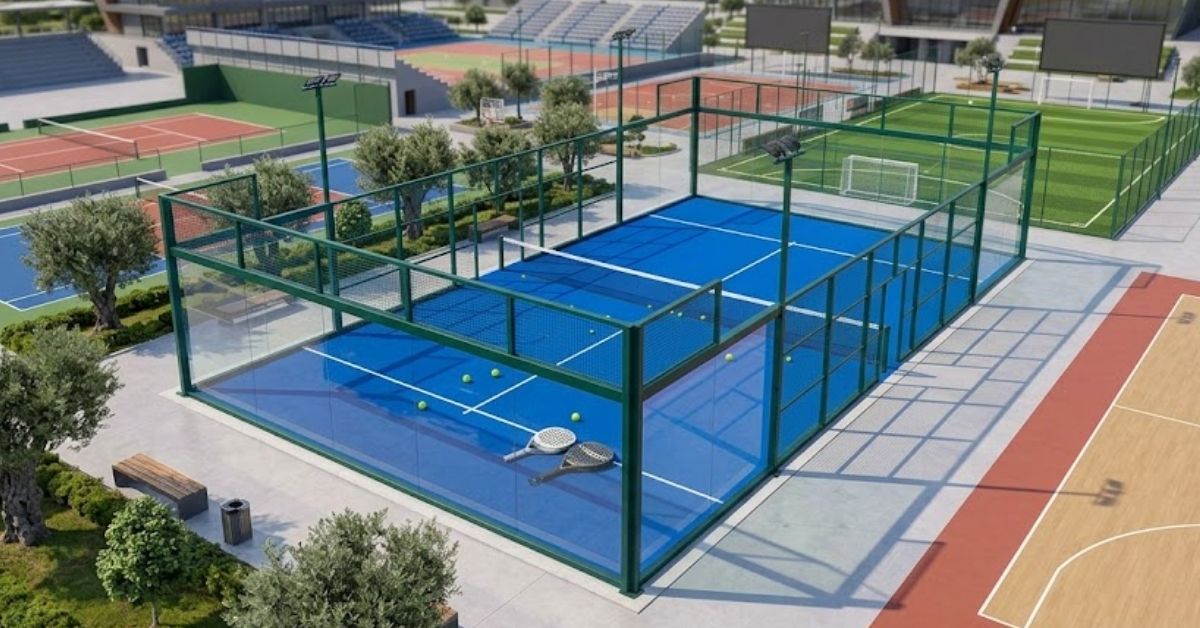
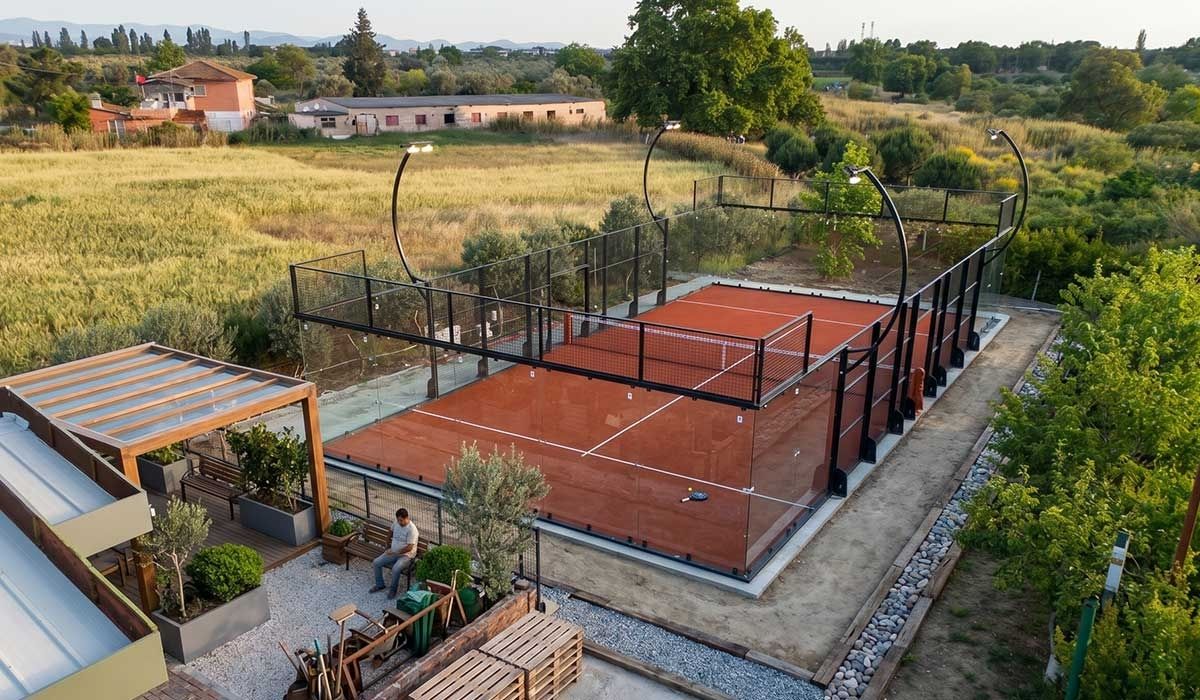
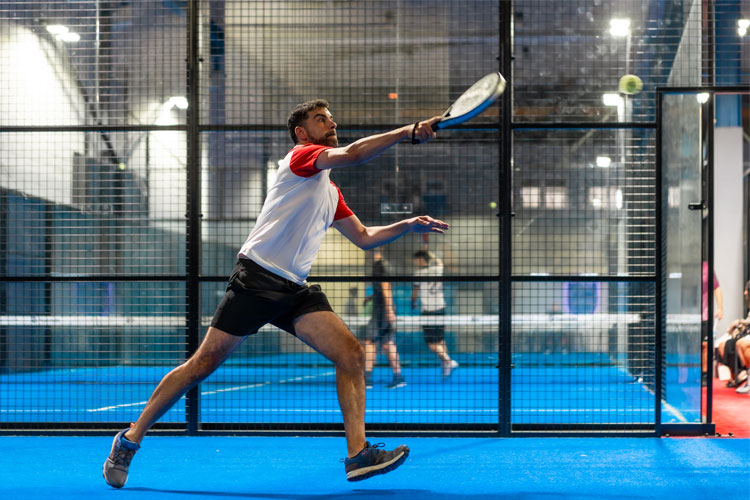
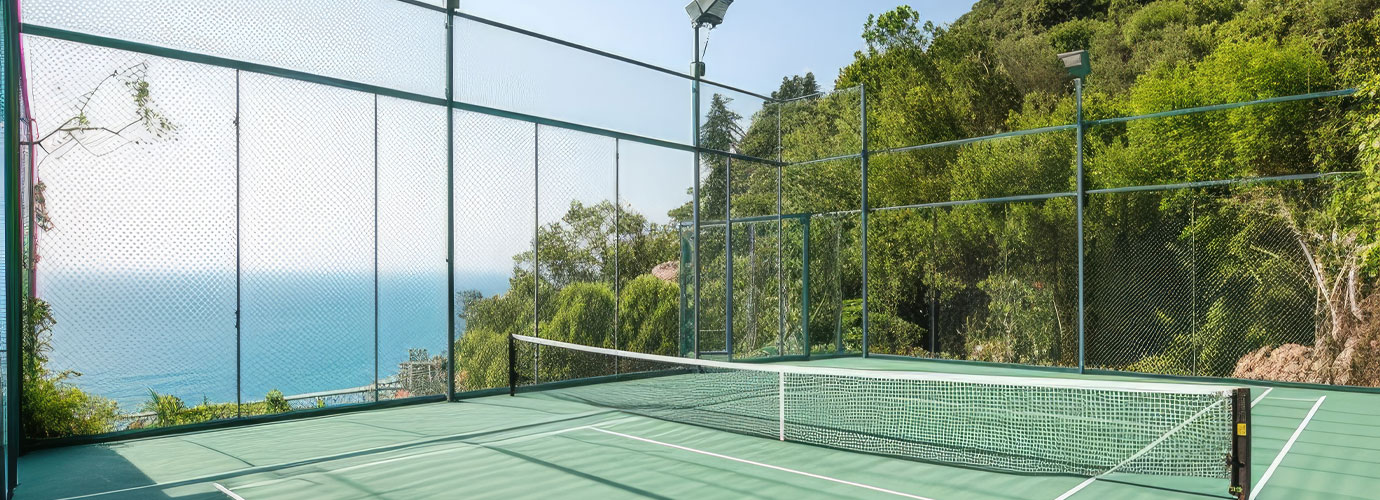
The unique court structure, distinguished by its active use of surrounding walls, is one of the fundamental differences between padel and traditional tennis courts. Padel tennis courts are much smaller, compact, and enclosed by walls, which play an important role during the game as players use them to bounce the ball back to the opponent's side.
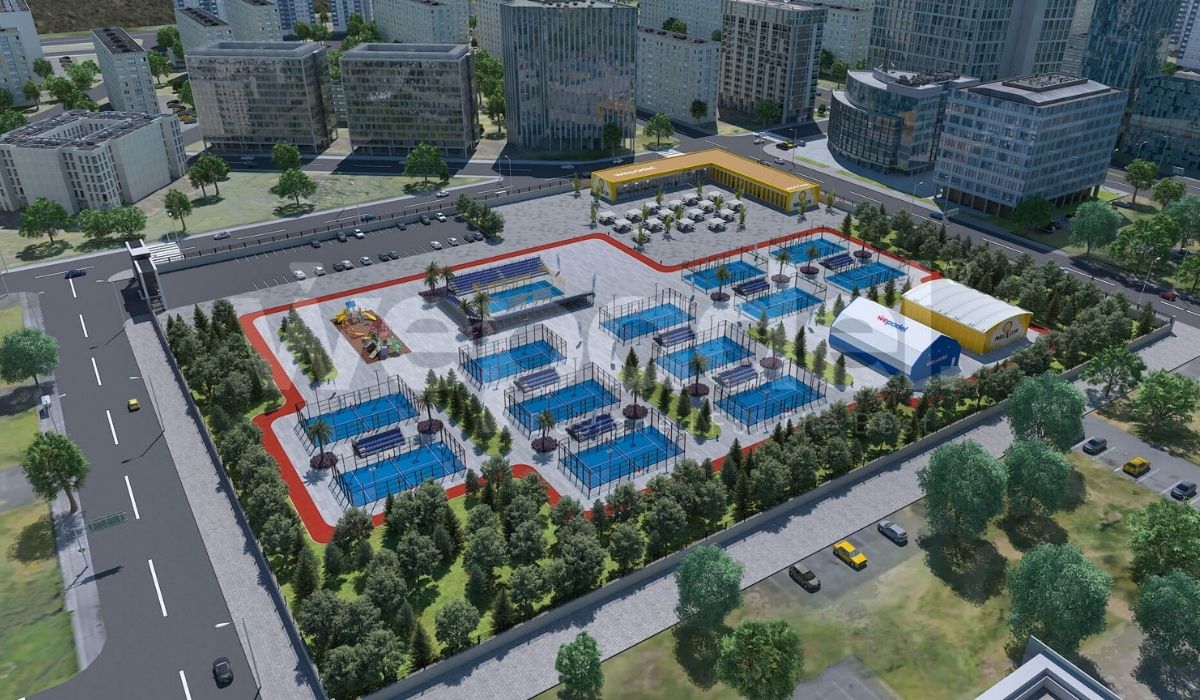
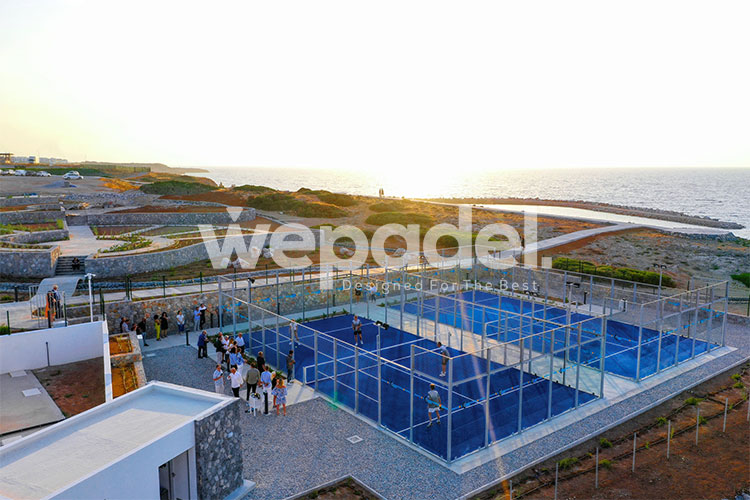
In addition to the fixed dimensions set by international authorities, padel courts can be custom-designed and constructed in any size desired by the customer for private or amateur use. Wepadel, a globally renowned padel court manufacturer, proudly produces and constructs high-quality padel courts for over 80 countries worldwide, including major markets in Asia, Europe, Africa, North America, and South America. Our professional technical team can complete the turnkey construction of your padel court in a very short time, ensuring all engineering processes are carried out quickly, safely, and efficiently.
Looking for a Complete Installation Guide?
Building a professional padel court requires precise engineering, from ground preparation to the final net assembly. If you want to learn every step of the professional setup process, safety standards, and turnkey solutions, check out our comprehensive guide.
Read Padel Court Installation Guide →