25/10/2026

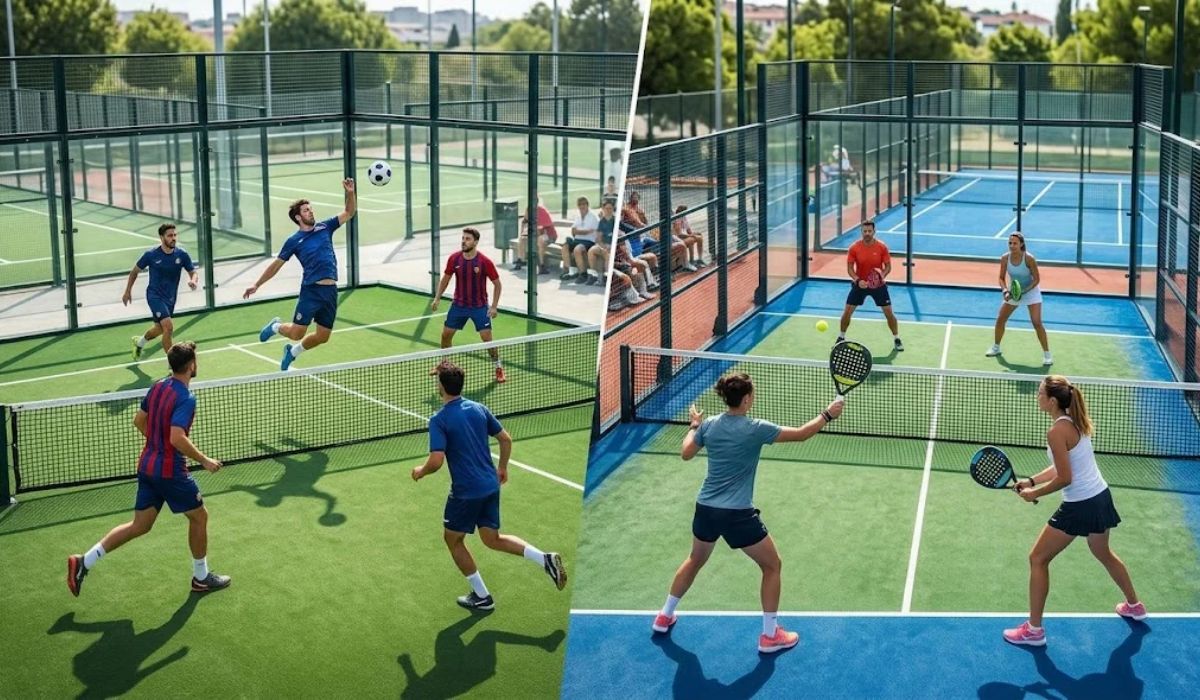
Padbol is a sport that combines the ball control of football, the net play of tennis and the glass-walled court layout of padel. Players use their feet instead of a racket, so the sport feels familiar to anyone who knows football. Because it is played on an enclosed court, the pace is high and the playing area is controlled.
What Is Padbol?
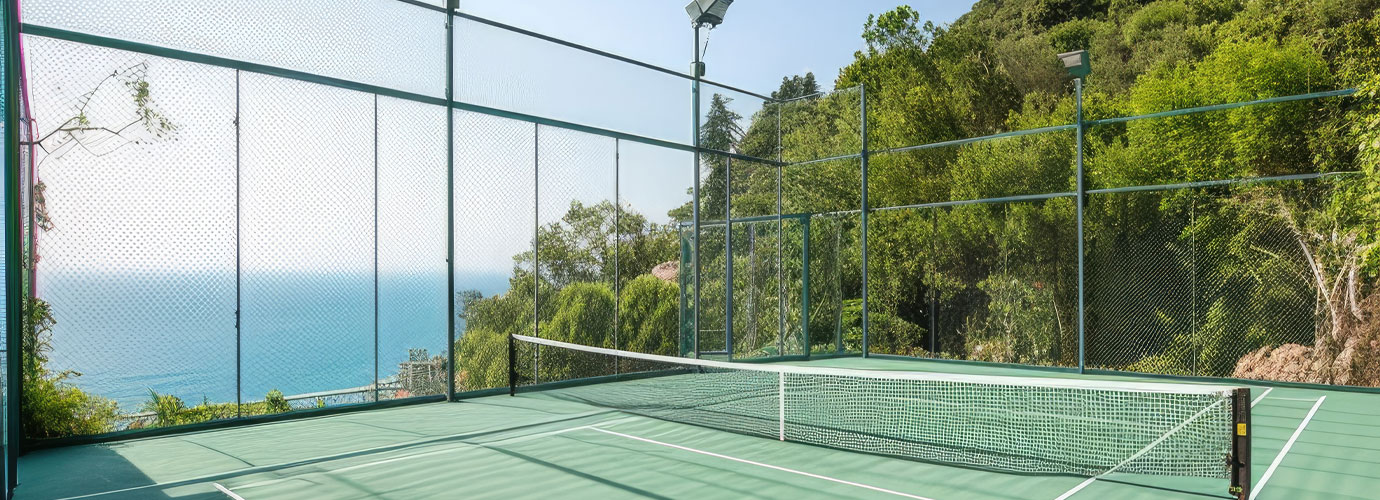
Padbol is a foot sport played on a court enclosed by glass and metal mesh walls, where the ball is sent over a central net into the opponent's half. The ball is similar to a football, and players guide it with their feet.
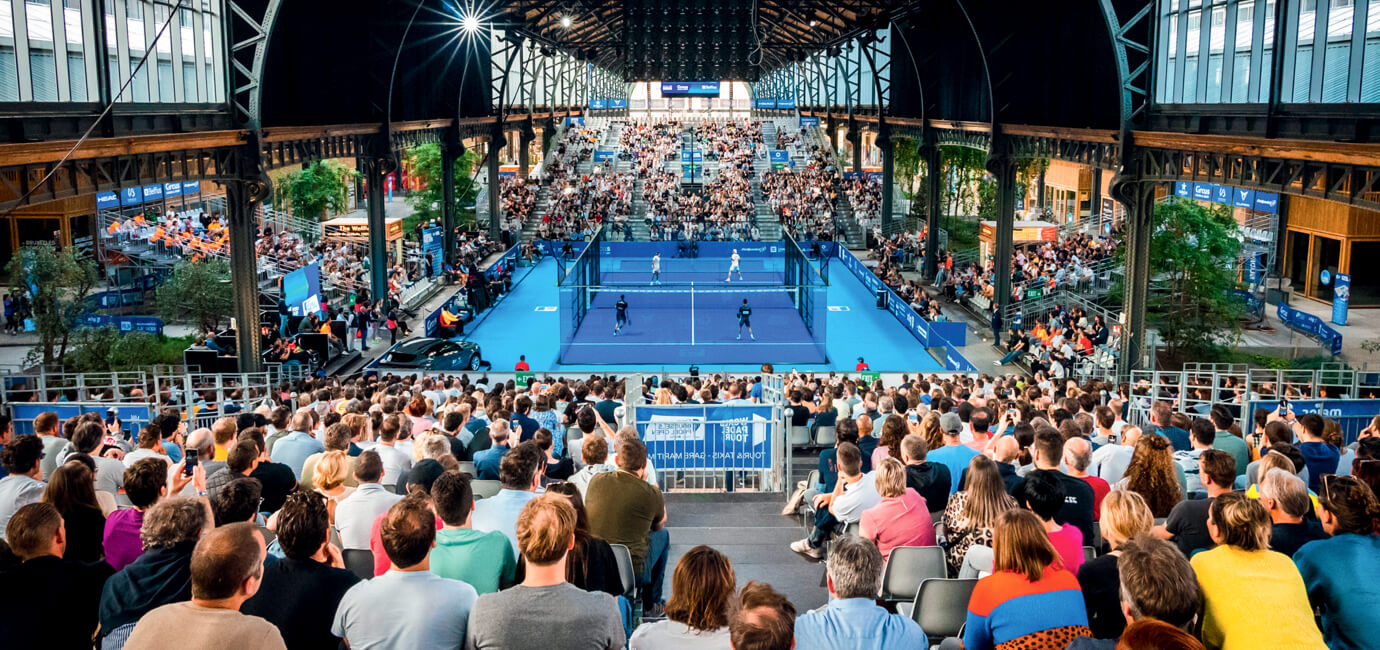
The most distinctive feature of the sport is that the walls are part of the game. The ball can rebound off a wall, which adds both a technical and a tactical dimension to play. It is usually played in pairs, but the format can vary depending on the organizer and the competition format.
What Is the Difference Between Padbol and Padel?
The main difference between the two sports is the equipment and the way the ball is struck: padel uses a racket and a small ball, while padbol uses the feet and a ball similar to a football. The court structure and use of the walls are what the two sports have in common.
|
Feature |
Padbol |
Padel |
|
Playing tool |
Feet and body |
Racket |
|
Ball |
Similar to a football |
Similar to a tennis ball, with lower pressure |
|
Court |
Glass-walled and enclosed, with a net in the middle |
Glass-walled and enclosed, with a net in the middle |
|
Related sports |
Football, footvolley |
Tennis, squash |
|
Required skills |
Foot technique, ball control |
Racket technique, hand-eye coordination |
If you want to get to know padel, the what is padel guide explains the rules and court structure in detail.
What Should a Padbol Court Look Like?
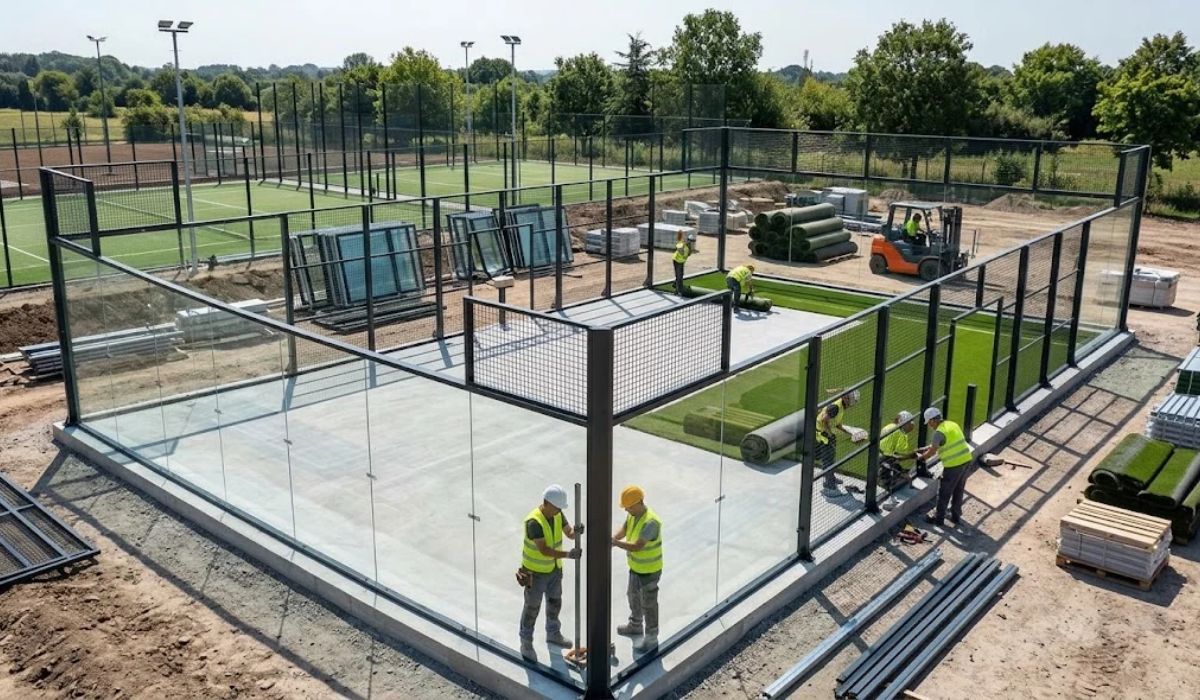
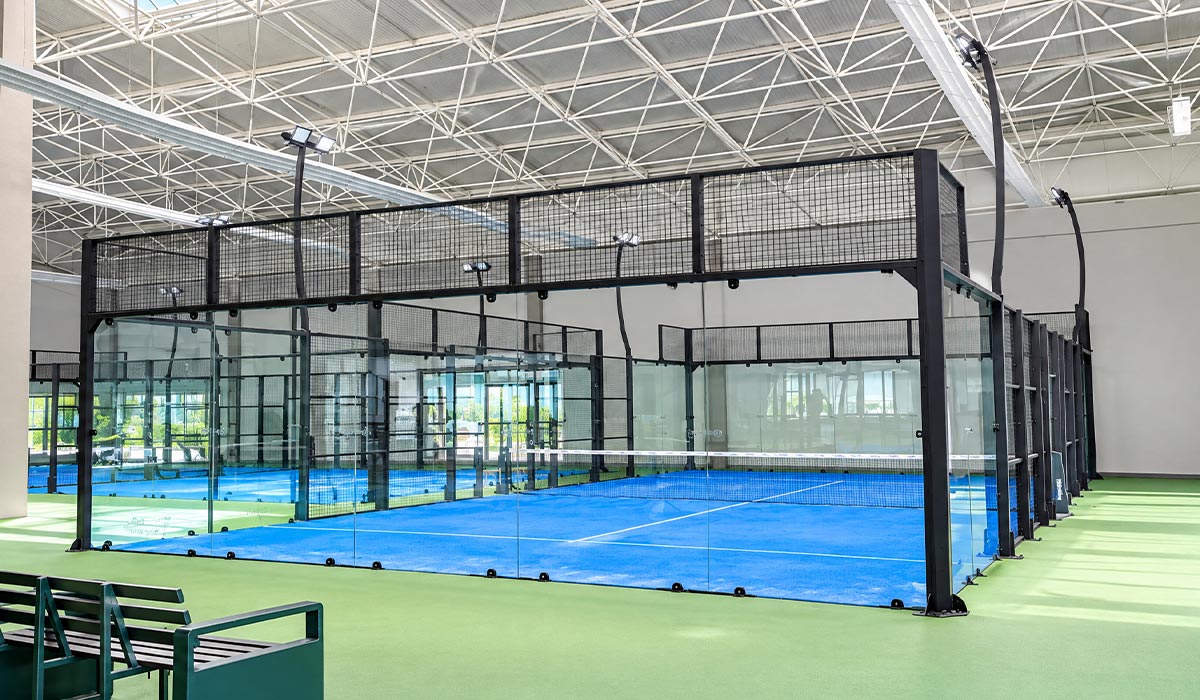
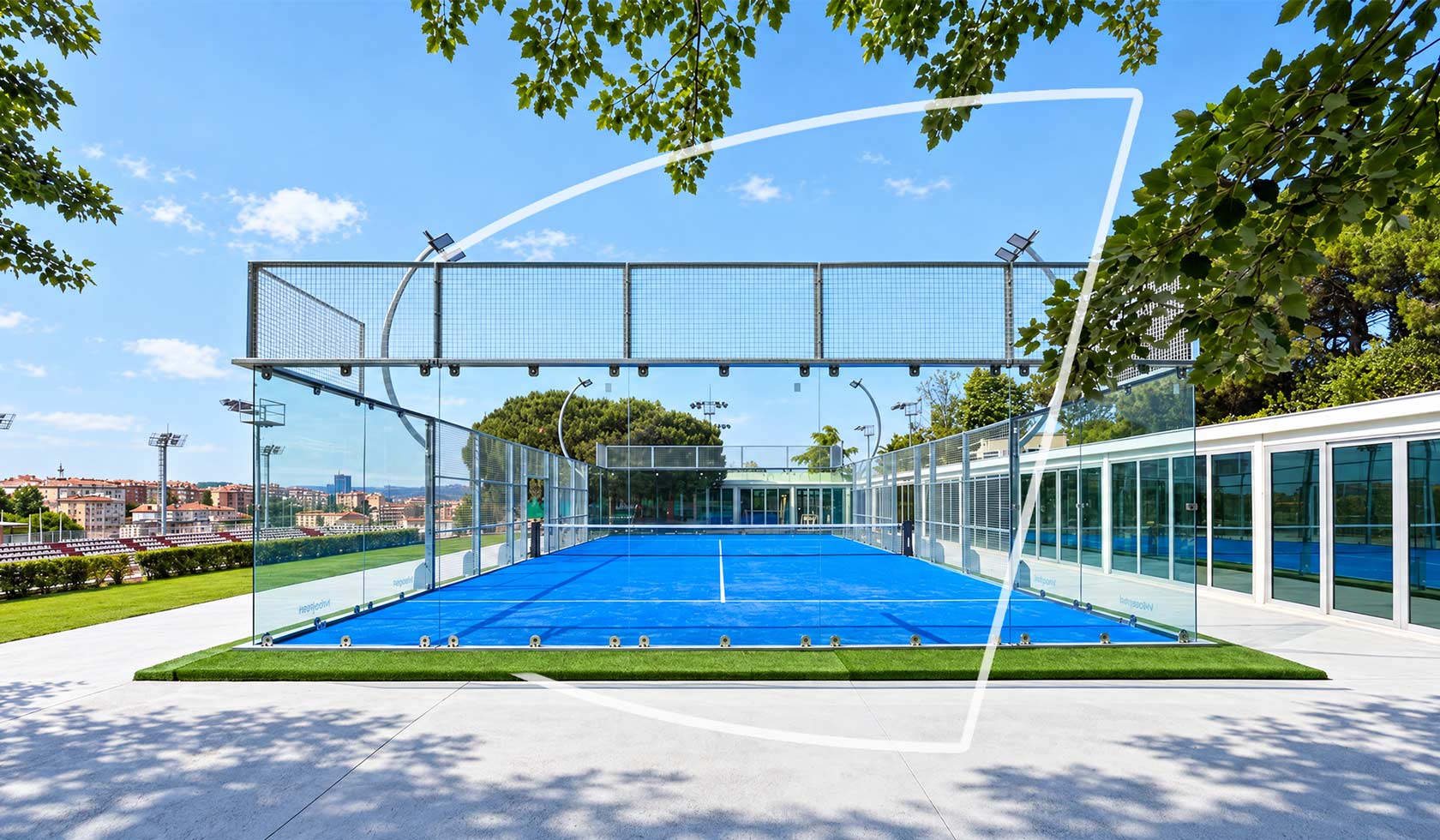
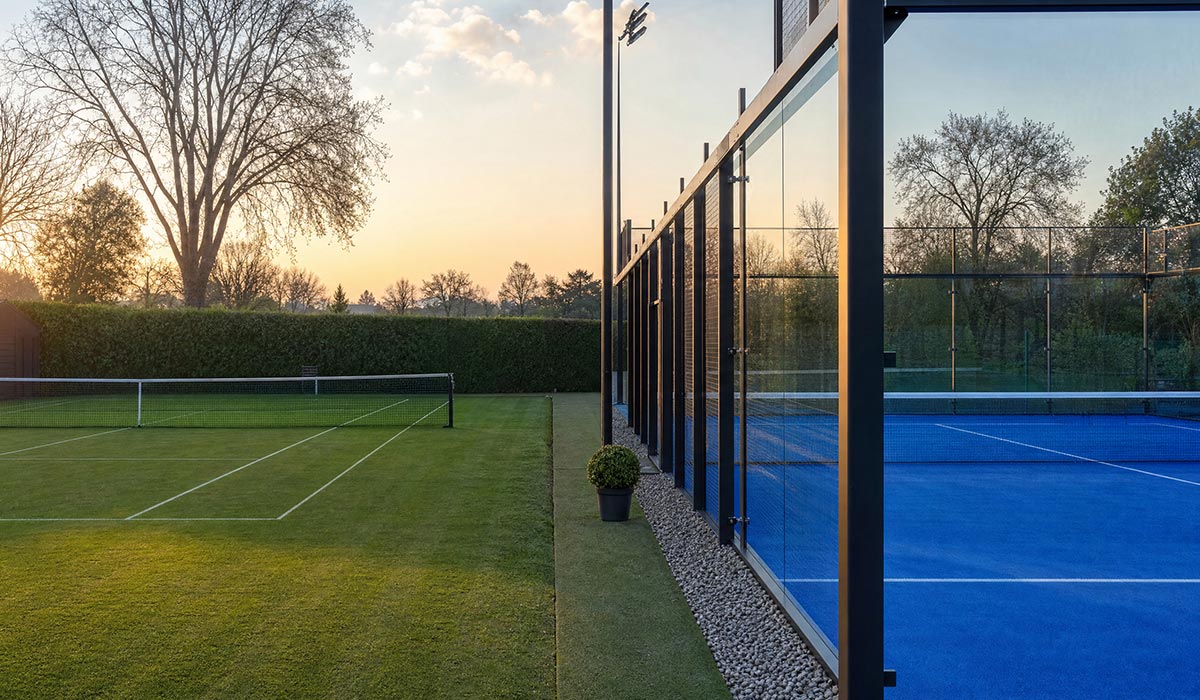
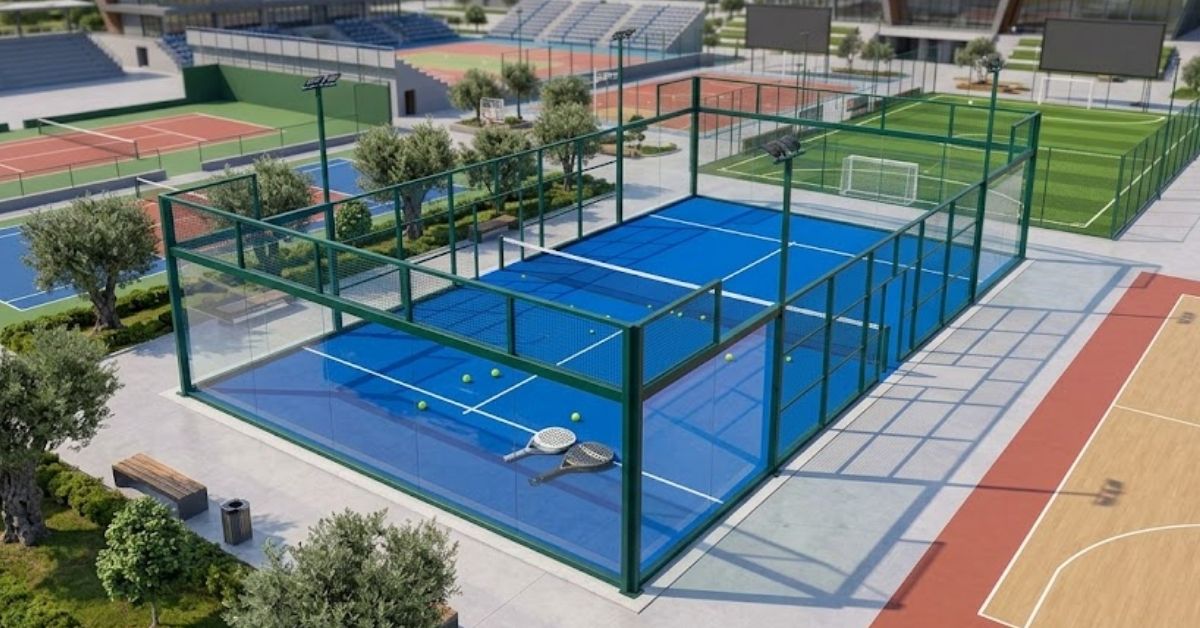
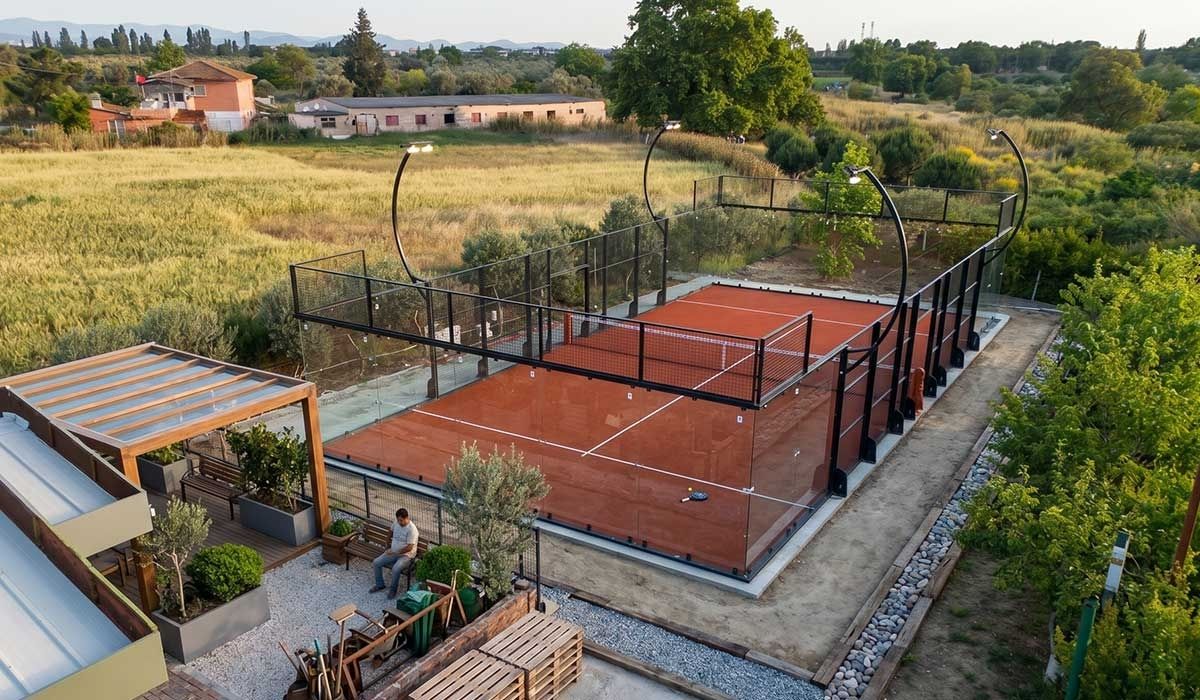
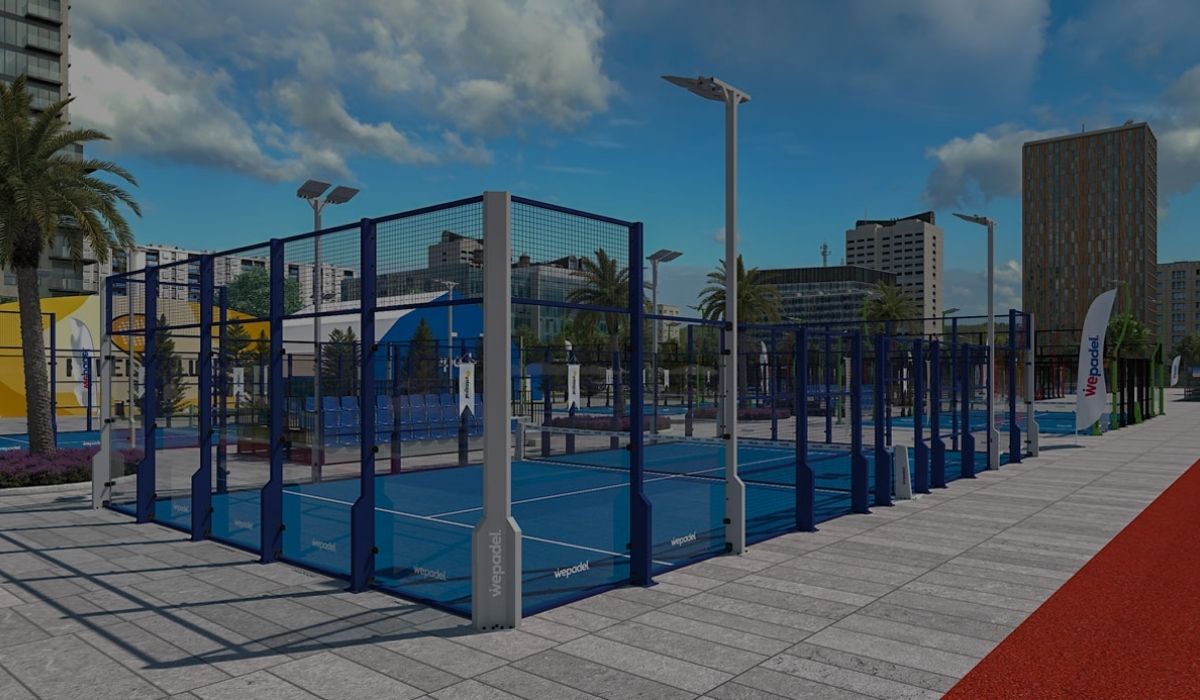
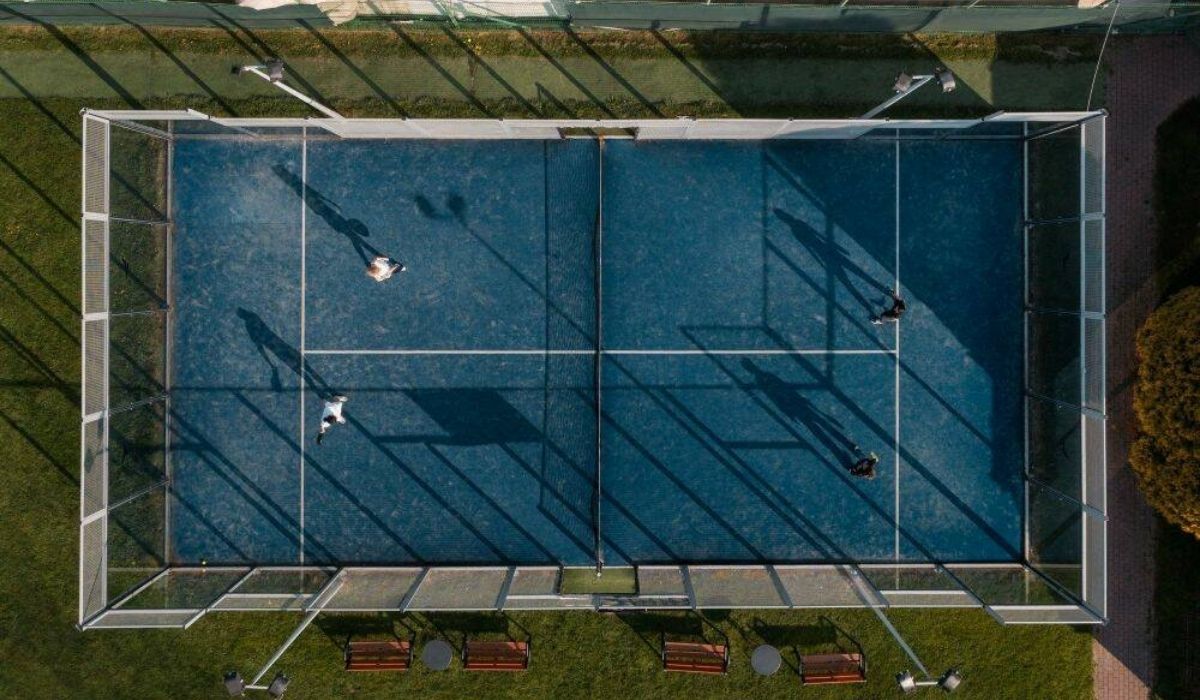
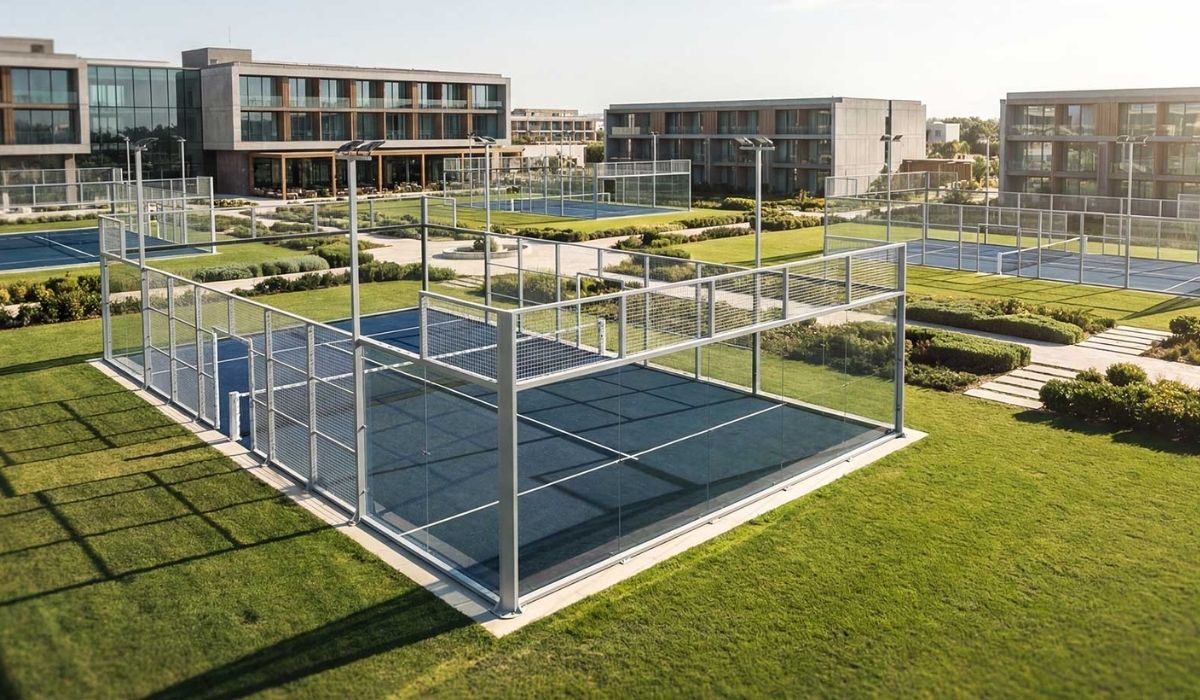
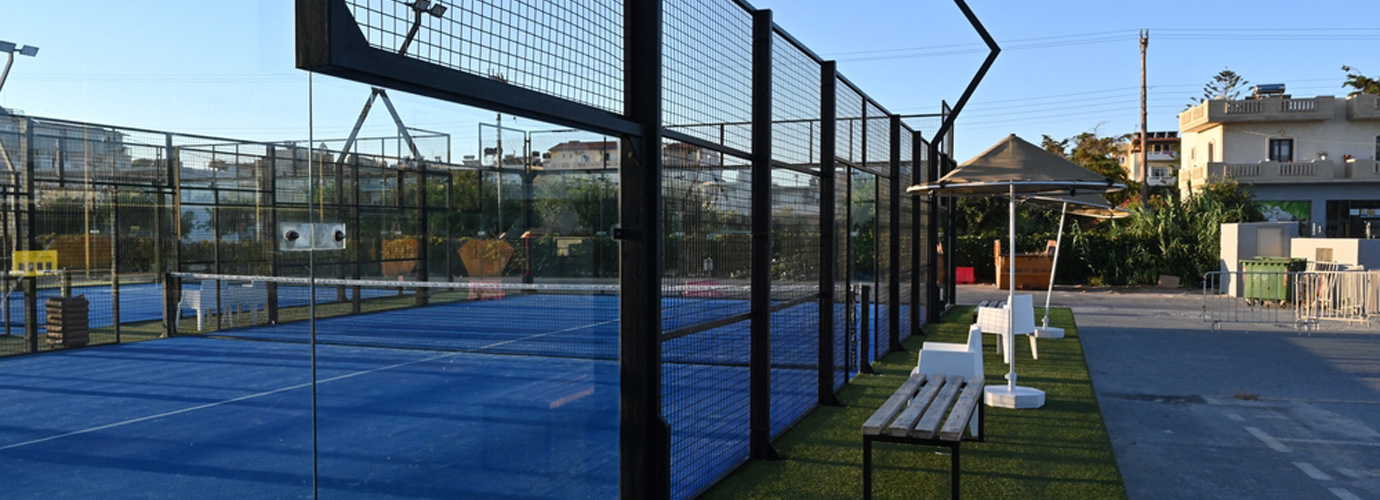
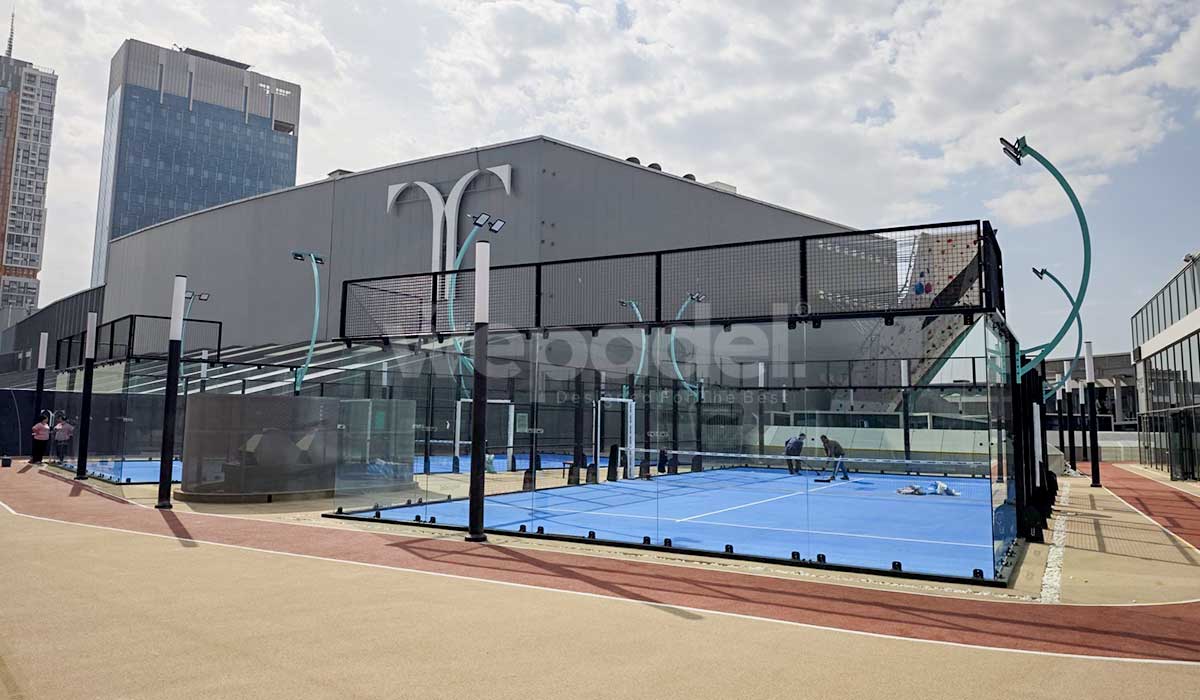
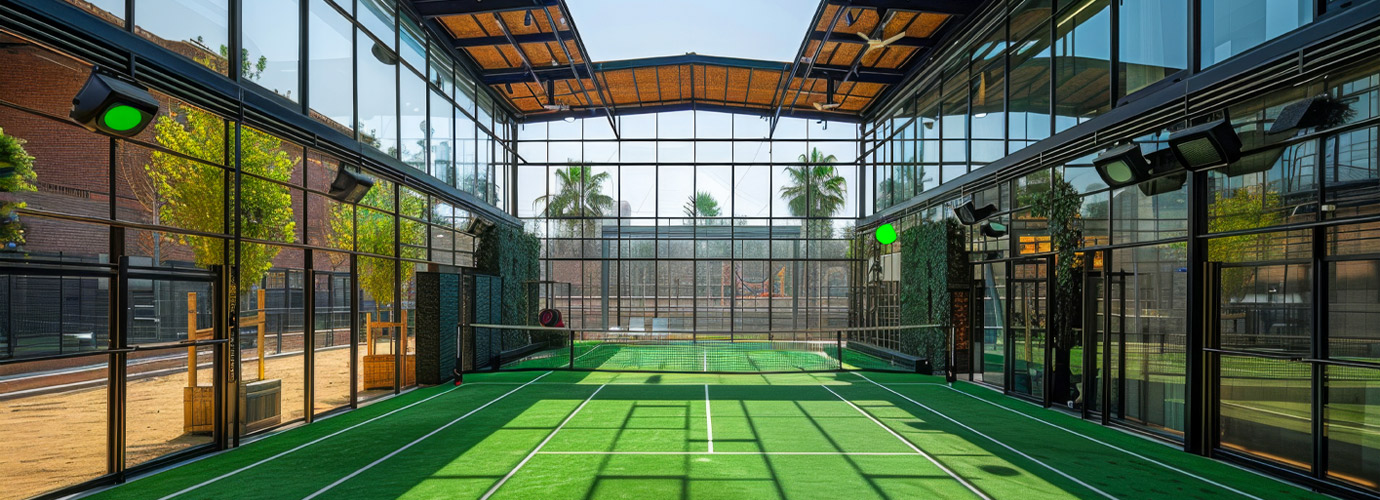
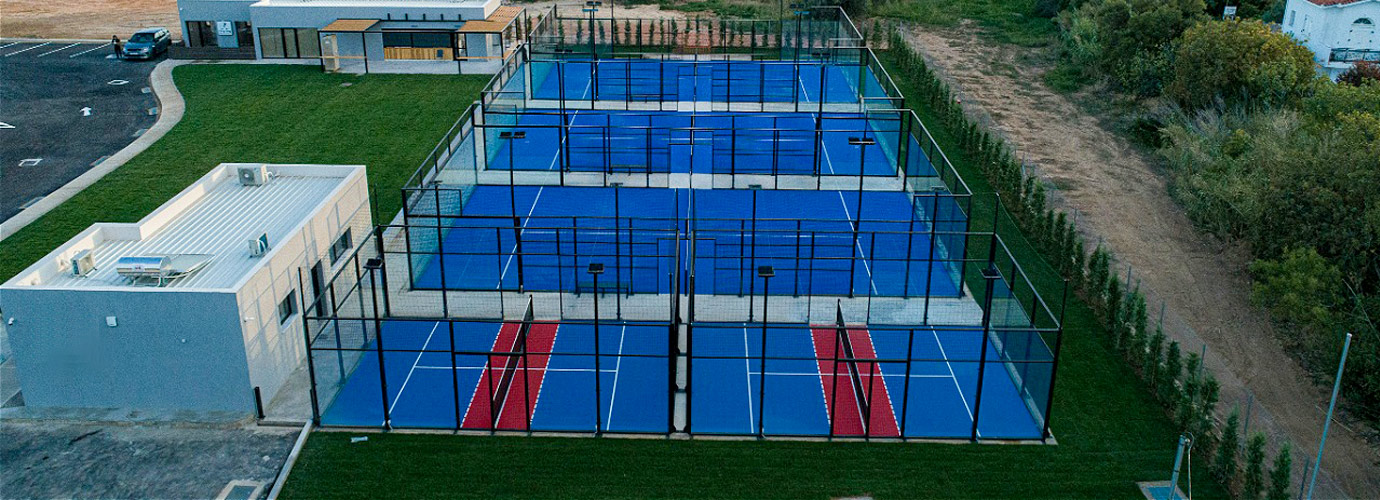
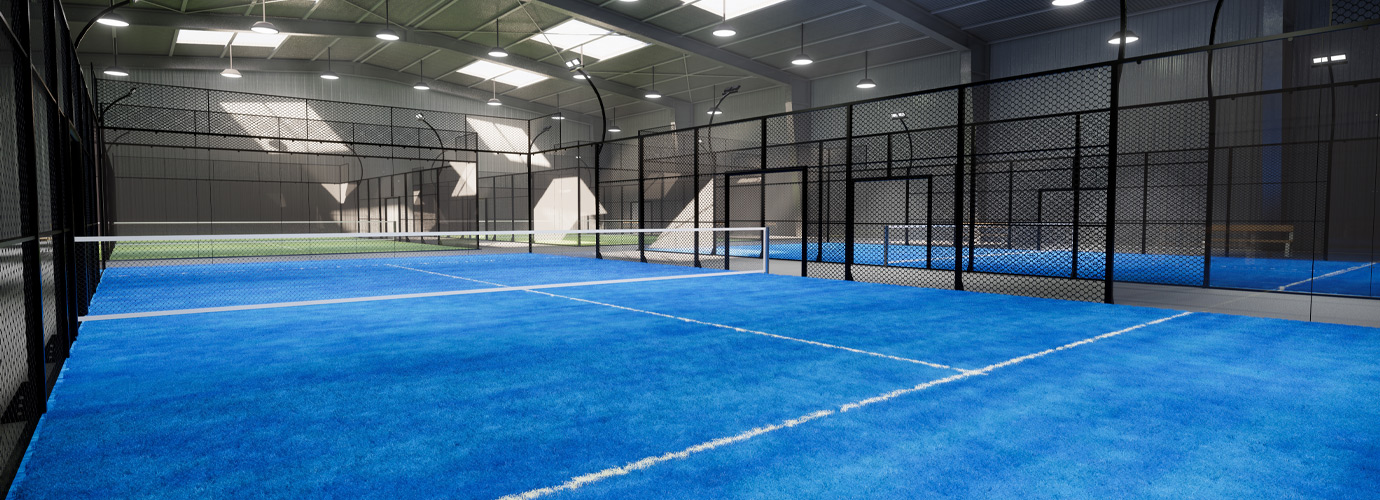
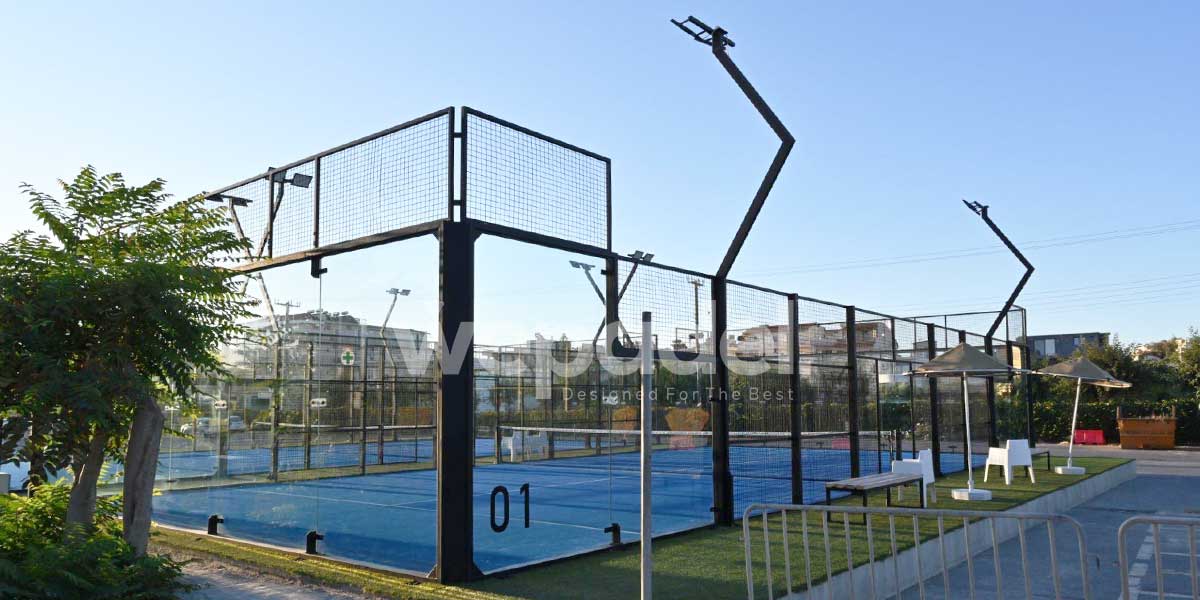
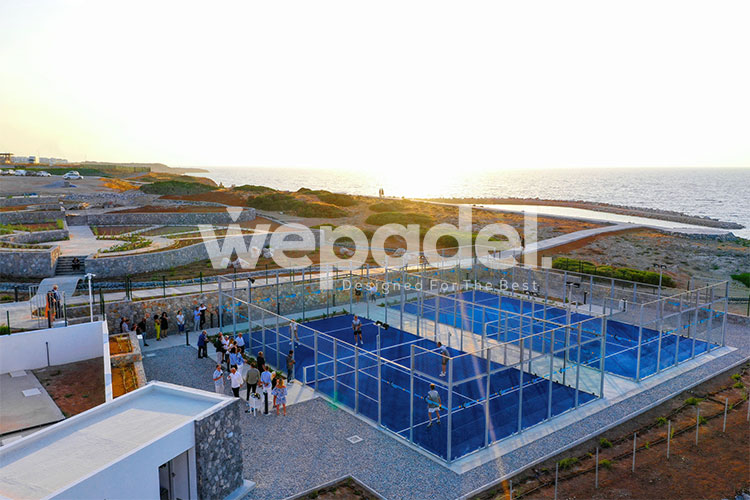
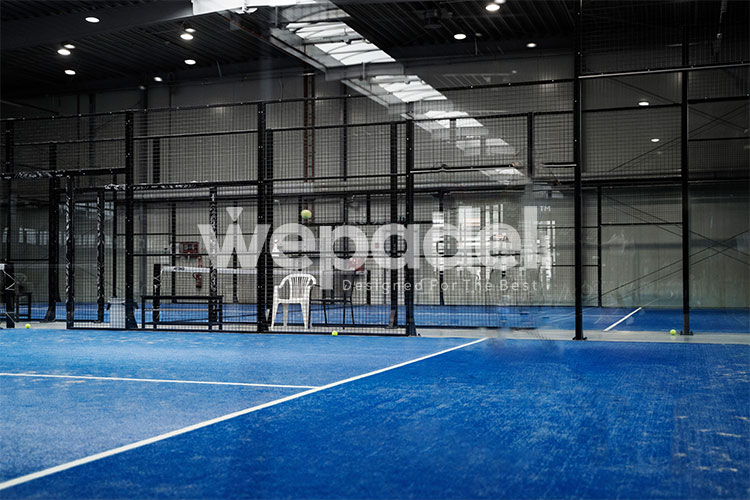
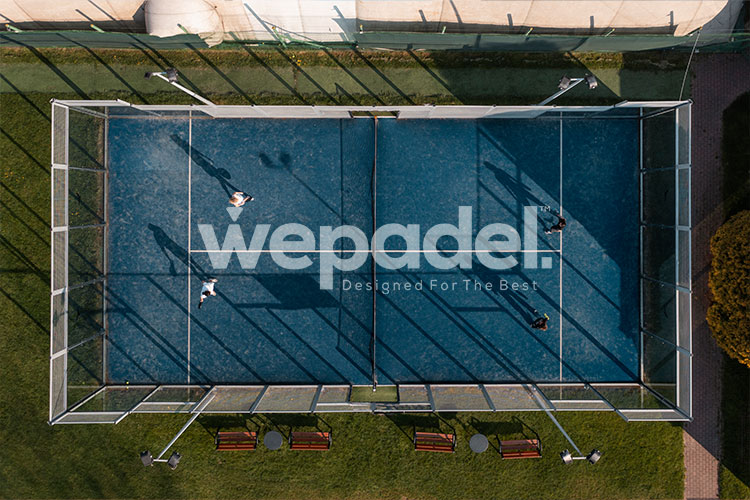
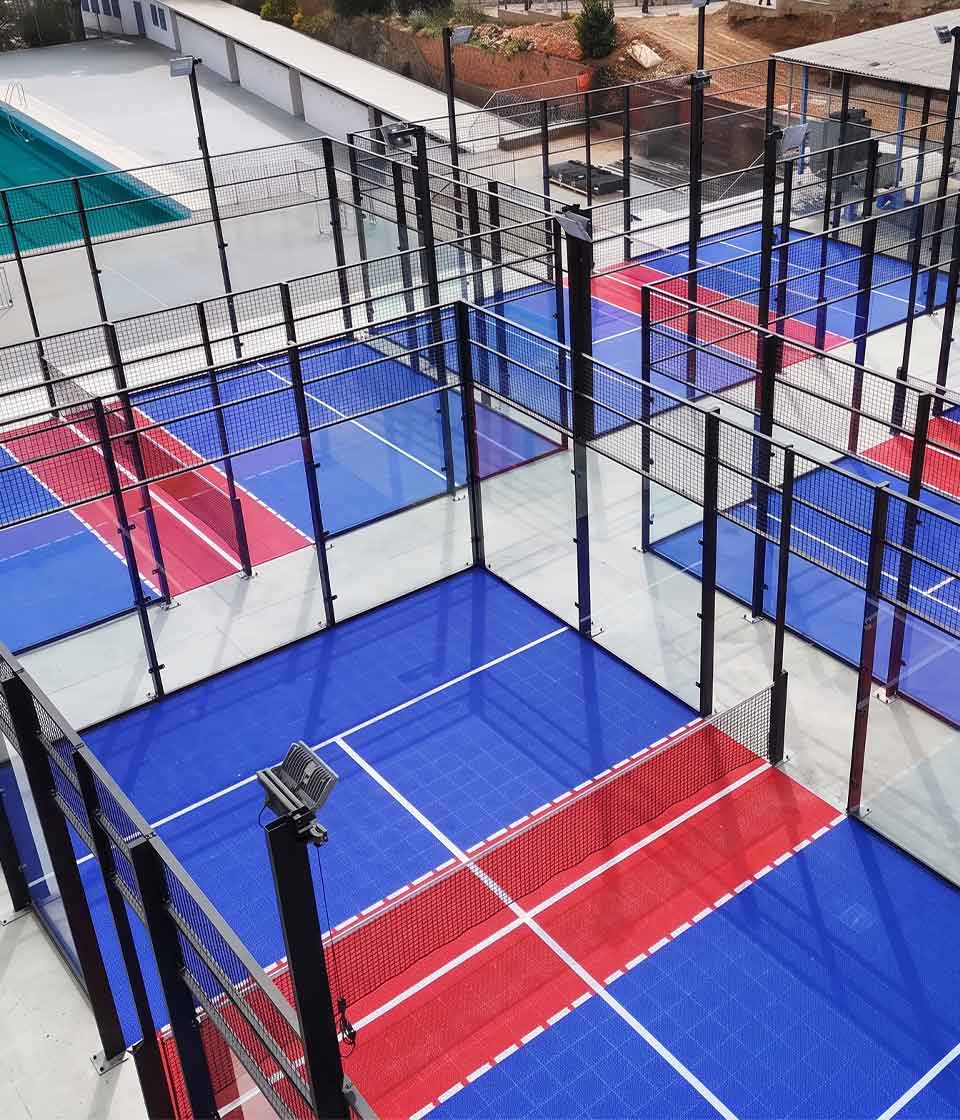
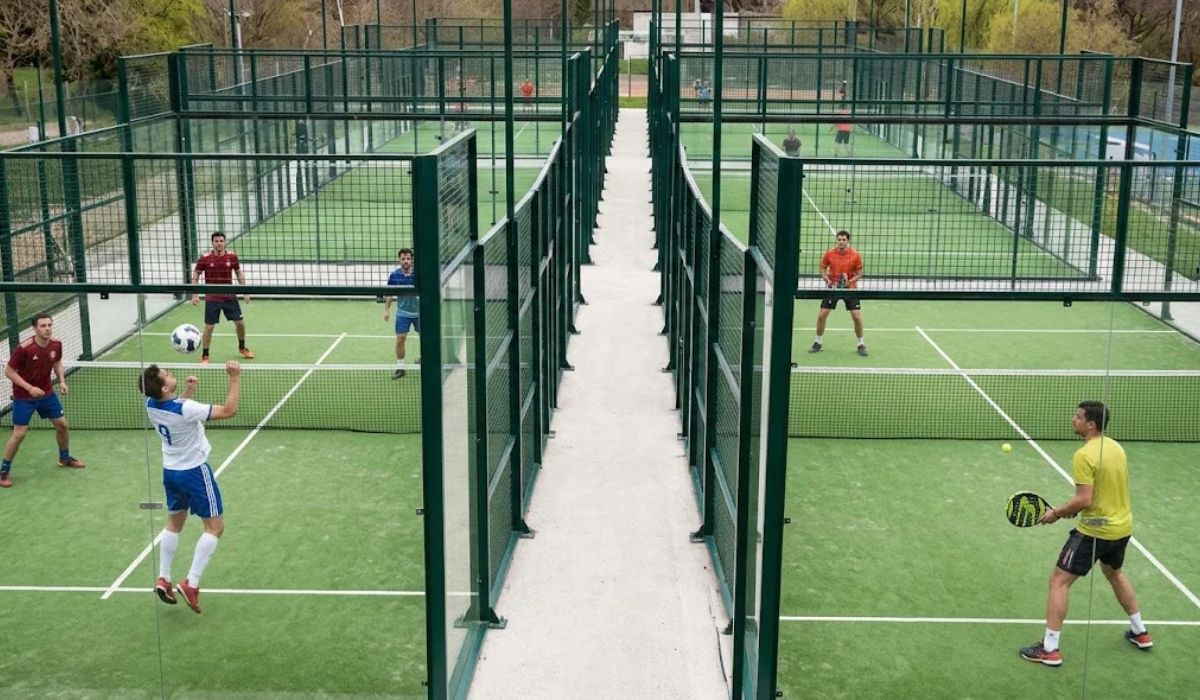
A padbol court is a rectangular area with a net in the middle, enclosed by glass and mesh panels, and with an even playing surface. Because the ball rebounds off the walls, the quality of the floor, the sturdiness of the walls and the hardness of the glass directly affect playing safety.
When planning a court, the following points are considered:
-
Whether the tempered glass and steel structure meet the relevant standards
-
A floor surface suited to ball bounce and foot grip
-
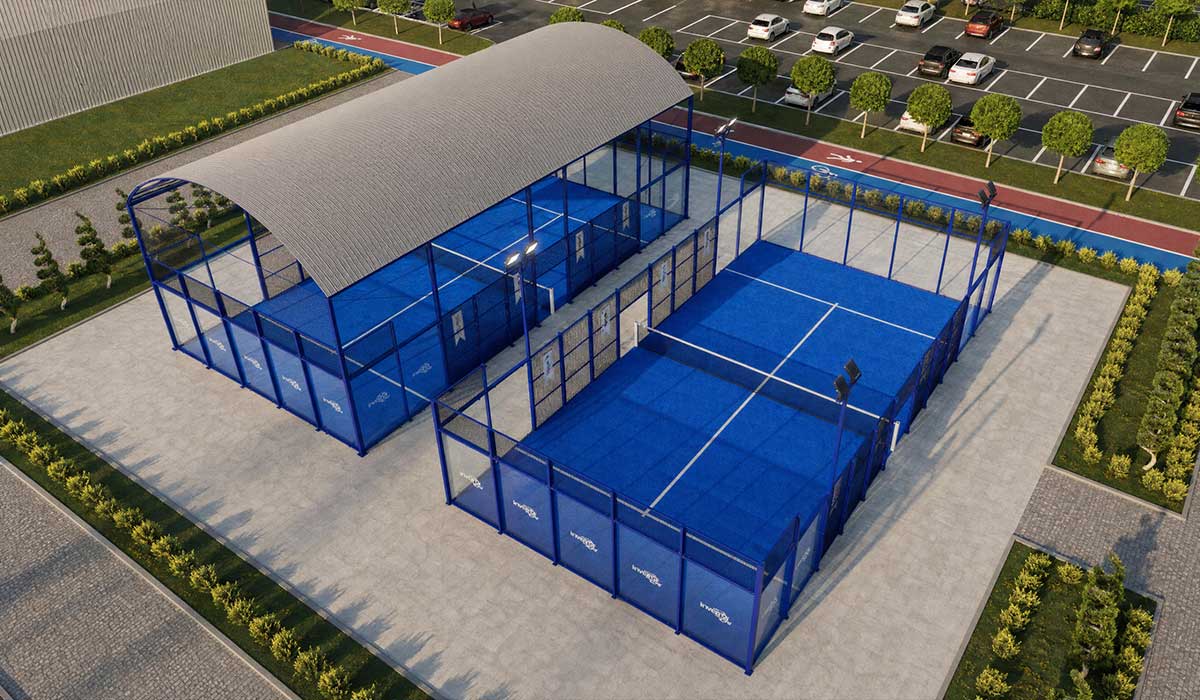
The choice of an open, semi-enclosed or fully enclosed space
-
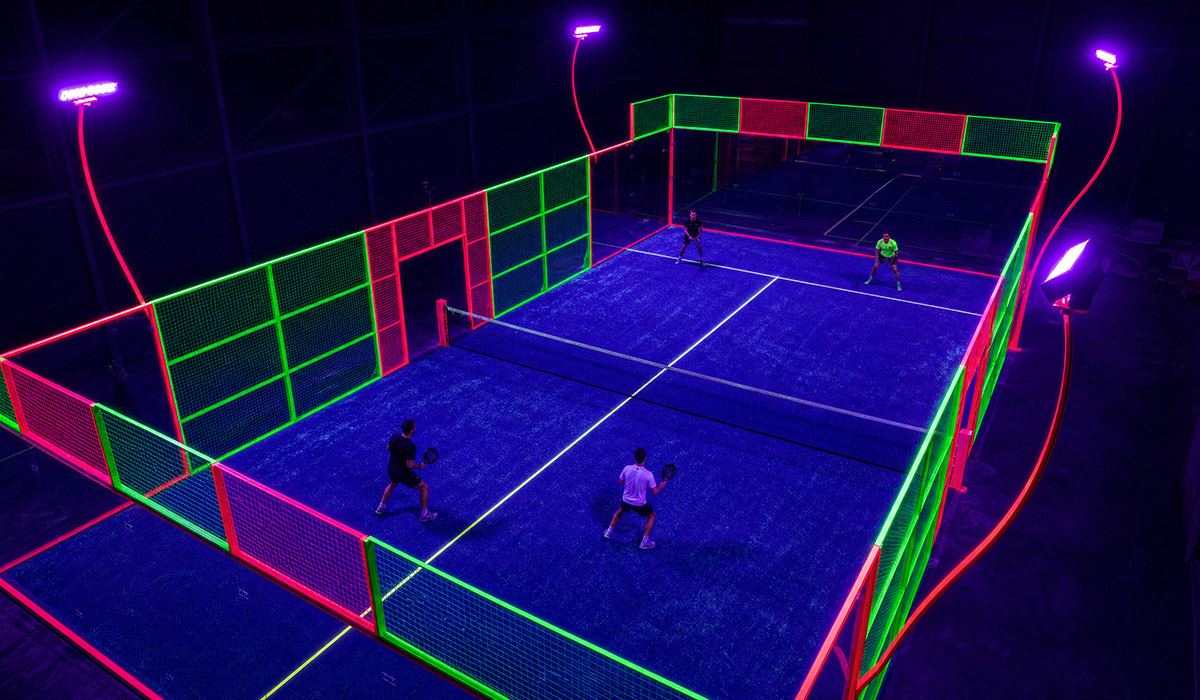
Balanced lighting that does not cast shadows, if the court will be used at night
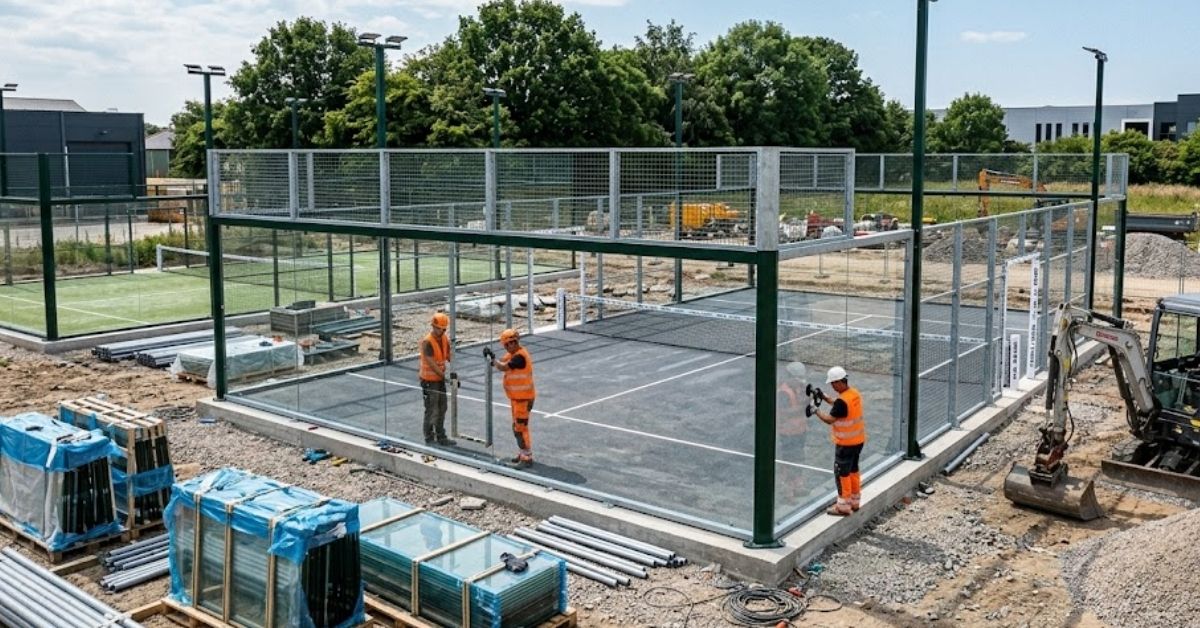
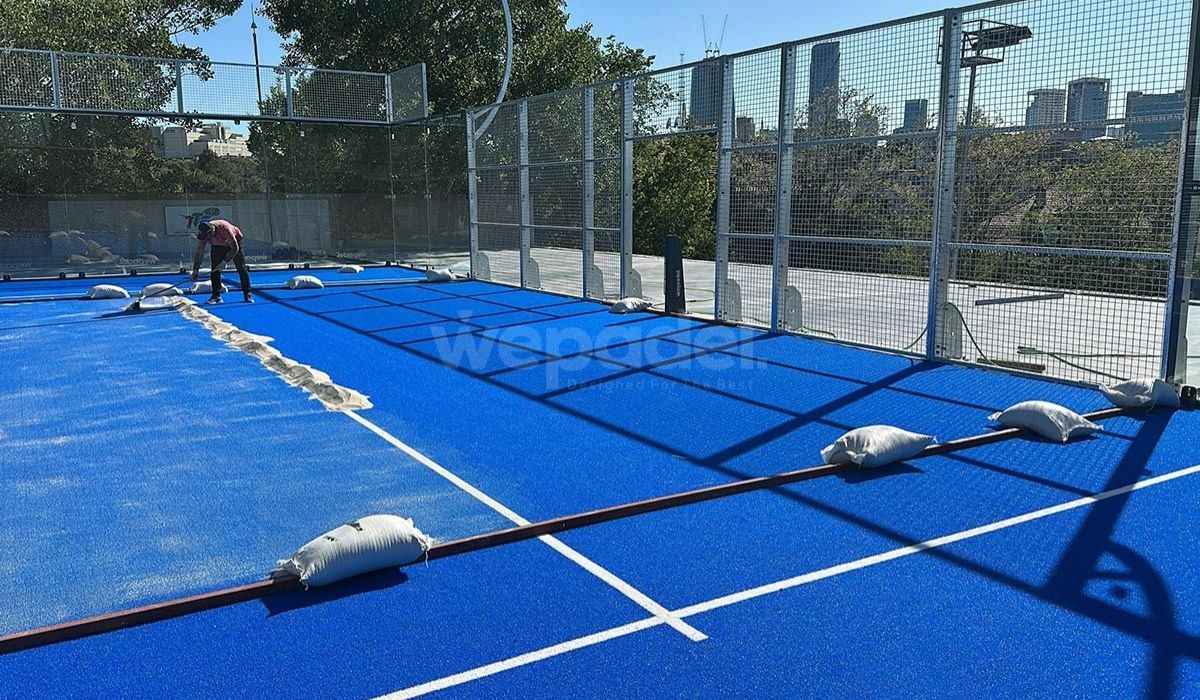
Dimensions and material details may vary according to the manufacturer's technical specification. For this reason, it is necessary to work with a specialist before construction. Companies that offer padbol court construction services provide design and installation support at this stage. To see an installed example, you can take a look at the origin padbol court page.
Who Is Padbol Suitable For?
Padbol is a suitable sport for anyone who is interested in football and is looking for a fun team activity. Because it does not require racket technique, people with a football background may adapt to the game more quickly.
Since the game is played in an enclosed, limited area, it is also an attractive option for groups of friends, families and amateur leagues. Physical intensity can be adjusted to the pace of the game. People with health problems should consult a doctor before starting the sport.
Why Is Investment in Padbol Courts on the Agenda?
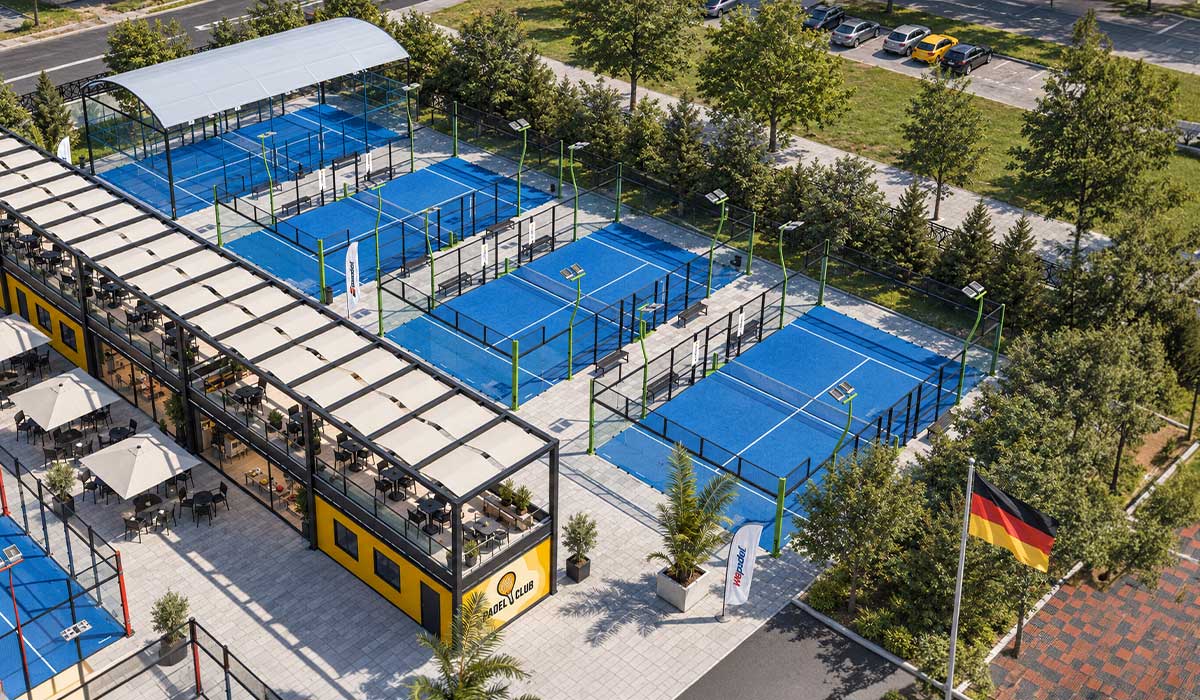
Padbol attracts the interest of investors because it can draw a different group of users to existing padel and sports facilities. One reason for this interest is that it offers a familiar style of play in countries with a strong football culture.
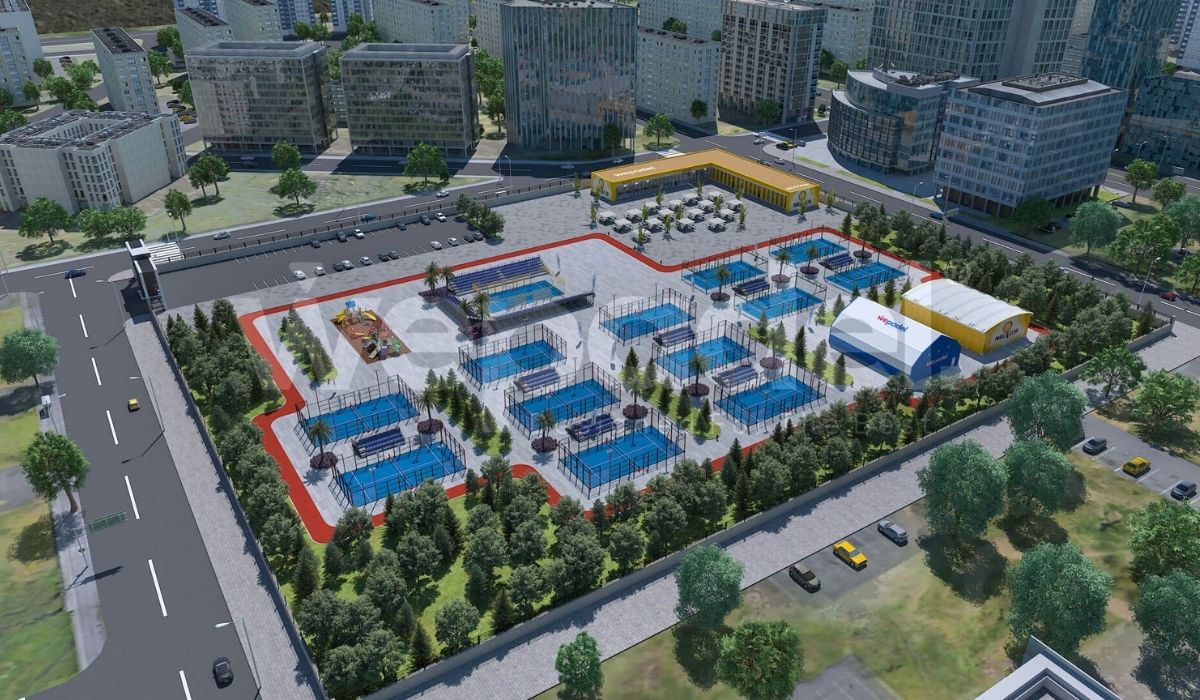
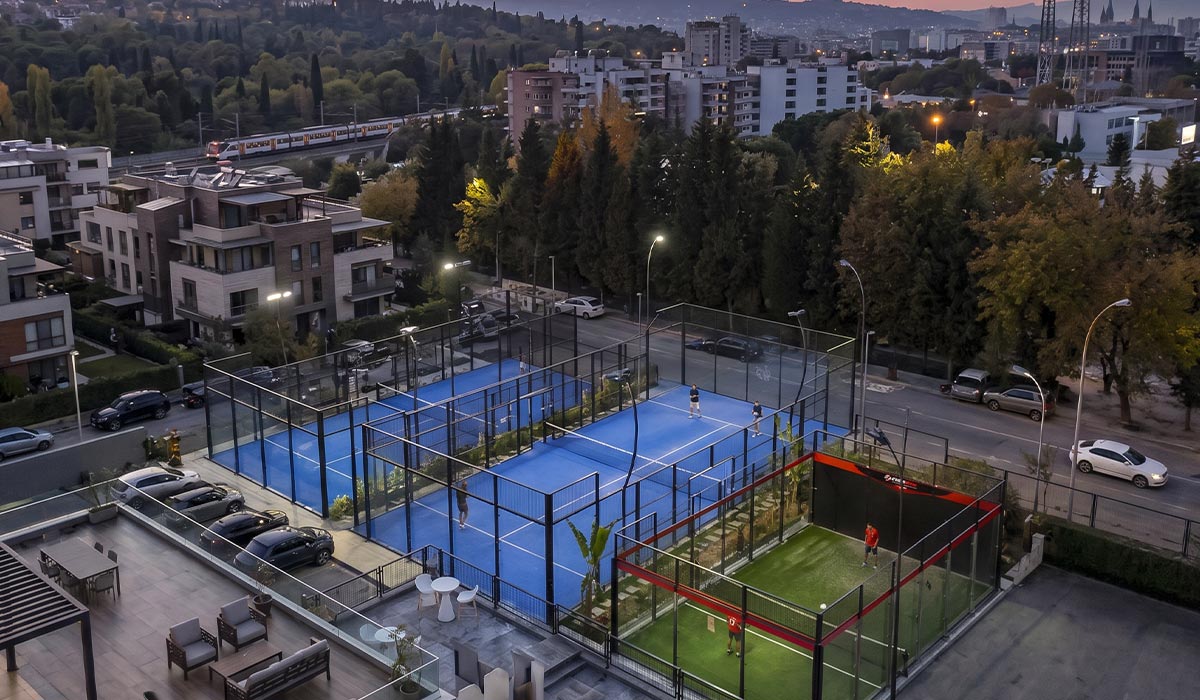
Those planning facilities often consider padel and padbol together. The padel and padbol investment article explains how the two sports are approached from a facility standpoint. Decisions such as the number of courts, space use and floor selection should be planned according to need and confirmed with a specialist.
Conclusion
Padbol is a sport played with the feet on a glass-walled court, combining features of football and padel. Its biggest difference from padel is the use of the feet instead of a racket. Because the court structure is similar, the two sports are often considered together in facility plans.