15/05/2026

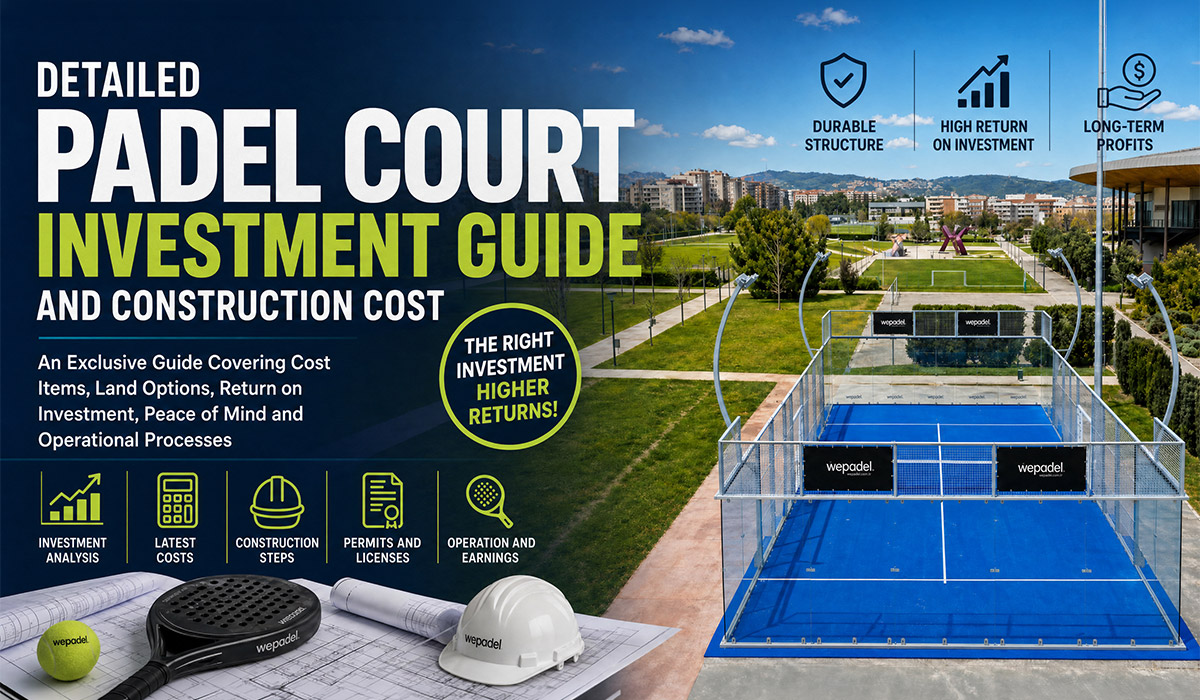
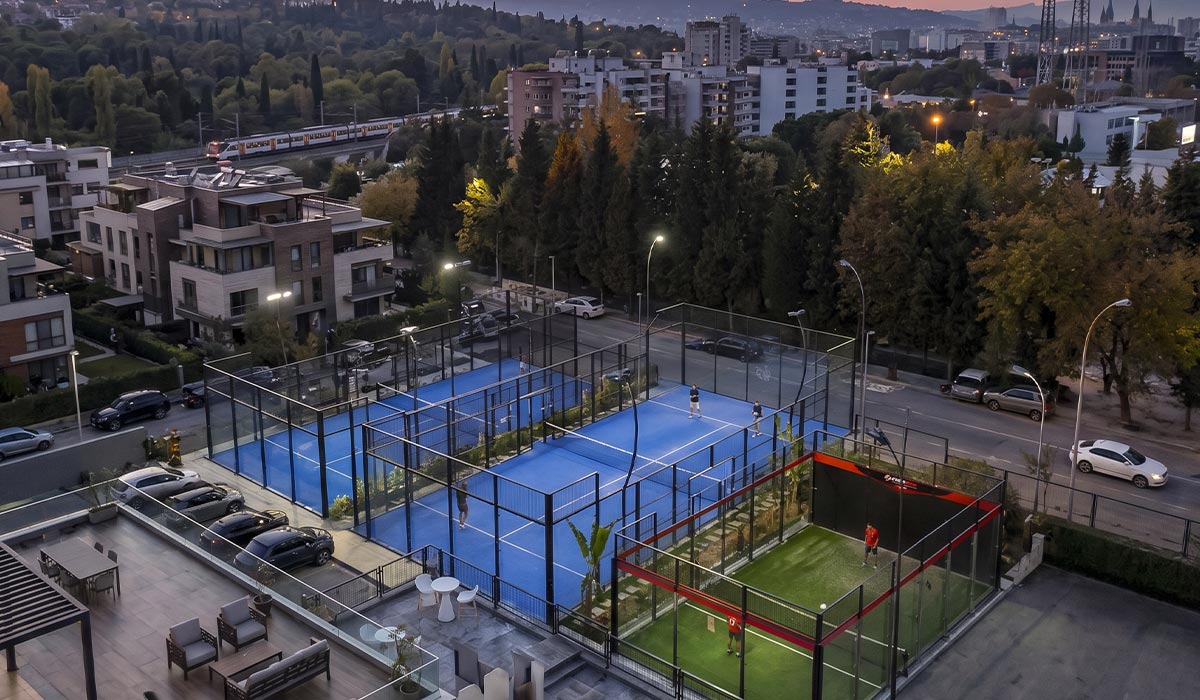
As of 2026, padel tennis has become not just a sport, but one of the sports facility projects with the highest return on investment (ROI) globally.
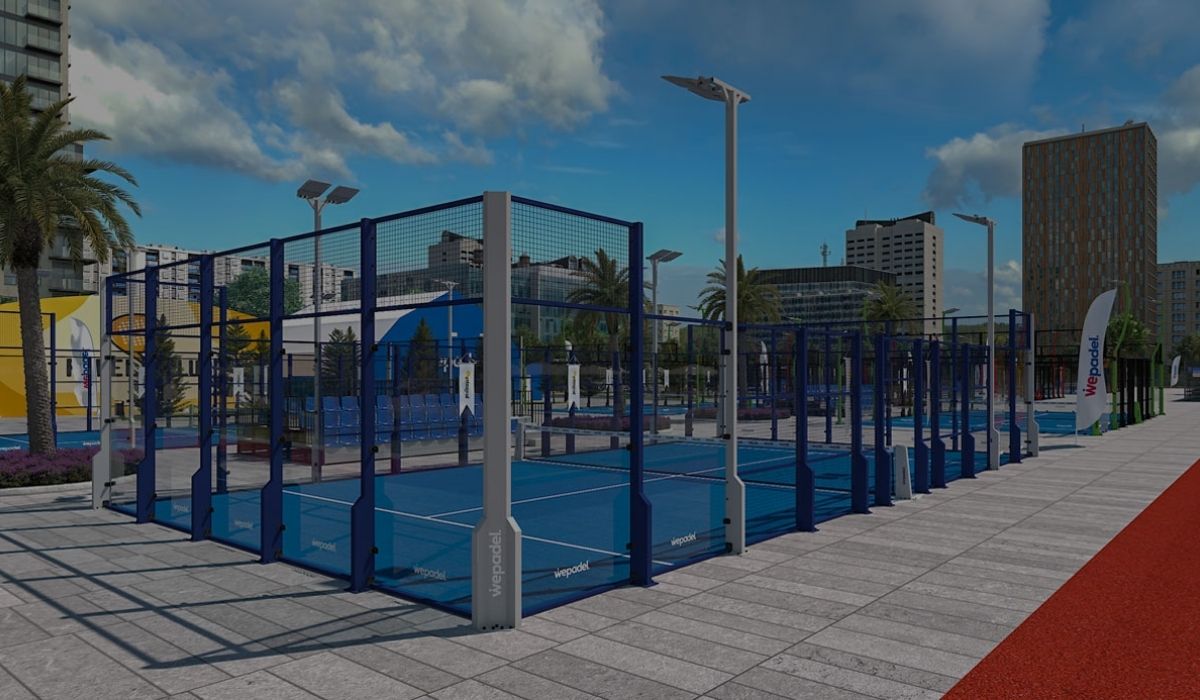
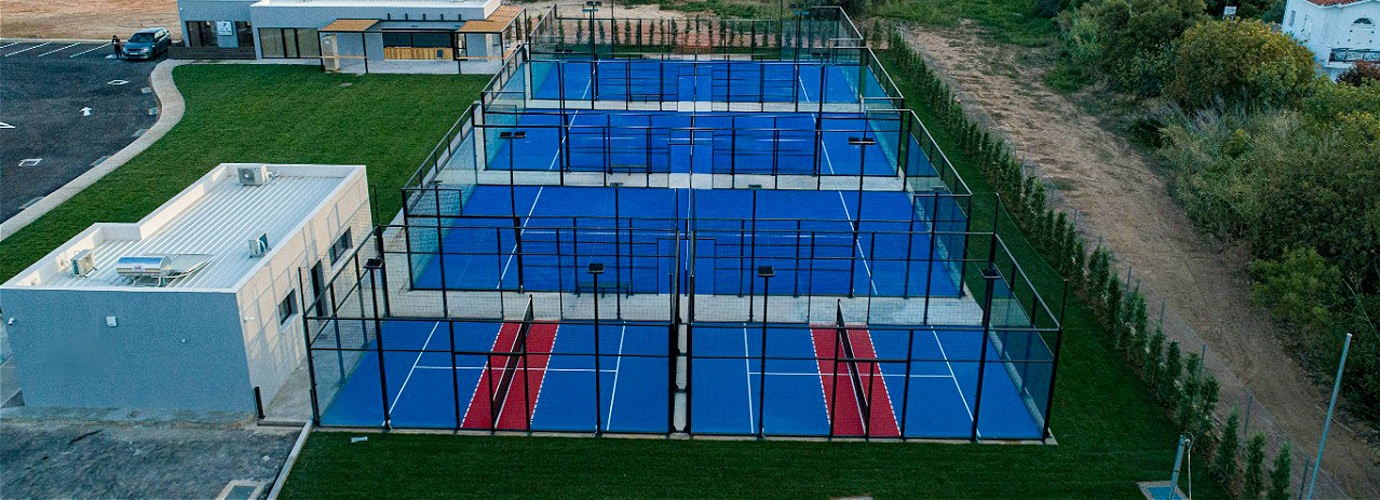
Building a professional Padel court requires the combination of many critical details, from correct technical dimensions to material quality. In this guide, we detail the international standards a court must adhere to, with WePadel expertise.
1. Basic Dimensions and Court Layout
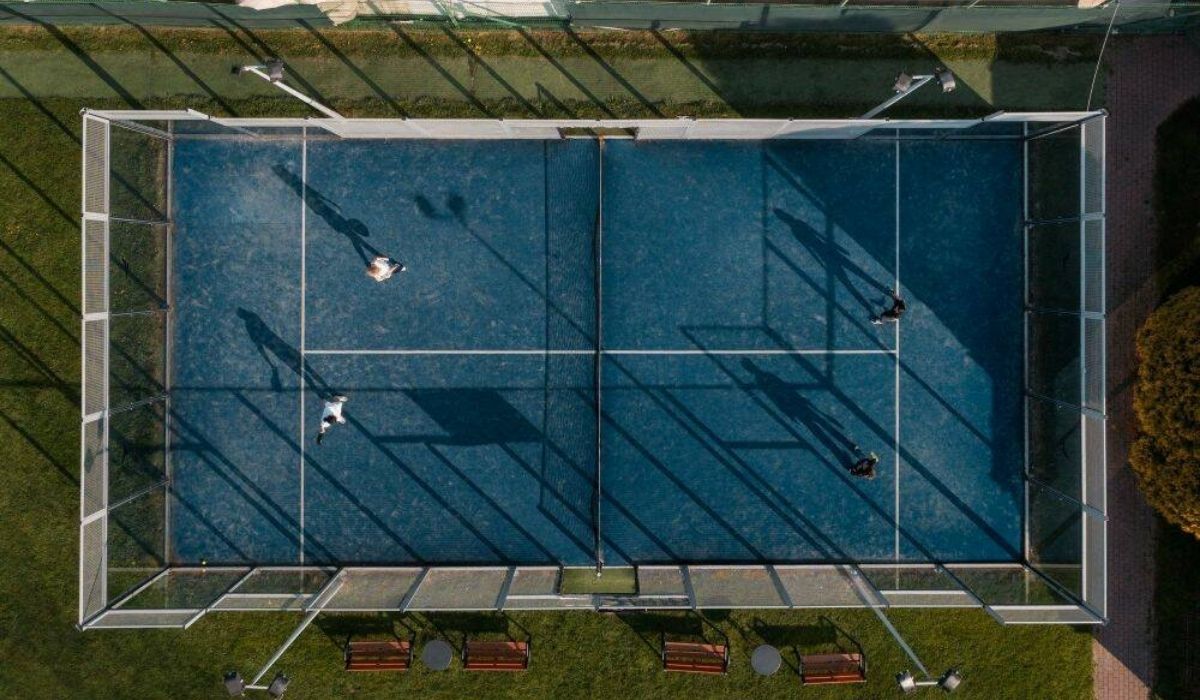
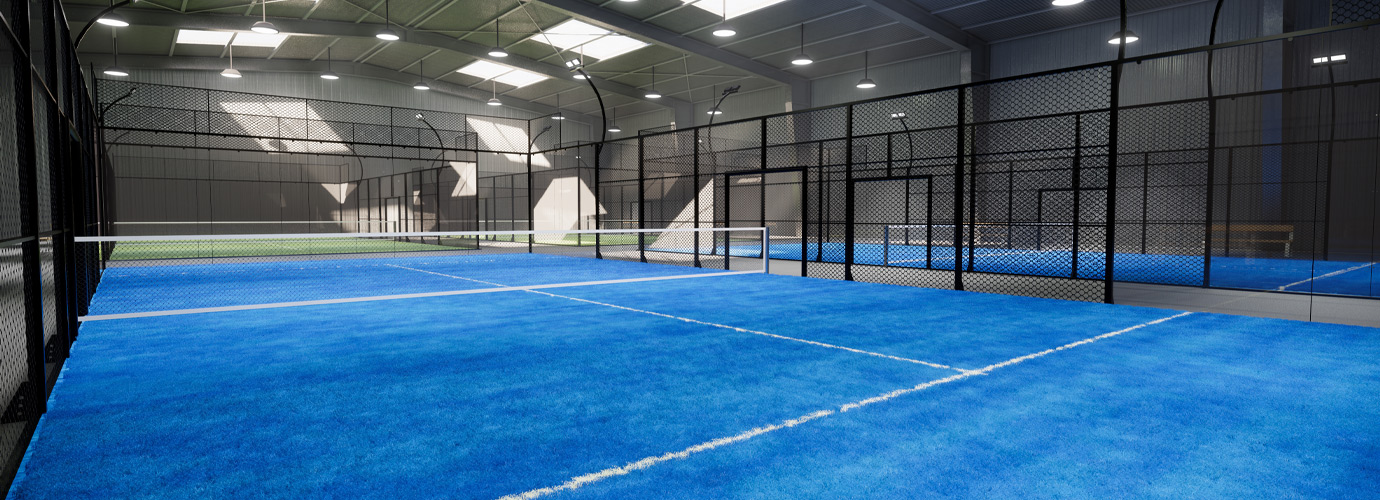
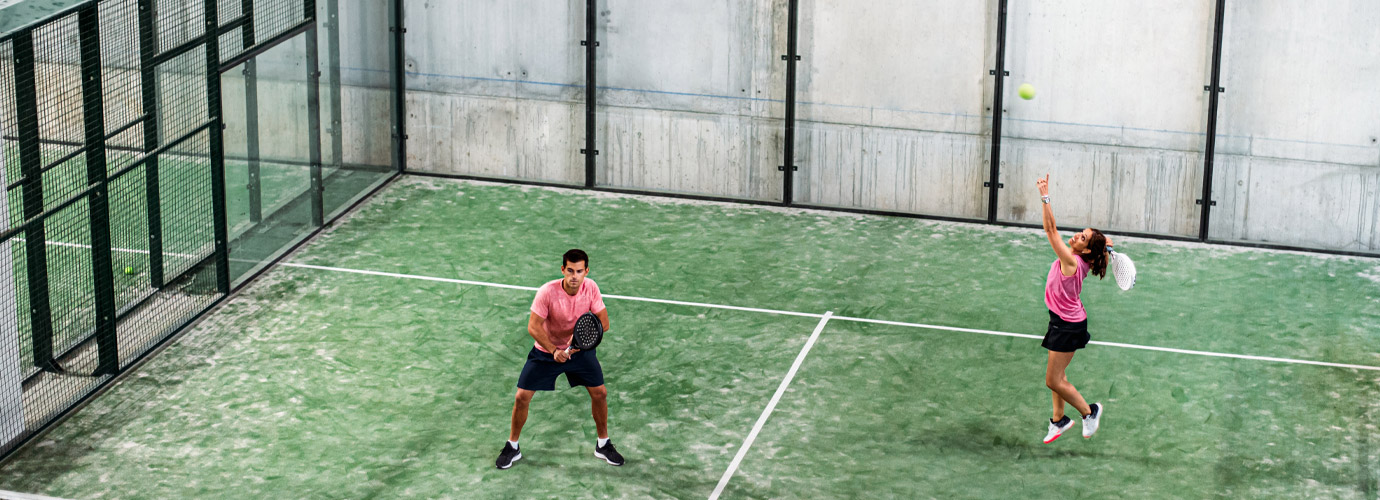
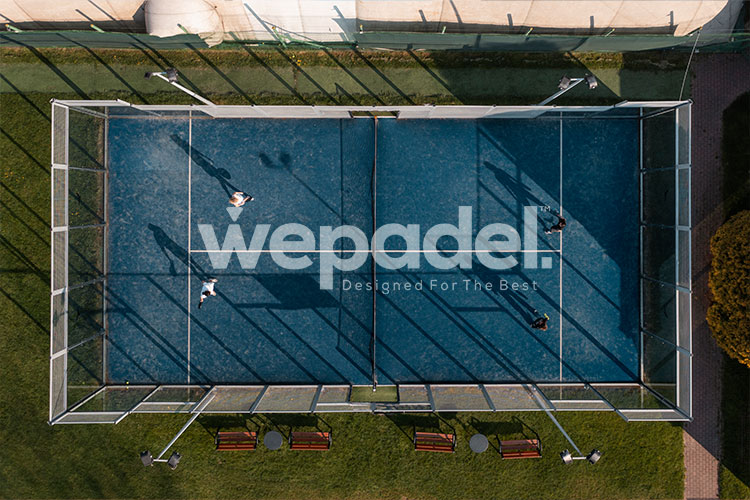
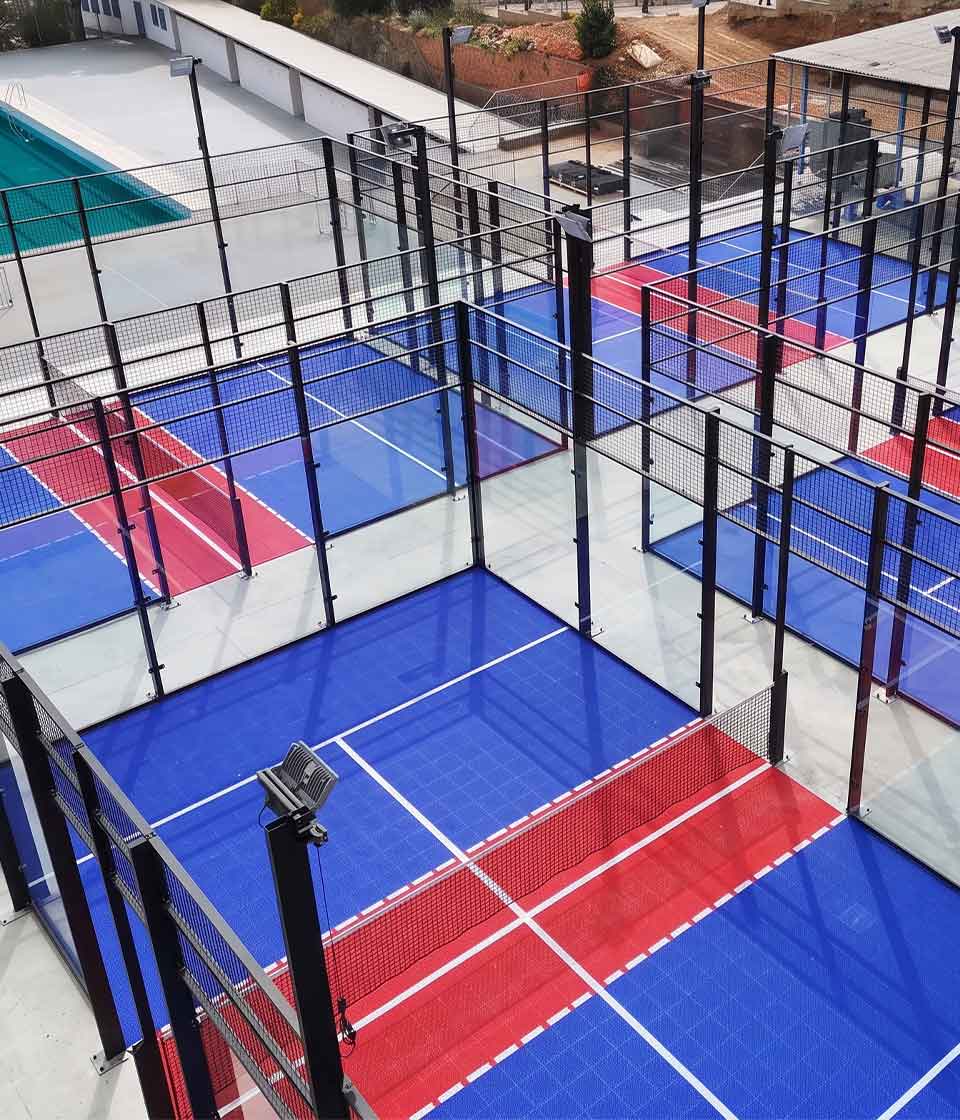
A Padel court is a rectangular playing area, and adherence to the net dimensions determined by the International Padel Federation (FIP) is mandatory for the court's tournament suitability.
|
Technical Specification |
Standard Value (FIP) |
Description |
|
Court Width |
10 Meters |
Net playing area width, internal measurement. |
|
Court Length |
20 Meters |
Net playing area length, internal measurement. |
|
Total Area |
200 m² |
Net playing area coverage. |
|
Ceiling Height |
Minimum 6 Meters |
Recommended for indoor facilities (Ideal: 8m+). |
|
Service Line |
6.95 Meters |
Net distance from the net to the service line. |
Strategic Tip: The long axis of the court should, if possible, be positioned in a north-south direction to prevent sunlight from obstructing players' vision.
2. Structural Components: Steel and Glass Standards
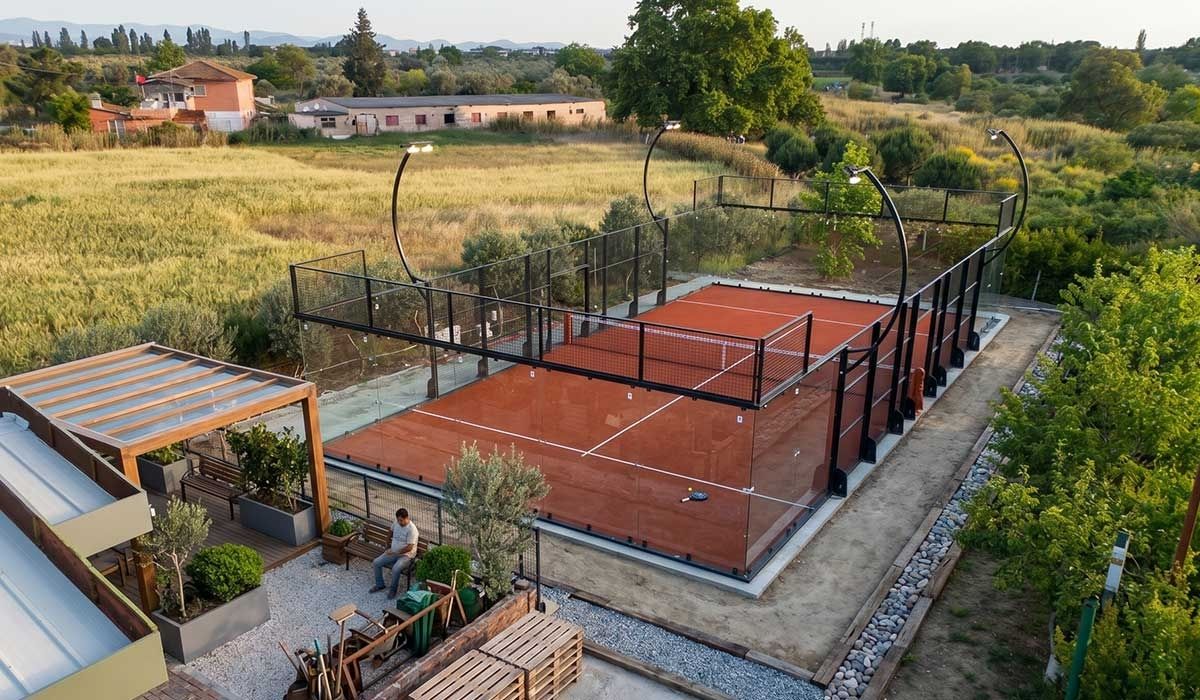
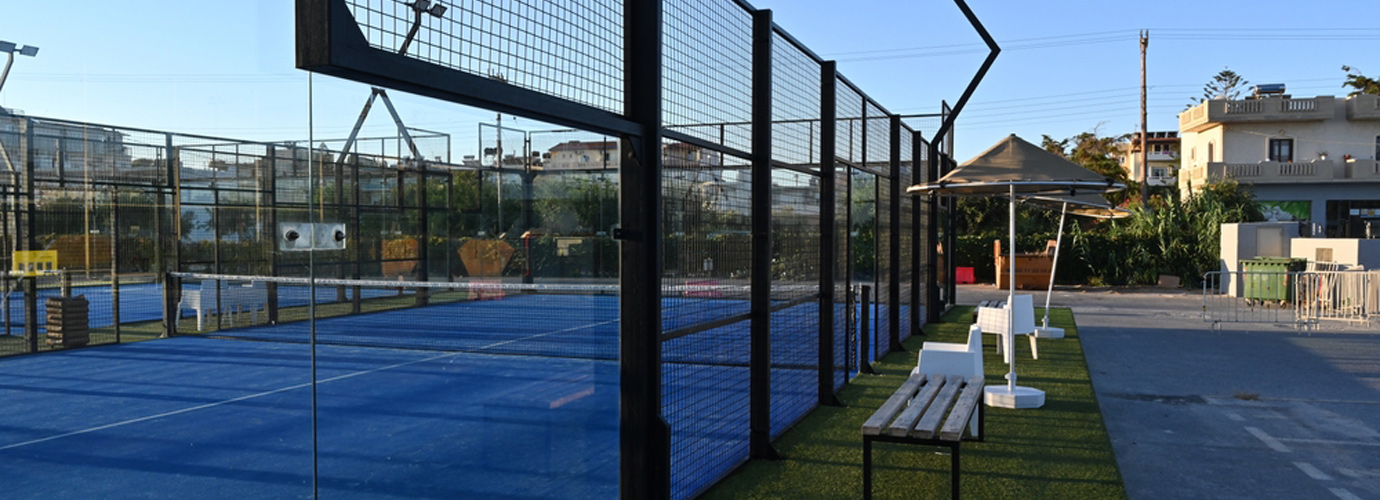
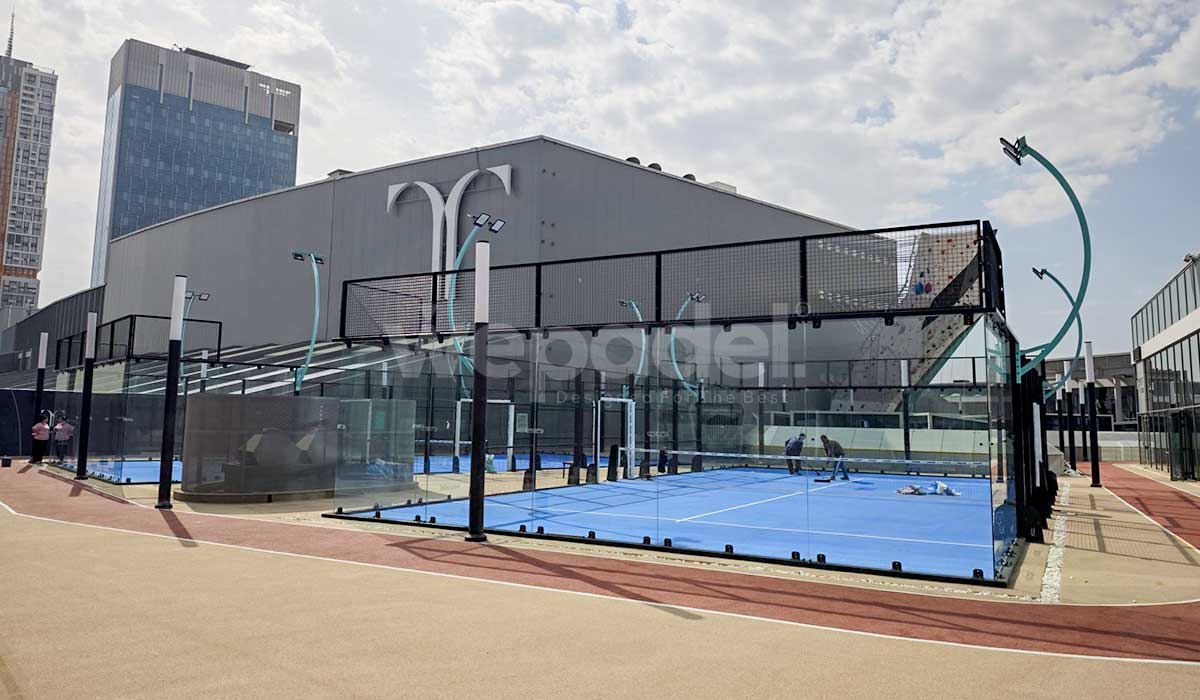
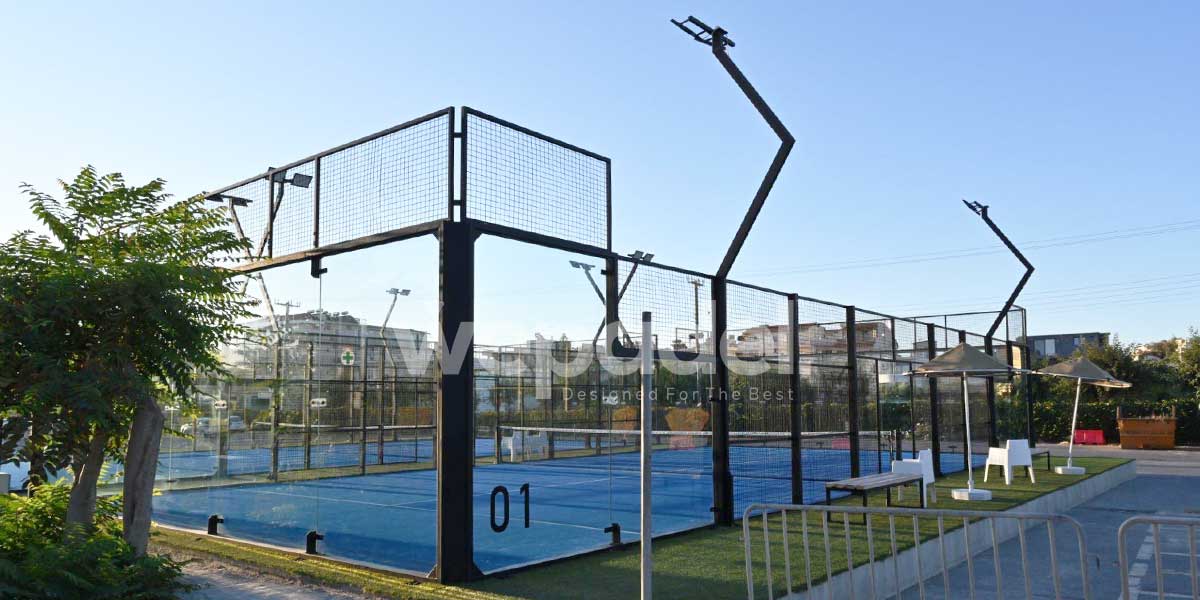
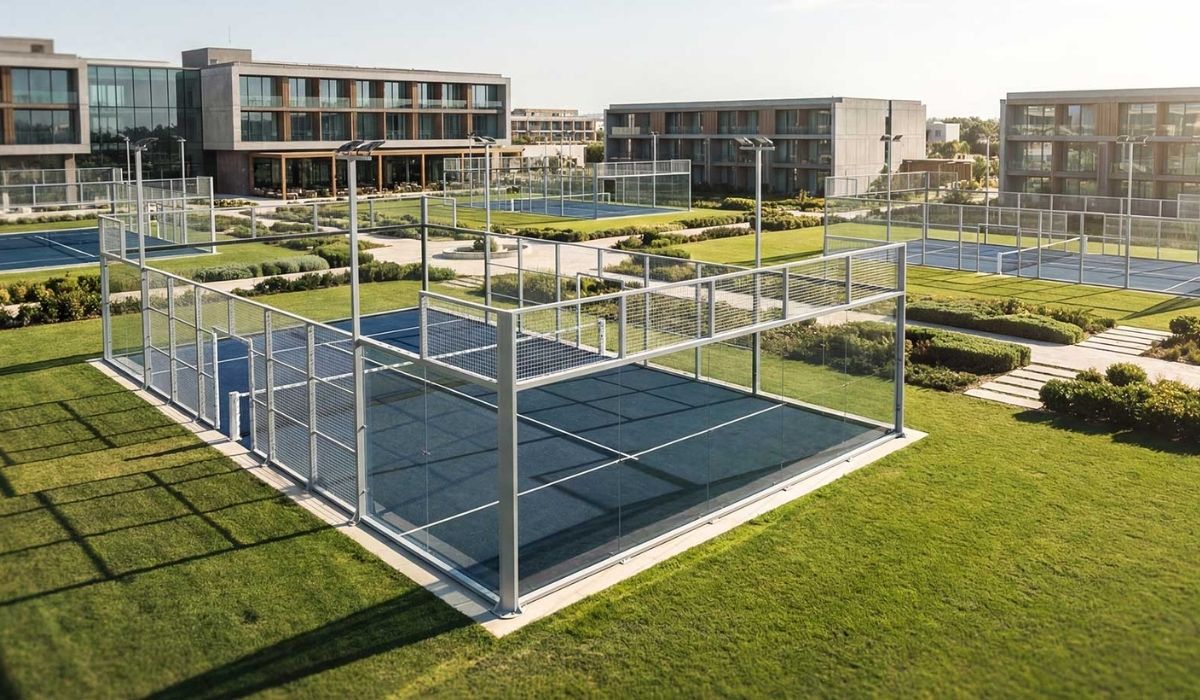
The surrounding walls of the court are the most important elements determining the game's character and safety. Two main structural types stand out in 2026 projects:
-
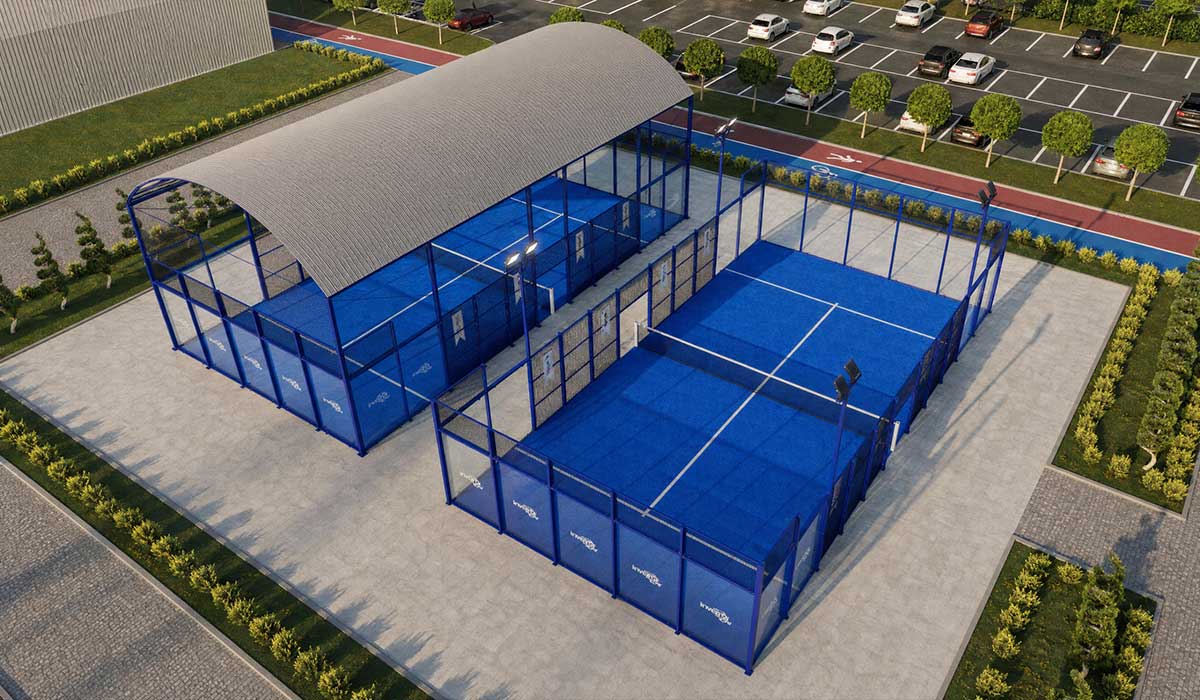
Classic Framed System: Provides maximum durability in high-wind load areas.
-
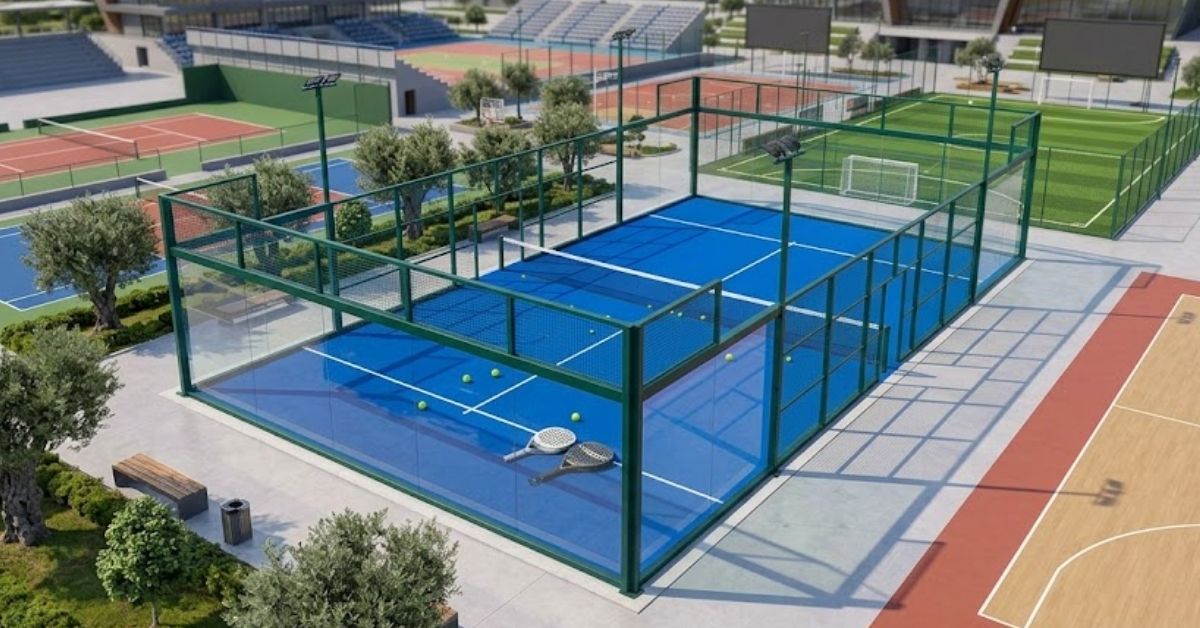
Panoramic System: An aesthetic and premium-looking system without vertical profiles in the back sections to enhance viewing pleasure.
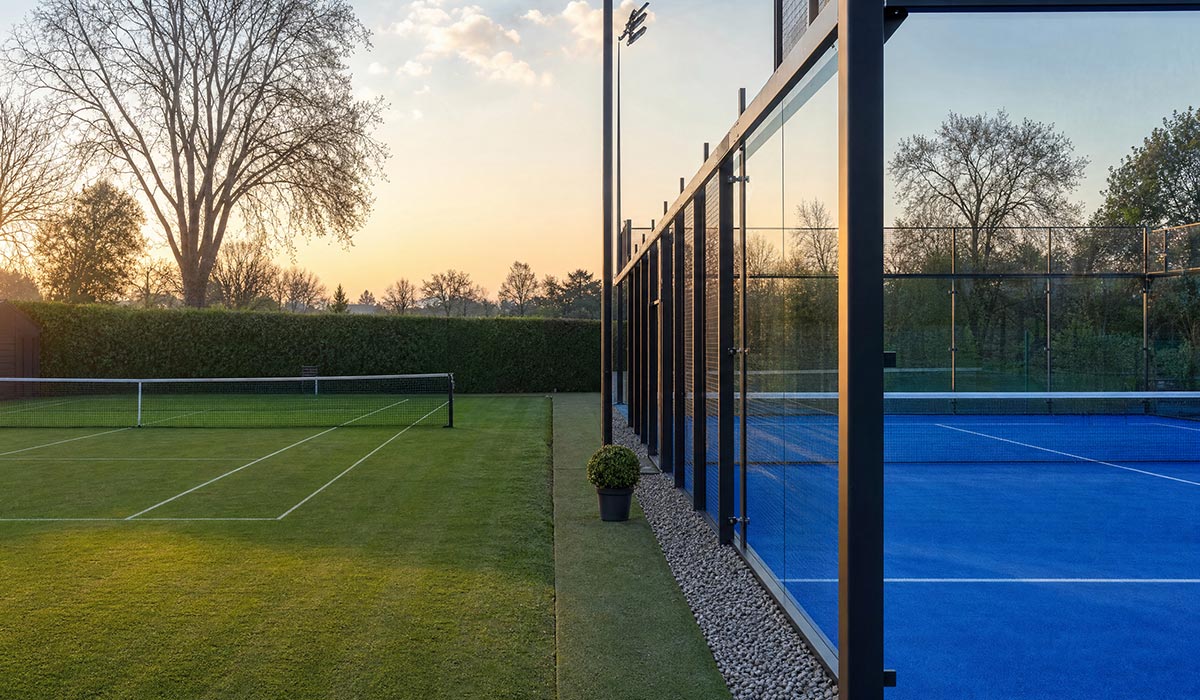
The glass used must be 10 mm or 12 mm Tempered (Safety Glass). These glasses are resistant to high impact and separate into small, non-sharp fragments upon breakage, maximizing player safety.
3. Flooring Technology and Artificial Turf Structure
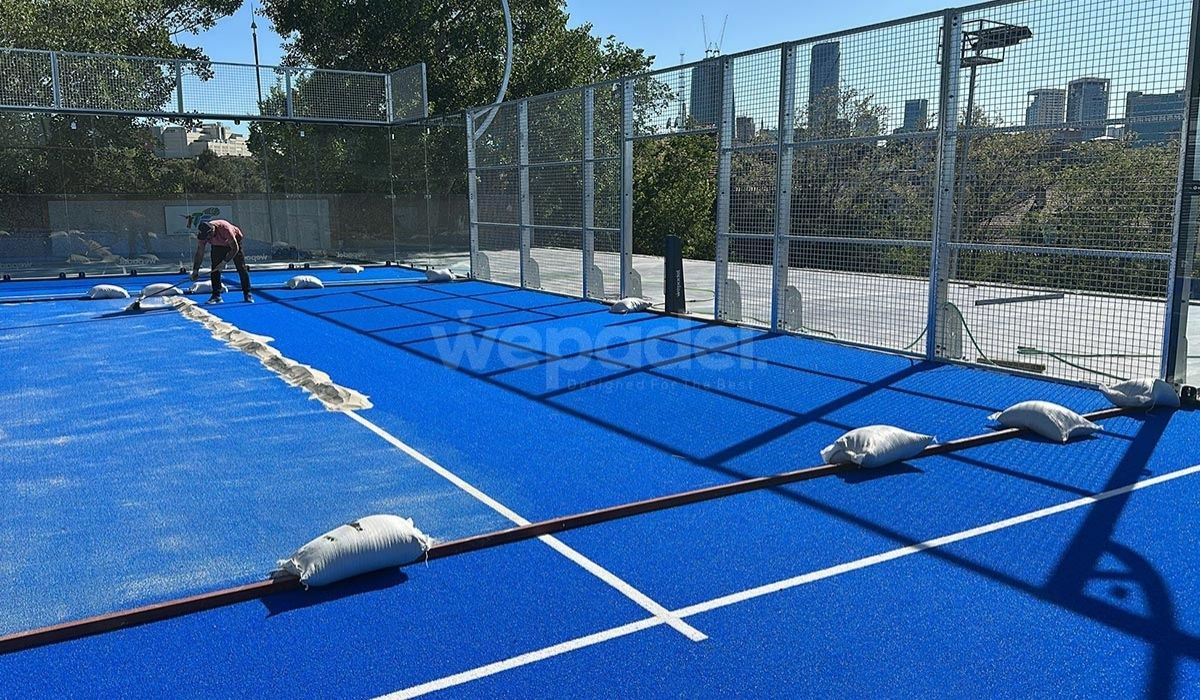
Padel courts consist of special layers to ensure uniform ball bounce and protect players' joints. The flooring structure in WePadel standards includes the following components:
-
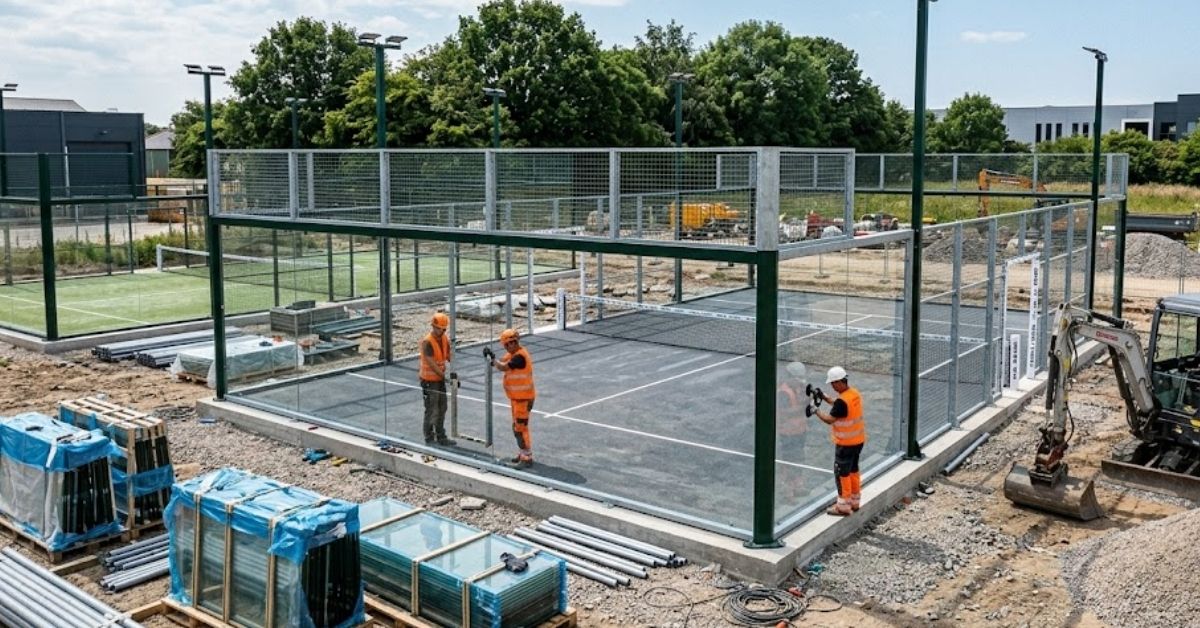
Substructure: Concrete or asphalt base with resolved drainage channels and a 0.5% slope.
-
Artificial Turf: Textured monofilament turf specifically produced for Padel, with a pile height of 10-12 mm.
-
Silica Sand Filling: Approximately 8-10 kg per m² of baked and screened special sand filling.
4. Lighting and Energy Efficiency
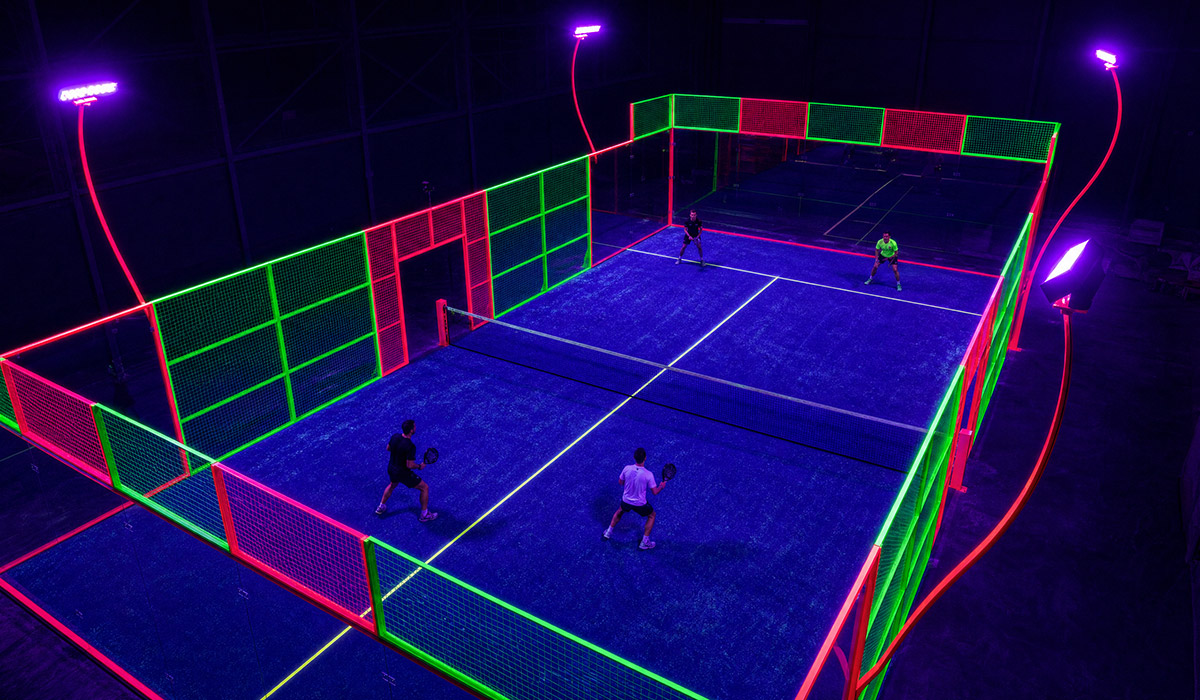
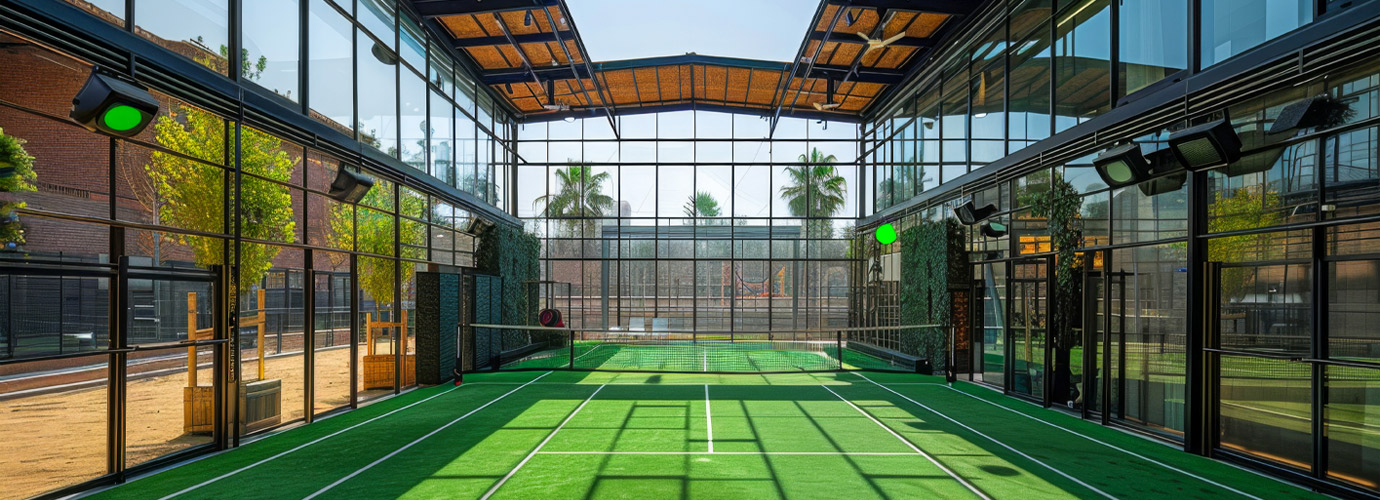
Homogeneous lighting is essential for a professional night match experience. High-efficiency LED floodlights should be used on 6 or 8-meter poles placed at the 4 corners of the court. Average lighting values should be 500-750 Lux for professional tournaments and a minimum of 300 Lux for training level.
5. Final Checklist for Investors
Ensure the following points are fully addressed during the court construction process:
-
The steel components used are galvanized to protect against corrosion.
-
The glasses have CE and safety certificates.
-
The artificial turf has high UV resistance.
-
The substructure drainage is tested to be suitable for heavy rainfall.
Looking for a Complete Installation Guide?
Building a professional padel court requires precise engineering, from ground preparation to the final net assembly. If you want to learn every step of the professional setup process, safety standards, and turnkey solutions, check out our comprehensive guide.
Read Padel Court Installation Guide →As WePadel, we offer global standard, turnkey padel court solutions with our experience gained in over 90 countries.