03/02/2026

In recent years, padel has become one of the fastest-growing sports in the world, attracting players of all ages and skill levels. Combining elements of tennis and squash, padel stands out thanks to its dynamic gameplay, social nature, and relatively easy learning curve. As interest in the sport continues to rise globally, the demand for professional padel courts and high-quality padel court construction solutions has increased significantly.
This comprehensive guide covers everything you need to know about padel, from how the game is played to padel court dimensions, scoring rules, and modern court construction systems.
What Is Padel and Why Is It So Popular?
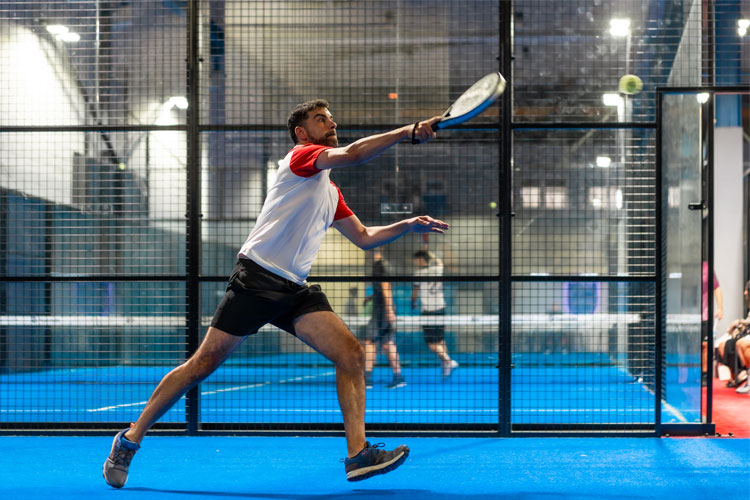
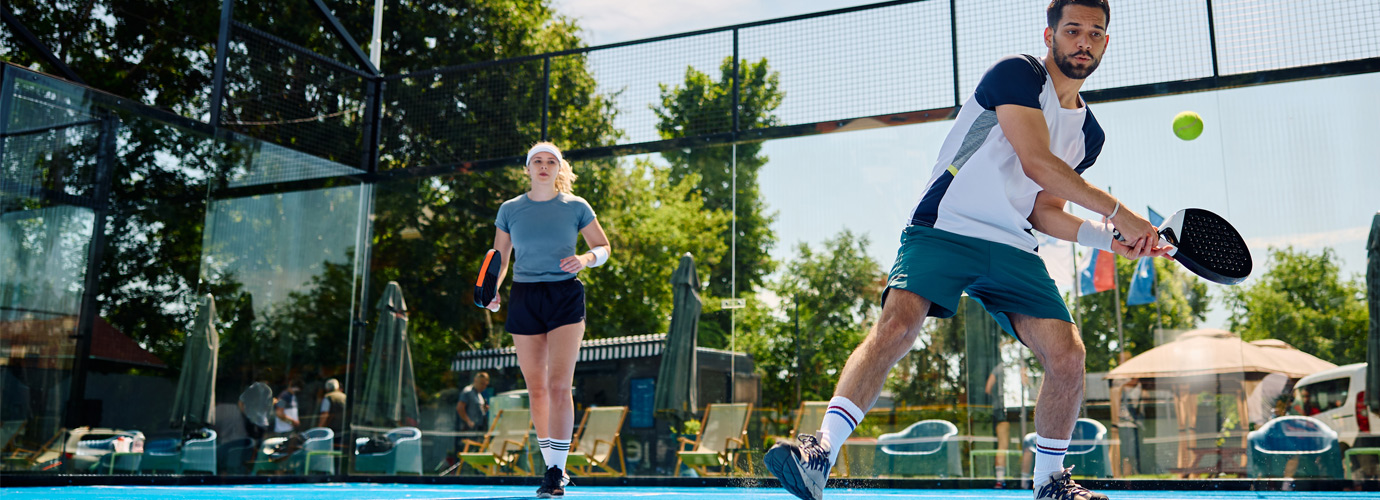
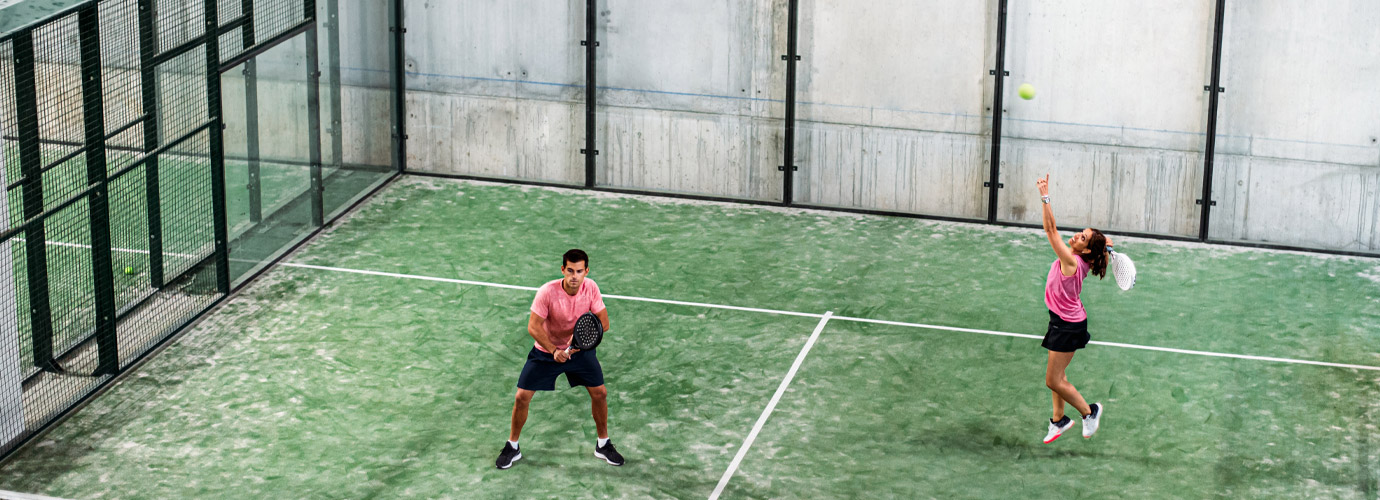
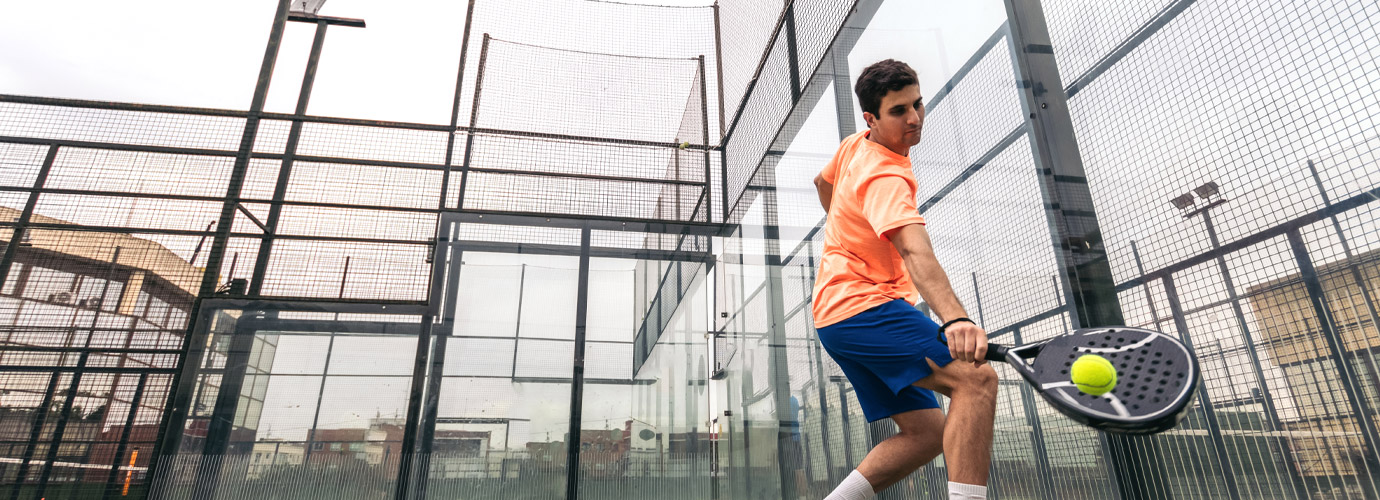
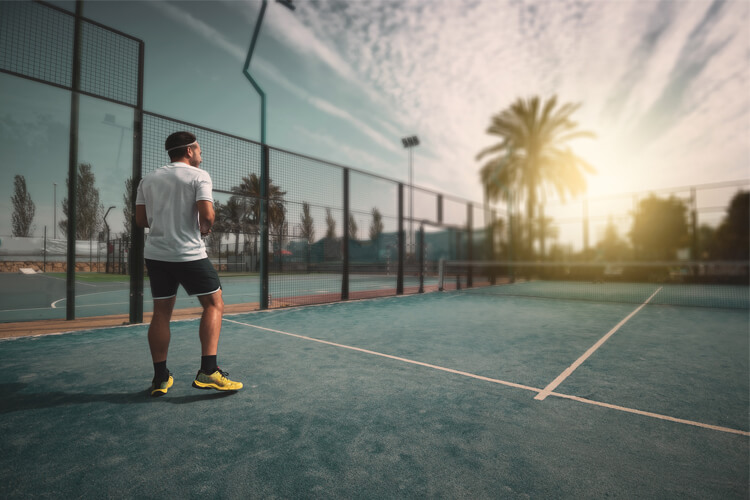
Padel is a racket sport typically played in doubles on an enclosed court. The use of glass walls and metal mesh makes the game more interactive and strategic, as the ball can rebound off the walls during play. Unlike tennis, padel does not rely solely on power; instead, it emphasizes technique, positioning, and teamwork.
The sport’s popularity is driven by several factors:
- Easy to learn for beginners
- Highly social and fun to play
- Suitable for all age groups
- Lower physical strain compared to tennis
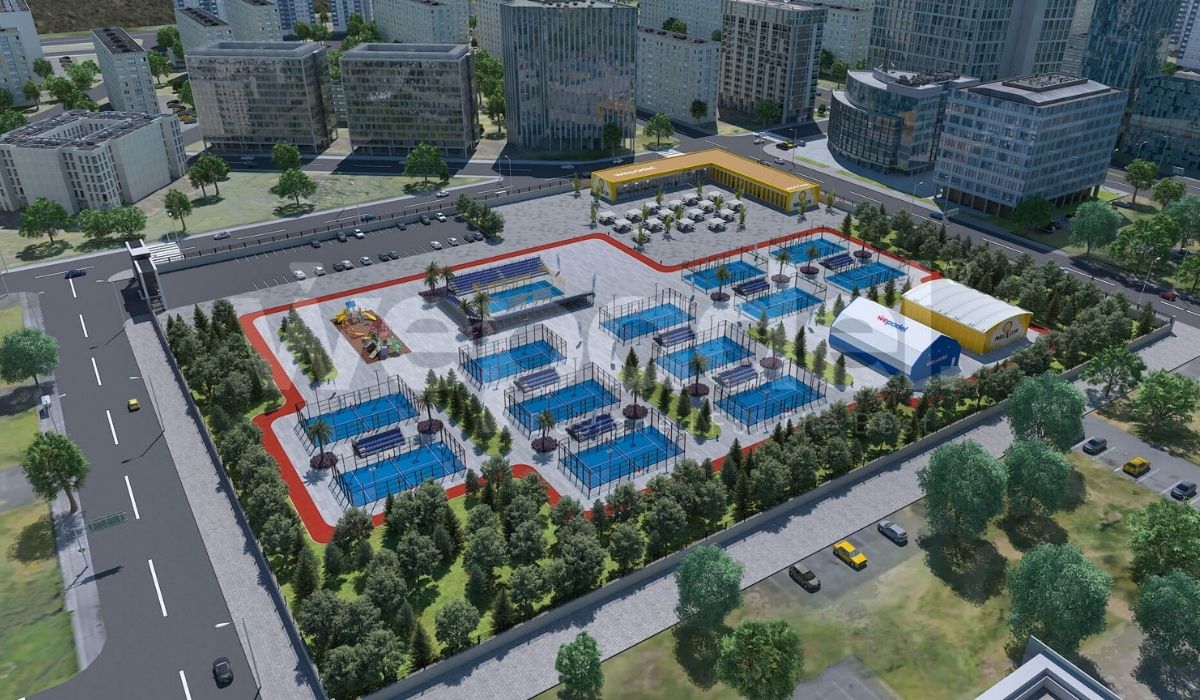
As a result, padel clubs, hotels, sports complexes, and municipalities are increasingly investing in padel facilities worldwide.
How to Play Padel: Basic Rules Explained
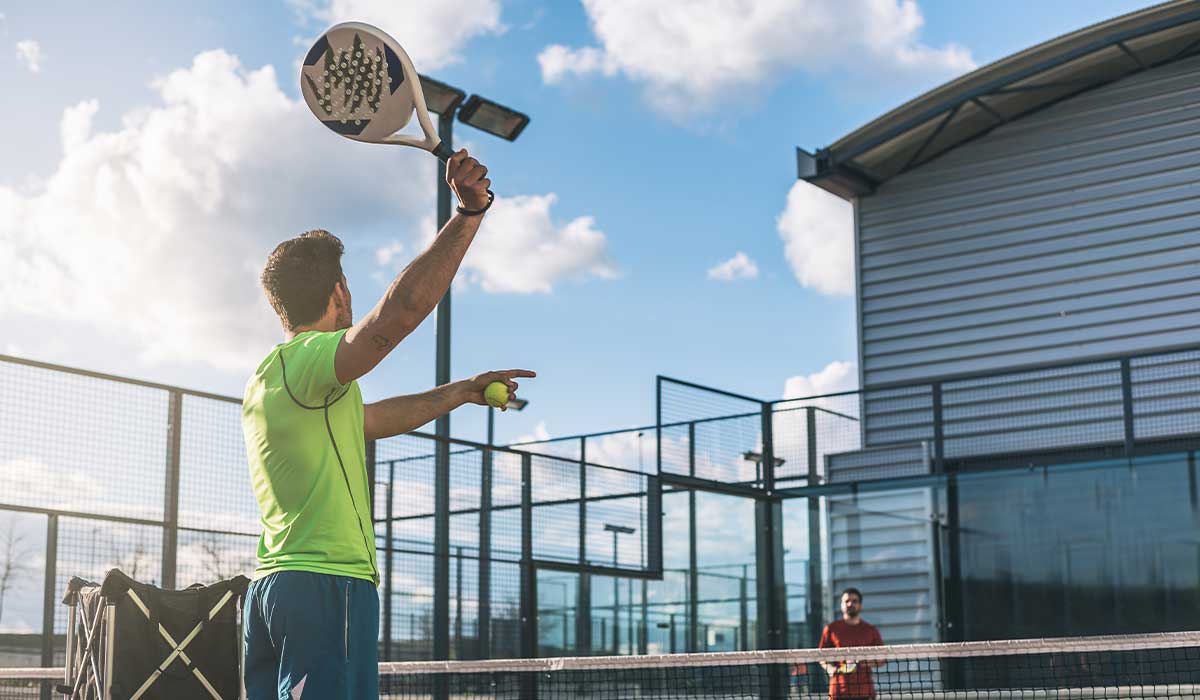
Understanding how to play padel is simple, even for first-time players. The game starts with an underhand serve, hit diagonally into the opponent’s service box. The serve must bounce once before crossing the net.
Key rules include:
- The ball can bounce once on the ground before hitting the walls.
- Volleys are allowed, except on the serve return.
- The ball must stay within the court boundaries.
Thanks to these straightforward rules, padel is often considered more accessible than traditional racket sports.
Padel Court Dimensions and Layout
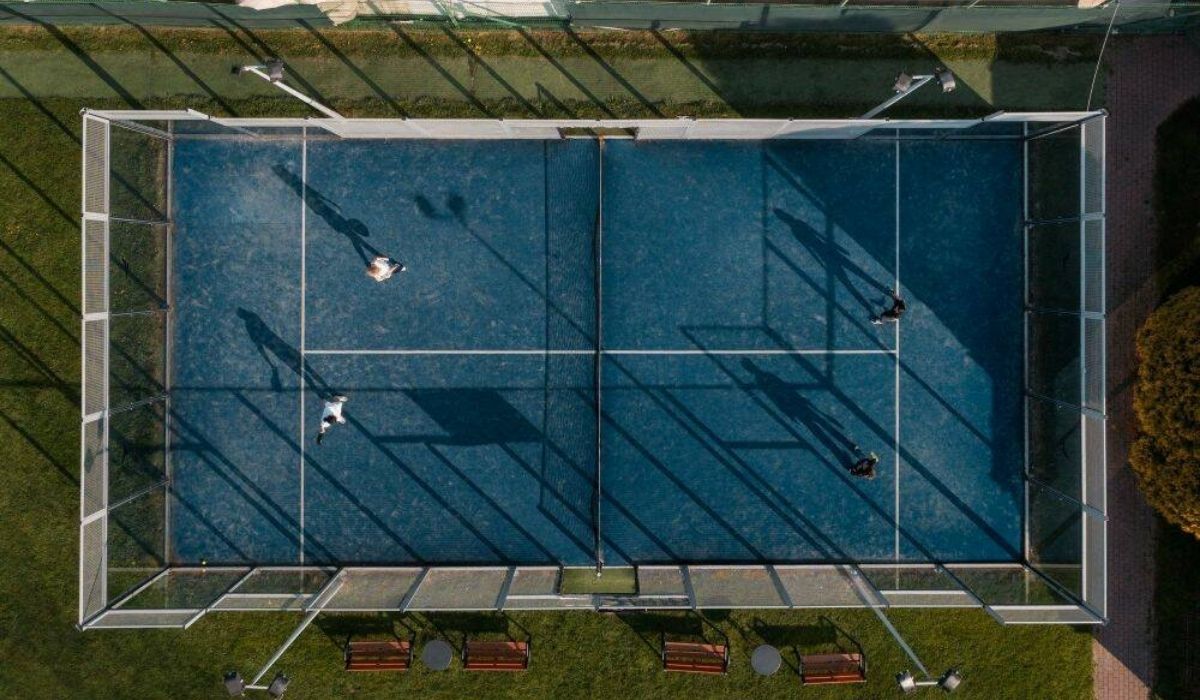
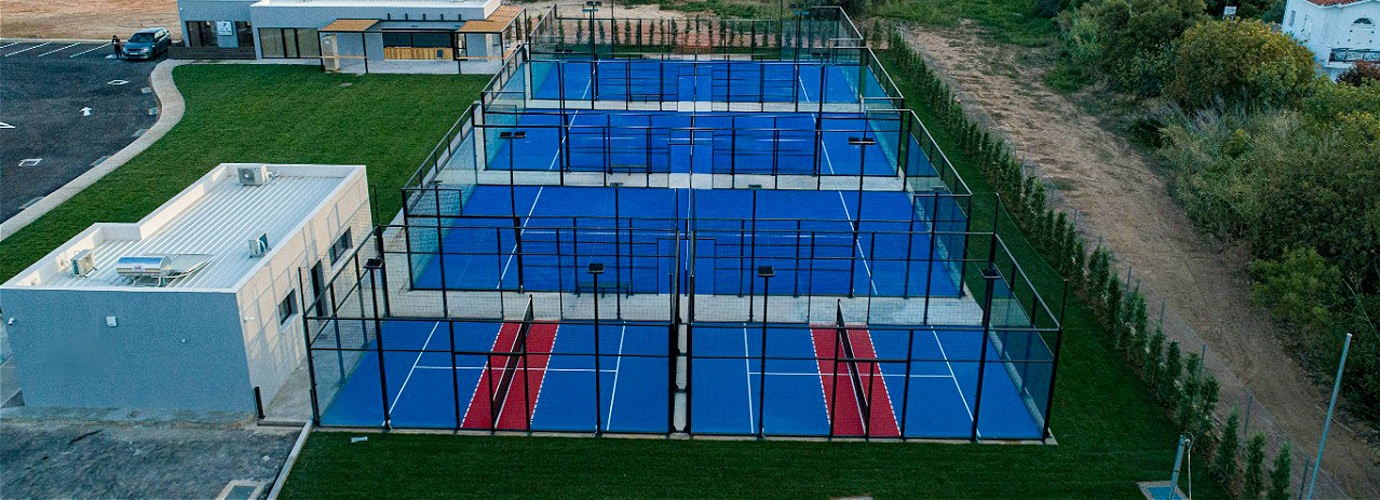
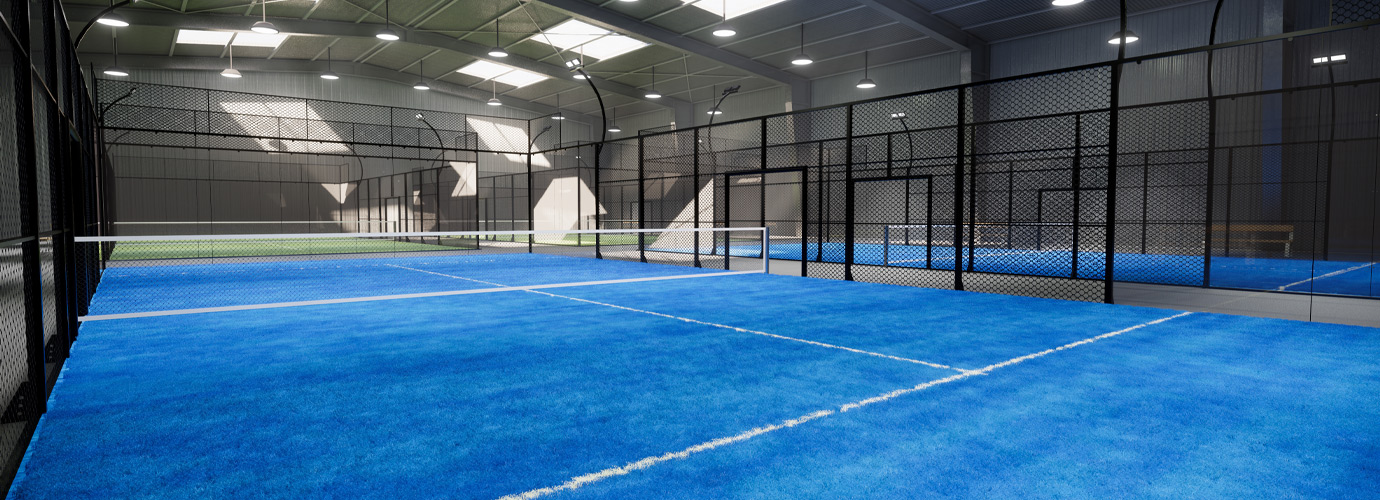
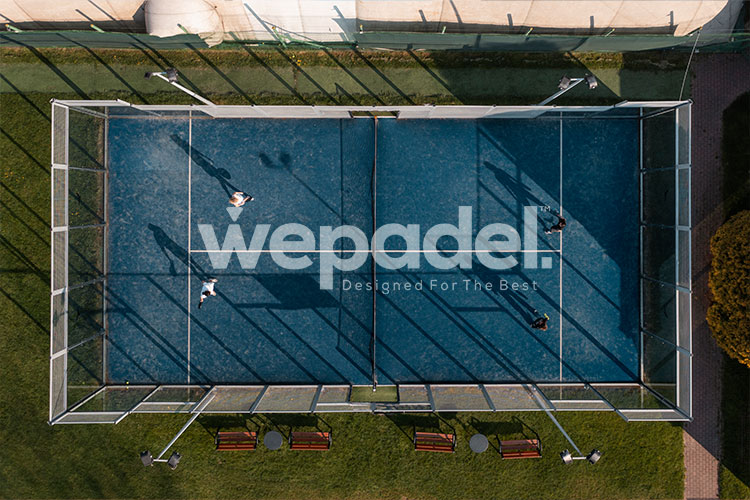
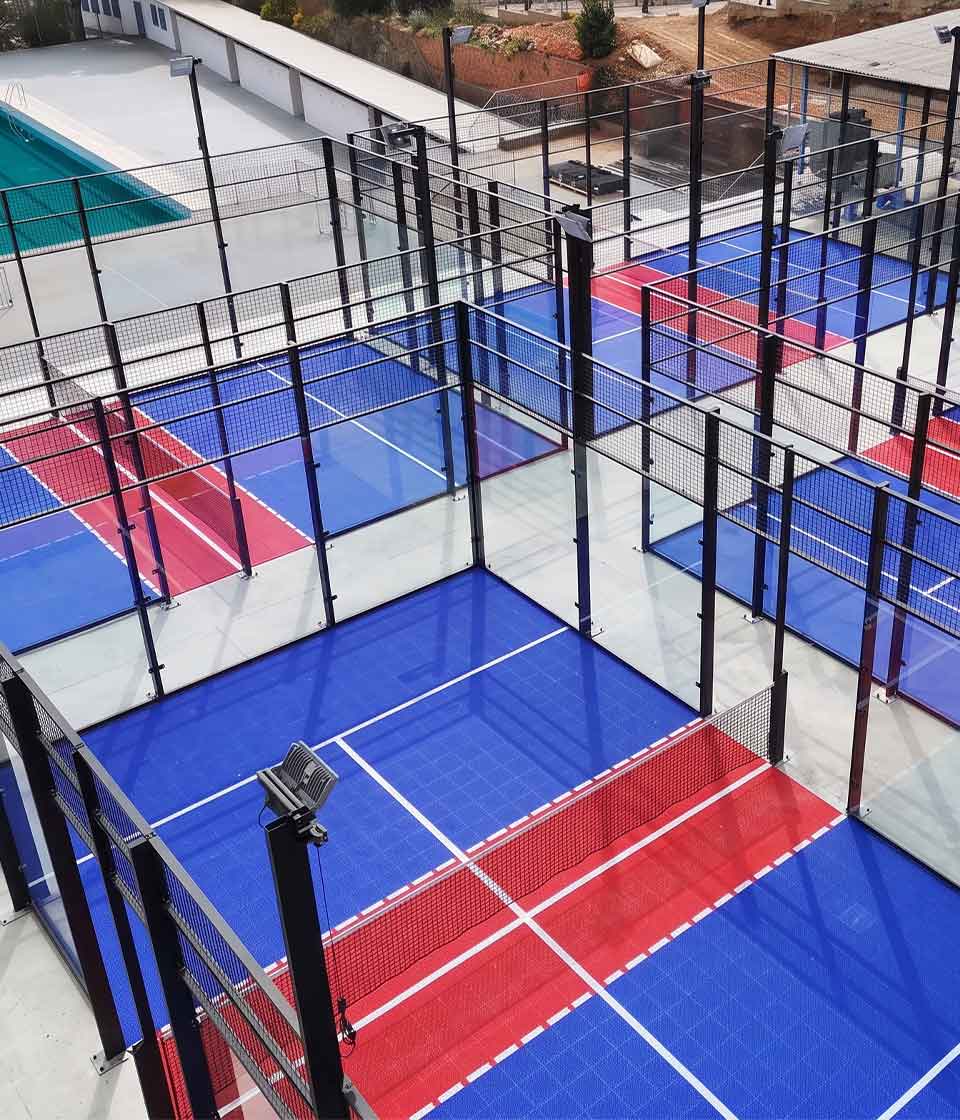
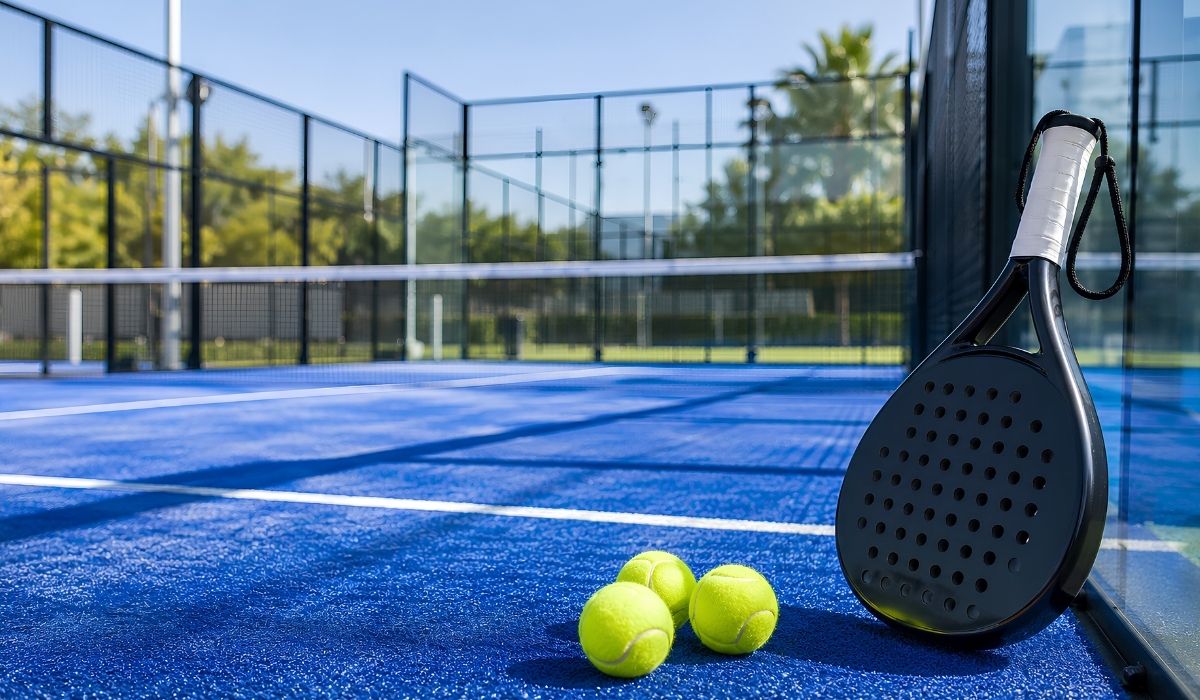
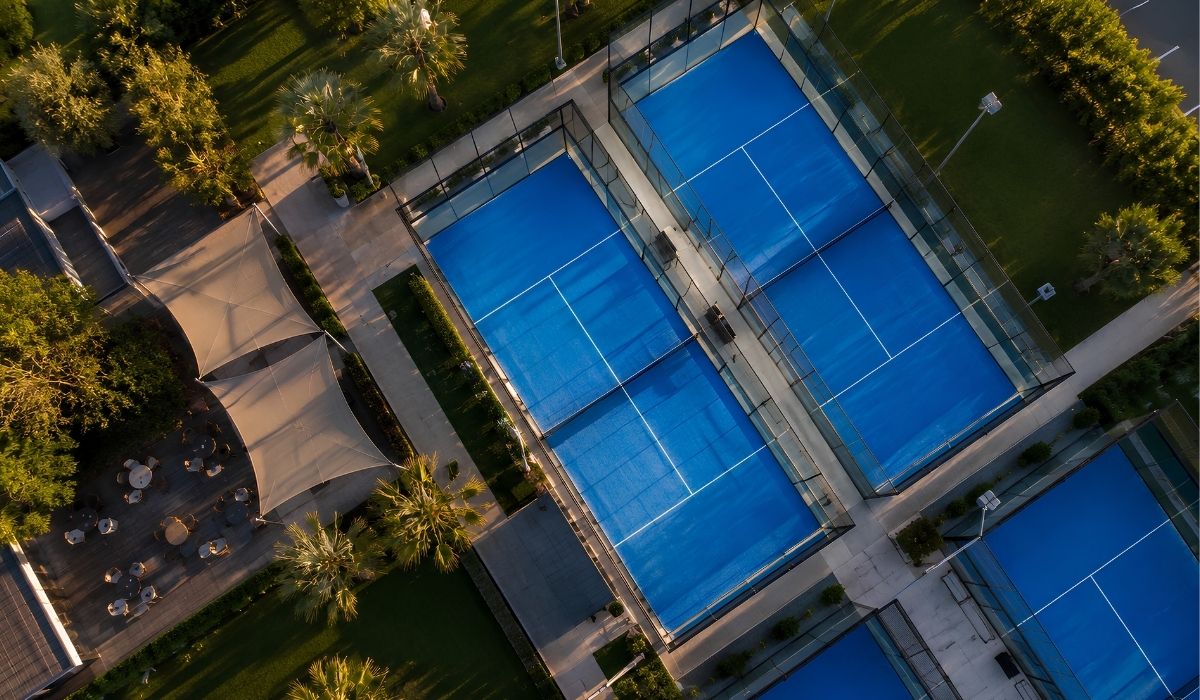
Standard padel court dimensions are internationally regulated to ensure consistency and fair play. A professional padel court measures:
- 20 meters in length
- 10 meters in width
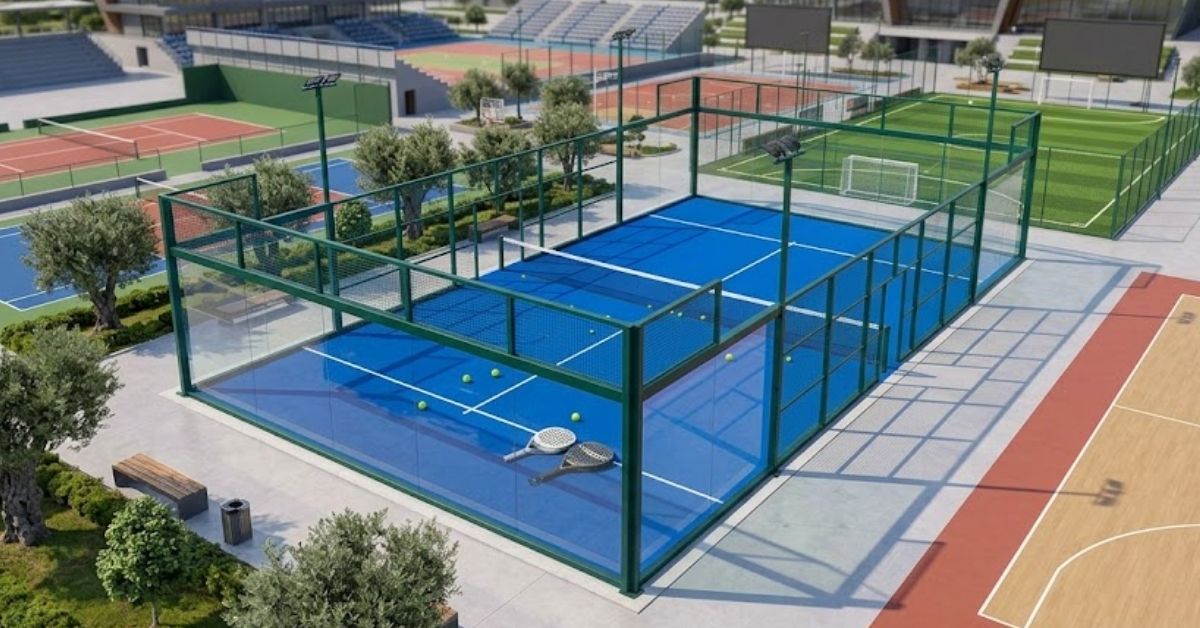
The court is enclosed by:
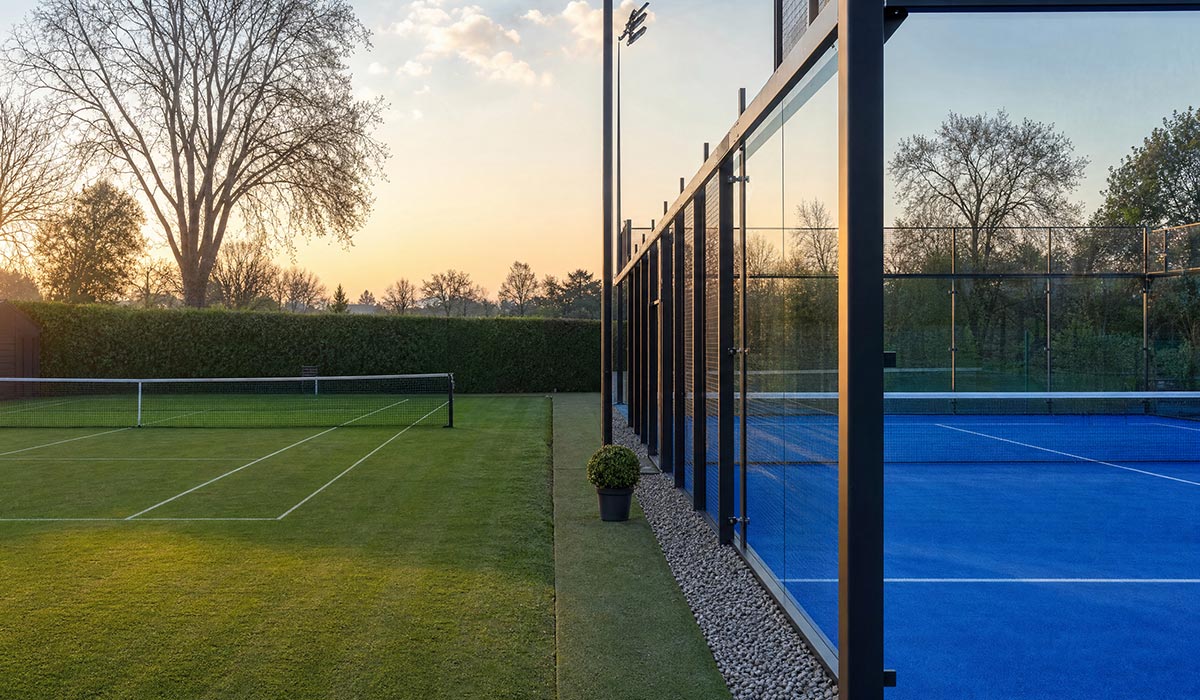
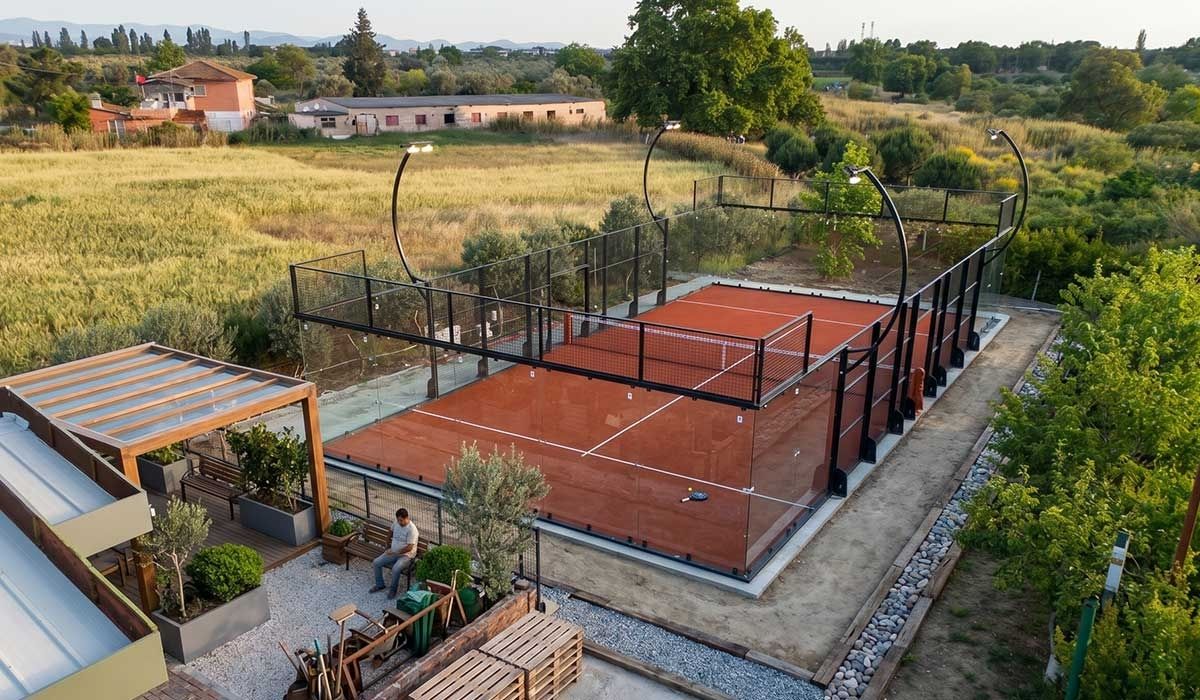
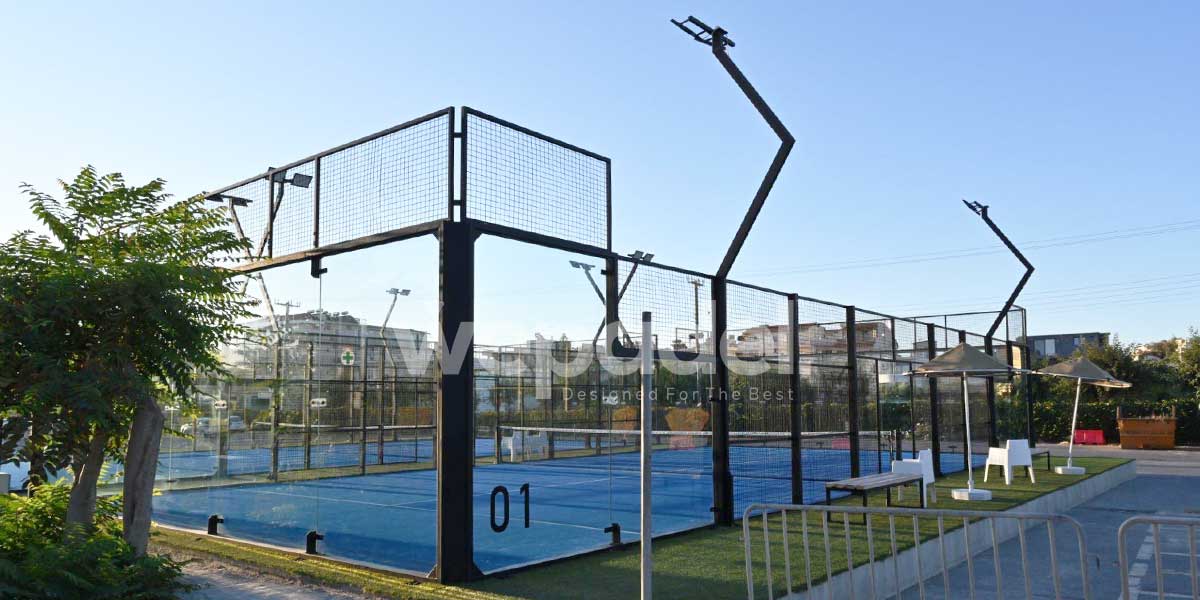
- Tempered glass panels at the back and corners
- Metal mesh fencing on the sides
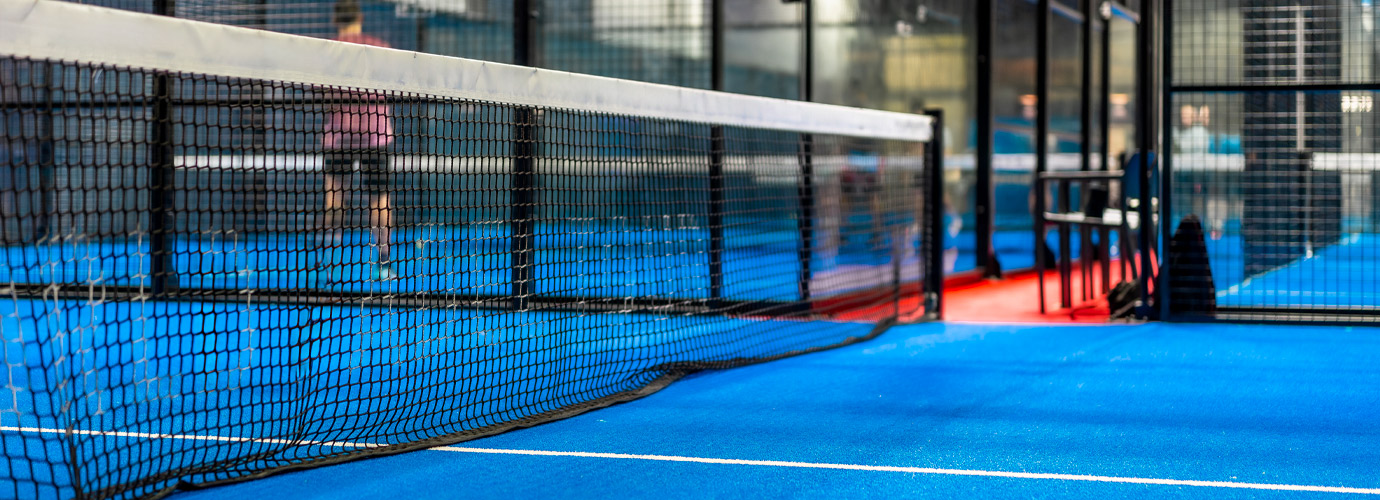
- A net dividing the court into two equal halves
The total height of the enclosure typically ranges between 3 and 4 meters, depending on the design and regulations. Proper dimensions are critical for both gameplay quality and compliance with international standards.
Padel Court Scoring System
The padel court scoring system is identical to tennis, which makes it familiar to many players. Matches are played using:
- 15, 30, 40, game scoring
- Best of three sets in most competitions
- A tie-break at 6–6, depending on tournament rules
This scoring format allows players to adapt quickly while maintaining competitive excitement throughout the match.
Our Padel Court Types
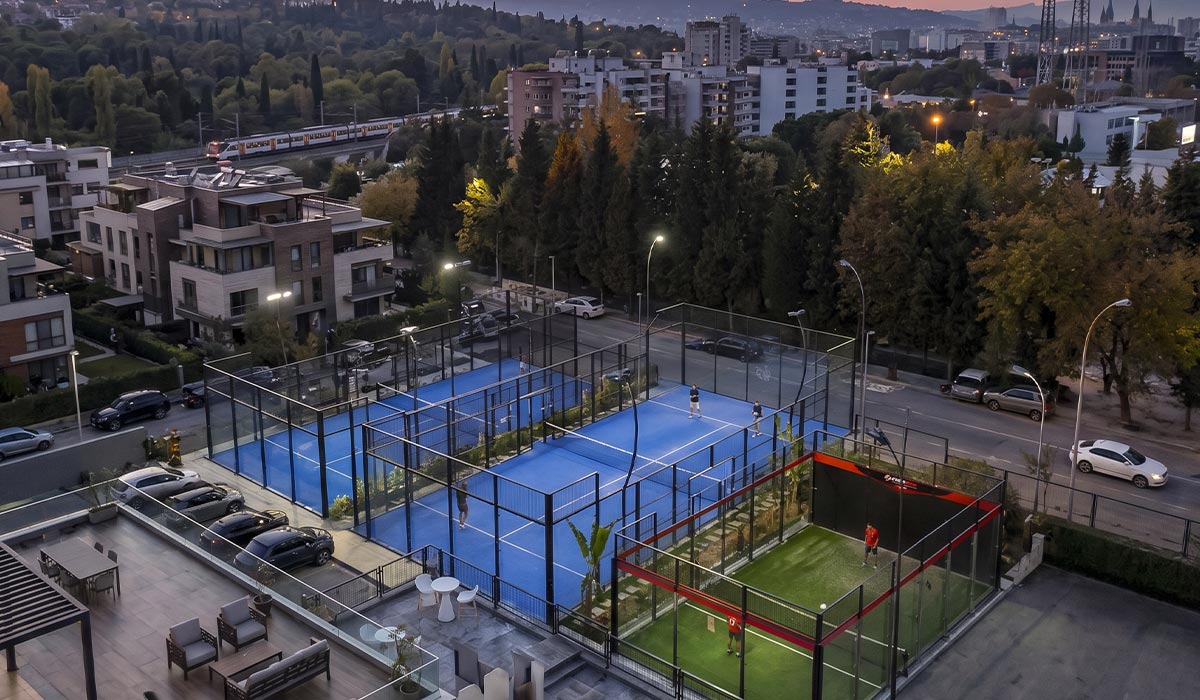
Modern padel facilities offer a wide range of court models to suit different needs and environments.
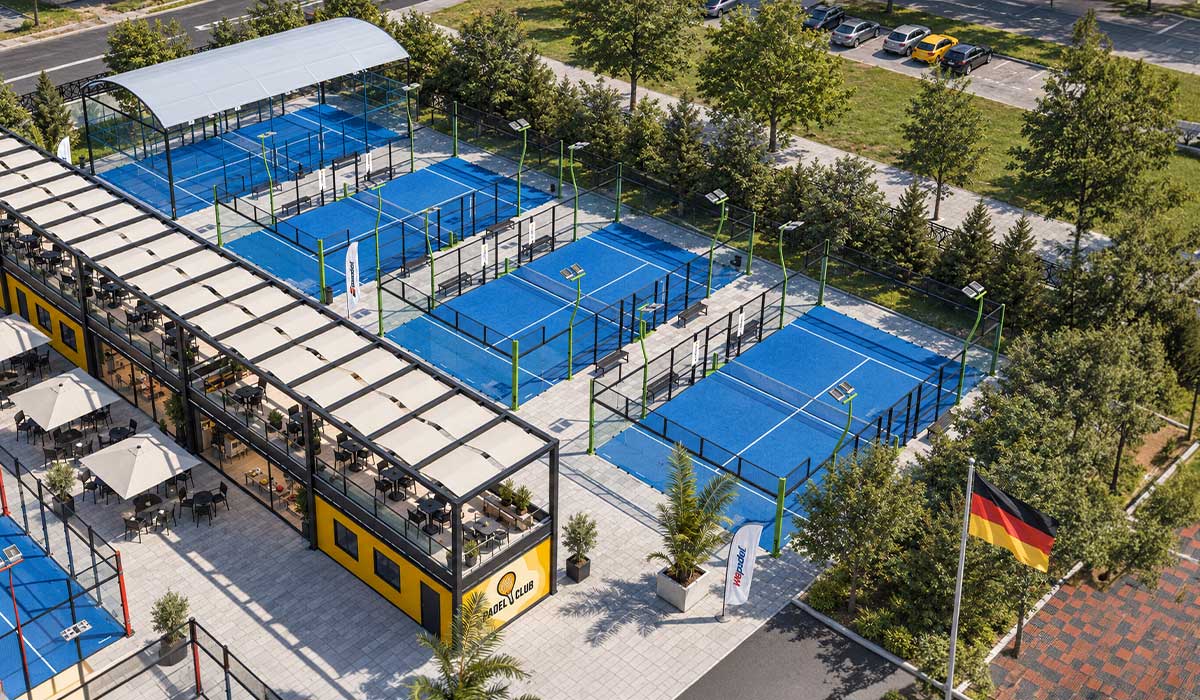
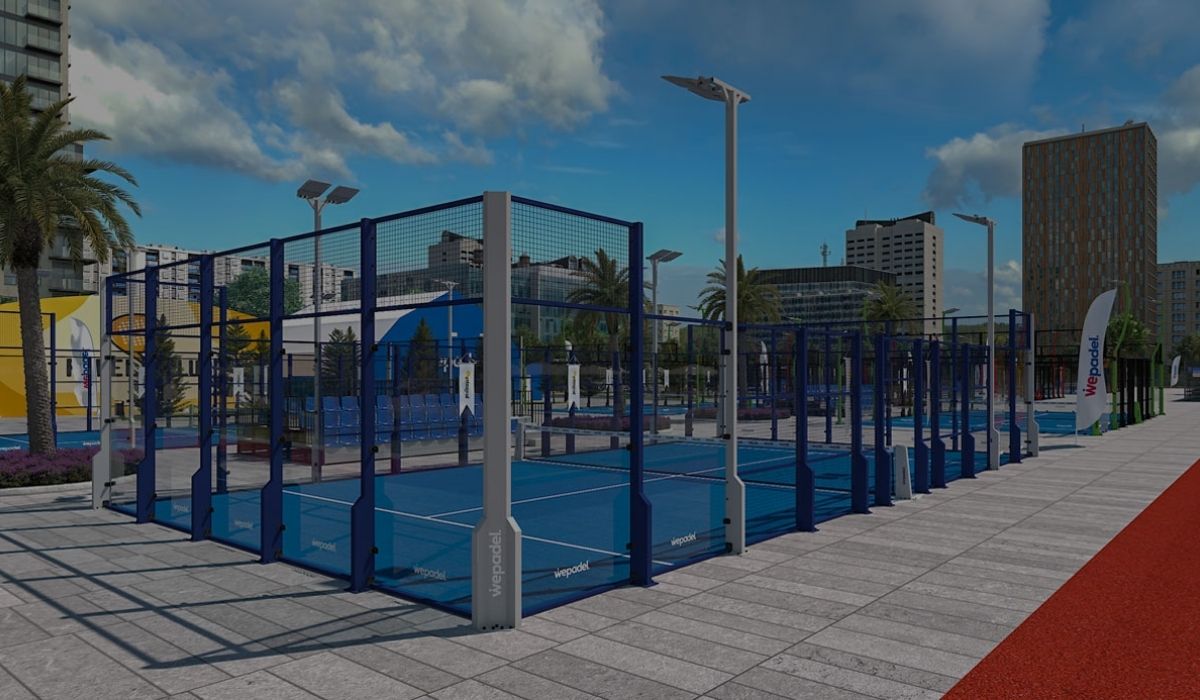
At Wepadel, padel courts are designed to meet different playing needs, locations, and investment goals. Each court model is developed in accordance with international padel standards, combining durability, player comfort, and modern design. Whether for professional clubs, hotels, sports complexes, or private facilities, Wepadel offers a complete range of padel court solutions.
1. Origin Padel Courts
The Origin Series represents Wepadel’s essential and most widely used padel court models. These courts are ideal for clubs and investors looking for reliable performance and long-term durability. Built with a robust steel structure, tempered glass panels, and high-quality synthetic turf, Origin padel courts deliver a balanced playing experience suitable for both amateur and professional players. Their modular design allows for efficient installation and easy maintenance.
2. Panoramic Padel Courts
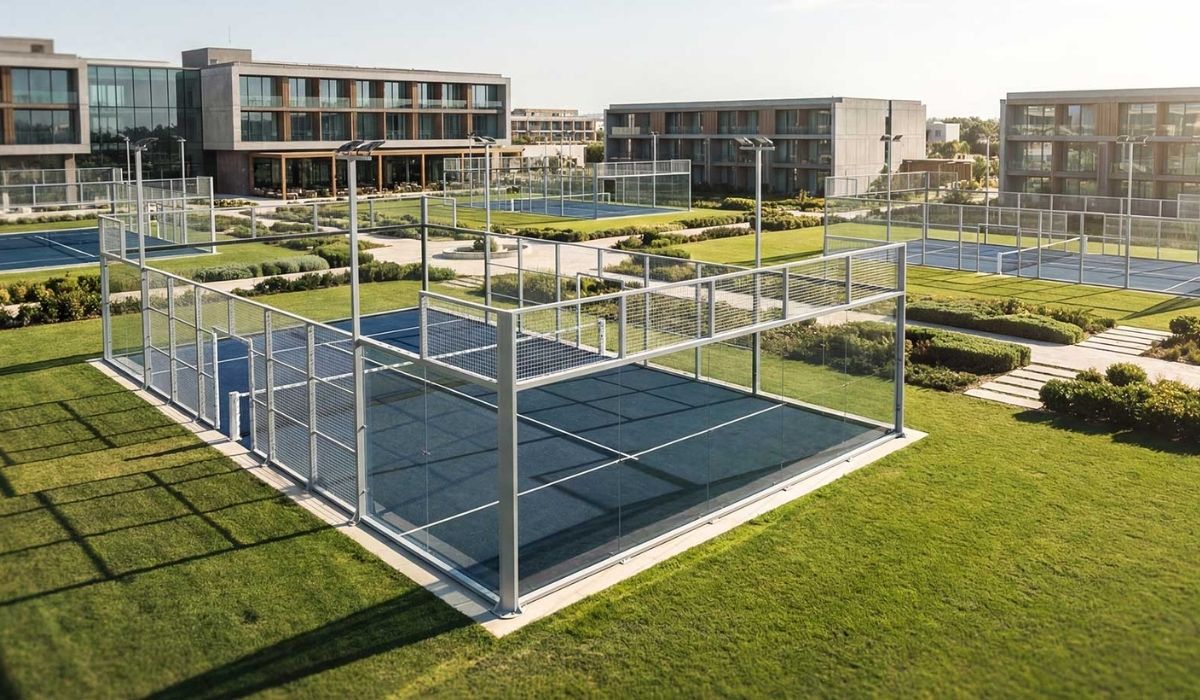
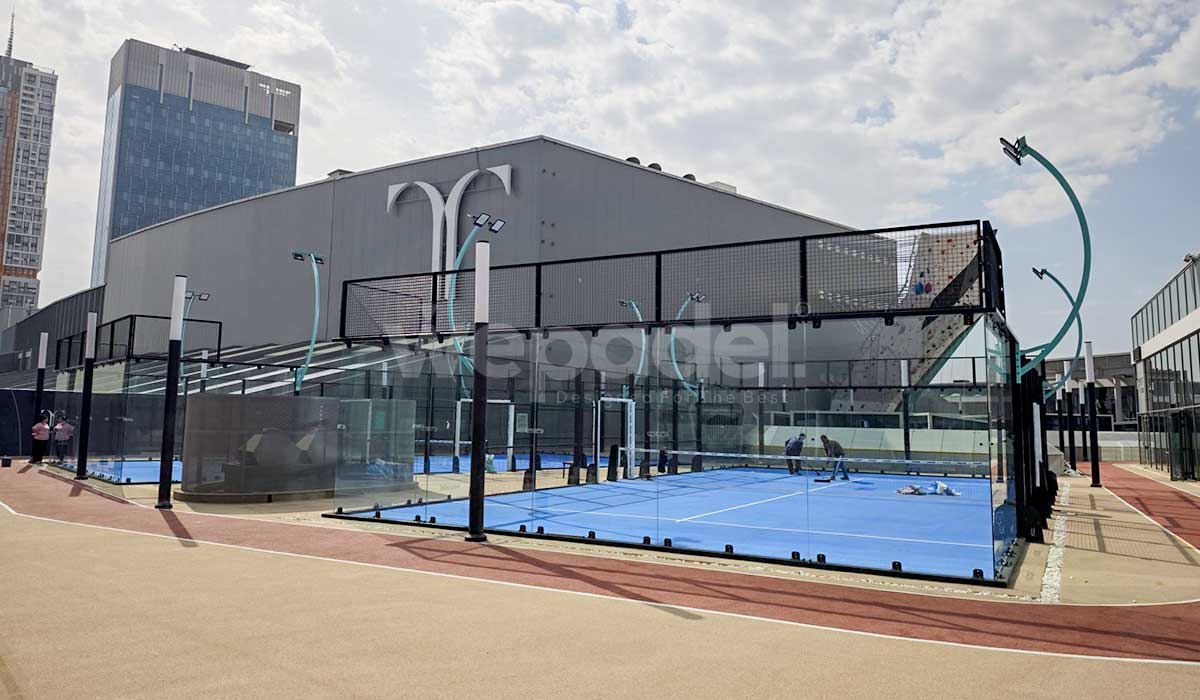
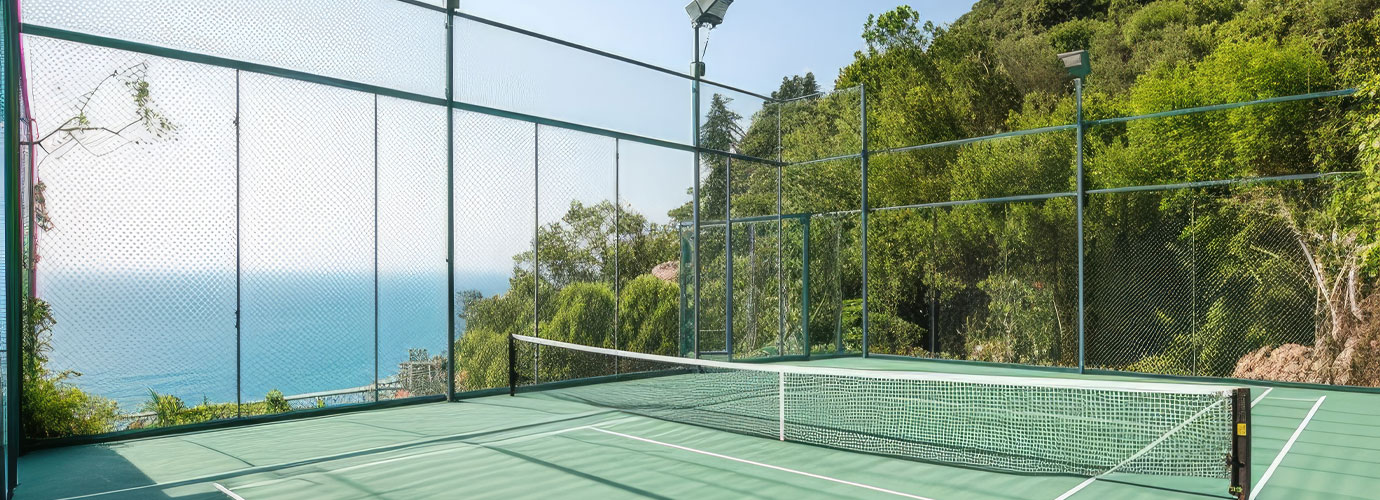
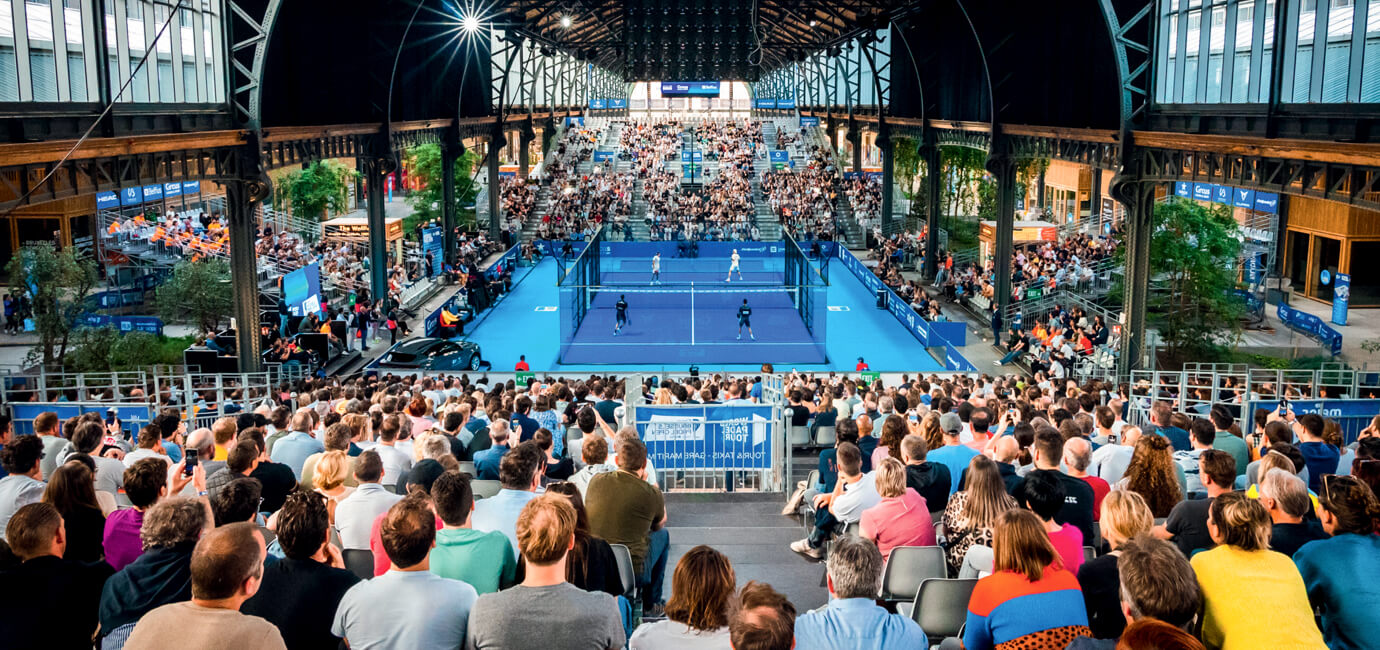
Panoramic padel courts are designed to enhance visibility and aesthetics. With extended glass panels and minimized steel profiles, these courts offer a clear, uninterrupted view from all angles, making them ideal for tournaments, premium clubs, and spectator-focused venues. The panoramic structure not only elevates the visual appeal of the facility but also improves the overall playing atmosphere for athletes and audiences alike.
3. Professional Padel Courts
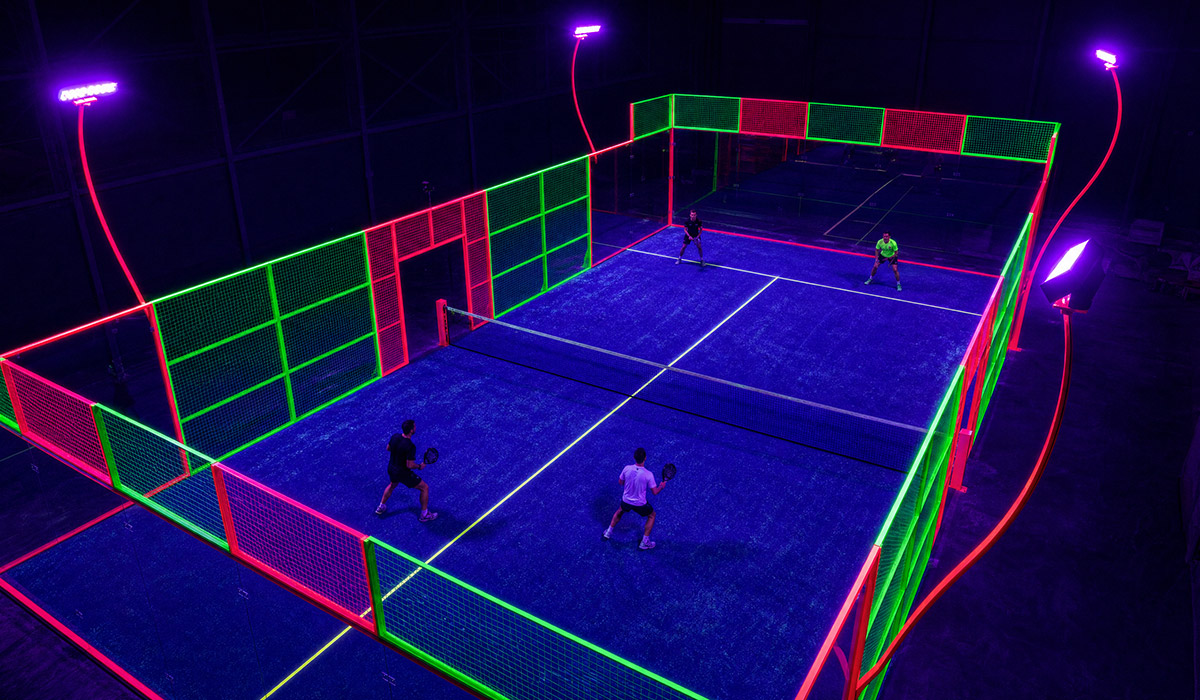
Wepadel’s Professional padel courts are engineered for high-level competition and intensive use. These courts feature reinforced steel structures, precision-installed glass walls, and professional-grade lighting systems that ensure optimal visibility during both day and night matches. Designed for clubs hosting leagues, tournaments, and training programs, professional courts provide maximum stability, safety, and performance consistency.
4. Roofed Padel Courts
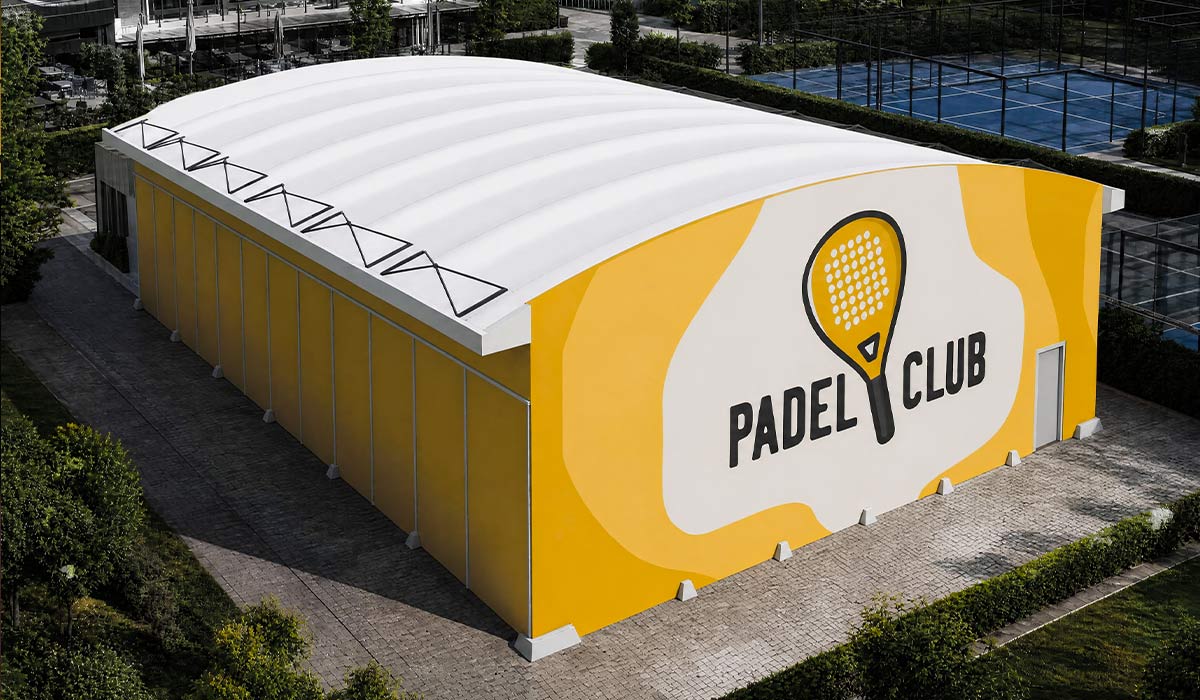
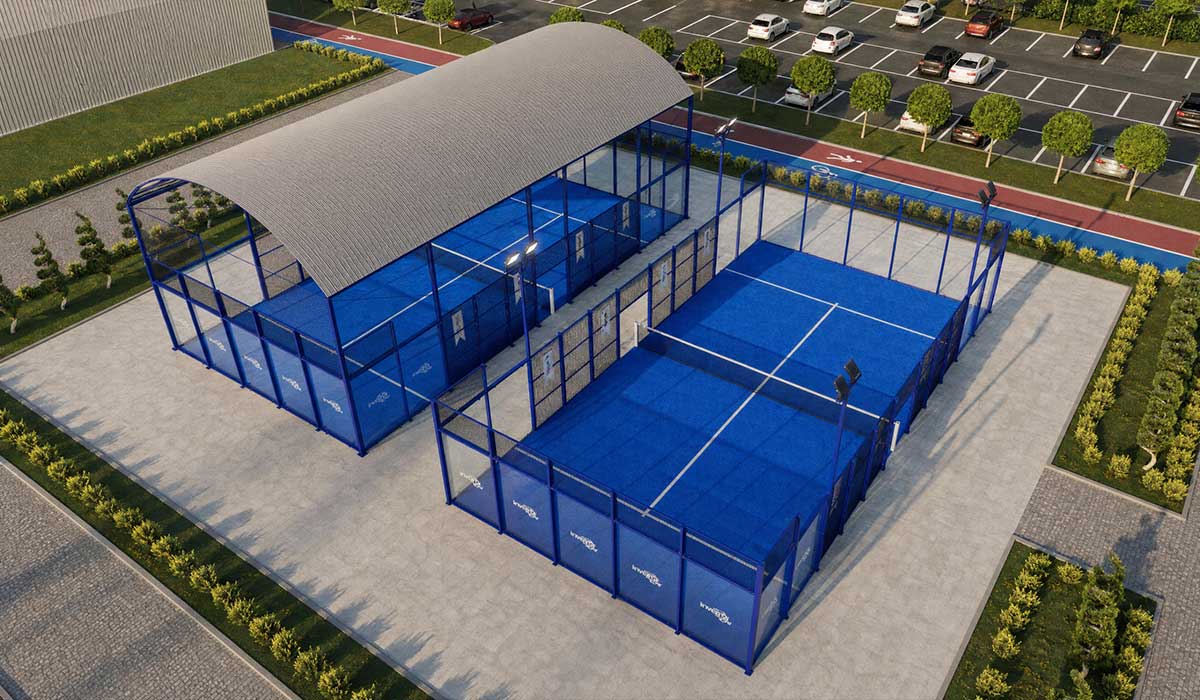
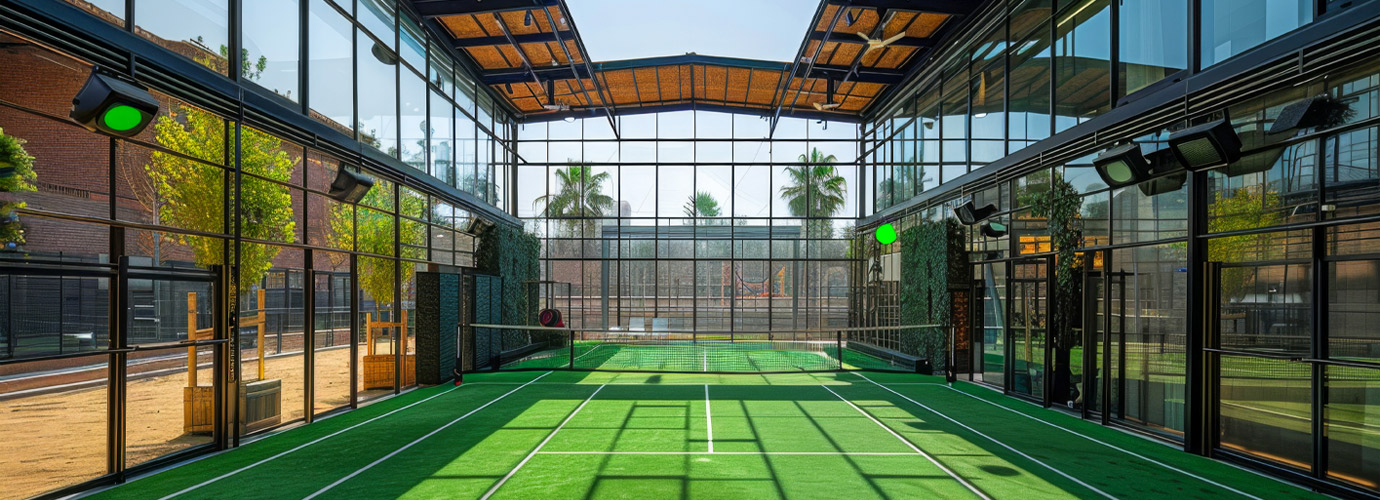
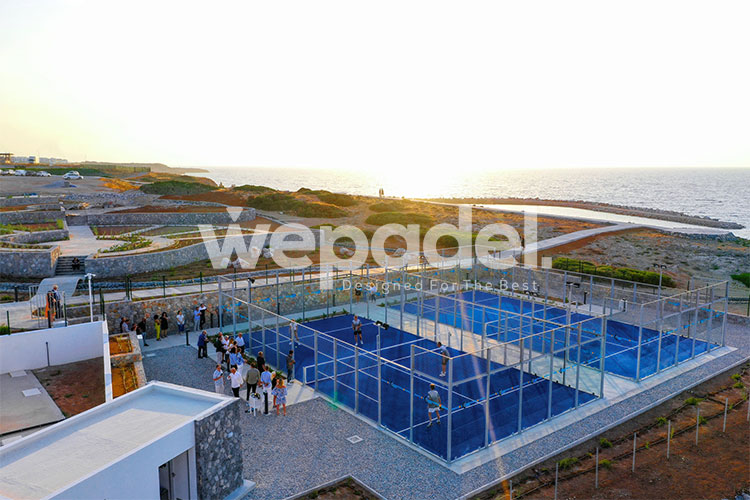
For regions with varying weather conditions, roofed padel courts offer a reliable solution for year-round play. Equipped with durable steel roofing systems and weather-resistant materials, these courts protect players from rain, excessive sun, and wind without compromising gameplay quality. Roofed padel courts are especially popular in commercial clubs seeking uninterrupted operation throughout the year.
5. Customizable Court Solutions
Beyond standard models, Wepadel also provides custom padel court solutions tailored to specific project requirements. Court colors, turf types, lighting configurations, branding elements, and structural details can all be customized to match the identity and functional needs of each facility. This flexibility allows investors and operators to create unique padel environments that stand out in competitive markets.
With a wide portfolio of padel court types, Wepadel delivers turnkey solutions that combine engineering expertise, premium materials, and modern design—ensuring every padel court meets the highest standards of quality and performance.
Our padel court types typically include:
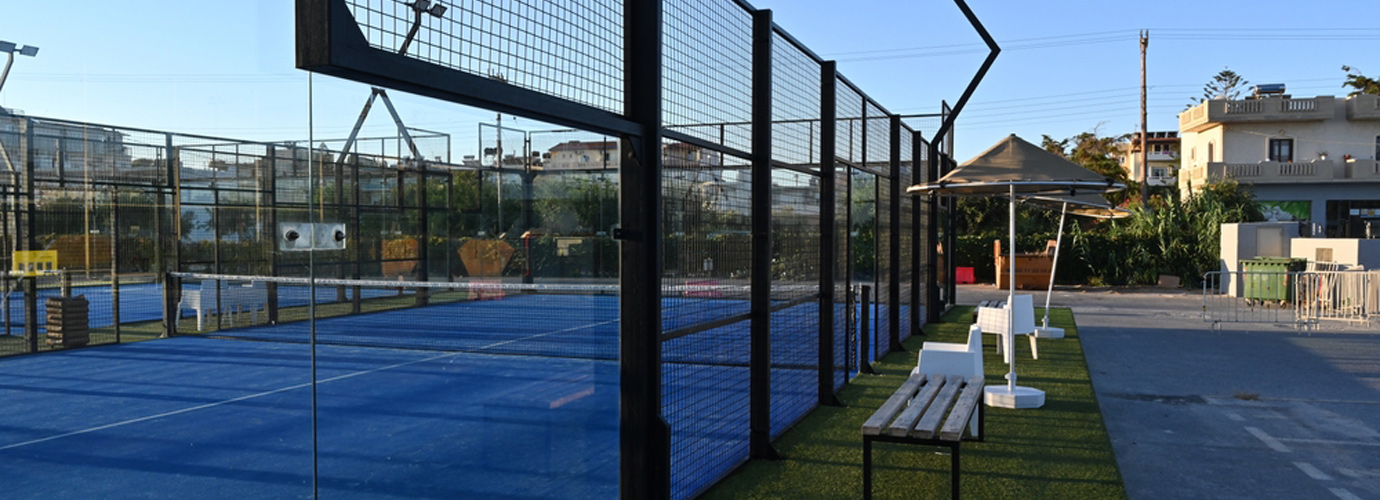
- Outdoor padel courts designed for all-weather performance
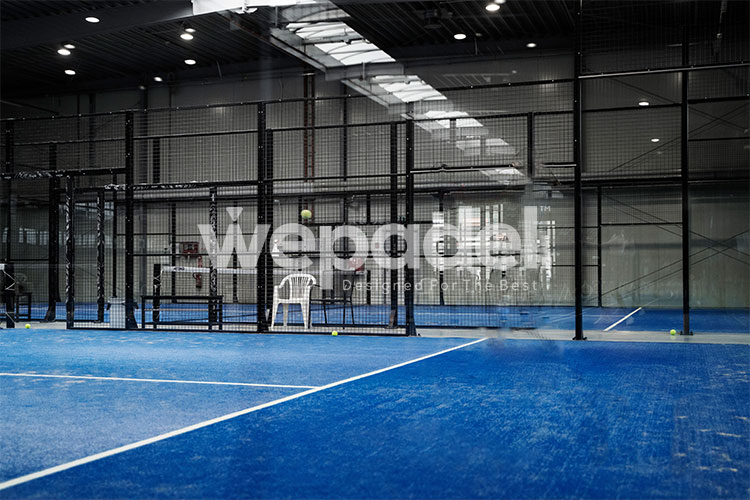
- Indoor padel courts ideal for year-round play
- Panoramic padel courts with enhanced visibility and premium aesthetics
- Roofed padel courts providing protection from sun and rain
Each court type can be customized in terms of flooring, lighting systems, colors, and structural materials to meet both functional and architectural requirements.
Padel Court Construction
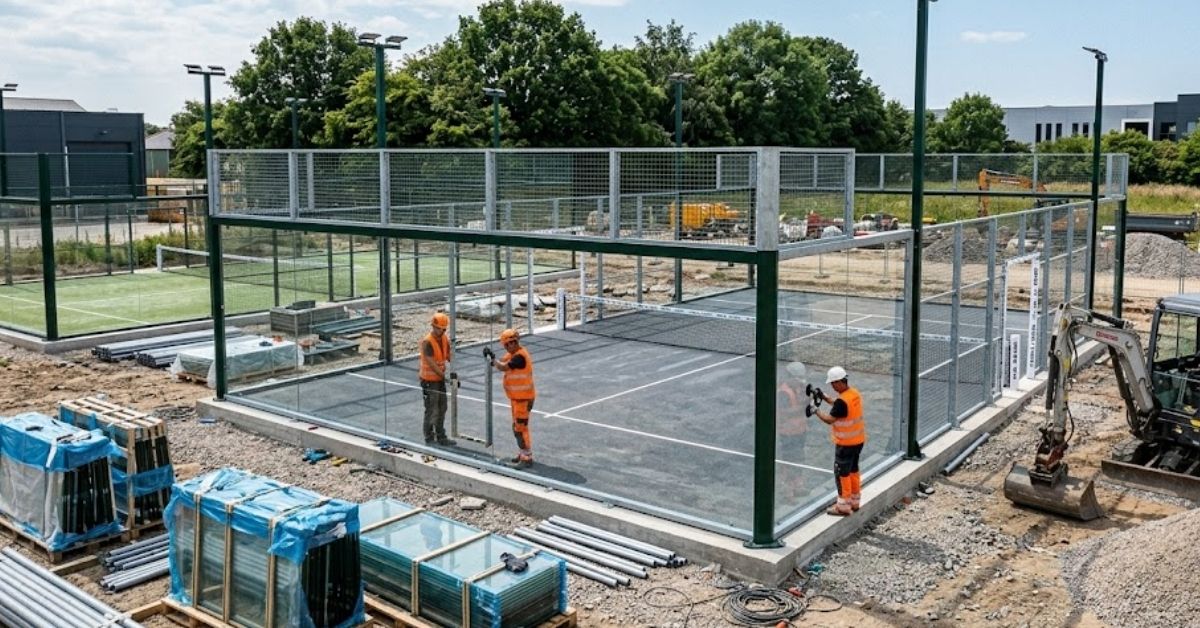
Professional padel court construction requires technical expertise, precise planning, and high-quality materials. The construction process usually includes:
- Site analysis and ground preparation
- Foundation and drainage system installation
- Steel structure assembly
- Glass and mesh panel installation
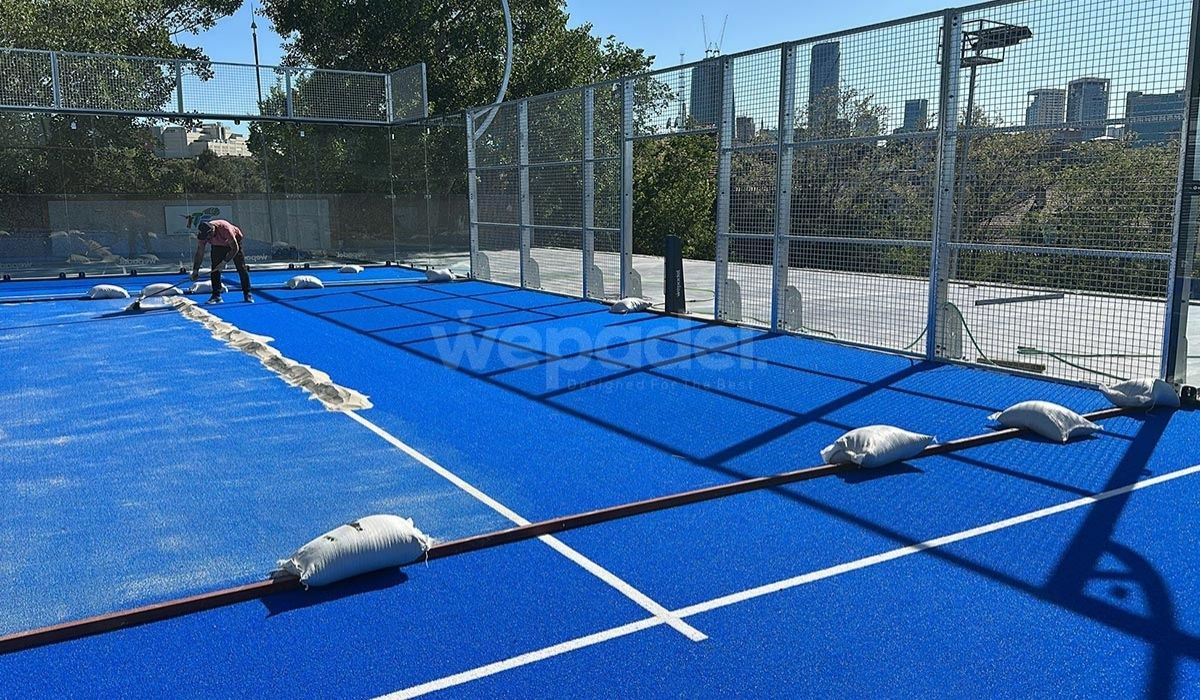
- Flooring application (synthetic turf or modular systems)
- LED lighting and finishing touches
High-quality padel court construction ensures long-term durability, player safety, and optimal playing conditions.
Flooring Systems Used in Padel Courts
The most commonly used surface in padel courts is padel turf, specifically designed for padel performance. These surfaces offer:
- Controlled ball bounce
- Excellent grip and shock absorption
- Low maintenance requirements
Some modern padel courts also use modular flooring systems, especially for temporary or indoor installations. Choosing the right surface is a key factor in overall player satisfaction.
Why Invest in Padel Courts?
Investing in padel courts is not only a sporting decision but also a strong business opportunity. Padel facilities generate revenue through:
- Court rentals
- Memberships
- Tournaments and events
- Coaching and training programs
Thanks to relatively fast installation times and high demand, padel court investments often achieve a quick return on investment compared to other sports facilities.
The Future of Padel and Padel Courts
As padel continues to expand globally, innovations in padel court construction, lighting, materials, and design are shaping the future of the sport. Sustainable materials, modular systems, and smart court technologies are becoming increasingly popular.
Whether you are a player, investor, or facility owner, understanding padel and padel courts in detail allows you to make informed decisions and stay ahead in this rapidly growing sports industry.