

14/10/2026

Investing in padel in the USA offers an opportunity worth considering for entrepreneurs looking to develop a sports facility, operators aiming to expand their existing club, and hotels seeking to introduce a new experience at their property. Data published by the United States Padel Association and investment in new facilities show that padel is developing an increasingly extensive infrastructure in the country. However, choosing the right location and operating model is just as important to a successful investment as entering a growing market.
At Wepadel, we see investment in padel as more than simply installing courts. We develop facilities whose elements work together, from court layouts and social areas to lighting and roofing solutions. Our aim is to help investors create a padel club suited to their project and plan for long-term usage needs from the outset.
Why Is The US Padel Market Attracting Investors’ Attention?
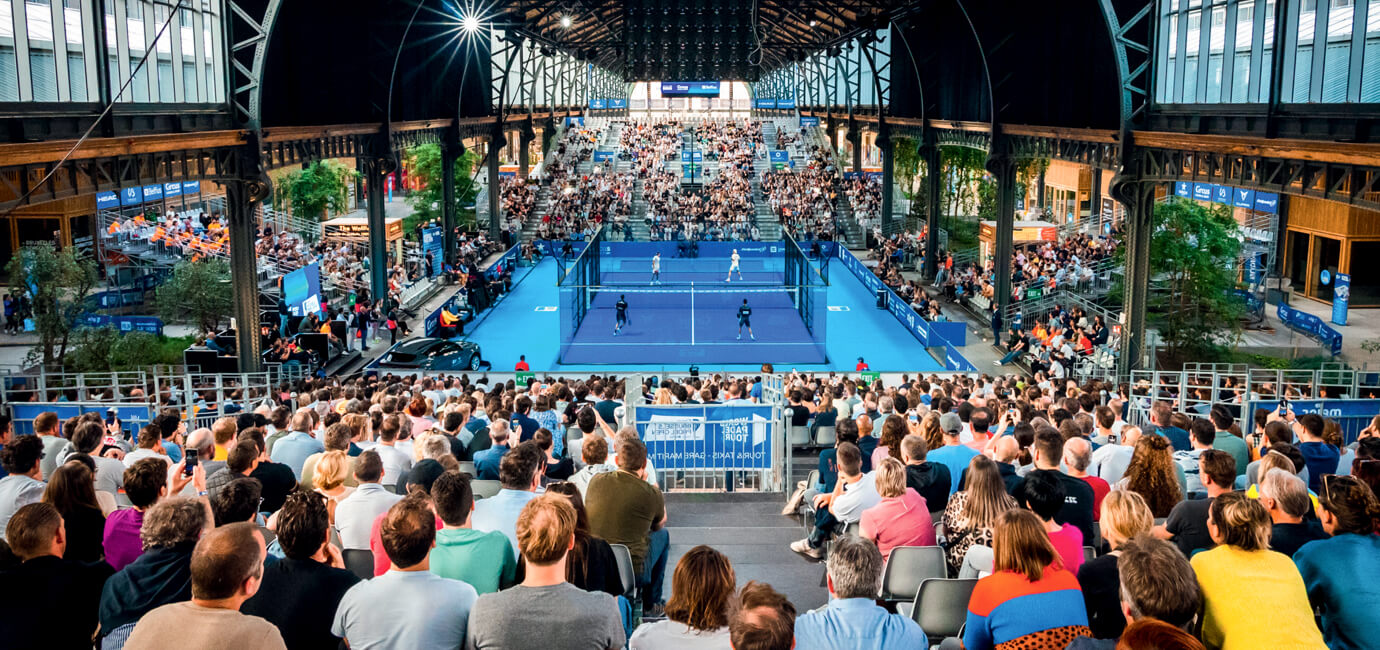
The International Padel Federation’s 2025 World Padel Report states that there are more than 35 million padel players worldwide and that the number of courts has reached 77,300. This scale shows that padel has become an international sports economy supported by player communities, club operations, and professional events in different countries.
Official membership figures are also an important indicator for assessing development in the USA. According to the United States Padel Association’s 2025 annual report, individual membership rose from 1,917 in 2024 to 2,915 in 2025. The same report states that the association reached 108 active member clubs by the end of the year. These figures represent the association’s membership, rather than all players and clubs in the country.
A report published by The Wall Street Journal in 2026 puts the number of accessible padel courts in the USA at approximately 1,000, highlighting investment projects that convert various commercial spaces into racquet sports centres.
From an investor’s perspective, these developments should be assessed by asking “In which area, for which customer group, and with what kind of club should I enter the market?”, rather than assuming that demand is the same everywhere. Examining local demand, competing facilities, pricing, and accessibility together can provide a stronger basis for an investment decision.
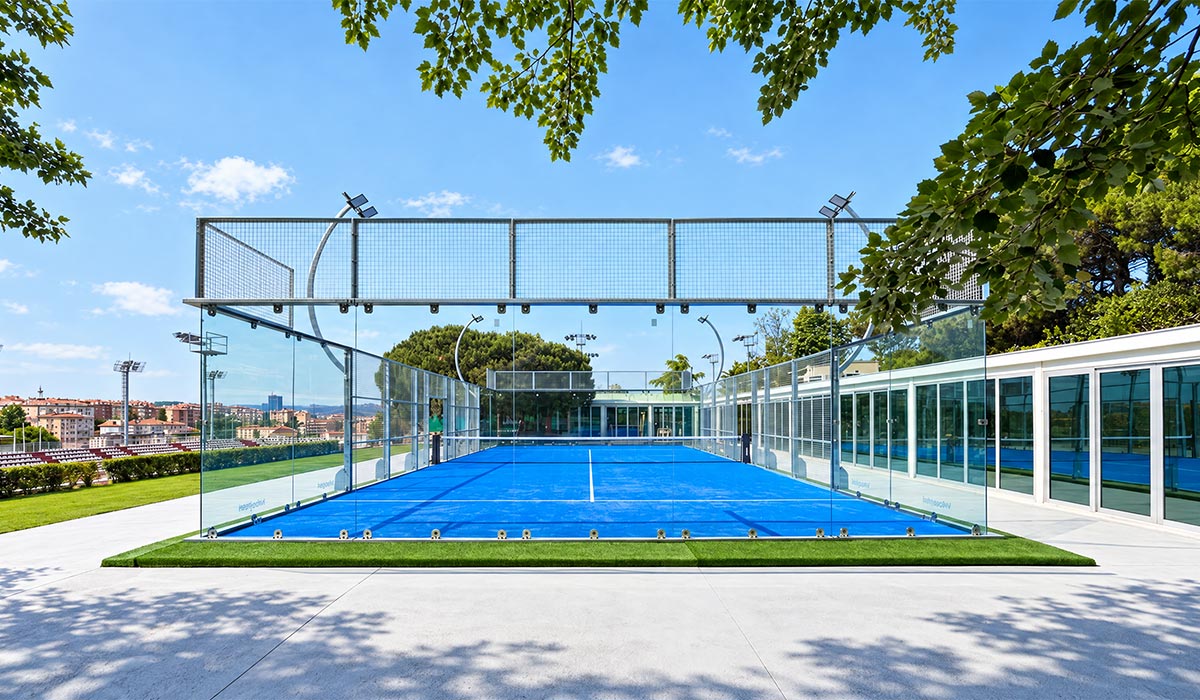
Why Invest In Padel In The USA?
The appeal of investing in padel goes beyond the potential to rent out courts. The following advantages can be considered for a well-planned club:
- An opportunity to build a strong local club in a developing market: In an area where demand is beginning to emerge, you can aim to establish a facility where players have their first experience and return regularly. The key is not simply to open early, but to build a community through introductory lessons, player matching, and regular events.
- The ability to combine several revenue streams in one facility: You can build your business model around hourly court rental, memberships, individual and group lessons, children’s academies, corporate events, and equipment services. This allows you to design your investment to meet different customer needs rather than relying on a single type of sale.
- The ability to establish an operating model that encourages repeat visits: Weekly leagues, groups organised by skill level, and term-based training programmes can give players reasons to visit regularly. For example, you can create a club pathway that directs a player who has completed an introductory course towards a social match programme suited to their level.
- The ability to diversify the use of existing facilities: You can consider developing a padel area within a tennis club, fitness centre, or hotel. If the existing reception, changing rooms, parking, and café infrastructure are suitable for the new use, you can develop a project model that shares these facilities rather than building each one again separately.
- The ability to develop concepts for different customer groups: You can plan a members-only club, a training-focused academy, a facility serving hotel guests, or a commercial padel centre operating by reservation. This allows you to shape the number of courts and investment in social areas around the customers you want to reach.
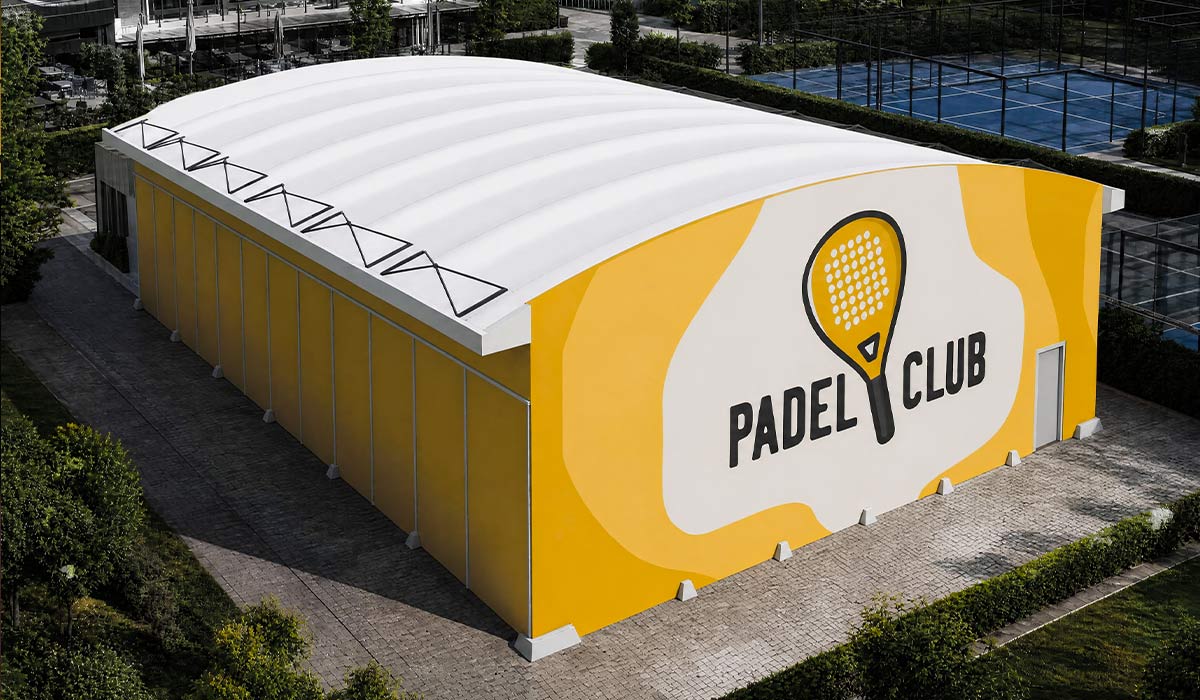
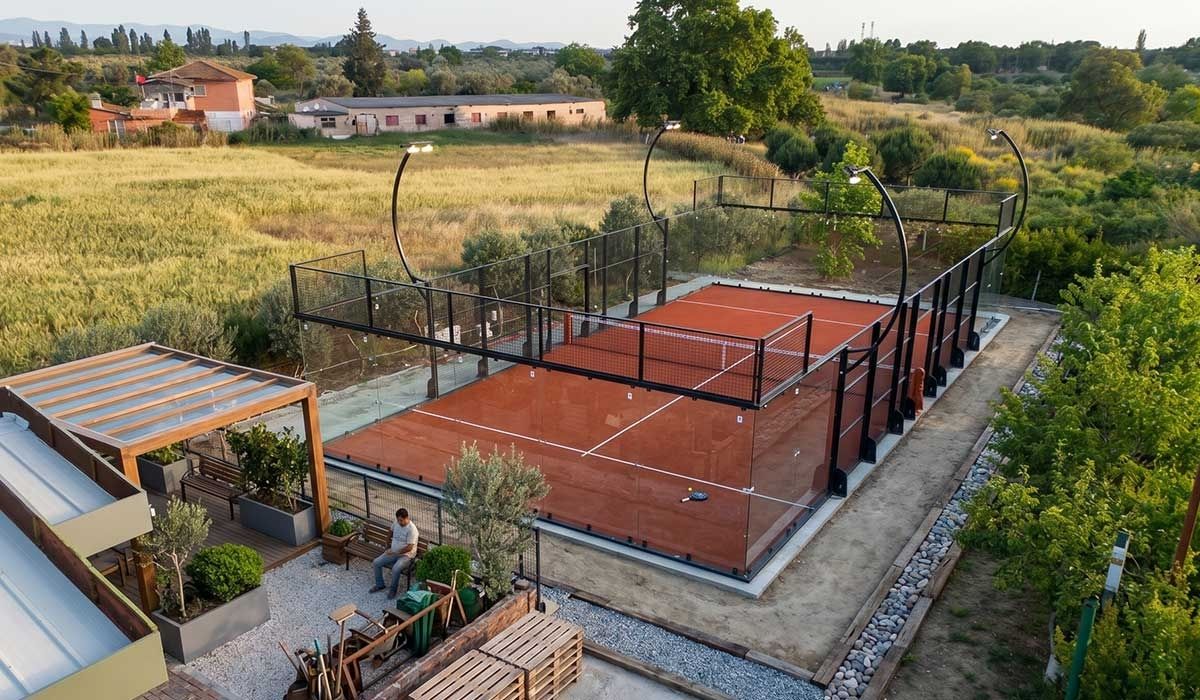
- The potential to increase available playing hours through climate-appropriate design: Roofed or indoor facility options can help reduce the impact of weather on the playing schedule. However, a roof covering and a fully enclosed, climate-controlled building are different solutions; investment and operating costs must be assessed together.
For these advantages to translate into commercial results, court investment and the club’s operating plan must be developed together. Calculating the cost of each service, its target customer, and how much of the available court capacity it will use is just as important as identifying revenue sources.
Which Areas Of The USA Should Be Examined For Padel Investment?
Assessing the USA by state and city offers a sounder approach than treating it as a single market. The United States Padel Association’s 2025 report states that approximately 41% of courts are in Florida, 18% in Texas, 10% in California, and 4.7% in New York State. This distribution identifies existing padel hubs where investment research can begin; however, it does not, on its own, prove demand or profitability for a new facility.
The following city and concept pairings are project examples that can be compared during preliminary research:
|
Area To Research |
Facility Model To Consider |
Question To Answer Before Investing |
|
Florida: Miami and Tampa areas |
Commercial padel club, hotel, or additional courts at an existing sports facility |
What difference in service, access, or experience will distinguish us from existing clubs? |
|
Texas: Austin, Dallas, and Houston areas |
Multi-court club, academy, and corporate event model |
Which location can target customers reach regularly, and what price level can they afford? |
|
California: Los Angeles and San Diego areas |
Padel area integrated into an existing racquet sports or fitness facility |
Can a suitable balance be achieved between land or building costs and the target capacity? |
|
New York metropolitan area |
Indoor padel club and reservation-focused business |
Are the building, use permits, and operating expenses compatible with the intended revenue model? |
When choosing an area, it is necessary to examine not only population but also customers’ travel time to the facility, the services competitors offer, and spending on alternative sports. The US Small Business Administration emphasises that rent, staffing, insurance, and other operating expenses can vary significantly by location.
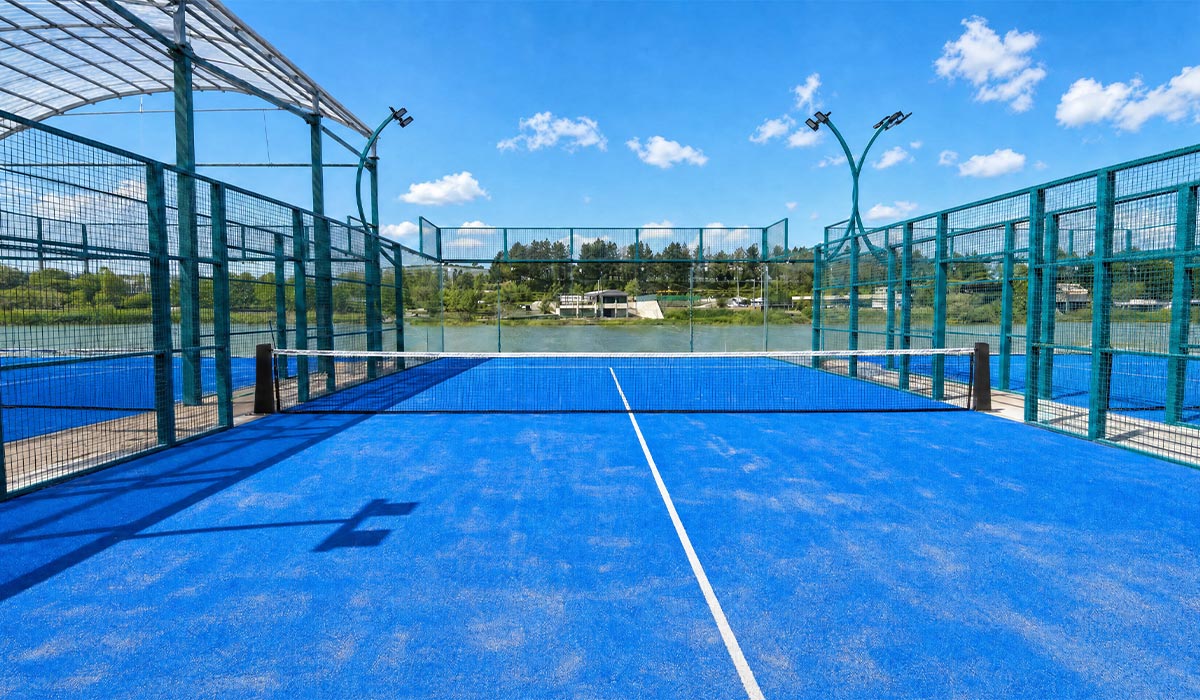
How Can A Padel Club Generate Revenue?
Our recommended approach is to design the club’s daily schedule around different needs rather than a single type of user.
For example, introductory courses and group lessons can be scheduled during weekday daytime hours, a children’s academy after school, social matches and leagues in the evenings, and corporate events on selected weekends. This is not a ready-made programme to be applied identically at every facility; it is an operating model to be tested against local demand.
Membership should also be considered more than a package offering discounts. Different membership levels can be designed with options such as priority booking, access to certain events, or training benefits. However, the impact of each package on court capacity must be calculated separately.
A basic calculation for assessing court rental revenue can be set out as follows:
Monthly court rental revenue = Number of courts × Daily hours allocated to rental × Days open × Occupancy rate × Actual average hourly rate
The actual average rate after discounts should be used here, rather than the listed price. Hours allocated to lessons and events must not also be counted as regular rental capacity. Similarly, usage rights included in membership fees must not be added a second time as separate rental revenue.
Revenue and profit are not the same. Return on investment cannot be assessed without considering rent, staffing, coaching, energy, insurance, maintenance, marketing, and financing expenses. It is therefore necessary to work with low, medium, and high demand scenarios and identify the level at which the business can cover its costs.
How Should The Budget For Padel Court Construction In The USA Be Planned?
When assessing the cost of a padel court in the USA, focusing only on the purchase price of court equipment is not enough. A court package and the total cost of a facility ready to open cover different scopes.
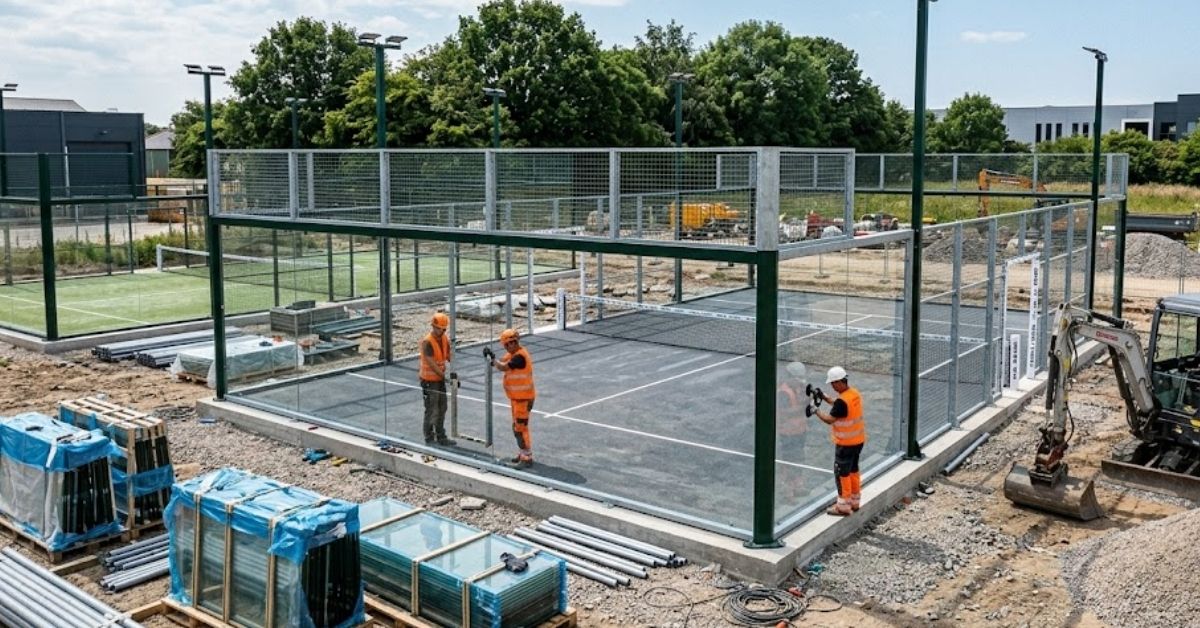
Land or premises, ground preparation, foundations and drainage, electrical infrastructure, the court system, roofing or an enclosed building, social areas, transport, customs, installation, and pre-opening expenses must be assessed separately. The work included in the quotation and the items to be covered by the investor or local contractor must be clearly specified in writing.
Working capital must also be included in the initial budget. Rather than assuming that every time slot will sell from opening day, allocating funds for staffing, rent, and marketing during the period in which the customer base develops provides a more realistic plan.
Why Does Site and Building Suitability Matter?
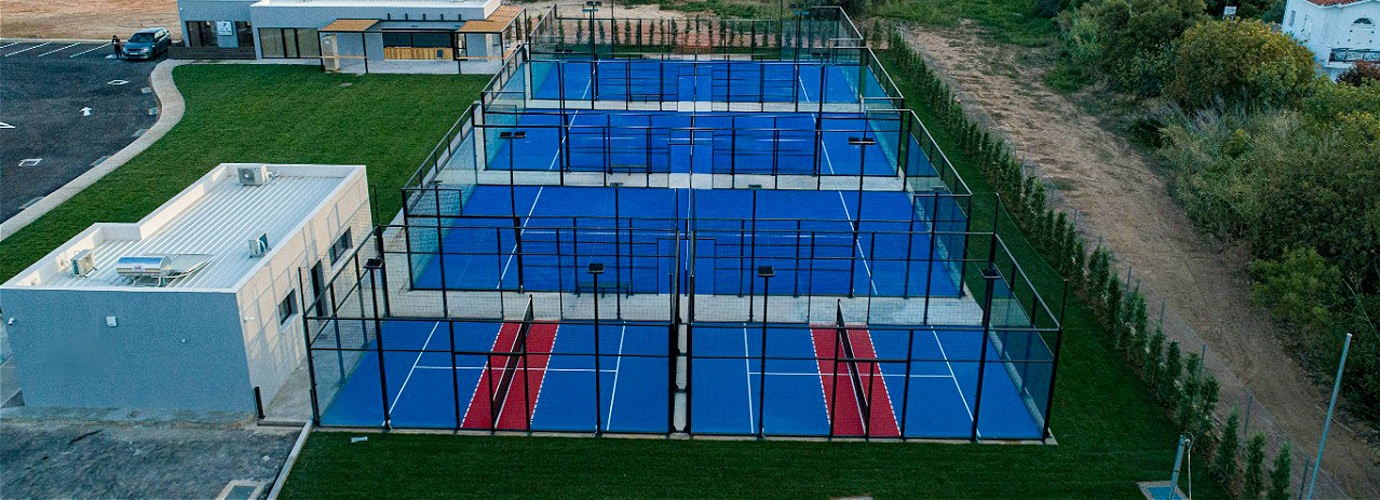
The internal playing area of a standard doubles padel court measures 10 × 20 metres, or 200 m². However, this measurement does not represent the club’s total space requirement. Circulation areas around courts, entrances, social spaces, and other facility requirements must be planned separately. FIP’s 2026 rules specify a minimum unobstructed height of 6 metres throughout the court, while recommending 8 metres for new facilities.
In the USA, compliance of land or building use with local zoning requirements and the necessary permits must be assessed at the start of the project. Accessibility requirements must also be incorporated into the design of new or converted facilities. Meeting FIP’s sporting requirements does not replace local building and operating permits. These matters must be verified with the relevant local authorities and specialists.
What Advantages Does Wepadel Offer For Padel Investment In The USA?
At Wepadel, we consider the value we offer investors in a broader context than a single court model. We assess manufacturing, facility design, and implementation processes alongside the investment’s objectives.
- Developing the project directly with the manufacturer: Our service scope extends from padel court manufacturing to installation, allowing us to address the court system, material selection, and implementation needs within the same project framework. This approach helps investors assess more clearly the scope of the solution they are purchasing.
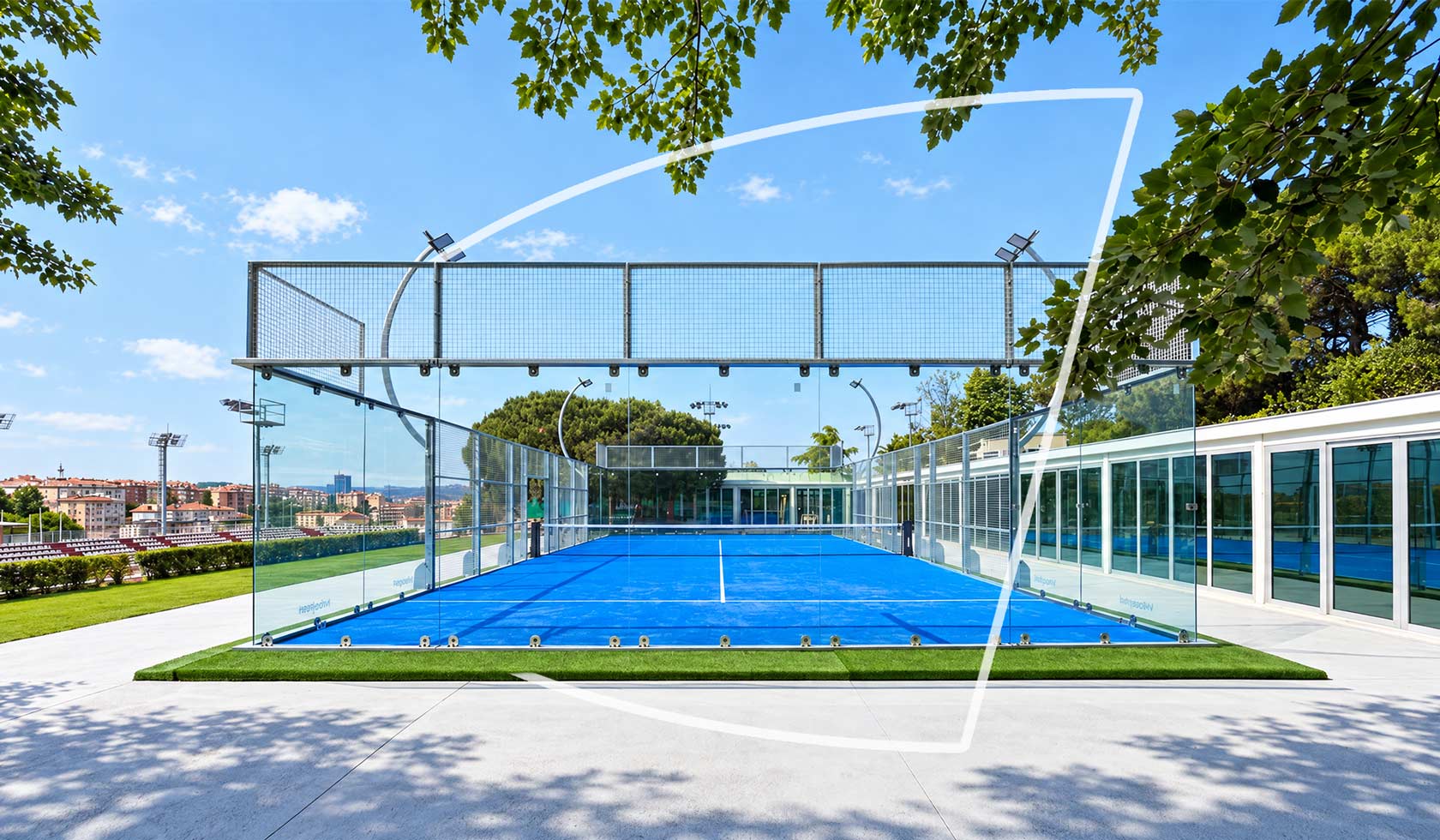
- Product options suited to different investment objectives: Our We Origin, We Professional, and We Premium product families offer standard, panoramic, and roofed court options. We can assess models such as Origin Pro, Origin Discover, Panoramic Challenge, and Panoramic 360° according to the facility’s intended use and the desired player experience.
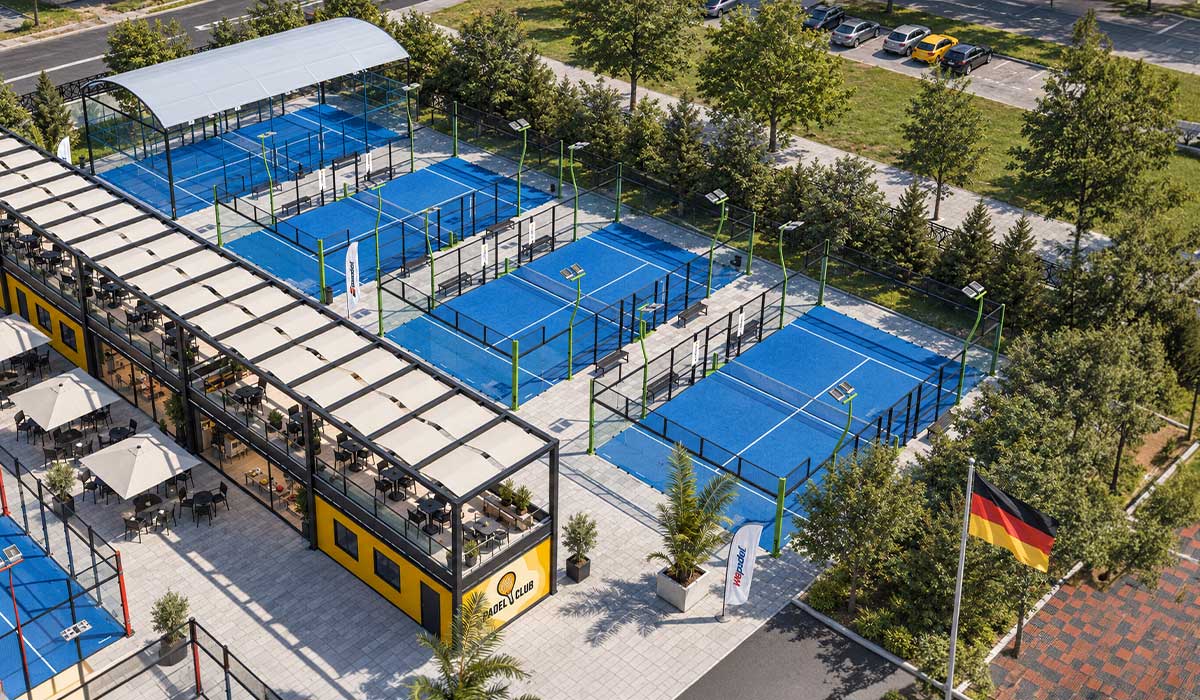
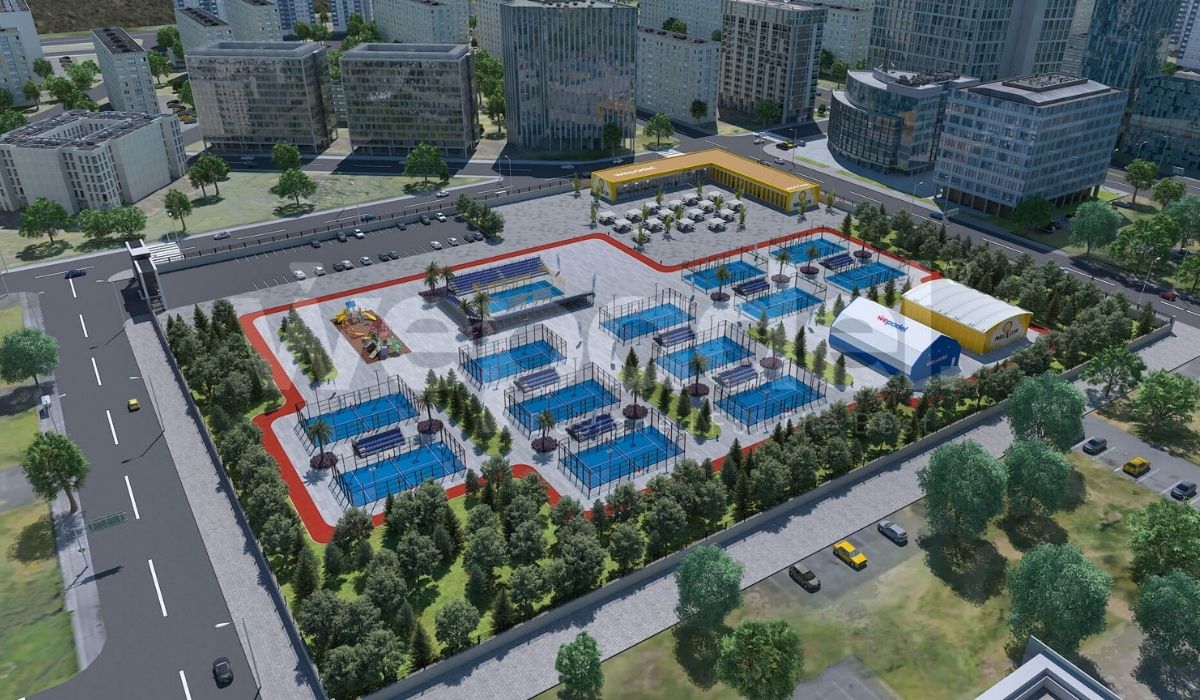
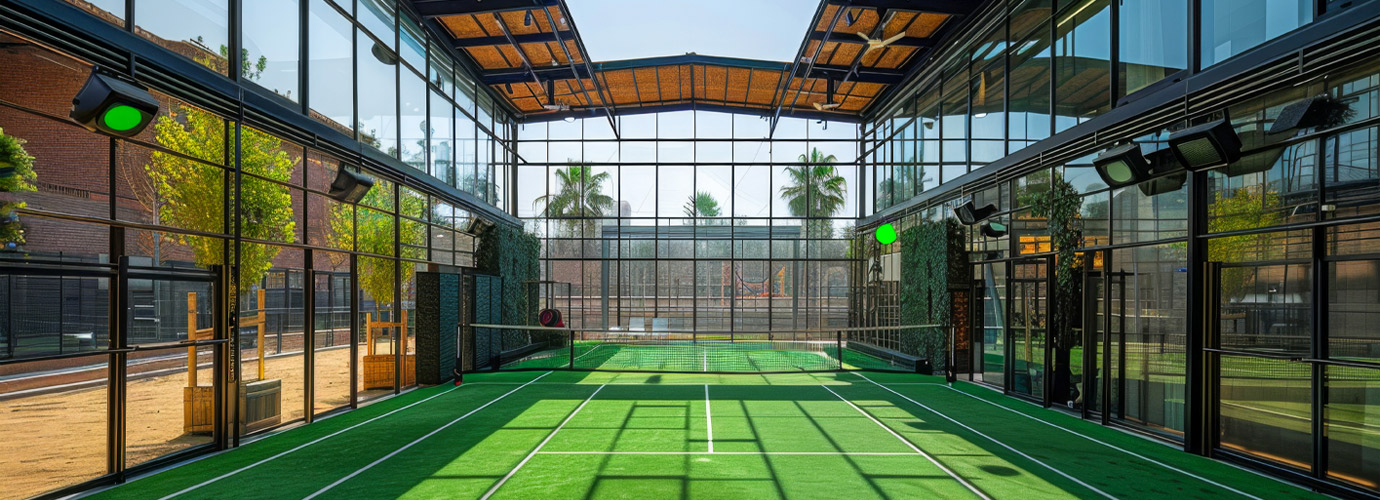
- An approach to planning the club, not just the courts: We plan the court layout together with complementary areas such as reception, changing rooms, spectator areas, and a café. Our Essential, Impact, and Extreme club concepts offer options for addressing investment objectives at different scales.
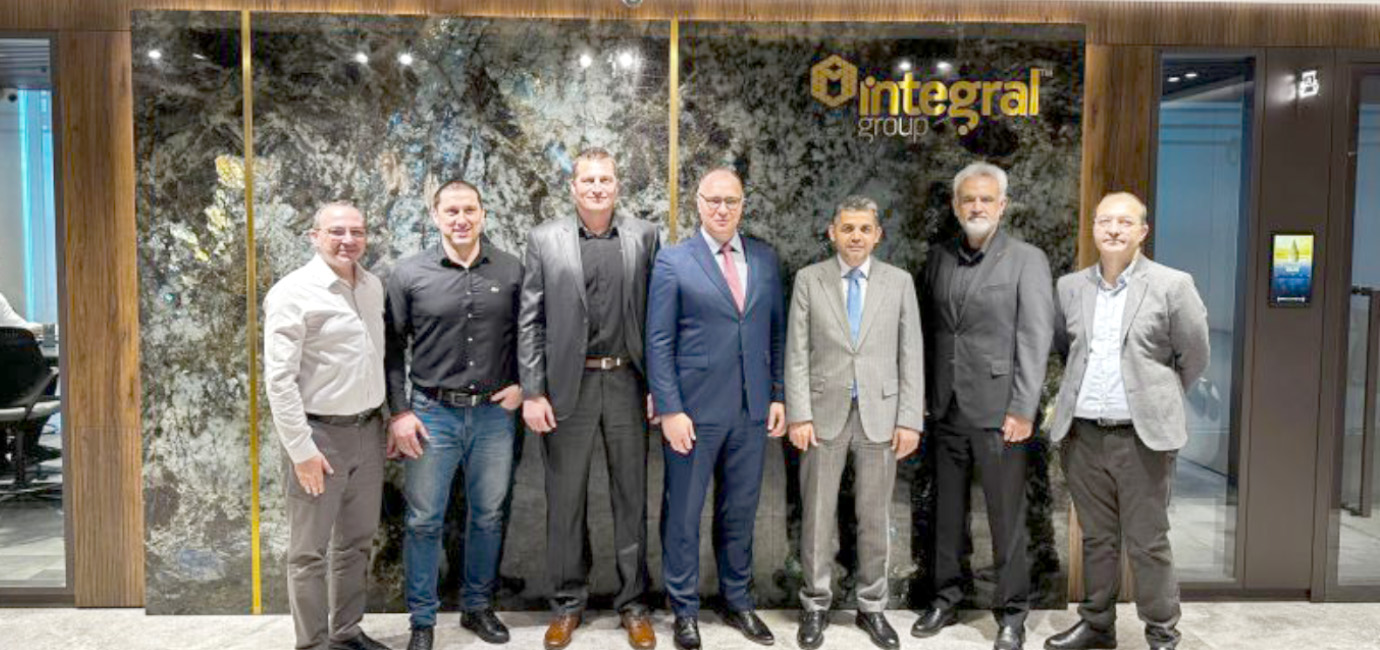
- Stila’s expertise in steel structures and roofing: We draw on the engineering and manufacturing expertise of Stila, part of Integral, for the steel structures and roofing solutions of our padel courts. We therefore treat the court and superstructure as project components that need to be assessed together, rather than as independent products.
- Implementation experience from international projects: Our projects in France, Cyprus, Serbia, and other markets support our experience in working with varying facility requirements. When bringing this experience to new projects, we make a point of assessing the conditions of each location separately.
- An approach to courts aligned with sporting requirements: We base our courts on FIP’s requirements for the playing area. By considering professional playing conditions together with the overall facility experience, we aim to help investors create a functional padel area as well as a visually appealing one.
For us, the right product is the one suited to the investment’s location, users, and operating objectives, rather than the one with the highest specifications. We therefore do not select a model independently of the budget; we assess together how choosing an outdoor, roofed, or indoor facility affects the project.
Plan Your Padel Project In The USA With Wepadel
If you are planning to open a new padel club in the USA, add courts to your existing sports facility, or bring a different sporting experience to your hotel, the first step is to clarify your project’s needs.
Share your project’s location, land or building plan, target number of courts, preference for an outdoor or indoor facility, and planned opening date with us. Together with Wepadel, let us assess court options, facility layout, and the manufacturing and installation scope in line with your investment objectives.
Contact Wepadel for your padel investment in the USA and discover our court and club solutions tailored to your project.