19/08/2026

When planning a padel investment, one of the most important decisions is whether the facility should be developed as an indoor padel court or an outdoor padel court concept. Both models can create a strong revenue model for investors when combined with the right location, professional engineering, and an effective operating strategy. However, climate conditions, site characteristics, target player profile, operating season, and investment budget directly influence which court type should be preferred.
At WePadel, we consider padel courts not only as sports areas but also as long-term sports investments for hotels, sports clubs, residential developments, private businesses, academies, and investors. From manufacturing and site preparation to steel construction, glass systems, artificial turf, lighting, and installation, we plan padel court projects with a comprehensive approach.
What Is an Indoor Padel Court?
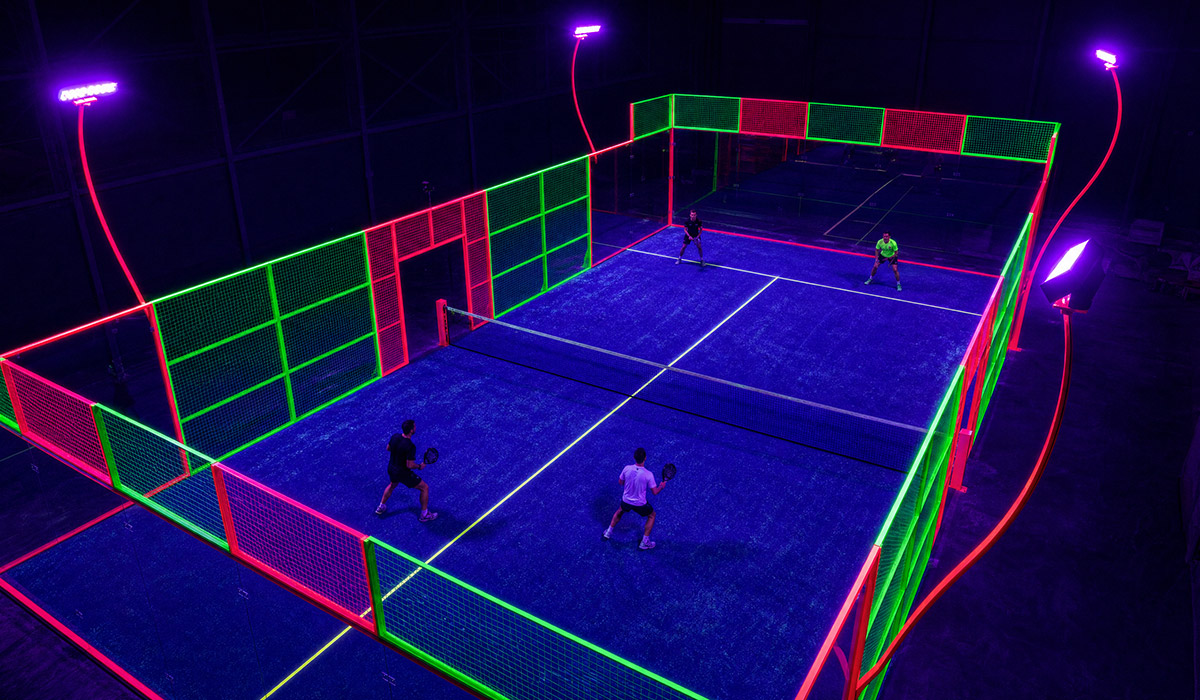
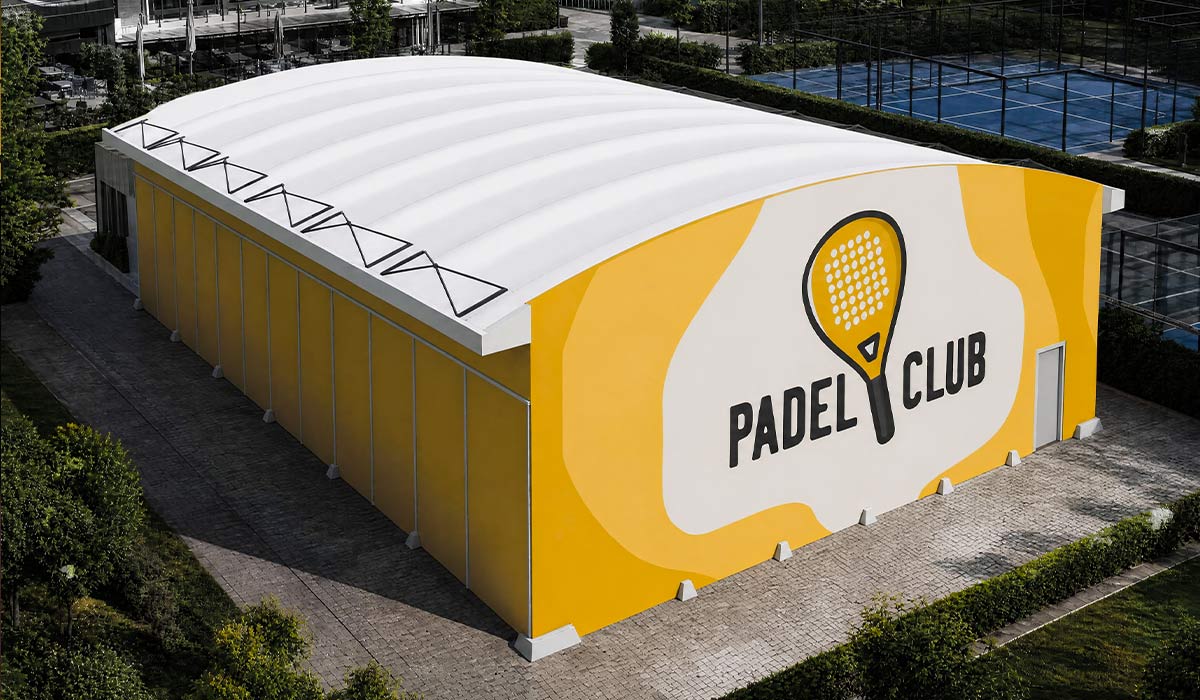
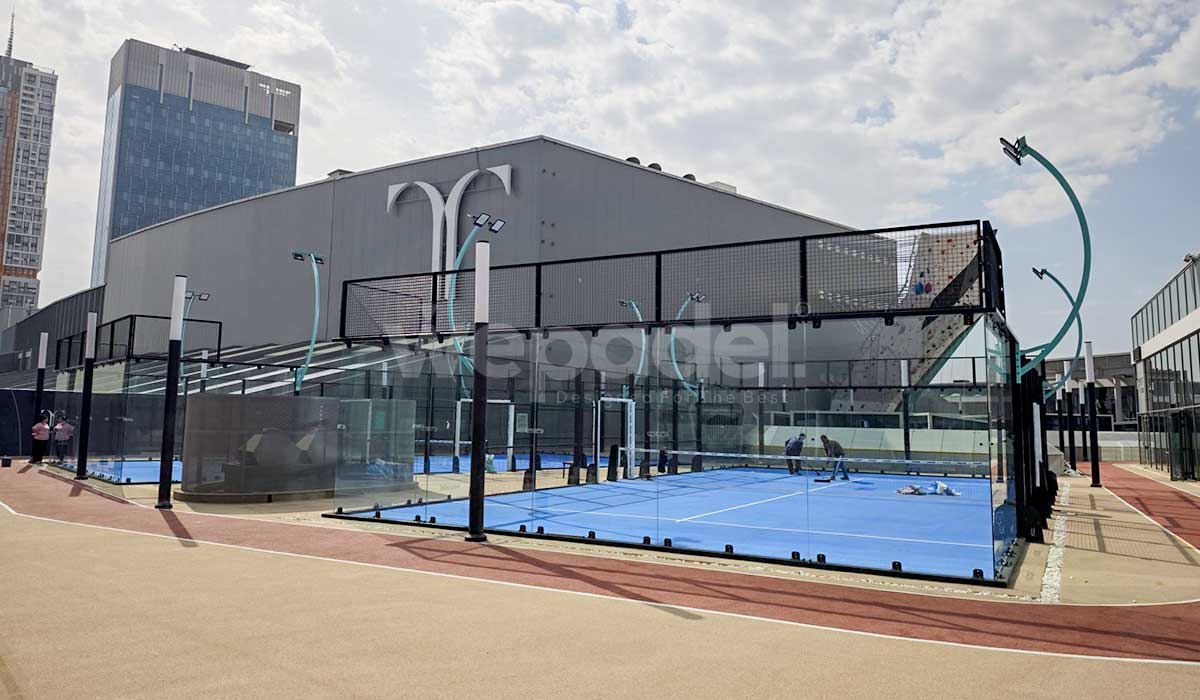
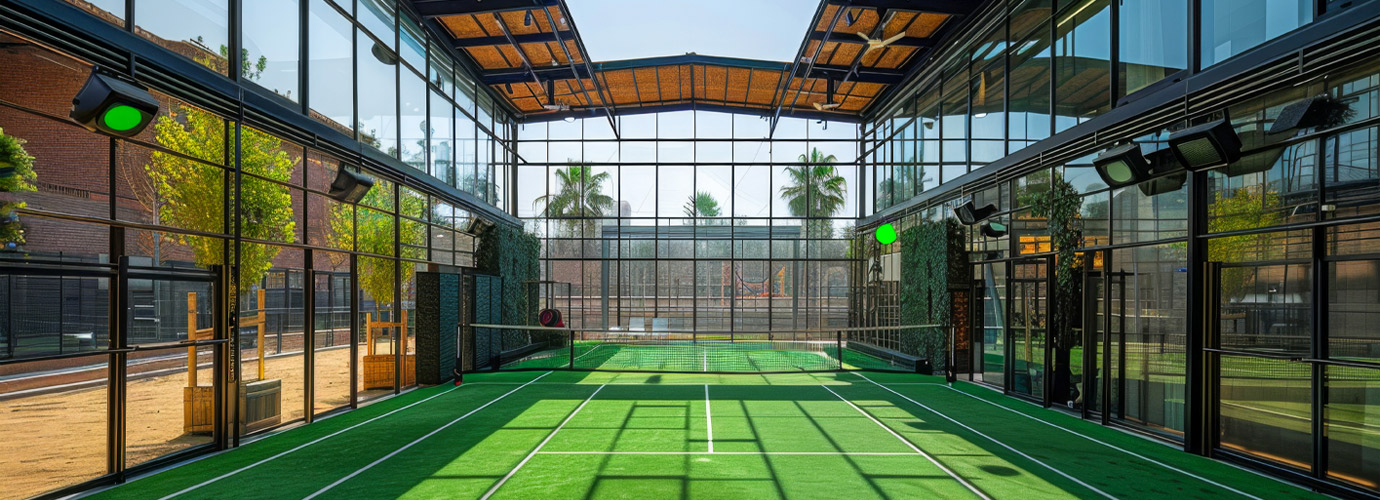
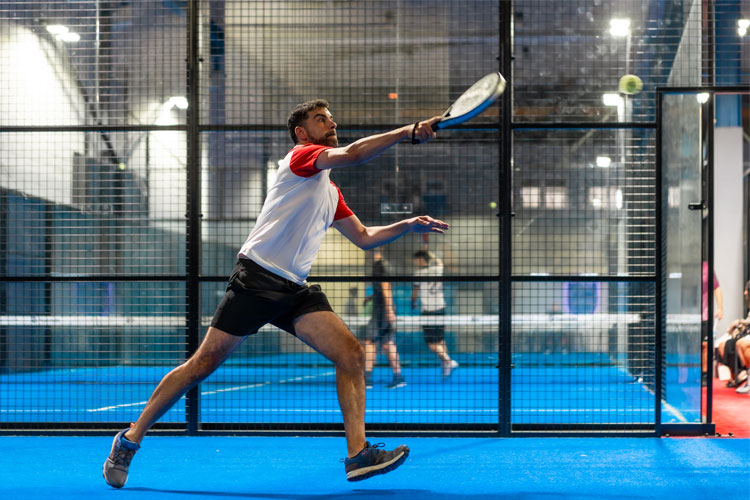
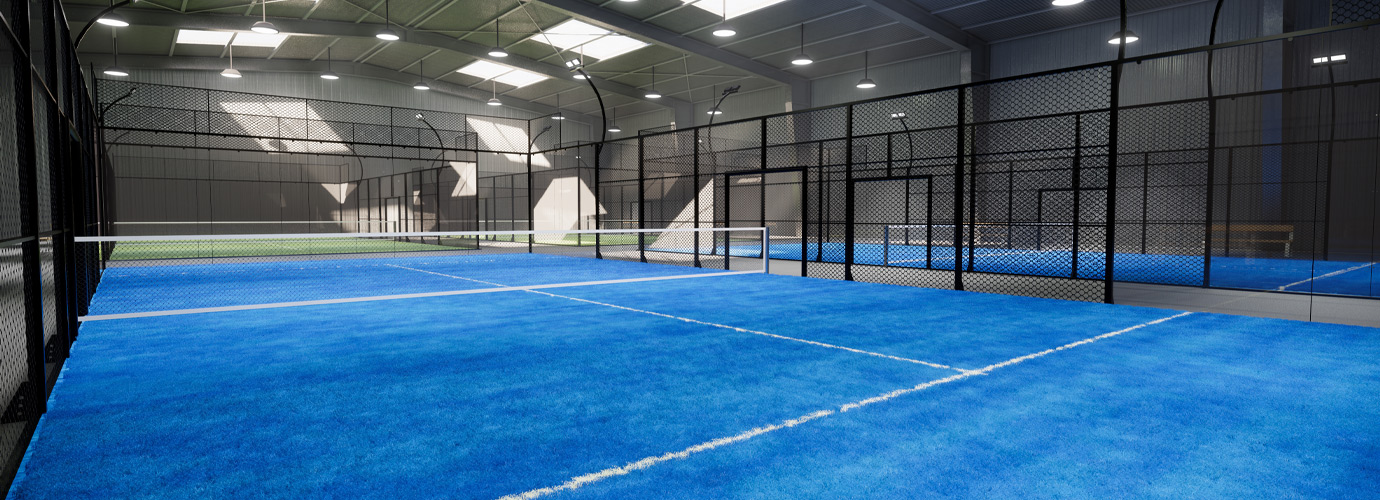
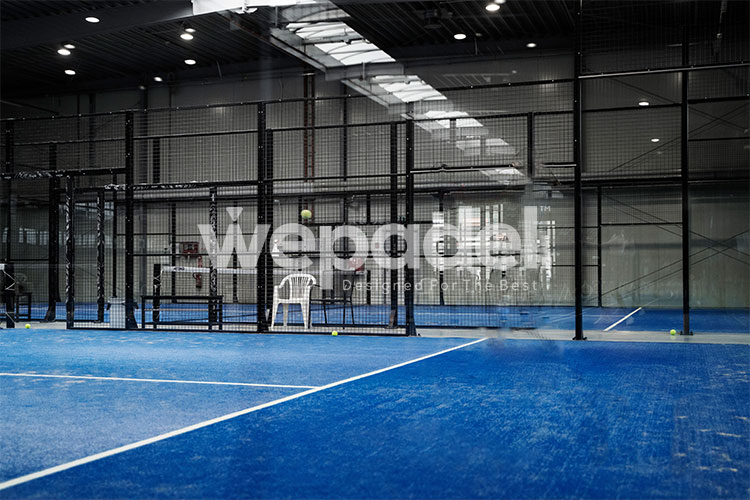
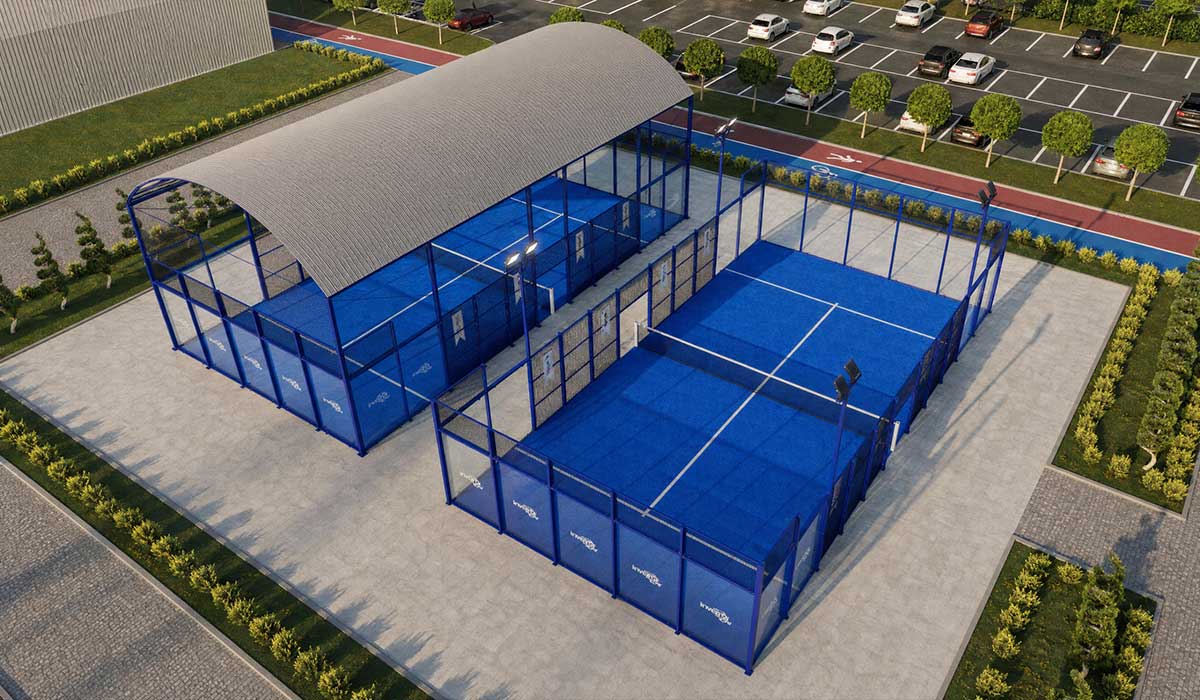
An indoor padel court is a covered or fully protected padel court solution designed to minimize the impact of external weather conditions on players. It can provide significant advantages for investors, especially in regions with rainy, cold, windy, or frequently changing weather conditions throughout the year.
One of the most important advantages of indoor padel facilities is their ability to increase the number of usable days throughout the year. The risk of booking cancellations caused by rain, snow, excessive wind, or intense sunlight is reduced. This is particularly important for padel clubs operating with an hourly court rental business model, as it helps create greater revenue continuity.
WePadel's indoor padel court solutions, developed for different investment requirements, enable the court's steel structure, playing area, and protective superstructure systems to be evaluated as an integrated project.
In indoor projects, not only the court itself but also the overall structure height, column positioning, lighting angles, air circulation, and the required playing height for players to comfortably perform lob shots are important elements of the design process.
Advantages of an Indoor Padel Court
Indoor padel court investments offer significant advantages, particularly for commercial padel clubs.
- Year-round usability: Booking losses caused by weather conditions can be significantly reduced.
- More controlled playing experience: The effects of wind, rain, and direct sunlight on the game are minimized.
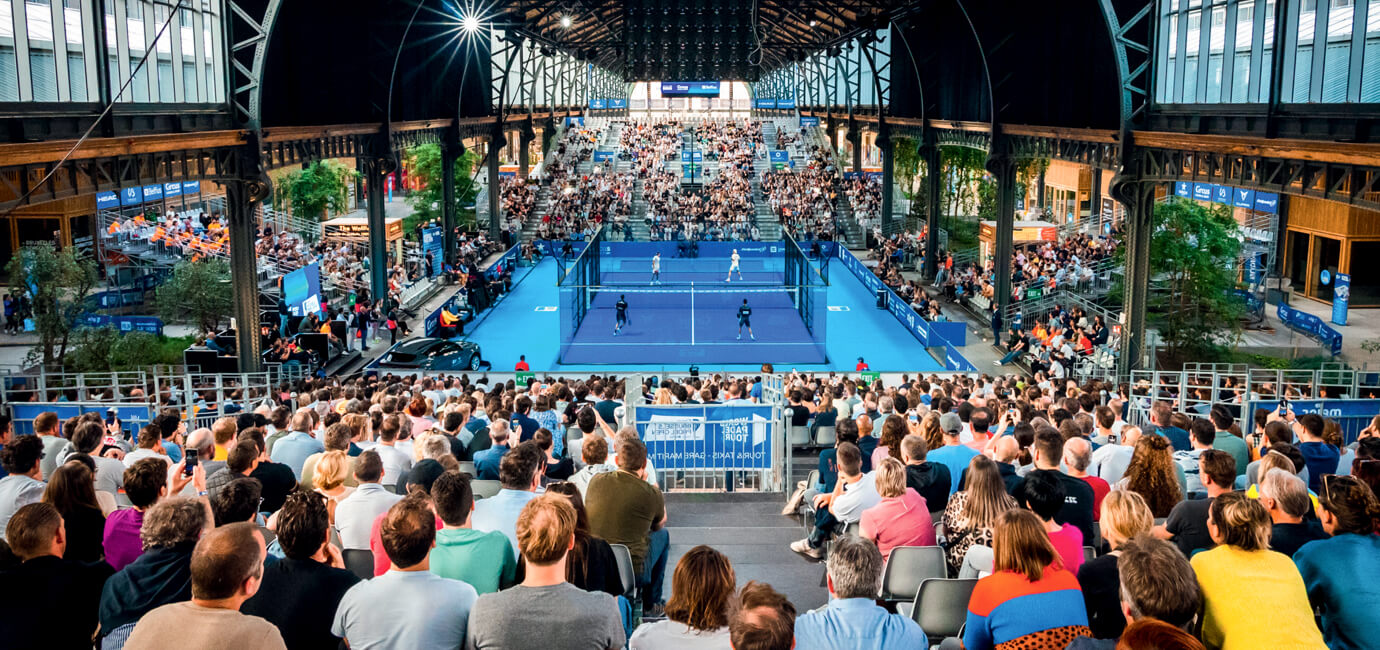
- Opportunity to create a premium facility: Indoor padel clubs can be transformed into comprehensive sports centers with lounges, cafés, changing rooms, academy areas, and social spaces.
- More predictable business model: Longer court availability can increase an investor's daily and monthly booking capacity.
Especially in cities with high player potential, positioning multiple courts within the same structure can help investors create a more scalable padel business.
Another indoor padel court solution from WePadel, which can be customized according to the investment project, can also be considered by investors looking to create premium padel facilities with a strong architectural identity.
What Is an Outdoor Padel Court?
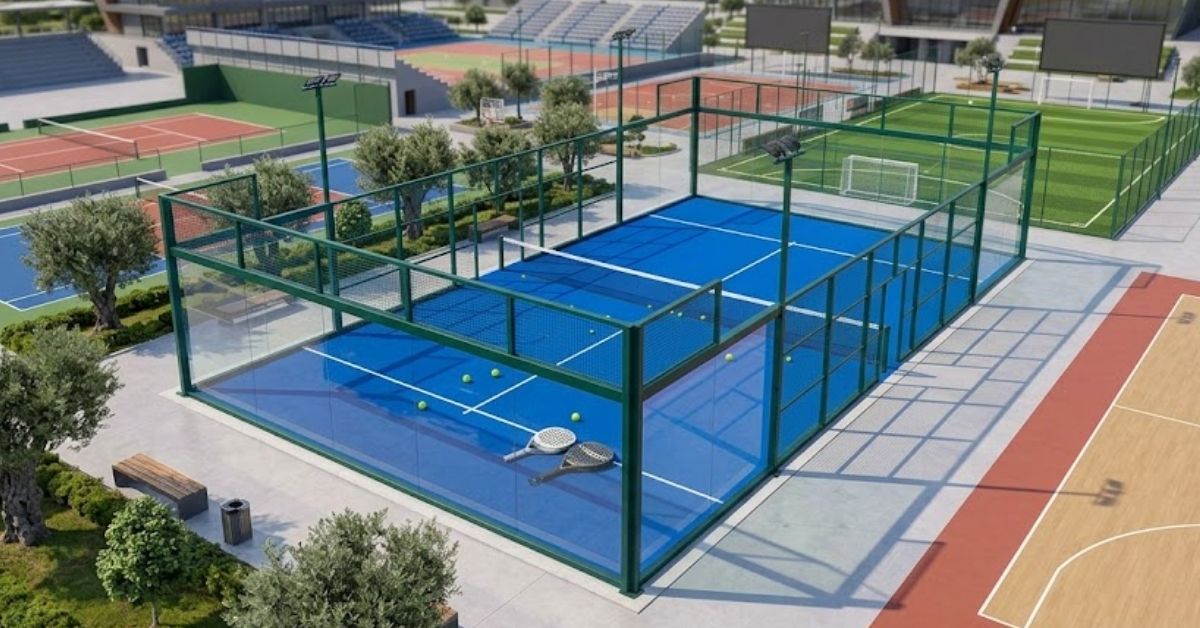
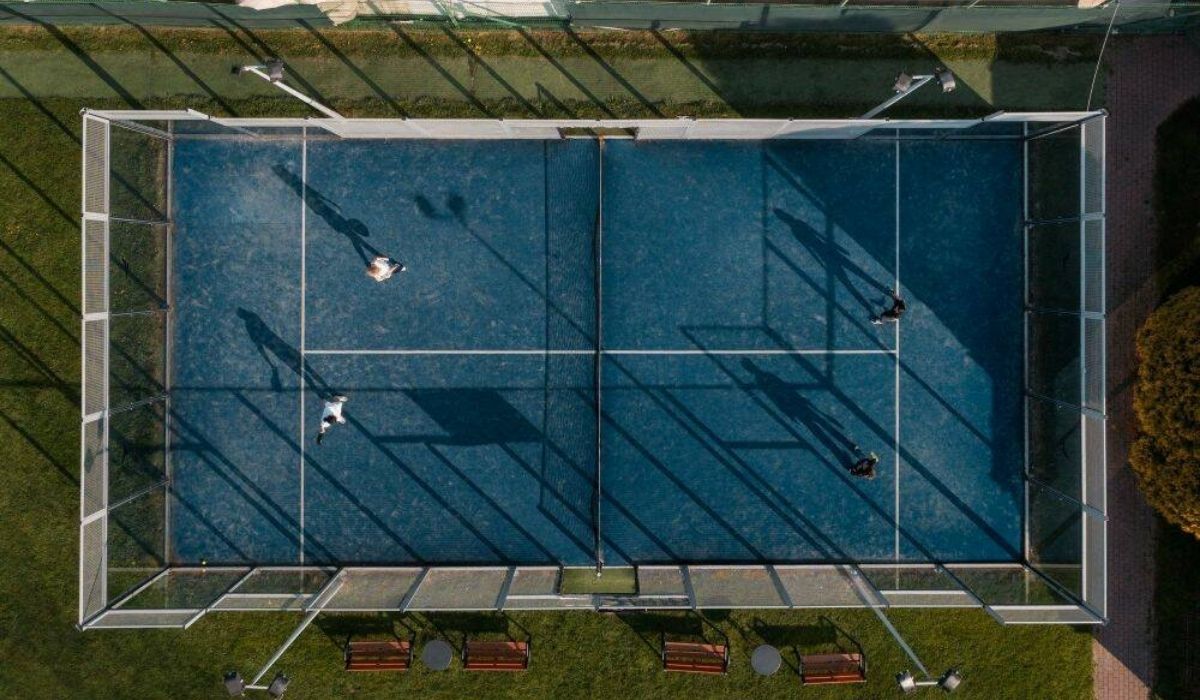
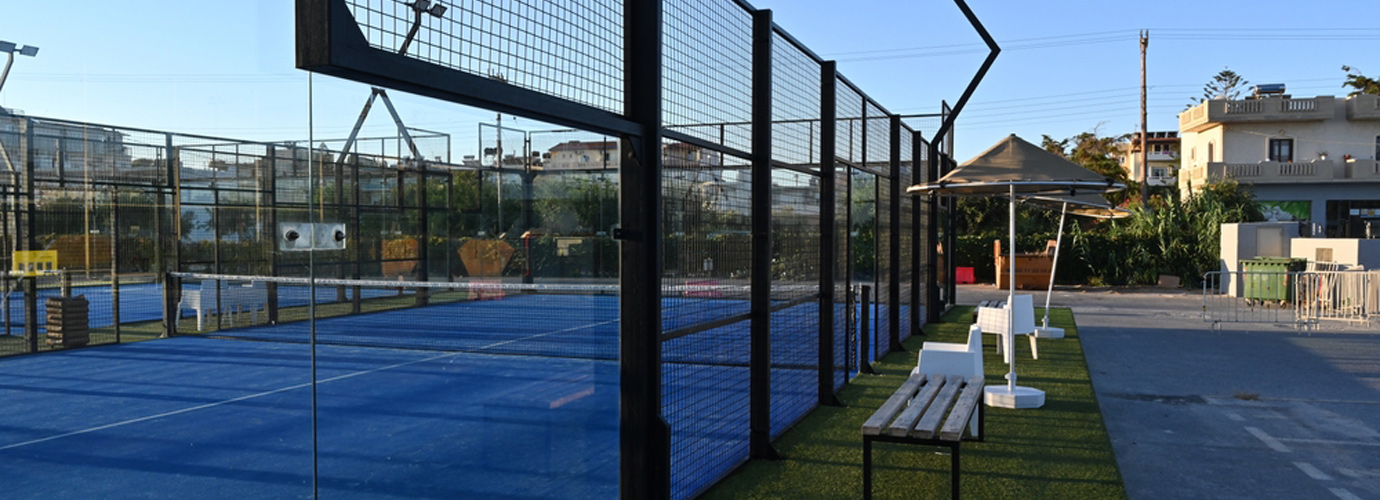
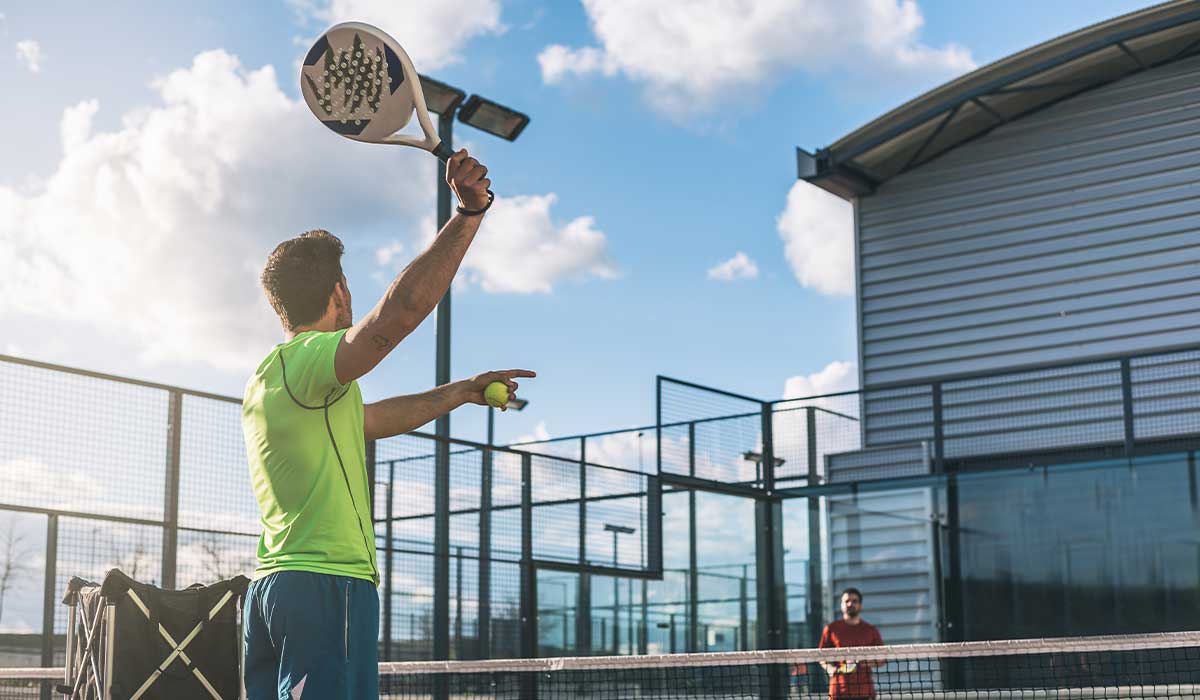
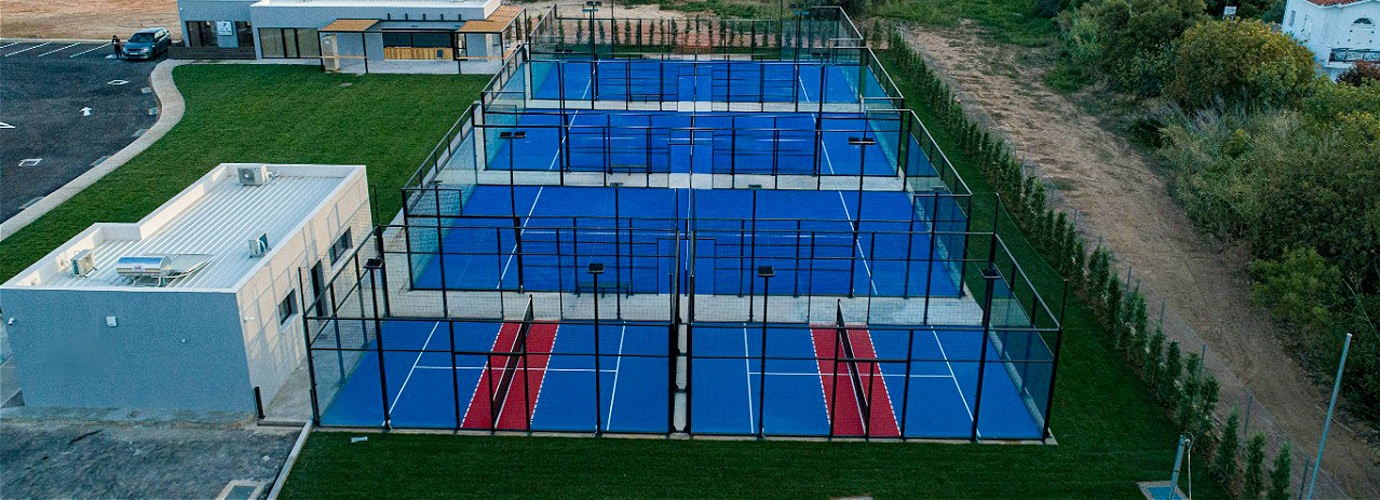
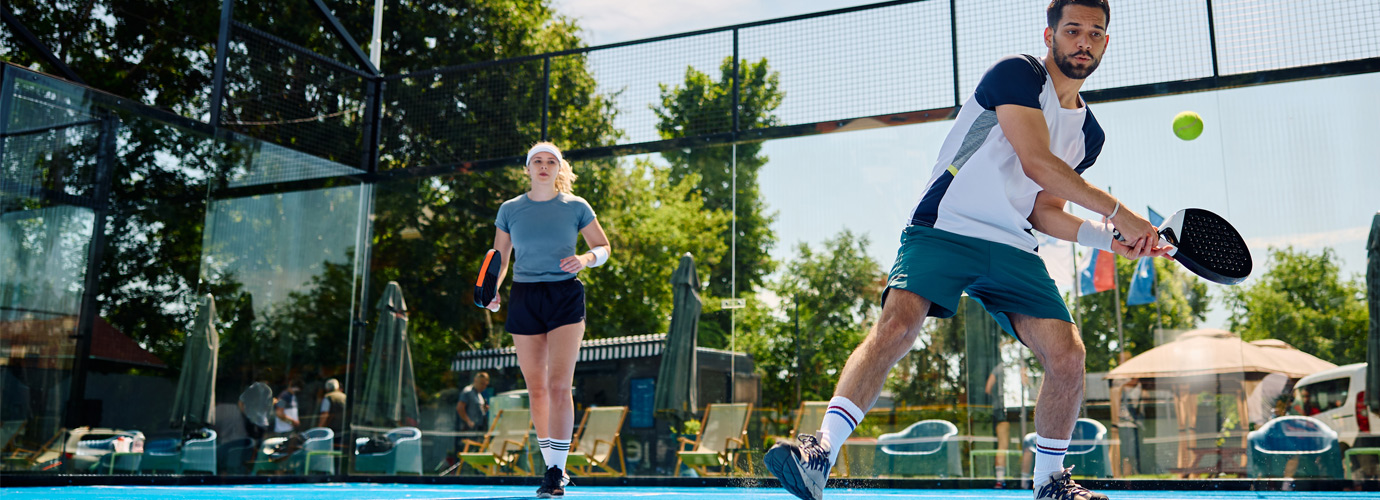
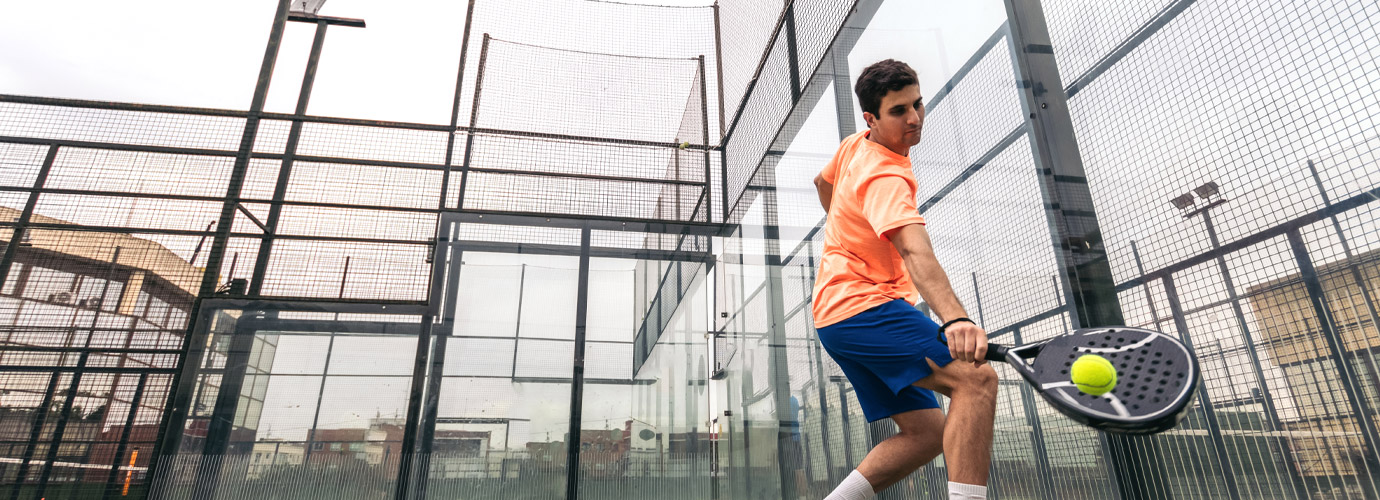
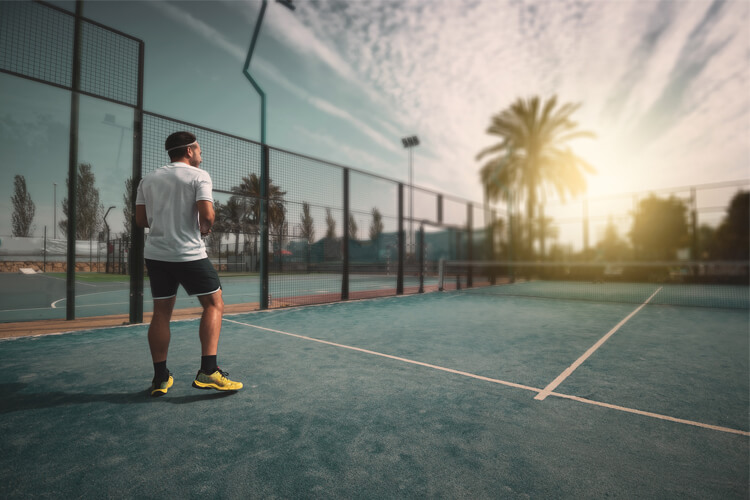
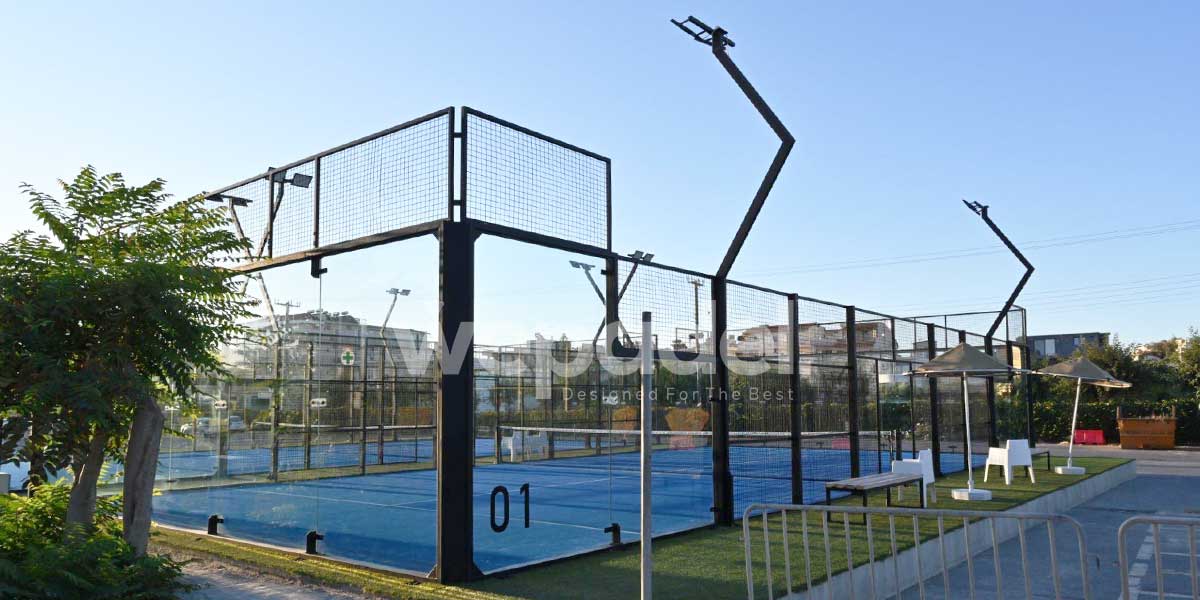
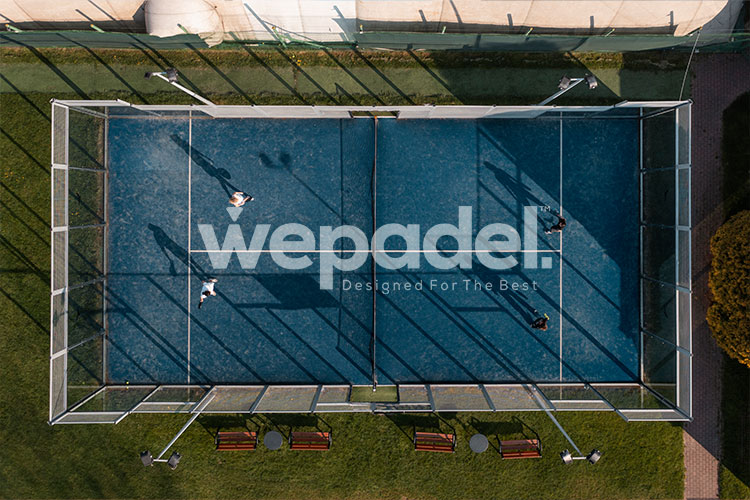
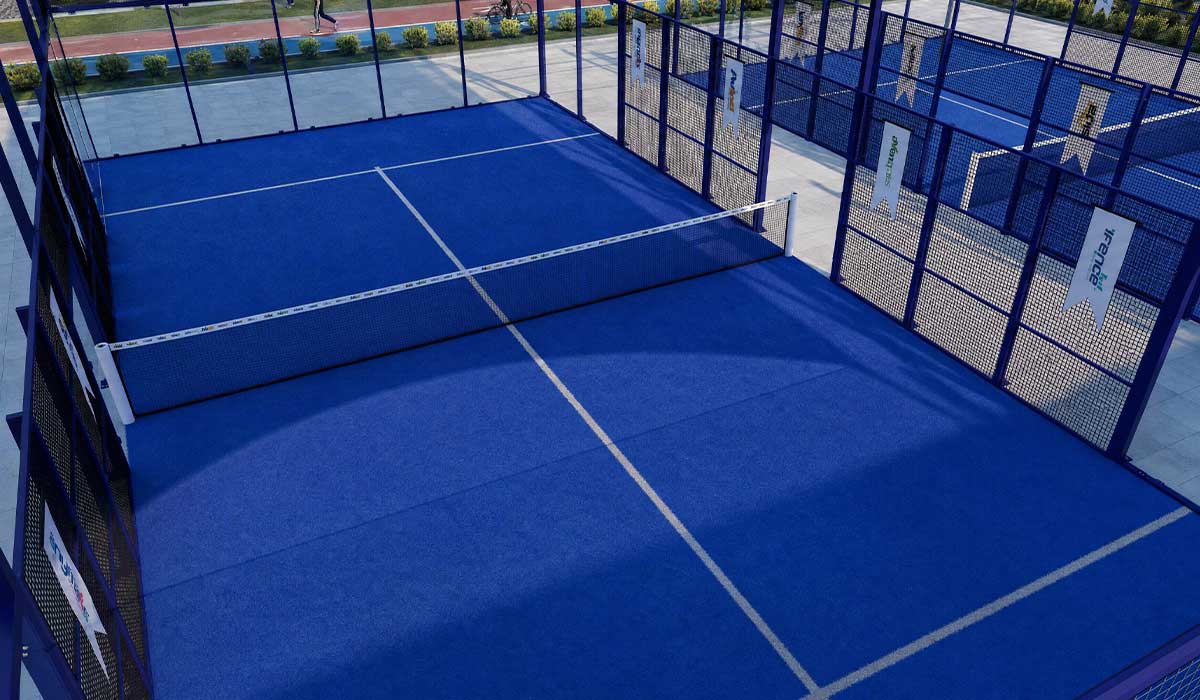
An outdoor padel court is a padel court solution designed for open-air use and can provide a strong balance between investment cost and usage potential, particularly in regions with suitable climate conditions.
Outdoor courts are frequently preferred for hotels, resort projects, sports clubs, municipal sports facilities, residential developments, and independent padel clubs.
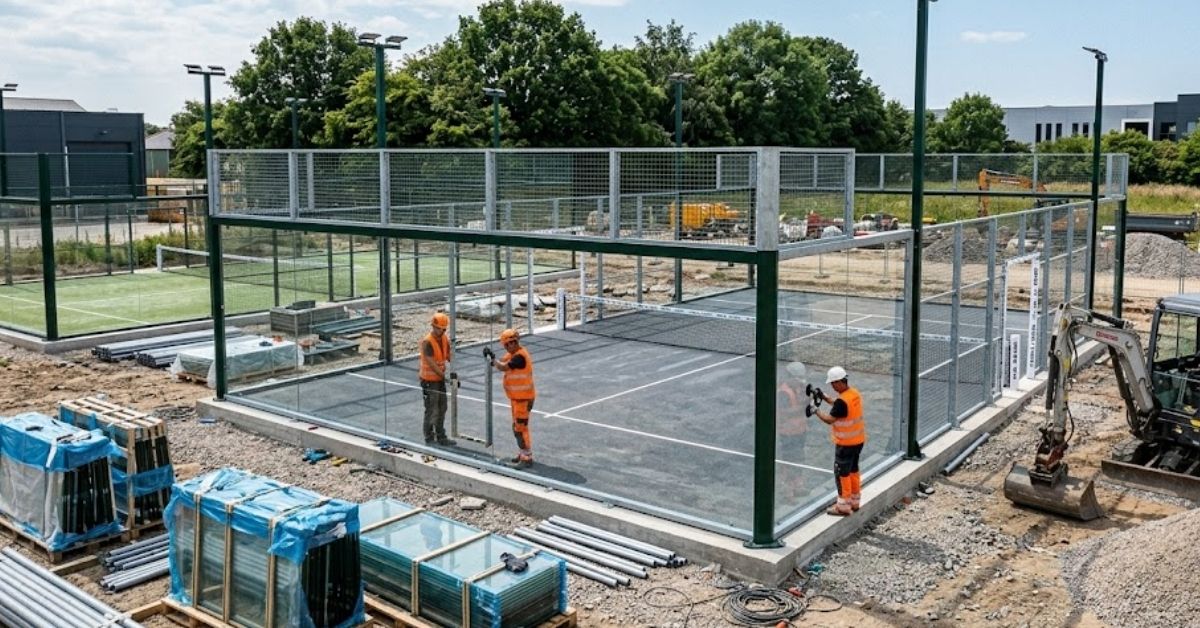
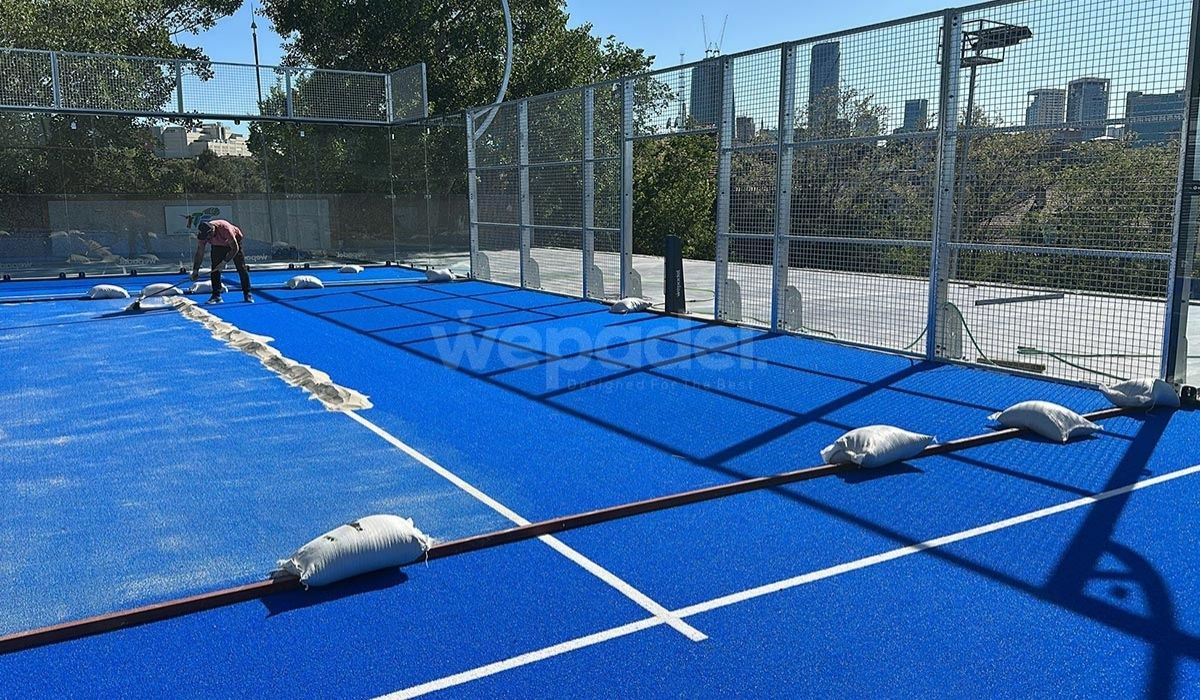
For outdoor installations, proper preparation of the ground where the court will be installed is extremely important. The quality and level of the concrete foundation, water drainage, anchoring points, prevailing wind direction, and lighting layout should all be evaluated before installation begins.
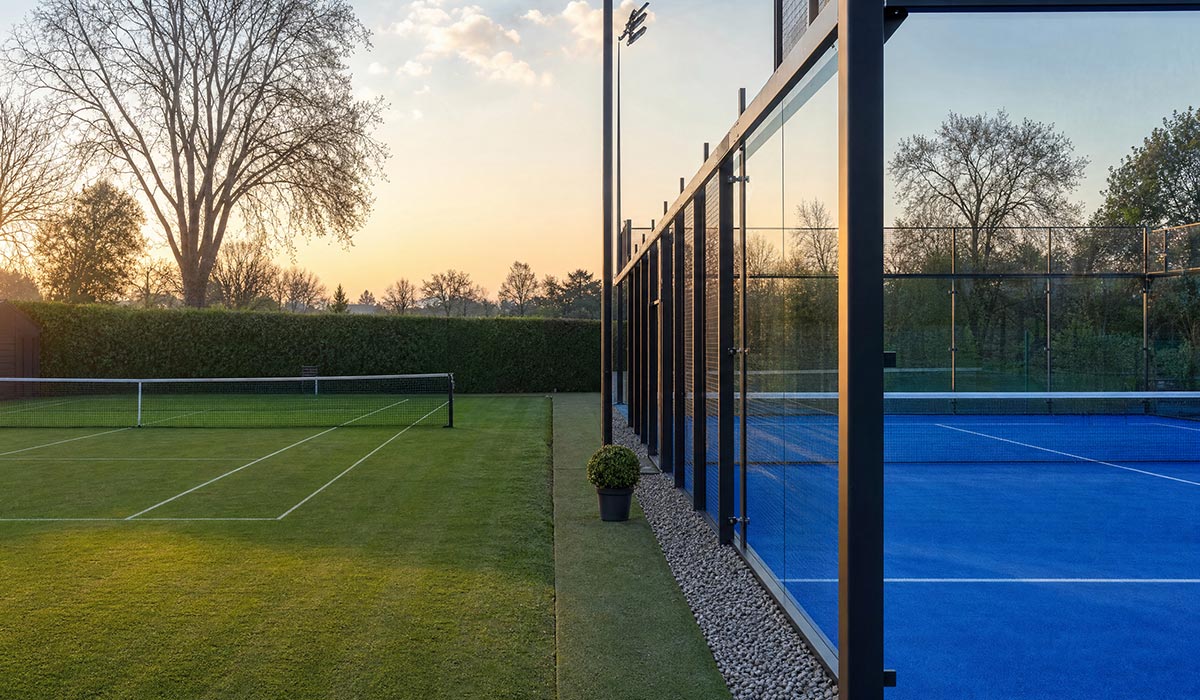
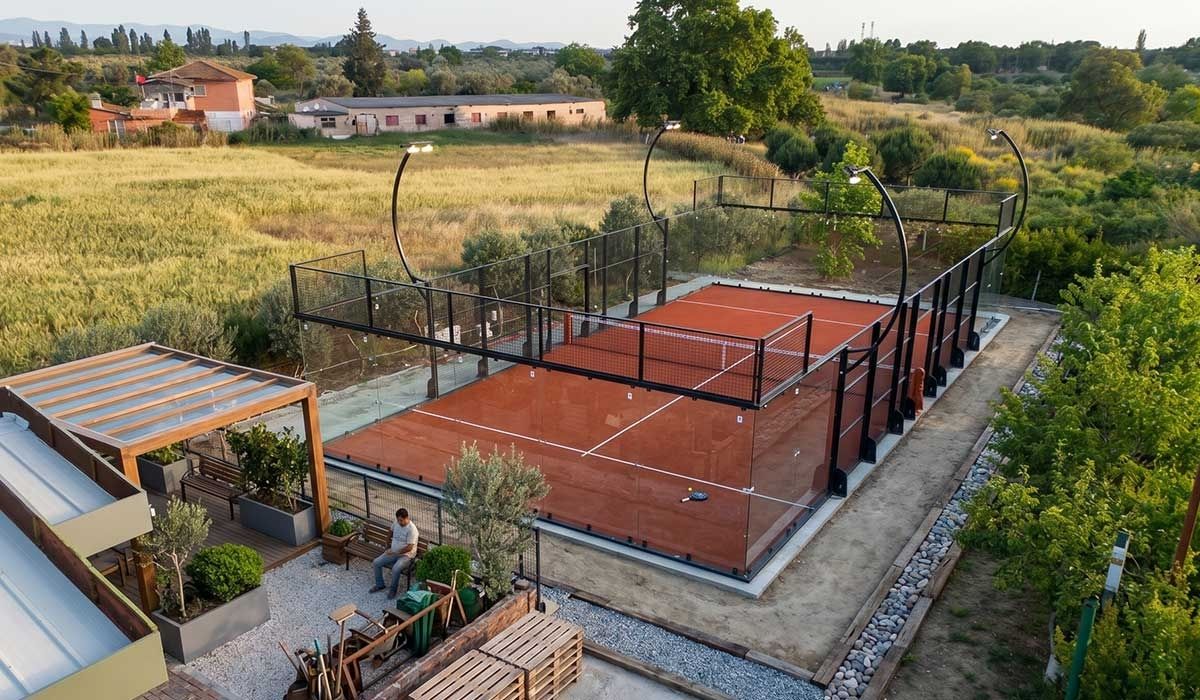
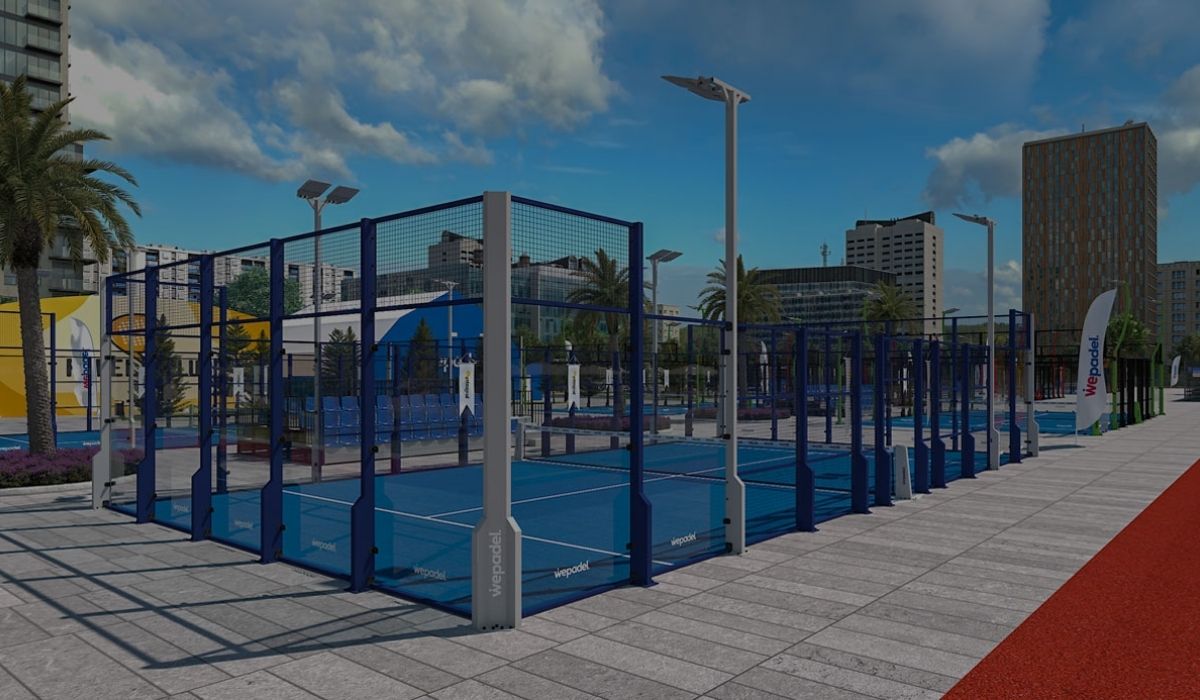
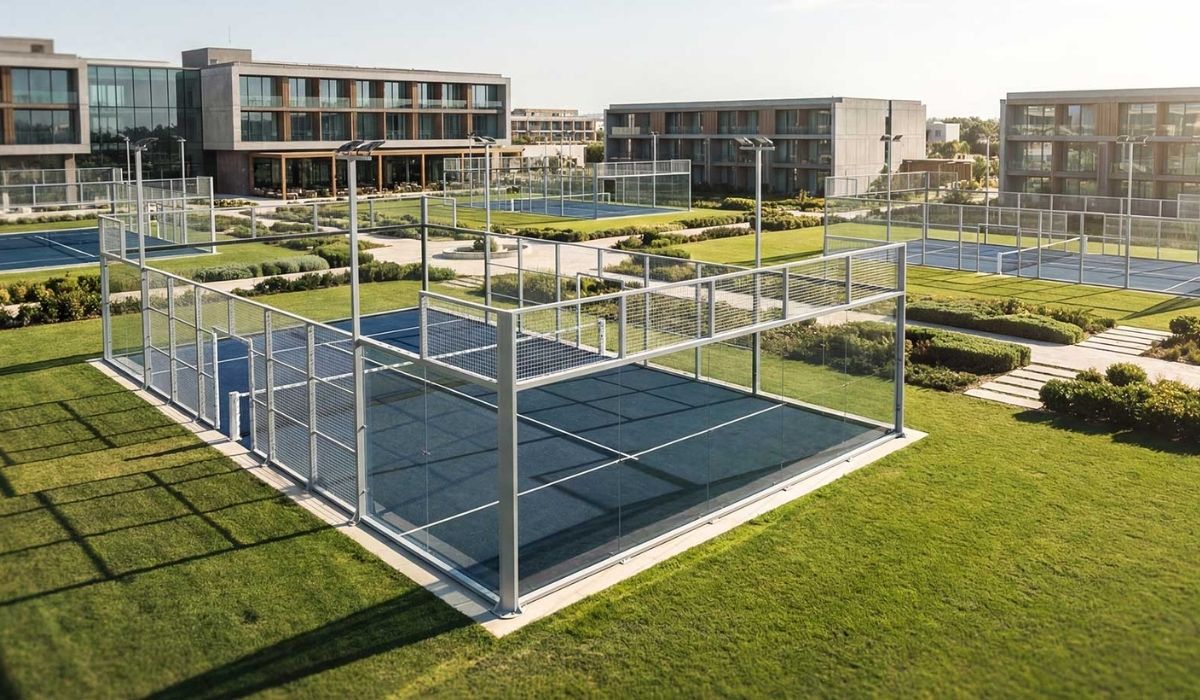
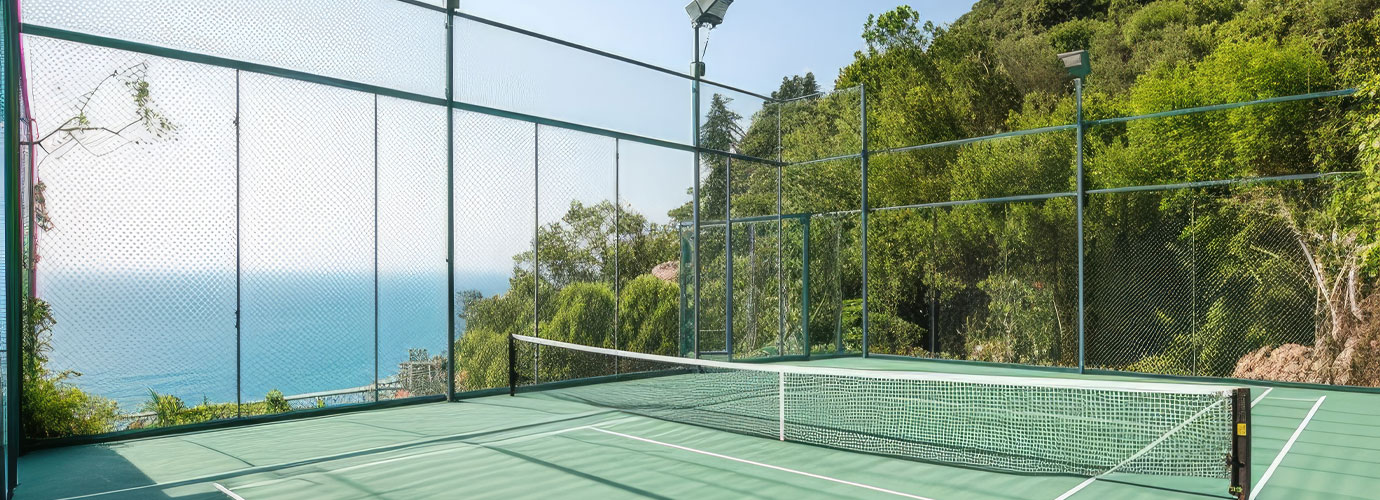
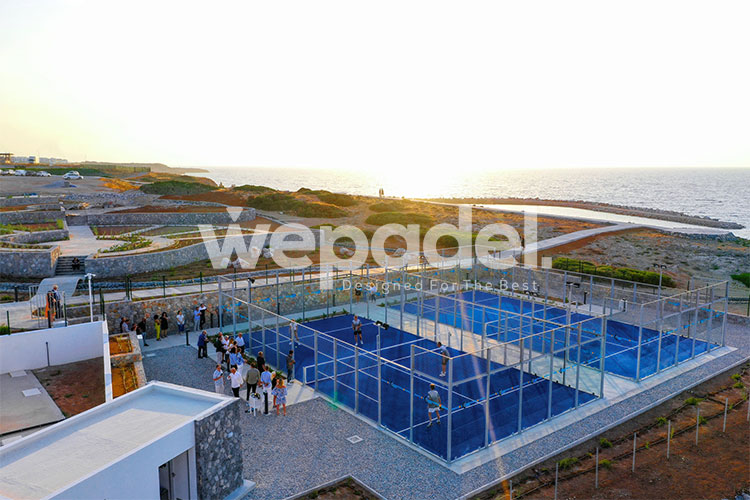
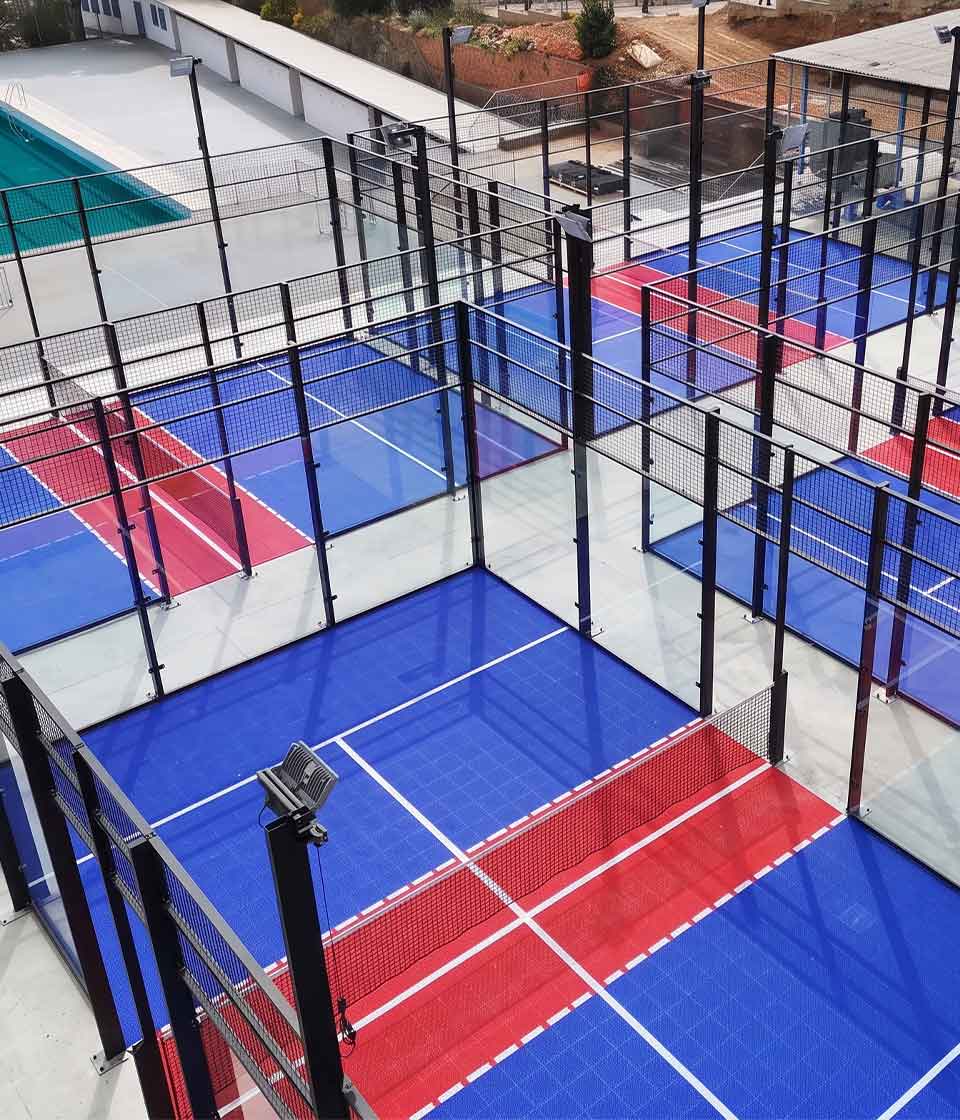
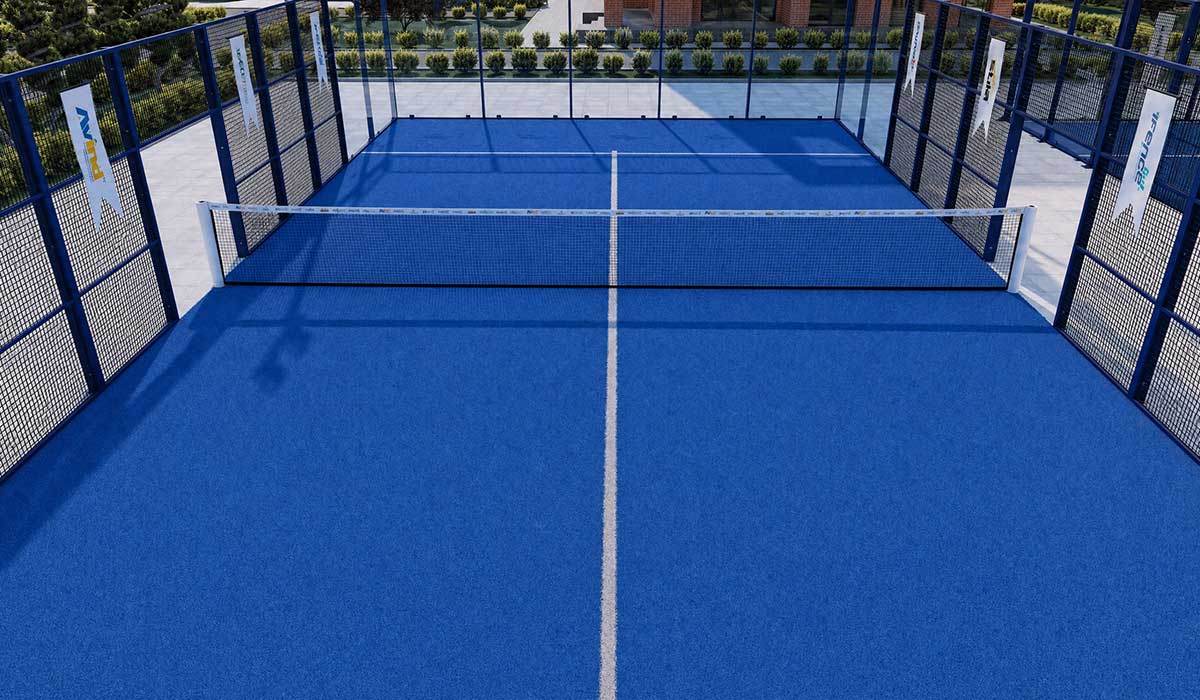
An outdoor padel court with an emphasis on panoramic visibility can become a strong architectural feature, particularly for hotels, private clubs, and premium facilities where the spectator experience is important.
Advantages of an Outdoor Padel Court
One of the major advantages of outdoor padel courts is that they can be implemented more quickly and flexibly in projects with suitable land conditions.
Outdoor courts can offer high usage potential throughout much of the year, especially in warm and mild climates. In addition, panoramic court designs that integrate with the natural landscape of a facility can make the padel area visually impressive as well as functional for sports.
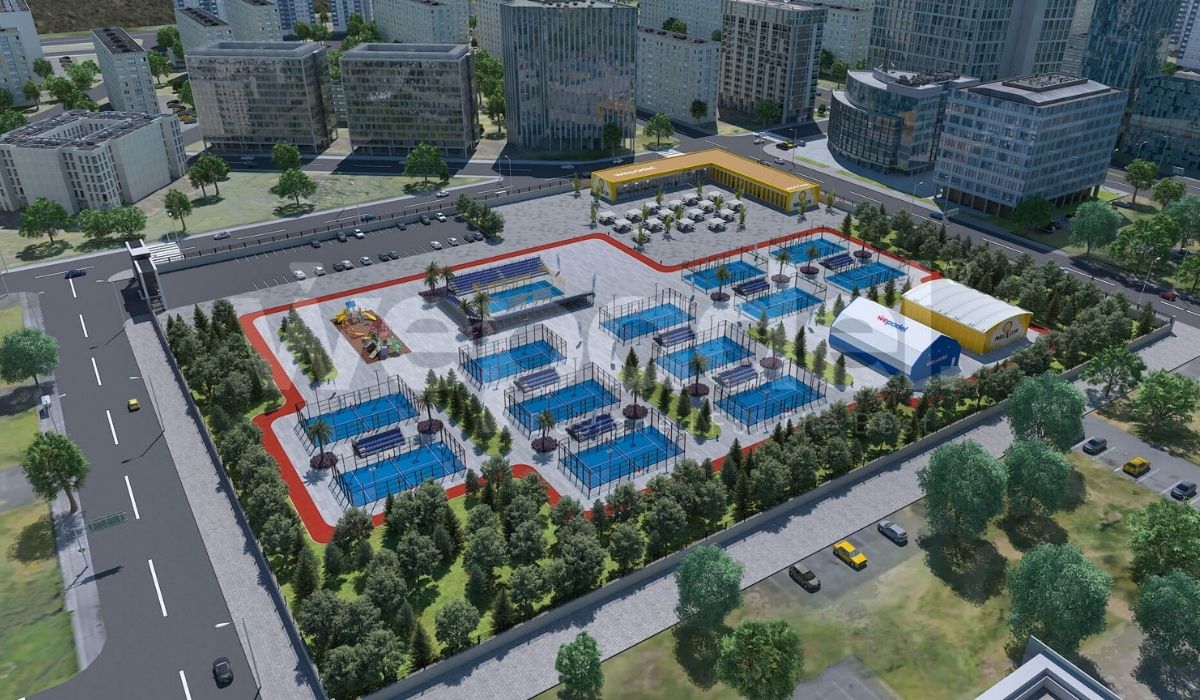
Another important advantage is scalability. Investors can begin with two or three courts and add additional padel courts as player demand increases.
An outdoor padel court designed with the right steel structure, tempered glass, professional playing surface, and powerful lighting system can become a strong long-term investment option for commercial use.
Indoor and Outdoor Padel Court Construction Differences
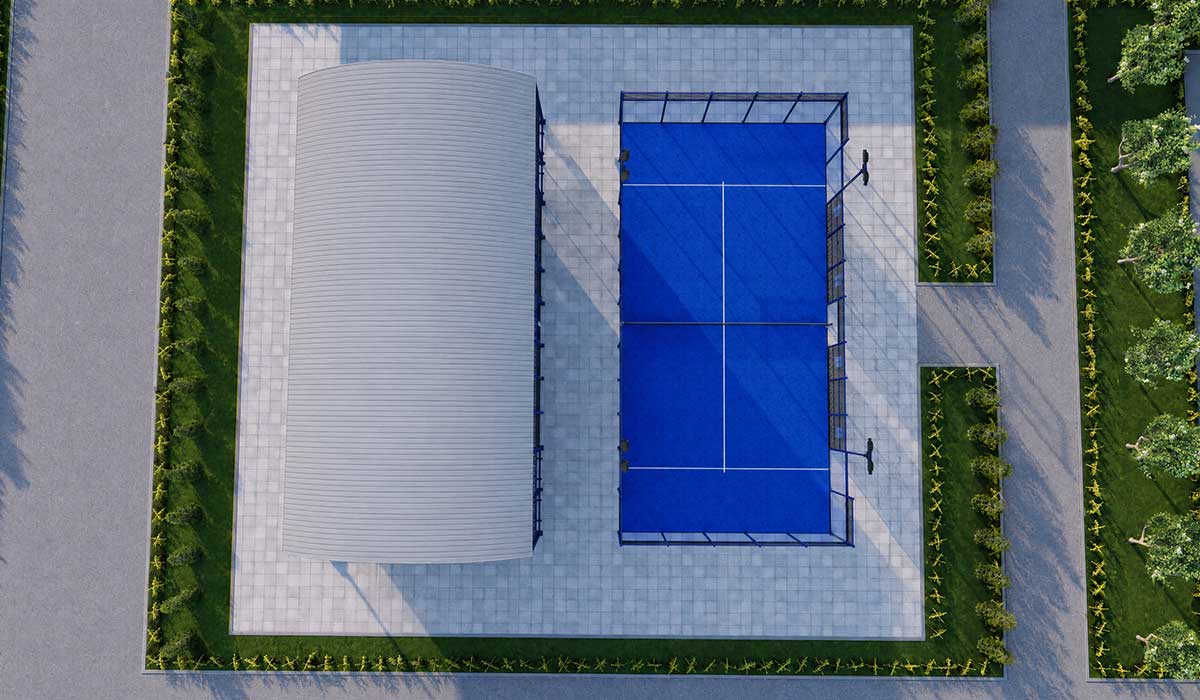
Although the basic playing dimensions of both types of courts are similar, there are significant differences in the project planning and installation stages.
For outdoor courts, site drainage, rainwater management, wind loads, sun orientation, and the selection of materials resistant to outdoor environmental conditions become particularly important. Appropriate manufacturing and surface protection systems should also be used to protect the steel structure against long-term exposure to external conditions.
For indoor padel projects, factors such as building or roof height, column spacing, lighting systems, ventilation, distances between courts, and player circulation within the facility should be taken into consideration.
For both systems, a professional engineering approach is critical to ensuring that the court is safe, durable, and suitable for long-term use.
Which Is More Advantageous for Investors?
There is no single answer to this question.
Outdoor systems can be a particularly strong option in Mediterranean regions, Gulf countries, and markets where outdoor use is possible during most of the year. In colder, rainier, or more variable climates, indoor facilities can provide a longer operating season.
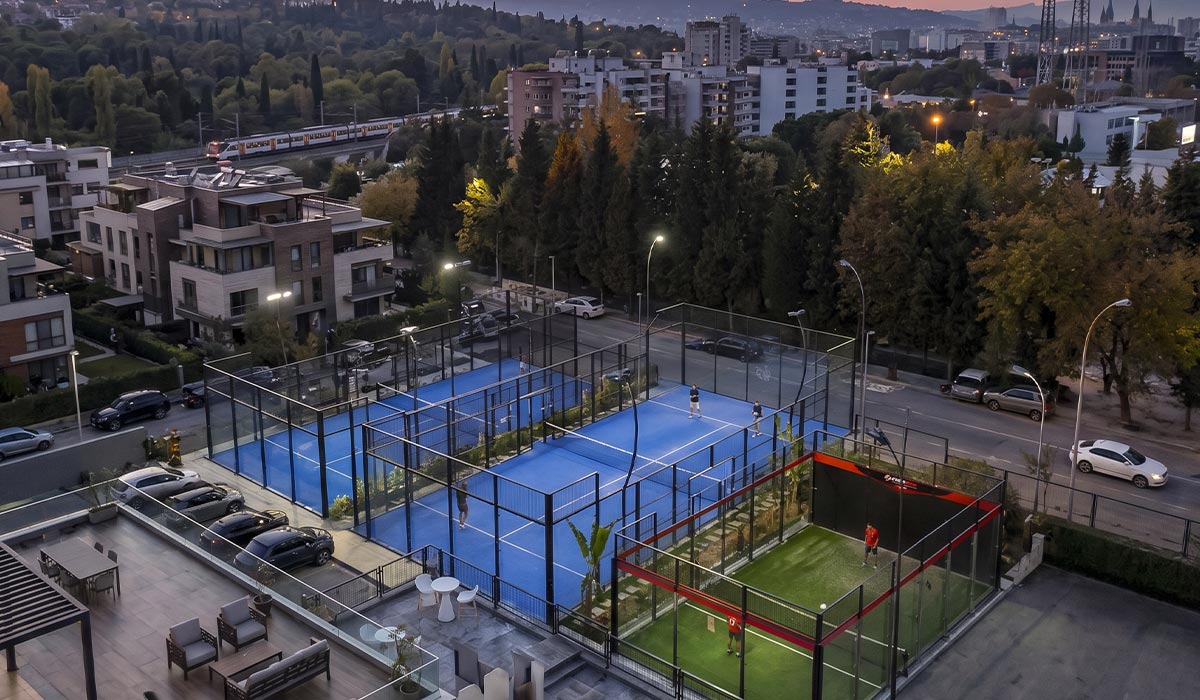
For some investors, the most effective model may be to combine both solutions within the same facility. For example, a complex with four outdoor courts and two indoor courts can provide high outdoor capacity during favorable weather while helping prevent the business from completely stopping during poor weather conditions.
For this reason, investors should not evaluate a padel investment based solely on the price of the court. Factors such as annual usable hours, potential booking rates, climate conditions, target customer profile, and future capacity expansion should also be considered together.
Why Choose WePadel?
Investors who choose WePadel receive more than just a padel court. They gain access to a comprehensive project solution in which manufacturing, engineering, logistics, and installation processes are planned together.
Steel construction, tempered glass systems, professional artificial turf, lighting solutions, connection components, and other technical elements of the court are evaluated according to the requirements of each project. With a range of WePadel product alternatives, from panoramic models to fully covered systems, solutions can be developed for different investment models, from hotels to professional padel clubs.
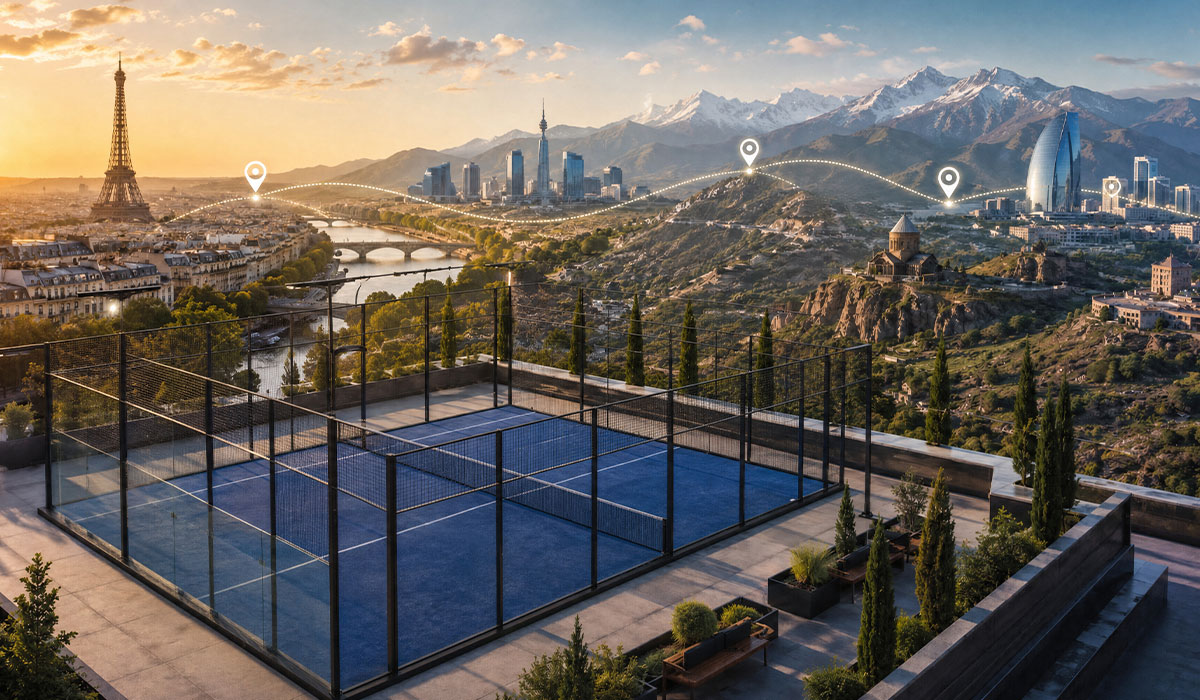
Climate and site conditions also vary significantly from one country to another. A padel facility in France cannot be evaluated with exactly the same technical approach as a project in Dubai or an indoor facility in Kazakhstan. For this reason, WePadel aims to plan the court model and project specifications according to the location where the investment will be implemented.
Padel Court Projects from Türkiye to Europe, the Gulf, and Central Asia
Thanks to WePadel's manufacturing capabilities and international project organization, padel investments can be implemented across different regions of the world.
In the European market, projects can be planned in countries including Türkiye, France, Spain, Germany, Belgium, the Netherlands, Italy, and the Balkan countries. In the Caucasus and Central Asia, WePadel can provide solutions for markets such as Azerbaijan, Georgia, Kazakhstan, and Uzbekistan. In the Gulf region, indoor and outdoor padel court projects can also be developed according to investment requirements in countries such as the United Arab Emirates, Qatar, and Saudi Arabia.
For international projects, proper organization of packaging, shipping, site coordination, and installation is just as important as manufacturing itself. WePadel's goal is to determine the appropriate technical solution for the investor's location and make the entire process manageable from manufacturing through installation.
Bring Your Padel Investment to Life with WePadel
If you are planning to enter the padel industry or add new courts to your existing sports facility, your first decision should not simply be choosing between indoor and outdoor courts. Your location, investment budget, target capacity, and business model should all be evaluated together.
Solutions can be developed at different scales, from boutique padel clubs with two courts to professional multi-court facilities, hotel projects, and large sports complexes.
Increase the potential of your investment by choosing the right padel court model for the right location.
With WePadel, you can determine the most suitable court model for your project's site and climate conditions, compare indoor and outdoor alternatives, and create a professional padel court solution from manufacturing to installation.
If you are planning a padel investment, share your project details with WePadel and let us shape the right court model, facility capacity, and installation solution together.